Demodectic Mange in a Bull Terrier
There's nothing quite as frustrating as seeing your lively Bull Terrier puppy suddenly developing patches of hair loss, or watching an adult dog struggle with persistent skin issues, leaving you wondering if you're doing something wrong. Demodectic mange, often just called "demodex," is a common and incredibly exasperating skin condition that can affect Bull Terriers of all ages, turning their usually sleek, short coat into a patchy, irritated mess. It’s a problem that often leaves owners feeling confused and helpless, especially when symptoms don't clear up easily. This comprehensive guide aims to demystify demodectic mange, explaining what it is, why Bull Terriers are particularly prone, how to recognize its signs, the diagnostic journey, and the most effective treatment and management strategies to get your beloved Bull Terrier back to their vibrant self.
Understanding Demodectic Mange in Bull Terriers
Demodectic mange is one of those conditions that sounds scary, but once you understand what's really going on, it becomes a lot less daunting, even if it remains a persistent challenge for Bull Terrier owners. Unlike other types of mange, demodex is caused by a mite that is, surprisingly, a normal resident on almost every dog's skin. The problem arises when something goes awry, allowing these tiny creatures to multiply out of control.
What Exactly is the Demodex Mite?
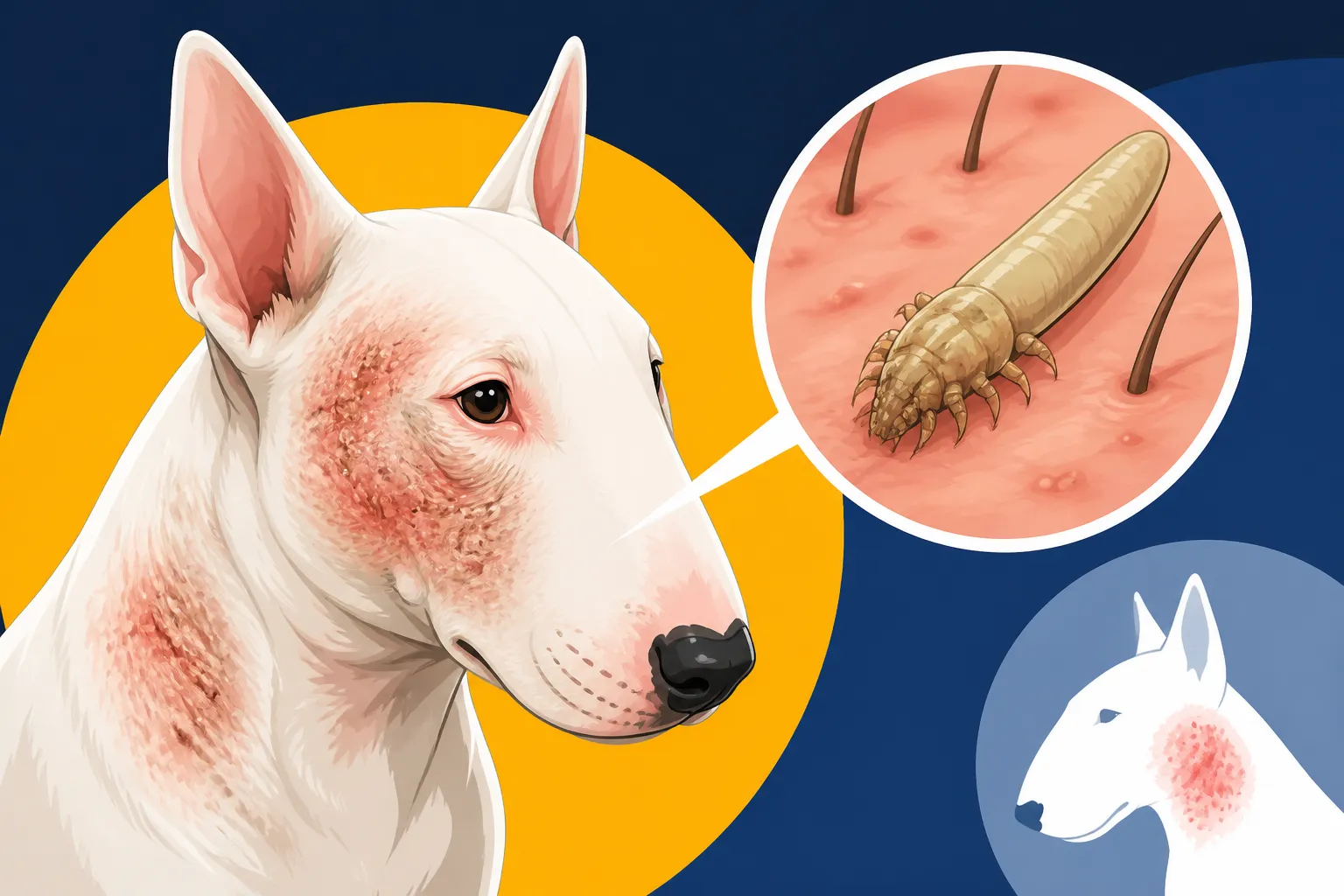
The culprit behind demodectic mange is a microscopic mite called Demodex canis. These cigar-shaped mites live in the hair follicles and sebaceous glands of a dog's skin. Here's the kicker: nearly all dogs, and even humans, carry a small number of these mites without any issue whatsoever. They're typically passed from mother to puppy during nursing, and a healthy dog's immune system keeps their population in check. It's when this delicate balance is disrupted that symptoms begin to appear. So, your Bull Terrier isn't "catching" demodex from another dog in the same way they might catch fleas or kennel cough; it's usually an overgrowth of their own mites. This is a crucial distinction and often helps to alleviate some of the initial panic owners feel. These mites are species-specific, meaning your Bull Terrier's Demodex canis mites won't infest you or your cat.
Localized vs. Generalized Demodectic Mange
Demodectic mange manifests in a couple of different ways, and understanding the distinction is key to assessing the severity and potential prognosis.
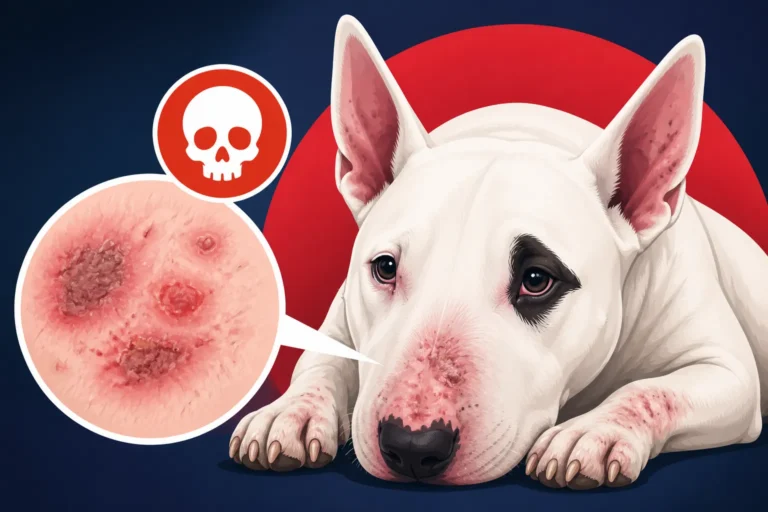
Localized Demodectic Mange: This is the milder form, most commonly seen in puppies, often under a year old. It typically presents as one to five small, well-defined patches of hair loss, frequently on the face (around the eyes, mouth, or forehead) and on the front legs. The skin in these areas might look a little red, scaly, or flaky, but it's generally not terribly itchy unless a secondary infection has set in. Many of these localized cases resolve on their own as the puppy's immune system matures and strengthens. Think of it as a temporary hiccup in their developing immune response. While it's certainly alarming to see your cute Bull Terrier puppy losing hair, this form often responds well to simple topical treatments or even watchful waiting.
Generalized Demodectic Mange: This is the more severe form, covering larger areas of the body, or involving more than five localized spots. With generalized demodex, you'll see widespread hair loss, often accompanied by significant redness, scaling, crusting, and thickening of the skin. Secondary bacterial or yeast infections are very common with generalized demodex, leading to intense itching, skin odor, pustules, and sometimes even a greasy feel to the coat. This form can be much more challenging to treat and typically requires systemic medication. Generalized demodex can also be categorized by age of onset: juvenile-onset (under 18 months) and adult-onset (over 18 months). Adult-onset generalized demodex is particularly concerning because it strongly suggests an underlying systemic illness or immune suppression that needs to be identified and treated.
The Role of the Immune System
At the heart of demodectic mange, particularly the generalized form, is a malfunction or immaturity of the dog's immune system. As we mentioned, healthy dogs keep these mites in check. When a dog develops demodex, it means their immune system isn't effectively suppressing the mite population.
For puppies with localized demodex, it's often attributed to an immature immune system that simply hasn't quite learned to regulate the mite population yet. As they grow and their immune system fully develops, they usually overcome the condition. However, for those with generalized demodex, especially adults, it's a different story. This form indicates a more significant compromise of the cellular immune system, which is the body's defense mechanism against parasites and other invaders. This immune system weakness can be genetically inherited, which is a big reason why certain breeds, including the Bull Terrier, are more susceptible. It can also be triggered by various stressors or underlying health conditions that suppress immunity.
Why Bull Terriers Are Uniquely Susceptible
While any dog can get demodectic mange, it’s a frustrating reality for many Bull Terrier owners that their beloved bullies seem to be particularly prone to this condition. This isn't just bad luck; there are some inherent factors that make our egg-headed companions more susceptible. Understanding these breed-specific vulnerabilities is the first step in effective management.
Genetic Predisposition in the Breed
It’s widely acknowledged in veterinary dermatology that certain breeds have a genetic predisposition to demodectic mange, and Bull Terriers are, unfortunately, on that list. This isn't about weak genes in a general sense, but rather a specific, inherited cellular immune defect that makes them less able to control the Demodex canis mite population. This means that even a perfectly healthy-looking Bull Terrier puppy from a seemingly healthy line can develop the condition if they inherit this particular immune system quirk.
Breeders who are committed to the health of the breed are diligently working to reduce the incidence of demodex, but because it's a complex genetic issue, it's not always straightforward to eliminate. This predisposition is one of the reasons why Why Demodex appears on a Bull Terrier puppy is such a common query. If a puppy's immune system isn't robust enough to handle even the normal complement of mites, those mites will proliferate, leading to visible skin issues. It's a cruel twist of fate that our tough-looking Bull Terriers can have such a delicate immune system when it comes to these tiny invaders.
Age of Onset and Immune System Maturity
The age at which demodectic mange first appears can offer important clues about its underlying cause and the severity of the immune system involvement.
Juvenile-Onset Demodex: This form, as mentioned, usually affects puppies under 18 months of age. In Bull Terriers, you might see small patches of hair loss starting as early as 3-6 months. The prevailing theory is that these puppies have an immature or temporarily compromised immune system that just isn't quite up to the task of keeping the mite population in check. As the puppy matures, their immune system often strengthens, and many localized cases resolve spontaneously. However, if a juvenile case is generalized and severe, it points to a more significant inherited immune deficit, making the dog a poor candidate for breeding.
Adult-Onset Demodex: When a Bull Terrier develops generalized demodectic mange after 18 months of age, it's a much more serious red flag. This type of onset strongly suggests an underlying systemic health problem that is suppressing the dog's immune system. This isn't about an immature immune system; it's about a previously healthy one that has been compromised. Veterinarians will launch a thorough investigation to identify the root cause. This could range from hypothyroidism to Cushing's disease, certain cancers, or even the long-term use of immunosuppressive drugs. It is crucial to address this question: Whether Demodex means a Bull Terrier's immunity is weak. In adult-onset cases, the answer is often a resounding yes, and finding why it's weak is paramount to successful treatment.
Contributing Factors and Stressors
Beyond genetics and immune maturity, several other factors can contribute to the development or worsening of demodectic mange in Bull Terriers. These are often things that place additional stress on the immune system, tipping the delicate balance in favor of the mites.
Stress: Just like in humans, stress can have a profound impact on a dog's immune system. Major life changes, such as moving to a new home, undergoing surgery (like spaying or neutering), changes in family dynamics, or even intense training periods, can potentially suppress a Bull Terrier's immunity enough to allow demodex mites to proliferate. For instance, a puppy transitioning from the breeder's home to a new family might experience enough stress to trigger a localized breakout.
Concurrent Illnesses: Any illness that weakens the body can also weaken the immune system. This includes infections (bacterial, viral, fungal), internal parasites, or chronic inflammatory conditions. When a Bull Terrier is already fighting something else, their body might not have the resources to keep the demodex mites under control. This is particularly relevant in adult-onset cases, where the demodex might just be the visible tip of an iceberg of a more serious underlying health issue.
Poor Nutrition: A diet lacking essential nutrients can also compromise immune function. While not a direct cause, inadequate nutrition means the body doesn't have the building blocks it needs to maintain a strong immune system and healthy skin barrier. While specific dietary interventions for demodex aren't typically primary treatments, ensuring your Bull Terrier is on a high-quality, balanced diet is always a good supportive measure for overall health.
Recognizing the Telltale Signs and Symptoms
Spotting demodectic mange early in your Bull Terrier can make a significant difference in treatment success and preventing widespread discomfort. Because their skin is often cited as A Bull Terrier's skin is its weakest point, owners need to be extra vigilant for any changes. While the specific presentation can vary between localized and generalized forms, knowing what to look for is key.
Early Warning Signs in Puppies
When dealing with a Bull Terrier puppy, their boundless energy and playful antics can sometimes mask subtle health changes. However, demodectic mange often gives itself away with specific early indicators.
Typically, the first signs appear as small, often circular patches of hair loss. These spots are most commonly found on the face, especially around the eyes, lips, and muzzle, and sometimes on the front legs. The skin in these areas might look a bit red, scaly, or slightly flaky, almost like very mild dandruff. Crucially, in these early, localized stages, the puppy usually isn't very itchy. This lack of intense itching is a key differentiator from other common puppy skin problems, such as flea allergies or sarcoptic mange, which tend to be intensely pruritic (itchy). You might notice your puppy scratching occasionally, but it won't be the frantic, relentless scratching associated with other skin irritations. The patches might grow slowly, or new small ones might appear, giving the impression of an isolated, minor issue.
Generalized Manifestations in Adults
Generalized demodectic mange in adult Bull Terriers is a more severe and often more distressing condition, demanding immediate veterinary attention. The signs are far more widespread and pronounced, often indicative of a deeper problem.
Instead of a few small patches, you'll see extensive areas of hair loss, creating large, irregular bald spots that can cover much of the body. The skin itself will look significantly more inflamed: very red, thickened, and often hyperpigmented (darker). You might also observe prominent scaling, crusting, and even bleeding if the skin is severely compromised. A common concern for owners is asking, What a Bull Terrier's bald patch means when it appears, and with generalized demodex, it signifies a widespread mite overgrowth and compromised skin health. What begins as hair loss quickly becomes a breeding ground for secondary bacterial and yeast infections. These infections lead to intense itching, which the dog will try to relieve by scratching, licking, and chewing, further damaging the skin. The skin can develop pustules (small pus-filled bumps), papules (small red bumps), and a strong, unpleasant odor dueating to bacterial overgrowth. In severe cases, the lymph nodes may be swollen, and the dog might appear lethargic or have a decreased appetite, reflecting the systemic toll the condition is taking on their body.
Differentiating From Other Skin Conditions
One of the challenges in diagnosing demodectic mange is that its symptoms can mimic those of several other common skin conditions in Bull Terriers. A correct diagnosis from your veterinarian is absolutely essential.
For instance, localized hair loss and redness can sometimes be confused with fungal infections like ringworm, which also often appears as circular patches. However, ringworm lesions tend to be more inflamed and itchy, and are often transmissible to humans. Another common mimic is sarcoptic mange, caused by the Sarcoptes scabiei mite. This condition, often referred to as "scabies," is intensely itchy, far more so than early demodex, and the mites are highly contagious. Allergy symptoms, such as those related to environmental allergens or food sensitivities (Whether a Bull Terrier gets skin allergies), can also cause redness, itching, and hair loss, particularly around the paws, belly, and ears. However, these usually present with primary itching as the main symptom, whereas itching in demodex often comes secondary to bacterial infections. Even hormonal imbalances, like hypothyroidism, can lead to symmetrical hair loss without much itching, which can be mistaken for demodex. This overlap in symptoms underscores why a trip to the vet for proper diagnostics, rather than self-diagnosis, is the only reliable way forward.
The Diagnostic Process and What to Expect at the Vet
When you suspect demodectic mange, a trip to the veterinarian is non-negotiable. Self-treating based on symptoms can delay proper care and worsen your Bull Terrier's condition. The diagnostic process is relatively straightforward but requires precision to ensure an accurate diagnosis.
The Skin Scrape Procedure
The gold standard for diagnosing demodectic mange is a deep skin scrape. This procedure is quick, minimally invasive, and usually well-tolerated by most Bull Terriers, though some might grumble a bit if they're particularly sensitive or sore.
Your vet will select several areas of affected skin, often focusing on the edges of lesions where mites are actively proliferating. They'll typically apply a drop of mineral oil to the skin, which helps to collect the mites and skin debris. Then, using a dull scalpel blade, they'll gently but firmly scrape the surface of the skin until a tiny amount of capillary blood oozes. The goal isn't to draw a lot of blood, but to go deep enough to get into the hair follicles where the Demodex canis mites reside. The collected material is then transferred to a microscope slide and examined under magnification. The mites are easily identifiable by their unique cigar shape and eight short legs. Because Bull Terriers can have thick skin, and mites might be hiding deep, multiple scrapes from different locations are often necessary to ensure detection. In some cases, even with active mange, mites can be notoriously difficult to find, especially if the lesions are very old or secondary infections are severe.
Other Diagnostic Tools
While the deep skin scrape is paramount, your veterinarian might employ other diagnostic techniques, especially if mites are elusive or if they suspect an underlying condition contributing to the mange.
Tape Impressions and Hair Plucks: If the skin is too fragile for scraping, or in areas like between the toes where scraping is difficult, tape impressions or hair plucks might be used. For a tape impression, a piece of clear adhesive tape is pressed onto the affected skin and then placed on a slide for microscopic examination. Hair plucks involve plucking hairs from affected areas and examining the hair follicles and roots under a microscope for mites. These methods are generally less sensitive than deep skin scrapes for demodex but can sometimes yield results.
Skin Biopsies: In complex cases, or when mites are not found despite strong clinical suspicion, a skin biopsy might be recommended. This involves taking a small tissue sample under local anesthesia (and often sedation) and sending it to a veterinary pathologist for a more detailed examination. A biopsy can confirm the presence of mites deep within the follicles and also help identify any other concurrent skin diseases or underlying conditions contributing to the immune suppression. This is often reserved for adult-onset generalized cases where a systemic issue is highly suspected.
Blood Tests: For adult Bull Terriers with generalized demodex, blood work is almost always recommended. This isn't to find the mites directly, but to screen for underlying health problems that could be suppressing the immune system. A full chemistry panel and complete blood count (CBC) can help detect issues like hypothyroidism (Whether a Bull Terrier gets hypothyroidism), liver or kidney disease, or other metabolic disturbances. Hormonal tests for conditions like Cushing's disease might also be included. These tests are vital for comprehensive treatment, as simply treating the mites without addressing the root cause will likely lead to recurrence.
Interpreting the Results and Next Steps
Once the diagnostic tests are complete, your veterinarian will interpret the results and discuss them with you.
Confirmation of Mite Presence: If Demodex canis mites are found, the diagnosis of demodectic mange is confirmed. The vet will assess the number of mites, the life stages present (eggs, larvae, nymphs, adults), and whether there are signs of secondary bacterial or yeast infections.
Assessing Severity: The vet will determine if the mange is localized or generalized based on the extent of the lesions. For localized cases, especially in puppies, a watchful waiting approach or mild topical treatment might be recommended. For generalized cases, particularly in adults, a more aggressive and systemic treatment plan will be necessary, coupled with investigations into potential underlying conditions.
Formulating a Treatment Plan: Based on the diagnosis, severity, and any identified underlying issues, your vet will develop a tailored treatment plan. This will involve choosing appropriate medications to kill the mites, managing any secondary infections, and addressing any systemic health problems. This discussion will cover the duration of treatment, potential side effects, and what you can expect in terms of recovery. It's a journey, not a quick fix, and consistent follow-through on your part will be crucial.
Effective Treatment Strategies for Demodectic Mange
Dealing with demodectic mange requires a multi-faceted approach, especially for generalized cases in Bull Terriers. Fortunately, veterinary medicine has made significant strides, and several highly effective treatments are now available. The goal is not just to kill the mites but also to restore skin health and address any underlying immune issues. Owners are often keen to know How Demodex on a Bull Terrier is treated, and the answer involves various options tailored to the individual dog.
Topical and Oral Medications
The cornerstone of modern demodex treatment typically involves medications designed to eliminate the mites. The landscape of treatments has evolved, with newer, safer, and more convenient options now widely preferred.
Isoxazolines: These are oral medications that have revolutionized demodex treatment due to their effectiveness and ease of administration. Brands like Bravecto (fluralaner), Simparica (sarolaner), Nexgard (afoxolaner), and Credelio (lotilaner) are given as flavored chews, typically once a month or every three months depending on the specific product. They work by targeting the mites' nervous system, leading to their death. Bull Terriers generally tolerate these medications well, and they are highly effective, often resolving cases even faster than traditional methods. Their systemic action ensures mites throughout the body are targeted. Many owners find the convenience of a monthly chew far outweighs the hassle and potential irritation of dips.
Macrocyclic Lactones: Older treatments included oral ivermectin or milbemycin. Ivermectin, while effective, needs careful dosing and can have neurological side effects in some breeds or individuals with the MDR1 gene mutation, though this is less common in Bull Terriers. Milbemycin (found in Interceptor Plus, Sentinel Spectrum, etc.) is safer and used daily but is often cost-prohibitive for treating demodex at the required higher doses. These are generally less common as primary treatments now given the advent of isoxazolines.
Amitraz Dips: For many years, amitraz dips (Mitaban) were the go-to treatment. These are topical dips applied every 1-2 weeks. While effective, they are messy, require careful ventilation, and can cause significant side effects like sedation, low blood sugar, and irritation to the dog and handler. They are rarely used in general practice anymore due to the superior safety and efficacy of newer oral medications.
Topical Gels/Ointments: For very localized, small patches, a topical gel like moxidectin/imidacloprid (Advantage Multi, which is a spot-on) or even a permethrin-based product might be used, but these are generally insufficient for widespread generalized mange.
Managing Secondary Infections
One of the most painful and persistent aspects of generalized demodectic mange is the secondary bacterial or yeast infections that almost inevitably take hold on the compromised skin. Treating these infections is crucial for your Bull Terrier's comfort and recovery.
Antibiotics and Antifungals: If bacterial skin infections (pyoderma) are present, oral antibiotics will be prescribed, often for several weeks, to clear them up. These might include cephalexin, clindamycin, or amoxicillin-clavulanate. For yeast infections, which cause an itchy, greasy, and often malodorous skin, oral antifungals like ketoconazole or fluconazole might be needed. Sometimes, your vet may opt for a combination of both. It's vital to complete the full course of these medications, even if your Bull Terrier's skin appears to be improving, to prevent recurrence.
Medicated Shampoos and Rinses: Regular bathing with medicated shampoos can be incredibly helpful in managing secondary infections, removing crusts and scales, and soothing irritated skin. Shampoos containing benzoyl peroxide can help flush out hair follicles, while chlorhexidine shampoos target bacteria and yeast. Sulfur-based shampoos can also be beneficial. When asking How to bathe a Bull Terrier with Demodex, the key is gentle, thorough washing according to your vet's instructions. Lather well, let the shampoo sit for 5-10 minutes to allow the active ingredients to work, and then rinse thoroughly. These baths not only help clear infections but also provide relief from itching and discomfort.
Pain Management and Itch Relief: In severe cases, where secondary infections cause intense itching and pain, your vet might prescribe anti-inflammatory medications or even short courses of corticosteroids to provide relief. However, steroids must be used cautiously as they can further suppress the immune system, potentially making the demodex worse. Other medications, like oclacitinib (Apoquel) or lokivetmab (Cytopoint), can effectively manage itching if it's severe, providing comfort while the primary mange treatment takes effect.
It's important to remember that treating demodectic mange, especially the generalized form, can be a significant financial undertaking. Medications, vet visits, and diagnostics add up. This is where pet insurance can truly be a lifesaver. Many owners find that having a robust pet insurance plan, like those offered by Healthy Paws, can significantly ease the financial stress associated with chronic conditions, allowing them to provide the best possible care without compromising their budget.
Environmental and Supportive Care
Beyond direct medication, supportive care and environmental management play a crucial role in helping your Bull Terrier recover and thrive.
Good Nutrition: Ensure your Bull Terrier is on a high-quality, balanced diet. Good nutrition supports overall health and provides the building blocks for a strong immune system and healthy skin. Sometimes, vets might recommend supplements like omega-3 fatty acids to support skin barrier function and reduce inflammation.
Cleanliness: Keep your Bull Terrier's living environment clean. Regularly wash bedding, vacuum, and clean any areas where your dog spends a lot of time. While demodex mites don't live off the host, a clean environment reduces the overall pathogen load and helps prevent secondary infections.
Stress Reduction: Minimize stress factors in your Bull Terrier's life. A calm, consistent routine, adequate exercise, and plenty of positive interaction can all contribute to a stronger immune system. Avoid any unnecessary stressors during the treatment period.
Regular Grooming: Gentle brushing and regular bathing (as prescribed) help remove dead skin and hair, promote circulation, and allow topical treatments to penetrate better. However, avoid harsh brushing or irritating the already sensitive skin.
Preventing Recurrence and Long-Term Management
The journey with demodectic mange often doesn't end when the visible symptoms clear up. For many Bull Terriers, particularly those with generalized forms or adult-onset, ongoing vigilance and proactive management are essential to prevent frustrating and costly recurrences. This long-term strategy includes regular check-ups, addressing underlying health issues, and making responsible breeding decisions.
Ongoing Monitoring and Follow-Up
Just because your Bull Terrier's hair has grown back and their skin looks healthy doesn't mean the mites are completely gone. Discontinuing treatment too soon is one of the most common reasons for recurrence.
Regular Skin Scrapes: Your veterinarian will schedule follow-up appointments, typically every 4-6 weeks during treatment, to perform more deep skin scrapes. The goal is to achieve two consecutive negative skin scrapes, meaning no mites (and no eggs) are found under the microscope. This is the critical benchmark indicating that the mite population has been effectively eradicated.
Continued Medication: Even after the first negative scrape, your vet will likely recommend continuing the mite-killing medication for an additional 1-3 months. This is a crucial step to ensure that any remaining mites that might have been missed, or eggs that hatched after the last scrape, are also eliminated. Stopping too early can lead to a quick relapse, which is disheartening for both you and your Bull Terrier.
Post-Treatment Monitoring: Even after discontinuing medication, remain vigilant. Keep an eye out for any new patches of hair loss, redness, or itching. While Healthy Paws can cover the costs of these treatments, preventing recurrence is always the best financial and health outcome. If you notice any signs, contact your vet immediately for a recheck. Early intervention can prevent a full-blown relapse.
Addressing Underlying Health Issues
For Bull Terriers with adult-onset generalized demodex, simply killing the mites is only part of the solution. The core issue is the compromised immune system, and identifying and treating the underlying cause is paramount to preventing future outbreaks.
Thorough Medical Workup: Your veterinarian will conduct a comprehensive physical exam and likely a battery of diagnostic tests, including blood work (CBC, chemistry panel, thyroid panel), urinalysis (The Yearly Urine Test Every Bull Terrier Owner Should Book), and potentially imaging (X-rays, ultrasound). The goal is to uncover any systemic diseases like hypothyroidism, hyperadrenocorticism (Cushing's disease), organ dysfunction, or even certain types of cancer that can weaken the immune system. For example, if a Bull Terrier is diagnosed with hypothyroidism, managing the thyroid condition with medication is as vital as treating the mange itself.
Management of Concurrent Conditions: Once an underlying condition is identified, a treatment plan for that specific ailment will be initiated. This might involve daily medication, dietary changes, or other therapeutic interventions. Successful management of the underlying disease directly contributes to strengthening the Bull Terrier's immune response, making them less susceptible to future demodex flare-ups. This is a truly holistic approach to your dog's health.
Preventative Care: Regular wellness exams, including yearly bloodwork and urine tests, are crucial for early detection of any health changes that could predispose your Bull Terrier to immune suppression. Maintaining a healthy weight, providing a balanced diet, and ensuring appropriate parasite prevention all contribute to overall immune health.
The Role of Responsible Breeding
Since genetic predisposition plays a significant role in demodectic mange, particularly in juvenile-onset generalized cases, responsible breeding practices are critical for reducing the incidence of this condition within the Bull Terrier breed.
Avoid Breeding Affected Dogs: Dogs that have had generalized demodectic mange, especially the juvenile-onset form, should not be used for breeding. This is a strong recommendation from veterinary geneticists and breed clubs because these dogs are considered to be genetically predisposed to the immune system defect that allows the mites to proliferate. While the exact mode of inheritance can be complex, removing affected individuals from the gene pool helps to improve the overall health of the breed. This ties into a broader discussion about What a Bull Terrier breeder should have tested before breeding.
Scrutinize Pedigrees: Reputable Bull Terrier breeders will be transparent about the health history of their lines, including any incidence of demodectic mange. They should be able to provide information on the health of the parents, grandparents, and siblings. If a breeder consistently produces puppies with generalized demodex, it's a clear indication that they are not breeding responsibly.
Genetic Testing (if available): While a specific genetic test for demodex susceptibility isn't widely available for all breeds, advancements in genetic research may offer more targeted screening in the future. For now, careful observation of lines and selective breeding remain the primary tools. The goal is to breed robust, healthy Bull Terriers that are less prone to such immune-mediated conditions. While pet insurance companies like Healthy Paws can help manage the costs of such illnesses, reducing their prevalence through responsible breeding is the ultimate aim for the breed's welfare.
Demodectic Mange Treatment Options Comparison
| Treatment Type | Active Ingredients | Administration | Frequency | Common Side Effects | Key Considerations |
|---|---|---|---|---|---|
| Oral Isoxazolines | Fluralaner (Bravecto), Sarolaner (Simparica), | Oral Chew | Monthly or Quarterly | Vomiting, diarrhea, lethargy, loss of appetite | Highly effective, convenient, generally safe. Preferred modern treatment. |
| Afoxolaner (Nexgard), Lotilaner (Credelio) | |||||
| Oral Macrocyclic Lactones | Milbemycin oxime (Interceptor, Sentinel), Ivermectin | Oral (daily for Milbemycin) | Daily | Vomiting, diarrhea (Milbemycin); neurological signs (Ivermectin) | Effective, but Milbemycin can be costly; Ivermectin requires careful dosing. Less common now. |
| Amitraz Dips | Amitraz | Topical Dip | Every 1-2 weeks | Sedation, low blood sugar, skin irritation, strong odor | Older method, messy, potential for significant side effects for dog and handler. Rarely used. |
| Medicated Shampoos | Benzoyl Peroxide, Chlorhexidine, Sulfur/Salicylic Acid | Topical | 2-3 times per week | Skin dryness, irritation, strong odor | Adjunctive therapy for secondary infections and skin health, not a primary mite killer. |
Disclaimer
The information provided in this article is for general informational purposes only and is not intended as a substitute for professional veterinary advice, diagnosis, or treatment. Always seek the advice of your veterinarian or other qualified animal health provider with any questions you may have regarding a medical condition or the health and welfare of your Bull Terrier. Never disregard professional veterinary advice or delay in seeking it because of something you have read here.