The Weekly Skin Check Every Bull Terrier Needs
One of the most common worries for Bull Terrier owners, especially those with dazzling white coats, is the condition of their dog's skin. It can feel like you’re constantly on guard, scrutinizing every tiny red spot or flake of dandruff, wondering if it's the start of something serious. This guide is here to walk you through a simple yet essential routine: the weekly skin check. We’ll cover why it’s so important, how to do it thoroughly, what to look out for, and when to know it’s time to call in the professionals, helping you keep your Bull Terrier's unique skin healthy and happy.
Why Your Bull Terrier's Skin Demands Weekly Attention
It's easy to think a quick glance during a belly rub is enough, but with a Bull Terrier, that just won't cut it. Their skin, for all its smooth appearance, is surprisingly delicate and prone to a range of issues. Establishing a consistent weekly skin check isn't just about catching problems early; it's about understanding your dog's baseline, building a stronger bond, and ultimately saving both of you potential discomfort and expense down the line.
The Bull Terrier's Unique Skin Vulnerabilities
Let's be real, Bull Terriers aren't built like some other breeds with thick, double-layered coats that offer a natural shield. Their short, coarse, single coat, while easy to maintain from a shedding perspective, leaves their skin quite exposed. This is particularly true for white Bull Terriers, whose unpigmented skin is often a delicate pink. This lack of protective pigment means they are far more susceptible to environmental factors like sunburn, which can escalate quickly into more serious conditions if not addressed. It's a cruel irony that a coat so striking can also be a billboard for underlying sensitivities. From the direct sun on a summer walk to environmental allergens lurking in the grass, their skin is constantly challenged. This inherent vulnerability is precisely why we, as their guardians, need to be hyper-vigilant. It’s not just about a pretty coat; it’s about their comfort and long-term health. A Bull Terrier's Skin Is Its Weakest Point is not an exaggeration, it's a fact of life for these wonderful dogs.
Early Detection: Catching Problems Before They Escalate
Think of your weekly skin check as your Bull Terrier's personal early warning system. Many skin issues, from a minor rash to the start of a fungal infection, can begin as something barely noticeable. A small patch of dry skin might seem insignificant, but if left unchecked, it can quickly become an intensely itchy area, leading to constant scratching, broken skin, and secondary bacterial infections. What might have been easily treated with a topical cream could then require antibiotics, special shampoos, or even oral medications. Not only does this mean more vet visits and increased costs for you, but it also means a longer period of discomfort and stress for your Bull Terrier. Catching these things when they are just a tiny red bump or a slight change in texture can make all the difference, allowing for simple, non-invasive treatment that keeps your pup feeling their best.
Building a Bond Through Touch
Beyond the practical health benefits, these weekly checks offer a fantastic opportunity to deepen the bond with your Bull Terrier. Bull Terriers are known for their affectionate, sometimes almost clingy, nature. They thrive on physical contact and attention. Turning the skin check into a calm, positive experience, filled with gentle strokes, praise, and perhaps a special treat, helps your dog associate handling with something pleasurable. This regular, thorough handling isn't just good for their skin; it also desensitizes them to being touched all over their body, which is invaluable for vet visits, professional grooming, or even just when a friend wants to give them a pat. It teaches them to trust your hands, even when you're probing a sensitive area, and reinforces that you are a source of comfort and care, not just the provider of food and walks.
Setting Up for a Successful Skin Check
A good routine starts with good preparation. You wouldn’t bake a cake without gathering your ingredients, and you shouldn’t embark on a thorough skin check without the right tools and mindset. Making this a positive, predictable experience for your Bull Terrier is key to their cooperation and your success in spotting potential issues.
Gathering Your Essential Tools
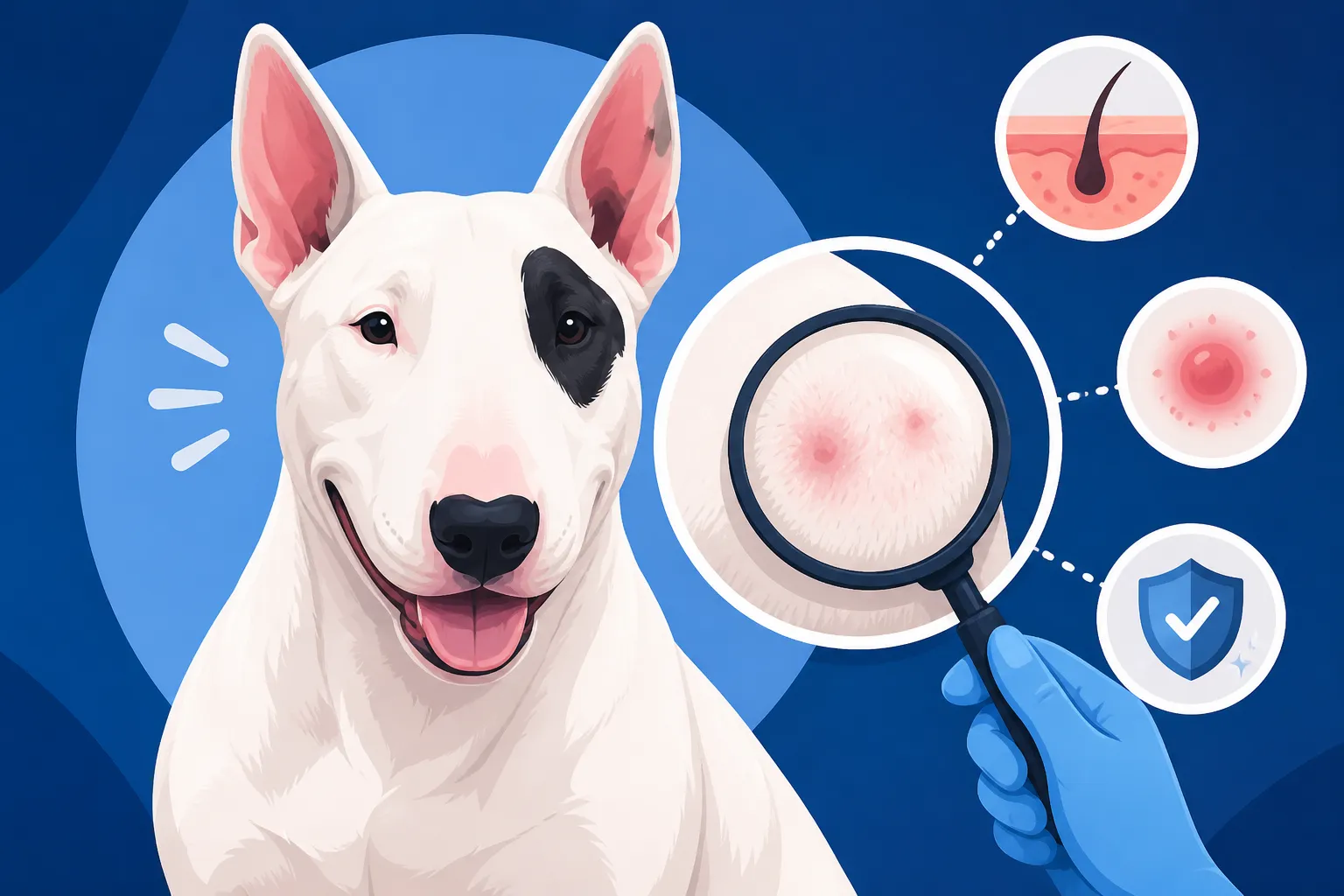
Before you begin, have everything within arm's reach. A well-lit area is paramount; natural daylight is ideal, but a bright lamp works too, especially for inspecting darker areas or inside ears. You’ll want a pair of disposable gloves, not just for hygiene, but also to protect your hands if you encounter anything potentially infectious or messy. A gentle brush, like a soft rubber curry or a slicker brush, is great for moving hair aside and stimulating circulation. A magnifying glass can be incredibly useful for spotting tiny fleas, flea dirt, or the early signs of skin irritation that might be invisible to the naked eye. Keep some clean cotton balls or soft wipes nearby for any gentle cleaning, and, of course, a generous supply of your Bull Terrier’s favorite high-value treats to reward their patience and cooperation. You can find many of these essentials, from brushes to specialty dog wipes, readily available through retailers like Chewy or Amazon, making it easy to stock up.
Choosing the Right Time and Environment
Timing is everything, especially with a Bull Terrier. You know their quirks and their energy levels. Trying to conduct a meticulous skin check when they're in the middle of a zoomie or just after a stimulating walk is a recipe for frustration. Instead, aim for a time when they are naturally relaxed and calm. This might be in the evening, after their last potty break, when they're winding down for the night, or perhaps after a lighter play session when their energy has settled but they're not utterly exhausted. Pick a quiet spot in your home, away from distractions like other pets, children, or loud noises. A comfortable mat or their dog bed can help make them feel secure. Consistency in timing and location will help your Bull Terrier understand that this is a routine part of their week, making them more likely to cooperate.
Creating a Positive Experience for Your Bull Terrier
Remember, this is a bonding experience, not a chore. Start by offering a treat and lots of calm, reassuring praise. Keep your voice soft and soothing. Begin with areas your Bull Terrier usually enjoys being touched, like their chest or behind their ears, and gradually work your way to more sensitive spots. Keep the sessions relatively short, especially when you're first introducing the routine. Five to ten minutes of focused, positive attention is far more effective than a long, drawn-out struggle. If your Bull Terrier becomes agitated or resistant, take a break. Don't force it; you want them to associate this process with positive reinforcement, not fear or discomfort. Shower them with praise and rewards throughout the check, even for simply standing still or allowing you to lift a paw. Over time, as this becomes a predictable and pleasant routine, you'll find your Bull Terrier more accepting, and perhaps even looking forward to their weekly pampering session.
The Head-to-Tail Inspection: What to Look For
Now that you're prepared, let's get into the nitty-gritty of the actual inspection. You'll want to be systematic, working your way from their nose to their tail, leaving no stone unturned (or no skin fold unexamined!). This methodical approach ensures you don't miss anything.
Ears, Eyes, and Nose: First Points of Contact
Start at the very top. Gently lift your Bull Terrier's ears and peer inside. Are they clean and pale pink, or do you see redness, swelling, or a dark, waxy discharge? Is there any odor? Ear infections are unfortunately common in dogs, and Bull Terriers are no exception, especially with their erect ears collecting dust and debris. Check for any crusts or scabs on the ear tips. Next, move to their eyes. Are they clear and bright, or are there any signs of excessive tearing, redness in the whites, or discharge in the corners? Gently pull down the lower eyelid to check the membrane – it should be a healthy pink, not bright red or pale. The skin around their eyes should be free of irritation. A quick check of their nose should reveal a moist, clean surface, without any dry, cracked areas, sores, or discharge. Any persistent discharge or redness here warrants attention. For more guidance on specific areas, you might find articles like How Often a Bull Terrier's Ears Need Checking or Signs a Bull Terrier's Eye Is Irritated helpful.
Mouth and Gums: Beyond Just Teeth
While the weekly skin check primarily focuses on the external skin, taking a moment to glance at their mouth is a good habit. Gently lift their lips to inspect their gums. They should be a healthy bubblegum pink, not inflamed, pale, or bluish. Look for any unusual growths, sores, or redness on the inside of their lips or on their tongue. While not strictly "skin," their oral health is integral to their overall well-being, and issues like gingivitis or mouth sores can sometimes be linked to broader systemic problems or allergies that affect skin. Pay attention to any strong, foul odor, which could indicate dental disease or other issues. For a deeper dive into their dental health, consider reviewing A Bull Terrier's Teeth and That Enormous Jaw.
Neck and Shoulders: Hidden Hotbeds
Moving down, examine your Bull Terrier's neck and shoulders. This area can often be a hidden hotbed for issues. Check carefully under their collar – friction from collars can cause irritation, hair loss, or even open sores, especially if the collar is ill-fitting or rarely removed. Feel for any lumps or bumps beneath the surface of the skin. Ticks often attach themselves in this region, particularly around the ears, neck, and chest, as it's a prime spot for them to hitch a ride and burrow in. Part the hair to get a good look at the skin underneath, feeling for any irregularities. Don't forget the skin folds, if your Bull Terrier has any, as these can trap moisture and debris, leading to irritation or yeast infections.
Examining the Torso and Underside
The main body of your Bull Terrier, from their robust chest to their smooth belly, offers a large canvas for examination. These areas are vital to check, as many common skin conditions manifest here.
Chest, Back, and Sides: The Main Canvas
Methodically run your hands over your Bull Terrier's chest, back, and sides. Pay close attention to any changes in coat texture – is it suddenly rougher in one spot? Are there any areas of thinning hair or complete bald patches? Part the fur to visually inspect the skin. Look for any redness, flakiness, scabs, pimples, or rashes. Flea dirt, which looks like tiny black specks, is often found along the back, especially near the base of the tail. If you wet a piece of flea dirt, it will turn reddish-brown. Run your hands over the area, feeling for any lumps, bumps, or tender spots. Your Bull Terrier's skin is generally quite resilient, but it can still show signs of allergic reactions or environmental irritants here. Remember, A Bull Terrier's Skin Is Its Weakest Point, so a thorough check of their largest surface area is absolutely crucial.
Belly and Groin: Sensitive Areas
The belly and groin area are particularly sensitive due to the thinness of the skin and often minimal hair coverage. This makes it a prime location for external irritants and reactions. Carefully lift your Bull Terrier onto their back, if they're comfortable with it, or gently roll them onto their side to expose their belly. Look for any redness, particularly in the armpits, groin, and between their hind legs. Rashes are very common here, often caused by contact allergies to grass or other plants. Insect bites, especially from mosquitoes or fleas, can also cause angry red bumps. For white Bull Terriers, this area is highly susceptible to sunburn, so check for any pink skin that looks unusually red or blistered, especially after time spent outside. Sunburn on a White Bull Terrier can be a serious issue, leading to pain and potentially long-term damage, so vigilance here is paramount. Feel for any swollen lymph nodes in the groin area, which could indicate an infection.
Paws and Pads: Often Overlooked
It's easy to overlook a Bull Terrier's paws, but they're constantly exposed to the ground, bringing them into contact with allergens, irritants, and potential injuries. One by one, lift each paw and carefully inspect the pads. Look for any cuts, cracks, blisters, or foreign objects embedded between the pads or toes – burrs, small stones, or even tiny pieces of glass can cause significant discomfort. Spread their toes apart and check the skin between them for redness, swelling, or discharge, which could signal allergies or yeast infections. Examine the nails themselves. Are they trimmed to an appropriate length? Are there any signs of ingrown nails or infections around the nail beds? Bull Terriers often put up a fuss about nail trims, so checking their paws regularly can help you get them used to the handling. If you struggle with nail trims, the article Trimming a Bull Terrier's Nails While It Fights You offers some helpful insights.
Common Skin Issues in Bull Terriers and What They Look Like
Bull Terriers, for all their robust charm, are unfortunately predisposed to a handful of skin conditions. Knowing what these common culprits look like can help you identify them during your weekly check and take appropriate action.
Allergic Dermatitis: Itchy and Irritated
Allergic dermatitis is probably one of the most frequently encountered skin issues in Bull Terriers. It's frustrating for both dog and owner. The symptoms are unmistakable: intense itching, leading to excessive licking, chewing, and scratching of the affected areas. You might see redness, especially in the paws, belly, ears, and armpits. The skin can become thickened, leathery, and darkened (hyperpigmented) over time, and hair loss is common. There might be small bumps or scabs, and sometimes a yeasty odor due to secondary infections. Common allergens include environmental triggers like pollen, dust mites, and mold, or food ingredients. Pinpointing the exact cause can be a detective mission, often requiring collaboration with your vet. Many Bull Terrier owners ask Whether a Bull Terrier Gets Skin Allergies, and the answer, unfortunately, is a resounding yes. Managing it often involves a combination of medication, dietary changes, and environmental controls.
Demodectic Mange: A Puppyhood Foe
Demodectic mange, caused by microscopic Demodex mites that normally live on dog skin, can flare up when a Bull Terrier's immune system is compromised, often in puppyhood or adolescence. It presents as patchy hair loss, typically around the eyes, mouth, and front legs, though it can occur anywhere. The skin underneath might appear red, scaly, and sometimes crusty. Unlike allergic dermatitis, it's usually not intensely itchy unless a secondary bacterial infection sets in. There are two forms: localized, which is usually mild and self-resolving, and generalized, which is more severe and requires veterinary treatment. While concerning, it's not contagious to other pets or humans. Discovering Demodectic Mange in a Bull Terrier can be unsettling, but with proper diagnosis and treatment, most dogs recover well.
Zinc-Responsive Dermatosis and Other Nutritional Concerns
Some Bull Terriers, particularly those with a genetic predisposition, can develop zinc-responsive dermatosis. This condition occurs when the dog's body either doesn't absorb zinc effectively from their diet or can't utilize it properly. Symptoms often include symmetrical crusting, scaling, and hair loss, typically around the eyes, mouth, ears, and pressure points like elbows and hocks. The skin can also become red and inflamed. It's often mistaken for allergies or other skin conditions. If you notice signs like this, mention it to your vet. You might have to consider specific dietary supplements or even a change in diet. Getting the right nutrition is crucial for overall skin health, and problems like Zinc Responsive Dermatosis in a Bull Terrier highlight how vital specific nutrients are. Companies like Ollie, known for their fresh, balanced meal plans, can sometimes offer customized diets that address such nutritional sensitivities, but always consult with your vet before making significant dietary changes, especially if a medical condition is suspected.
Hot Spots and Bacterial Infections
Hot spots, medically known as acute moist dermatitis, are aptly named. They are rapidly appearing, intensely red, inflamed, moist, and often oozing skin lesions that can develop seemingly overnight. They are usually caused by an underlying irritation, like an insect bite, an allergic itch, or even boredom, which the dog then relentlessly licks, chews, and scratches, creating a vicious cycle. The self-trauma quickly breaches the skin barrier, allowing bacteria to move in and cause a secondary infection. Hot spots are painful and can spread quickly, requiring immediate attention. Bacterial skin infections (pyoderma) can also occur independently, presenting as red bumps, pustules, scabs, or areas of hair loss. These often have a distinct odor and require antibiotic treatment.
When to Call the Vet: Red Flags and Urgent Concerns
While your weekly skin check empowers you to monitor your Bull Terrier's health, it’s important to know when a skin issue goes beyond home care and warrants professional veterinary attention. Don’t hesitate; early intervention can prevent minor issues from becoming major health crises.
Persistent Itching, Licking, or Chewing
Every dog will have an occasional itch, but if you notice your Bull Terrier persistently scratching, licking, or chewing at a particular area for more than a day or two, it’s a red flag. This obsessive self-trauma indicates significant discomfort and can quickly lead to open sores, infections, and further complications. Perhaps you’ve tried a gentle bath with an oatmeal shampoo (readily available on Amazon or Chewy) or a topical spray, but if the behavior continues or worsens, it's time to consult your vet. They can help identify the underlying cause, whether it's allergies, parasites, or an infection, and prescribe appropriate treatment to break the itch-scratch cycle. Left unaddressed, chronic itching can severely impact your Bull Terrier's quality of life and lead to secondary issues that are much harder to treat.
Rapidly Spreading Rashes or Open Sores
Any rash that appears to be spreading quickly, getting redder, or developing into open sores should prompt an immediate call to your veterinarian. This is especially true if the skin appears inflamed, swollen, or is oozing pus or blood. Rapidly worsening skin conditions can indicate a severe allergic reaction, a spreading infection, or even a systemic issue. These types of lesions are not only painful for your Bull Terrier but also serve as open doors for bacteria, increasing the risk of more serious, widespread infections. Don't try to self-diagnose or treat with strong remedies, as you could inadvertently make the situation worse or mask important symptoms. Professional assessment is crucial to get an accurate diagnosis and a targeted treatment plan.
Lumps, Bumps, or Changes in Skin Texture
During your hands-on examination, if you discover any new lumps, bumps, or areas where the skin texture has significantly changed – perhaps it feels thickened, hard, or unusually rough – these findings warrant veterinary evaluation. While many lumps in dogs are benign fatty tumors (lipomas) or cysts, it’s impossible to tell without a professional examination. Your vet might recommend a fine needle aspirate (FNA) to collect cells for analysis, or in some cases, a biopsy. It’s important to track these, noting their size, location, and any changes over time. Early detection of any suspicious growth, even if it turns out to be nothing serious, can provide immense peace of mind and, in the rare event of malignancy, allow for prompt intervention. Don't dismiss any new growth, no matter how small or seemingly insignificant, as Bull Terriers can develop various skin conditions, some more serious than others.
Fever, Lethargy, or Loss of Appetite Accompanying Skin Issues
If your Bull Terrier's skin issues are accompanied by more general signs of illness, such as a fever, lethargy, decreased appetite, or changes in their normal behavior, this is a clear indication that the problem may be systemic and requires urgent veterinary attention. A skin infection, if severe or widespread, can lead to systemic illness, making your dog feel generally unwell. These combined symptoms suggest a more serious underlying issue that needs immediate medical assessment and treatment. Don't wait; contact your vet right away to ensure your Bull Terrier receives the care they need to recover.
Proactive Care for a Healthy Bull Terrier Coat and Skin
While weekly checks are about detection, proactive care is about prevention. By implementing a consistent routine that includes proper nutrition, regular grooming, and smart environmental management, you can significantly reduce the likelihood of your Bull Terrier developing frustrating and painful skin issues.
Nutrition: Fueling Skin Health from Within
What goes into your Bull Terrier’s bowl directly impacts the health of their skin and coat. A high-quality, balanced diet rich in essential fatty acids, particularly Omega-3s and Omega-6s, is fundamental. These nutrients play a crucial role in maintaining the skin's barrier function, reducing inflammation, and promoting a healthy, shiny coat. Look for dog foods that list quality protein sources first and contain beneficial fats. If your Bull Terrier has known sensitivities, your vet might recommend a limited ingredient diet or a novel protein diet. Some owners find success with fresh food options, like those offered by Ollie, as they can sometimes be less processed and contain fewer common allergens. However, always consult your vet before making significant dietary changes, especially if your Bull Terrier has existing health concerns. For instance, if your dog has kidney issues, a specific diet is absolutely essential, and you’d want to read Which Diet a Bull Terrier With Kidney Disease Needs for tailored advice, but the principle of feeding for health remains universal. Supplements like fish oil or flaxseed oil can also be beneficial, but again, always discuss dosages with your vet.
Regular Bathing and Grooming Routine
Despite their short coats, Bull Terriers benefit immensely from a consistent grooming routine that extends beyond just brushing. Regular bathing, typically every few weeks or as needed, helps to remove dirt, allergens, and loose hair that can irritate the skin. It’s crucial to use a gentle, pH-balanced dog shampoo that is specifically formulated for sensitive skin, avoiding harsh chemicals or fragrances that can strip natural oils or cause irritation. For white Bull Terriers, who often have more sensitive skin, hypoallergenic or oatmeal-based shampoos are often a good choice. After bathing, make sure to thoroughly rinse all shampoo out of their coat to prevent residue from causing itchiness, and then dry them completely, paying extra attention to skin folds and between their toes, to prevent moisture-related issues like yeast infections. Beyond bathing, regular brushing with a soft rubber brush helps to distribute natural skin oils, remove dead skin cells, and stimulate circulation. The article How Often a Bull Terrier Should Be Bathed provides more detailed guidance on frequency and technique.
Environmental Management and Parasite Prevention
Minimizing exposure to environmental irritants and diligently preventing parasites are two cornerstones of proactive skin care for your Bull Terrier. If your dog suffers from seasonal allergies, consider wiping down their paws and belly after outdoor excursions to remove pollen and other allergens. Keeping your home clean and vacuuming regularly can help reduce dust mites. For white Bull Terriers, sun protection is non-negotiable. Their pink skin is highly susceptible to sunburn, which can lead to painful burns and increase the risk of skin cancer over time. Apply dog-safe sunscreen to exposed areas like the nose, ear tips, and belly, or consider protective dog apparel during peak sun hours. The information in Why a White Bull Terrier Sunburns can really drive home the importance of this. Lastly, a year-round, vet-prescribed flea, tick, and heartworm preventative is absolutely critical. These parasites are not just annoying; flea bites are a common trigger for severe allergic reactions (flea allergy dermatitis), and ticks can transmit serious diseases. Consistent parasite prevention is one of the easiest and most effective ways to safeguard your Bull Terrier's skin and overall health.
| Skin Issue | Common Symptoms | Initial Action | When to Vet |
|---|---|---|---|
| Allergic Dermatitis | Intense itching, redness, licking/chewing, hair loss, thickened skin, secondary infections. | Identify and remove allergen if possible, gentle bath, topical soothing spray. | Persistent itching (over 2 days), spreading rash, open sores, general malaise. |
| Demodectic Mange | Patchy hair loss, scaly or crusty skin, often around eyes/mouth/legs (usually non-itchy unless infected). | Gentle bathing, observe for spread. | Any suspicious patchy hair loss, especially in puppies/adolescents. |
| Zinc-Responsive Dermatosis | Symmetrical crusting, scaling, hair loss around eyes/mouth/joints. | Do not self-supplement zinc; observe. | Any signs of symmetrical crusting or scabs, especially around face. |
| Hot Spots (Acute Moist Dermatitis) | Rapidly appearing, red, inflamed, moist, oozing sores; intense itching. | Gently clean and dry the area, prevent further licking/chewing. | Immediate vet visit due to rapid spread and potential for infection. |
| Flea Allergy Dermatitis | Intense itching, especially at base of tail, redness, scabs, flea dirt. | Apply vet-approved flea preventative, bath with flea shampoo. | Persistent itching despite prevention, severe skin reaction. |
| Yeast Infection | Redness, itching, greasy skin, foul odor (often in skin folds, paws, ears). | Gentle bath with antifungal shampoo, keep skin folds dry. | Persistent odor, redness, or if over-the-counter treatment doesn't work. |
| Lumps/Bumps | Any new growth under or on the skin. | Monitor size and texture. | Any new lump, especially if growing, changing, or causing discomfort. |
| Sunburn | Red, tender skin; blistering (especially on white areas). | Cool compresses, mild aloe vera (dog-safe). | Blistering, extensive redness, pain, fever. |
Taking the time each week to truly examine your Bull Terrier's skin might seem like a small task, but its impact on their health and your bond is anything but. It's a fundamental part of responsible Bull Terrier ownership, allowing you to catch issues before they escalate, ensure their comfort, and deepen the unique relationship you share with these incredible dogs. Their skin is their largest organ and a window into their overall well-being, so treat it with the care and vigilance it deserves.
Disclaimer
This article is for general informational purposes only and does not constitute professional advice. Laws, prices and regulations vary by location and change over time. Consult a qualified professional for guidance on your specific situation.