The Age Hereditary Nephritis Shows in a Bull Terrier
It's absolutely heartbreaking to think about our beloved Bull Terriers facing a health crisis, especially one that can cut their vibrant lives short. Many of us have heard whispers, or perhaps even faced the devastating reality, of hereditary nephritis (HN) – a silent thief of kidney health. This guide is here to shed light on when this insidious disease typically rears its head, helping you understand the critical timelines and what you can do to protect your Bull Terrier.
Understanding Hereditary Nephritis and Its Genetic Roots
Hereditary Nephritis is one of those terms that sends a shiver down the spine of any Bull Terrier owner, and for good reason. It’s a progressive, inherited kidney disease that sadly affects our quirky, egg-headed companions. Unlike some ailments that can be managed or cured, HN is a condition that leads to irreversible kidney damage, eventually resulting in kidney failure. The frustrating part is that it often works silently in the background before any obvious signs emerge, making early detection a race against time.
What Hereditary Nephritis Is and How It Progresses
At its core, hereditary nephritis is a defect in the glomeruli, which are the tiny, intricate filtering units within the kidneys. Think of your Bull Terrier’s kidneys as a sophisticated coffee filter system for their blood. The glomeruli are the filters. In Bull Terriers with HN, these filters are flawed. Instead of retaining essential proteins in the blood and letting waste pass through, the damaged glomeruli start to leak. They essentially allow vital proteins, particularly albumin, to escape into the urine. This loss of protein is called proteinuria, and it’s the hallmark of the disease.
Over time, this constant leakage and the body's attempt to compensate lead to inflammation and scarring within the kidneys. This scarring progressively destroys more and more functional kidney tissue. As more nephrons (the functional units of the kidney) are damaged, the kidneys lose their ability to filter waste products effectively, leading to a build-up of toxins in the blood. This entire process culminates in chronic kidney disease and, eventually, complete kidney failure. It’s a cruel progression that slowly diminishes your dog's health and vitality. To truly grasp the gravity of this condition, it helps to understand What Hereditary Nephritis Does to a Bull Terrier.
The Genetic Inheritance Pattern
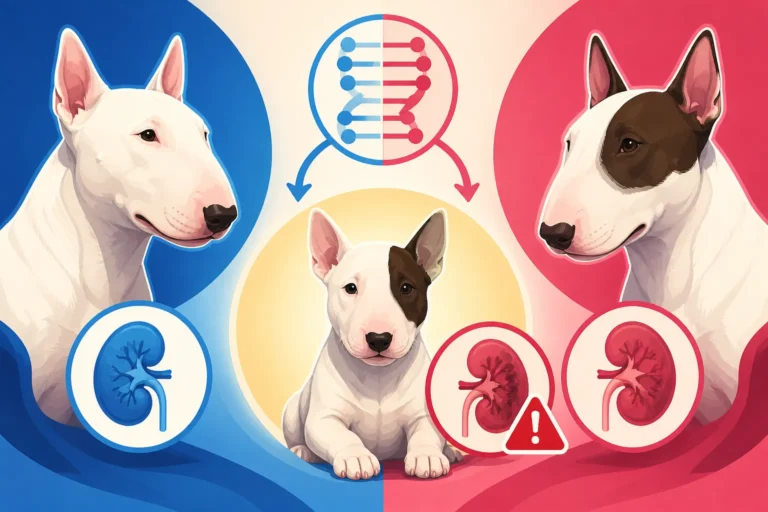
The disheartening truth about hereditary nephritis in Bull Terriers is that it's a genetically inherited condition. Specifically, it's passed down through an autosomal dominant gene. What does "autosomal dominant" really mean for us as owners? It means that a Bull Terrier only needs to inherit one copy of the faulty gene from one parent to develop the disease. There’s no skipping generations, no "carrier" status where they don't show symptoms but can pass it on—if they have the gene, they will develop the disease. This is a stark contrast to recessive conditions where an animal can be a carrier without being affected.
This genetic reality underscores the immense responsibility of breeders. Reputable breeders must perform genetic testing on their breeding stock to ensure they are not passing this devastating gene to future generations. If a dog carries the gene, it should not be bred, simple as that. Understanding How Hereditary Nephritis Is Inherited in Bull Terriers is crucial for anyone considering adding a Bull Terrier to their family.
The Critical Window: When Symptoms Typically Emerge
This is often the most pressing question for Bull Terrier owners: when does hereditary nephritis actually show itself? The answer, unfortunately, isn't a simple age, but rather a window, and it can be a frustratingly broad one.
The Elusive Early Onset: Puppyhood Versus Young Adulthood
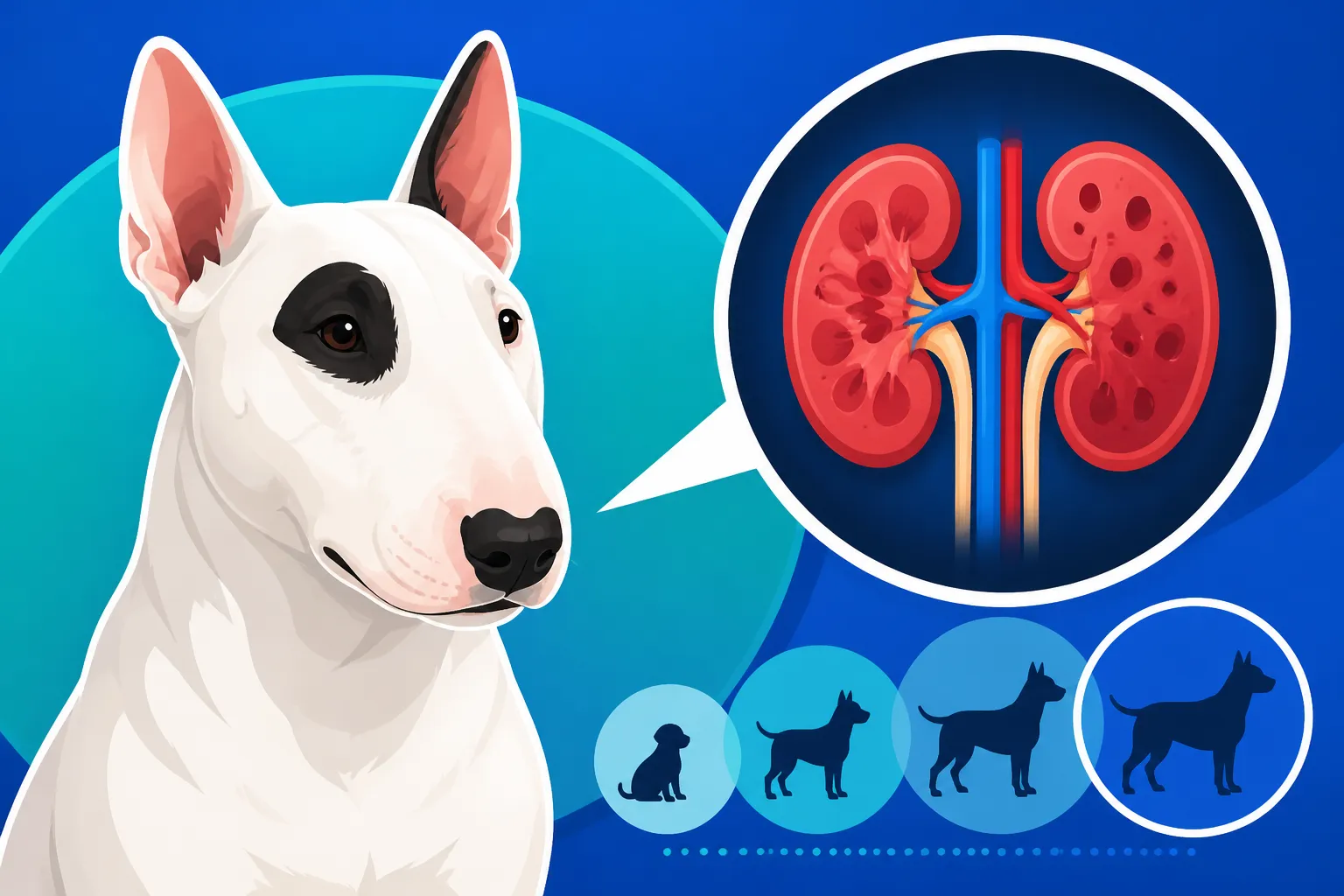
While hereditary nephritis is present from birth due to its genetic nature, the clinical signs – the things you can actually see or feel – tend to manifest during specific periods. For most Bull Terriers with HN, the symptoms typically begin to show between 18 months and 8 years of age. That's a huge span, isn't it? It means your bouncy, mischievous youngster could seem perfectly healthy for years before the disease makes its presence unmistakably known.
However, it's important to understand that the damage is often occurring long before these visible signs appear. In some cases, especially with more aggressive forms of the disease, Bull Terrier puppies might show very early signs, but this is less common than the onset in young adulthood. We're talking about dogs in their prime, full of life and energy, suddenly showing signs of a debilitating illness. This is why early, proactive screening is so incredibly important, even if your dog seems perfectly fine. The idea that Hereditary Nephritis Takes Bull Terriers in Their Prime is a painful reality many owners face.
Why the Age Varies
You might wonder why there's such a wide range in the age of onset. Several factors can influence when symptoms become apparent:
- Severity of the Genetic Mutation: Not all genetic mutations are created equal. Some may lead to more rapid and severe kidney damage, causing earlier onset of symptoms, while others might progress more slowly.
- Individual Dog's Physiology: Just like people, every Bull Terrier is an individual. Their overall health, immune system strength, and even diet can play a role in how quickly the disease progresses and when the signs become noticeable.
- Environmental Factors: While HN is genetic, environmental stressors can sometimes exacerbate underlying conditions. Things like certain medications, infections, or even prolonged periods of stress could potentially accelerate the progression, though the primary driver remains the faulty gene.
- Diagnostic Diligence: Crucially, the apparent age of onset can also be influenced by how diligently an owner and their veterinarian are looking for the disease. Dogs who receive regular screenings might get an "earlier" diagnosis simply because the disease was caught before visible symptoms appeared. This is a good thing! It allows for earlier intervention.
Think of it this way: the dam holding back the floodwaters (the kidneys) might have a tiny crack from birth. For some, the crack widens slowly, showing leaks only after years. For others, it might be a bigger crack, or constant pressure might hasten the weakening, leading to visible leaks much sooner. The underlying problem is always there, but its outward manifestation can differ.
Recognizing Subtle Signs and The Importance of Early Screening
Because the age of onset can vary so much, and because early symptoms are often subtle and easily dismissed, proactive screening is truly your best defense. Waiting for obvious signs usually means the disease is already quite advanced.
Behavioral and Physical Clues That Warrant Investigation
Before outright kidney failure, your Bull Terrier might display a range of subtle changes that, when pieced together, can signal a problem. It’s easy to write these off as just "getting older" or "being a picky eater," but with HN, they warrant a deeper look. Keep an eye out for:
- Increased Thirst and Urination (Polyuria/Polydipsia): This is often one of the earliest and most common signs. Your Bull Terrier might be emptying their water bowl more frequently, asking to go outside more often, or even having accidents in the house. This happens because the damaged kidneys can no longer concentrate urine effectively, leading to more diluted urine and the dog needing to drink more to stay hydrated. If you notice your Bull Terrier is Drinking More Than It Used To, it's time for a vet visit.
- Decreased Appetite or Pickiness: A dog that usually devours its meals might suddenly become finicky, turn its nose up at food, or eat much less.
- Weight Loss: Despite eating, or perhaps because of reduced appetite, you might notice your Bull Terrier losing muscle mass or overall weight. This can be subtle at first, especially in a muscular breed.
- Lethargy or Reduced Energy: Your once boisterous Bull Terrier might seem less enthusiastic about walks, play, or general activity. They might sleep more or just seem generally "off."
- Vomiting or Diarrhea: As waste products build up in the blood, they can irritate the digestive system, leading to gastrointestinal upset.
- Poor Coat Quality: A dull, dry, or unhealthy-looking coat can sometimes be an indicator of underlying health issues, including kidney problems.
It's crucial not to dismiss these signs. If you suspect any of these changes in your Bull Terrier, don't hesitate to consult your veterinarian immediately. These are all potential Signs a Bull Terrier's Kidneys Are Failing.
Diagnostic Tools for Early Detection
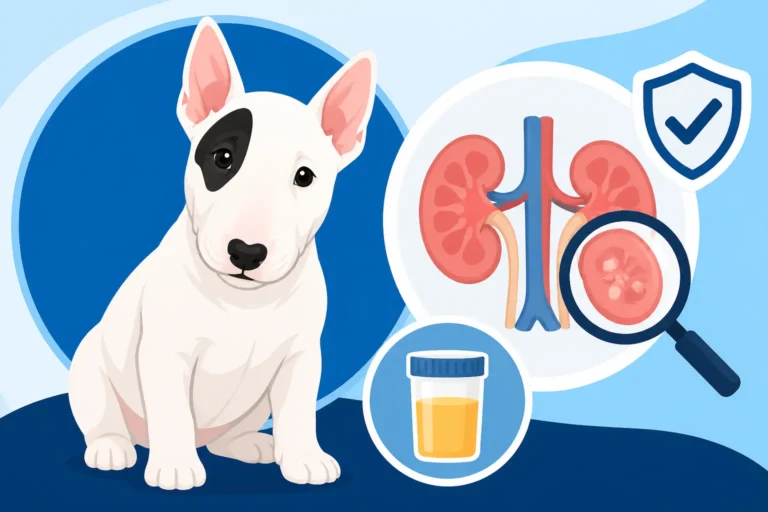
The good news is that we have tools to detect hereditary nephritis long before these worrying symptoms manifest. The cornerstone of early detection in Bull Terriers for HN is a simple, non-invasive urine test: the Urine Protein:Creatinine (UPC) ratio.
Here’s why it’s so vital:
- The UPC Ratio: This test measures the amount of protein leaking into the urine compared to creatinine, a waste product. An elevated UPC ratio indicates proteinuria, which is the earliest detectable sign of HN. Even if your Bull Terrier seems completely healthy, a rising UPC ratio is a red flag. The current recommendation for Bull Terriers is yearly UPC screening starting as young as six months to a year of age. This commitment to prevention is why services like Healthy Paws pet insurance often highlight the value of routine wellness exams and early diagnostic tests in their plans, understanding that catching issues early can make a world of difference. Understanding What a UPC Ratio Tells a Bull Terrier Owner is truly empowering.
- Bloodwork: While blood tests like BUN (Blood Urea Nitrogen) and creatinine levels will eventually become abnormal as kidney disease progresses, they usually don't show changes until about 75% of kidney function is lost. This is why the UPC ratio is a much earlier indicator. However, annual bloodwork, including a full chemistry panel and complete blood count (CBC), is still important to assess overall health and identify other potential issues.
- Ultrasound: A kidney ultrasound can provide structural information about the kidneys, checking for size, shape, and any abnormalities. It might not directly diagnose HN, but it can help rule out other kidney problems and assess the extent of damage.
Seriously, every single Bull Terrier owner should prioritize The Yearly Urine Test Every Bull Terrier Owner Should Book. It's a small investment with potentially life-saving implications.
Here's a quick look at typical screening recommendations and what they aim to catch:
| Age Range | Recommended Screening | What It Detects |
|---|---|---|
| Puppy (6-12 months) | First UPC Ratio Test, baseline bloodwork | Early protein leakage before symptoms, establishes baseline |
| Young Adult (1-5 years) | Annual UPC Ratio Test, annual bloodwork | Continued monitoring for proteinuria, changes in kidney function |
| Adult (5-8 years) | Annual UPC Ratio Test, annual bloodwork, blood pressure | Monitor for disease progression, early signs of systemic hypertension (common with KD) |
| Senior (8+ years) | Bi-annual UPC Ratio Test, bloodwork, blood pressure, ultrasound | Intensive monitoring for progression, management of established kidney disease |
Living with a Hereditary Nephritis Diagnosis
Receiving a diagnosis of hereditary nephritis is devastating. There's no sugarcoating that. It means a future of careful management rather than a cure. However, with vigilant care, we can often significantly extend the quality of life for our affected Bull Terriers.
Managing the Disease and Prolonging Quality of Life
Once hereditary nephritis is diagnosed, the focus shifts to managing the symptoms, slowing the progression of kidney damage, and maintaining the best possible quality of life for your Bull Terrier. This often involves a multi-faceted approach:
- Dietary Management: This is paramount. A prescription renal diet, which is typically restricted in protein, phosphorus, and sodium, is usually recommended. The goal is to reduce the workload on the kidneys and minimize the buildup of harmful waste products. It’s a challenging transition for many dogs and owners, but it makes a significant difference. Many owners agonize over Which Diet a Bull Terrier With Kidney Disease Needs.
- Medications: Your vet may prescribe medications to manage specific aspects of the disease, such as ACE inhibitors (like enalapril or benazepril) to reduce protein loss in the urine, phosphate binders to control phosphorus levels, or anti-nausea medications to improve appetite. Blood pressure medications are also common, as hypertension often accompanies kidney disease.
- Hydration: Ensuring your Bull Terrier stays well-hydrated is crucial. Encouraging water intake, offering wet food, and in some advanced cases, subcutaneous fluids, can help support kidney function and flush out toxins.
- Regular Veterinary Monitoring: Frequent check-ups, often every 3-6 months, will be necessary to monitor kidney values (bloodwork and UPC ratios), blood pressure, and your Bull Terrier's overall condition. Adjustments to diet and medication will be made based on these results. How a Bull Terrier With Nephritis Is Managed is a journey that requires partnership with your vet.
Financial and Emotional Realities
Let’s be honest, managing a chronic condition like hereditary nephritis is not only emotionally taxing but also financially demanding. The cost of prescription diets, regular medications, frequent vet visits, specialized tests, and potentially emergency care can quickly add up, creating a significant burden on families. This is a tough reality, and many owners are shocked by What Kidney Failure Costs a Bull Terrier Owner.
This is where having robust pet insurance can be a literal lifesaver. Companies like Healthy Paws are often lauded for their comprehensive coverage, which can typically cover a significant portion of the costs associated with chronic conditions like kidney disease, once the waiting periods are met and assuming the condition wasn't pre-existing before coverage began. It’s an investment that many wish they had made before a diagnosis, as it allows owners to focus on their dog’s care rather than being crippled by escalating vet bills. The emotional toll is just as heavy, watching your vibrant Bull Terrier slowly decline, despite all your efforts. It's a journey filled with love, but also immense sadness and difficult decisions.
Responsible Breeding and Genetic Testing
The ultimate long-term solution to hereditary nephritis in Bull Terriers lies with responsible breeding practices. Since this is an inherited disease, it can, and absolutely should, be bred out of the population.
- DNA Testing: Genetic tests are available that can identify Bull Terriers carrying the specific gene responsible for HN. Reputable breeders utilize these tests on all their breeding stock before any breeding occurs. Knowing Whether a DNA Test for Bull Terrier Nephritis Exists is crucial for making informed decisions.
- Open Communication: Ethical breeders are transparent about their health testing results, including HN status, for both parent dogs. They should readily provide documentation, not just verbal assurances. They understand What a Bull Terrier Breeder Should Have Tested and take responsibility for it.
- Eliminating Affected Dogs from Breeding Programs: Any Bull Terrier testing positive for the HN gene should be removed from the breeding pool. While this might reduce the available gene pool in the short term, it's a necessary step to safeguard the breed's future health.
By supporting breeders who prioritize health testing and transparency, we empower the Bull Terrier community to move towards a future where hereditary nephritis is a rare occurrence, rather than a common concern.
Disclaimer
The information provided in this article is for educational purposes only and should not be considered a substitute for professional veterinary advice. Always consult with a qualified veterinarian for any health concerns or before making any decisions about your pet's medical care.