Whether a Bull Terrier With Stenosis Should Exercise
It's a heartbreaking realization when you discover your energetic, goofy Bull Terrier has a heart condition like aortic stenosis. The immediate thought for many owners is often, "Does this mean my dog can never play again? How will I keep my active Bull Terrier happy and healthy if exercise is a risk?" This guide aims to clear up the confusion and provide realistic, empathetic advice on navigating exercise for a Bull Terrier diagnosed with aortic stenosis, helping you understand how to best support your beloved companion.
Understanding Aortic Stenosis in Bull Terriers
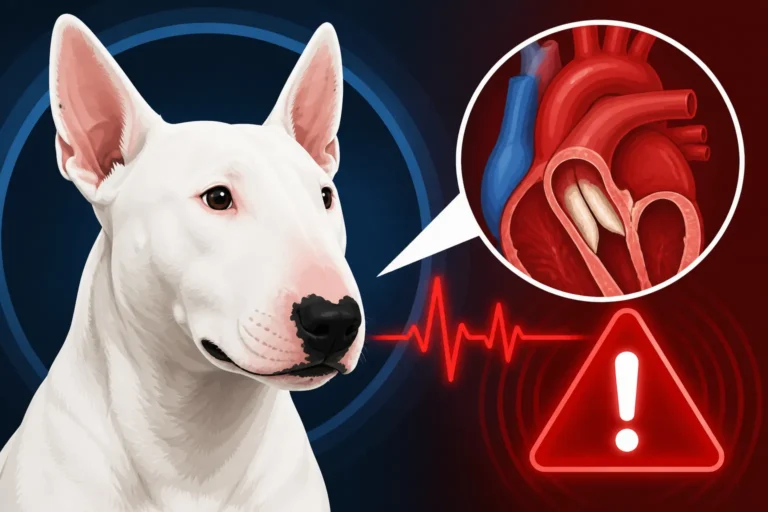
Aortic stenosis (AS) is a congenital heart condition commonly seen in Bull Terriers, meaning they are born with it. It's a narrowing of the aorta, the main artery that carries blood from the left side of the heart to the rest of the body. When this artery is narrowed, the heart has to work much harder to pump blood through the constricted opening. This increased workload can cause the heart muscle to thicken over time, leading to significant complications.
What is Aortic Stenosis and How Does It Affect Bull Terriers?
Imagine a garden hose with a kink in it. To get the same amount of water through, you'd have to turn up the pressure at the faucet. That's essentially what happens with a Bull Terrier's heart when it has aortic stenosis. The left ventricle, the heart's strongest pumping chamber, struggles to push blood past the narrowed valve or area just below it. This constant struggle leads to hypertrophy, which is a fancy way of saying the heart muscle gets thicker and less efficient over time. In Bull Terriers, this condition often affects the subvalvular region, just below the aortic valve, making it a "subaortic stenosis."
The severity of this narrowing directly correlates with the amount of stress placed on the heart. Mild cases might go unnoticed for years, only picked up during a routine vet check where a murmur is detected. However, moderate to severe cases can lead to serious health issues. The increased pressure can cause turbulence in the blood flow, which is what your vet hears as a heart murmur. More critically, the thickened heart muscle doesn't receive enough blood supply itself, leading to oxygen deprivation and, eventually, a weakened, failing heart. It's vital for owners to understand What Aortic Stenosis Does to a Bull Terrier so they can recognize the subtle changes in their dog's health and activity levels.
How Severe Stenosis Impacts a Bull Terrier's Life
The impact of aortic stenosis on a Bull Terrier's life depends heavily on its severity, which is usually graded by a veterinary cardiologist from I (very mild) to VI (very severe). A mild murmur, perhaps a Grade I or II, might barely affect your Bull Terrier for years, potentially allowing for a relatively normal lifespan with careful monitoring. These dogs often show no outward signs of illness, making regular check-ups and early detection even more important. However, even seemingly mild cases warrant attention, as they can sometimes progress or mask underlying issues.
For Bull Terriers with moderate to severe aortic stenosis (Grade III or higher), the outlook can be significantly different. The constant strain on the heart can lead to symptoms like lethargy, exercise intolerance, fainting spells (syncope), and in the most severe cases, sudden cardiac death. It’s a terrifying prospect for any owner to consider, but it’s a reality for some dogs with this condition. This is why a proper diagnosis and understanding of the grade of stenosis are paramount. Many owners are surprised to learn Why Aortic Stenosis Kills a Bull Terrier Without Warning, highlighting the need for vigilance and expert veterinary care. A comprehensive What a Bull Terrier's Heart Workup Costs should be considered a necessary investment for any Bull Terrier, especially if a murmur is detected.
Exercise Guidelines for Bull Terriers with Aortic Stenosis
Navigating exercise for a Bull Terrier with aortic stenosis isn't about stopping activity entirely; it's about smart, controlled management tailored to their individual condition. It's about finding that sweet spot where they can still enjoy life without putting undue strain on their heart. This often means redefining what "exercise" looks like.
Tailoring Activity Levels to Stenosis Severity
The golden rule for exercise in Bull Terriers with aortic stenosis is simple: listen to your veterinary cardiologist. They will provide specific, individualized guidelines based on the grade of stenosis, the results of diagnostic tests like echocardiograms, and your dog's overall health.
For Bull Terriers with mild aortic stenosis (Grades I-II), exercise restriction might be minimal. They can often enjoy regular walks, playtime, and even some vigorous activities, but still require careful monitoring. Think of it as knowing their baseline and watching for any changes. Owners might need to avoid extremely strenuous activities like competitive agility or long-distance running, especially during hot weather. Regular recheck echocardiograms are crucial to ensure the condition isn't progressing.
With moderate aortic stenosis (Grades III-IV), the approach becomes more conservative. Short, frequent walks are generally preferred over long, exhaustive ones. Intense bursts of activity, like chasing a ball for extended periods or wrestling with other dogs, should be limited or avoided altogether. The goal is consistent, low-impact activity that keeps them mentally and physically stimulated without elevating their heart rate too much for too long. Swimming might be an option if your Bull Terrier enjoys it and it's cleared by your vet, as it's low-impact, but the excitement might still be too much.
For Bull Terriers with severe aortic stenosis (Grades V-VI), exercise is often severely restricted. This might mean only short leash walks for bathroom breaks, avoiding any strenuous play or excitement. The emphasis shifts to quality of life through mental enrichment rather than physical exertion. These dogs are at the highest risk for complications, including sudden death, and every activity decision needs to be made with extreme caution and under strict veterinary guidance. It's critical to understand When a Bull Terrier Should Have an Echocardiogram to accurately assess the severity and formulate an appropriate exercise plan.
Identifying Warning Signs During Exercise
Knowing what to look for during any activity is paramount for owners of Bull Terriers with aortic stenosis. These dogs can often hide discomfort, so you need to be observant. Pay close attention to any changes in their breathing, energy levels, or behavior before, during, or after exercise.
Key warning signs include:
- Excessive panting or difficulty breathing: More than usual for the level of activity or the weather. Their breathing might sound labored or shallow.
- Lethargy or weakness: Suddenly slowing down, wanting to lie down, or appearing unusually tired.
- Coughing or gagging: Especially if it's new or persistent.
- Fainting or collapsing (syncope): This is a critical emergency and requires immediate veterinary attention. It looks like they suddenly lose consciousness and fall over.
- Bluish tint to gums or tongue (cyanosis): This indicates a severe lack of oxygen and is an emergency.
- Swelling in the abdomen or limbs: This could indicate fluid retention due to heart failure.
- Restlessness or anxiety: Some dogs become unusually agitated when experiencing cardiac distress.
If you observe any of these signs, stop the activity immediately and contact your veterinarian. It's better to be overly cautious than to push your Bull Terrier past their limits. Remembering these signs can literally save your dog's life. Insurance providers like Healthy Paws often cover emergency care, which is crucial for such critical incidents.
Safe Activities and Those to Avoid
Once you have a clear understanding of your Bull Terrier's specific condition from your cardiologist, you can start to plan activities. The goal is safe engagement, not vigorous exertion.
Safe Activities (with vet approval):
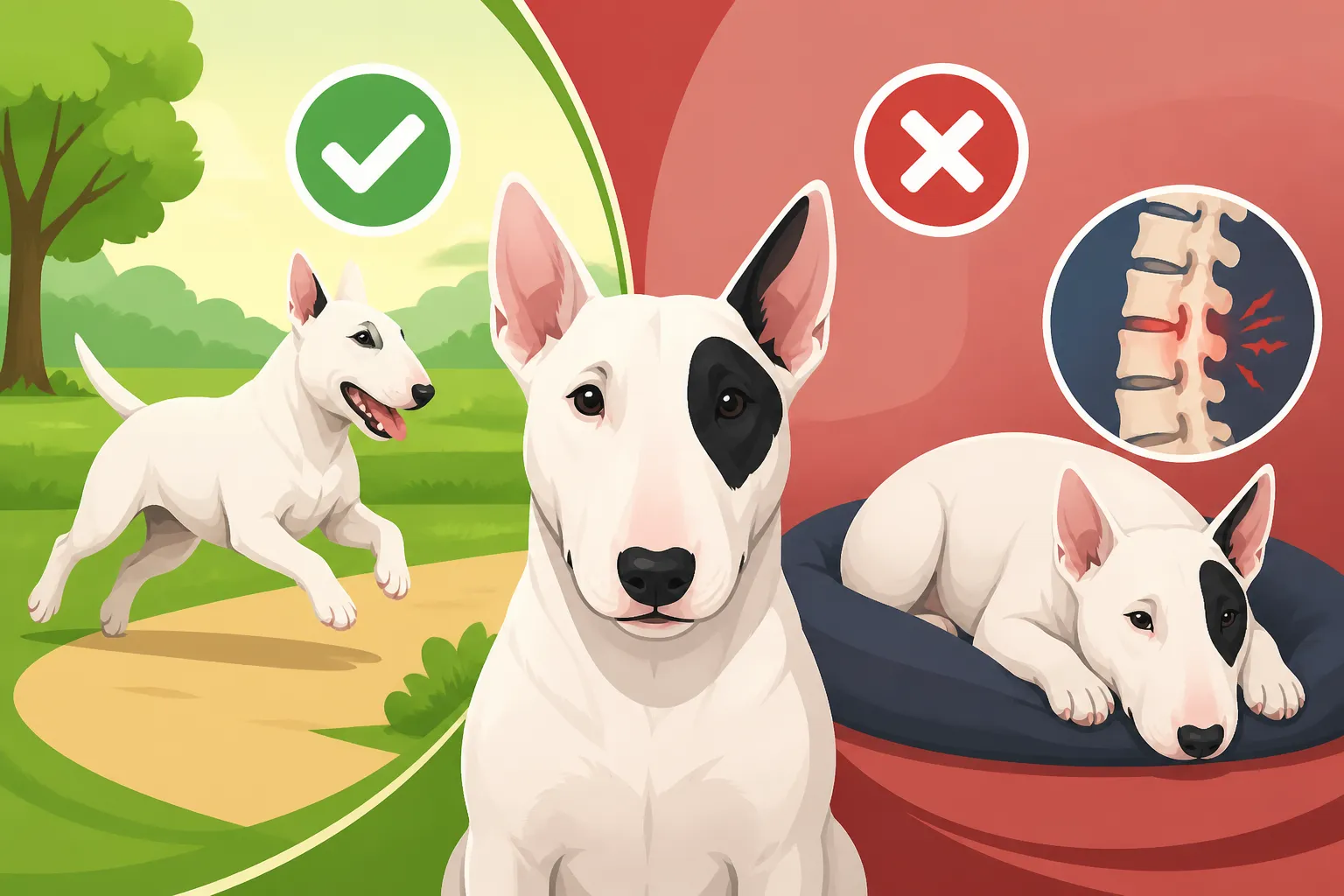
- Leash walks: Short, calm walks on a leash are usually acceptable for most dogs with mild to moderate AS. Focus on sniffing and exploring rather than speed. Keep them short, perhaps 10-15 minutes, a few times a day.
- Mental stimulation: Puzzle toys, sniff walks, training sessions with positive reinforcement, and interactive feeder toys are excellent for keeping their minds active without taxing their heart. Learning new tricks in short bursts can be incredibly rewarding.
- Gentle play: Supervised, calm play with a soft toy that doesn't involve heavy running or wrestling. Think gentle tug or rolling a ball slowly.
- Swimming (for some): If approved by your vet, swimming can be low-impact, but the excitement of water or the effort to stay afloat might still be too much for some. Always supervise closely.
- Crate time and rest: Ensuring adequate rest periods is crucial. Bull Terriers love their comfort, and a cozy crate can be their sanctuary.
Activities to Avoid (or severely limit):
- High-intensity running or sprinting: This puts enormous strain on the heart.
- Extended fetch sessions or vigorous tug-of-war: These activities can cause rapid heart rate increases and dangerous fluctuations in blood pressure.
- Dog park visits with uncontrolled play: The unpredictable nature of dog park interactions means your Bull Terrier could be encouraged to run or wrestle beyond their capacity.
- Agility, flyball, or other competitive dog sports: These are generally too demanding for dogs with AS.
- Playing in extreme temperatures: Both very hot and very cold weather can stress the cardiovascular system. Always be mindful of Whether a Bull Terrier Needs a Cooling Mat in warmer months, or a coat in winter.
Remember, every Bull Terrier is an individual. What one can tolerate, another might not. Always err on the side of caution and maintain open communication with your vet.
Living an Active Life with Aortic Stenosis
A diagnosis of aortic stenosis doesn't mean the end of a happy, active life for your Bull Terrier; it simply means adjusting expectations and committing to a diligent management plan. It requires a partnership between you, your Bull Terrier, and your veterinary team.
The Role of Regular Veterinary Check-ups and Monitoring
Consistent and thorough veterinary care is the cornerstone of managing aortic stenosis. Your regular veterinarian can monitor for general health, but a board-certified veterinary cardiologist is truly indispensable. They possess specialized knowledge and equipment, like advanced echocardiography, to accurately assess the condition and its progression. These check-ups are not just about listening to a heart murmur; they involve detailed imaging to measure blood flow, heart chamber size, and muscle thickness.
Initially, your Bull Terrier might need more frequent visits, perhaps every 3-6 months, especially after diagnosis or if new symptoms arise. As the condition stabilizes, these visits might extend to once or twice a year. During these appointments, the cardiologist will perform a physical exam, discuss any changes you've observed at home, and likely recommend repeat echocardiograms. The information gained from these tests helps tailor medication dosages and exercise recommendations. Many owners find it reassuring to understand How Often a Bull Terrier's Heart Should Be Rechecked and what a full What a Bull Terrier's Echocardiogram Costs entails, to budget for this essential care. Investing in pet insurance like Healthy Paws can often help cover the significant costs associated with specialized cardiac care and ongoing monitoring.
Medication and Management to Support Activity
Depending on the severity of the aortic stenosis, your Bull Terrier may be prescribed medication to help manage the condition. These medications aren't a cure, but they can significantly improve heart function, reduce symptoms, and allow for a better quality of life. Common medications might include beta-blockers, like Atenolol, which help slow the heart rate and reduce the heart's workload, or ACE inhibitors, which help relax blood vessels and lower blood pressure. Diuretics might be used if fluid retention becomes an issue due to heart failure.
It's crucial to administer all medications exactly as prescribed and to never alter dosages without consulting your vet. These drugs often have profound effects on the cardiovascular system, and incorrect use can be dangerous. Your cardiologist will carefully adjust these medications based on your Bull Terrier's response, aiming to find the right balance that supports their heart while minimizing side effects. Effective medication management can often allow a Bull Terrier with AS to maintain a more active, comfortable lifestyle than they otherwise would. Understanding What a Bull Terrier's Cardiac Monitoring Costs a Year will help you plan for these ongoing expenses.
The Importance of a Structured Routine and Mental Stimulation
While physical exercise needs to be managed, mental and emotional well-being are just as important for a Bull Terrier. These intelligent and often stubborn dogs thrive on routine and mental engagement. A structured daily schedule can provide a sense of security and reduce anxiety, which can indirectly benefit their heart health.
Instead of long, strenuous runs, incorporate activities that challenge their minds. Scent work, where they use their powerful noses to find hidden treats, is incredibly engaging and requires minimal physical exertion. "Nose work" games or snuffle mats can turn meal times into a fun mental exercise. Short, positive training sessions, focusing on basic commands or learning new tricks, keep their brains sharp. Interactive puzzle toys that dispense treats when manipulated can occupy them for considerable periods.
Remember, a bored Bull Terrier is often a destructive Bull Terrier, and frantic energy can put undue stress on their heart. By providing consistent mental stimulation and a predictable routine, you can help your Bull Terrier feel fulfilled and happy, even with exercise limitations. This dedication to their overall well-being ensures they can live their best possible life despite their heart condition, allowing them to still be the goofy, loving companions we adore. Considering the breed's unique temperament, you might want to explore resources like Why a Bull Terrier Needs a Job to keep them engaged.
It’s completely normal to feel overwhelmed by an aortic stenosis diagnosis. However, with vigilant care, a tailored exercise plan, and a close partnership with your veterinary cardiologist, your Bull Terrier can still lead a full and joyful life. They might not be able to run marathons, but they can certainly enjoy gentle walks, engaging mental games, and plenty of quality snuggles on the sofa.
Disclaimer
The information provided in this article is for general informational purposes only and does not constitute veterinary medical advice. Always consult with a qualified veterinarian or veterinary cardiologist for any health concerns or before making any decisions about your Bull Terrier's care, especially regarding conditions like aortic stenosis and exercise recommendations.