Which Shampoo Suits a Bull Terrier’s Skin
If you're a Bull Terrier owner, you know that their smooth, sleek coat is stunning, but their skin beneath can be a real puzzle. Many of us have struggled to find a shampoo that cleans effectively without triggering an itchy nightmare or drying out their delicate skin. This guide is here to walk you through everything you need to know about choosing the perfect shampoo to keep your Bull Terrier comfortable, healthy, and looking their best.
Understanding Your Bull Terrier's Unique Skin
Owning a Bull Terrier means understanding that their skin isn't just an outer layer; it's often a window into their overall health and frequently a source of frustration. Their distinctive short coat, while easy to care for in some ways, offers less protection than the thicker coats of other breeds, making their skin particularly vulnerable.
The Bull Terrier's Delicate Dermis and Short Coat
The Bull Terrier's skin is, quite frankly, one of its weakest points. Unlike breeds with dense double coats that provide a natural barrier against irritants and environmental stressors, our Bull Terriers have a very short, single coat that lays close to the body. This means that anything applied to their fur, or anything they brush against, makes direct contact with their skin. This delicate dermis is prone to dryness, irritation, and allergic reactions. It's not uncommon for a Bull Terrier to react to something as seemingly innocuous as a new carpet cleaner, certain grasses, or even laundry detergent used on their bedding. This sensitivity is why selecting the right shampoo isn't just a matter of cleanliness; it's a critical part of maintaining their comfort and preventing widespread issues. It truly highlights why A Bull Terrier's Skin Is Its Weakest Point is such an important topic for every owner.
Common Skin Issues and Why They Matter for Shampoo Choices
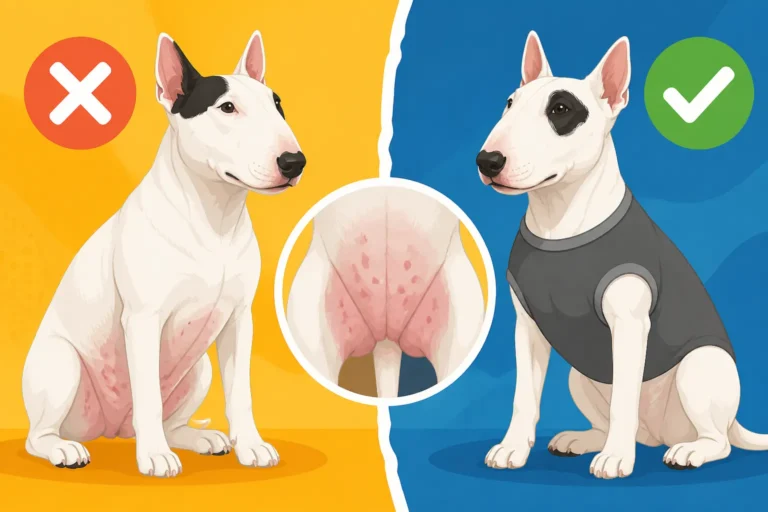
Bull Terriers are, unfortunately, predisposed to a range of skin issues, many of which are directly impacted by the shampoo we choose. Allergies are incredibly common in the breed, manifesting as itchy, red, inflamed skin, often on their paws, belly, or ears. These can be environmental, food-related, or contact allergies. Then there's Demodectic mange, which, while often starting in puppies, can recur if a dog's immune system is compromised. Zinc-responsive dermatosis is another consideration, as some Bull Terriers struggle to absorb zinc, leading to skin problems around the eyes, mouth, and pressure points. Bacterial or yeast infections can also crop up, especially in moist areas or where the skin has been compromised by scratching. Knowing these predispositions means that a generic "all-purpose" dog shampoo simply won't cut it. We need targeted solutions that soothe, protect, and don't exacerbate underlying problems. Whether a Bull Terrier Gets Skin Allergies is a question many owners find themselves asking, often after weeks of their dog scratching.
What a Bull Terrier's Coat Is Like and Its Implication for Bathing
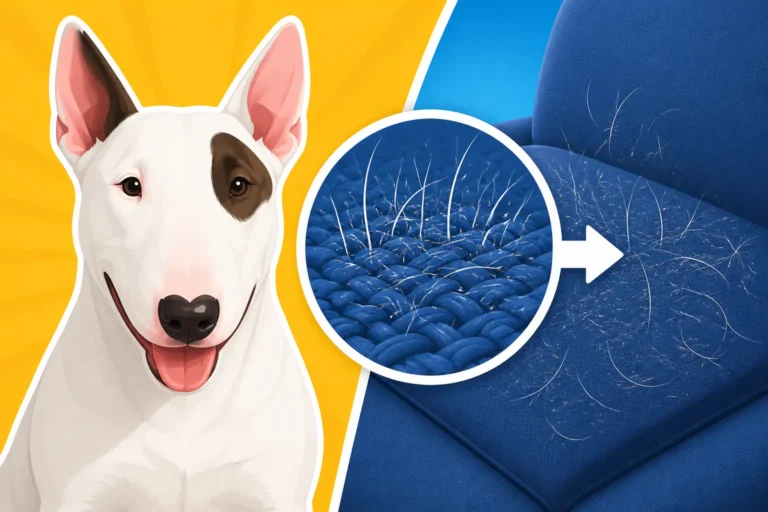
A Bull Terrier's coat is smooth, short, and glossy when healthy. It’s also quite stiff. While this means less shedding in terms of volume compared to a Golden Retriever, their hairs can be surprisingly stubborn and prickly, embedding themselves into fabric. The coat texture itself doesn't typically cause problems, but its lack of density means their underlying skin is directly exposed. This dictates how frequently you might need to bathe them and the type of protection the shampoo needs to offer. For instance, a very dirty Bull Terrier might need a gentle but effective cleansing shampoo, while one with dry, flaky skin would benefit from a deeply moisturizing formula. Because the coat offers minimal UV protection, white Bull Terriers are particularly susceptible to sunburn, which can be further irritated by harsh shampoos. It's a delicate balance, and understanding How Often a Bull Terrier Should Be Bathed often comes down to their individual skin needs, not just how dirty they appear.
Ingredients to Embrace and Ingredients to Avoid
When you're staring at a wall of dog shampoos, the ingredient list can feel like a foreign language. But for a Bull Terrier, knowing what to look for and what to skip is paramount for their skin health.
Soothing and Hydrating Components Your Bull Terrier Needs
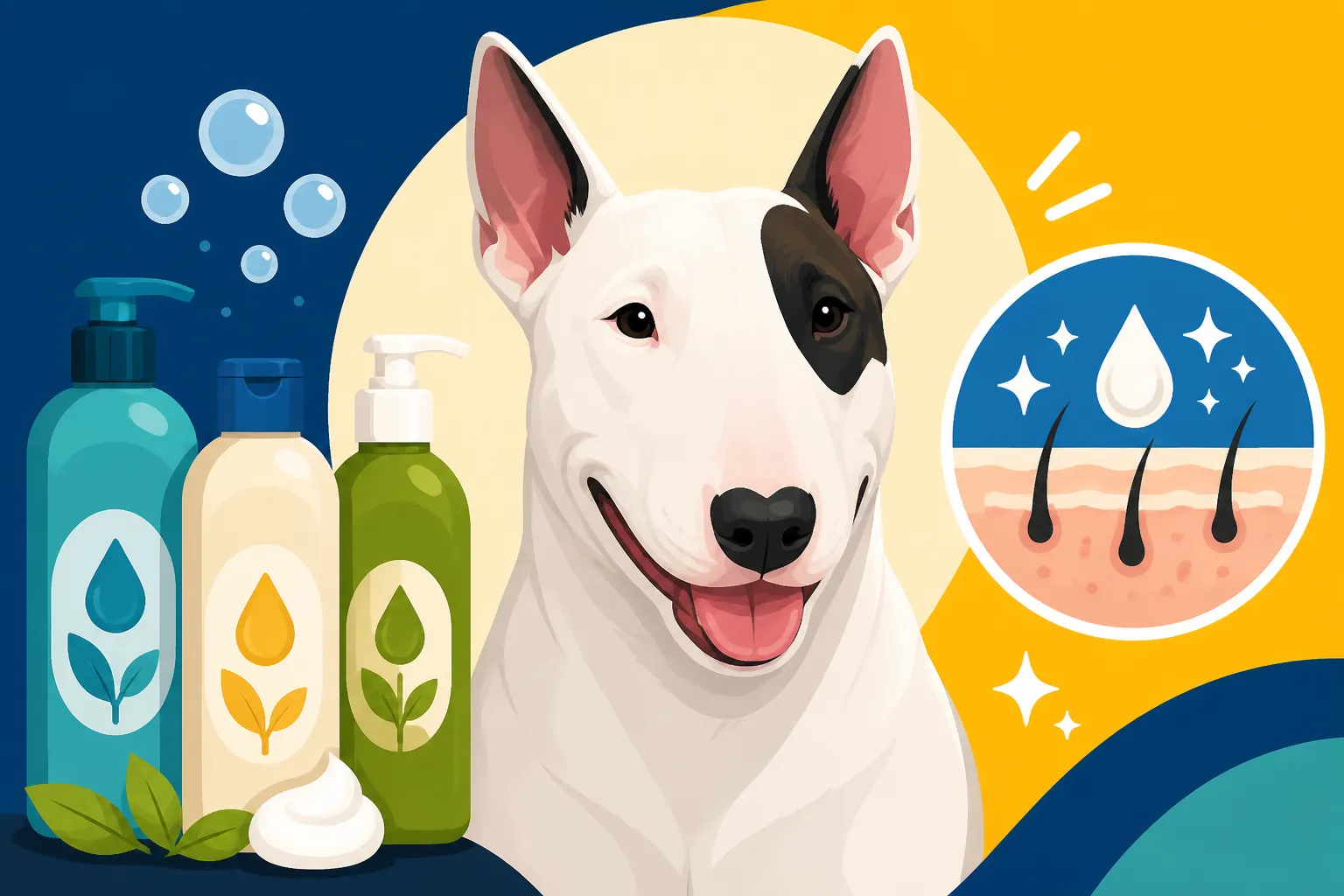
For a Bull Terrier's often-sensitive skin, hydration and soothing ingredients are your best friends. Look for shampoos that prominently feature:
- Colloidal Oatmeal: This is a classic for a reason. Colloidal oatmeal works by forming a protective barrier on the skin, locking in moisture and reducing inflammation and itchiness. It's incredibly gentle and can provide immediate relief for an irritated Bull Terrier. Many owners swear by it for managing everyday dryness or mild allergic reactions. You'll find it in many sensitive skin formulas.
- Aloe Vera: Known for its healing and anti-inflammatory properties, aloe vera can calm red, angry skin and promote healing. It's a fantastic addition for Bull Terriers who are prone to hot spots or generalized irritation.
- Omega Fatty Acids (like Omega-3 and Omega-6): While often taken internally, these can also be found in topical shampoos. They support the skin barrier, reduce inflammation, and contribute to a healthy, shiny coat. Look for ingredients like fish oil or flaxseed oil in the formula.
- Glycerin: A humectant, meaning it draws moisture from the air and locks it into the skin. This is excellent for preventing dryness, especially in colder months or drier climates.
- Ceramides: These are lipids that naturally occur in the skin barrier. Shampoos with ceramides help to repair and strengthen this barrier, making the skin more resilient against irritants and moisture loss.
Incorporating shampoos with these ingredients into The Weekly Skin Check Every Bull Terrier Needs can make a huge difference in preventing flare-ups and keeping their skin calm.
Harsh Chemicals and Allergens to Steer Clear Of
Just as important as knowing what to include is knowing what to avoid. Many common shampoo ingredients can be highly irritating or allergenic for Bull Terriers:
- Sulfates (e.g., Sodium Lauryl Sulfate, Sodium Laureth Sulfate): These are harsh detergents that create a lot of lather but can strip the skin of its natural oils, leading to extreme dryness and irritation. They are a common culprit behind itchy skin in sensitive dogs.
- Artificial Fragrances and Dyes: While we might enjoy a fruity or floral scent, artificial fragrances are a leading cause of contact allergies in dogs. They offer no benefit to the skin or coat and can cause significant irritation. Similarly, dyes are purely cosmetic and can trigger reactions. Always opt for fragrance-free or naturally scented (e.g., with essential oils known to be safe for dogs, like lavender in very low concentrations) options.
- Parabens (e.g., methylparaben, propylparaben): These are preservatives that some studies suggest can have endocrine-disrupting effects. While research is ongoing, many pet owners prefer to avoid them, especially for sensitive dogs.
- Phthalates: Often found in artificial fragrances, these are another group of chemicals to avoid for similar reasons to parabens.
- Alcohol: While some gentle alcohols might be used in very small amounts as preservatives or solvents, high concentrations or drying alcohols can strip natural oils and dehydrate the skin.
Always read labels carefully. Many excellent sensitive skin shampoos can be found on platforms like Chewy, which often provide detailed ingredient lists and customer reviews that can help guide your choice.
Natural Remedies and Supplements for Skin Health
Beyond just shampoo, a holistic approach to your Bull Terrier's skin health often involves natural remedies and dietary supplements. Internally, a high-quality diet, perhaps like the options from Ollie, can lay the foundation for a healthy coat and skin. Supplements rich in Omega-3 and Omega-6 fatty acids, like fish oil or krill oil, are incredibly beneficial. They work from the inside out to reduce inflammation, improve coat shine, and strengthen the skin barrier. Probiotics can also support gut health, which in turn influences skin immunity. Topically, after bathing, some owners use very diluted apple cider vinegar rinses (always follow with a plain water rinse) for its antimicrobial properties, or apply coconut oil to dry patches (ensure it's food-grade and watch for excessive licking). Always introduce new supplements or topical remedies gradually and consult your veterinarian, especially if your Bull Terrier has an existing skin condition. Sometimes, a persistent problem means a visit to the vet for What a Bull Terrier Is Most Often Allergic To testing or other diagnostics.
Types of Shampoos Tailored for Bull Terriers
Given the Bull Terrier's propensity for skin issues, a "one size fits all" approach to shampoo simply doesn't work. Thankfully, there are many specialized formulations out there.
Hypoallergenic and Sensitive Skin Formulas
For the vast majority of Bull Terriers, particularly those with no active skin infection but simply prone to dryness or mild irritation, a hypoallergenic or sensitive skin shampoo is the gold standard. These shampoos are specifically formulated to minimize the risk of allergic reactions. They are typically:
- Fragrance-Free or Lightly Scented with Natural Extracts: Avoiding artificial perfumes is key. Any scent will usually come from natural, non-irritating sources like pure essential oils (used sparingly) or the inherent smell of the ingredients themselves.
- Dye-Free: No artificial colors are added.
- Sulfate-Free: They use milder cleansing agents that don't strip the skin of its natural oils.
- pH-Balanced: Dog skin has a different pH than human skin, so a shampoo designed for dogs will be balanced to prevent irritation.
- Packed with Soothing Ingredients: Look for the colloidal oatmeal, aloe vera, and ceramides we discussed earlier.
These shampoos are perfect for regular bathing and maintaining a healthy skin barrier. They help prevent minor irritations from escalating and are a crucial part of a proactive skin care routine. If your Bull Terrier has generally good skin but occasionally gets a bit itchy after rolling in something, this is usually your go-to.
Medicated Shampoos for Specific Conditions
When your Bull Terrier is battling a specific skin condition, a medicated shampoo becomes a vital part of their treatment plan. These aren't your everyday shampoos; they contain active pharmaceutical ingredients designed to target particular issues.
- Antifungal Shampoos: These contain ingredients like miconazole or ketoconazole and are used to treat yeast infections (which often smell yeasty and can be very itchy).
- Antibacterial Shampoos: Containing chlorhexidine or benzoyl peroxide, these target bacterial skin infections, such as pyoderma. Benzoyl peroxide also has a degreasing action, which can be useful for oily skin conditions.
- Antiparasitic Shampoos: For issues like Demodectic mange, your vet might prescribe a shampoo with ingredients like benzoyl peroxide (which helps flush hair follicles) or other specific medications. How to Bathe a Bull Terrier With Demodex often involves very specific instructions for medicated shampoos.
- Anti-itch Shampoos (with corticosteroids or pramoxine): These can provide short-term relief for intense itching, often prescribed by a vet as part of a broader treatment for severe allergies or inflammatory conditions.
It is absolutely crucial to use medicated shampoos only under the guidance of your veterinarian. They will diagnose the specific condition and prescribe the appropriate shampoo, along with instructions on frequency and duration of use. Using the wrong medicated shampoo can be ineffective or even harmful. You might find these specialized shampoos available on Chewy or Amazon, sometimes requiring a prescription or veterinary authorization. When dealing with persistent issues, Demodectic Mange in a Bull Terrier is one of those conditions that absolutely requires veterinary oversight and specific medicated washes.
Moisturizing and Conditioning Shampoos for Dryness
Bull Terriers, especially those in dry climates or during certain seasons, can suffer from incredibly dry, flaky skin. This isn't just uncomfortable for them; it can also make them more susceptible to other skin problems. Moisturizing and conditioning shampoos are designed to combat this.
These formulas often contain:
- Higher concentrations of emollients: Ingredients like lanolin, shea butter, or plant-based oils (jojoba, argan, coconut) that help to soften and smooth the skin and coat.
- Humectants: Glycerin and hyaluronic acid, which draw moisture to the skin.
- Conditioning agents: Proteins or silicones that help to detangle, add shine, and protect the coat. Some are "2-in-1" shampoo and conditioner formulas, while others are separate products.
For Bull Terriers with chronic dryness or those whose skin tends to get irritated by frequent bathing, a good moisturizing shampoo followed by a rinse-off conditioner can work wonders. This approach helps replenish the skin's lipid barrier and keeps the coat supple. Remember, Whether Bathing Too Often Dries a Bull Terrier's Skin is a valid concern, and a moisturizing shampoo helps mitigate that risk. It's often helpful to look for products designed to restore skin barrier function, especially if your Bull Terrier is prone to environmental allergies.
Here's a quick comparison of shampoo types:
| Shampoo Type | Primary Goal | Key Ingredients (Examples) | Ideal For Bull Terrier With… | Considerations |
|---|---|---|---|---|
| Hypoallergenic/Sensitive | Minimize irritation, gentle cleansing | Colloidal oatmeal, aloe vera, glycerin, no harsh chemicals | General sensitivity, mild itch, no active infection | Good for regular maintenance; less effective for active infections. |
| Medicated | Treat specific infections (bacterial/fungal) | Chlorhexidine, miconazole, benzoyl peroxide, specific drugs | Diagnosed bacterial/yeast infections, ringworm, some mange | Veterinary prescription or guidance essential; not for routine use. |
| Moisturizing/Conditioning | Combat dryness, add hydration, improve coat | Shea butter, lanolin, hyaluronic acid, argan oil | Dry, flaky skin; dull coat; in dry climates; post-medicated wash | May not be enough for active infections; choose non-comedogenic oils. |
The Bathing Process: More Than Just Suds
Choosing the right shampoo is only half the battle; how you bathe your Bull Terrier is equally important. A rushed or uncomfortable bath can leave their skin irritated and make future baths a nightmare.
Preparing for a Stress-Free Bath Time
Before you even turn on the faucet, a little preparation goes a long way in making bath time a positive experience for your Bull Terrier (and for you!).
First, gather all your supplies. This means your chosen shampoo, a conditioner if you're using one, towels (maybe even an extra one for yourself!), cotton balls for ears, a non-slip mat for the tub, and plenty of treats. Having everything within reach prevents you from having to leave your Bull Terrier unattended, which can increase anxiety.
Second, brush your Bull Terrier thoroughly before they get wet. This helps remove loose hair, dirt, and any tangles (though Bull Terriers rarely get significant tangles due to their short coats). This also helps the shampoo penetrate more effectively and reduces the amount of shedding in the tub.
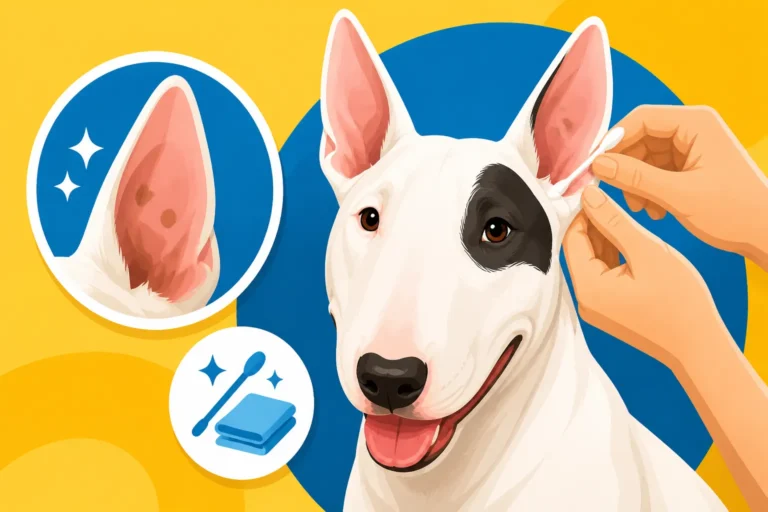
Third, protect their ears and eyes. Place a cotton ball loosely in each ear to prevent water from entering the ear canal, which can lead to ear infections. Be careful not to push them in too far. For their eyes, avoid getting shampoo directly in them. Some owners even put a drop of lubricating eye ointment in beforehand as an extra precaution.
Finally, make the environment calm and positive. Speak in a soothing voice, offer treats, and ensure the water temperature is lukewarm – never too hot or too cold. Having a non-slip mat in the tub is crucial for their confidence and safety; a slipping dog is a panicked dog. Setting this stage correctly can prevent stress and make How Often a Bull Terrier's Ears Need Checking less likely to reveal an issue caused by bath-time water.
Application Techniques and Rinsing Thoroughly
Once your Bull Terrier is in the tub and comfortable, the technique matters.
Start by thoroughly wetting their entire coat with lukewarm water. Make sure the water penetrates all the way to their skin, not just the surface of their fur. A detachable shower head can be incredibly helpful for this.
Next, apply the shampoo. Start with a small amount and work it into a lather, focusing on massaging it gently but firmly into their skin, not just their coat. Pay special attention to areas prone to dirt or irritation, like their paws, belly, and underarms. For Bull Terriers, who often have specific skin sensitivities, a gentle touch is key. Avoid scrubbing aggressively, which can further irritate their skin. If using a medicated shampoo, follow your vet's specific instructions, which often include a contact time (leaving the shampoo on for 5-10 minutes) before rinsing. Use this time to offer more treats and gentle praise.
Rinsing is arguably the most critical step for a Bull Terrier with sensitive skin. Any shampoo residue left on their coat can dry and become a major irritant, leading to itching, redness, and flakiness. Rinse, rinse, and then rinse again! Start from their head and work your way down, ensuring the water runs clear from all areas. Lift their legs, check their armpits, and make sure their belly is completely free of suds. Run your hands over their coat to feel for any slippery residue. When you think you're done, rinse for another minute, just to be sure. This meticulous rinsing is paramount in preventing post-bath skin issues.
Post-Bath Care and Drying Your Bull Terrier
The drying process is just as important as the washing and rinsing, especially for sensitive Bull Terrier skin.
First, blot away excess water with soft, absorbent towels. Don't rub vigorously, as this can irritate their skin and cause matting (though less of an issue for Bull Terriers). Gently squeeze the water out of their coat.
Next, consider your drying method. For most Bull Terriers, towel drying followed by air drying in a warm, draft-free room is perfectly fine. If you use a hair dryer, make sure it's on a cool or low heat setting, and keep it moving constantly to prevent hot spots or burning their skin. Many dog-specific dryers are available, which blow cool air at high velocity and are much safer and more efficient. For Bull Terriers, whose skin can be prone to yeast infections in moist areas, ensuring they are completely dry, especially in skin folds or between paw pads, is essential.
After drying, inspect their skin one more time. Look for any redness, flakiness, or signs of irritation that might have been hidden by their wet coat. Apply any prescribed topical treatments or a veterinarian-recommended leave-in conditioner or soothing spray if needed. Finally, offer a well-deserved reward – a favorite chew or a long snuggle. Making bath time a positive, calm experience will help your Bull Terrier tolerate it better, and meticulous drying helps prevent post-bath irritations, helping ensure A Bull Terrier's Skin Is Its Weakest Point isn't constantly under attack.
When to Consult a Vet or Dermatologist
Sometimes, despite your best efforts with the right shampoo and careful bathing, skin problems persist. This is when professional intervention becomes crucial.
Recognizing When a Shampoo Isn't Enough
It's easy to get caught in a cycle of trying different shampoos, hoping the next one will be the miracle cure. However, there are clear signs that a shampoo alone isn't going to fix your Bull Terrier's skin issues:
- Persistent Itching: If your Bull Terrier is still scratching, licking, or chewing themselves excessively after several weeks of using a targeted sensitive skin shampoo, it's a red flag.
- Redness and Inflammation: Widespread or localized patches of red, inflamed skin that don't improve.
- Skin Lesions: Sores, scabs, crusts, pustules, or hair loss (alopecia) that appear or worsen.
- Odor: A foul or yeasty smell emanating from their skin, especially in skin folds or paws, can indicate a bacterial or yeast infection.
- Changes in Coat Texture: A dull, greasy, or excessively dry and brittle coat that doesn't respond to moisturizing shampoos.
- Behavioral Changes: Lethargy, loss of appetite, or general discomfort stemming from chronic itching.
These symptoms suggest an underlying issue that needs medical attention, whether it's allergies, an infection, or another condition like Zinc Responsive Dermatosis in a Bull Terrier. Don't delay seeking professional help, as prolonged irritation can lead to secondary infections and more severe discomfort for your dog.
Diagnostic Tests for Persistent Skin Problems
When you visit your vet for skin problems, they'll likely recommend a series of diagnostic tests to pinpoint the cause. This isn't just guesswork; it's about getting to the root of the problem.
Common tests include:
- Skin Scrapes: To look for mites, especially Demodex or Sarcoptes, which can cause intense itching and hair loss.
- Cytology: Examining samples taken from the skin (with tape impressions or swabs) under a microscope to identify bacteria, yeast, or inflammatory cells. This is crucial for guiding treatment for infections.
- Fungal Culture: If ringworm is suspected, a sample of hair or skin might be cultured.
- Allergy Testing: If environmental or food allergies are suspected, your vet might recommend intradermal skin testing (done by a veterinary dermatologist) or blood tests (serum IgE testing) to identify specific allergens. A food elimination diet might also be prescribed to identify dietary triggers.
- Biopsy: In more complex or persistent cases, a small tissue sample might be taken for histopathology to get a definitive diagnosis, especially for autoimmune diseases or skin cancers.
These tests, while sometimes an investment, provide invaluable information that allows your vet to create an effective and targeted treatment plan, which may include special diets, oral medications, or specific medicated shampoos. It's far more effective than just trying shampoo after shampoo. And understanding What a Bull Terrier's Dermatologist Charges can help you prepare for these specialist visits.
Partnering with a Professional for Long-Term Skin Health
Managing a Bull Terrier's sensitive skin is often a marathon, not a sprint. Partnering with your veterinarian, and potentially a board-certified veterinary dermatologist, is key to ensuring their long-term comfort and health.
Your vet can help you:
- Develop a comprehensive management plan: This often involves a multi-modal approach, combining dietary changes, supplements, topical treatments (including the right shampoo and conditioner), and sometimes oral medications (like antihistamines or steroids) or allergy injections.
- Monitor progress and adjust treatments: Skin conditions can be dynamic, and what works today might need adjusting tomorrow. Regular follow-up appointments are essential.
- Educate you on preventive care: Learning about environmental triggers, proper grooming, and nutrition can empower you to keep your Bull Terrier's skin as healthy as possible.
- Provide accurate diagnoses: Avoiding self-diagnosis is critical. What looks like dry skin could be an early infection, and treating it incorrectly can make it worse.
For instance, if your Bull Terrier is suffering from chronic, year-round itching, a dermatologist can perform specialized allergy tests and discuss desensitization injections, which can offer significant relief. They can also advise on specific shampoo protocols, whether that means Whether a Bull Terrier Needs a Medicated Shampoo on a regular basis or a specific conditioning regimen. By working closely with veterinary professionals, you ensure your Bull Terrier receives the most effective, evidence-based care, helping them live a happy, itch-free life.
Disclaimer
This article is for general informational purposes only and does not constitute professional advice. Laws, prices and regulations vary by location and change over time. Consult a qualified professional for guidance on your specific situation.