Whether a Bull Terrier Gets Epilepsy
It's absolutely terrifying to see your beloved Bull Terrier suddenly behave in a way that’s completely out of character. One moment they might be their usual goofy, affectionate self, and the next, they could be disoriented, collapsing, or even convulsing. It’s natural for your mind to immediately jump to the worst-case scenarios, and for many Bull Terrier owners, the question of whether their quirky companion can suffer from epilepsy becomes a pressing concern. This guide aims to thoroughly explore the realities of epilepsy in Bull Terriers, helping you understand the signs, the diagnostic process, and how best to support your dog.
Understanding Epilepsy in Bull Terriers
When your Bull Terrier starts exhibiting unusual behaviors, especially repetitive or involuntary ones, it's easy to feel a knot form in your stomach. While Bull Terriers are known for their unique personalities and sometimes eccentric habits, it's crucial to understand the difference between typical breed quirks and serious neurological conditions like epilepsy.
What is Canine Epilepsy?
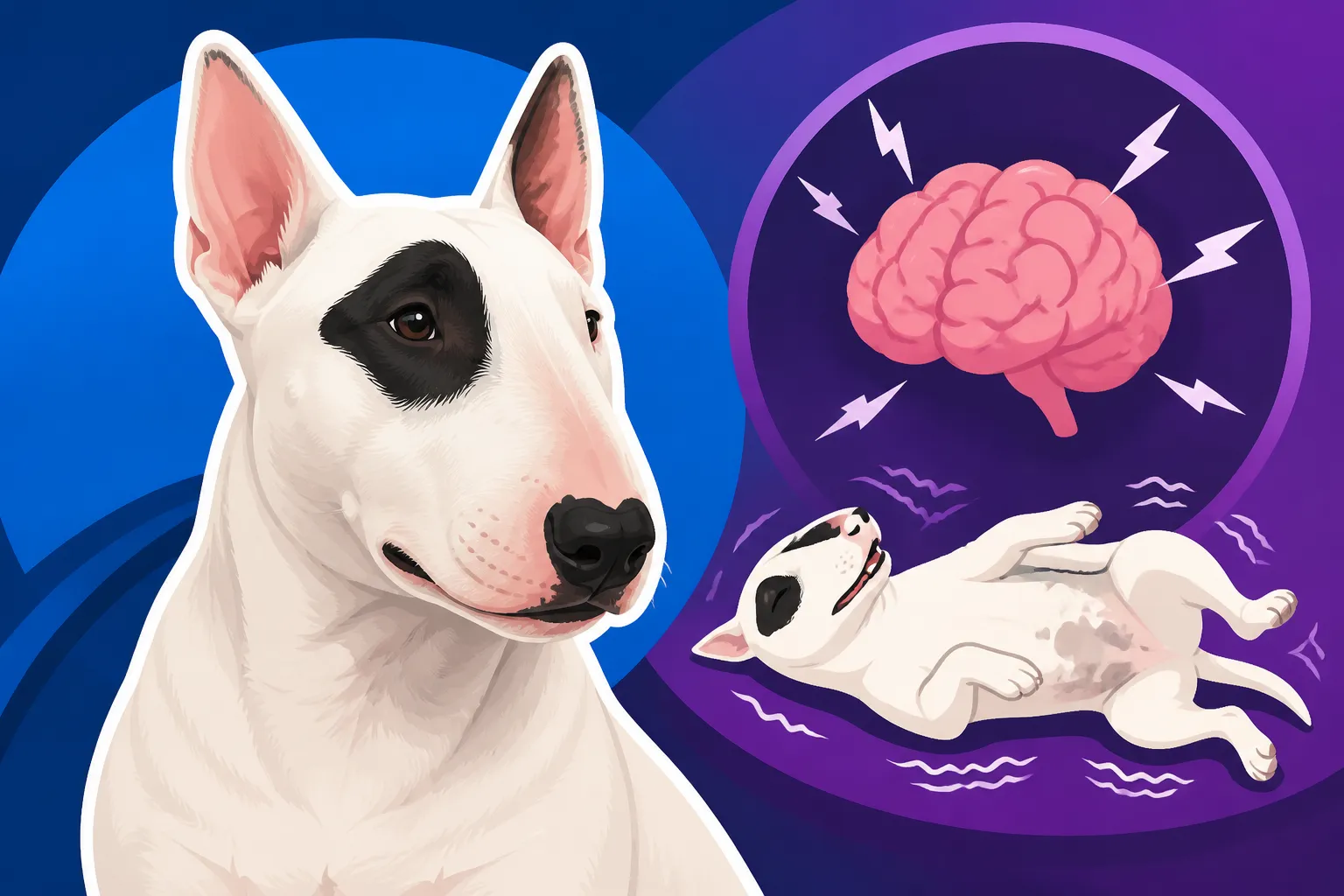
At its core, epilepsy in dogs is a chronic neurological disorder characterized by recurrent, unprovoked seizures. These seizures are essentially a temporary disturbance of normal brain function, caused by abnormal, excessive electrical activity in the brain. Think of it like a short-circuit in the brain's wiring. This overactivity can manifest in various ways, from subtle changes in consciousness to full-blown convulsions. The type of seizure depends on which part of the brain is affected.
It’s important to distinguish a seizure from other medical events that might look like a seizure, such as fainting (syncope) due to a heart condition or a severe pain response. A veterinarian will look for specific patterns and characteristics to make a definitive diagnosis.
Is Epilepsy More Common in Bull Terriers?
While epilepsy can affect any dog breed, and indeed, any dog, some breeds do have a genetic predisposition, making them more susceptible. For Bull Terriers, primary or idiopathic epilepsy – meaning epilepsy with no identifiable cause – is a recognized concern within the breed. It suggests there's a genetic component at play, passed down through generations. This doesn't mean every Bull Terrier will develop epilepsy, but it does mean the risk is higher compared to some other breeds.
The onset of primary epilepsy typically occurs in dogs between six months and five years of age. If a Bull Terrier experiences seizures outside this age range, veterinarians will often investigate other potential causes, such as metabolic diseases, brain tumors, or head trauma, before settling on an idiopathic epilepsy diagnosis. Understanding this breed-specific vulnerability is vital for responsible ownership and breeding practices.
Distinguishing Epilepsy from Other Neurological Issues
This is where things can get really tricky for Bull Terrier owners, because our beloved egg-heads have a few neurological quirks that can easily be mistaken for seizures, or at least cause significant alarm. The most notorious of these is tail chasing or spinning, which for some Bull Terriers, can become an obsessive, compulsive disorder that looks very much like a trance-like state or even a focal seizure. It’s important to remember that Tail Chasing in a Bull Terrier Is a Medical Problem that warrants veterinary attention itself. We also have Whether Bull Terrier Tail Chasing Is a Seizure as a question that weighs heavily on many owners' minds.
Another peculiar Bull Terrier behavior often confused with seizures is trancing, sometimes called "ghost walking." This is when a Bull Terrier walks incredibly slowly, with a glazed-over look, often under low-hanging objects like curtains or tablecloths, seeming utterly detached from its surroundings. While alarming, trancing is generally considered a benign, breed-specific behavior and not a form of seizure, though it's always worth mentioning to your vet.
Here’s a simple table to help you differentiate some key characteristics:
| Symptom/Behavior | Seizure (Epilepsy) | Tail Chasing (Compulsive) | Trancing (Benign) |
|---|---|---|---|
| Consciousness | Lost or altered (dazed, unresponsive) | Generally aware, but highly focused on the tail | Seems dazed, unaware of surroundings |
| Duration | Seconds to a few minutes (active phase) | Can last minutes, often cyclical | Seconds to minutes |
| Movement | Convulsions, rigidity, paddling, twitching | Rapid, frantic spinning, biting at tail | Slow, deliberate walk, head often lowered, "ghost-like" |
| Pre-event (Aura) | May show anxiety, hiding, seeking attention | Often triggered by boredom, stress, or specific environments | No clear triggers, often under objects |
| Post-event (Post-ictal) | Disorientation, lethargy, increased hunger/thirst, temporary blindness | Exhaustion after prolonged spinning, sometimes self-mutilation | Snaps out of it, no lingering effects |
| Involuntary? | Yes, completely involuntary | Compulsive, hard to interrupt, but some control | Involuntary, but easily interrupted |
It’s clear that Whether a Bull Terrier Seizure Differs From a Spin is a critical distinction. While tail chasing is a compulsive disorder and not an epileptic seizure, it still indicates a neurological or behavioral issue that requires intervention. How a Spinning Bull Terrier Is Treated usually involves a combination of behavioral modification, increased mental enrichment, and sometimes medication to help manage the compulsive urge. Always consult your veterinarian to help parse these behaviors, as only a professional can truly diagnose the underlying issue.
Recognizing the Signs of a Seizure
The first time you witness your Bull Terrier having a seizure, it can be incredibly frightening. The sudden loss of control, the thrashing, the vacant stare – it’s etched into an owner’s memory. Knowing what to look for, and what to do, can make all the difference.
Types of Seizures Bull Terriers Might Experience
Seizures aren't all the same, and understanding the different types can help you describe the event accurately to your vet, which is crucial for diagnosis.
- Generalized Seizures (Grand Mal): These are perhaps what most people imagine when they think of a seizure. Your Bull Terrier might collapse, lose consciousness, and exhibit full-body convulsions – paddling with their legs, rigid extensions, jaw chomping, salivating, vocalizing, and often losing bladder and/or bowel control. These seizures usually last from a few seconds to a few minutes.
- Focal Seizures (Partial Seizures): These seizures involve only a specific part of the brain and thus manifest with localized symptoms. This could be twitching in one limb or one side of the face, snapping at invisible flies, excessive licking, or repetitive movements of just one part of the body. Your Bull Terrier might remain conscious but appear dazed or unresponsive. Focal seizures can sometimes escalate into generalized seizures.
- Psychomotor Seizures: These are a type of focal seizure where the dog might perform complex, repetitive behaviors that seem purposeless, such as sudden aggression, frantic running, or snapping at the air. The dog is often not fully conscious during these episodes.
- Status Epilepticus: This is a severe, life-threatening condition where a seizure lasts for longer than five minutes, or multiple seizures occur in rapid succession without a full recovery of consciousness in between. If your Bull Terrier ever experiences this, it is a medical emergency requiring immediate veterinary attention.
Recognizing these distinctions is key. For instance, a Bull Terrier might exhibit an odd, momentary blank stare or a subtle tremor that could be a focal seizure, and without knowing the different types, an owner might dismiss it as a quirky habit, delaying critical care.
What to Do During and After a Seizure
Witnessing a seizure is traumatic, but staying calm and taking specific steps can protect your Bull Terrier and help your vet.
During the Seizure:
- Stay Calm: Panicking won't help your dog. Take a deep breath.
- Ensure Safety: Move any objects your Bull Terrier might hit or fall off. If they are near stairs or water, gently move them to a safe, open area. Do not try to move them by their head or limbs; gently slide a blanket underneath them and move them that way if necessary.
- Time the Seizure: This is incredibly important for your vet. Use a stopwatch or your phone to accurately time how long the active seizure lasts.
- Do NOT Put Anything in Their Mouth: A common misconception is that dogs will swallow their tongues. This is highly unlikely, and putting your fingers or an object in their mouth could result in a severe bite or obstruction.
- Keep Cool: Dogs can overheat during prolonged seizures. Place a fan near them or put cool, damp cloths on their paws and head, being careful not to obstruct their breathing.
- Dim Lights/Reduce Noise: Create a calm environment if possible.
After the Seizure (Post-Ictal Phase):
This phase can last from minutes to hours, or even days. Your Bull Terrier might be disoriented, confused, restless, temporarily blind, or excessively tired. They might pace aimlessly, bump into objects, or seek constant reassurance. They may also be very hungry or thirsty.
- Comfort and Monitor: Speak softly, offer comfort, and keep them in a quiet, safe space. Avoid overstimulating them.
- Offer Water (Carefully): If they seem thirsty, offer water, but supervise closely to ensure they can drink safely.
- Contact Your Vet: Even if it’s an isolated incident, always call your veterinarian to report the seizure. They will advise on the next steps, including whether an immediate visit is necessary.
- Record Details: Keep a detailed log: date, time, duration, description of movements, behaviors before (aura) and after (post-ictal), and any potential triggers. This log is invaluable for diagnosis and tracking treatment effectiveness.
Remember, seeing How a Bull Terrier Hides Pain in other situations can make it hard to tell something is wrong, but a seizure is usually undeniable. Your prompt and accurate reporting will be essential.
Diagnosis and Management of Bull Terrier Epilepsy
Getting a diagnosis of epilepsy for your Bull Terrier can feel overwhelming. It means facing a chronic condition that will require ongoing care. However, with proper diagnosis and management, many epileptic Bull Terriers can live full, happy lives.
The Diagnostic Process
Diagnosing epilepsy isn't as simple as a single test; it's often a process of elimination. Your vet will follow a structured approach to rule out other potential causes of seizures.
- Comprehensive History and Physical Exam: Your vet will ask you detailed questions about the seizures (as outlined above), your dog's medical history, diet, and lifestyle. They will perform a thorough physical exam to check for any obvious abnormalities.
- Blood Work and Urinalysis: Standard blood tests (complete blood count, chemistry panel) and a urinalysis are crucial. These tests can identify underlying metabolic issues (like liver or kidney disease, low blood sugar), infections, or toxin exposure that could be causing seizures. For example, severe kidney disease could cause neurological symptoms. You might also be familiar with What a Bull Terrier's Yearly Bloodwork Should Cover which should include these basic panels anyway.
- Advanced Diagnostics: If routine tests are inconclusive, especially if the seizures are severe, frequent, or begin at an unusual age, your vet may recommend specialist neurological investigations:
- MRI (Magnetic Resonance Imaging): This is considered the gold standard for imaging the brain. An MRI can detect structural abnormalities like brain tumors, inflammation, strokes, or congenital malformations. Given the cost and invasiveness, Whether a Bull Terrier Should Have an MRI is a serious question for owners, but it can be critical for accurate diagnosis.
- CSF Tap (Cerebrospinal Fluid Analysis): This involves collecting a sample of the fluid surrounding the brain and spinal cord. It can help identify inflammatory or infectious conditions of the central nervous system.
- Electroencephalogram (EEG): While less common in veterinary medicine than in human, an EEG measures electrical activity in the brain and can help confirm seizure activity, especially for subtle or focal seizures.
If all these tests come back normal, and other causes are ruled out, a diagnosis of idiopathic (primary) epilepsy is usually made. It's a diagnosis of exclusion, meaning the seizures are presumed to be genetic or unidentifiable in origin.
Treatment Options and Medications
Once diagnosed, the goal of epilepsy treatment is to reduce the frequency, severity, and duration of seizures, ultimately improving your Bull Terrier's quality of life. Treatment almost always involves anticonvulsant medications.
- Phenobarbital: This is one of the oldest and most commonly prescribed anticonvulsants. It's effective but requires careful monitoring of blood levels and liver function due to potential side effects.
- Potassium Bromide (KBr): Often used in conjunction with phenobarbital or as a standalone drug, especially for dogs that don't tolerate phenobarbital well. It can take several months to reach therapeutic levels in the body.
- Levetiracetam (Keppra): A newer anticonvulsant that often has fewer side effects and can be used as an add-on therapy or for emergency situations due to its rapid onset.
- Zonisamide: Another newer drug, often used as an add-on or in dogs unresponsive to other medications.
- Gabapentin: Primarily used for neuropathic pain, but can also have some anticonvulsant properties and is sometimes used as an adjunct medication.
The choice of medication, dosage, and whether to use single or multiple drugs ("polypharmacy") will be determined by your veterinary neurologist, based on your Bull Terrier's individual response, seizure frequency, and severity. It’s a delicate balance, and finding the right protocol can take time and adjustment. Regular blood tests will be necessary to monitor drug levels and potential side effects, especially with medications like phenobarbital. This will become part of What a Bull Terrier Costs Over Its Lifetime as ongoing medical expenses.
Living with an Epileptic Bull Terrier
A diagnosis of epilepsy is a lifelong commitment, but it doesn't mean a diminished life for your Bull Terrier. Many dogs on appropriate medication lead happy, active lives.
- Consistent Medication Schedule: The most crucial aspect of management is administering medication exactly as prescribed, without missing doses. Consistency helps maintain stable drug levels in the bloodstream.
- Regular Vet Checks: Your Bull Terrier will need regular check-ups and blood tests to monitor their condition, medication levels, and overall health. Your vet might also want to do a The Yearly Urine Test Every Bull Terrier Owner Should Book to check kidney health, as some medications can affect organs.
- Seizure Log: Continue to maintain your detailed seizure log. This information is vital for your vet to assess the effectiveness of treatment and make any necessary adjustments.
- Safe Environment: Ensure your home is safe, especially if seizures are still occurring. Pad hard surfaces, secure stairs, and remove sharp objects.
- Stress Reduction: Stress can sometimes trigger seizures in susceptible dogs. Maintain a consistent routine, provide plenty of mental and physical stimulation (appropriate for their energy levels), and create a calm home environment.
- Diet and Supplements: While there's no specific "epilepsy diet" for most dogs, some research suggests certain diets, particularly those high in medium-chain triglycerides (MCTs) like coconut oil, might have neuroprotective benefits for some epileptic dogs. Always discuss any dietary changes or supplements with your vet, as they can interact with medications.
- Financial Planning: Managing a chronic condition like epilepsy can be expensive, especially with diagnostics, medications, and specialist consultations. Pet insurance, like Healthy Paws, can be a lifesaver, covering a significant portion of these ongoing costs once the condition is diagnosed and provided it's not pre-existing. It's something many owners wish they had in place before an unexpected diagnosis.
Living with an epileptic Bull Terrier requires patience, vigilance, and a strong partnership with your veterinary team. But the bond you share with your unique companion makes every effort worthwhile.
Prevention and Breeding Considerations
For a breed with a known predisposition to epilepsy, prevention through responsible breeding and understanding potential triggers in lifestyle are paramount.
Genetic Screening and Responsible Breeding
Given that idiopathic epilepsy often has a genetic basis in certain breeds, including Bull Terriers, responsible breeding practices are the first line of defense. Unfortunately, unlike some other inherited conditions like Lethal Acrodermatitis Kills a Bull Terrier Puppy Before It Grows Up which has a specific DNA test available, there isn't currently a single, universally available DNA test to identify carriers or affected Bull Terriers for primary epilepsy. This makes it more challenging for breeders.
However, ethical breeders will still:
- Maintain Detailed Pedigrees and Health Records: They will know the health history of their breeding lines for generations, including any incidence of epilepsy.
- Avoid Breeding Affected Dogs: Any Bull Terrier that develops idiopathic epilepsy should not be bred.
- Carefully Consider Breeding from Affected Lines: Even if a dog doesn't have epilepsy, if multiple close relatives (parents, siblings, offspring) do, a responsible breeder might reconsider breeding from that line, or at least breed to a line with absolutely no history of epilepsy.
- Transparency: Reputable breeders are open and honest about the health history of their dogs and pedigrees, allowing potential puppy buyers to make informed decisions.
The aim is to reduce the incidence of the genes responsible for epilepsy within the Bull Terrier gene pool over time. If you're looking for a Bull Terrier puppy, asking the breeder about their specific lines' history with epilepsy and other neurological issues is a critical question. Knowing Which Health Tests a Bull Terrier Breeder Should Run is essential for any future owner.
The Role of a Healthy Lifestyle in Reducing Risk
While genetics play a significant role in idiopathic epilepsy, maintaining an optimal environment and lifestyle for your Bull Terrier can potentially reduce the frequency or severity of seizures, or generally support brain health.
- Balanced Nutrition: A high-quality, balanced diet provides all the essential nutrients for overall health, including brain function. While specific epilepsy diets are not universally recommended for prevention, ensuring your Bull Terrier receives complete nutrition is foundational.
- Consistent Exercise and Mental Stimulation: Regular, appropriate exercise helps manage stress and keeps your Bull Terrier physically fit. Mental stimulation through training, puzzle toys, and enrichment activities keeps their minds active and engaged, potentially supporting neurological health. Bull Terriers thrive on interaction, and boredom can sometimes lead to stress or undesirable behaviors.
- Stress Management: Identify and minimize potential stressors in your Bull Terrier's life. This could be anything from loud noises and chaotic environments to changes in routine. A calm, predictable home environment is beneficial for any dog, but especially for one predisposed to neurological sensitivities.
- Avoid Toxins: Keep your home free of common household toxins, pesticides, and certain foods that can be harmful to dogs, as some toxic exposures can trigger seizures.
- Regular Veterinary Care: Consistent check-ups allow your vet to monitor your Bull Terrier's health, catch any subtle changes early, and provide guidance on maintaining optimal well-being. This is part of the overarching idea of What Care a Bull Terrier Needs Its Whole Life.
Ultimately, while you cannot change your Bull Terrier's genetic makeup, you can provide the best possible environment to support their health and potentially mitigate the expression of conditions like epilepsy. While the Bull Terrier is known for its robustness, we must remain aware of Whether the Bull Terrier Is a Healthy Breed overall, understanding both its strengths and its vulnerabilities.
Disclaimer
This article is intended for informational purposes only and does not constitute professional veterinary advice. Always consult with a qualified veterinarian for any health concerns or before making any decisions related to your Bull Terrier's health or treatment.