Why a Bull Terrier Ends Up in Rescue at Eighteen Months
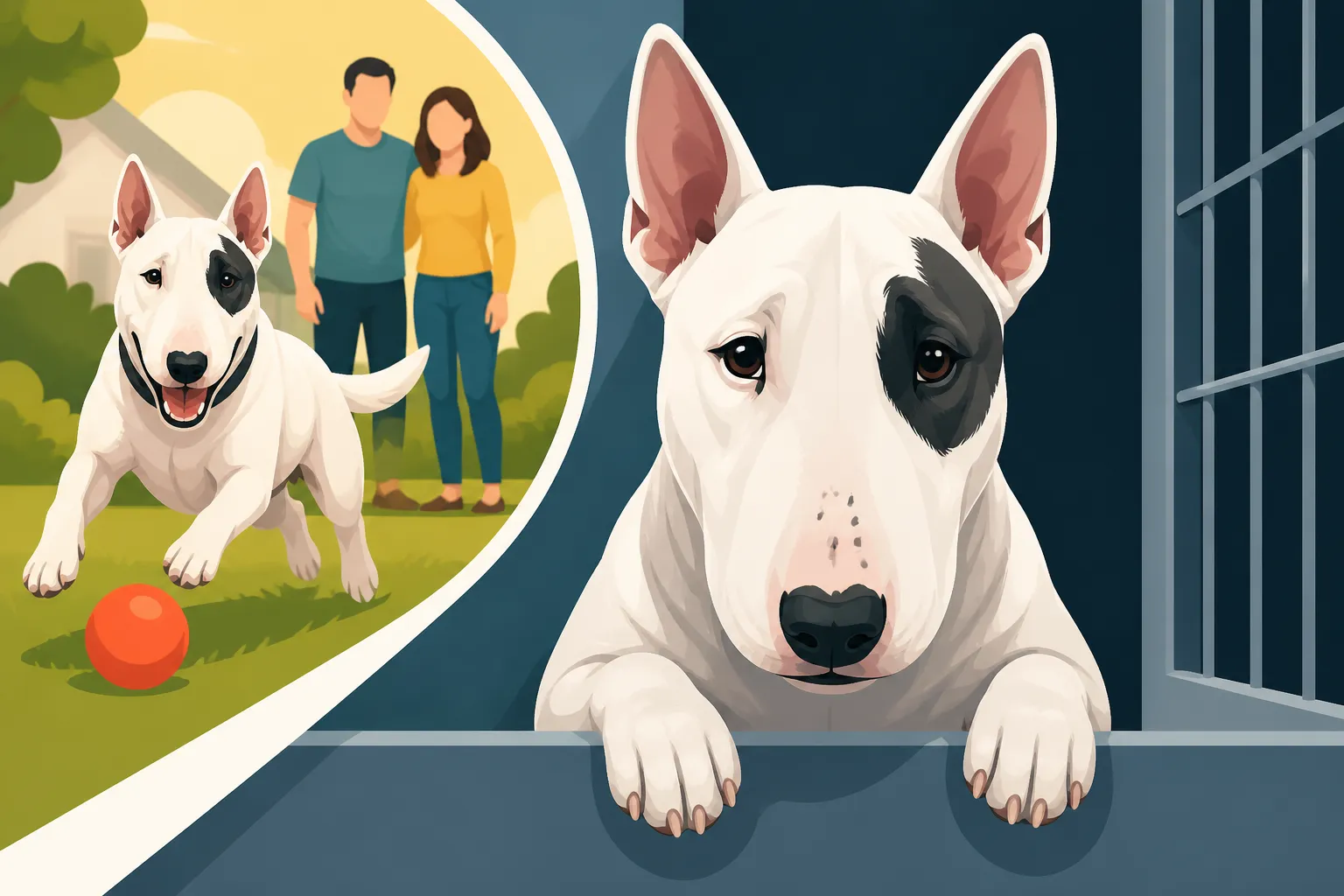
It’s a heartbreaking reality that many Bull Terriers find themselves surrendered to rescues or shelters right around the 18-month mark. This isn't because they're inherently bad dogs, but often because the reality of living with a maturing Bull Terrier puppy clashes dramatically with the romanticized vision owners had. This guide will explore the common pitfalls, misunderstandings, and challenges that lead to these energetic, often misunderstood dogs needing a new home at what should be the prime of their young lives.
The Adolescent Awakening: Why 18 Months is a Critical Age
Eighteen months isn't just a random age for a Bull Terrier; it's a pivotal moment in their development. They're no longer the tiny, waddling pups that charmed everyone with their goofy antics. They're now formidable, strong, and often intensely opinionated young adults, still with a puppy's boundless energy but a much bigger, more powerful body to wield it with. Many owners are simply unprepared for this transition, leading to frustration and, ultimately, rehoming. It’s when their inner "three-year-old in a dog suit" truly comes out to play, and sometimes, it's more than an owner bargained for.
The Peak of Puppy Energy in a Grown Body
Imagine a toddler who has suddenly gained the strength of an Olympic athlete, but without the judgment to match. That's a Bull Terrier at 18 months. Their energy levels are often still through the roof, demanding consistent, structured exercise and mental stimulation. Owners who thought the "puppy phase" would be over by now are often shocked to find their dog still bouncing off the walls, zooming around the house, and seeking out every opportunity for play, often with a force that can be overwhelming. This isn't laziness; it's a fundamental mismatch in expectations versus reality, and it can leave even the most dedicated owner feeling completely drained and defeated.
Testing Boundaries with a Capital 'T'
Just like human teenagers, adolescent Bull Terriers are masters of boundary testing. What was once a reliably followed command might suddenly become optional. This isn't outright defiance in their eyes, but rather an exploration of "what can I get away with?" Their strong will, combined with their characteristic stubbornness, means that consistent training and firm, fair boundaries are more crucial than ever. A slight lapse in leadership can see them take the reins, leading to behaviors that are cute in a small puppy but problematic in a 50-pound adult, such as jumping, mouthing, or refusing to come when called. This can be incredibly frustrating for owners who feel like they're starting from square one.
The "Clownish" Personality Matures
While Bull Terriers are famous for their clownish demeanor, at 18 months, this can translate into an intense desire for attention, often expressed in boisterous ways. They might still "body slam" you to initiate play or lean on you with all their weight, behaviors that are endearing when they’re smaller but can knock an unsuspecting adult off balance or terrify a child as they grow larger and more robust. Understanding Why a Bull Terrier Is Called a Three Year Old in a Dog Suit is key here, as their emotional maturity doesn't always keep pace with their physical growth, leading to a sometimes jarring combination of strength and childish exuberance.
Unrealistic Expectations: When the "Look" Overshadows the Lifestyle
The unique look of a Bull Terrier – that iconic egg-shaped head, the muscular build, the intelligent, triangular eyes – often draws people in. However, many fall in love with the aesthetic without fully appreciating the complex and demanding personality that comes with it. This disconnect between expectation and reality is a leading cause of surrender.
The Allure of the 'Tough Dog' Image
Some people are drawn to Bull Terriers because of their perceived "toughness" or unique appearance, imagining them as stoic, protective companions. They might envision a dog that requires minimal effort beyond basic feeding and walks. However, the Bull Terrier is far from a low-maintenance breed. They are incredibly sensitive, thrive on human companionship, and require extensive mental and physical engagement. When the reality of a demanding, high-energy, deeply affectionate, and sometimes goofy dog clashes with the "tough dog" fantasy, owners can become overwhelmed, leading to the dog being abandoned when it doesn't fit the predetermined mold.
Failing to Research Breed-Specific Needs
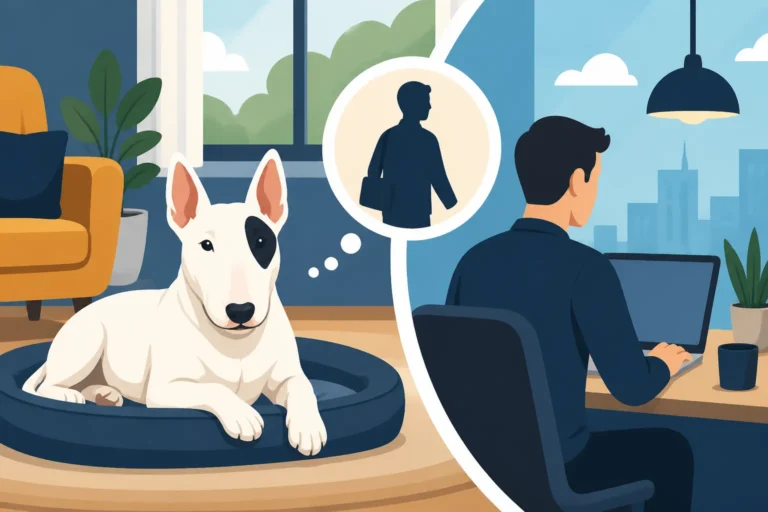
A common pitfall is the failure to thoroughly research the breed's specific temperament and needs. Bull Terriers are not for everyone. They are known for their strong will, high energy, and intense need for human interaction. They are generally not dogs that can be left alone for long stretches or expected to entertain themselves quietly. Owners who don't understand How Much Exercise a Bull Terrier Actually Needs or What a Bull Terrier Does When It Is Bored will quickly find their homes being redecorated by a bored, destructive Bull Terrier. The internet and breed clubs offer a wealth of information, yet many still choose to adopt based on looks alone, setting both themselves and the dog up for failure.
The End of the "Cute Puppy" Phase
Every puppy is cute, but Bull Terrier puppies have an extra dose of adorable, with their clumsy gaits and big personalities in small packages. This cuteness often blinds new owners to the challenging adolescent phase that lies ahead. By 18 months, the puppy fluff is gone, replaced by a solid, powerful, adult-sized dog. If training hasn't been consistent, or if the owners weren't prepared for the sheer intensity of a maturing Bull Terrier, the charm wears off. The "cute" nipping becomes painful, the "playful" jumping becomes dangerous, and the "stubborn" refusal to listen becomes infuriating. This is when many realize they are in over their heads and seek to rehome their once-beloved pet.
The Cost Factor: When Unforeseen Expenses Pile Up
Owning any dog comes with significant financial responsibility, but Bull Terriers can present unique monetary challenges that often catch unprepared owners off guard. From their dietary needs to potential health issues and their sheer talent for destruction, the bills can quickly escalate beyond what many initially budget for.
The Destruction Budget Nobody Anticipated
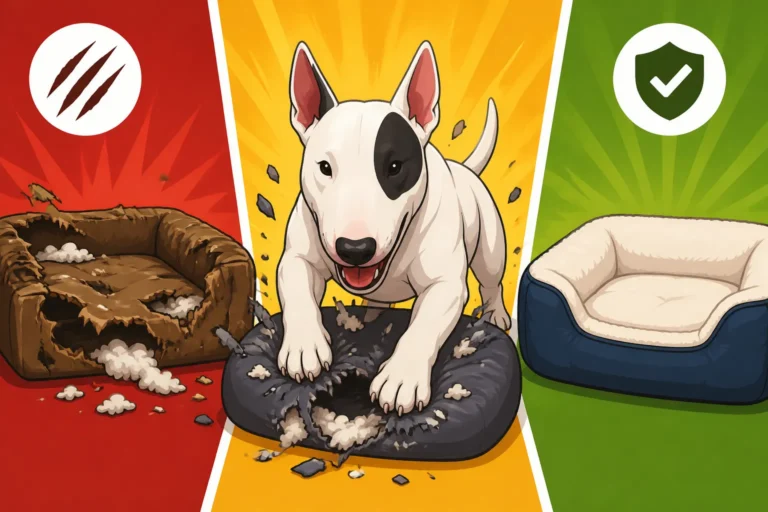
Bull Terriers, especially during their adolescent phase, are notorious for their ability to destroy almost anything in their path if bored or under-exercised. Furniture, shoes, remote controls, doors, and even walls can fall victim to their powerful jaws. This isn't maliciousness; it's often a symptom of unmet physical and mental needs. The repair and replacement costs can quickly add up, turning home ownership into a constant battle against a furry wrecking ball. Many owners don't realize that The Destruction Budget Nobody Warns a Bull Terrier Owner About is a very real and significant part of owning this breed. Investing in truly indestructible toys from places like Chewy, durable crates, and enrichment items becomes a necessity, not a luxury.
Unexpected Health Care Costs
While generally a robust breed, Bull Terriers are prone to certain breed-specific health issues that can manifest or become more severe around 18 months of age, or require ongoing monitoring from a young age. Conditions like hereditary nephritis, heart murmurs, or skin allergies might require diagnostics, specialized diets, or long-term medication. For instance, a Bull Terrier might require a yearly urine protein-to-creatinine (UPC) screen to check for early signs of kidney disease, which is a vital part of their preventative health care. The cumulative cost of vet visits, diagnostics, and ongoing treatments can be substantial. Owners without an emergency fund or pet insurance, perhaps from providers like Healthy Paws, find themselves in a difficult position when these costs arise.
General Upkeep and Quality of Life Expenses
Beyond destructive tendencies and health issues, the general upkeep of a Bull Terrier isn't cheap. High-quality food is essential for their muscular build and energy levels. Consider premium options like Ollie, which can contribute to their overall health. Regular preventative care, such as flea and tick medication, heartworm prevention, and routine vaccinations, adds up. Furthermore, many Bull Terrier owners find themselves investing in professional training or behaviorists to address adolescent challenges, which can be a significant expense. The notion that "I can't afford this dog anymore" is a heartbreaking reality that leads many to surrender their 18-month-old companions.
Training Tribulations: When Good Intentions Aren't Enough
Bull Terriers are intelligent, but they are also incredibly strong-willed and, frankly, can be quite stubborn. Training them effectively requires patience, consistency, and a deep understanding of their unique personality. Many owners enter the journey with good intentions but quickly become overwhelmed by the Bull Terrier's independent spirit.
The Stubborn Streak and Selective Hearing
At 18 months, a Bull Terrier has fully honed its ability to be selectively deaf. They know what you want them to do, but if it doesn't align with their immediate desires, they might just pretend they didn't hear you. This isn't malice, it's just a Bull Terrier being a Bull Terrier. Understanding How Stubborn a Bull Terrier Is is paramount. Owners who rely on harsh corrections or inconsistent methods will find their Bull Terrier shutting down or simply ignoring them. This requires a shift to positive reinforcement, engaging games, and making training feel like a partnership rather than a command. Without this approach, frustration builds, leading owners to believe their dog is "untrainable."
A Short Attention Span for Repetitive Tasks
Bull Terriers are brilliant problem-solvers, but they get bored with repetitive drills very quickly. They're not the breed that will happily perform 20 "sits" in a row. Their independent nature means they need to see the point of what you're asking. Training sessions need to be short, fun, and varied, often incorporating play and high-value rewards to keep their interest. When owners struggle to adapt their training methods to suit this unique learning style, they often attribute the dog's lack of engagement to defiance or stupidity, rather than realizing it's a mismatch in approach. This can lead to a breakdown in communication and a dog that feels misunderstood, potentially developing undesirable behaviors to gain attention or relieve boredom.
Managing That Physical Strength
An 18-month-old Bull Terrier is a powerhouse. They are incredibly strong on a leash, and if they decide to pull, they can easily overpower an unprepared owner. This can make walks a nightmare, leading some owners to simply stop exercising their dogs, which only exacerbates behavioral problems. Learning Teaching a Bull Terrier to Walk Without Pulling is not just about manners; it's about safety and ensuring the dog gets the vital exercise it needs. Without proper equipment, like a well-fitting harness, and consistent training, an owner can quickly feel defeated by their dog's sheer physical might, making daily life challenging and leading them to consider rehoming.
Socialization Snafus: Navigating the World with a Bull Terrier
Proper socialization is crucial for any dog, but for a Bull Terrier, it's particularly vital and requires an ongoing commitment beyond puppyhood. Many owners make the mistake of thinking puppy classes are enough, only to find their adolescent Bull Terrier's relationship with other dogs and the world around them becoming a major source of stress.
The Challenge of Dog-on-Dog Interactions
Bull Terriers can be quirky with other dogs. While many are perfectly friendly, some can develop same-sex aggression or become overly boisterous in play, which can be misinterpreted by other dog owners. Their "play style" can be intense, with a tendency to grip, lean, and body-slam, which isn't always appreciated by other breeds. Without careful, supervised socialization from a young age, and continued positive experiences into adolescence, these interactions can become problematic. When a Bull Terrier reaches 18 months, issues that were manageable as a puppy can escalate, leading to fights or reactive behavior. This can make dog parks or even casual neighborhood walks stressful, often resulting in owners limiting their dog's outings or fearing interaction. This isolation, in turn, can worsen any existing issues. Understanding A Bull Terrier With Other Dogs is a crucial aspect of responsible ownership.
Strong Prey Drive and Environmental Distractions
Bull Terriers were originally bred with some terrier traits, including a notable prey drive. At 18 months, this instinct is often fully developed and can be incredibly strong. Squirrels, cats, small off-leash dogs, or anything that moves quickly can become an irresistible target. This makes off-leash reliability incredibly difficult, and for many Bull Terriers, it's simply not safe to allow them off-leash in unsecured areas. Owners who don't understand the depth of this prey drive may inadvertently put their dog or other animals at risk. Furthermore, their intense curiosity means they pull towards every scent, every sound, every new thing on walks, making it hard to walk calmly in busy environments. This constant vigilance required from the owner can be exhausting and lead to avoidance of public spaces, further isolating the dog.
The "One-Person Dog" Misconception
While Bull Terriers are incredibly loyal and bond deeply with their families, they can sometimes develop a strong preference for one person, often leading to protective behaviors. If not properly socialized with a wide variety of people from a young age, an 18-month-old Bull Terrier might become wary or overly protective of their chosen person or family, leading to issues with visitors, delivery people, or even friends. This doesn't mean they're aggressive, but rather that their intense loyalty needs to be channeled appropriately through consistent training and positive reinforcement, ensuring they are comfortable and confident around all types of people. Without this, their natural protective instincts can be misinterpreted as aggression, making them seem like a liability rather than a beloved family member.
Health Hurdles: Emerging Issues at a Critical Age
While puppies have their own set of health concerns, some breed-specific issues common to Bull Terriers may not become apparent until they are approaching or at 18 months of age, adding another layer of challenge for owners.
Late-Onset Kidney Concerns
One of the most significant health challenges for Bull Terriers is Hereditary Nephritis, a genetic kidney disease. While screening can begin at a younger age with a UPC ratio test, kidney function can deteriorate over time, and problems might become more evident as the dog matures. An 18-month-old Bull Terrier could begin showing subtle signs of kidney issues, such as increased thirst or changes in urination, requiring ongoing veterinary care and potentially a specialized diet. The financial and emotional toll of managing a chronic condition like kidney disease can be immense, and it’s a reality many new Bull Terrier owners aren't prepared for. This is where comprehensive pet insurance like Healthy Paws can truly make a difference, helping to mitigate the often steep costs of diagnosis and treatment.
Skin Allergies and Sensitivities
Bull Terriers are known for having sensitive skin, and allergies can often develop or worsen during their adolescent period. Environmental allergies (pollen, dust mites), food allergies, or even contact dermatitis can lead to persistent itching, skin infections, and hair loss. Dealing with a chronically itchy dog means frequent vet visits, medicated shampoos, dietary changes, and potentially long-term medication. This can be a frustrating and expensive battle for owners. A Bull Terrier's Skin Is Its Weakest Point is a common saying for a reason, and if these issues flare up at 18 months, it can become another reason for owners to feel overwhelmed. Finding appropriate hypoallergenic food on Chewy or exploring specific fresh food diets like Ollie might become necessary to manage these sensitivities.
Cardiac Screening and Unexpected Diagnoses
While heart murmurs are often detected in puppies, some cardiac conditions can progress or require more extensive evaluation as a Bull Terrier matures. An 18-month-old dog might need a follow-up echocardiogram if an initial murmur was noted, or if new symptoms arise. Conditions like mitral valve dysplasia or aortic stenosis can impact their activity levels and overall lifespan, requiring ongoing veterinary monitoring and potentially medication. Receiving a diagnosis of a significant heart condition in a young dog is devastating and can be financially taxing. This highlights the importance of thorough health screenings by breeders and continued vigilance by owners, along with considering What a Bull Terrier's Heart Workup Costs when budgeting for their care.
Addressing the Bull Terrier Adolescent Challenge
Understanding why Bull Terriers often end up in rescue at 18 months isn't about blaming owners; it's about shedding light on the real-world challenges of owning such a unique and demanding breed. Preparation, education, and unwavering commitment are key to ensuring these wonderful dogs stay in their loving homes for life.
Education is Your Best Defense
Before even bringing a Bull Terrier puppy home, prospective owners need to immerse themselves in breed-specific information. Talk to experienced Bull Terrier owners, breeders, and rescue organizations. Understand their energy levels, their training needs, their potential health issues, and their unique personalities. Don't just look at the cute pictures; envision living with a 50-70 pound adolescent for the next decade. Books, online forums, and breed club resources are invaluable tools. A truly informed owner is a prepared owner, capable of navigating the adolescent phase with grace and understanding, rather than shock and frustration. Consider whether Whether a Bull Terrier Suits a First Time Owner applies to you, as they require significant dedication.
Consistent Training and Enrichment are Non-Negotiable
Training a Bull Terrier isn't a "one and done" event; it's an ongoing conversation. From puppyhood through adolescence and beyond, consistent, positive reinforcement-based training is essential. Keep sessions short, fun, and engaging. Focus on impulse control and boundaries. More importantly, provide ample mental and physical enrichment every single day. Puzzle toys, interactive games, long walks, flirt pole play, and even dog sports can help channel their boundless energy and intelligence. A bored Bull Terrier is a destructive Bull Terrier, and providing appropriate outlets is crucial for their well-being and your sanity. What Enrichment a Spinning Bull Terrier Needs or Which Puzzle Toys Occupy a Bull Terrier are great resources to explore to keep their brilliant minds engaged.
Financial Preparedness and Support Systems
The costs of owning a Bull Terrier are real and often higher than anticipated. Create a realistic budget that includes high-quality food, durable toys (many found on Chewy), ongoing training, and potential veterinary expenses. Seriously consider pet insurance from companies like Healthy Paws from day one to mitigate the financial impact of unexpected health issues. Build a support system: find a vet familiar with the breed, a trainer who understands their unique temperament, and a community of other Bull Terrier owners who can offer advice and camaraderie. Knowing What the First Year With a Bull Terrier Costs can give you a baseline, but always budget for the unexpected.
Table: Common Reasons for 18-Month Bull Terrier Surrender & Solutions
| Reason for Surrender | Bull Terrier Behavior at 18 Months | Owner Misconception/Challenge | Solutions & Prevention |
|---|---|---|---|
| Unmet Energy Needs | Destructive chewing, excessive barking, hyperactivity | Expectation of calm dog, insufficient exercise | Daily structured exercise (1-2 hours), mental stimulation (puzzles, training games), dog sports. Understand How Much Exercise a Bull Terrier Actually Needs. |
| Training Challenges | Selective hearing, pulling on leash, jumping, mouthing | Inconsistent training, harsh methods, lack of patience | Positive reinforcement training, short engaging sessions, professional trainer guidance, appropriate equipment (harnesses). Learn Teaching a Bull Terrier to Walk Without Pulling. |
| Destructive Behavior | Chewing furniture, tearing up beds, digging, house-soiling (due to boredom) | Underestimation of chewing power, lack of enrichment | Indestructible toys (Chewy), durable crate, mental enrichment, consistent supervision, managing alone time. Refer to The Destruction Budget Nobody Warns a Bull Terrier Owner About. |
| Socialization Issues | Reactivity to other dogs, strong prey drive, fear of strangers | Insufficient early socialization, ignoring breed traits | Ongoing positive socialization with various dogs/people, controlled environments, professional guidance for reactivity, secure leash management. Read A Bull Terrier With Other Dogs. |
| Unexpected Health Costs | Symptoms of kidney disease, skin allergies, cardiac issues | Lack of financial planning, no pet insurance | Pet insurance (e.g., Healthy Paws), emergency fund, regular vet check-ups, breed-specific health screenings (like yearly UPC). |
| General Breed Misunderstanding | Overly physical affection, stubbornness, high attention needs | Bought for "look," unaware of "clown" personality | Thorough breed research before adoption, realistic expectations, connecting with breed community, patience, and humor. Understand What a Bull Terrier's Temperament Is Really Like. |
Disclaimer
This article is for general informational purposes only and does not constitute professional advice. Laws, prices and regulations vary by location and change over time. Consult a qualified professional for guidance on your specific situation.