What an Untested Bull Terrier Puppy Signals
Bringing home a Bull Terrier puppy is an incredibly exciting time, full of dreams of clownish antics and endless cuddles. However, that joy can quickly turn into profound heartache and financial strain if you unknowingly welcome a puppy with serious, preventable health issues. When a breeder offers you a Bull Terrier puppy without providing verifiable health testing results for the parents, or even the puppy itself, it’s not just a minor oversight; it's a blaring red flag signaling potential trouble and a breeder who may not have the breed's best interest at heart. This guide will walk you through what an untested Bull Terrier puppy truly signals, why it’s a risk you absolutely shouldn’t take, and how to protect yourself and your future furry family member.
Why Health Testing is Non-Negotiable for Bull Terriers
The Bull Terrier is a truly unique and wonderful breed, known for its distinctive egg-shaped head and lively personality. But like many purebred dogs, they are predisposed to certain genetic health conditions that can severely impact their quality of life and your wallet. Responsible breeders prioritize the health and longevity of their lines, making health testing a fundamental step in their breeding program. Skipping these crucial tests isn't just irresponsible; it potentially passes on devastating conditions to unsuspecting families.
The Bull Terrier's Unique Predispositions
Bull Terriers, despite their robust appearance, carry a genetic legacy that includes several serious health concerns. It’s not about finding a perfect dog, because no such thing exists, but about mitigating known risks through diligent screening. We’re talking about conditions that can lead to chronic pain, lifelong management, or even early death. Things like kidney disease, heart defects, and deafness are unfortunately common enough that every single Bull Terrier puppy should come from parents who have been properly screened. If a breeder tells you their dogs are "healthy" without showing proof, they're either uninformed or hiding something.
Ethical Breeding and the Future of the Breed
An ethical breeder isn't just trying to make puppies; they're trying to improve the breed. This means selecting breeding stock that is sound in temperament, structure, and, crucially, health. By testing their dogs for known genetic conditions, they aim to reduce the incidence of these diseases in future generations. When a breeder skips testing, they’re essentially breeding blind, perpetuating potentially harmful genes within the breed. This doesn't just affect individual puppies; it affects the entire breed's health trajectory. Supporting such practices, even unintentionally, can contribute to a cycle of suffering down the line. It's a heavy responsibility, and a good breeder embraces it wholeheartedly.
The Essential Health Tests Every Bull Terrier Puppy Needs
Knowing which tests are critical can empower you to ask the right questions and ensure you're making an informed decision. These aren't obscure or optional tests; they are widely recognized and recommended by Bull Terrier breed clubs and veterinary specialists.
Kidney Health: Beyond the Basics
Kidney disease, particularly Hereditary Nephritis, is a major concern in Bull Terriers. This isn't just any kidney issue; it's a genetic condition that can lead to kidney failure at a young age, often taking Bull Terriers in their prime. The primary screening tool for this is a yearly urine protein:creatinine (UPC) ratio test, which measures protein leakage in the urine – an early indicator of kidney problems. Puppies should come from parents with consistently clear UPC results. Some breeders also perform kidney ultrasounds to check for structural abnormalities like polycystic kidneys. Without this basic screening, you're essentially playing Russian roulette with your puppy's future health. You can learn more about The Yearly Urine Test Every Bull Terrier Owner Should Book and how critical it is for early detection. The devastating impact of Hereditary Nephritis Takes Bull Terriers in Their Prime is something no owner should have to face unprepared.
Heart and Hearing: Critical Early Checks
Heart disease, specifically mitral valve dysplasia and aortic stenosis, is another significant hereditary issue for Bull Terriers. A simple auscultation (listening to the heart) by a vet can detect a heart murmur, but this isn't enough for definitive screening in a breed prone to heart issues. A cardiac echocardiogram performed by a board-certified veterinary cardiologist is the gold standard for breeding dogs. This detailed ultrasound of the heart can identify structural defects before they become life-threatening. Similarly, congenital deafness, especially common in white Bull Terriers, requires a Brainstem Auditory Evoked Response (BAER) test. This is a simple, non-invasive test performed on puppies, usually around 6-8 weeks of age, that objectively measures hearing in each ear. A breeder should be able to provide clear BAER certificates for the puppy you're considering, especially if it's white. Don't underestimate the importance of The Heart Murmur a Bull Terrier Puppy Should Be Checked For and understand Why a White Bull Terrier Should Be BAER Tested to avoid heartbreaking surprises.
Skin and Structure: Preventing Painful Conditions
Beyond the major internal organ concerns, Bull Terriers can also suffer from specific dermatological and orthopedic issues. Lethal Acrodermatitis (LAD) is a horrific genetic skin condition that causes chronic skin inflammation, immune deficiency, and failure to thrive, typically resulting in the death of affected puppies by two years of age. Thankfully, there is a DNA test for LAD, and all breeding Bull Terriers should be tested to ensure they are not carriers or affected. Patellar luxation, where the kneecap slips out of place, can also be an issue, causing pain and lameness. While less common than some other issues, a physical exam by a vet can screen for patellar health. The thought of Lethal Acrodermatitis Kills a Bull Terrier Puppy Before It Grows Up is truly heartbreaking, and proactive DNA testing is the only way to prevent it. Remember, A Bull Terrier's Skin Is Its Weakest Point in many ways, and this extends to genetic conditions too.
Here's a quick overview of key tests:
| Condition | Recommended Test(s) | Timing/Frequency | Why It Matters |
|---|---|---|---|
| Hereditary Nephritis | Urine Protein:Creatinine (UPC) Ratio | Annually for breeding dogs, lifelong for all Bull Terriers | Detects early kidney protein leakage, critical for managing progressive kidney disease. |
| Heart Disease | Cardiac Echocardiogram | Once for breeding certification, re-eval as needed | Identifies structural heart defects like Mitral Valve Dysplasia and Aortic Stenosis. |
| Deafness | BAER Test | 6-8 weeks of age (for puppies) | Objectively measures hearing in each ear, especially vital for white Bull Terriers. |
| Lethal Acrodermatitis | DNA Test (Parents) | Once for breeding stock | Identifies carriers and affected dogs to prevent breeding affected puppies. |
| Patellar Luxation | Orthopedic Exam | Annually for breeding dogs | Screens for kneecap instability, preventing lameness and arthritis. |
Decoding the Red Flags: What an Untested Puppy Signals
So, what exactly does it mean when a breeder can't or won't provide proof of these essential health tests? It’s not just a minor inconvenience; it's a huge warning sign that should make you pause, reconsider, and probably walk away.
The Evasive Breeder: Excuses and Omissions
A responsible breeder is usually eager to share their health testing results, viewing it as a badge of honor and a testament to their dedication. They'll have certificates, vet reports, and be able to explain the significance of each test. If a breeder offers excuses like, "My dogs are perfectly healthy, I don't need tests," or "Tests are too expensive and not really necessary," these are massive red flags. The tests are necessary, and the cost is part of responsible breeding. They might also claim their vet "checked" the heart or kidneys, but this is not the same as a specialist consultation or a specific UPC ratio test. They might try to distract you by focusing on the puppy's cuteness or a lower price point. Don't fall for it. A lack of transparency generally means a lack of responsibility.
The 'Bargain' Puppy: A Hidden Cost Trap
It's tempting to save money upfront, especially when puppy prices can be high. However, an "untested" Bull Terrier puppy that seems like a bargain almost always comes with a hidden cost – and it's usually astronomical. That lower purchase price can quickly be dwarfed by veterinary bills for managing chronic conditions that could have been screened for. Imagine falling in love with a puppy, only to find out months later that it has severe kidney disease requiring a special diet (which you can often find on sites like Chewy, but it adds up!) and expensive medications for the rest of its shortened life. Or perhaps a heart condition that means limiting its exercise and frequent cardiologist visits. These are not "if" scenarios but "when" scenarios with untested puppies. The perceived savings disappear rapidly, replaced by financial strain and immense emotional distress.
No Paperwork, No Guarantees
Any reputable breeder will provide a written contract that outlines health guarantees, spay/neuter clauses, and what happens if a serious genetic condition emerges. This contract should also refer to and be backed up by verifiable health testing documentation for both parents. If a breeder has no contract, or a very vague one, and certainly no proof of parentage health tests, you have no recourse if something goes wrong. They are not standing behind the health of the puppies they produce. This often means they’re more interested in selling puppies quickly than ensuring their welfare or supporting their new families.
The True Financial and Emotional Cost of an Untested Bull Terrier
The implications of bringing an untested Bull Terrier puppy into your home go far beyond the initial purchase price. These are deeply personal and often devastating consequences that every potential owner needs to consider.
Managing Chronic Illness: The Ongoing Vet Bills
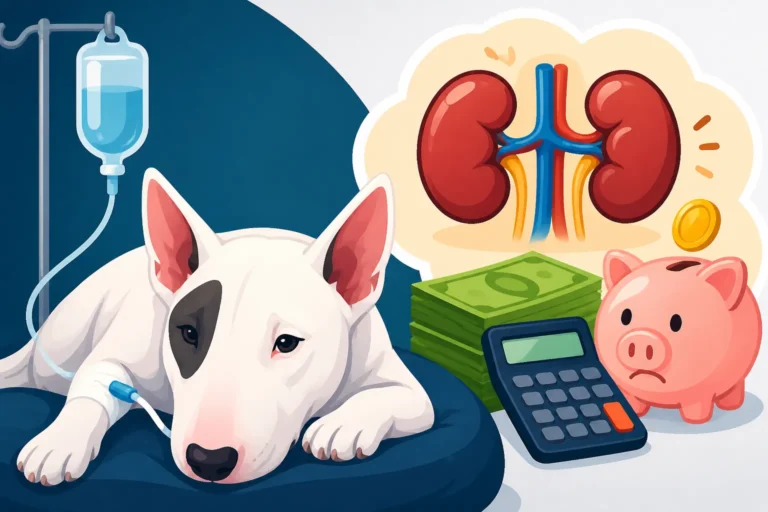
If your untested Bull Terrier puppy develops a genetic condition, the financial burden can be crushing. Think about the costs associated with managing a chronic illness. For example, a Bull Terrier diagnosed with early kidney disease will likely need regular bloodwork, specific prescription diets (which can be more expensive and sometimes require specialized sourcing, though platforms like Chewy make it easier), medications to manage blood pressure and phosphorus levels, and potentially even fluid therapy as the disease progresses. Similarly, a heart condition might require ongoing cardiac medications and frequent re-evaluations with a specialist. These aren't one-time fees; they are ongoing, often monthly, expenses that can quickly add up to thousands over the dog's lifetime. You can get a sense of the scale by looking into What Treating a Bull Terrier's Kidney Disease Costs. This isn't pocket change; it's a serious, long-term commitment.
Emotional Heartbreak and Difficult Decisions
Beyond the financial stress, the emotional toll of having a sick dog is immense. You bond deeply with your Bull Terrier, and watching them suffer from a preventable illness can be heartbreaking. There's the worry, the sleepless nights, the difficult decisions about treatments, and the immense grief if you lose your beloved companion prematurely. This emotional burden is often far heavier than any financial cost. Families have to grapple with the guilt of "what if we had known?" and the pain of seeing their lively puppy decline. This is why thorough testing is about more than just numbers; it’s about preventing avoidable suffering for both the dog and its human family.
Considering Pet Insurance: A Safety Net
While health testing aims to prevent certain issues, no dog is guaranteed perfect health. This is where pet insurance can be a lifesaver, especially for breeds with known predispositions. Companies like Healthy Paws offer coverage that can significantly offset unexpected veterinary costs. However, it's crucial to understand that pet insurance typically doesn't cover pre-existing conditions. If you acquire an untested puppy that develops a genetic disease soon after, it might be considered pre-existing if signs were present before you got coverage, or during the waiting period. Insuring a tested puppy from reputable lines gives you a much better chance of coverage for unexpected future illnesses, providing a financial safety net for those unforeseen circumstances. It’s an important part of the overall ownership budget, even with the healthiest lineage.
Finding a Responsible Breeder: Your Best Defense
Your best defense against the heartache and financial strain of an untested puppy is to put in the time and effort to find a truly responsible breeder. They are out there, and they are worth the wait and the investment.
What to Look For: Transparency and Dedication
A responsible Bull Terrier breeder will be transparent about everything. They should:
- Belong to breed clubs: Affiliation with national or local Bull Terrier clubs often indicates a commitment to breed standards and ethics.
- Readily provide health clearances: Not just claims, but actual certificates for hips, elbows (less common but still good), patellas, BAER, LAD DNA tests, and recent cardiac and kidney (UPC ratio) screenings for both parents. Don't accept "vet checked" as proof for these specific genetic diseases. Ask for hard copies or links to public databases. Look for Which Certificates a Bull Terrier Breeder Must Hand Over.
- Be knowledgeable about breed health: They should be able to discuss the nuances of Bull Terrier health issues and what they do to mitigate risks.
- Have a clean, well-cared-for environment: Puppies should be raised in a stimulating, clean, and safe home environment, not in isolated kennels.
- Be invested in their puppies' futures: They will ask you many questions, often as many as you ask them, to ensure their puppies go to good homes.
- Offer a comprehensive contract: This should clearly outline health guarantees and their responsibilities.
- Be a resource for life: A good breeder is there for support and advice for the lifetime of your dog.
This due diligence means you're supporting ethical practices and increasing your chances of a healthy, happy companion. You can delve into What a Bull Terrier Breeder Should Have Tested for a complete checklist.
The Importance of a Comprehensive Health Guarantee
A health guarantee is a critical part of a responsible breeder's contract. It provides specific assurances regarding the puppy's health at the time of sale and often for a period afterward, particularly concerning genetic conditions. A strong guarantee typically states that if a puppy develops a serious, untestable genetic defect within a specified timeframe (e.g., 1-2 years), the breeder will offer a replacement puppy or a refund. For conditions like Hereditary Nephritis, where early signs might not appear until later, a good breeder might extend this guarantee for a longer period or offer specific clauses related to known breed-specific issues. This guarantee shows a breeder’s confidence in their breeding program and their willingness to stand by the health of their puppies.
Asking the Right Questions and Demanding Documentation
Don't be shy about asking direct, pointed questions. This is a significant commitment of time, emotion, and money, and you deserve complete transparency.
Beyond 'Clear': Understanding the Test Results
When a breeder presents health test results, don't just glance at the word "clear" or "normal." Ask to see the actual certificates and understand what they mean. For example, for kidney health, a "normal" UPC ratio is generally below a certain threshold, but a responsible breeder will track these results annually and share a history, not just a single snapshot. For heart tests, you want to see an echocardiogram performed by a board-certified cardiologist, not just a general vet check, and ideally a report that indicates no structural abnormalities. For LAD, look for the DNA test results from a reputable lab confirming the parents are clear or, at minimum, carriers not bred to another carrier. A good breeder will patiently explain all of this, sometimes even offering to talk you through a sample report or referring you to their veterinarian or genetic counselor for further explanation.
The Breeder Contract: Your Protection
A well-drafted breeder contract is more than just a formality; it's your legal and ethical protection. It should detail:
- The puppy's identification (microchip number, date of birth, parentage).
- The health guarantee, including specific conditions covered and the timeframe.
- The terms for spaying/neutering (often required with limited registration).
- What happens if the puppy cannot remain in your home (many reputable breeders require the dog to be returned to them).
- A clear statement about the health testing conducted on the parents, with references to the documentation you should have received copies of.
Don't sign a contract you don't understand, or one that makes you uncomfortable. Take it home, read it thoroughly, and don't hesitate to ask for clarification on any point. If a breeder is unwilling to provide a contract, or pushes you to sign quickly without reading, consider that another significant warning sign. Your future Bull Terrier's health and your peace of mind depend on this due diligence.
The Lifetime Commitment
Bringing a Bull Terrier into your life is a long-term commitment. A well-bred, properly health-tested puppy might cost more upfront, but it's an investment in a potentially healthier, longer, and more joyful life for your companion, reducing the likelihood of catastrophic vet bills and profound emotional distress down the line. It signals a breeder's commitment to the breed, to their dogs, and to you, the future owner. Always choose a breeder who prioritizes health, transparency, and the well-being of their puppies above all else.
Disclaimer
This article is for general informational purposes only and does not constitute professional advice. Laws, prices and regulations vary by location and change over time. Consult a qualified professional for guidance on your specific situation.