What Enrichment a Spinning Bull Terrier Needs
It’s incredibly disheartening and often perplexing when your beloved Bull Terrier starts spinning, chasing their tail in seemingly endless, frantic circles. You want to help them, but it feels like you're caught in a loop with them, wondering if it's boredom, anxiety, or something deeper. This isn't just a quirky habit; it's a behavior that can be genuinely distressing for both you and your dog. This comprehensive guide will delve into practical, empathetic enrichment strategies designed to support a spinning Bull Terrier, helping you understand the underlying causes and providing actionable steps to foster a calmer, more engaged companion.
Understanding the Root Causes of Spinning Behavior
When your Bull Terrier begins to spin or intensely chase their tail, it’s rarely just a simple act of mischief. This behavior, often referred to as 'spinning' or 'tail chasing', is complex and can stem from a combination of physiological and psychological factors. It’s crucial for us as Bull Terrier owners to look beyond the surface and try to understand what might be driving this repetitive, sometimes obsessive, action. Ignoring it or simply scolding them isn't going to get to the heart of the matter, and in fact, can often exacerbate the problem by adding stress or confusion.
The Neurological Component
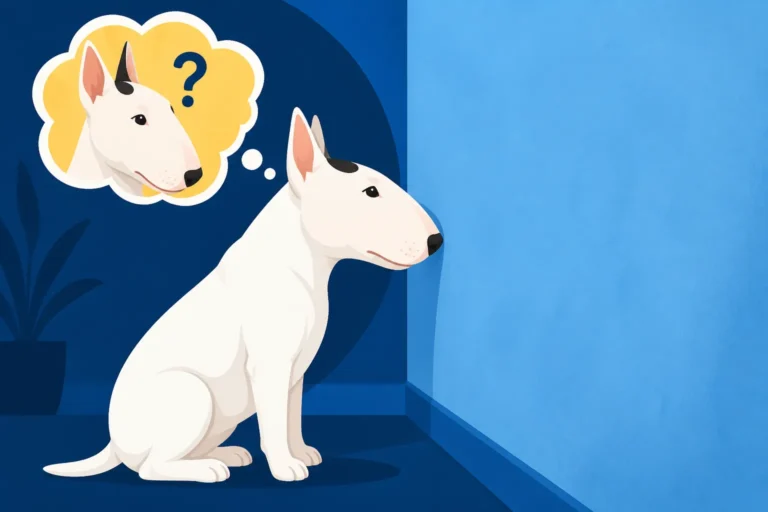
For many Bull Terriers, spinning isn't just a bad habit; there's often a significant neurological component at play. This breed is known to be predisposed to certain compulsive behaviors, and tail chasing can be one of them, resembling obsessive-compulsive disorder (OCD) in humans. It's not something they can simply "snap out of." Think of it more as an involuntary coping mechanism or an expression of an internal imbalance. Sometimes, these behaviors are even linked to focal seizures, which are small, localized electrical disturbances in the brain. If you suspect your Bull Terrier's spinning is more than just a behavioral quirk, it’s really important to have a thorough veterinary check-up. This might involve a neurological exam or even referrals to specialists who can explore underlying medical conditions that might be fueling the behavior. It’s a terrifying thought, but ruling out a physical cause is always the first, most responsible step. When a Bull Terrier's Spinning Needs a Vet is an important read on this topic.
We know that some Bull Terriers simply have a genetic predisposition to this kind of repetitive behavior. It's part of their unique breed makeup, much like some breeds are prone to hip dysplasia. This doesn't mean it's untreatable or that you're helpless, but it does mean that our approach to management needs to be understanding and comprehensive, focusing on reducing triggers and providing appropriate outlets, rather than just trying to suppress the behavior. Medication, when prescribed by a vet, can play a vital role in managing the neurological aspect, working in conjunction with environmental and behavioral modifications to achieve the best outcome.
Behavioral and Environmental Triggers
Beyond the potential neurological underpinnings, there are definite behavioral and environmental triggers that can initiate or worsen a Bull Terrier's spinning. Boredom, plain and simple, is a huge one. Bull Terriers are intelligent, high-energy dogs that, despite their clownish demeanor, need significant mental and physical stimulation. A lack of engaging activities can lead them to invent their own, and for some, that manifests as tail chasing. Imagine being stuck in a small room with nothing to do all day – you'd probably start pacing or developing repetitive habits too! This is why simply providing a yard isn't enough; they need interaction and purpose.
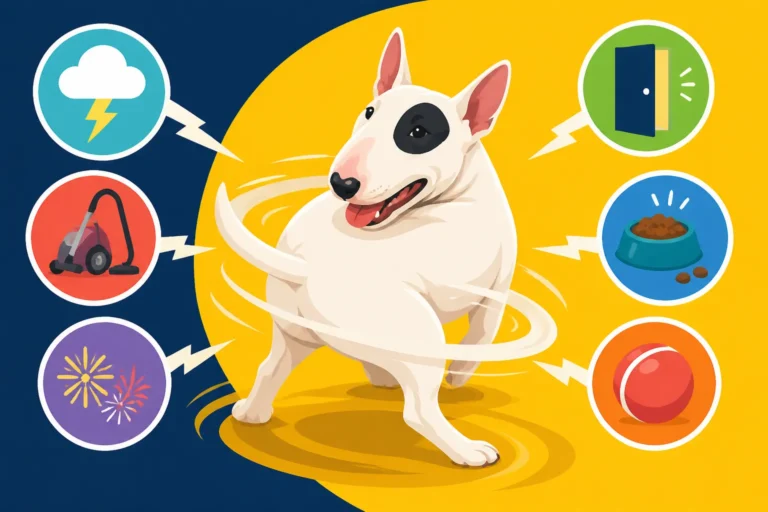
Anxiety and stress are also major culprits. Bull Terriers are sensitive souls, often more so than their tough exterior suggests. Changes in routine, loud noises, new people or pets, or even a lack of consistent boundaries can create stress that manifests as spinning. It’s their way of self-soothing or releasing pent-up tension. Overstimulation can also play a role; a chaotic household with constant activity might overwhelm a sensitive Bull Terrier, prompting them to retreat into a spinning episode as a way to disengage. Understanding these triggers in your dog's specific environment is paramount to developing an effective enrichment plan. Why a Bull Terrier Chases Its Tail goes into more detail about these triggers.
The Goal of Enrichment for Spinning Bull Terriers
When we talk about enrichment for a Bull Terrier that spins, we’re not just talking about throwing more toys at them or taking them for longer walks. It's about a much deeper, more thoughtful approach to their well-being. The ultimate goal is to shift their focus, calm their minds, and provide healthy, constructive outlets for their natural instincts and energy, rather than allowing them to self-soothe or cope through compulsive spinning. This isn't a quick fix, but a holistic strategy aimed at improving their overall quality of life and reducing the frequency and intensity of the spinning episodes.
Mental Stimulation Over Physical Exhaustion
It's a common misconception that if a dog is spinning, they just need more physical exercise to "tire them out." While physical exercise is absolutely vital for a Bull Terrier's health and happiness, simply running them into the ground isn't the sole answer, and can sometimes even be counterproductive if it leads to over-arousal. For a spinning Bull Terrier, mental stimulation often holds more weight than sheer physical exhaustion. Their brilliant, sometimes quirky, minds need to be engaged and challenged. This means activities that make them think, problem-solve, and use their senses, rather than just repetitive physical exertion.
Think of it like this: a child who is bored might fidget and act out. Giving them a puzzle or a creative task is often more effective than just sending them outside to run until they drop. The same applies to your Bull Terrier. Mental fatigue, achieved through engaging their cognitive abilities, can lead to a much calmer, more settled dog than simply burning off calories. This also means that even on days when you can't offer a huge physical outing, you can still provide meaningful enrichment that helps mitigate spinning tendencies. How Much Exercise a Bull Terrier Actually Needs can help you balance the physical with the mental.
Building Predictability and Calm
One of the most powerful tools in managing a spinning Bull Terrier is the establishment of predictability and a calm environment. Dogs thrive on routine; it provides a sense of security and reduces anxiety because they know what to expect. A haphazard schedule, with unpredictable interactions or constantly changing environments, can heighten stress levels and contribute to compulsive behaviors. Our goal with enrichment is not just to distract them, but to help them feel safe, secure, and understood within their world.
A predictable routine helps to build confidence and reduce anticipatory anxiety. When a Bull Terrier knows when they will eat, when they will go for a walk, and when they will have dedicated playtime, it reduces the need to find their own coping mechanisms like spinning. Furthermore, fostering a calm home environment, minimizing loud noises, and providing a designated "safe space" where they can retreat, all contribute to their emotional well-being. This foundation of predictability and calm is what allows other enrichment strategies to truly take root and be effective in mitigating the spinning.
Physical Enrichment for Body and Mind
Physical enrichment for a Bull Terrier isn't just about walks around the block. For a breed prone to energetic bursts and sometimes intense focus, it's about channeling that physical drive into productive, stimulating activities that also engage their minds. A well-exercised Bull Terrier is often a happier, calmer Bull Terrier, less likely to resort to self-stimulating behaviors like spinning. However, the type of physical activity matters immensely.
Engaging the Prey Drive Safely
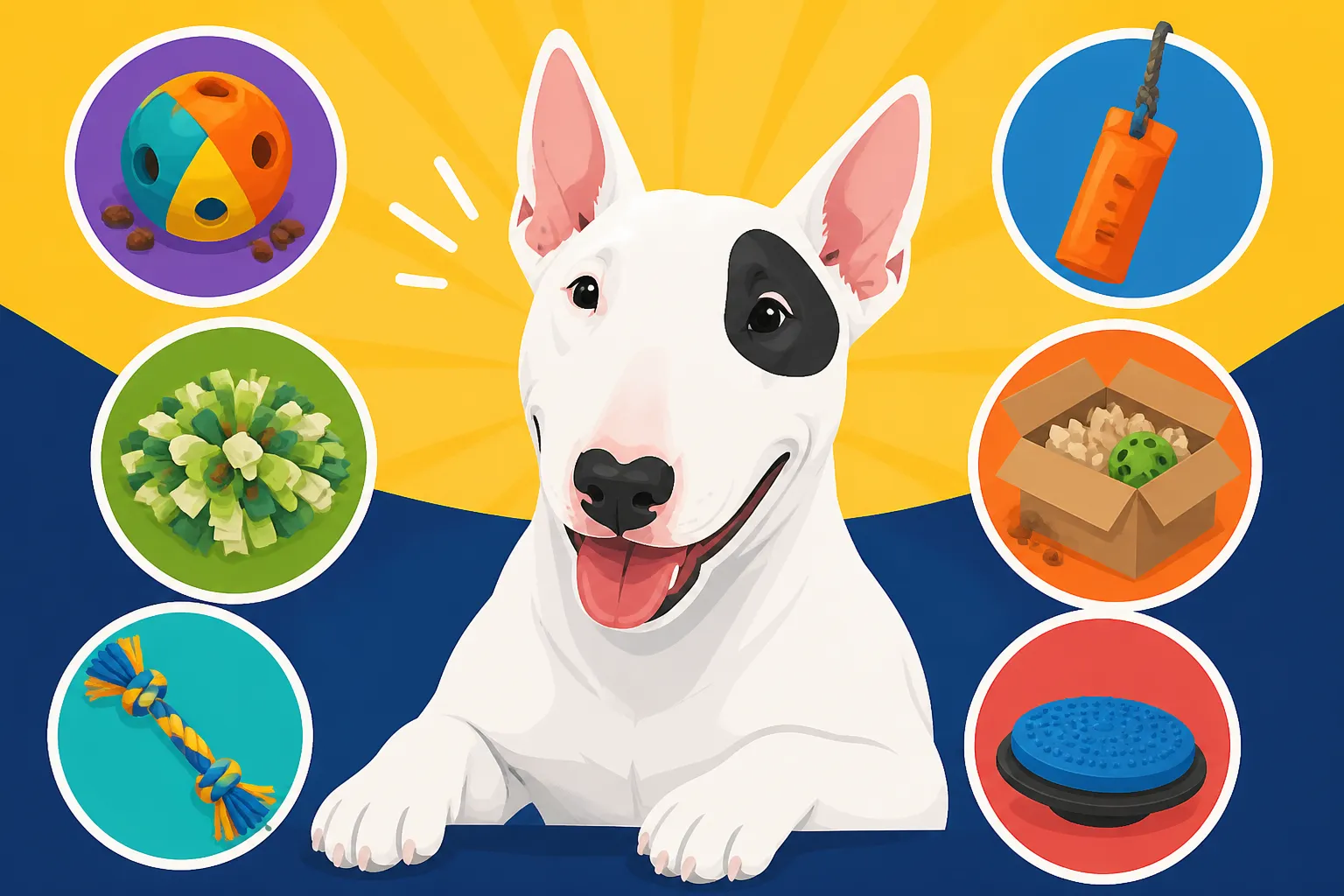
Bull Terriers, with their terrier heritage, often possess a strong prey drive. This instinct, if left unchanneled, can contribute to frustrated energy that might manifest as spinning. The key is to engage this drive in a safe, controlled, and appropriate manner. Think of activities that mimic hunting without actually harming small animals. Flirt poles are fantastic for this purpose. A sturdy pole with a lure on a rope allows your Bull Terrier to chase, stalk, and "catch" a moving target. This provides intense physical exertion in short bursts, satisfying their chasing instinct. Remember to always let them "win" and catch the lure frequently to build their confidence and make the game rewarding.
Another excellent way to engage their prey drive safely is through structured fetch games or using durable, rolling toys that they can pursue. Instead of just throwing a ball aimlessly, try hiding it slightly before throwing, making them use their nose and eyes to locate it first. Always ensure the play area is safe and secure, and the toys are appropriate for their powerful jaws to prevent accidental ingestion or dental damage. Brands like Kong and Goughnuts offer extremely durable toys that can stand up to a Bull Terrier’s enthusiasm. These directed activities help to release that primal energy in a positive way, reducing the internal pressure that might lead to spinning.
Structured Exercise and Outlet for Energy
While we've emphasized mental stimulation, structured physical exercise remains a cornerstone of managing a spinning Bull Terrier's energy. These dogs are built like little tanks and have surprising endurance when they want to. Daily walks are a given, but consider varying the routes, speeds, and even surfaces to keep things interesting. Exploring new parks, hiking trails, or even just different neighborhoods offers novel smells and sights that are mentally stimulating. Off-leash time in a securely fenced area, where appropriate, allows them to truly stretch their legs and perform those exhilarating Bull Terrier "zoomies" that are so characteristic of the breed.
However, a word of caution: for Bull Terriers prone to spinning, over-arousal during exercise can sometimes exacerbate the problem. The goal isn't to get them to a frenzied state, but rather a happily tired and content one. Incorporate periods of calm walking or scent work during your exercise routine. For example, after a good burst of running, transition into a leisurely walk where they can sniff and explore. Swimming, if your Bull Terrier enjoys it (many Bull Terriers aren't natural swimmers, often sinking like stones!), can also be an excellent, low-impact way to expend energy and strengthen muscles. Remember, the quality of the exercise, not just the quantity, is what truly makes a difference.
Safe Chewing and Destructive Outlets
Bull Terriers are chewers. It's a fact of life for many owners. Their powerful jaws and innate need to mouth and explore mean that if you don't provide appropriate outlets, they will find their own, often to the detriment of your furniture or shoes. For a dog that spins, providing safe and satisfying chew items can be a crucial form of physical and mental enrichment, helping to alleviate stress and divert oral fixation. Choosing the right chew is paramount; it needs to be durable enough to withstand their chewing power but not so hard that it risks dental fractures.
High-quality, durable chew toys made from rubber or nylon are excellent choices. Look for brands known for their toughness, as a standard chew toy might last mere minutes with a dedicated Bull Terrier. Natural chews like yak chews or bully sticks can also be good, but always supervise their use and remove them when they become small enough to be swallowed whole. Stuffed Kongs, filled with peanut butter, plain yogurt, or canned dog food and then frozen, provide a long-lasting challenge that engages their jaws and minds simultaneously. This kind of focused chewing can be incredibly calming and satisfying, offering a positive outlet that reduces the urge to spin out of frustration or boredom. How Many Chews a Bull Terrier Needs a Week is a good read for more ideas.
Cognitive Enrichment for Brain Engagement
For a Bull Terrier that spins, engaging their brilliant, if sometimes stubborn, mind is absolutely paramount. It’s not enough to simply tire them out physically; we need to challenge their intellect, give them problems to solve, and make them think. This kind of cognitive enrichment helps redirect their focus from repetitive behaviors to constructive, rewarding tasks, ultimately leading to a more settled and content dog.
Puzzle Toys and Food Dispensers
Puzzle toys and food dispensers are your secret weapon in the fight against boredom-induced spinning. These clever contraptions require your Bull Terrier to use their nose, paws, and brain to figure out how to get treats or kibble out. It's a fantastic way to make mealtime an enriching experience rather than just a quick gulp from a bowl. Imagine the satisfaction your dog gets from finally figuring out that lever or sliding panel! This type of mental effort can be far more tiring and satisfying than a simple run around the yard.
There's a huge variety available, from simple treat-dispensing balls that slowly release kibble as they're rolled, to complex multi-step puzzles that challenge even the smartest dogs. Brands like Kong and Nina Ottosson make excellent puzzle toys. You can find many options on Amazon. Start with easier puzzles and gradually increase the difficulty as your Bull Terrier gets the hang of it. You can even use their regular mealtime kibble in these, ensuring they're working for their food and extending the duration of their meal, which is a natural, instinctual behavior for dogs. This constant mental engagement helps to prevent the mental 'void' that can sometimes lead to spinning. Which Puzzle Toys Occupy a Bull Terrier offers a deep dive into specific options.
Scent Work and Nose Games
Bull Terriers might not be traditional scent hounds, but they have incredibly powerful noses, and using them is immensely rewarding and mentally exhausting for any dog. Scent work, often referred to as "nose games," is a phenomenal form of cognitive enrichment for a spinning Bull Terrier. It taps into their natural instincts and requires intense focus, making it a fantastic way to build confidence and burn mental energy in a calm, controlled manner. Think of it as a treasure hunt for dogs!
You can start simple: hide treats around a room or scatter their kibble in the grass in your backyard. Encourage them to sniff them out. As they get better, you can increase the difficulty by hiding treats in more challenging spots, under objects, or even in boxes. You can even teach them to find specific scents, turning it into a structured game. Many local dog training clubs offer scent work classes, which can be an incredible bonding experience and provide a structured outlet for this natural behavior. The focus required for scent work can be incredibly grounding for a dog prone to spinning, shifting their attention outwards in a positive, goal-oriented way.
Short, Focused Training Sessions
Training isn't just about obedience; for a Bull Terrier, it's a powerful form of cognitive enrichment. Short, positive, and engaging training sessions can do wonders for a spinning dog, offering mental stimulation, building confidence, and strengthening the bond between you. Bull Terriers thrive on interaction and learning, especially when it’s framed as a fun game rather than a chore. They may be famously stubborn, but they are also incredibly clever. A Bull Terrier Trains When It Sees the Point is a good reminder.
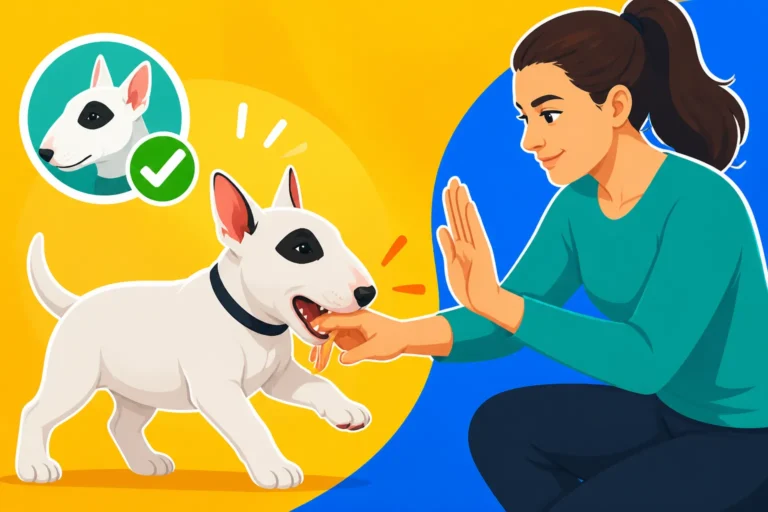
Keep sessions brief – five to ten minutes, a few times a day – to match their attention span and keep it enjoyable. Focus on positive reinforcement, using high-value treats and enthusiastic praise. Work on basic obedience commands like "sit," "stay," "down," or "come," but also consider trick training. Teaching them to "shake a paw," "roll over," or "play dead" not only impresses your friends but also makes them think creatively and builds a repertoire of behaviors that can be rewarded. Online training platforms like BAXTER & Bella offer fantastic resources for engaging and effective positive reinforcement training methods that can be adapted for any dog, including those with unique behavioral needs like spinning. These consistent, successful learning experiences boost their self-esteem and give them a productive outlet for their mental energy.
Environmental Enrichment for a Calmer Home
The environment your Bull Terrier lives in plays a significant role in their overall well-being and can directly influence compulsive behaviors like spinning. Creating a home that is both stimulating and calming is a delicate balance, but it’s crucial for supporting a dog prone to anxiety or overstimulation. Environmental enrichment is about thoughtfully modifying their living space to promote positive behaviors and reduce triggers.
Creating a Safe and Predictable Space
Every Bull Terrier, especially one prone to spinning, needs a designated safe space where they can retreat and feel secure. This isn't a place for punishment, but rather a sanctuary. For many, a sturdy crate works perfectly. Ensure it's large enough for them to stand, turn around, and lie down comfortably, and make it cozy with soft bedding and perhaps a familiar, comforting blanket. This space should be consistently available and associated with positive experiences, such as receiving a favorite chew toy or enjoying a quiet nap.
Beyond the crate, consider the overall layout and routine of your home. As discussed earlier, predictability is key. A consistent daily schedule for meals, walks, and playtime reduces uncertainty and anxiety. Minimize sudden loud noises or chaotic household activity, especially during times when your Bull Terrier is typically resting. If you have children, teach them how to interact respectfully and gently, ensuring your Bull Terrier always has the option to retreat without being disturbed. A sense of order and security in their environment can significantly reduce the underlying stress that contributes to spinning.
Sensory Input and Relaxation
Enrichment isn't just about physical activity or puzzles; it also involves managing sensory input to promote relaxation and reduce overstimulation. Our homes are full of sights, sounds, and smells that can either calm or agitate a sensitive Bull Terrier. Thoughtfully incorporating calming sensory experiences can be a powerful tool in managing spinning behaviors. Consider the auditory environment: soft, classical music or white noise can mask startling outdoor sounds and create a more tranquil atmosphere. There are even specific canine-calming music playlists designed to lower heart rates and promote relaxation.
Visual stimulation also matters. If your Bull Terrier spins more when they see triggers outside, consider using window film or blinds to limit their view when you're not actively supervising or training. Olfactory input, or smell, is incredibly powerful for dogs. Diffusers with dog-safe calming essential oils (like lavender, used responsibly and sparingly, well away from the dog if using an ultrasonic diffuser, or on a bandana) or pheromone diffusers can help create a more serene atmosphere. Providing different textures, like soft blankets or a cooling mat, can also offer comforting tactile sensations. The goal is to create a sensory landscape that promotes peace and reduces the internal agitation that often precedes a spinning episode.
Managing Triggers and Overstimulation
Identifying and actively managing environmental triggers is critical for a spinning Bull Terrier. Once you’ve observed when and where the spinning typically occurs, you can start to proactively modify the environment to reduce these catalysts. For example, if your dog tends to spin when guests arrive, consider setting up a controlled greeting where they are initially leashed or in their safe space, gradually introduced, and rewarded for calm behavior. If loud noises from outside trigger the spinning, using a fan, a white noise machine, or playing calming music can help to dampen the impact of those sounds.
Overstimulation is a common pitfall. While we want to provide enrichment, we also need to avoid overwhelming a dog that is already prone to repetitive behaviors. A home that is constantly bustling with activity, loud televisions, and continuous interaction can actually increase anxiety. Schedule regular "quiet times" where your Bull Terrier can rest undisturbed. Ensure they get enough good quality sleep, as overtiredness can make any dog, especially one with compulsive tendencies, more irritable and prone to acting out. The goal is to create an environment that offers plenty of stimulating activities but also abundant opportunities for calm rest and recovery.
Integrating Enrichment into a Daily Routine
Successful management of a spinning Bull Terrier isn't about one-off interventions; it's about a consistent, well-integrated daily routine that incorporates a variety of enrichment activities. It's about creating a lifestyle that supports their unique needs and helps them thrive. This requires commitment, observation, and a willingness to adapt as you learn more about what works best for your individual dog.
Building a Balanced Schedule
A balanced daily schedule is the backbone of effective enrichment for a Bull Terrier. It should incorporate a mix of physical exercise, mental challenges, social interaction, and quiet downtime. Think of your day as a series of opportunities to engage your Bull Terrier in positive ways, reducing the likelihood that they'll seek out their own, less desirable, forms of entertainment. A typical day might start with an engaging walk, perhaps with some sniff games, followed by a puzzle toy for breakfast. Mid-day could involve a short training session or some quiet chew time. The afternoon might bring a flirt pole session or a trip to a secure dog park (if your Bull Terrier enjoys appropriate dog-dog interaction), followed by a calm evening with family and a final potty break.
The key is consistency. Dogs thrive on routine, and knowing what to expect can significantly reduce anxiety. Post your schedule if it helps you stay on track. Don't feel pressured to pack every minute with activity; ample downtime for naps and quiet observation is just as crucial for their mental well-being. This structure helps your Bull Terrier feel secure and understood, giving them confidence in their day-to-day life and reducing the stress that can contribute to spinning. The Age a Bull Terrier Finally Settles offers some perspective on their developmental phases and needs.
Monitoring and Adjusting Strategies
No two Bull Terriers are exactly alike, and what works for one may not work for another, even when it comes to spinning behaviors. Integrating enrichment into your routine is an ongoing process of observation, evaluation, and adjustment. Keep a journal or simply make mental notes about when your Bull Terrier spins, what was happening immediately before, and which enrichment activities seem to be most effective at reducing the behavior. Did a new puzzle toy keep them engaged for a long time? Did a particular type of exercise lead to a calmer evening? Did a new smell seem to agitate them?
Be prepared to tweak your approach. If a particular activity seems to heighten their arousal or doesn't hold their interest, try something different. There's no shame in changing tactics! The goal is always to find what genuinely engages your Bull Terrier and helps them find a healthy outlet for their energy and instincts. Working with a positive reinforcement trainer or a veterinary behaviorist can provide invaluable guidance in this process, offering tailored strategies and helping you understand the nuances of your Bull Terrier's behavior. This iterative process ensures that your enrichment plan remains dynamic and responsive to your Bull Terrier's evolving needs, helping you both navigate the challenges of spinning with greater success and peace of mind. How a Spinning Bull Terrier Is Treated details a lot of these elements.
Disclaimer
This article is for general informational purposes only and does not constitute professional advice. Laws, prices and regulations vary by location and change over time. Consult a qualified professional for guidance on your specific situation.