Why a Bull Terrier Is Called a Three Year Old in a Dog Suit
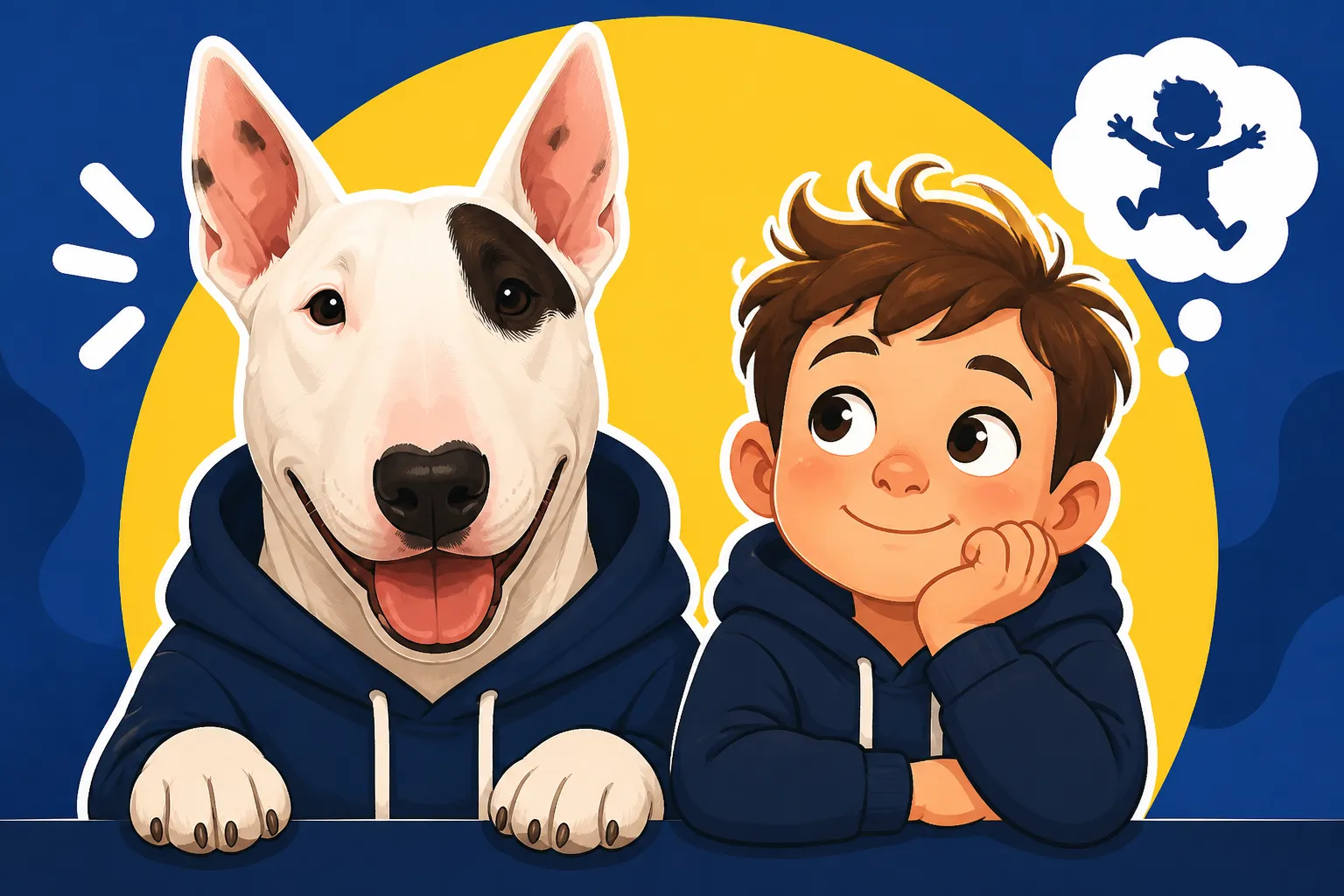
If you've ever owned or even just spent significant time with a Bull Terrier, you know that they are a breed unlike any other. They're often described as having the intelligence and mischievousness of a three-year-old child, but wrapped up in a powerful, opinionated dog suit. This isn't just a cute saying; it perfectly captures the blend of boundless energy, surprising stubbornness, profound loyalty, and often bewildering logic that makes living with a Bull Terrier a truly unique adventure. This guide will delve deep into why this saying rings so true, exploring the delightful, demanding, and utterly devoted nature of this incredible breed.
Unpacking the "Three-Year-Old in a Dog Suit" Analogy
The phrase "a three-year-old in a dog suit" isn't meant to be derogatory; rather, it’s an affectionate and often exasperated acknowledgment of the Bull Terrier's distinctive personality. It speaks to a dog that is intelligent enough to understand what you want, but often chooses to weigh whether your request aligns with its own immediate desires. Just like a toddler who knows they shouldn't draw on the wall but finds the allure of a fresh crayon and blank canvas irresistible, a Bull Terrier often operates on a similar impulse-driven logic. They are constantly testing boundaries, learning through trial and error, and possess an unwavering belief that their way is often the best way.
What the Phrase Really Means
When Bull Terrier owners use this phrase, they're often referring to a combination of traits: immense curiosity, a stubborn streak a mile wide, boundless energy, and an emotional depth that can be both heartwarming and heartbreaking. It means preparing for spontaneous bursts of joy, sudden fits of pique, and an unwavering demand for attention that rivals any human preschooler. You’ll find yourself constantly negotiating, distracting, and gently guiding your Bull Terrier, much like you would a small child navigating a world full of intriguing, yet potentially dangerous, temptations. This is a breed that doesn’t just live in your house; it lives with you, fully participating in every aspect of family life, often with a mischievous twinkle in its triangular eye.
The Bull Terrier's Unique Intelligence and Stubborn Streak
Let's be clear: Bull Terriers are smart, incredibly smart. They pick up on routines quickly, learn new commands, and can even figure out complex puzzles. However, their intelligence isn't always directed toward doing what you want them to do. Instead, they often apply their considerable brainpower to solving problems in ways that benefit themselves, which can often be at your expense. This is where the stubbornness comes in. A Bull Terrier will often decide that a command is optional if they don't see the immediate benefit or if something more interesting has captured their attention. It’s not a lack of understanding, but often a highly opinionated choice. They possess a selective hearing that can make you wonder if you're speaking a different language entirely, especially if treats aren't immediately involved. This stubbornness is a core part of their charm, if you can learn to laugh it off and adapt your approach. This characteristic often makes owners question Why a Bull Terrier Decides a Cue Is Optional.
Emotional Depth and Attachment
Just like a small child, a Bull Terrier forms incredibly strong bonds with its family. They thrive on companionship and can be surprisingly sensitive beneath their tough exterior. They are not content to be left alone for long periods and will often express their displeasure through destructive behaviors or incessant whining, much like a child crying for attention. Their emotional world is rich and complex; they can sulk when scolded, revel in praise, and offer a level of comfort and affection that can be truly profound. This deep attachment means they often follow you from room to room, leaning into you, and demanding physical contact. They want to be involved in everything, from your morning coffee to your evening TV time, and will make their presence known if they feel excluded. This isn't just a dog; it's a family member who needs emotional investment, consistency, and a whole lot of love.
Boundless Energy and Playfulness
One of the most striking characteristics of the Bull Terrier, aligning perfectly with the "three-year-old" description, is their inexhaustible energy and zest for life. These are not couch potatoes by nature. From the moment they wake up, they are ready to explore, play, and engage with the world around them. This energy isn't just physical; it's mental, requiring constant stimulation to keep their intelligent minds occupied. If this energy isn't channeled positively, it can easily lead to undesirable behaviors.
The Never-Ending Puppy Phase
Many dog breeds settle down considerably after their first year or two, but Bull Terriers seem to prolong their puppyhood for what feels like an eternity. They retain a youthful exuberance and playful spirit well into adulthood, often acting like overgrown puppies even at five or six years old. This means they often lack the "off switch" that some other breeds possess. They're always up for a game of fetch, a wrestling match, or a lively chase, displaying an infectious enthusiasm that can be both endearing and exhausting. This extended period of high energy means their owners need to be prepared for a long commitment to active engagement, both physically and mentally. Understanding How Long a Bull Terrier Lives on Average can help owners prepare for this long-term commitment.
The Zoomies and Body Slams
Ah, the Bull Terrier zoomies! These sudden bursts of frenetic energy are a spectacle to behold. Your dog might suddenly launch itself into a full-speed dash around the house or yard, often accompanied by playful growls and open-mouthed grins. This is pure, unadulterated joy. Alongside the zoomies, you'll inevitably encounter the "body slam." This isn't aggression; it's their unique, sometimes clumsy, way of seeking attention or initiating play. A Bull Terrier might run at you full tilt and then, at the last second, pivot to hip-check you with surprising force, or simply launch themselves onto your lap with all the grace of a bowling ball. It's their way of saying, "Hey! Play with me! I'm here!" or simply expressing their affection with their whole body. Learning to anticipate and navigate these physical expressions of love is key to living harmoniously with a Bull Terrier. This playful, yet powerful, interaction highlights Why a Bull Terrier Body Slams.
The Need for Constant Engagement
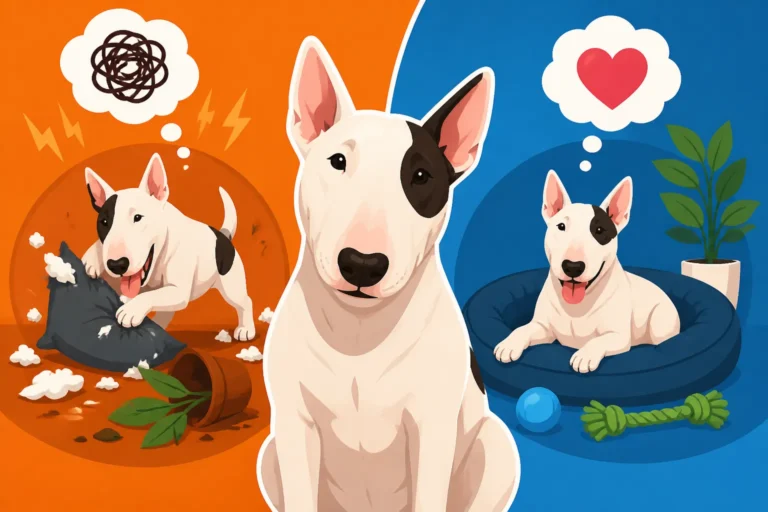
A bored Bull Terrier is a destructive Bull Terrier. Their active minds and bodies require consistent engagement to prevent them from inventing their own, often inappropriate, forms of entertainment. This isn't a dog you can leave in the yard with a few toys and expect them to entertain themselves. They thrive on interaction, joint activities, and feeling like an integral part of the family's daily rhythm. Puzzle toys, training sessions, long walks, supervised playdates, and even just hanging out while you work in the garden can all contribute to keeping their minds and bodies healthy. Without this, they will seek out stimulation in ways you won't appreciate, such as redecorating your sofa or excavating your flowerbeds. This constant need for stimulation is deeply tied to What a Bull Terrier Does When It Is Bored.
Learning on Their Own Terms
Training a Bull Terrier is an exercise in patience, creativity, and understanding their unique learning style. While they are smart, they are not typically eager to please in the way some other breeds might be. They have a strong sense of self and will decide if a command is worth their effort based on their current motivation and interest. This means owners must become adept at making training sessions incredibly engaging and highly rewarding.
Why They "Decide a Cue Is Optional"
This is perhaps the hallmark of the Bull Terrier's "three-year-old" persona. They understand language, they understand consequences, but they also understand choice. If they are busy chasing a squirrel, sniffing an interesting smell, or simply contemplating the existence of dust bunnies, your call of "come!" might be entirely ignored, not because they didn't hear you, but because it wasn't the most compelling option at that moment. They aren't trying to be defiant; they're simply prioritizing what they find most interesting. This selective hearing can be maddening, but it forces owners to think creatively about motivation and reward. You'll quickly learn that a Bull Terrier won't just perform a task because you asked; they'll perform it because they believe there's something in it for them that outweighs whatever captivating distraction currently holds their attention. This trait is exactly why we ponder Why a Bull Terrier Decides a Cue Is Optional.
Motivation Matters Most
For a Bull Terrier, training isn't just about repetition; it's about making it the most exciting thing happening. High-value treats, favorite toys (especially ones from brands like Amazon known for their durability), and enthusiastic praise are essential. They respond best to positive reinforcement and clear, consistent communication. Harsh corrections or force-based methods will likely result in a Bull Terrier who shuts down, becomes resentful, or doubles down on its stubbornness. Instead, focus on making training a game they want to win. Find out what truly motivates your Bull Terrier – is it a squeaky ball, a piece of chicken, or simply the chance to earn your undivided, joyful attention? Once you unlock their motivation, their incredible intelligence shines through, and they can learn almost anything.
Short Attention Spans in Training
Just like a human toddler, a Bull Terrier's attention span can be fleeting. Long, repetitive training sessions will bore them quickly, leading to disengagement and that characteristic stubborn streak. Instead, keep training sessions short, fun, and frequent. Think five to ten minutes, multiple times a day, rather than one long, arduous session. End on a positive note, even if it's just for something simple they did correctly. This keeps them eager for the next session and prevents burnout. These quick, engaging bursts are far more effective for their learning style. For new owners, a structured program like BAXTER & Bella's online puppy school can provide excellent guidance on how to manage these shorter, more impactful sessions and keep your Bull Terrier engaged and learning without overwhelming their "three-year-old" brain. This method aligns perfectly with How Short a Bull Terrier's Training Session Has to Be.
Mischief, Curiosity, and Destructive Potential
The boundless curiosity and energy of a Bull Terrier, combined with their powerful jaws and intelligent minds, can unfortunately lead to a rather destructive streak if not properly managed. This isn't malice; it's simply a Bull Terrier exploring its world and alleviating boredom in the most efficient way it knows how – with its mouth and paws. They view the world as an endless source of intriguing textures, tastes, and challenges to overcome.
When Boredom Strikes
A bored Bull Terrier is a creative Bull Terrier, and that creativity rarely aligns with your home décor. If left alone with nothing to do, they will find something. This could mean excavating your couch cushions, "rearranging" your throw pillows, or gnawing on furniture legs. Their desire for mental and physical stimulation is profound, and if you don't provide it, they will invent their own entertainment. This often involves chewing, digging, or exploring spaces they shouldn't. It's a key reason why crate training is so vital for Bull Terrier puppies and often remains a useful tool throughout their lives, providing a safe space for them when you can't actively supervise. Their destructive habits when bored are a clear indicator of What a Bull Terrier Does When It Is Bored.
The World Is Their Chew Toy
Bull Terriers have incredibly strong jaws, and they love to chew. This isn't just a puppy phase; it's a lifelong passion. From teething puppies to senior dogs, chewing is a fundamental outlet for them – for stress relief, boredom, and simply enjoyment. Unfortunately, their definition of an appropriate chew toy often extends to anything within reach, including shoes, remote controls, books, and even drywall. Investing in a variety of durable chew toys, especially those from brands like Kong or Nylabone found easily on Amazon, is not just a recommendation; it's a necessity. Rotate them regularly to keep interest high, and always supervise new toys to ensure they are truly indestructible. Knowing What a Bull Terrier Chews is vital for preparing your home.
Bull Terrier Proofing Your Home
Just as you would child-proof your home for a curious toddler, you absolutely must Bull Terrier-proof your living space. This means moving anything valuable, dangerous, or simply chewable out of reach. Think about securing cabinets, putting away laundry, and removing attractive items from coffee tables. Gates can be your best friend, confining your Bull Terrier to areas where they can do less damage or be more easily supervised. Consider durable dog beds and even heavy-duty crates if your Bull Terrier is particularly adept at destruction. An unsupervised Bull Terrier, even for a short time, can transform your home. This proactive approach isn't about curbing their spirit, but about protecting them from harm and saving your sanity (and your furniture).
Social Dynamics and Family Life
Bull Terriers are inherently social creatures, often forming incredibly strong bonds with their human families. However, their interactions with other animals and people beyond their immediate "pack" can be a bit more nuanced, again reflecting that "three-year-old" complexity – full of love, but also sometimes possessive or easily overstimulated.
Their Approach to Other Dogs and Pets
While some Bull Terriers can live harmoniously with other dogs, especially if raised with them from a young age and properly socialized, they are not universally dog-friendly. Many possess a strong prey drive and can be dog-selective, meaning they might get along with certain dogs but not others. Same-sex aggression, particularly between two females or two males, can also be a significant issue in the breed. This isn't to say they are inherently aggressive, but their intense play style, often involving body slams and mouthy wrestling, can be misinterpreted by other dogs or escalate into conflict. Early, positive socialization is crucial, but owners must always remain vigilant and realistic about their Bull Terrier's interactions. Understanding How a Bull Terrier Gets On With Other Dogs is important before bringing another pet into the home.
When it comes to smaller pets like cats or rabbits, the Bull Terrier's prey drive often makes living together a challenge, if not impossible. While some rare individuals might coexist peacefully, it typically requires extreme caution, meticulous supervision, and often separate living arrangements. Never assume a Bull Terrier will be safe with a smaller animal without extensive, supervised introductions and a deep understanding of your dog's individual temperament.
Interacting with Children
Bull Terriers can be wonderful family dogs, known for their affectionate nature and patience with children. However, their sheer strength, exuberance, and sometimes clumsy play style mean that interactions with very young children always need to be supervised. A Bull Terrier's playful body slam could easily knock over a toddler, and their mouthy play could inadvertently nip a small hand. They are often incredibly tolerant and protective of "their" children, but teaching both the dog and the children how to interact respectfully is paramount. Children need to learn to be gentle, avoid pulling ears or tails, and understand when the dog needs space. The Bull Terrier, in turn, needs to be taught appropriate play boundaries. With responsible supervision and proper training, many Bull Terriers form deep, loving bonds with the children in their families. A Bull Terrier With Children can be a truly heartwarming sight.
Why They Demand to Be Part of Everything
Just like that three-year-old who wants to be in the middle of every conversation and activity, your Bull Terrier craves inclusion. They are not dogs that are content to be left in another room or ignored while you entertain guests. They want to be where the action is, often positioning themselves directly between you and whatever you're doing. This can manifest as leaning against your legs, placing their head in your lap, or simply sprawling out in the most inconvenient spot possible. This isn't pushiness; it's their profound need for connection and their desire to be an undeniable part of their human pack. They thrive on shared experiences, whether it's a walk in the park, a car ride, or just watching TV on the sofa. Their happiness is deeply intertwined with their sense of belonging, and they will remind you of this constantly.
Managing the Bull Terrier Personality
Living with a Bull Terrier is a unique journey that requires a particular approach to training and daily management. Their "three-year-old" personality demands consistency, clear boundaries, and an understanding that their intelligence is often paired with an independent spirit. It's about building a partnership based on trust and mutual respect, rather than absolute obedience.
The Importance of Routine and Consistency
Just like human toddlers, Bull Terriers thrive on routine and predictability. Knowing what to expect throughout the day provides them with a sense of security and can help minimize anxiety or destructive behaviors. Consistent feeding times, regular potty breaks, predictable exercise schedules, and even consistent responses to their behaviors are crucial. If rules change constantly, or if one family member allows something another forbids, your Bull Terrier will quickly become confused and will likely test boundaries even more. Every member of the household needs to be on the same page regarding commands, expectations, and consequences. This consistency lays the groundwork for a well-adjusted and well-behaved Bull Terrier, making life easier for everyone.
Positive Reinforcement Reigns Supreme
Given their sensitive yet stubborn nature, positive reinforcement is the most effective training method for Bull Terriers. They respond incredibly well to rewards – whether it's treats, toys, or praise – and thrive when training is a fun, engaging experience. Punishment-based methods can quickly erode their trust, make them shut down, or even exacerbate unwanted behaviors. Instead, focus on rewarding desired actions and redirecting unwanted ones. If your Bull Terrier is chewing on a shoe, don't just scold them; immediately offer an appropriate chew toy and praise them enthusiastically when they take it. This teaches them what to do rather than just what not to do. Online training programs, such as those offered by BAXTER & Bella, often emphasize these positive, force-free methods, which are ideal for the Bull Terrier's unique temperament.
| Training Method | Bull Terrier Response | Effectiveness | Why it works (or doesn't) |
|---|---|---|---|
| Positive Reinforcement (Treats, Toys, Praise) | Engaged, eager, learns quickly | High | Appeals to their desire for reward, builds trust, makes learning fun. |
| Redirection (Swapping unwanted item for toy) | Accepts, learns appropriate outlets | High | Prevents frustration, teaches alternatives, avoids punishment. |
| Short, Fun Sessions | Focuses, retains information | High | Accommodates short attention span, prevents boredom. |
| Harsh Corrections | Shuts down, stubborn, resentful | Low | Damages trust, can create fear or increase defiance. |
| Inconsistent Rules | Confused, boundary testing, misbehavior | Low | Lacks clarity, leads to anxiety and perceived unfairness. |
Seeking Professional Guidance
Sometimes, even with the best intentions, managing a Bull Terrier's "three-year-old" quirks can feel overwhelming. Don't hesitate to seek professional help. A certified professional dog trainer or behaviorist experienced with strong-willed breeds can offer invaluable insights and practical strategies tailored to your specific Bull Terrier. They can help you understand your dog's motivations, troubleshoot challenging behaviors, and refine your training techniques. Programs like BAXTER & Bella offer online resources that can be a great starting point for structured learning and support. For specific medical or behavioral concerns, a veterinary behaviorist can also be an excellent resource. Early intervention and expert advice can make a huge difference in fostering a happy, well-adjusted Bull Terrier and a harmonious home environment.
Embracing the Bull Terrier Life
Living with a Bull Terrier isn't for the faint of heart, but for those who commit to understanding and embracing their unique personality, the rewards are immeasurable. They challenge you, make you laugh, and love you with an intensity that is truly unparalleled. It’s a journey filled with character, laughter, and an unbreakable bond.
The Unconditional Love and Laughter They Bring
Despite their stubbornness and penchant for mischief, Bull Terriers offer a depth of unconditional love that can melt the hardest heart. They are incredibly affectionate, often displaying their love with full-body wiggles, enthusiastic kisses, and an unwavering presence by your side. Their clownish antics, quirky expressions, and often goofy misunderstandings provide endless entertainment and laughter. A Bull Terrier will make you smile every single day, even when they've just chewed something they shouldn't have. They have a way of brightening even the dullest moments with their vibrant personalities and zest for life. This deep affection and playful nature are why How Physically Affectionate a Bull Terrier Is is often a defining trait.
Long-Term Commitment to Training and Enrichment
Owning a Bull Terrier is a long-term commitment, not just to their physical care, but to their ongoing mental and behavioral well-being. The training doesn't stop after puppyhood; it's a continuous process of reinforcement, new challenges, and adapting to their evolving needs. Their need for enrichment – puzzle toys, interactive games, new experiences – remains constant throughout their lives. This dedication ensures that their intelligent minds are always engaged and that they remain well-behaved, happy companions. It also means you’re signing up for years of wonderful, sometimes challenging, but always interesting times. Considering The Ten to Fourteen Years a Bull Terrier Gets means understanding this lifelong commitment.
The Joy of Their Quirks
Ultimately, the Bull Terrier’s "three-year-old in a dog suit" personality is precisely what makes them so captivating and beloved by their devoted owners. Their quirks aren't flaws; they are an integral part of what makes them, them. Whether it's their stubborn refusal to move from a sunbeam, their dramatic sigh when they don't get their way, or their unyielding demand for belly rubs, these traits become cherished parts of their identity. Learning to navigate these eccentricities with humor, patience, and understanding is the key to a fulfilling relationship. They challenge you to be a better, more creative, and more patient dog owner, and in return, they give you a companion whose loyalty, affection, and sheer personality will enrich your life beyond measure. For those ready for the adventure, there's truly no other dog like a Bull Terrier. What a Bull Terrier's Temperament Is Really Like encompasses all these wonderful, challenging aspects.
Disclaimer
This article is for general informational purposes only and does not constitute professional advice. Laws, prices and regulations vary by location and change over time. Consult a qualified professional for guidance on your specific situation.