Whether a Bull Terrier Can Be Left While You Work
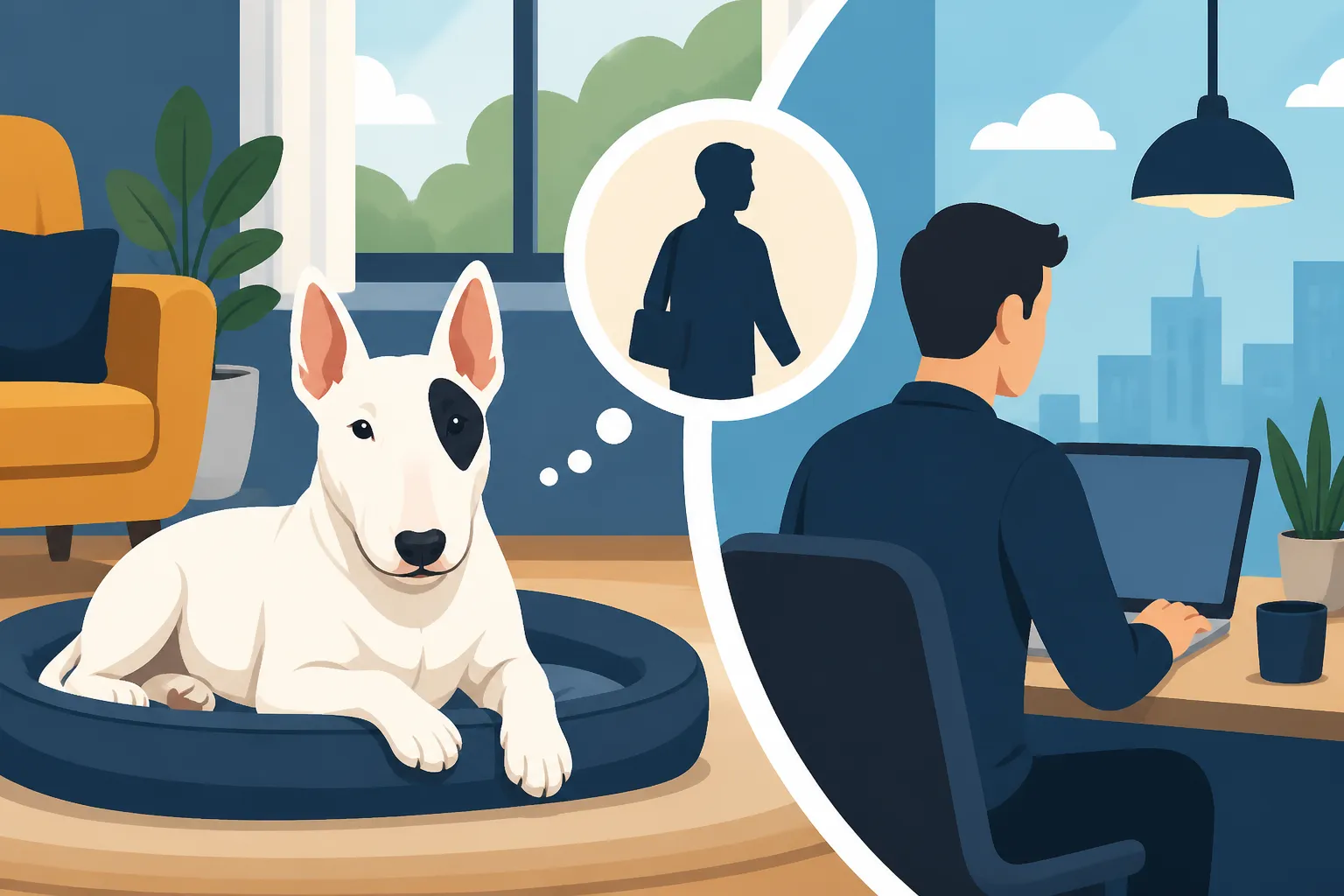
One of the biggest anxieties for any Bull Terrier owner, especially those who work, is the nagging question of whether their quirky, energetic companion can truly handle being left alone for hours. It’s not just about potential destruction, but the fear of their sensitive nature suffering from isolation. This guide dives deep into understanding a Bull Terrier's intrinsic need for companionship and offers practical, empathetic strategies to ensure they thrive, even when your workday keeps you away from home.
The Unique Bull Terrier Temperament and Alone Time
Bull Terriers are not your average independent dog. They are often described as "three-year-olds in a dog suit" for a very good reason – they possess a playful, often stubborn, and deeply people-oriented personality. This combination makes leaving them alone a unique challenge that requires careful planning and a deep understanding of their breed-specific traits. Their clownish antics are endearing, but their need for interaction is profound, making prolonged solitude particularly difficult for them.
The "Three-Year-Old in a Dog Suit" Phenomenon
Imagine a perpetual toddler who never truly outgrows the need for constant attention, engagement, and supervision. That's a Bull Terrier in a nutshell. They thrive on being part of the family action, observing, participating, and often initiating play. Their intelligence means they learn quickly, but their stubbornness often means they'll only perform if they see the point in it. This isn't a breed content to simply nap quietly in a corner while you're gone. They crave mental stimulation just as much as physical, and when that’s lacking, their boundless energy finds other, often less desirable, outlets. The notion that a Bull Terrier can simply be left alone for extended periods without consequence is a common misconception that quickly leads to frustrated owners and unhappy dogs. The truth is, their inherent personality makes them unsuitable for prolonged isolation without significant compensatory measures. You'll find more on their temperament in Why a Bull Terrier Is Called a Three Year Old in a Dog Suit.
Boredom: The Root of All Evil
For a Bull Terrier, boredom isn't just a mild inconvenience; it's a profound existential crisis that often manifests in destructive behaviors. Without a human to interact with or a stimulating environment, their minds go to work on solving the "problem" of their isolation. This might involve redecorating your sofa, excavating the carpet, or discovering the delicious texture of a doorframe. Their powerful jaws are legendary, and they can make short work of objects that would deter lesser breeds. A Bull Terrier left to its own devices with nothing to do will almost certainly find something to do, and that something will rarely be what you hoped for. This isn't malice; it's a simple expression of their energy and intelligence, a desperate plea for engagement when they're left to wonder What a Bull Terrier Does When It Is Bored. Understanding this fundamental truth is the first step toward preventing chaos.
Setting Up Your Bull Terrier for Success While You're Away
Knowing your Bull Terrier's potential for mischief is one thing; proactively preventing it is another. Successfully leaving your Bull Terrier while you work requires a multi-faceted approach, combining adequate exercise, mental stimulation, a safe environment, and often, external support. It's about building a routine that addresses their needs before you even step out the door.
Exercise Before You Go
A tired Bull Terrier is a good Bull Terrier, or at least, a better-behaved one. Before you head off to work, committing to a substantial period of physical and mental exercise is non-negotiable. This isn't just a quick trip to the backyard; it means a brisk walk, a vigorous game of fetch, or even some dedicated training sessions that engage their minds. A 45-60 minute walk, ideally with opportunities for sniffing and exploring, can go a long way. If you can incorporate some off-leash play in a secure area or a visit to a dog park (if your Bull Terrier is well-socialized and enjoys them), even better. The goal is to drain some of that characteristic Bull Terrier exuberance so they are more inclined to settle and nap during your absence. Even a session of puzzle toys or scent work before you leave can help to mentally tire them, making them less likely to invent their own entertainment. For more on their energy needs, check out How Much Exercise a Bull Terrier Actually Needs.
Creating a Safe and Enriched Space
The environment you leave your Bull Terrier in can make all the difference. This usually means either a securely crated space or a carefully "Bull Terrier-proofed" room.
- Crate Training: A sturdy, escape-proof crate can be a Bull Terrier's den and a safe haven. It prevents destructive behaviors by limiting their access to tempting items and provides a sense of security. The key is to introduce the crate positively, making it a comfortable place with soft bedding and engaging chew toys. Never use the crate as punishment. Some owners swear by heavy-duty crates made for powerful chewers, often recommending brands like Impact or Ruffland for their durability and security, especially when you consider Whether a Bull Terrier Can Break a Wire Crate.
- Bull Terrier-Proofed Room: If crating for long periods isn't feasible or desired, a designated, safe room can work. This means removing anything valuable, breakable, or ingestible. Think baby gates, covers on furniture, and securing electrical cords. This space should be equipped with plenty of appropriate chew toys and interactive feeders.
No matter the chosen space, enrichment is crucial. Offer a variety of durable chew toys, like those from Kong or Nylabone, which can stand up to a Bull Terrier's powerful jaws. Food-dispensing puzzle toys filled with a portion of their meal or treats can keep them occupied for a good chunk of time. You can find a fantastic selection of these at retailers like Chewy, making it easy to rotate toys and keep things interesting. A long-lasting chew, like a filled bone or a bully stick, can also be a lifesaver, but always ensure it's size-appropriate and safe for unsupervised chewing. Remember, a lack of appropriate outlets means they'll create their own, often at the expense of your belongings, as highlighted in What a Bull Terrier Chews When Left Out.
Mid-Day Breaks and Companionship
For many Bull Terrier owners, especially those working traditional 8-9 hour days, leaving their dog completely alone for the entire stretch simply isn't fair or feasible. Bull Terriers typically cannot be left alone for more than 4-6 hours at a time, particularly as puppies or young adults.
- Dog Walkers: Hiring a professional dog walker to come in midday is an excellent solution. They can provide a potty break, a refreshing walk, and some much-needed human interaction, breaking up the long hours. Look for insured and bonded walkers with experience with strong, energetic breeds. This provides a vital mental and physical reset for your Bull Terrier, preventing boredom from escalating.
- Doggy Daycare: For some Bull Terriers, a few days a week at doggy daycare can be a fantastic way to burn energy and socialize. It offers constant supervision and interaction, but it's crucial to find a daycare that understands and can manage the Bull Terrier's unique play style, which can sometimes be intense or "mouthy." Not all daycares are equipped for every breed, so thorough research and trial days are essential.
- Family, Friends, or Neighbors: If you have trusted individuals nearby, they might be willing to pop in for a visit, a potty break, or even a short play session. This informal support can be invaluable.
These options, while beneficial, do come with their own costs. Budgeting for a dog walker or daycare can significantly add to your monthly expenses, a factor often overlooked in What a Bull Terrier Costs a Month Before Any Illness.
| Option | Pros | Cons | Typical Duration/Frequency | Cost Implications (Relative) |
|---|---|---|---|---|
| Dog Walker | Personal attention, exercise, potty break | Availability, finding a trusted individual | 30-60 min, 1-2 times/day | Moderate to High |
| Doggy Daycare | Socialization, constant supervision | Not suitable for all Bull Terriers, exposure to illness | Full day | High |
| Crate Training | Prevents destruction, provides den | Requires positive association, limited space | 4-6 hours maximum | Low (initial crate cost) |
| Dog-Proofed Room | More space, comfort | Risk of destruction if not truly proofed | 4-6 hours maximum | Low (initial setup) |
| Puzzle Toys | Mental stimulation, extends feeding time | Can be solved quickly, not a substitute for interaction | 15-60 min | Low (ongoing toy cost) |
Recognizing and Managing Separation-Related Issues
Even with the best intentions and preparations, some Bull Terriers struggle profoundly with being left alone. It's vital to differentiate between simple boredom and more complex behavioral issues like separation anxiety, as their management strategies differ significantly. Ignoring the signs can lead to worsening problems for both you and your dog.
Differentiating Boredom from Separation Anxiety
It's easy to dismiss a Bull Terrier's destructive behavior as merely a sign of being a "Bull Terrier," but there's a crucial distinction between simple boredom and genuine separation anxiety.
- Boredom: A bored Bull Terrier might chew on things, knock over trash, or have "accidents" because they haven't had enough exercise or mental stimulation, or because they lack appropriate outlets. Their behavior might be destructive, but it's typically focused on objects, and they often settle down after the initial burst of energy. The destruction might be widespread but not necessarily frantic.
- Separation Anxiety: This is a much more severe issue. A Bull Terrier with separation anxiety exhibits extreme distress when left alone, often starting even before you leave. Symptoms include excessive vocalization (howling, barking, whining), frantic attempts to escape (chewing through doors, windows, crates, often injuring themselves), destructive chewing focused around exit points, inappropriate urination or defecation even if house-trained, pacing, and sometimes self-mutilation. These behaviors are not just about finding something to do; they are panic responses. The dog isn't being "bad"; they are genuinely terrified. If you suspect this is the case, it's a serious welfare issue that requires immediate attention. You can learn more about the specific signs in Signs a Bull Terrier Has Separation Anxiety.
Behavioral Modification and Training
For dogs suffering from genuine separation anxiety, simple enrichment often isn't enough. A comprehensive behavioral modification plan, ideally guided by a certified professional dog trainer or veterinary behaviorist, is necessary.
- Desensitization and Counter-Conditioning: This involves gradually habituating your Bull Terrier to your departure cues and increasing alone time very slowly, associating your absence with positive experiences. This might mean practicing "fake" departures, leaving for seconds, then minutes, rewarding calm behavior.
- Crate Training Revisited: While a crate can be helpful for management, if a Bull Terrier is panicking in the crate, it can worsen anxiety. For dogs with severe separation anxiety, a crate might not be the initial answer. A safe, baby-gated room might be better until anxiety is reduced.
- Enrichment and Exercise: These remain critical, even alongside behavioral modification. Ensuring they are mentally and physically tired before you leave can help them cope slightly better during the initial stages of training.
- Mental Games: Consider toys like snuffle mats, slow feeders, or lick mats that can be filled with their regular food or a special treat like pumpkin or peanut butter. This engages their mind and helps them associate alone time with something positive. You might even consider high-quality food options like Ollie, offering a portion as a special "leaving treat" to create a positive association.
Veterinary Consultation and Support
If you suspect your Bull Terrier has separation anxiety, a visit to your veterinarian should be your first step. Your vet can rule out any underlying medical conditions that might be contributing to the behavior. They may also discuss medication options (such as anti-anxiety drugs) that can be used in conjunction with behavioral therapy to help manage severe panic responses, making the training more effective.
- Medication: For some dogs, medication can reduce their anxiety to a level where they are capable of learning and responding to behavioral modification techniques. It's not a standalone solution but a tool to aid the process.
- Veterinary Behaviorist: For complex cases, a referral to a board-certified veterinary behaviorist is highly recommended. These specialists have advanced training in both veterinary medicine and animal behavior, allowing them to create tailored treatment plans that may include medication, specific training protocols, and environmental adjustments.
- Insurance Considerations: The costs associated with diagnosing and treating severe separation anxiety, including vet visits, behavioral consultations, and potential long-term medication, can add up quickly. Having pet insurance from a provider like Healthy Paws can be a real lifesaver, potentially covering a significant portion of these expenses and giving you peace of mind to pursue the best care for your Bull Terrier. Always check policy details regarding behavioral conditions.
Long-Term Planning for Your Working Bull Terrier
Owning a Bull Terrier while holding down a job often requires more than just short-term fixes; it demands thoughtful long-term planning and, sometimes, significant lifestyle adjustments. This breed thrives on routine and companionship, so creating a sustainable plan for their well-being when you're working is crucial for their health and happiness, and ultimately, yours.
Considering Your Work Schedule and Lifestyle
For many Bull Terrier owners, making their work schedule more dog-friendly becomes a priority. This might involve:
- Flexibility: Can your workplace offer flexible hours, allowing you to start earlier or later to reduce alone time? Even shifting your lunch break to come home can make a huge difference.
- Remote Work: If your job allows for full or partial remote work, this can be an ideal solution for a Bull Terrier, providing them with the constant human presence they crave.
- Staggered Shifts: If you live with a partner or family, coordinating your work schedules so someone is always home or can provide mid-day breaks can be effective.
- Career Choices: While it sounds extreme, some Bull Terrier owners genuinely consider how their career choice impacts their dog's well-being. Opting for a job with shorter hours or more flexibility becomes a significant factor.
The reality is that a Bull Terrier is not a "set it and forget it" dog. Their emotional needs are high, and ignoring them will almost always lead to problems, often visible through destructive or anxious behaviors. Understanding Why a Bull Terrier Cannot Be Left Alone All Day is key to making informed decisions about your lifestyle and dog ownership.
Budgeting for Bull Terrier Care
The financial commitment involved in owning a Bull Terrier is substantial, and this includes the costs associated with managing their alone time while you work. These are not optional expenses if you want a well-adjusted dog.
- Ongoing Enrichment: Regularly purchasing durable chew toys, puzzle feeders, and long-lasting chews. As discussed, a variety is needed to keep them engaged. Factor in replacements, as even the toughest toys eventually meet their match against a Bull Terrier's jaws. Retailers like Chewy offer subscription services for toys, which can help manage this aspect.
- Professional Services: The cost of dog walkers, doggy daycare, or even specialized pet sitters adds up. These services vary widely depending on your location and the frequency of visits. A daily dog walker, for example, can be a significant monthly expense. Consider What a Dog Walker Charges for a Bull Terrier and What Boarding a Bull Terrier Costs if you need longer-term care.
- Behavioral Support: If separation issues arise, consultations with trainers or veterinary behaviorists, potentially coupled with medication, represent another layer of expense. Investing in this early can prevent more costly damage or medical emergencies down the line. Pet insurance from providers like Healthy Paws can be incredibly valuable for covering unexpected vet bills, including those related to behavioral issues or injuries from destructive behavior.
- Specialty Food/Treats: While not strictly a "cost of alone time," providing high-quality, palatable treats or even specialty meals (like those from Ollie) to stuff puzzle toys or offer as special "departure treats" can aid in positive associations with your absence. These might be a bit more expensive than standard kibble, but their impact on your dog's mental well-being can be worth it.
It's vital to build these costs into your overall budget, as they are integral to responsible Bull Terrier ownership. Many owners underestimate What the First Year With a Bull Terrier Costs, and these ongoing expenses are a significant part of that calculation. Being prepared financially allows you to provide the best care without cutting corners, ensuring your Bull Terrier can live a full and happy life, even with your working schedule.
Disclaimer
This article is for general informational purposes only and does not constitute professional advice. Laws, prices and regulations vary by location and change over time. Consult a qualified professional for guidance on your specific situation.