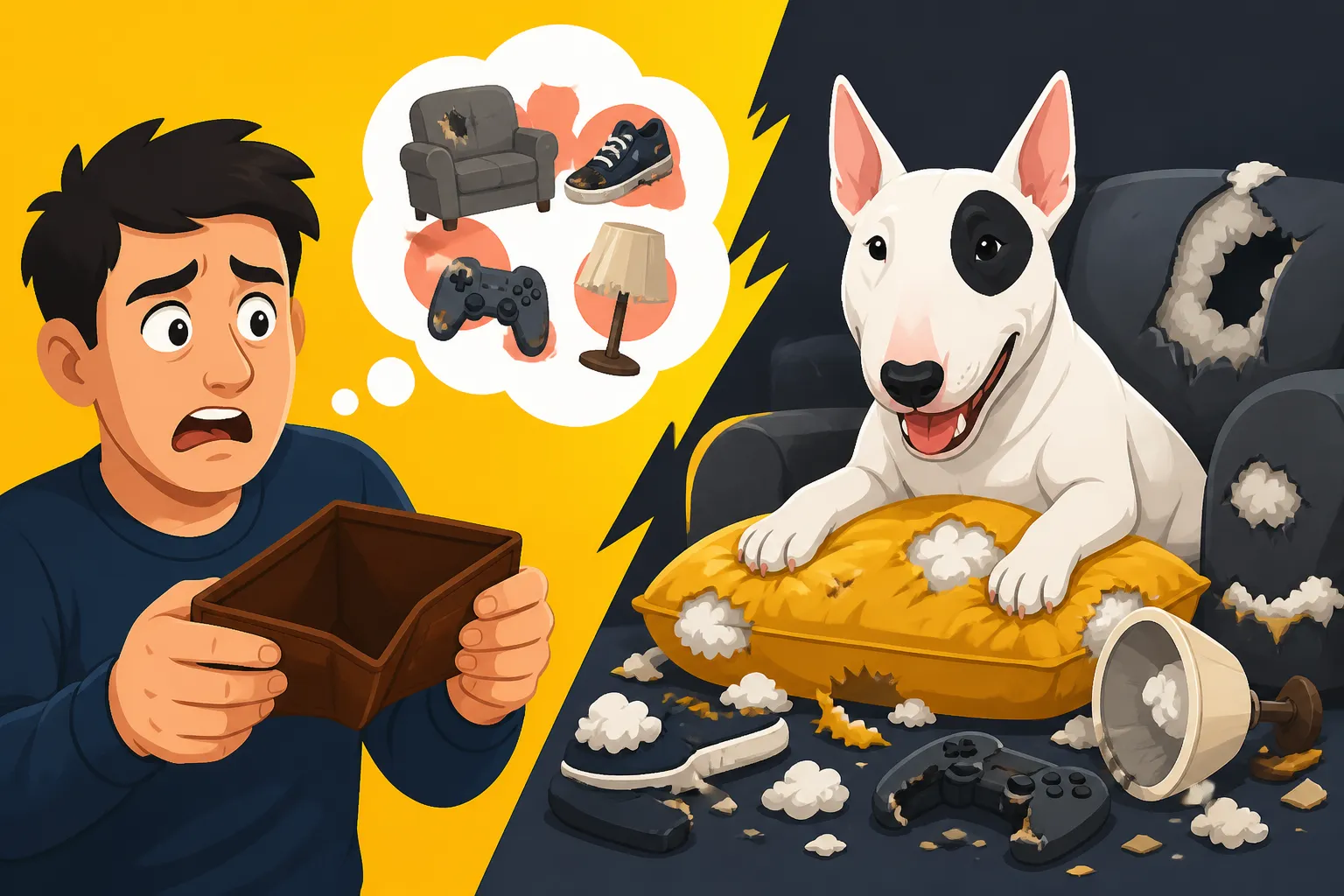
The Destruction Budget Nobody Warns a Bull Terrier Owner About
Bringing a Bull Terrier into your life is an incredible adventure, full of laughter and unique companionship. However, many new owners, and even some seasoned ones, find themselves utterly blindsided by the sheer financial impact of what these intelligent, powerful, and sometimes mischievous dogs can do to a home. This guide will delve deep into why Bull Terriers become agents of chaos, what they target, and, most importantly, how to proactively budget for and mitigate the inevitable "destruction fund" that every Bull Terrier household needs.
Why Bull Terriers Are Such Prodigious Destructive Forces
It's a common refrain among Bull Terrier enthusiasts: they're "a three-year-old in a dog suit." While endearing, this saying also perfectly encapsulates their boundless energy, insatiable curiosity, and often, their profound lack of impulse control in puppyhood and well into adulthood. Understanding the root causes of their destructive tendencies isn't about excusing the damage, but about addressing the underlying needs that drive it.
The Unwavering Urge to Chew and Mouth
Bull Terriers, much like their terrier cousins, possess an incredibly strong prey drive and powerful jaws. This combination manifests as an intense need to chew and mouth objects, especially when they are puppies or adolescents. It's not just about teething; it's an inherent behavioral outlet for stress, boredom, and excess energy. They explore the world with their mouths, and anything left within reach becomes fair game for examination, often with devastating results. Imagine a young Bull Terrier finding your brand new leather shoes. To them, it's not a prized possession; it's a novel texture, a challenge, something to dissect and conquer with those formidable teeth. This deep-seated need means that even the best-behaved Bull Terrier might have an off day if their chewing needs aren't adequately met.
Boredom Is the Ultimate Enemy
A bored Bull Terrier is a destructive Bull Terrier, plain and simple. These are highly intelligent dogs that thrive on engagement and mental stimulation. If they don't have a job to do, they'll invent one, and that job often involves remodeling your living space. Consider a scenario where you leave for work for eight hours, and your Bull Terrier is left with nothing but a few generic toys. For a breed like this, that's an eternity of under-stimulation. They might start by sniffing around, then nudging things, and before you know it, that innocent looking throw pillow has become a pile of fluff, or the leg of your dining table is an irresistible chew toy. The sheer creativity with which they can find trouble when bored is astounding, turning everyday household items into targets of their inventive destruction. This is why understanding Why a Bull Terrier Cannot Be Left Alone All Day is so crucial for new owners.
Anxiety and Stress Manifest as Destruction
While boredom is a huge culprit, sometimes the destruction stems from deeper emotional issues like separation anxiety. Bull Terriers are incredibly bonded to their people, and being left alone can be a genuinely distressing experience for them. The frantic chewing, scratching, and digging aren't just naughty behaviors; they're often desperate attempts to cope with overwhelming fear or loneliness. Think of the dog that shreds its bed, tears up the carpet by the door, or even attempts to chew through a wall only when you're gone. These aren't acts of malice; they're panic attacks manifesting in physical ways. Addressing separation anxiety requires a multifaceted approach, often involving professional help, but understanding that it can be a significant driver of destruction is the first step in managing it and preventing endless repair bills. The intensity of their bond can also lead to issues if they feel abandoned, highlighting the importance of recognizing Signs a Bull Terrier Has Separation Anxiety.
Common Targets of Bull Terrier Destruction
If it can be chewed, dug, shredded, or otherwise dismantled, a Bull Terrier will likely find it. Their destructive repertoire is vast, encompassing everything from the mundane to the surprisingly structural. No corner of your home, or even your yard, is truly safe without deliberate preventative measures.
Furniture: The Ultimate Chew Toy
Sofas, chairs, coffee tables, and even bed frames often bear the brunt of a Bull Terrier's chewing obsession. A plush sofa might seem like a cozy spot, but to a Bull Terrier, the cushions are perfect for digging, the fabric for shredding, and the wooden frame an excellent teething aid. I've heard countless stories of owners coming home to a "de-stuffed" couch, its entrails strewn across the living room like a snowstorm. Beyond the chewing, their powerful bodies mean they can also inadvertently damage furniture simply by launching themselves onto it or rubbing against it with enthusiasm. Imagine your solid oak coffee table slowly acquiring teeth marks along the edges, or the corner of your upholstered armchair steadily diminishing into a pile of threads. It’s not just about replacing an item; it’s often about trying to find a matching set or living with mismatched pieces. To understand the extent of this, many owners research What a Bull Terrier Does to a Sofa before they even bring a puppy home.
Walls and Door Frames: Unexpected Remodels
One of the more shocking forms of Bull Terrier destruction involves the very structure of your home. Door frames, window sills, and even drywall can become targets. This often happens out of anxiety, a desperate attempt to escape, or simply intense boredom. A Bull Terrier might scratch or chew at a door frame if they are locked in a room and want to get out, or if they have separation anxiety and are trying to follow you. The damage can range from superficial scratches and tooth marks to significant gouges and holes, requiring professional repair and repainting. This isn't cheap cosmetic damage; it's often structural, or at least involves carpentry skills beyond the average DIY enthusiast. I've even seen pictures where a Bull Terrier has managed to create a substantial hole in a wall, akin to a small doggy door, out of sheer determination. These incidents underscore the immense power and persistence these dogs possess when driven by instinct or distress. Many wish they had researched What a Bull Terrier Does to a Door Frame or What a Bull Terrier Does to Drywall beforehand.
Personal Items and Valuables
Nothing is sacred. Shoes, remote controls, eyeglasses, cell phones, books, and even children's toys can become casualties. These items are often within easy reach and carry the scent of their beloved humans, making them doubly appealing. A Bull Terrier doesn't differentiate between your favorite pair of limited-edition sneakers and an old tennis ball. To them, it's all just stuff to be investigated, chewed, and potentially ingested. This type of destruction can be particularly frustrating because it often involves items with sentimental value or high replacement costs. Losing irreplaceable photographs or a custom-made piece of jewelry because it was left on a low table is a hard lesson to learn, and one that many Bull Terrier owners experience at least once. It's not just about the monetary value; it's the emotional impact of losing something precious.
Crates and Beds: The Great Escape Challenge
You'd think a crate would be a safe haven, a tool for containment and security. For many Bull Terriers, however, it's a challenge to be conquered. Standard wire crates can be bent, chewed, and even broken if the dog is determined enough, especially if they're experiencing panic or intense boredom. This means not only is the crate destroyed, but your dog might also escape and cause further damage to your home, or worse, injure themselves on the broken wires. Similarly, dog beds, even those marketed as "chew-proof," often fall victim to the Bull Terrier's relentless de-stuffing mission. They seem to take immense satisfaction in pulling out every last shred of polyester filling, turning a comfy bed into a sad, empty shell. Finding Which Crate Holds a Bull Terrier becomes a crucial, often expensive, quest.
Yard and Garden: Landscaping Redesigned
Outdoor spaces are not immune. Bull Terriers love to dig, sometimes to bury treasures, sometimes to escape, and often just for the sheer joy of it. Your perfectly manicured lawn can quickly resemble a lunar landscape, and beloved flowerbeds can be excavated in minutes. Fences, especially wooden ones, can be chewed through or dug under with surprising speed and efficiency. They are powerful dogs, and a standard fence that might contain another breed could prove to be merely a suggestion for a motivated Bull Terrier. This means not only the cost of repairing fences and replanting gardens but also the potential risk of an escaped dog. Therefore, a secure outdoor space often requires significant upfront investment to be genuinely Bull Terrier-proof, making a strong case for researching What a Fence a Bull Terrier Cannot Wreck Costs.
Damage Control: Proactive Prevention Strategies
The best defense against Bull Terrier destruction is a strong offense. Prevention is always cheaper and less stressful than dealing with the aftermath. This involves a combination of environmental management, consistent training, and meeting your Bull Terrier's unique physical and mental needs.
Bulletproof Your Environment
Before your Bull Terrier even steps paw inside, or certainly before you leave them unsupervised, conduct a thorough "Bull Terrier-proofing" sweep of your home. This means putting away anything valuable, fragile, or potentially dangerous. Secure trash cans with heavy lids or place them in cabinets. Keep laundry hampers out of reach. Use baby gates to restrict access to certain rooms. Think from your Bull Terrier's perspective: if they can reach it, they might chew it. Elevate plants, store shoes in closets, and keep electrical cords covered or out of sight. Remember that these dogs are tenacious; what seems secure to you might be an open invitation to them. Some owners even dedicate a single room for their Bull Terrier when unsupervised, ensuring that space is entirely proofed against destruction. This level of foresight is invaluable and can save thousands in repairs and replacements. Delving into How to Bull Terrier Proof a Room is an excellent starting point for any owner.
Exercise and Mental Stimulation Are Non-Negotiable
A tired Bull Terrier is a good Bull Terrier. This breed needs a significant amount of physical exercise every day, not just a quick walk around the block. They thrive on vigorous play, long walks, and opportunities to run in a secure area. Beyond physical exertion, mental stimulation is equally critical. Puzzle toys, training sessions, scent work, and interactive games can help satisfy their intelligent minds and reduce boredom-driven destruction. Imagine taking your Bull Terrier for a brisk 45-minute walk, followed by 15 minutes of nose work where they have to find hidden treats. This combination can tire them out both physically and mentally, leaving them much less inclined to turn your sofa into confetti. Neglecting these needs is a direct invitation for trouble, as a Bull Terrier with pent-up energy will find an outlet, regardless of what's in its path. Understanding What a Bull Terrier Does When It Is Bored is key to preventing these incidents.
Crate Training: A Safe Den, Not a Prison
Proper crate training is an absolute game-changer for Bull Terrier owners. A crate, when introduced correctly, becomes a safe, comfortable den for your dog, a place where they can relax and feel secure. It's not a punishment; it's their personal space. For new puppies, it’s invaluable for house-training and preventing destruction during unsupervised periods. For adults, it provides a quiet retreat and a contained space when you can't actively supervise them. However, it's crucial to select the right kind of crate. A flimsy wire crate will not withstand a determined Bull Terrier. Investing in a heavy-duty, reinforced crate is essential. Look for crates made from thick gauge steel or even solid plastic travel crates that are harder to chew or bend. Even with a secure crate, never leave your Bull Terrier for excessive periods, and always ensure they have water and appropriate chew toys inside. For owners facing significant escape artistry, researching What a Heavy Duty Bull Terrier Crate Costs is a proactive step. While a crate helps, it's important to remember Whether a Crate Helps a Bull Terrier Left Alone is only part of the solution.
The Cost of Repair and Replacement
Let's face it, even with the best prevention, things happen. Accidents, unexpected bursts of energy, or moments of oversight can lead to damage. Understanding the potential financial hit is crucial for building that destruction budget.
Replacing Damaged Furniture
Replacing furniture isn't just about buying a new item; it's about the entire process and its associated costs. A chewed sofa might mean buying an entirely new living room set if you want things to match, which could run into thousands. Even a single armchair can be hundreds of dollars. Beyond the purchase price, consider delivery fees, assembly costs, and the disposal of the old, damaged item. If the damage is less severe, like teeth marks on a wooden table, you might opt for professional refinishing, which still isn't cheap. A minor repair could be a few hundred dollars, while a major overhaul or replacement can easily be over a thousand. It’s not just the immediate cost, but the disruption to your home and the effort involved in finding suitable replacements that also adds to the strain.
Structural Repairs to Home and Property
Damage to door frames, baseboards, or drywall is often more costly and complex than furniture replacement. These repairs usually require skilled tradespeople—carpenters, drywallers, painters—whose labor rates can quickly add up. A simple patch and paint might be a few hundred dollars, but if a door frame needs to be replaced, or a large section of drywall repaired, you could easily be looking at four-figure expenses. Then there's the inconvenience: scheduling appointments, living with a construction zone, and coordinating multiple contractors. This type of damage can also impact your home's resale value if not repaired professionally. It’s not just an aesthetic issue; it can be a structural and equity issue for your property.
Personal Item Replacements and Veterinary Bills
Replacing personal items can be a constant drain. A new phone, a pair of designer glasses, or even a collection of cherished books can individually cost hundreds, if not thousands, of dollars. But the true hidden cost often comes in the form of emergency veterinary bills. Bull Terriers, in their enthusiasm for chewing, often ingest non-food items. This can lead to serious health issues, from gastrointestinal upset to dangerous blockages requiring emergency surgery. These surgeries can easily run into the thousands, far outweighing the cost of whatever item they chewed. Imagine the panic of seeing your Bull Terrier lethargic, realizing they might have swallowed a sock, and facing an urgent vet visit that quickly escalates to a multi-thousand-dollar procedure. This is where a robust pet insurance plan, like one from Healthy Paws, really comes into its own, helping to cover unexpected medical costs.
Investing in Indestructible Gear
Since prevention isn't always 100% effective, your next best line of defense is to equip your Bull Terrier with items that can withstand their formidable chewing power. This means a shift in mindset from buying cheap, disposable items to investing in quality, durable products.
Chew-Proof Toys: The Endless Search
The term "chew-proof" is often a challenge, not a guarantee, when it comes to a Bull Terrier. What's "durable" for another breed might last mere minutes with your Bull Terrier. The market is flooded with toys, but finding ones that genuinely stand up to a Bull Terrier's jaws is an ongoing quest. You'll likely spend a fair bit of money experimenting. Look for toys made from natural rubber, solid nylon, or other extremely dense, non-toxic materials. Brands like Kong Extreme, GoughNuts, and Nylabone Power Chew are often favorites among Bull Terrier owners, but even these can succumb over time. The goal is to provide a variety of appropriate, durable chew options to redirect their chewing instincts away from your furniture. Rotate toys to keep them novel and interesting, and always supervise new toys to ensure they are safe and don't pose a choking hazard once parts start to break off. The sheer volume of toys you'll go through can be surprising, making it valuable to know How Many Toys a Bull Terrier Goes Through a Year and Which Toys Survive a Bull Terrier. Many owners find reliable, durable options on sites like Chewy.
Heavy-Duty Crates and Beds
As mentioned earlier, a standard wire crate often won't cut it. For Bull Terriers, you need to think heavy-duty. Look for crates made from reinforced steel, often designed for escape artists or very strong breeds. These tend to be significantly more expensive than standard crates but are a worthwhile investment to prevent property damage and potential injury to your dog. Similarly, dog beds designed for extreme chewers are a must. These often feature ripstop ballistic nylon covers, metal frames, or are made from extremely dense, solid materials that offer less opportunity for a Bull Terrier to "de-stuff" them. While more costly upfront, a bed that lasts years is far more economical than replacing a standard bed every few weeks or months. When considering beds, it is worth looking into Which Bed Survives a Bull Terrier.
Secure Fencing for the Escape Artist
For those with yards, secure fencing is paramount. A Bull Terrier can dig under or chew through surprisingly quickly. This might mean investing in solid wood privacy fences with concrete footers, chain link fences with bottom wiring, or even electric fence systems (used in conjunction with a physical barrier). Regularly inspect your fence line for signs of digging or chewing, especially after heavy rain when soil might be softer. A motivated Bull Terrier will test every weakness. While the initial outlay for robust fencing can be substantial, it prevents the headache and potential heartbreak of a lost dog, as well as liability issues if your dog causes damage or harm to others while escaped.
Here's a quick overview of potential destruction areas and corresponding budget considerations:
| Destruction Area | Common Damage | Prevention/Solution | Estimated Budget Impact (per incident/year) |
|---|---|---|---|
| Furniture | Chewed legs, torn upholstery, shredded cushions | Bitter sprays, durable covers, appropriate chew toys | $100 – $1,500+ (repair/replace) |
| Walls/Door Frames | Scratches, tooth marks, holes, chewed trim | Crate training, restricted access, behavioral modification | $50 – $1,000+ (repair) |
| Personal Items | Destroyed shoes, electronics, papers | Bull Terrier-proofing, secure storage | $20 – $500+ (replacement) |
| Dog Beds | De-stuffing, tearing, chewing | Heavy-duty, chew-resistant beds, crate training | $50 – $300 (replacement) |
| Toys | Shredded, ingested, broken | Durable, breed-specific toys, supervision | $50 – $200 (yearly replacement) |
| Crates | Bent bars, broken latches, escape | Heavy-duty metal crates, proper sizing | $100 – $500+ (replacement/upgrade) |
| Yard/Garden | Dug holes, chewed fences, uprooted plants | Secure fencing, supervision, designated digging areas | $100 – $1,000+ (repair/landscaping) |
| Veterinary Emergencies | Ingested objects, blockages | Bull Terrier-proofing, supervised chewing, pet insurance | $500 – $5,000+ (per incident) |
(Note: These are illustrative ranges and actual costs can vary significantly based on location, type of damage, and item quality.)
Insurance: A Lifeline or a Luxury?
Given the potential for high costs related to both destruction and the subsequent veterinary emergencies, pet insurance becomes a critical part of the destruction budget for many Bull Terrier owners. It's not just about covering routine vet visits; it's about having a safety net for the unexpected.
Pet Insurance for Accidents and Illnesses
While pet insurance won't cover your chewed sofa, it can be a lifesaver if your Bull Terrier ingests something dangerous and requires emergency surgery. Imagine the peace of mind knowing that if your enthusiastic chewer decides that your favorite remote control looks tasty and ends up with a blockage, the thousands of dollars in vet bills will be significantly offset. Companies like Healthy Paws offer comprehensive plans that cover accidents and illnesses, which would include foreign body removal surgery. When evaluating policies, pay close attention to deductibles, reimbursement percentages, and annual limits. It’s also wise to check for any breed-specific exclusions, although major accident and illness coverage is usually broad. It's an investment, yes, but one that can prevent a financial catastrophe when your Bull Terrier inevitably finds something they shouldn't.
Homeowner's or Renter's Insurance Implications
Your homeowner's or renter's insurance policy is another factor to consider. While it won't typically cover damage your dog does to your own property, it's vital for liability purposes. If your Bull Terrier escapes and causes damage to a neighbor's property, or, worse, injures someone, your personal liability coverage could be crucial. Unfortunately, some insurance providers have breed restrictions, and Bull Terriers are sometimes on these lists. This can mean higher premiums, exclusions, or even difficulty finding coverage. It's absolutely essential to disclose your Bull Terrier to your insurance provider and understand what your policy does and does not cover. Don't wait until an incident occurs to find out you're unprotected. This due diligence can save you from immense financial and legal stress down the line.
Coping Strategies for Bull Terrier Owners
Living with a Bull Terrier means accepting their unique quirks and finding constructive ways to manage their intense energy and curiosity. It’s a lifestyle adjustment, not just a pet ownership.
Consistent Training and Redirection
Training is a lifelong endeavor with a Bull Terrier, not just something you do in puppyhood. Consistency, patience, and positive reinforcement are key. Teach a strong "leave it" command, which can be invaluable when they set their sights on something inappropriate. Redirect their chewing to acceptable toys immediately. If you catch them chewing on furniture, calmly interrupt the behavior, offer an appropriate chew toy, and praise them when they engage with it. For more severe issues, such as anxiety-driven destruction, consider working with a certified professional dog trainer or behaviorist. They can provide tailored strategies and help address the root cause of the destructive behavior. Remember, a Bull Terrier trains when A Bull Terrier Trains When It Sees the Point, so make that point clear and rewarding.
Enrichment, Not Just Exercise
Beyond physical exercise, mental enrichment is vital. This can include puzzle toys that dispense treats, sniffari walks where they get to explore new scents, or even enrolling in dog sports like agility or obedience. Bull Terriers thrive on having a "job" to do. Rotating toys, hiding treats for them to find, and teaching new tricks can keep their minds engaged and prevent boredom from setting in. Even meal times can be an opportunity for enrichment; instead of just putting food in a bowl, use a slow feeder or a food-dispensing toy. Brands like Ollie, which provides fresh, wholesome dog food, can even contribute to overall well Terrier wellbeing, potentially reducing behavioral issues stemming from poor diet or dissatisfaction, though this is secondary to proper training and exercise. A happy, mentally stimulated Bull Terrier is less likely to redecorate your home with their teeth.
Accepting the Inevitable (and Budgeting for It)
Ultimately, part of being a Bull Terrier owner is accepting that some level of destruction is almost inevitable. No matter how perfectly you train or proof your home, there will likely be an incident or two. The key is to be prepared. Create a "Bull Terrier Destruction Fund" in your budget, separate from regular pet expenses. This fund can cover replacement costs, minor repairs, or contribute to an emergency vet fund. Think of it as an unavoidable cost of owning this wonderful, albeit sometimes chaotic, breed. Whether it's a chewed shoe, a dug-up flower bed, or a surprisingly expensive toy that lasted only a week, having that budget set aside will significantly reduce your stress levels when these moments occur. Thinking about What a Bull Terrier Costs Over Its Lifetime includes these often-overlooked expenses.
Long-Term Budgeting for a Bull Terrier's Environment
Owning a Bull Terrier is a long-term commitment, and so is maintaining a home that can withstand their spirited presence. It requires a thoughtful approach to purchasing, maintenance, and ongoing training.
Durability Over Aesthetics: Making Conscious Choices
When you know you're sharing your life with a Bull Terrier, your purchasing decisions naturally shift. That expensive, delicate Persian rug? Probably not the best choice. That hand-carved wooden furniture? Maybe not yet. Instead, prioritize durability and cleanability. Look for furniture with metal or very sturdy wood frames, fabrics that are easy to clean or are marketed as "pet-friendly," and flooring that can withstand scratches and spills, like tile, laminate, or certain types of engineered hardwood. These choices might not always align with your initial aesthetic preferences, but they will save you immense headaches and money in the long run. Embrace slipcovers, strategically placed rugs, and robust storage solutions. It’s about creating a living space that works for everyone, including your powerful, enthusiastic companion.
Regular Maintenance and Inspections
Don't wait for major damage to occur. Make a habit of regularly inspecting your home for signs of wear and tear caused by your Bull Terrier. Check door frames for new scratches, inspect furniture legs for bite marks, and walk your fence line monthly. Early detection can prevent minor issues from escalating into major, costly repairs. If you notice persistent chewing on a specific area, address it immediately with bitter spray, a physical barrier, or by redirecting your dog to an appropriate chew toy. This proactive maintenance schedule becomes part of your routine Bull Terrier care, much like checking their A Bull Terrier's Skin Is Its Weakest Point weekly.
Continuous Investment in Training and Enrichment
The "destruction budget" isn't just for replacing items; it's also for investing in resources that mitigate destruction. This includes ongoing training classes, workshops, or even private sessions with a behaviorist if specific issues arise. It also means budgeting for a continuous supply of high-quality, durable chew toys and puzzle feeders. A single durable Kong, for instance, can cost more than a pack of flimsy plush toys, but it can provide hours of safe chewing and enrichment, ultimately saving your furniture. Think of these as investments in your dog's well-being and your home's longevity. For those seeking a convenient source for a wide array of durable toys and enrichment items, Chewy offers a vast selection tailored for even the most discerning chewers. It's a never-ending cycle of engaging their minds and bodies, preventing them from turning their focus to your belongings.
Disclaimer
This article is for general informational purposes only and does not constitute professional advice. Laws, prices and regulations vary by location and change over time. Consult a qualified professional for guidance on your specific situation.