The Five Tests a Bull Terrier Breeder Should Have Paid For
Bringing a Bull Terrier puppy into your life is an absolute joy, but for many hopeful owners, the initial excitement can quickly turn into a nightmare of unexpected health issues and sky-high veterinary bills. Far too often, people fall in love with a cute puppy only to discover, too late, that its parents weren't properly health-screened, leaving the new family to face devastating and expensive inherited conditions. This comprehensive guide will walk you through the five essential health tests a truly responsible Bull Terrier breeder will have meticulously completed and will gladly provide verifiable documentation for, empowering you to make an informed decision and ensure you bring home the healthiest companion possible.
The Non-Negotiable Lethal Acrodermatitis (LAD) DNA Test
One of the most heart-wrenching conditions specific to Bull Terriers is Lethal Acrodermatitis, or LAD. This isn't just a skin condition; it's a severely debilitating genetic disorder that affects the immune system, skin, and overall development of affected puppies. Imagine bringing home a vibrant, playful Bull Terrier puppy, only to watch it struggle to thrive, battling constant infections, painful skin lesions, and a failure to grow at a normal rate. It's an agonizing reality for families whose puppies inherit two copies of the faulty gene.
Understanding LAD and Its Devastating Impact
Lethal Acrodermatitis is, as its name suggests, lethal. Puppies born with LAD often exhibit symptoms early on, usually within the first few weeks or months of life. They tend to be smaller, weaker, and more prone to every infection imaginable, from respiratory issues to severe gastrointestinal upset. Their skin, particularly on their paws, muzzle, and ears, becomes thickened, cracked, and inflamed, causing immense pain and discomfort. It's a progressive disease, meaning these symptoms only worsen over time, leading to a severely compromised quality of life. The condition prevents a puppy from absorbing zinc properly, which is crucial for immune function and skin health, but simply supplementing zinc doesn't cure the underlying genetic defect. The sad truth is that Lethal Acrodermatitis Kills a Bull Terrier Puppy Before It Grows Up.
Witnessing a puppy suffer through LAD is truly devastating. Owners describe puppies constantly licking and biting at their painful paws, struggling to walk, and showing a general lack of vitality that's completely unlike the typical exuberant Bull Terrier personality. Despite the best veterinary care, including antibiotics for secondary infections and supportive therapies, the prognosis is always grim. Most puppies affected by LAD rarely survive past two years of age, and many succumb much earlier. This makes genetic testing for carrier status not just important, but absolutely critical for the breed's future and for the peace of mind of prospective owners.
The Genetic Basis and Why Testing is Crucial
LAD is an autosomal recessive genetic disorder, which sounds complicated but essentially means a puppy must inherit two copies of the defective gene—one from its mother and one from its father—to be affected. If a puppy inherits only one copy, it becomes a "carrier," meaning it won't show symptoms of LAD itself, but it can pass the gene on to its offspring. If two carriers are bred together, statistically, 25% of their puppies will be affected by LAD, 50% will be carriers, and 25% will be clear. This is why testing both parent dogs before breeding is so incredibly important.
A responsible breeder will never breed two carriers together. They will always test their breeding stock to ensure they understand the genetic makeup of their dogs. There's a specific DNA test available that can definitively identify whether a Bull Terrier is clear, a carrier, or affected by LAD. This simple, non-invasive test usually involves a cheek swab and provides a clear result, eliminating all guesswork. The cost of What the Bull Terrier Acrodermatitis Test Costs is minimal compared to the heartache and financial burden of owning an affected puppy. When you're speaking with a breeder, ask to see the official test results for both parents. These should be dated and clearly state the dog's name, microchip number, and the result (Clear, Carrier, or Affected). No excuses, no "we've never had it in our lines" – verifiable proof is the only acceptable answer.
What Documentation a Breeder Should Provide
When inquiring about a Bull Terrier puppy, your breeder should be able to provide clear and unambiguous documentation for the LAD DNA test for both the sire (father) and dam (mother) of the litter. This isn't just a quick verbal assurance; you need to see the official paperwork from a reputable genetics laboratory. These documents typically include:
- Laboratory Name and Contact Information: The name of the lab that performed the test.
- Dog's Registered Name and Pedigree Information: Clearly identifies the dog that was tested.
- Microchip or Tattoo Number: A crucial identifier to ensure the results belong to the specific dog being discussed.
- Date of Test: To confirm it's recent and relevant to the current breeding stock.
- Result: Stating "Clear," "Carrier," or "Affected." For breeding, both parents should ideally be "Clear," or at the very least, one "Clear" and one "Carrier" (never two carriers).
Without this concrete evidence, you're taking an immense risk. A breeder who cannot or will not provide these documents is not operating ethically or responsibly. It's a major red flag that suggests they are either unaware of this vital screening, or worse, knowingly breeding dogs that put puppies at risk. Remember, this test is a foundational step in preventing immense suffering, and it speaks volumes about a breeder's commitment to the health of their lineage.
Comprehensive Kidney Health Screening for Bull Terriers
Beyond the tragic specter of LAD, Bull Terriers are also unfortunately prone to a serious kidney condition known as Hereditary Nephritis (HN). This disease is a silent killer, often progressing without obvious symptoms until the kidneys are severely compromised. It’s one of the primary reasons Hereditary Nephritis Takes Bull Terriers in Their Prime, and it’s a condition that every responsible breeder must actively screen for.
Unpacking Hereditary Nephritis and UPC Ratios
Hereditary Nephritis in Bull Terriers is a progressive kidney disease that leads to kidney failure. It involves a defect in the collagen within the filtering units of the kidneys, causing protein to leak into the urine. This protein loss slowly but surely damages the kidneys over time. The insidious nature of HN means that a dog can appear perfectly healthy, playful, and energetic for years while the damage silently progresses within. By the time noticeable symptoms like increased thirst, weight loss, or lethargy appear, the kidneys are often already severely compromised, and treatment becomes a management of a failing system rather than a cure.
The primary screening tool for HN is a simple, non-invasive test called a Urine Protein Creatinine (UPC) ratio. This test measures the amount of protein in the urine relative to creatinine, helping veterinarians detect abnormal protein leakage which is a hallmark of early kidney damage. A normal Bull Terrier should have a very low UPC ratio. Elevated or rising UPC ratios are a significant warning sign. While a single abnormal UPC test doesn't automatically mean a dog has HN, consistent elevated readings, especially without other clear causes like urinary tract infections, are highly suspicious and warrant further investigation. This is why The Yearly Urine Test Every Bull Terrier Owner Should Book is so vital.
The Importance of Regular Kidney Monitoring
Because HN can progress silently, it's not enough for a breeder to test a dog once and consider it clear for life. The UPC ratio needs to be monitored annually, or even more frequently for dogs with borderline results. A responsible breeder will maintain a meticulous record of yearly UPC screenings for all their breeding dogs, demonstrating a long-term commitment to kidney health surveillance. These ongoing tests track trends over time, providing a much clearer picture than a single snapshot. A Bull Terrier might have a perfectly normal UPC at two years old but show a worrying elevation by four. These trends are crucial for preventing the passing of this devastating disease.
Beyond the UPC ratio, some breeders may also conduct kidney ultrasounds. A kidney ultrasound can visualize the structure of the kidneys, looking for abnormalities like changes in size, shape, or texture, or the presence of cysts, which can indicate other forms of kidney disease such as Polycystic Kidney Disease in a Bull Terrier. While the UPC is the frontline screening for HN, an ultrasound can offer additional insights into overall kidney architecture. The financial commitment for these annual screenings, and What a Bull Terrier's UPC Screen Costs Each Year, reflects a breeder's dedication to producing healthy puppies.
Interpreting Kidney Screening Results
When a breeder presents you with kidney health documentation, you should see a series of UPC ratio test results, preferably spanning several years, for both the sire and dam. These results should consistently be within the normal range. Your veterinarian can help you understand what constitutes a normal UPC ratio for a Bull Terrier, but generally, lower numbers are better.
The documentation should clearly show:
- Lab Reports with UPC Ratios: Multiple reports over time are ideal.
- Dog Identification: Registered name and microchip/tattoo.
- Date of Each Test: To show consistent monitoring.
- Vet's Signature/Stamp: Confirming the legitimacy of the results.
A responsible breeder won't just tell you their dogs are "fine." They'll show you the comprehensive, ongoing records. Be wary of breeders who only have one test from many years ago, or who haven't consistently monitored their breeding stock. Kidney disease is a major concern for the breed, and thorough, ongoing screening is the best defense against bringing a puppy home that will face a shortened life and significant suffering due to inherited kidney issues.
Ensuring a Healthy Heart: Cardiac Evaluations
The sturdy, muscular frame of a Bull Terrier often gives the impression of boundless health and energy, but beneath that robust exterior, some can harbor serious, silent heart conditions. Congenital heart defects are a known issue in the breed, and without proper screening, a seemingly healthy puppy can later develop life-threatening cardiac problems. This is why thorough cardiac evaluations are absolutely critical for breeding dogs.
Beyond the Stethoscope: The Echocardiogram
While a veterinarian might pick up The Heart Murmur a Bull Terrier Puppy Should Be Checked For during a routine physical exam, a simple stethoscope auscultation is simply not enough for comprehensive cardiac screening in a breeding Bull Terrier. A heart murmur can be innocent (physiological) in puppies and disappear, or it can be indicative of a serious structural problem. To truly assess the heart's health, an echocardiogram performed by a board-certified veterinary cardiologist is the gold standard.
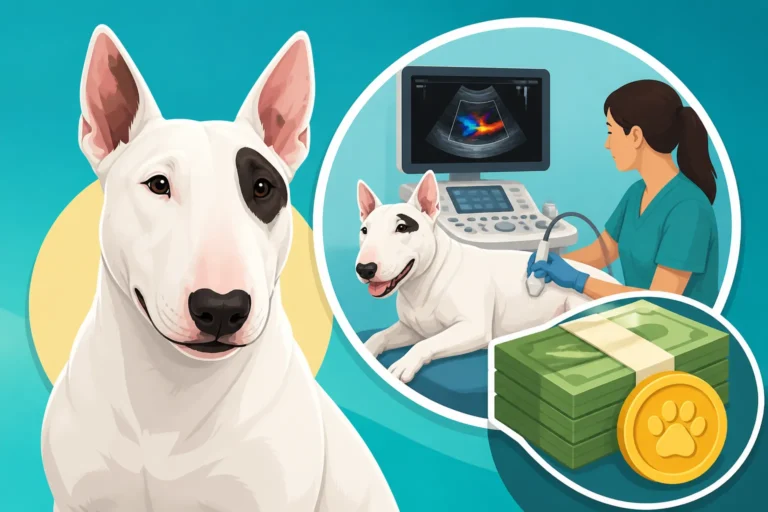
An echocardiogram is essentially an ultrasound of the heart. It allows the cardiologist to visualize the heart's chambers, valves, and major blood vessels in real-time. They can measure the thickness of the heart muscle, assess blood flow, and identify any structural abnormalities that could lead to conditions like Mitral Valve Dysplasia or Aortic Stenosis. These are two of the more common and serious congenital heart defects seen in Bull Terriers, which can range from mild to severely debilitating, potentially causing sudden death in affected individuals, even those who seem healthy. A thorough echocardiogram will reveal these issues before a dog is ever bred. The expense of What a Bull Terrier's Echocardiogram Costs is a necessary part of responsible breeding.
Common Heart Conditions in Bull Terriers
Bull Terriers are genetically predisposed to several heart conditions, making thorough screening paramount. Two particularly concerning ones are:
- Mitral Valve Dysplasia (MVD): This condition involves malformed mitral valves, which normally prevent blood from flowing backward into the left atrium when the heart contracts. With MVD, the faulty valve allows blood to leak, forcing the heart to work harder. In severe cases, this can lead to congestive heart failure.
- Aortic Stenosis (AS): This is a narrowing of the aorta, the main artery carrying blood from the heart to the rest of the body. The heart must pump much harder to force blood through this narrowed opening, which can lead to thickening of the heart muscle, arrhythmias, and sudden cardiac death, especially during exercise.
Both MVD and AS can be challenging to diagnose without an echocardiogram. A dog with mild to moderate AS or MVD might not show any outward signs for years, only for the condition to become life-threatening suddenly. Breeding dogs with these conditions risks passing them on to puppies, creating a legacy of potential heartbreak and significant veterinary costs for new owners.
What to Look for in Cardiac Health Certificates
When a breeder tells you their dogs have been heart-screened, always ask for the official cardiac certificate from the cardiologist. This isn't just a general vet check-up. The certificate should specifically state that an echocardiogram was performed by a board-certified veterinary cardiologist and include:
- Cardiologist's Credentials: Verification that a specialist conducted the exam.
- Date of Examination: Important for tracking health over time.
- Dog's Identification: Registered name, microchip/tattoo.
- Results: A clear statement that the heart is normal, or details of any anomalies found. The "clear" status should ideally be current, as heart conditions can develop later in life.
- Auscultation Findings: Even if an echo was clear, a breeder should be transparent about any murmurs detected, even if deemed innocent, and the cardiologist's assessment of them.
Any breeder who relies solely on a general veterinary auscultation, or who claims their dogs are "healthy" without this specialist cardiac evaluation, is not meeting the breed's health testing standards. Insist on seeing documented proof of a thorough echocardiogram; it's a small step that can prevent a lifetime of worry and potential medical crises for your future Bull Terrier.
The Essential BAER Test for Hearing
The unique appearance of the Bull Terrier, particularly the all-white variety, is undeniably striking. However, this distinctive coat color is genetically linked to a higher incidence of congenital deafness. Therefore, a BAER (Brainstem Auditory Evoked Response) test is an absolutely essential screening that every Bull Terrier puppy should undergo before going to its new home. It’s not a test for the parents, but for the puppies themselves, yet it’s the breeder’s responsibility to arrange and pay for it.
Why Deafness is a Concern for Bull Terriers
Deafness, particularly unilateral (one ear) or bilateral (both ears) congenital deafness, is a significant health concern in Bull Terriers, especially those with white coats. The gene responsible for producing the white coat is also linked to a lack of pigment cells in the inner ear, which are crucial for normal hearing function. While colored Bull Terriers can also be deaf, the incidence is much higher in whites. Imagine bringing home a puppy you believe to be perfect, only to discover later that it cannot hear you. This can lead to frustration, difficulty in training, and potential safety hazards if the dog cannot respond to commands or hear approaching dangers. Why a White Bull Terrier Should Be BAER Tested is a question every prospective owner should ask themselves.
While a unilaterally deaf dog can often lead a relatively normal life, owners need to be aware of the condition for safety and training purposes. A bilaterally deaf dog, however, requires specialized training methods and a much more structured, predictable environment to thrive. It's a significant commitment. A responsible breeder understands this profound impact and ensures every puppy's hearing status is known before placement.
How the BAER Test Works
The BAER test is a non-invasive, objective neurological test that measures the electrical activity of the brain in response to auditory stimuli (clicks) delivered to each ear. It determines whether sound signals are reaching the brain correctly. The puppy is usually sedated for the test to ensure it remains still, and small electrodes are placed on its head. Clicks are played through small earphones into each ear, and a computer records the brain's response. If a response is detected, the ear is hearing. If no response is detected, the ear is deaf.
The test is typically performed when puppies are around 6-8 weeks old, which is before they are ready to go to their new homes. This timing allows the breeder to know the hearing status of each individual puppy and to communicate this vital information to prospective owners. It’s important to note that the BAER test does not rely on a puppy's behavioral response; it’s a physiological measurement, meaning it's accurate and reliable regardless of the puppy's attention span or cooperation.
Understanding BAER Test Results and What They Mean
The results of a BAER test are straightforward:
- Bilateral Hearing: Both ears hear normally. This is the ideal result.
- Unilateral Deafness: One ear hears normally, and the other is deaf. The puppy can still function very well, but the owner needs to be aware of the deafness for safety and training modifications.
- Bilateral Deafness: Both ears are deaf. These puppies require specialized homes and training.
A reputable breeder will not only have every puppy in the litter BAER tested but will also provide you with the official certificate for your specific puppy. This document should include:
- Testing Facility/Veterinarian Information: Where and by whom the test was performed.
- Date of Test: To confirm it was done at the appropriate age.
- Puppy's Identification: Specific details for your puppy, such as litter identification, microchip, or description.
- Results for Each Ear: Clearly stating "hearing" or "deaf" for both the left and right ear.
A breeder who skips the BAER test for their Bull Terrier puppies is simply cutting corners. This test provides invaluable information that helps new owners prepare for and properly manage their puppy's needs, especially if any degree of deafness is present. It's a fundamental part of responsible Bull Terrier ownership and breeding.
Orthopedic Health: Patellar Luxation Screening
While perhaps not as life-threatening as LAD or Hereditary Nephritis, patellar luxation is a common and often painful orthopedic condition that can significantly impact a Bull Terrier's quality of life. Responsible breeders understand the importance of screening their breeding stock for this genetic predisposition to help ensure sound, healthy joints for future generations.
What is Patellar Luxation and Why it Matters
Patellar luxation, often referred to as a "slipped kneecap," occurs when the patella (kneecap) dislocates or moves out of its normal groove in the femur (thigh bone). This can happen suddenly and cause your dog to skip, limp, or hold its leg up. While it can occur traumatically, in many cases, it's a congenital condition, meaning the dog is born with anatomical abnormalities that predispose it to the luxation. The groove for the kneecap might be too shallow, or the alignment of the bones in the leg might be off.
This condition is graded from 1 (mild, occasional luxation) to 4 (severe, permanent luxation). While mild cases might only cause occasional skipping, more severe luxations can lead to chronic pain, arthritis, and even require expensive corrective surgery. Imagine your active, playful Bull Terrier suddenly yelping in pain or refusing to use a leg during a walk or playtime. It's a scenario that can be avoided if breeders take responsibility for screening their dogs. Ignoring patellar health in breeding stock means potentially passing on a painful, debilitating, and costly problem to puppies and their future owners.
The Screening Process and OFA Certification
Screening for patellar luxation is a relatively simple physical examination performed by a veterinarian. The vet will manually manipulate the kneecap to assess its stability and determine if it luxates and to what degree. For breeding purposes, these examinations are typically submitted to a registry like the Orthopedic Foundation for Animals (OFA) in the United States or an equivalent organization internationally. The OFA provides a standardized evaluation and certification, giving owners confidence in the results. Whether a Bull Terrier Breeder Certifies Patellas is a key question that helps identify dedicated breeders.
The OFA issues a certification for patellar luxation that indicates the grade of luxation (if any) and confirms the dog is suitable for breeding from a patellar health standpoint. It's recommended that breeding dogs have an OFA "Normal" rating for their patellas. This indicates that their kneecaps are stable and free from luxation. This certification is a public record, which adds another layer of transparency and accountability for breeders.
Long-Term Implications of Unscreened Parents
Choosing a puppy from parents who haven't been screened for patellar luxation is a gamble. If both parents carry the genetic predisposition or have subtle anatomical issues that lead to luxation, the chances of their puppies developing the condition are significantly higher. This could mean:
- Chronic Pain: Your dog might live with persistent discomfort, affecting its willingness to play, exercise, and generally enjoy life.
- Reduced Mobility: Severe luxation can lead to lameness and difficulty moving around normally.
- Arthritis: The constant friction and instability in the joint will inevitably lead to degenerative joint disease (arthritis) over time, often at a younger age than typical.
- Expensive Surgeries: Corrective surgery for patellar luxation can be costly, and often requires extensive recovery and rehabilitation.
A responsible breeder understands these implications and aims to reduce the incidence of such conditions in their lines. They will proudly show you the OFA certificates for both parent dogs, indicating their patellas are normal. This simple, inexpensive screening can save you thousands in vet bills and spare your beloved Bull Terrier from a lifetime of discomfort.
Why These Tests Are an Investment, Not an Expense
It’s easy to look at the price of a well-bred Bull Terrier puppy and wonder why it’s so much higher than puppies advertised elsewhere. The answer, in large part, lies in the significant investment a responsible breeder makes in health testing. These five crucial screenings—LAD DNA, comprehensive kidney health, cardiac evaluations, BAER testing for puppies, and patellar luxation certification—are not minor details; they are fundamental pillars of ethical breeding and a safeguard for the future health of your companion.
The True Cost of Skipping Health Testing
While a puppy from an untested litter might seem cheaper initially, it's often a false economy. The "savings" on the purchase price evaporate quickly when you're faced with the realities of caring for a dog with an inherited health issue. Imagine the devastating blow of learning your beloved puppy has LAD and will not live to see its second birthday, or that it has severe Hereditary Nephritis requiring a specialized diet, frequent vet visits, and expensive medications for the rest of its shortened life. Or perhaps your dog develops severe patellar luxation requiring thousands of dollars in surgery and physical therapy, or you discover your lively companion is completely deaf.
These aren't hypothetical scenarios; they are real possibilities when breeders cut corners on health testing. The emotional toll of watching your dog suffer, coupled with the financial strain of managing chronic conditions, far outweighs the initial difference in puppy price. Companies like Healthy Paws exist to help manage unexpected vet costs, but prevention through responsible breeding is always the best first step. Untested puppies are a gamble, and the stakes are incredibly high, both financially and emotionally. What an Untested Bull Terrier Puppy Signals is a warning sign that should not be ignored.
How Reputable Breeders Prioritize Health
Reputable Bull Terrier breeders view health testing not as an optional expense, but as an integral part of their commitment to the breed and to the families who adopt their puppies. They invest time, money, and effort into understanding the genetic predispositions of their dogs and actively working to minimize the risk of passing on inherited diseases. This includes:
- Investing in DNA tests: Like the LAD test, to ensure they understand the genetic makeup of their breeding dogs.
- Regular veterinary screenings: For conditions like Hereditary Nephritis (yearly UPCs and potentially ultrasounds) and ongoing cardiac health monitoring (echocardiograms by specialists).
- Specialized tests for puppies: Such as BAER testing for hearing in every single puppy.
- Orthopedic certifications: Like OFA for patellas, ensuring structural soundness.
- Careful pedigree research: Examining the health history of ancestral lines to make informed breeding decisions.
- Providing transparent documentation: Making all test results readily available for prospective owners, sometimes even publishing them publicly.
A breeder who genuinely cares about their dogs and the breed's future understands that the health of their breeding stock directly impacts the health and longevity of the puppies they produce. They are not simply selling puppies; they are creating lives and want those lives to be as healthy and happy as possible.
Empowering Your Decision as a Future Owner
Armed with this knowledge, you are in a much stronger position to evaluate breeders and make an informed decision. Don't be afraid to ask direct questions about health testing. A good breeder will welcome your questions and be eager to share their documentation and explain their health protocols. They will understand your concerns and appreciate that you are doing your due diligence.
Conversely, a breeder who is evasive, makes excuses, or refuses to provide documentation is a clear warning sign. Walk away. Your future Bull Terrier's health and your peace of mind are worth the extra effort. By choosing a breeder who meticulously performs these five essential health tests, you are not just buying a puppy; you are investing in a healthy, happy future for your new family member, reducing the risk of devastating health issues, and supporting ethical breeding practices that benefit the entire Bull Terrier breed. This commitment extends beyond the initial purchase, as you'll continue to support your dog's health throughout its life, with quality food from places like Chewy or Ollie, and diligent veterinary care.
Here’s a quick overview of the key health tests and what to look for:
| Test Name | What it Screens For | Why it's Important | What Documentation to Expect |
|---|---|---|---|
| LAD DNA Test | Lethal Acrodermatitis (Immune/Skin Disorder) | Prevent tragic, fatal genetic disease; identify carriers to avoid affected puppies. | Official lab report (Clear/Carrier/Affected) for both parents with ID/date. |
| Hereditary Nephritis (UPC) | Progressive Kidney Disease (Protein-losing nephropathy) | Detect early kidney damage before symptoms appear; prevent passing on kidney failure. | Annual UPC ratio reports for both parents (multiple over time) with ID/date. |
| Cardiac Echocardiogram | Congenital Heart Defects (e.g., MVD, Aortic Stenosis) | Identify structural heart issues that can lead to heart failure or sudden death. | Board-certified cardiologist's report (Normal/Abnormal) for both parents with ID/date. |
| BAER Test | Congenital Deafness (Unilateral/Bilateral) | Determine hearing status of each puppy; especially crucial for white Bull Terriers. | Official certificate for each puppy with individual results (Hearing/Deaf) and ID/date. |
| Patellar Luxation (OFA) | Slipped Kneecaps (Orthopedic instability) | Prevent painful joint issues, arthritis, and potential need for surgery. | OFA certification (Normal/Grade) for both parents with ID/date. |
Remember, What a Bull Terrier Costs to Buy in 2026 isn't just the upfront price; it's the long-term health and happiness of your dog that truly matters.
Disclaimer
This article is for general informational purposes only and does not constitute professional advice. Laws, prices and regulations vary by location and change over time. Consult a qualified professional for guidance on your specific situation.