Whether Bull Terrier Hair Sticks Into Fabric
If you're a Bull Terrier owner, or even just considering bringing one of these fabulous, fun-loving characters into your life, you've probably already encountered the unique challenge that is Bull Terrier hair. It's not just hair; it's a determined, clingy, almost magnetic presence that seems to weave itself into every fiber of your home and wardrobe. This guide isn't here to scare you, but to arm you with realistic expectations and practical strategies for managing that seemingly omnipresent Bull Terrier fuzz, helping you understand why it sticks and how to tackle it effectively.
The Unique Nature of Bull Terrier Hair
Many people assume that because a Bull Terrier has a short coat, shedding and hair management will be a breeze. Oh, if only that were true! While they might not leave tumbleweeds of fluff floating around like some long-haired breeds, Bull Terrier hair has a distinct character that makes it particularly adept at clinging to, and embedding itself within, fabrics. It’s a challenge that many owners face, and it’s important to understand what makes their coat so unique.
The Short, Stiff, and Straight Reality
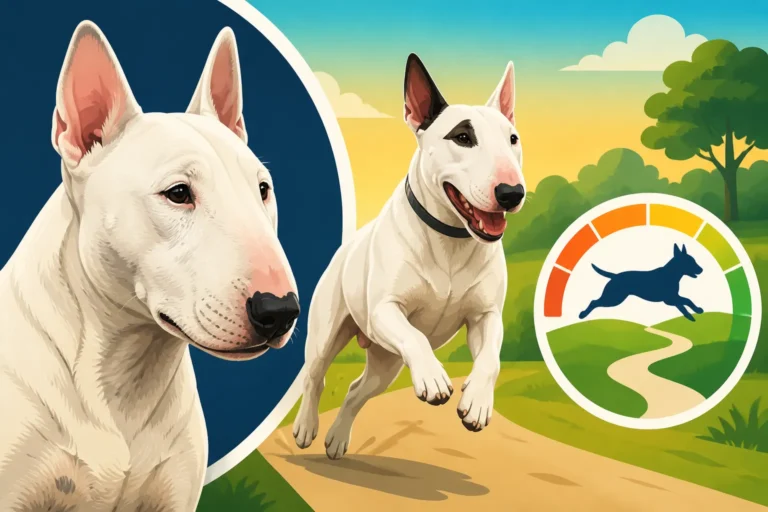
A Bull Terrier’s coat is, by standard, short, flat, harsh to the touch, and naturally glossy. It's truly a beautiful coat, reflecting light and highlighting their muscular physique. Unlike many breeds with fluffy undercoats or soft, wispy outer guards, a Bull Terrier typically has a single, dense layer of hair. This means that when a hair sheds, it doesn't float gently to the floor or collect in soft piles. Instead, each individual strand is relatively stiff and straight, more like a tiny needle than a feather. This characteristic texture is what begins the journey of its extraordinary clinginess. A Bull Terrier's Coat Is Easy and Its Skin Is Not describes this coat perfectly, and many owners quickly learn that "easy" is a relative term when it comes to keeping it off their clothes.
Consider the simple act of your Bull Terrier leaning against your leg or rubbing against the sofa. With a softer-coated dog, the hairs might gently transfer. With a Bull Terrier, those stiff, short hairs are excellent at penetrating the weave of many fabrics. They don't just sit on top; they work their way into the material, making them notoriously difficult to simply brush or wipe away. This is especially true for black or brindle Bull Terriers, where their dark, stiff hairs stand out starkly against lighter fabrics, making their presence undeniable.
Why It's Not Just "Regular" Dog Hair
So, why does this specific type of hair seem to defy gravity and lint rollers? The lack of an undercoat, while meaning less overall bulk, means every single hair that sheds is a sturdy, individual projectile. Why a Bull Terrier Has No Undercoat sheds more light on this, explaining how their single coat contributes to different shedding patterns. Imagine trying to remove a tiny pin from a piece of cloth versus a small clump of cotton. The pin, much like a Bull Terrier's hair, is designed to pierce and hold. Furthermore, these hairs are often barbed or have microscopic cuticles that act like tiny hooks, gripping onto textile fibers.
This isn't your average Golden Retriever fluff that forms easy-to-grab bundles. Instead, you get individual hairs that are almost impossible to pick out one by one. This is particularly frustrating on items you wear, where the hair quickly becomes integrated into the garment. It's not uncommon for Bull Terrier owners to find their dog's hair mysteriously embedded in freshly laundered clothes, even if the clothes were supposedly "clean" before washing. It feels like magic, but it’s really just the unique physics of their hair.
The Science Behind the Stick
It’s not just the texture of a Bull Terrier’s hair that makes it so challenging; it’s also how it interacts with the materials around us. There’s a bit of science involved in understanding why these hairs become almost one with your favorite sweater or sofa. Knowing this can help you better appreciate the problem and choose the right solutions.
Electrostatic Cling and Fabric Fibers
One of the biggest culprits behind the "sticky" nature of Bull Terrier hair is static electricity. Much like when you rub a balloon on your head, friction between your Bull Terrier's coat and fabrics, or even just the air, can generate static charges. These charges literally make the hair stand up and leap onto oppositely charged surfaces, which are often the synthetic fibers found in many modern clothes, upholstery, and carpets. It's a silent, invisible force that makes hair attachment incredibly efficient.
Consider a freshly washed fleece blanket or a pair of synthetic leggings. These materials are notorious for building up static electricity. When your Bull Terrier lays on them or brushes against them, the hairs are not just shed; they are actively attracted to and glued onto the fabric by these electrostatic forces. Once attached, their stiff, short nature means they lie flat against the fabric, often going under other fibers, making them even harder to dislodge. You might try to wipe them off, only to find them clinging even tighter, almost as if they're laughing at your efforts.
The "Velcro Effect" on Upholstery and Clothing
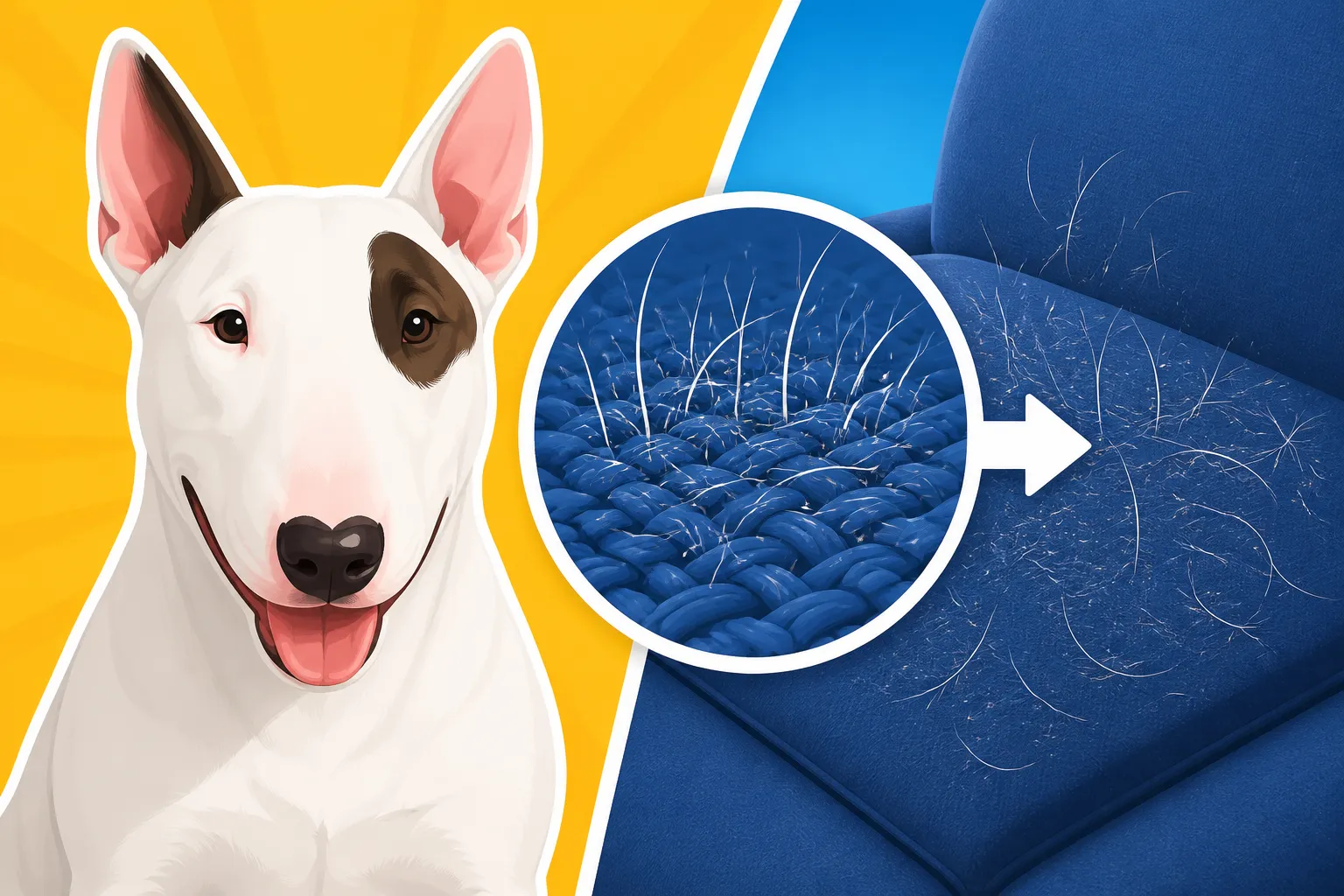
Beyond static, the physical structure of both the hair and the fabric plays a crucial role. Many fabrics, especially those with an open weave or textured surface like tweed, corduroy, velvet, or even tightly woven denim, act like a perfect receptor for Bull Terrier hair. The hairs, being short and stiff, don't just sit on the surface; they actually work their way into the loops and gaps of the fabric weave. This creates a "Velcro effect" where each hair becomes individually hooked or embedded.
Think about pulling a dog bed cover out of the washer. Even after a thorough wash cycle, you might still find hairs stubbornly clinging to the fabric. This is because water alone often isn't enough to break the physical bond created by the hairs embedding themselves within the fabric fibers. The same goes for your favorite pair of black jeans – after one cuddle session, you might find tiny, white Bull Terrier hairs woven so deeply into the denim that they seem impossible to remove without specialized tools. This is the reality many Bull Terrier owners face daily, and it’s what makes finding effective removal methods so essential.
Strategies for Hair Management and Removal
Living with a Bull Terrier means accepting a certain level of hair in your life, but it doesn't mean surrender! There are plenty of proactive management techniques and effective removal strategies you can employ to keep your home and wardrobe from turning into a fuzzy nightmare. It’s all about consistency and using the right tools for the job.
Daily Grooming for Prevention
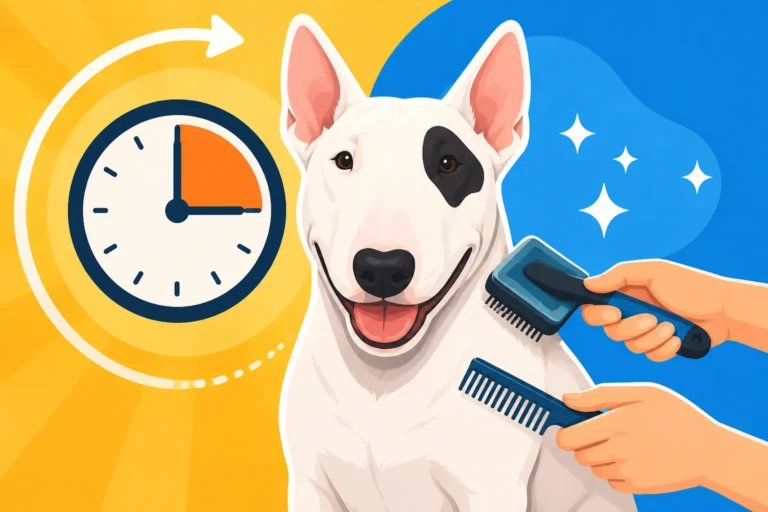
The first line of defense against clinging Bull Terrier hair is consistent grooming. Even with a short coat, regular brushing can significantly reduce the amount of loose hair available to shed and attach to your belongings. For Bull Terriers, tools like rubber curry brushes or grooming gloves are incredibly effective. These tools gently massage the skin, stimulating blood flow, while also grabbing onto loose, dead hair before it has a chance to fall off onto your sofa. I often find a good rubber brush is far more effective than a traditional bristly brush for this type of coat. You can find excellent options on Chewy or Amazon that are specifically designed for short-coated breeds. How Often a Bull Terrier Needs Brushing and Whether a Rubber Curry Suits a Bull Terrier offer more detailed advice on this.
Another important aspect is bathing. While you don't want to over-bathe and dry out their sensitive skin, regular baths, perhaps every 4-6 weeks, can help remove dead hair and dander. Using a good quality shampoo designed for dogs, followed by a conditioner, can also promote a healthier coat, which in turn might shed less. Which Shampoo Suits a Bull Terrier's Skin is a great resource if you're wondering what to use. After a bath, a good toweling and a quick brush can lift even more loose hair.
Tackling Hair on Different Fabrics
Different fabrics require different approaches when it comes to hair removal. What works wonders on a cotton t-shirt might be useless on a velvet couch.
- Clothing: For surface hair on clothes, traditional lint rollers are a quick fix, but for embedded hairs, you'll need more power. A damp rubber glove (like those used for washing dishes) rubbed across the fabric can create static and friction, pulling hairs into clumps. Dryer sheets tossed into the dryer with clothes can also help reduce static and loosen hair, making it easier for the lint trap to catch.
- Upholstery: Your sofa and chairs are prime targets for Bull Terrier hair. A good quality pet hair vacuum attachment is indispensable here. Many specialized pet vacuums come with rubberized brushes that are designed to agitate and lift embedded hair. For quick cleanups or hard-to-reach spots, a damp sponge, squeegee, or even a rubber broom head can effectively rake up hair from upholstery and carpets. Products specifically designed for pet hair removal on furniture, often available through retailers like Amazon, utilize unique textures or electrostatic properties to lift embedded hairs.
- Car Interiors: This is another battlefield for Bull Terrier owners! The carpet and fabric in your car can become a magnet for those stiff hairs. Again, a powerful vacuum with a strong suction and a dedicated pet hair tool is your best friend. For stubborn areas, a pumice stone or a rubber-bristled brush can work wonders to dislodge deeply embedded hairs from carpet and fabric seats.
Household Tools and Products That Help
Having a dedicated arsenal of hair removal tools on hand can make all the difference.
| Tool/Method | Best Use Case | Effectiveness on Bull Terrier Hair | Notes |
|---|---|---|---|
| Rubber Brush/Glove | Daily grooming, furniture | High | Creates static to attract hair, easy to rinse clean. |
| Lint Roller (Sticky Sheet) | Clothing, quick touch-ups on light fabrics | Moderate-High | Good for surface hair, less effective for deeply embedded strands. Replace sheets often. |
| Pet Hair Vacuum (with special attachment) | Upholstery, carpets, car interiors, pet beds | High | Essential for deep cleaning; look for models with strong suction and rubberized brushes. |
| Damp Cloth/Sponge | Upholstery, car seats, hard floors (pre-vacuum) | High | Creates static and clumps hair; effective for embedded hair when rubbed firmly. |
| Rubber Squeegee/Window Wiper | Carpets, rugs, large upholstered areas | High | Excellent for raking up deeply embedded hair into piles. |
| Dryer Sheets | Laundry (in dryer cycle) | Moderate | Reduces static cling, helps hair release from clothing to be caught in the lint trap. |
| Pumice Stone/Pet Hair Stone | Car carpets, tough upholstery areas | High | Very effective for scraping embedded hairs from durable fabrics, use with care to avoid damage. |
Beyond these, consider investing in washable furniture covers for your favorite spots, especially if your Bull Terrier loves to cuddle on the couch. These can be easily removed and laundered, keeping your actual furniture cleaner. For laundry, consistently using the dryer on a "no heat" or "air fluff" setting for 10-15 minutes before washing can loosen a lot of hair into the lint trap, preventing it from embedding further during the wash cycle. Remember, consistency is key when How Much a Bull Terrier Sheds becomes a daily reality.
Living With a Shedding Bull Terrier
While no amount of cleaning will ever make a Bull Terrier household entirely hair-free, adopting some specific habits and shifting your mindset can make the reality of their clingy hair much more manageable. It’s about creating a harmonious environment where both you and your beloved Bull Terrier can thrive without constantly battling dog hair.
Creating Hair-Friendly Zones
Since Bull Terrier hair is such a formidable opponent, one of the most effective strategies is to limit its spread and concentrate its presence. This starts with designating specific "Bull Terrier zones" in your home. Perhaps your dog has their own special bed in the living room, covered with a washable blanket. Or maybe they have a designated spot on the sofa where you've laid down a durable, easily washable throw. This isn't about excluding them, but about consciously managing where the bulk of their shedding occurs. Think about materials that naturally repel hair or are easy to clean. Leather or faux leather furniture, for example, is much easier to wipe clean than textured fabric. Hardwood, tile, or laminate floors are also simpler to sweep or vacuum than wall-to-wall carpeting.
Consider investing in specific car seat covers designed for pets. These are often made from durable, waterproof materials that are easy to shake out or wipe down, protecting your car's upholstery from a constant accumulation of short, stiff hairs. When you travel with your Bull Terrier, having these protective layers can be a real sanity saver. How a Bull Terrier Rides in a Car delves into practical tips for vehicle travel, and effective hair management is definitely a part of that.
The Mindset Shift: Accepting the Reality
Ultimately, living with a Bull Terrier means accepting that dog hair will be a part of your life, especially those persistent strands that seem to defy all removal attempts. It’s a small trade-off for the joy, laughter, and endless affection these incredible dogs bring into our homes. Instead of fighting every single hair, sometimes it's about embracing the reality and focusing on maintaining a reasonable level of cleanliness. After all, a perfectly spotless home often means a very lonely Bull Terrier!
This shift in perspective can alleviate a lot of stress. Regular grooming, as discussed, is your best preventative measure, along with consistent vacuuming and having your favorite hair-removal tools handy. Don't be afraid to keep a lint roller by the door for a quick swipe before you head out. Understand that a small amount of hair is simply a badge of honor for being a loving Bull Terrier parent. While Whether a Bull Terrier Is a Healthy Breed focuses on genetic health, a healthy coat is also a sign of a well-cared-for dog, and a healthy coat will still shed. Learning to live with it means appreciating the whole package – the goofiness, the loyalty, and yes, the ever-present, clingy hairs that remind you of the wonderful companion by your side.
Disclaimer
This article is for general informational purposes only and does not constitute professional advice. Laws, prices and regulations vary by location and change over time. Consult a qualified professional for guidance on your specific situation.