Why a Bull Terrier Has No Undercoat
Many Bull Terrier owners, especially those new to the breed, often find themselves surprised by the distinct characteristics of their dog's coat. Despite its short, sleek appearance, a Bull Terrier's fur isn't quite like that of other short-haired breeds. This can lead to unexpected challenges, from how much they shed to their sensitivity to weather changes. This guide will delve into the specific nature of the Bull Terrier's coat, explaining precisely why it lacks an undercoat and what this means for their care, comfort, and overall well-being.
The Bull Terrier's Distinctive Single Coat: A Closer Look
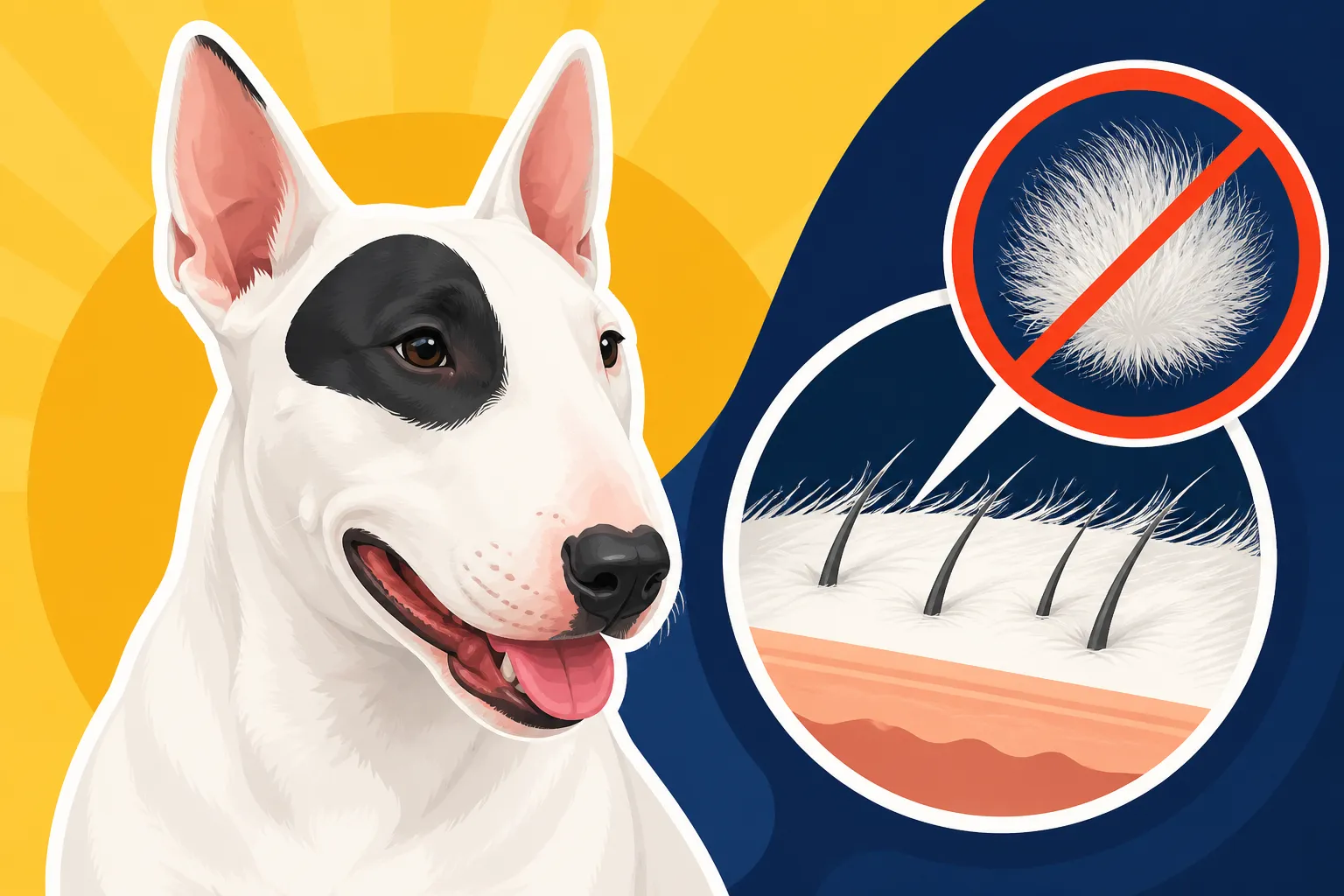
When you run your hand over a Bull Terrier's coat, you'll immediately notice its unique texture: short, flat-lying, and often described as harsh or coarse to the touch. This isn't just a surface characteristic; it's a fundamental aspect of their physiology rooted in their breed standard and genetic makeup. Unlike many other breeds, the Bull Terrier possesses what's known as a single coat, meaning it completely lacks the dense, insulating undercoat found in double-coated dogs.
What is an Undercoat Anyway?
To truly understand why a Bull Terrier's single coat is so unique, it helps to first grasp what an undercoat actually is. Most dogs, especially those bred for colder climates or to work outdoors, have a double coat. This consists of two distinct layers: an outer coat of longer, coarser guard hairs that protect against elements like rain, snow, and thorns, and a soft, dense, insulating undercoat close to the skin. This undercoat is made up of fine, downy hairs that act like a built-in thermal layer, trapping air to keep the dog warm in winter and helping to regulate body temperature in warmer months by shedding. Think of it like wearing a thermal shirt under a waterproof jacket – both layers serve distinct protective functions.
Why the Bull Terrier Doesn't Have One
The absence of an undercoat in a Bull Terrier isn't an anomaly; it's a deliberate trait that became part of their breed standard during their development. When James Hinks was refining the Bull Terrier in 19th-century England, his focus was on creating a dog with a clean, powerful, and distinctive appearance, favoring a sleek, smooth coat. The breeds that contributed to the Bull Terrier's lineage, such as the English White Terrier and possibly some smooth-coated varieties, likely passed on genes for a single coat. This type of coat was associated with a "cleaner" look, less prone to matting, and perhaps believed to require less maintenance, fitting the desired image of the "White Cavalier" – a gentleman's companion. Genetically, it means they simply don't have the genes that produce that secondary layer of fine, woolly hair.
The Texture and Feel of a Bull Terrier's Coat
Because a Bull Terrier only has guard hairs, their coat feels quite different from a dog with a plush, soft undercoat. There's no fluffiness to it; it's uniformly short and firm. While some might describe it as "hard," it's more accurately a strong, protective outer layer. This sleekness contributes to their iconic silhouette, emphasizing their muscular build and distinctive head shape. It's truly a no-fuss coat in terms of tangles, but its simplicity comes with its own set of care considerations. Owners often note that Why a Bull Terrier's Coat Feels Harsh is a consistent characteristic, reflecting this single-layer design.
Implications for Shedding and Grooming
Just because a Bull Terrier doesn't have an undercoat doesn't mean you're off the hook for shedding. This is one of the biggest surprises for new owners, who often assume a short, single coat equates to minimal hair around the house. Oh, if only that were true!
Yes, They Still Shed – A Lot
It's a common misconception that double-coated dogs are the only heavy shedders. While they do "blow" their undercoat seasonally in dramatic fashion, single-coated breeds like the Bull Terrier shed year-round. Their short, stiff hairs are constantly being replaced, and because they're so fine and light, they can embed themselves into carpets, furniture, and clothing with surprising tenacity. You might not see large clumps of fur like you would with a husky, but you'll notice a steady accumulation of individual hairs on almost everything you own. It's a low-volume, high-frequency kind of shedding that demands regular attention. How Much a Short Coated Bull Terrier Actually Sheds is a question many new owners quickly learn the answer to!
Brushing and Bathing Without an Undercoat
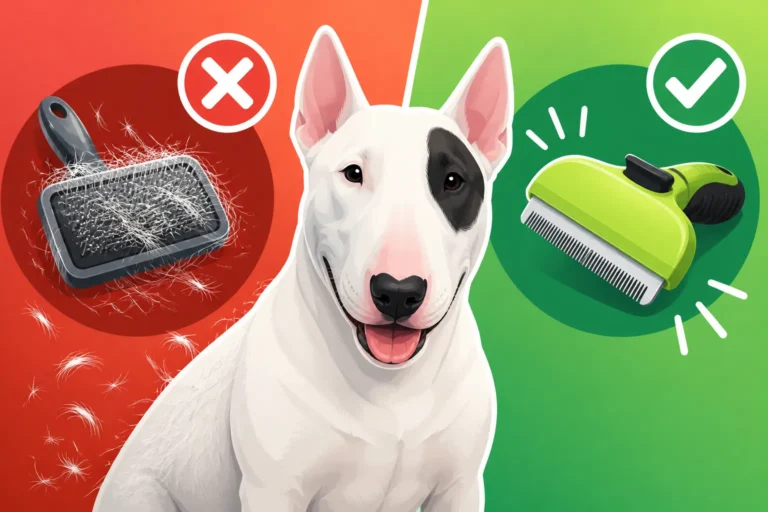
Grooming a Bull Terrier is generally straightforward, but it requires consistency to manage shedding and maintain skin health. Regular brushing is key. You might find that a good rubber curry brush, widely available on sites like Chewy, is incredibly effective at loosening and removing dead hairs. Brushing a few times a week, or even daily during heavier shedding periods, can significantly reduce the amount of hair that ends up on your sofa. Unlike double-coated breeds where you need to get through the guard hairs to the undercoat, with a Bull Terrier, you're just removing the outer layer of shedding fur directly.
When it comes to bathing, the lack of an undercoat means they dry relatively quickly, which is a definite perk. However, their skin is more exposed, so choosing the right shampoo is important to avoid irritation. Opt for gentle, moisturizing formulas specifically designed for sensitive skin. How Often a Bull Terrier Should Be Bathed often depends on their activity level and skin needs, but generally, a bath every few weeks to a month is sufficient.
Managing Hair Around the House
Living with a Bull Terrier means accepting that some hair will always be present. However, you can certainly minimize its impact. Regular vacuuming is your best friend, especially with tools designed for pet hair. Lint rollers will become indispensable for your clothes before you head out the door. Investing in washable throws for furniture can also save your upholstery. Some owners even find that light, fitted dog shirts can help contain shedding hair, especially when traveling or visiting friends. The key is to be proactive; waiting until you see a visible layer of hair means you're already behind!
Protecting That Unique Skin and Coat
The Bull Terrier's single coat isn't just about aesthetics; it has significant implications for their physical well-being, particularly regarding temperature regulation and skin vulnerability. What seems like a low-maintenance coat actually requires extra vigilance in certain areas.
Sun Protection is Paramount
One of the most critical aspects of caring for a Bull Terrier's single coat, especially for white Bull Terriers, is sun protection. Without an undercoat to provide an extra layer of defense, their skin is much more susceptible to sunburn. White Bull Terriers, with their lighter pigmentation, have particularly delicate pink skin that can burn in a surprisingly short amount of time. Just like people, sunburn can be painful for dogs and significantly increases the risk of skin cancer over time.
You'll need to be mindful of sun exposure, especially during peak hours. If your Bull Terrier loves to lounge in a sunbeam, make sure it's not for too long, or consider a dog-safe sunscreen. For white Bull Terriers, or any Bull Terrier spending time outdoors, investing in canine-specific sunscreen or light UV-protective clothing from retailers like Amazon can be a lifesaver. Always check their ears, nose, and belly for redness after outdoor activities. Why a White Bull Terrier Sunburns is a constant concern for owners of these striking dogs.
Sensitivity to Cold Weather
The lack of an undercoat means Bull Terriers don't have that natural thermal insulation layer. This makes them much more sensitive to cold weather than many other breeds. While they might tolerate a quick dash outside in chilly temperatures, prolonged exposure can quickly lead to them feeling uncomfortably cold or even developing hypothermia. They simply don't have the built-in protection of a thick, fluffy undercoat.
When the temperatures drop, you'll notice your Bull Terrier shivering, hunching, or trying to find warm spots. This means it's time to bring them inside or provide them with appropriate cold-weather gear. Cozy dog sweaters or coats are not just a fashion statement for Bull Terriers; they are a necessity for walks and outdoor potty breaks in colder climates. Many owners find themselves debating Whether a Bull Terrier Needs a Coat in Winter – and the answer is almost always yes.
Skin Health Concerns
With their exposed skin, Bull Terriers can be prone to various skin issues. Allergies, irritations, and dryness can manifest more readily without the protective barrier of a dense undercoat. They can develop environmental allergies to grass or pollen, or food sensitivities that show up as skin redness, itching, or hot spots. Regular visual checks of their skin are crucial, especially during grooming sessions. You're looking for any unusual redness, bumps, flaking, or excessive licking or scratching that could indicate a problem.
A high-quality diet, perhaps one similar to those offered by fresh food providers like Ollie, can also make a noticeable difference in the luster of their coat and overall skin resilience. Supplements like fish oil, rich in Omega-3 fatty acids, are often recommended by veterinarians to support skin and coat health. Knowing that A Bull Terrier's Skin Is Its Weakest Point can help you stay proactive in their care.
Breed History and the Single Coat: A Designed Trait
The Bull Terrier's single coat is a testament to its intentional development, highlighting the choices made by early breeders to sculpt the breed into the distinct animal we know today. It wasn't an accidental feature, but rather part of a careful selection process that prioritized certain characteristics.
How the "White Cavalier" Was Achieved
When James Hinks began his ambitious project in the mid-19th century, he was aiming for a dog that was powerful and courageous, yet also refined and gentlemanly – a "White Cavalier" that exuded elegance rather than brute aggression. Part of this vision included a pristine, all-white coat. Achieving this pure white meant selectively breeding dogs that lacked the denser, often colored, undercoats. The sleek, single coat not only contributed to the aesthetic of purity and strength but also emphasized the clean lines and muscularity of the dog. It was a conscious decision to move away from the rougher, often grizzled coats of some of their ancestors, creating a breed with a strikingly smooth finish that remains iconic.
Modern Breeding Practices and Coat Health
Today, responsible Bull Terrier breeders understand the implications of the single coat and prioritize skin health as much as conformation. While the breed standard still calls for that harsh, flat, single coat, breeders are keenly aware of the genetic predispositions to skin sensitivities and allergies that can arise when the skin is more exposed. They aim to produce dogs with resilient skin and a coat that, while lacking an undercoat, is robust and healthy. This often involves careful selection of breeding pairs and encouraging prospective owners to maintain a diligent skincare routine.
| Feature | Single Coat (Bull Terrier) | Double Coat (e.g., Husky, Golden Retriever) |
|---|---|---|
| Layers | One layer: Outer guard hairs only | Two layers: Outer guard hairs + soft, dense undercoat |
| Texture | Short, flat-lying, harsh/stiff to the touch | Outer: Coarse; Under: Soft, downy, fluffy |
| Insulation | Minimal; poor heat retention in cold, less protection from heat | Excellent; insulates against both cold and heat |
| Shedding Pattern | Sheds consistently year-round, fine hairs | Sheds heavily seasonally (blows coat), moderate shedding otherwise |
| Drying Time | Dries relatively quickly | Dries slowly due to dense undercoat |
| Sun Protection | Lower; skin more susceptible to sunburn | Higher; undercoat provides extra barrier |
| Grooming Needs | Regular brushing to remove shedding hairs; skin checks essential | Regular brushing to prevent mats; seasonal de-shedding required |
| Weather Adapt. | Needs external protection (coats) in cold; shade in sun | Generally better adapted to extreme temperatures |
Living Comfortably with a Single-Coated Bull Terrier
Understanding your Bull Terrier's unique coat type is the first step in providing them with the best possible care. It's about recognizing their specific needs and adapting your routines to ensure their comfort and health.
Adapting to Temperature Extremes
Because your Bull Terrier lacks that insulating undercoat, you'll need to be their personal climate control expert. In colder months, don't just rely on their activity level to keep them warm. A warm coat or sweater is essential for walks, and ensuring they have a cozy, draft-free place to sleep indoors is vital. When temperatures really plummet, keep outdoor time brief.
Conversely, in warm weather, their single coat doesn't offer much protection against overheating. While they don't have a thick undercoat to trap heat, their skin is still exposed to direct sun. Always provide plenty of shade and fresh water. Avoid exercising them during the hottest parts of the day. A cooling mat can be a wonderful addition to their indoor space, giving them a spot to chill out. Remember, How Well a Bull Terrier Handles Cold and How Well a Bull Terrier Handles Heat are important considerations for every owner.
Proactive Skin and Coat Care
Given the Bull Terrier's predisposition to skin sensitivities due to their exposed skin, a proactive approach to their care is crucial. This means more than just occasional baths. It means a regular schedule of skin checks, perhaps as part of your weekly grooming routine. Look for any unusual redness, flaking, bumps, or areas where they seem to be scratching or licking excessively. Early detection of issues can prevent them from becoming more severe.
Consider adding skin-supporting supplements to their diet if recommended by your vet, such as fish oil or other Omega fatty acids. These can help maintain skin barrier function and coat luster from the inside out. Be mindful of environmental irritants; if you notice your Bull Terrier gets itchy after walks in tall grass, a quick wipe down of their paws and belly can make a big difference. A Bull Terrier's Skin Is Its Weakest Point, so consistent, gentle care is your best defense.
The Myth of the "Hypoallergenic" Short Coat
Finally, it's worth addressing the common misconception that short-haired or single-coated dogs are "hypoallergenic." Unfortunately, this isn't true for Bull Terriers, or really any dog breed. Allergies in humans are typically triggered by dander (shed skin cells), saliva, and urine, not just the hair itself. While a short-coated dog might release less hair into the environment, they still produce dander and saliva. So, while you might find less hair on your clothes compared to a long-haired dog, a Bull Terrier is not a hypoallergenic breed. Understanding this helps manage expectations for individuals with allergies who might be considering the breed.
The Bull Terrier's single coat is truly one of its distinguishing features, central to its iconic look and feel. By appreciating why they don't have an undercoat and understanding the specific care considerations this entails, you can ensure your unique Bull Terrier lives a comfortable, healthy, and happy life right by your side.
Disclaimer
This article is for general informational purposes only and does not constitute professional advice. Laws, prices and regulations vary by location and change over time. Consult a qualified professional for guidance on your specific situation.