How Far an Aging Bull Terrier Should Still Run
It's heartbreaking to realize our vibrant, energetic Bull Terriers, who once seemed to have endless zoomies and boundless enthusiasm for a good run, are starting to show the signs of age. Owners often struggle with the difficult question of how much is too much, or how little is too little, when it comes to keeping their senior Bull Terrier active. This guide will walk you through understanding your aging Bull Terrier's changing needs, how to adjust their exercise routine safely, and what proactive steps you can take to keep them comfortable and happy as they continue to enjoy their daily adventures, albeit at a different pace.
Understanding Your Senior Bull Terrier's Changing Body
Just like us, our Bull Terriers experience a whole host of physical changes as they age. What was once a tireless athlete, ready to chase a ball for what felt like hours, might now prefer a leisurely stroll. Recognizing these shifts isn't about giving up on activity, but rather about adapting to ensure their comfort and prevent injury. It’s crucial to remember that denying them appropriate exercise can lead to muscle loss and further health issues, so finding the right balance is key.
When "Senior" Really Starts for a Bull Terrier
For many Bull Terrier owners, the question of when their dog officially becomes "senior" can be a bit nebulous. Generally, Bull Terriers are considered to be entering their senior years around the age of eight. This isn't a hard and fast rule, of course; some individual dogs might show signs earlier, especially if they've had a particularly active life or pre-existing conditions, while others might remain remarkably spry well into their later years. It really comes down to observing your specific dog and noting those subtle shifts in energy, mobility, and recovery time. The age of eight, however, is a good benchmark to start paying closer attention to their overall well-being and health needs. You can learn more about The Age a Bull Terrier Is Considered Senior.
It’s not just about a chronological number, though. Think of it more as a gradual transition. One day you might notice they're a little slower to get up from their nap, or they don't quite leap into the car with the same gusto. These are often the first quiet whispers of age. It's not a sudden cliff edge but a gentle slope, and understanding this helps us adapt our expectations and care routines gradually, rather than making abrupt changes that might confuse or upset them. Patience and close observation become your best tools during this period.
The Physical Realities of Aging Joints and Muscles
As Bull Terriers age, their bodies undergo predictable changes. Cartilage in their joints can thin, leading to conditions like arthritis, which can make movement painful. Their muscles might lose some mass and tone, making them less powerful and less resilient. This reduction in muscle mass, sometimes referred to as sarcopenia, is a natural part of aging and can make previously easy tasks, like jumping onto the couch or climbing stairs, more challenging. Whether an Aging Bull Terrier Loses Muscle delves into this in more detail. These changes mean that the impact of running, especially on hard surfaces, can be much harder on their bodies than it once was.
Beyond the obvious, aging can also affect their connective tissues, making them less elastic and more prone to injury. Their reflexes might slow, and their balance could become less reliable. Imagine trying to run a marathon with stiff knees and tired muscles – that’s a bit like what some older dogs might experience. It’s not that they don’t want to run with you; it’s that their bodies simply can’t keep up or recover as quickly as they used to. This is where we, as their devoted caregivers, need to step in and modify their routine to prevent discomfort and potential harm.
Hidden Health Concerns That Impact Stamina
While obvious joint pain is a common indicator of aging, there are several less visible health issues that can severely impact an aging Bull Terrier's ability and desire to run. Heart conditions, for example, can reduce their stamina and make even moderate exercise challenging. The Heart Murmur a Bull Terrier Puppy Should Be Checked For talks about initial heart screenings, but these issues can develop later in life. Kidney disease, which is unfortunately common in Bull Terriers, can also lead to lethargy and reduced energy, making prolonged activity difficult. Signs a Bull Terrier's Kidneys Are Failing can help you spot these issues early.
Thyroid imbalances, like hypothyroidism, can cause weight gain and a general slowdown in metabolism, draining their energy reserves. Whether a Bull Terrier Gets Hypothyroidism is a good read if you're concerned about this. Even dental pain can make them less eager to engage, as chronic discomfort can sap their overall vitality. Regular veterinary check-ups are absolutely essential to catch these underlying conditions early. Sometimes, a seemingly simple reluctance to run is a critical clue to a more serious medical problem that needs addressing. Never assume it's just "old age"; always get it checked out.
Assessing Your Bull Terrier's Running Capacity
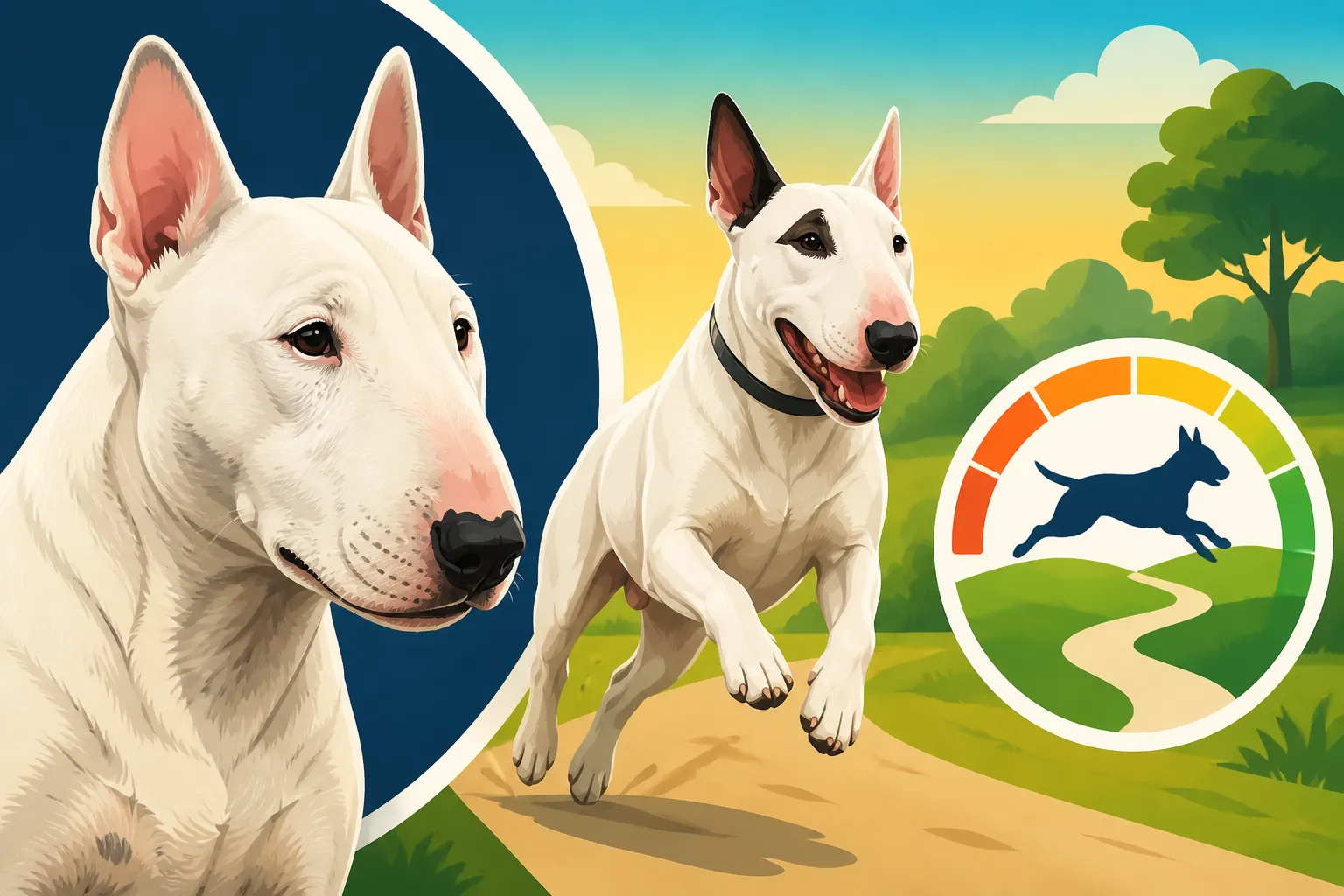
So, how do you figure out how far your aging Bull Terrier should still run? There's no universal magic number. It's a highly individualized assessment that requires your keen observation, regular vet input, and a healthy dose of common sense. Pushing them too hard can cause pain and injury, but restricting them too much can lead to boredom, weight gain, and further muscle atrophy. It's a delicate balance, and you are the best judge of your dog's capabilities.
Observing Their Natural Pacing and Enthusiasm
Start by paying very close attention to your Bull Terrier's behavior before, during, and after any physical activity. Before a walk or run, do they still greet you with a wagging tail and an eager bounce, or do they seem hesitant? During the activity, watch their gait. Is it fluid and joyful, or do they seem a bit stiff, perhaps lagging behind, or even bunny-hopping on certain legs? Do they start strong but quickly tire, needing more frequent breaks? How Far a Bull Terrier Should Walk Before It Gets Silly explores the nuances of their energy levels.
Equally important is observing their recovery. Do they seem unusually stiff or sore the next day? Are they reluctant to get up, or do they limp after a longer outing? If you notice them favoring a leg, licking their joints excessively, or showing signs of discomfort (panting heavily, lagging, wanting to stop), these are undeniable signals that the current level of activity is too much. Your dog can't tell you in words, but their body language speaks volumes. Always err on the side of caution and adjust immediately if you see any signs of distress.
The Importance of Regular Vet Check-ups
This cannot be stressed enough: regular veterinary check-ups are non-negotiable for an aging Bull Terrier. Your vet can provide an objective assessment of their joint health, muscle condition, and overall organ function through physical exams, bloodwork, and sometimes imaging. They can identify subtle signs of arthritis, heart disease, or other conditions that might limit their physical capabilities long before they become obvious to you. For instance, annual urine protein-creatinine ratio (UPC) tests are vital for monitoring kidney health, which is a known concern in the breed. How Often an Aging Bull Terrier's Kidneys Should Be Checked details this essential practice.
Your vet can also help you develop an appropriate exercise plan, suggest pain management options if needed, and recommend dietary changes or supplements. They might even recommend specific diagnostic tests, such as X-rays for suspected arthritis or an echocardiogram for heart concerns, to get a clearer picture of what's happening internally. Think of your vet as your partner in navigating your Bull Terrier’s golden years; their expertise is invaluable in keeping your dog comfortable and active for as long as possible.
Gradual Introduction and Observation Post-Exercise
When you're trying to figure out the right amount of running for your senior Bull Terrier, the best approach is always gradualism. Don't suddenly decide they can't run at all, but also don't try to replicate their youthful sprints. Start with very short, controlled bursts of running during walks, perhaps just a block or two, and then observe them closely for the next 24-48 hours. How do they feel? Are they moving freely, or are they stiff?
Increase the duration or intensity incrementally, and always be prepared to scale back if you notice any adverse reactions. It's like a scientific experiment with your beloved dog as the subject. Keep a mental (or even written) log of how they respond to different activity levels. This helps you establish a baseline and understand their individual limits. A short, joyful run that leaves them invigorated and not sore is always better than a long, strenuous one that leaves them miserable for days.
Adjusting the Running Routine for Comfort and Health
Once you've assessed your Bull Terrier's current capabilities, it's time to adapt their exercise routine. This isn't about stopping activity altogether, but rather about modifying it to suit their changing body. The goal is to keep them mentally stimulated and physically active without causing pain or exacerbating existing conditions. It's about quality over quantity, and ensuring every outing is a positive experience.
Prioritizing Shorter, More Frequent Outings
Instead of one long, arduous run or walk, consider breaking up their exercise into several shorter, more frequent outings throughout the day. For example, two or three 15-20 minute brisk walks with a few short bursts of controlled jogging might be far more beneficial than a single 45-minute jog. This approach allows their joints and muscles to warm up gradually, prevents them from becoming overly fatigued, and gives them more opportunities to rest and recover. It also spreads out their mental stimulation, which is just as important for an aging dog.
Think about the time of day, too. Avoid the hottest parts of the day in summer and the coldest times in winter. The morning and late afternoon are often ideal for senior dogs, offering milder temperatures and softer ground. Concrete and asphalt can be tough on sensitive joints, so seek out grassy areas or soft trails when possible. These shorter, more thoughtful outings keep them engaged and mobile without pushing their bodies beyond their comfortable limits.
Incorporating Low-Impact Activities
Running isn't the only way to keep a Bull Terrier active and happy. As they age, low-impact activities become incredibly valuable. Swimming is often fantastic for senior dogs, as it provides a full-body workout without any impact on their joints. If your Bull Terrier enjoys water, a session in a dog-friendly pool or a calm lake can be incredibly therapeutic. Even simply walking in waist-deep water can provide gentle resistance and strengthen muscles.
Other low-impact ideas include nose work, where they use their incredible sense of smell to find hidden treats or toys. This is wonderfully mentally stimulating and requires minimal physical exertion. Gentle leash walks on soft surfaces, puzzle toys, and short, structured play sessions with soft toys can also keep them engaged. The key is to challenge their minds and bodies in ways that don't put undue stress on their aging frames. Whether an Aging Bull Terrier Still Spins is a good question to ask yourself if you see them engaging in repetitive behaviors – sometimes mental stimulation can help.
Here’s a quick overview of suitable activities:
| Activity Type | Young Bull Terrier (Under 7) | Senior Bull Terrier (8+) | Benefits for Seniors |
|---|---|---|---|
| Running/Jogging | Long distances, high intensity, varied terrain | Short bursts, gentle pace, soft surfaces | Cardiovascular health, mood boost, controlled energy release |
| Walking | Long, brisk walks, hiking | Shorter, frequent, leisurely walks | Joint mobility, mental stimulation, bonding |
| Swimming | Vigorous play, retrieving | Gentle laps, water therapy | Full body, low-impact, muscle strengthening |
| Fetching | High-speed, repetitive | Fewer throws, shorter distances, soft toys | Play drive satisfaction, light exercise |
| Nose Work/Puzzles | Can incorporate into high-energy games | Primary mental enrichment, low impact | Cognitive function, reduces boredom, calming |
| Dog Park Visits | Energetic play with other dogs | Supervised, quiet times, known playmates | Social interaction, gentle exploration |
The Critical Role of Warm-ups and Cool-downs
Just like human athletes, senior dogs benefit immensely from proper warm-up and cool-down routines. Before any strenuous activity, even a brisk walk, spend 5-10 minutes with a very slow, gentle walk. This helps to increase blood flow to their muscles, lubricate their joints, and generally prepare their body for movement. You might even include some gentle range-of-motion exercises, slowly flexing and extending their legs (under vet guidance, of course).
After the activity, a similar cool-down period is important. A slow walk for another 5-10 minutes helps their heart rate return to normal, prevents blood pooling, and can reduce muscle soreness. A gentle massage, especially on their legs and back, can also be a wonderful way to ease any stiffness and increase comfort. This ritual of preparation and recovery becomes even more important as they age, making their exercise experiences more comfortable and enjoyable.
Supporting Your Aging Runner Through Nutrition and Care
Exercise is only one piece of the puzzle. To truly support your aging Bull Terrier's ability to remain active, you need to look at their entire lifestyle, especially their diet and overall care. A holistic approach can make a world of difference in their comfort, energy levels, and longevity. This includes ensuring they get the right nutrients and that their home environment is supportive of their changing physical needs.
Tailoring Their Diet to Senior Needs
As Bull Terriers age, their metabolic rate often slows down, and their activity levels may decrease. This means their caloric needs might change, and they become more prone to weight gain, which puts extra strain on their joints. Maintaining a lean body weight is one of the single most important things you can do to support an aging dog's mobility and overall health. How Often an Aging Bull Terrier Should Be Weighed is crucial for monitoring this. Look for senior-specific dog foods that are often lower in calories but still provide complete and balanced nutrition. Many brands like Chewy offer a wide range of senior dog food options tailored to these needs.
Furthermore, some senior diets are fortified with nutrients beneficial for joint health, such as glucosamine and chondroitin. If your Bull Terrier has kidney concerns, your vet might recommend a prescription renal diet, which is designed to support kidney function while still meeting their nutritional requirements. Which Diet a Bull Terrier With Kidney Disease Needs is essential reading for this. Brands like Ollie also offer fresh, customized meal plans that can be tailored to an aging dog's specific health concerns, often with ingredients that are easier to digest and more palatable for older pups. Always consult your vet before making significant changes to their diet.
Considering Joint Supplements and Pain Management
Even with the best diet and adapted exercise, many senior Bull Terriers will benefit from joint supplements. Ingredients like glucosamine, chondroitin, MSM, and omega-3 fatty acids (fish oil) can help support cartilage health, reduce inflammation, and improve joint lubrication. These aren't magic bullets, but they can significantly improve comfort and mobility over time. You can find a vast selection of these supplements on platforms like Amazon, but always discuss options with your veterinarian to ensure you're choosing a safe and effective product for your dog. Whether a Bull Terrier Needs Joint Supplements provides more context here.
For dogs experiencing more significant pain or stiffness, your vet might prescribe anti-inflammatory medications (NSAIDs) or other pain relievers. These medications can dramatically improve their quality of life, allowing them to remain active and enjoy their daily routines without constant discomfort. Additionally, physical therapy, acupuncture, or laser therapy are non-invasive options that some owners find beneficial for managing chronic pain and improving mobility in their aging Bull Terriers. Remember, How a Bull Terrier Hides Pain incredibly well, so subtle signs are important.
Creating a Comfortable Recovery Environment
After any activity, especially for an aging Bull Terrier, a comfortable and supportive environment for recovery is paramount. This means providing an orthopedic dog bed that cushions their joints and supports their body, reducing pressure points. A plush, easily accessible bed in a quiet, warm spot where they won't be disturbed is ideal. Heated dog beds can also be incredibly soothing for arthritic joints, especially during colder months.
Think about their access around the house. If they struggle with stairs, consider ramps or gates to prevent them from attempting them alone. Non-slip rugs on slick floors can provide better traction, reducing the risk of falls and making movement less intimidating. Easy access to water is also essential, particularly after exercise. Making small adjustments to their living space can dramatically improve their daily comfort and ensure they have a safe, stress-free place to rest and recharge. Caring for a Bull Terrier Past Eight touches on many of these environmental considerations.
Disclaimer
This article is for general informational purposes only and does not constitute professional advice. Laws, prices and regulations vary by location and change over time. Consult a qualified professional for guidance on your specific situation.