How a Bull Terrier Rides in a Car
For many Bull Terrier owners, the idea of a simple car ride can feel less like an adventure and more like a wrestling match, a chorus of barks, or a frantic clean-up mission. These wonderful, energetic dogs often bring their unique exuberance and, at times, considerable anxiety into the confined space of a vehicle, turning what should be an easy trip into a stressful ordeal. This guide aims to tackle those frustrations head-on, offering practical advice and strategies to make car travel with your Bull Terrier a safer, calmer, and much more enjoyable experience for everyone involved.
The Challenges of Car Travel with a Bull Terrier
Let's be honest: our Bull Terriers are not always the most zen passengers. While some might settle down to sleep, many possess a boundless curiosity and a physical strength that can turn a pleasant drive into a hazard. Understanding why they behave the way they do is the first step toward finding solutions.
Why Bull Terriers Can Be Tricky Car Companions
Bull Terriers are powerful, robust dogs with a personality that's often described as a "three-year-old in a dog suit." This means they're full of playful energy, often have a short attention span for things they deem boring, and are fiercely inquisitive. In a car, this translates to a dog who might want to investigate every passing sight, paw at the window, or try to climb into your lap. Their solid, muscular build, while endearing when they're leaning into you on the sofa, becomes a significant safety concern if they're unrestrained in a moving vehicle. In the event of a sudden stop or collision, an unsecured Bull Terrier can become a projectile, posing a severe risk to themselves and other occupants.
Beyond their inherent zest for life, some Bull Terriers are prone to motion sickness. This isn't just an inconvenience; it's genuinely unpleasant for them and can lead to a negative association with car rides. You might see drooling, excessive panting, lethargy, or even vomiting. This is particularly common in puppies, whose vestibular systems are still developing, but it can persist into adulthood for some dogs. Combine this with their stubborn streak – they learn quickly what they do and don't enjoy – and you have a recipe for resistance if initial car experiences are unpleasant. Getting a Bull Terrier to accept something they’ve decided they dislike takes patience, consistency, and a good understanding of A Bull Terrier Trains When It Sees the Point.
Addressing Anxiety and Over-Excitement
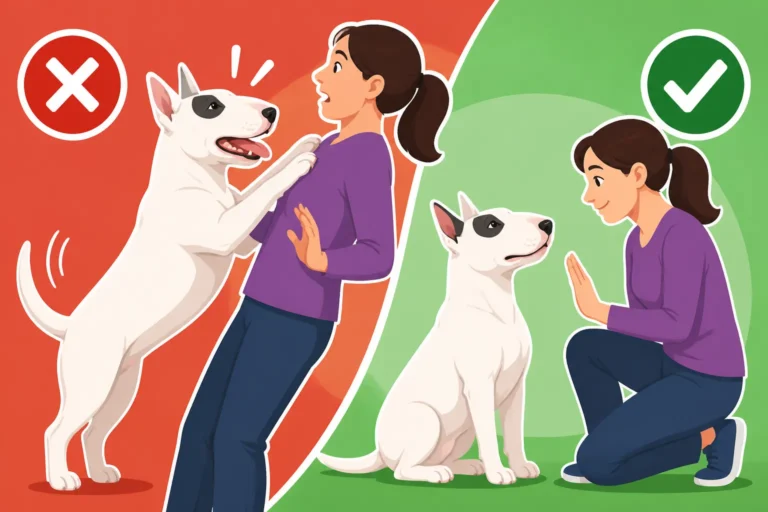
For many Bull Terrier owners, the problem isn't just a physical challenge but an emotional one for their dog. Some Bull Terriers greet the car with an explosion of excitement: barking, whining, jumping, and pulling on the leash before you even open the door. This isn't just poor manners; it can be an early sign of overstimulation or anxiety that manifests as hyperactivity. They might love the idea of going somewhere, but the process itself overwhelms them.
On the flip side, you'll find Bull Terriers who exhibit clear signs of anxiety. This could look like trembling, excessive drooling, yawning, lip-licking, or even trying to hide under seats. These dogs might associate car rides with stressful events like vet visits, or they might simply find the motion and confined space genuinely frightening. This anxiety isn't just heartbreaking to witness; it makes the entire journey stressful for you, the driver. A dog constantly shifting, panting, or vocalizing diverts your attention from the road, making every trip less safe. Understanding What a Bull Terrier's Temperament Is Really Like can help you interpret these behaviors and tailor your approach.
Essential Gear for Safe and Comfortable Car Rides
Ensuring your Bull Terrier is safe and comfortable in the car starts with the right equipment. This isn't just about preventing messes; it's about protecting your beloved companion and everyone else in the vehicle in case of an accident.
Securing Your Bull Terrier: Crates vs. Harnesses
When it comes to vehicle safety, you essentially have two main options for securing your Bull Terrier: a travel crate or a crash-tested car harness. Both have their merits, and the best choice often depends on your dog's size, temperament, and your vehicle's layout.
Travel Crates: A sturdy, crash-tested travel crate is arguably the safest option for a Bull Terrier. It provides a robust barrier that can protect your dog from impact and prevent them from becoming a projectile. Think of it like a seatbelt for your dog, but one that also acts as a protective shell. Given the Bull Terrier's strength, you'll want to invest in a high-quality, impact-resistant crate. Cheap wire crates, while fine for home use, can collapse or become dangerous shrapnel in a collision. Look for crates made from reinforced plastic or aluminum, specifically designed for car travel. Many owners find options on platforms like Amazon, but always check for independent crash-test certifications.
Pros of Crates:
- Superior Safety: Best protection against impact and preventing the dog from interfering with the driver.
- Containment: Prevents your Bull Terrier from moving around the car, reducing distractions.
- Comfort Zone: A familiar crate can become a den, offering a sense of security to an anxious dog.
- Easy Clean-up: Contains shedding, dirt, and any accidents.
Cons of Crates:
- Space: Can take up a lot of room, especially for a standard-sized Bull Terrier. This might mean sacrificing passenger space or trunk capacity.
- Cost: Quality crash-tested crates can be a significant investment.
- Weight: Heavier crates can be cumbersome to move in and out of the vehicle.
- Initial Training: Some Bull Terriers might resist crating, requiring gradual positive introduction.
When selecting a crate, make sure it's appropriately sized. Your Bull Terrier should be able to stand, turn around, and lie down comfortably, but it shouldn't be so large that they can be tossed around inside during a sudden stop. For more on this, you might find Which Crate Holds a Bull Terrier helpful.
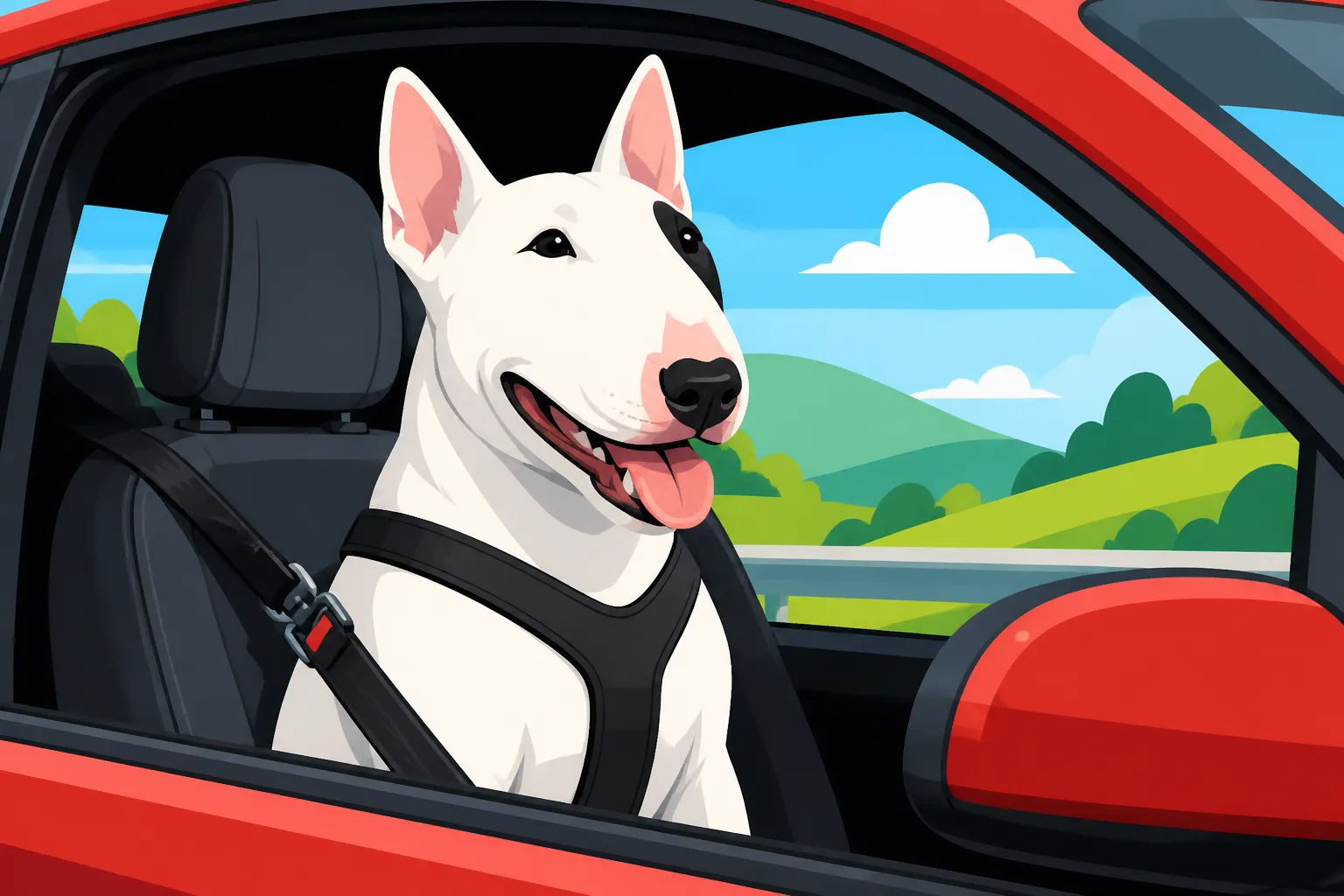
Crash-Tested Car Harnesses: For Bull Terriers who are accustomed to harnesses and prefer to be more integrated into the car experience, a crash-tested car harness is another viable option. These harnesses are designed to distribute force across the dog's chest and shoulders in a collision, much like a human seatbelt. They typically buckle into the car's existing seatbelt system or connect to a dedicated anchor point. Again, "crash-tested" is the key phrase here – not all harnesses offer the same level of protection. Look for certifications from organizations that conduct independent safety tests. You can often find reputable brands on Amazon that clearly state their testing results.
Pros of Harnesses:
- Less Bulky: Takes up less space than a crate, leaving more room for passengers or cargo.
- Visibility: Allows your Bull Terrier to look out the window, which some dogs prefer (though too much can cause over-excitement).
- Easier Entry/Exit: Generally simpler to put on and take off than getting a dog into a crate.
Cons of Harnesses:
- Variable Safety: Safety levels differ significantly between brands; only truly crash-tested options offer reliable protection.
- Less Containment: While they prevent the dog from moving freely, they don't offer the same physical barrier as a crate.
- Potential for Entanglement: If not properly fitted or secured, a dog could get tangled.
Keeping Them Comfortable and Entertained
Once secured, the next step is to ensure your Bull Terrier's comfort and to provide appropriate distractions, especially for longer journeys.
Comfort Items: A familiar blanket or a dedicated car bed can make a huge difference. If your Bull Terrier is crated, a soft bed or mat inside can mimic their resting spot at home, reinforcing the crate as a safe, cozy space. For those using a harness, a non-slip, washable car seat cover or a booster seat (for smaller Bull Terriers, if appropriate and safely secured) can offer a comfortable perch and protect your upholstery from shedding and dirt. Good ventilation is also critical. Even on cooler days, a car can quickly heat up, and Bull Terriers, with their shorter snouts and muscular build, can be prone to overheating. Keep windows cracked slightly or use your air conditioning to maintain a comfortable temperature.
Entertainment and Chews: A bored Bull Terrier can quickly become a destructive Bull Terrier, especially if they're also feeling anxious. Providing appropriate chew toys can be a lifesaver. Look for durable, long-lasting options that won't splinter or be swallowed. Dental chews or puzzle toys filled with a smear of peanut butter (ensure no xylitol!) can keep them occupied for extended periods. Options like Kongs or other sturdy rubber toys are often favored by Bull Terrier owners, and a quick search on Amazon will show you a wealth of choices. Just make sure the toy is too large to be a choking hazard and can withstand their powerful jaws. Learn more about Which Toys Survive a Bull Terrier to make the best choice.
It’s also wise to limit food intake before a trip, especially if your Bull Terrier is prone to motion sickness. A light meal a few hours before departure is usually fine, but avoid feeding a large meal immediately prior to or during travel. Always ensure fresh water is available during stops, using a travel bowl that won't spill in the car.
Training Your Bull Terrier for Happy Travels
Even with the best gear, training is paramount to making car rides a positive experience for your Bull Terrier. It's about building confidence, managing excitement, and teaching them that the car is a safe and even enjoyable place.
Positive Introduction to the Car
Desensitization is key, especially if your Bull Terrier is hesitant or overly excited about the car. Start small and make every step a positive one.
- Stationary Car Exploration: Begin by simply getting your Bull Terrier used to being near the car. Open the doors, let them sniff around, and offer treats and praise. Don's force them inside.
- Short Stays, No Movement: Once they're comfortable near it, encourage them to jump in (or lift them in, if needed) while the car is stationary. Immediately offer high-value treats and calm praise. Don't start the engine yet. Let them get out after a minute or two. Repeat this several times over a few days, gradually increasing the duration they spend inside.
- Engine On, Still Parked: Once they're happy to sit in the car, turn the engine on for short periods, continuing to offer treats and praise. This helps them associate the sound and vibration with positive experiences.
- Short, Positive Trips: Start with very short trips – just down the driveway and back, or around the block. Keep these trips brief, quiet, and always end them with something positive, like a walk in a park (if the park is the destination and not the vet!). The goal is to build a long history of positive associations. Avoid making the car a precursor only to negative experiences.
- Gradual Increase: Slowly increase the duration and distance of your trips as your Bull Terrier shows comfort. Always remain calm and use a soothing voice. If you're stressed, they'll pick up on it.
Consistency is crucial. Use the same entry and exit routine, always ensuring they are safely secured before moving the car. If your Bull Terrier is prone to jumping out the moment the door opens, practice waiting for a "release" cue, rewarding them heavily for staying put until told. Online training resources, such as those provided by BAXTER & Bella, can offer structured programs and expert guidance for these desensitization steps, which can be invaluable for a breed like the Bull Terrier that thrives on clear communication and positive reinforcement.
Managing Motion Sickness and Anxiety
Even with careful introduction, some Bull Terriers will still struggle with motion sickness or anxiety.
For Motion Sickness:
- Limit Food: As mentioned, a light meal hours before travel or no food at all is often best.
- Fresh Air: Keep windows cracked (safely, so they can't jump out or get too much wind in their face) or use the AC to ensure good airflow.
- Facing Forward: Some dogs feel better if they can see the road ahead, though this isn't always practical or safe if they're in a crate.
- Veterinary Help: If home remedies aren't enough, talk to your vet. They can prescribe anti-nausea medications specifically for dogs. There are also medications for car anxiety that can help dogs settle. Discussing options with your vet is a critical step, especially if your Bull Terrier is truly miserable.
For Anxiety:
- Familiar Items: Bring their favorite blanket or toy into the car to provide a sense of security.
- Pheromone Sprays/Diffusers: Products like Adaptil can release calming pheromones. You can spray them in the car or on a bandana worn by your dog.
- Calming Supplements: Over-the-counter calming chews or supplements containing ingredients like L-theanine or tryptophan can sometimes help, but always consult your vet before introducing new supplements.
- Counter-Conditioning: Pair the car with extremely high-value treats or a favorite game. If your Bull Terrier is stressed, they might not eat, but persistent, low-stress positive association can slowly change their emotional response.
- Tire Them Out First: A good long walk or a vigorous play session before a car trip can burn off excess energy and make them more likely to relax or sleep during the ride. Remember How Much Exercise a Bull Terrier Actually Needs before a long journey.
Road Trip Ready: Longer Journeys
When you're planning a longer adventure with your Bull Terrier, a little extra preparation goes a long way.
- Frequent Breaks: Don't try to power through. Plan for regular stops every 2-3 hours. This gives your Bull Terrier (and you!) a chance to stretch their legs, have a potty break, and get some fresh air. Always keep your Bull Terrier on a leash when outside the car.
- Hydration: Always carry fresh water and a bowl. Offer water during every stop. Dehydration is a real risk, especially in warmer weather.
- Potty Stops: Be mindful of where your dog eliminates. Always clean up after them. Look for designated dog relief areas at rest stops.
- Avoid Hot Cars: Never, ever leave your Bull Terrier unattended in a car, even with the windows cracked, for more than a few minutes. The internal temperature of a car can rise to dangerous levels incredibly quickly, leading to heatstroke. It's truly a matter of life or death.
- Plan Dog-Friendly Stops: If you're eating out or staying overnight, research pet-friendly restaurants, hotels, and attractions beforehand. This prevents awkward situations and ensures your Bull Terrier can be a part of the journey. For an even more comprehensive overview, consider the general advice in Traveling With a Bull Terrier.
Common Pitfalls and Troubleshooting
Even with the best intentions and preparations, challenges can arise when traveling with your Bull Terrier. Knowing what to watch out for and how to react can prevent minor issues from becoming major problems.
The "No Bull Terrier Left Behind" Rule: Heatstroke and Safety
This isn't just a catchy phrase; it's a critical safety warning that Bull Terrier owners must take to heart. Bull Terriers, like all dogs, are highly susceptible to heatstroke when left in a car. Their ability to regulate body temperature is less efficient than ours, primarily relying on panting. A car's interior can become an oven in a matter of minutes, even on seemingly mild days.
- Rapid Temperature Rise: On an 80-degree Fahrenheit day, a car's interior can reach 100 degrees in 10 minutes and 120 degrees in 30 minutes. Cracking windows does very little to mitigate this.
- Signs of Heatstroke: Be vigilant for excessive panting, drooling, lethargy, bright red gums, unsteady gait, vomiting, or collapse. If you see these signs, it's an emergency. Get your dog to a cooler environment, apply cool (not ice cold) water to their body, and seek veterinary attention immediately.
- Legal Consequences: Leaving a dog in a hot car is illegal in many places and can result in fines or even animal cruelty charges. More importantly, it can cost your Bull Terrier their life.
Always plan your errands so that your Bull Terrier is either with you (if the destination is pet-friendly) or safely at home. If you must stop somewhere briefly, make sure someone stays with the car with the air conditioning running, or rethink bringing your dog along at all.
What to Do If Your Bull Terrier Absolutely Hates the Car
Despite your best efforts, some Bull Terriers simply do not take to car travel. If you've tried all the desensitization, positive reinforcement, and comfort measures, and your Bull Terrier is still showing severe distress – shaking uncontrollably, excessive drooling, persistent vomiting, or extreme fear – it's time to seek professional help.
- Consult Your Veterinarian: Your vet can rule out any underlying medical conditions that might be contributing to their discomfort. They can also discuss prescription medications for severe anxiety or motion sickness that might not respond to over-the-counter options. These are not "magic pills" but can significantly lower your dog's anxiety threshold, allowing the training and desensitization to finally take hold.
- Seek a Certified Professional Dog Trainer: A trainer specializing in fear and anxiety might offer new perspectives and techniques. They can help you identify specific triggers and develop a tailored counter-conditioning and desensitization plan. Online resources, such as those offered by BAXTER & Bella, can also connect you with trainers who understand these complex behavioral challenges.
- Consider Alternatives: For short distances, if the car is truly too traumatic, could a sturdy dog stroller or wagon be an option? For longer trips where travel is unavoidable, discuss options like pet sitting or boarding with a trusted facility if your Bull Terrier's welfare is compromised by car travel. Ultimately, your dog's comfort and well-being should always be the priority.
| Feature | Crash-Tested Travel Crate (e.g., Gunner, Ruff Land) | Crash-Tested Car Harness (e.g., Sleepypod, Kurgo) |
|---|---|---|
| Safety Level | Generally highest for collision protection | High, but varies by brand and proper fit |
| Containment | Excellent; restricts movement entirely | Good; restrains dog to one seat |
| Comfort | Can be a secure den; requires bedding | Allows more freedom of movement; uses car seat |
| Space Required | Significant; often takes up cargo area or back seat | Minimal; dog sits on a single seat |
| Installation | Secures with straps in cargo area/seatbelt | Buckles into existing seatbelt system |
| Cleanup | Contains messes, shedding within crate | Protects upholstery if paired with seat cover |
| Visibility | Limited to what's seen from within crate | Good; can look out windows |
| Cost | Often a higher initial investment | Varies; generally less than a high-end crate |
| Ideal For | Anxious dogs, dogs prone to chewing, ultimate safety | Dogs who prefer more freedom, smaller vehicles |
Making car rides a positive experience for your Bull Terrier might take time and dedication, but the reward of a calm, safe traveling companion is truly priceless. With the right gear, consistent training, and a good understanding of your Bull Terrier's individual needs, you can turn those stressful drives into enjoyable journeys together.
Disclaimer
This article is for general informational purposes only and does not constitute professional advice. Laws, prices and regulations vary by location and change over time. Consult a qualified professional for guidance on your specific situation.