Whether a Bull Terrier’s Feet Should Be Wiped After Walks
That satisfying feeling of a good long walk with your Bull Terrier is often immediately followed by the less-than-satisfying reality of muddy, dusty, or otherwise grimy paws tracking all sorts of outdoor adventures right across your clean floors. It's a common dilemma for Bull Terrier owners: is wiping their feet after every outing really necessary, or just an extra chore? This guide will dive deep into why post-walk paw care isn't just about cleanliness, but a vital part of your Bull Terrier's health and well-being, offering practical steps and solutions to make it a breeze.
The Realities of Bull Terrier Paws and the Great Outdoors
Our Bull Terriers, with their boundless energy and curiosity, are keen explorers. Every walk, whether it's a quick trip around the block or a lengthy romp in the park, exposes their paws to a myriad of elements. Understanding what those paws encounter and why it matters is the first step in appreciating the value of a good wipe.
What Your Bull Terrier's Paws Encounter on a Walk
Think about what's on the ground when you walk. Now imagine your Bull Terrier’s sensitive paw pads, and the skin between their toes, directly in contact with all of it. Mud and dirt are obvious culprits, clinging to fur and pads, but it goes far beyond simple grime. During spring and summer, there's a heavy concentration of pollen from trees, grasses, and weeds, which can be a real issue for dogs prone to environmental allergies. In winter, road salt, anti-freeze, and de-icing chemicals are a significant concern, designed to melt ice but highly irritating or even toxic if ingested. Beyond that, stray bits of trash, sharp gravel, thorns, tiny shards of glass, or even irritating plant matter like foxtails can get lodged in their paws, unseen until a problem arises.
This exposure is particularly relevant for Bull Terriers. Their short, sleek coats offer little protection to their lower legs and paws, and their genetic predisposition to certain skin sensitivities means they can react more strongly to irritants than some other breeds. What might be a minor annoyance for another dog could easily escalate into a full-blown skin issue for a Bull Terrier.
The Hidden Dangers of Unwiped Paws
It’s easy to think, "Oh, it's just a bit of dirt, they'll clean themselves." And while dogs do a lot of self-grooming, relying solely on that can lead to a host of problems. Firstly, whatever is on their paws doesn't magically disappear; it gets tracked into your home. This means allergens like pollen, irritating chemicals like road salt, or even pesticides from a freshly treated lawn are brought inside, spreading to carpets, furniture, and potentially affecting human family members too. If your Bull Terrier is constantly itching or developing hot spots, a quick paw wipe could be the missing link in reducing their exposure to environmental triggers.
Secondly, and perhaps more critically, when your Bull Terrier grooms their paws, they're not just moving the dirt around – they're ingesting whatever was stuck to them. This could be anything from irritating lawn chemicals to bacteria, fungal spores, or even tiny bits of glass or gravel that can cause internal damage. A dog with A Bull Terrier's Skin Is Its Weakest Point is already fighting an uphill battle, and ingesting environmental irritants can exacerbate existing skin conditions or even trigger new ones. We've seen it time and again: a dog starts licking their paws excessively, causing raw spots, and the root cause was something they encountered on a walk and then licked off.
Finally, persistent dampness or irritation between the toes from unwiped paws creates a perfect breeding ground for yeast and bacterial infections. This can lead to red, itchy, sometimes foul-smelling paws that require veterinary intervention. A simple routine can save you a lot of heartache and vet bills in the long run.
When Wiping Is a Non-Negotiable Necessity
While a quick rinse might be sufficient after a stroll on a perfectly clean sidewalk, there are definite scenarios where wiping your Bull Terrier's paws isn't just a good idea, it's absolutely essential for their health and your peace of mind.
Addressing Allergens and Irritants
For many Bull Terriers, environmental allergies are a lifelong battle. Pollen, dust mites, and certain grasses can cause immense discomfort, leading to relentless itching, chewing, and paw licking. Imagine walking barefoot through a field of ragweed if you were highly allergic – that's what your Bull Terrier might be experiencing. When they come inside, those allergens don't just stay on their paws; they shed onto your furniture, bedding, and floors, creating a continuous exposure loop.
A thorough paw wipe after every outdoor excursion, especially during peak allergy seasons, can significantly reduce the allergen load they bring into the house. It's a proactive step that can often reduce the severity of their symptoms. Beyond natural allergens, consider the invisible threats: recently fertilized lawns, areas treated with herbicides, or sidewalks where de-icing salts were used. These substances are designed to affect plants or ice, not to be absorbed through or ingested by sensitive dog paws. Promptly wiping them clean minimizes the contact time and the risk of irritation, chemical burns, or even systemic toxicity if ingested. This is particularly crucial for a breed like the Bull Terrier, known for having Whether a Bull Terrier Gets Skin Allergies. Many owners find that even just wiping their feet dramatically cuts down on their dog's itchiness because it physically removes the culprits.
Preventing Dirt and Germs from Invading Your Home
Let's face it, no one wants a house full of tracked-in mud and grime. But beyond the aesthetic nuisance, there's a more serious concern: the microscopic world. Pavement, grass, and even pristine-looking trails can harbor bacteria, viruses, and parasitic eggs. Think about all the other animals that use the same outdoor spaces – squirrels, birds, other dogs, and even wildlife. Their droppings can contain pathogens that your Bull Terrier's paws pick up.
When your Bull Terrier comes inside with these hitchhikers, they're not just decorating your floors; they're potentially contaminating your living space. If you have young children who play on the floor, or other pets, the risk of transmission increases. While a dog's immune system is robust, constant exposure to a high load of pathogens can wear it down or lead to opportunistic infections. Regular paw wiping acts as a simple, yet effective, barrier against bringing these unwelcome guests into your personal sanctuary. It's a small habit that contributes significantly to the overall hygiene of your home and the health of everyone in it.
Post-Walk Paw Check-ups: More Than Just Wiping
Wiping your Bull Terrier's paws isn't just about cleaning; it's an invaluable opportunity for a quick, routine health check. During this daily ritual, you're not just removing dirt; you're actively inspecting their paw pads and between their toes for any signs of trouble. This is where you might catch a small cut from a sharp stone, a thorn embedded in a pad, or an early sign of irritation that could escalate into a painful infection if ignored.
Consider the example of a tiny piece of glass. If left unnoticed, every step your Bull Terrier takes pushes it deeper, leading to pain, limping, and potentially a costly vet visit to remove it. Or perhaps they've stepped on something caustic, and a small patch of skin is already reddening. Catching this early means you can rinse it thoroughly and potentially apply a soothing balm before it becomes a full-blown chemical burn.
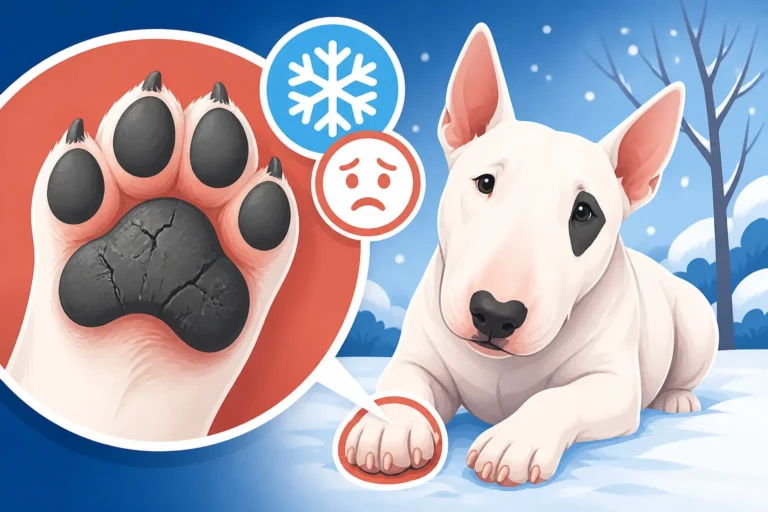
This routine check-up is also where you might spot a tick before it has a chance to fully engorge or transmit diseases. In winter, you'll immediately see any caked-on snow or ice, which can cause discomfort, frostbite, or dryness. And while we hope they don't, Bull Terriers are prone to issues like Whether a Bull Terrier's Feet Crack in Winter or needing When a Bull Terrier Needs Boots on Hot Ground in harsh conditions. Regular inspection means you'll be aware of these needs before they become emergencies. By integrating this quick visual and tactile inspection with your wiping routine, you're building a comprehensive paw care regimen that goes far beyond mere cleanliness, safeguarding your Bull Terrier's comfort and long-term health.
Choosing the Right Tools and Techniques for Paw Care
Now that we know why wiping is so important, let's talk about the how. Having the right tools and a gentle, consistent approach will make this daily task much easier for both you and your Bull Terrier.
Gentle Cleaning Solutions for Sensitive Bull Terrier Skin
Your Bull Terrier's skin, especially on their paws, can be surprisingly sensitive. It's crucial to use products that are effective without causing further irritation.
- Plain Water and a Soft Cloth: Often, this is all you need for basic dirt and dust. A damp, soft microfiber cloth works wonders. It's chemical-free, hypoallergenic, and won't dry out their skin. For slightly more stubborn grime, a spray bottle filled with water can help loosen dirt before wiping.
- Pet-Specific Wipes: These are a fantastic convenience, especially when you're short on time or on the go. Look for wipes that are specifically formulated for pets, preferably hypoallergenic, fragrance-free, and alcohol-free. Brands like Earth Rated or TropiClean offer good options often found on Chewy. Avoid human baby wipes, as they can contain ingredients that are irritating or even toxic to dogs.
- Paw Washes/Foams: For really muddy adventures, or if your Bull Terrier has recurring paw irritation, a dedicated paw wash or foaming cleanser can be very effective. These usually contain gentle, pet-safe cleansing agents and sometimes soothing ingredients like aloe or oatmeal. You simply apply the foam or wash, massage it into the paws, and then wipe it clean – no full bath required. This can be a game-changer if your Bull Terrier suffers from Whether a Bull Terrier Gets Skin Allergies, as it can help remove allergens more thoroughly than just water.
When selecting any product, always check the ingredients list. Steer clear of harsh detergents, artificial dyes, and strong perfumes, which can strip natural oils from the skin and lead to dryness, itching, or allergic reactions. If your Bull Terrier has known allergies or very sensitive skin, consult your vet for specific recommendations.
Here's a quick comparison of common paw cleaning methods:
| Method | Pros | Cons | Best For |
|---|---|---|---|
| Water & Soft Cloth | Gentle, no chemicals, inexpensive, readily available | May not tackle heavy mud or deeply embedded grime | Light dust, pollen, everyday walks, very sensitive skin, quick cleanups |
| Pet Wipes | Convenient, portable, quick, pre-moistened | Can be more expensive, some may contain irritants | On-the-go, light to moderate dirt, quick allergen removal, after a short walk, travel |
| Paw Washer Cup | Excellent for deep cleaning, removes stubborn mud | Requires water and cleaning solution, can be messy to clean | Heavy mud, sand, debris, dogs who resist having paws handled directly, thorough cleaning after long adventures |
| Paw Foam/Wash | Deeper clean than wipes, no rinsing needed | More involved than wipes, requires wiping after application | Regular deep cleaning, dogs with skin sensitivities or allergies, removing chemicals/irritants |
Step-by-Step Guide to Effective Paw Wiping
Making paw wiping a stress-free experience for your Bull Terrier involves a calm approach and a clear process.
- Gather Your Supplies: Before your Bull Terrier even comes back inside, have your chosen cleaning method ready: a bowl of warm water with a soft cloth, a stack of pet wipes, or your paw washer cup. Having a towel nearby is also a good idea.
- Create a Calm Environment: Choose a consistent spot, perhaps by the door or in a mudroom. Keep your tone gentle and reassuring. If your Bull Terrier is a puppy, starting this routine early is key, as they learn quickly that it’s just part of coming inside. Remember, How Sensitive a Bull Terrier Is to Tone is a real factor with these dogs.
- Position Your Bull Terrier: For smaller Bull Terriers or puppies, you might gently hold them in your lap. For adults, have them stand or lie down comfortably. If they're resistant, try sitting on the floor with them, making it less intimidating.
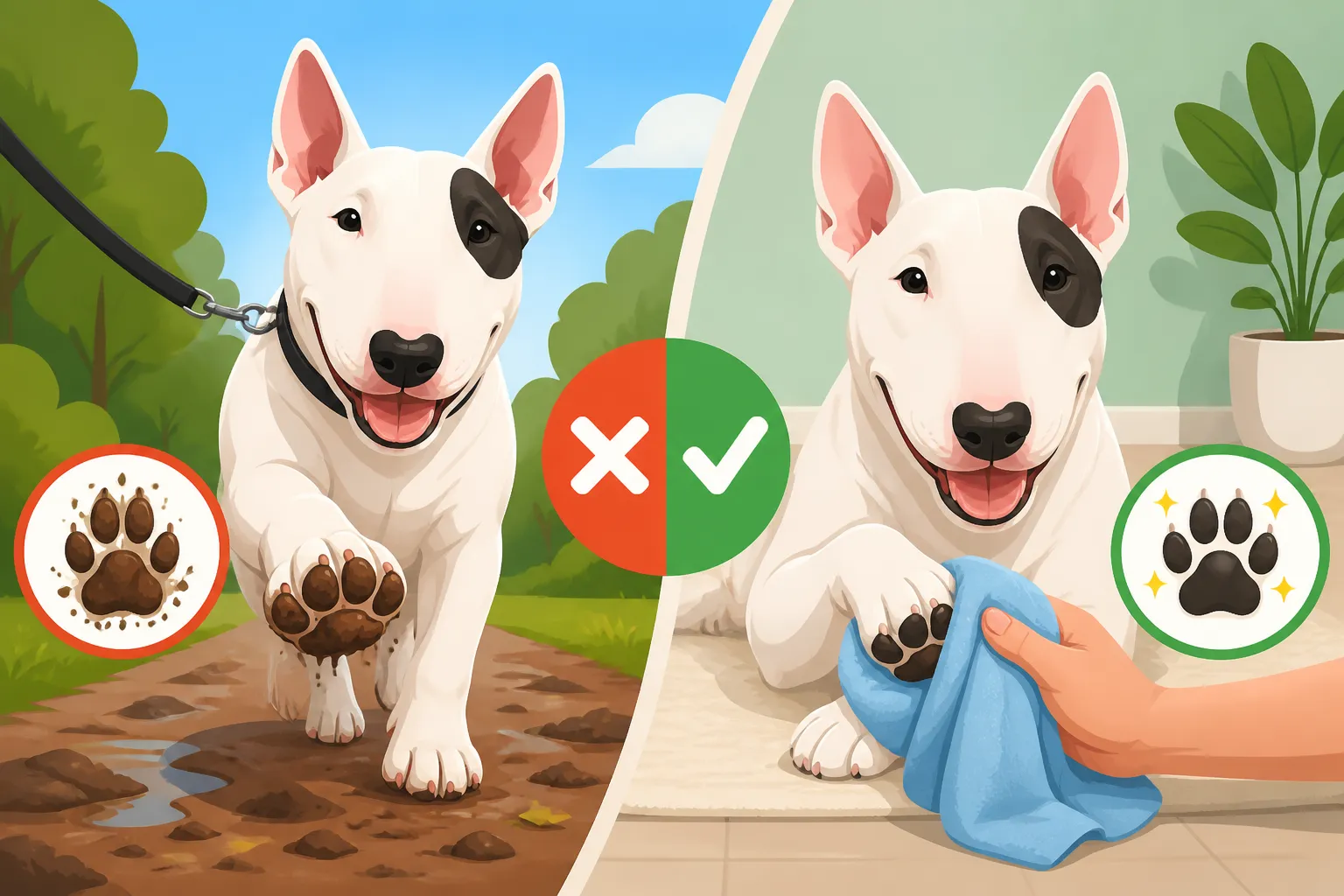
- Start with the Pads: Begin by gently wiping the main paw pads. Use firm but not harsh strokes to remove dirt, mud, and debris. Pay attention to the grooves and ridges.
- Clean Between the Toes: This area is often overlooked but is a hotspot for trapped allergens, dirt, and moisture that can lead to infections. Gently spread the toes apart and wipe thoroughly. Be careful not to pull on any fur.
- Wipe Up the Legs: If your Bull Terrier has ventured into tall grass or muddy areas, extend your wiping upwards on their legs to catch any splashes or clinging debris.
- Inspect as You Go: As you wipe, take a moment to visually inspect each paw. Look for cuts, scrapes, redness, swelling, embedded thorns, or anything unusual. This quick check can prevent minor issues from becoming major problems.
- Praise and Reward: Always end the session with praise, a gentle pat, or a small, healthy treat. This positive reinforcement will make your Bull Terrier more cooperative for future cleanings. Consistency is key here; the more routine it becomes, the less resistance you'll encounter.
Alternatives to Wiping: Boots and Paw Balms
While wiping is fundamental, sometimes extra protection or care is needed.
- Dog Boots: For extreme weather conditions – blistering hot pavement in summer (think When a Bull Terrier Needs Boots on Hot Ground), icy sidewalks, or areas treated with harsh chemicals – dog boots offer an excellent protective barrier. They completely shield the paws from direct contact. It takes time and patience to get a Bull Terrier used to wearing boots, but for some, it's an indispensable solution. Look for durable, well-fitting boots on Amazon or Chewy.
- Paw Balms: After all that exposure and cleaning, your Bull Terrier's paw pads can get dry, cracked, or rough. A good quality paw balm can help moisturize and protect them. These balms typically contain natural ingredients like beeswax, shea butter, or coconut oil. Applying a balm regularly, especially if you notice their pads are looking a bit worse for wear, can keep them supple and prevent painful cracking. You can often find a good selection of these on Amazon or at local pet stores. Just make sure it's a pet-safe formula, as they will inevitably lick it. Regular application can also help with minor roughness, which can be a pre-cursor to more serious problems like Whether a Bull Terrier's Feet Crack in Winter.
By combining regular wiping with these additional tools when appropriate, you can ensure your Bull Terrier's paws remain healthy, comfortable, and ready for their next adventure.
Making Paw Care a Positive Routine for Your Bull Terrier
Let's be honest, getting a spirited Bull Terrier to willingly offer their paws for cleaning isn't always an instant success. They're intelligent, strong-willed, and can certainly be a handful if they decide they're not keen on a particular activity. But with the right approach, you can transform paw care from a struggle into a positive, even enjoyable, bonding experience.
Starting Early and Building Positive Associations
The absolute best time to introduce paw handling and cleaning is when your Bull Terrier is a puppy. Their minds are sponges, and they're more open to new experiences. Start by simply touching their paws gently, praising them, and immediately giving a high-value treat. Don't even introduce a wipe or water at first. Just make the act of you touching their paws a really good thing.
As they become comfortable with gentle handling, gradually introduce the damp cloth or wipe. Touch one paw, wipe briefly, then praise and treat. Don't push too much too soon. The goal is short, positive sessions that never end in a struggle. If you meet resistance, back off slightly and try again later, reducing the intensity of the touch or the length of the session. Bull Terriers respond incredibly well to positive reinforcement and can shut down if pressured too harshly, something many owners have learned about How Sensitive a Bull Terrier Is to Tone. Using a clicker in conjunction with treats can also be a powerful tool to mark the exact moment they cooperate.
Remember, a Bull Terrier might not immediately see the point of this strange human ritual, but they will see the point of getting a tasty treat or enthusiastic praise. Over time, they'll associate the post-walk paw cleaning with good things, making the process much smoother for everyone.
Consistency is Key for Health and Habit
Once you've started a paw care routine, stick with it! Consistency is the bedrock of habit formation for dogs. If you wipe their paws diligently for a week and then skip it for three days, your Bull Terrier might forget the routine, or worse, decide it's optional. Regularity reinforces the expectation and helps them understand that this is just what happens after every walk.
Beyond habit, consistency is vital for health. If you're using paw wiping to manage allergies, skipping days means you're allowing allergens to build up, defeating the purpose. If you're preventing dirt and potential irritants from coming inside, an inconsistent routine leaves gaps for problems to creep in. Make it a non-negotiable part of your "coming home" sequence, right alongside taking off your shoes and hanging up your leash. The more ingrained it becomes into your daily rhythm, the less effort it will take. After a while, your Bull Terrier might even offer their paw expectantly, knowing what good things are coming!
Recognizing When Professional Help is Needed
While diligent home care can prevent many paw problems, it's crucial to know when to call in the professionals. Your veterinarian is your best partner in your Bull Terrier's health, and paw issues can sometimes be complex.
Look out for these signs that warrant a vet visit:
- Persistent Licking, Chewing, or Biting: If your Bull Terrier is obsessively grooming their paws, even after cleaning, it's a strong indicator of discomfort or irritation that isn't resolving.
- Redness, Swelling, or Heat: Any inflammation, especially if one paw looks noticeably larger or feels warm to the touch, could signal an infection, injury, or severe allergic reaction.
- Limping or Favoring a Paw: This is an obvious sign of pain. It could be due to a deep cut, an embedded foreign object (like a thorn or piece of glass), a sprain, or even a broken toe.
- Discharge or Foul Odor: Pus, oozing, or a strong, yeasty smell emanating from the paws are clear indicators of a bacterial or fungal infection that will likely require medication.
- Open Sores or Bleeding: Any raw areas or active bleeding need immediate attention to prevent further infection and ensure proper healing.
- Changes in Paw Pad Texture: Excessive dryness, cracking that doesn't resolve with balm, or hardening of the pads can sometimes indicate underlying health issues or chronic irritation.
Don't hesitate to contact your vet if you notice any of these symptoms. Early intervention can prevent minor paw problems from escalating into chronic conditions or more severe infections. They can properly diagnose the issue, provide appropriate treatment, and offer tailored advice for your Bull Terrier's specific needs.
Disclaimer
This article is for general informational purposes only and does not constitute professional advice. Laws, prices and regulations vary by location and change over time. Consult a qualified professional for guidance on your specific situation.