Whether the Bull Terrier Is a Healthy Breed
Many prospective Bull Terrier owners fall completely in love with their distinct, often comical appearance – that egg-shaped head and those tiny, triangular eyes are just irresistible! But beneath that charming exterior, there's a vital question to ask: are Bull Terriers actually a healthy breed? It's a common frustration to discover significant health challenges only after falling head over heels for a dog, and this guide aims to give you a realistic, empathetic overview of the health landscape for these beloved clowns.
The Genetic Hand Dealt to the Bull Terrier Breed
When we talk about the health of any purebred dog, we have to look at its origins. The Bull Terrier, as we know it today, was deliberately developed, and some of the traits that make them so unique also brought along a predisposition to certain health conditions. It's not about them being "unhealthy" by nature, but rather that their genetic makeup, like many breeds, comes with its own specific quirks and vulnerabilities.
The Legacy of the White Coat and Deafness
The iconic all-white Bull Terrier was once highly prized, earning them the nickname "White Cavaliers." However, this stunning white coat, a result of a specific gene, is inextricably linked to congenital deafness. It's a hard truth to swallow, but a significant percentage of white Bull Terriers are born deaf, either unilaterally (in one ear) or bilaterally (in both ears). This isn't a condition that develops later in life; it's present from birth.
Imagine bringing home a bouncing, playful white puppy, only to realize that it doesn't respond to your voice, or perhaps only turns its head when you approach from one side. This can be heartbreaking and certainly requires a different approach to training and communication. It's why responsible breeders insist on Why a White Bull Terrier Should Be BAER Tested as puppies. The BAER (Brainstem Auditory Evoked Response) test is the only reliable way to know for sure, and any reputable breeder will have their entire litter tested and readily provide the results. This upfront knowledge allows owners to prepare and adapt, ensuring their deaf Bull Terrier can still lead a full and happy life with patience and appropriate training methods.
Skin Sensitivities and Their Management
Another facet of the Bull Terrier's genetic predisposition, particularly in white-coated dogs, involves their skin. Their short, sleek coat offers little protection, and their pale skin can be incredibly sensitive. This often manifests as allergic reactions, particularly to environmental allergens like pollen, dust mites, or certain grasses. You might notice your Bull Terrier scratching excessively, developing red patches, or chewing at their paws. A Bull Terrier's Skin Is Its Weakest Point, and it requires diligent care.
It's not just allergies, though. Demodectic mange, a type of mite that lives on all dogs' skin but can cause problems in those with weaker immune systems, is also more commonly seen in Bull Terriers. While often treatable, it adds another layer to their skin care needs. Managing these skin conditions can become a long-term commitment, involving special diets, medicated shampoos, and sometimes even allergy injections or daily medication. It's a constant battle for many owners, and it requires a keen eye and a proactive approach to keep their Bull Terrier comfortable.
Insidious Health Challenges: Hidden Dangers
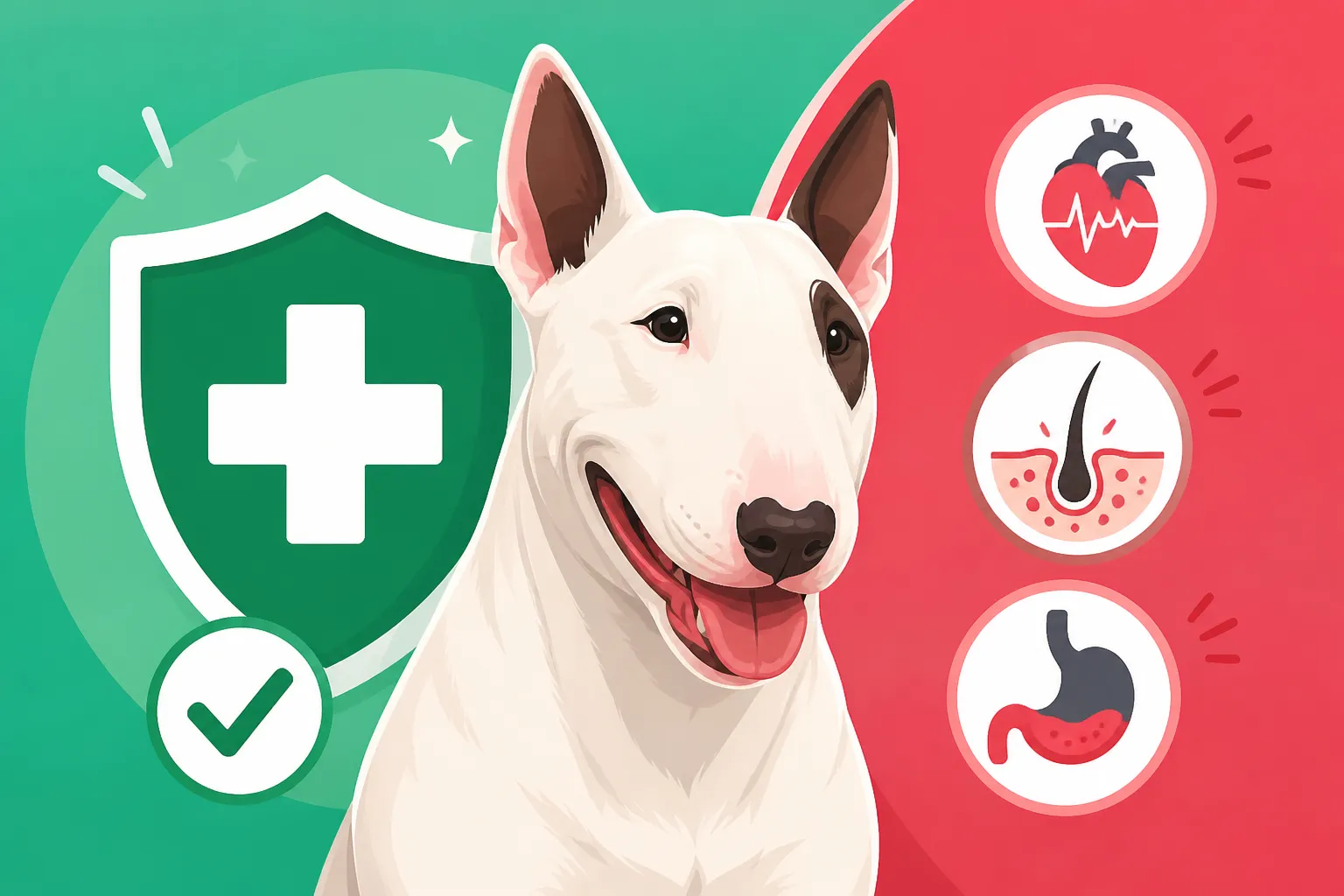
Beyond the more visible issues like deafness and skin problems, Bull Terriers are also unfortunately prone to several serious internal health conditions that can be much harder to detect without specific screenings. These conditions often develop silently, only showing obvious symptoms when they have progressed significantly, making early and consistent veterinary care absolutely crucial.
The Silent Threat of Kidney Disease
One of the most devastating health conditions that plagues the Bull Terrier breed is Hereditary Nephritis. This is a progressive kidney disease that can lead to kidney failure at a relatively young age. It's not always apparent in puppies, and can strike down a seemingly healthy dog in its prime, often between the ages of two and seven years old. The insidious nature of What Hereditary Nephritis Does to a Bull Terrier is that symptoms like increased thirst and urination, lethargy, or loss of appetite might not appear until a significant portion of kidney function has already been lost.
This is why regular screening is so critically important. The primary screening tool is a yearly urine protein to creatinine (UPC) ratio test, starting when they are young puppies. This simple, non-invasive test measures protein leakage in the urine, which is an early indicator of kidney damage. Catching it early doesn't cure it, but it allows for dietary changes and medications to potentially slow the progression of the disease, giving your dog more quality years. The cost of these yearly screenings is a small price to pay compared to the emotional and financial toll of advanced kidney disease. The Yearly Urine Test Every Bull Terrier Owner Should Book is truly a cornerstone of responsible Bull Terrier ownership.
Heartfelt Concerns: Cardiac Conditions
Another area where Bull Terriers face genetic predispositions is with their hearts. Conditions like Mitral Valve Dysplasia (MVD) and Aortic Stenosis (AS) can be present from birth, affecting the structure and function of the heart. MVD involves a malformation of the mitral valve, leading to blood leakage, while AS is a narrowing of the aorta, the main artery leaving the heart. Both can range from mild to severe, but even mild cases require monitoring.
A puppy might have The Heart Murmur a Bull Terrier Puppy Should Be Checked For, which could be an "innocent" murmur that resolves, or it could be the first sign of a serious congenital heart defect. An echocardiogram performed by a veterinary cardiologist is the gold standard for diagnosing these conditions, providing a detailed look at the heart's structure and function. This screening is recommended for all breeding Bull Terriers and is increasingly becoming standard practice for puppies destined for pet homes. It’s an expense, yes, and What a Bull Terrier's Echocardiogram Costs can be significant, but it provides invaluable information for your dog's future health and longevity.
Table: Common Bull Terrier Health Concerns and Screening Methods
| Health Concern | Typical Age of Onset | Screening Method(s) | Importance |
|---|---|---|---|
| Congenital Deafness | Birth | BAER Test | Essential for white puppies; impacts training/management. |
| Hereditary Nephritis | 2-7 years | Yearly UPC Ratio (urine test), Kidney Ultrasound | Early detection crucial for management and quality of life. |
| Mitral Valve Dysplasia | Birth | Cardiac Auscultation (vet listens), Echocardiogram | Can range from mild to severe; early diagnosis guides care. |
| Aortic Stenosis | Birth | Cardiac Auscultation (vet listens), Echocardiogram | Can be life-threatening; early diagnosis allows for management. |
| Skin Allergies / Issues | Any age | Visual inspection, dietary trials, allergy testing, skin scrapes | Ongoing management often required for comfort. |
| Patellar Luxation | Puppyhood to Adult | Orthopedic examination | Can lead to pain and arthritis; surgical correction may be needed. |
Other Concerns: Joints, Eyes, and Digestion
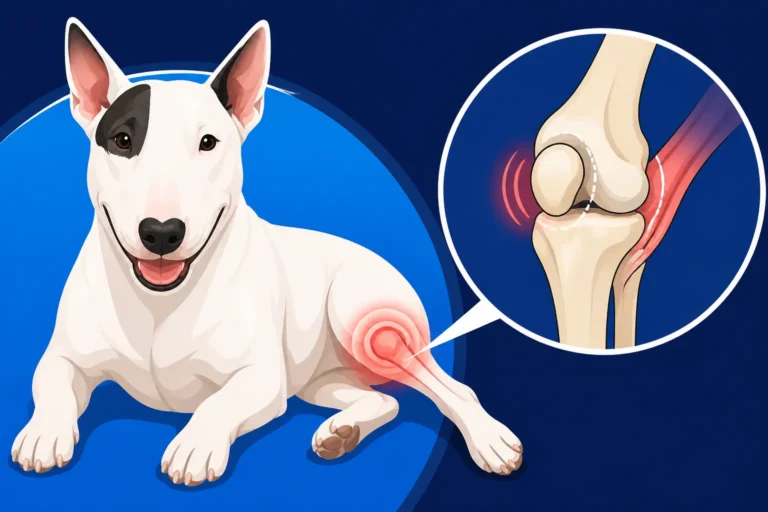
While kidney and heart issues are paramount, Bull Terriers can also face other health challenges. Patellar luxation, where the kneecap slips out of place, is something to be aware of, though perhaps less prevalent than in some toy breeds. This can cause lameness and pain, and in severe cases, may require surgical correction.
Eye issues, while not as common as in some breeds, can occur. Concerns like Primary Lens Luxation (PLL), though more common in Miniature Bull Terriers, are still something to monitor for. Also, some Bull Terriers can have sensitive digestive systems, prone to upset stomachs with sudden diet changes or certain foods.
Proactive Care and Early Detection: Your Best Defense
So, is the Bull Terrier a healthy breed? The most honest answer is: it can be, but it requires a dedicated, proactive owner who understands the breed's specific vulnerabilities. It's not a breed you can just bring home and hope for the best; active management of their potential health issues is key to their longevity and quality of life.
The Role of Regular Veterinary Check-ups and Screenings
This cannot be stressed enough: regular veterinary care is your most powerful tool. Beyond annual vaccinations and wellness checks, your vet should be performing the specific screenings recommended for Bull Terriers. This includes the yearly UPC ratio test for kidneys, and listening carefully to their heart. If a murmur is detected, pursuing an echocardiogram is vital. For white puppies, the BAER test is non-negotiable. Don't be shy about asking your breeder about Which Health Tests a Bull Terrier Breeder Should Run before you even bring a puppy home.
Building a strong relationship with your veterinarian is crucial. They can help you stay on top of the screening schedule, interpret results, and guide you through any necessary treatments. They are your partner in ensuring your Bull Terrier's health.
Managing Costs and Embracing Pet Insurance
The reality of proactive health care, especially with breed-specific screenings and potential treatments for chronic conditions, can add up financially. What a Bull Terrier Costs Over Its Lifetime includes significant veterinary expenses. This is where pet insurance can be a game-changer. Companies like Healthy Paws offer comprehensive plans that can cover a significant portion of diagnostic tests, treatments, and even emergency care. Knowing you have that financial safety net can make all the difference when faced with a scary diagnosis, allowing you to focus on your dog's well-being rather than the looming vet bill. Many owners find that having a plan from Healthy Paws allows them to make health decisions based on the best outcome for their Bull Terrier, not their wallet.
While screening tests like What a Bull Terrier's UPC Screen Costs Each Year are manageable, unexpected illnesses or injuries can still arise, making a comprehensive plan a wise investment for a breed with specific predispositions.
Diet, Exercise, and Environmental Management
Beyond medical screenings, daily care plays a huge role. A high-quality diet appropriate for their age and activity level is foundational. Maintaining a lean body condition is critical, especially given potential joint issues like patellar luxation, and helps minimize strain on their organs. Regular, appropriate exercise – not excessive, especially in puppies – keeps their muscles strong and their minds stimulated.
For those with skin sensitivities, managing their environment is key. This might mean frequent bedding changes, hypoallergenic laundry detergents, or wiping down their paws after walks to remove allergens. For white Bull Terriers, protecting their sensitive skin from sunburn is also essential, especially their noses and ear tips. Whether a Bull Terrier Gets Skin Allergies is a common question, and the answer is often "yes," making environmental control a daily task.
Realistic Expectations for a Bull Terrier's Lifespan and Quality of Life
The average lifespan for a Bull Terrier is typically How Long a Bull Terrier Lives on Average, which is a good run for a dog of their size, provided they receive proper care. With dedicated ownership and proactive health management, many Bull Terriers live long, full lives, despite their breed's predispositions.
Living with Chronic Conditions
It's important to understand that a diagnosis of a condition like Hereditary Nephritis or Mitral Valve Dysplasia doesn't necessarily mean a shortened, miserable life. With early detection and proper management, Bull Terriers can continue to thrive. This might involve special prescription diets, daily medications, and more frequent veterinary check-ups. Caring for a Bull Terrier Past Eight often involves managing one or more chronic conditions, much like humans as we age.
The key is commitment. Are you prepared for the possibility of dietary restrictions, medication routines, and the financial implications of long-term care? For many Bull Terrier owners, the answer is a resounding yes, because the unique joy and companionship these dogs offer make every effort worthwhile. Having an insurance provider like Healthy Paws can truly help ease the burden of these long-term care costs.
The True Measure of Health
Ultimately, whether the Bull Terrier is a "healthy breed" isn't a simple yes or no. It's a breed with known genetic predispositions that require diligent, knowledgeable ownership. They are not inherently fragile, but they do come with a set of specific health considerations that demand attention. A Bull Terrier from a responsible breeder who performs all recommended health testing on their breeding stock, combined with an owner committed to proactive veterinary care and a healthy lifestyle, has an excellent chance of living a long, happy, and healthy life. It’s about being informed, prepared, and deeply committed to their well-being.
Disclaimer
This article is for general informational purposes only and does not constitute professional advice. Laws, prices and regulations vary by location and change over time. Consult a qualified professional for guidance on your specific situation.