How Often a Bull Terrier Needs Brushing
It’s easy to look at a Bull Terrier with their short, sleek coat and think, "Oh, grooming will be a breeze!" Many new Bull Terrier owners, or even those considering the breed, fall into this trap, imagining minimal fuss and shedding. But anyone who has shared their home (and their dark clothing) with one of these charming, egg-headed clowns knows the truth: Bull Terriers shed, and they shed a lot more than you might expect for a short-haired dog. This guide will walk you through exactly how often your Bull Terrier needs brushing to keep their skin healthy, their coat gleaming, and your home (somewhat) less fuzzy.
Understanding the Bull Terrier Coat and Its Real Needs
The Bull Terrier’s coat is quite distinctive, much like their overall appearance. It’s not fluffy or long, but it certainly has its own set of characteristics that dictate a specific grooming approach. Ignoring these can lead to more than just shedding woes; it can impact their overall health and comfort.
The Deceptively "Low Maintenance" Bull Terrier Coat
When you first feel a Bull Terrier's coat, it’s usually quite harsh to the touch, lying flat and tight against their muscular body. It's a single coat, meaning they lack the dense, woolly undercoat that many double-coated breeds possess. This is often where the misconception about "low maintenance" comes from. People assume that because there isn't a fluffy underlayer, there won't be much hair to contend with. Unfortunately, that's rarely the case.
While they don't have long tresses that mat and tangle, Bull Terriers are consistent shedder s—year-round. You might not see big clumps of hair like you would with a Golden Retriever, but you'll certainly notice a fine sprinkling of short, stiff hairs on your furniture, your clothes, and seemingly everywhere else. These short hairs can be particularly insidious because they tend to weave themselves into fabric, making them surprisingly difficult to remove. It’s a common frustration for Bull Terrier owners to constantly battle dog hair, despite their dog's outwardly "easy" coat. For more details on what to expect, check out What a Bull Terrier's Coat Is Like and How Much a Short Coated Bull Terrier Actually Sheds.
Why Brushing Is More Than Just Hair Removal
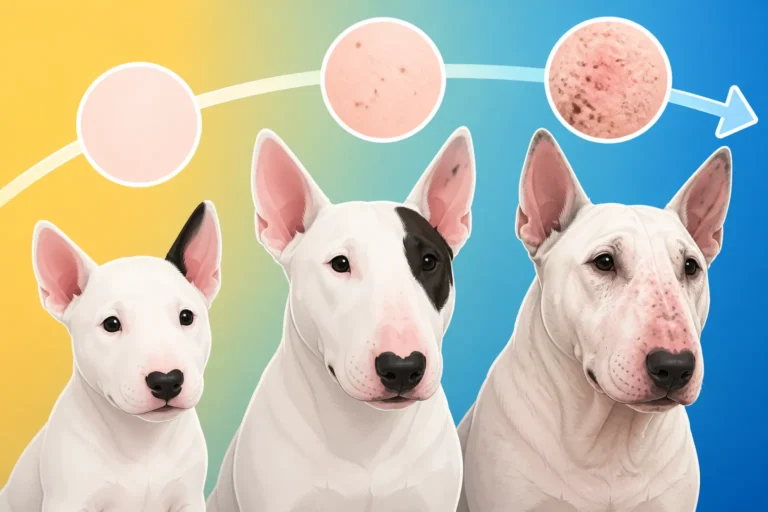
Brushing a Bull Terrier isn't just about trying to catch shed hair before it lands on your black trousers; it’s a vital part of their overall health regimen. For a breed known for its sensitive skin, regular brushing plays a critical role in preventing and managing issues. Their skin is, frankly, A Bull Terrier's Skin Is Its Weakest Point, making proactive care essential.
When you brush your Bull Terrier, you're doing more than just removing dead hair and dander. You're stimulating blood circulation to the skin, which helps promote healthy hair growth and keeps the skin supple. The bristles also help distribute natural oils throughout the coat, giving it that characteristic Bull Terrier sheen and protecting the skin from dryness. Furthermore, brushing gives you an invaluable opportunity to perform a hands-on inspection of your dog's skin. You can spot anything unusual early, such as bumps, rashes, dry patches, or even pesky parasites that might be hiding. Catching these issues early can save you a lot of worry and vet bills down the line.
The Ideal Brushing Schedule for a Bull Terrier
Establishing a consistent brushing routine is key to managing your Bull Terrier's shedding and maintaining their skin and coat health. While "how often" can vary, there’s a good baseline to start with, and then adjustments you can make based on individual needs or seasonal changes.
The Baseline: Weekly Brushing for Most Bull Terriers
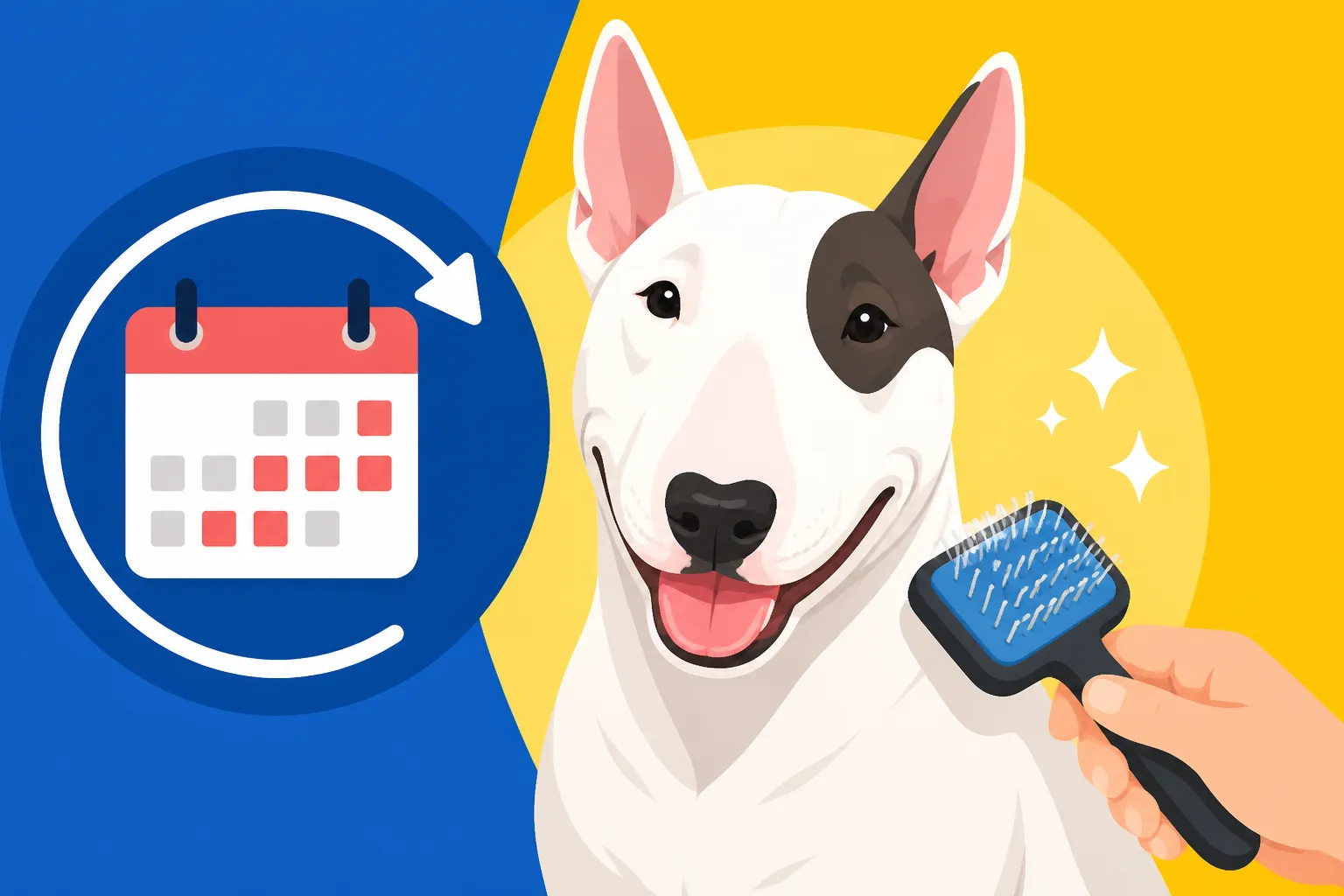
For the average Bull Terrier, a good rule of thumb is to aim for at least once a week. This weekly session is usually sufficient to capture most of the loose, dead hair that would otherwise end up on your floors and furniture. It helps to keep their coat looking tidy and can significantly reduce the amount of hair floating around your home. A consistent weekly brush also reinforces a positive grooming routine, making your Bull Terrier more accustomed to being handled and less likely to resist in the future.
Beyond just the hair, these weekly sessions are fantastic for bonding. It’s a calm, quiet time you can spend together, reinforcing your connection. Many Bull Terriers absolutely adore the feeling of a good brush, turning it into a mini-massage session that they look forward to. Think of it as a small, dedicated chunk of time each week that benefits both your dog's physical health and your emotional bond.
Adjusting Frequency: When to Brush More Often
While weekly is a great baseline, there are definitely times when you’ll want to ramp up the brushing frequency. Like many breeds, Bull Terriers have periods of heavier shedding, typically coinciding with seasonal changes. You'll likely notice an increase in shedding during spring as they shed their winter coat, and again in the fall as they prepare for a thicker winter layer. During these times, increasing your brushing to two or three times a week, or even daily for a short period, can make a huge difference in managing the influx of loose hair. This proactive approach helps to catch the shedding hair at its source, before it has a chance to distribute itself throughout your home. For more on this, read When a Bull Terrier Sheds Most.
Beyond seasonal changes, individual factors come into play. If your Bull Terrier has particularly sensitive or dry skin, or is prone to allergies, gentle daily brushing might actually be beneficial, but always consult with your vet or a veterinary dermatologist first. They might recommend specific brushes or techniques to avoid irritating their skin further. Similarly, white Bull Terriers, while not necessarily shedding more, tend to show dirt and dander more visibly, making more frequent spot brushing or wipe-downs a good idea to keep them looking pristine. And, of course, a good brush before a bath will always help loosen dirt and dead hair, making the bathing process more effective.
The Right Tools for the Job
Having the correct grooming tools makes all the difference when it comes to brushing your Bull Terrier. Using the wrong type of brush can not only be ineffective but can also cause discomfort or even damage to their sensitive skin.
Essential Brushes and Gloves for Bull Terrier Coats
For Bull Terriers, the best tools are those that are gentle yet effective at removing loose hair and stimulating the skin.
- Rubber Curry Brush or Grooming Glove: These are absolute game-changers for short-coated breeds like the Bull Terrier. A rubber curry brush, often shaped like an oval or a mitt, has soft rubber nubs that effectively grab loose hair while simultaneously massaging the skin. The action stimulates blood flow, which is excellent for skin health, and helps distribute those natural oils we talked about earlier. Grooming gloves work similarly, allowing you to "pet" away loose hair, which many dogs find incredibly soothing. You can find excellent options for these on popular pet supply sites like Chewy or Amazon.
- Soft Bristle Brush: After a good session with a curry brush or grooming glove, a soft bristle brush can be used to polish the coat. It’s not designed for heavy deshedding but excels at removing any lingering fine hairs and adding a beautiful sheen to the coat by further distributing natural oils. It's like the finishing touch for a truly dapper Bull Terrier.
- Damp Cloth: This simple tool is surprisingly effective, especially for white Bull Terriers. A quick wipe-down with a damp cloth can pick up surface dirt, dander, and any remaining loose hairs, leaving the coat sparkling clean. It’s also great for a quick refresh between full brushings.
These tools are gentle enough not to scratch or irritate the Bull Terrier's skin, making the grooming experience enjoyable for everyone involved.
Tools to Avoid and Why
Just as important as knowing what to use is knowing what not to use. Certain grooming tools, while fantastic for other breeds, can be detrimental to a Bull Terrier’s unique coat and skin.
- Slicker Brushes: These brushes have fine, tightly packed wire bristles, often with bent ends. They are excellent for detangling longer, thicker coats or for removing undercoat from double-coated breeds. However, for a Bull Terrier’s short, sparse coat, a slicker brush is far too harsh. The wire bristles can easily scratch their sensitive skin, causing irritation, redness, or even minor abrasions. Since Bull Terriers don't typically develop mats or tangles, a slicker brush simply isn't necessary and carries more risk than reward.
- Deshedding Tools (e.g., Rakes or some specialized deshedders): Tools designed to strip out dense undercoat, like some types of deshedding rakes or blades, should generally be avoided. While some claim to work on all coat types, the Bull Terrier’s single coat doesn't have an underlayer to "deshed" in the traditional sense. These tools can aggressively pull out healthy guard hairs and irritate their delicate skin, potentially leading to discomfort or further skin issues. Many Bull Terrier owners find that a rubber curry brush or grooming glove is far more effective and much gentler for managing their shedding without causing skin trauma. If you’re ever curious if a tool helps, read Whether a Deshedding Tool Helps a Bull Terrier for more insights.
Sticking to soft, stimulating tools will ensure your Bull Terrier's grooming experience is positive and beneficial, rather than uncomfortable or damaging.
Making Brushing a Positive Experience
Grooming, including brushing, should be a relaxed and enjoyable activity for your Bull Terrier, not a dreaded chore. Establishing a positive association early on can make a world of difference throughout their life.
Starting Early and Keeping It Fun
The key to a well-behaved Bull Terrier during grooming is to start early, ideally when they are still a puppy. Begin with very short sessions, just a minute or two, using the gentlest tools like a grooming glove. Make it a game! Offer high-value treats and plenty of praise throughout the process. The moment they show tolerance or even enjoyment, stop and reward them. The goal is to associate brushing with pleasant things like yummy snacks, gentle petting, and your undivided, calm attention.
Avoid forcing the issue or making brushing a struggle. If your puppy or even an adult dog is resistant, break the sessions down even further. Perhaps just brush one leg, reward, and then take a break. Gradually increase the duration and the areas you brush. Consistency and positive reinforcement are far more effective than trying to "win" a battle. A relaxed dog is a cooperative dog, and a cooperative dog makes grooming a breeze. Remember, building a strong, positive bond is crucial in all aspects of your Bull Terrier’s life, including care routines.
Technique and What to Look For
Once your Bull Terrier is comfortable with brushing, you can focus on effective technique and what to keep an eye out for. Always use gentle, short strokes, moving in the direction of hair growth. Start from the head and work your way down their back, sides, and eventually to their belly and legs. Pay particular attention to areas where dirt might accumulate or where skin issues might hide, such as the armpits, groin, and between the paw pads.
As you brush, it's not just about removing hair; it's a golden opportunity for a full-body health check. Run your hands over their entire body, feeling for any lumps, bumps, or tender spots. Visually inspect their skin for any redness, flaking, scabs, rashes, or unusual pigmentation. Look for any signs of parasites like fleas or ticks, especially if your Bull Terrier spends a lot of time outdoors. Pay attention to their reactions; if they flinch or pull away from a certain area, investigate gently. Bull Terriers can be incredibly stoic and often How a Bull Terrier Hides Pain, so these regular, close inspections are vital for catching potential problems early. For a thorough routine, refer to How to Check a Bull Terrier's Skin Weekly.
Beyond the Brush: Other Grooming Essentials
While brushing is a cornerstone of Bull Terrier care, it's part of a larger picture of holistic grooming and health. A truly healthy coat and skin depend on several interconnected factors.
Bathing and Skin Care Synergy
Brushing and bathing go hand-in-hand for Bull Terriers. A thorough brush-down before a bath can make the bathing process much more effective. It helps to loosen dirt, dander, and shed hair, allowing the shampoo to penetrate better and clean the skin more thoroughly. This pre-bath brush also means less hair going down your drain! For guidance on bathing frequency, you might find How Often a Bull Terrier Should Be Bathed helpful.
When it comes to bathing your Bull Terrier, choosing the right shampoo is paramount. Given their propensity for sensitive skin, avoid harsh chemicals, artificial fragrances, and dyes. Look for gentle, hypoallergenic, or oatmeal-based shampoos designed for sensitive skin. Your vet might even recommend a specific medicated shampoo if your Bull Terrier has ongoing skin issues. After bathing, ensure you rinse thoroughly, as shampoo residue can be a major irritant. White Bull Terriers, in particular, need careful attention to their skin, as they are prone to sunburn, especially on their pink areas. Why a White Bull Terrier Sunburns can lead to discomfort and long-term issues. Sunscreen made for dogs, or protective clothing during peak sun exposure, can be a lifesaver. You can often find a variety of gentle shampoos suitable for sensitive skin on Chewy or Amazon.
The Holistic Approach to a Healthy Coat
A gleaming coat and healthy skin are often outward indicators of inner health. What you feed your Bull Terrier plays a massive role in their dermatological well-being. A high-quality diet, rich in essential fatty acids, vitamins, and minerals, provides the building blocks for healthy skin and a shiny coat. Many owners find that premium kibbles or fresh food options (like those offered by Ollie, as an example of a fresh dog food brand) can significantly improve their dog’s skin and coat condition compared to lower-quality foods.
Sometimes, even with a great diet, supplements can offer an extra boost. Omega-3 fatty acids, often derived from fish oil, are widely recommended for improving skin hydration, reducing inflammation, and enhancing coat luster. Before adding any supplements to your Bull Terrier’s diet, it’s always wise to consult your veterinarian to ensure it’s appropriate for their specific needs. You can explore this further in Whether a Bull Terrier's Skin Improves on Fish Oil. Regular veterinary check-ups are also crucial. Your vet can identify underlying health issues, such as allergies, thyroid problems, or nutritional deficiencies, that might be manifesting as skin or coat problems, ensuring your Bull Terrier looks and feels their best from the inside out.
Here's a quick comparison of the best and worst brushing tools for your Bull Terrier:
| Tool Type | Best Use | Bull Terrier Suitability | Notes |
|---|---|---|---|
| Rubber Curry Brush | Removing loose hair, massaging skin | Excellent | Gentle, stimulates blood flow, good for sensitive skin. Available widely online. |
| Grooming Glove | Similar to curry brush, good for hands-on feel | Excellent | Conforms to body shape, often preferred by dogs for comfort. |
| Soft Bristle Brush | Polishing coat, distributing oils, final sweep | Good | Not for heavy deshedding, but great for adding shine and removing fine dust. |
| Damp Cloth | Quick wipe-downs, shining white coats | Excellent | Essential for keeping white coats pristine and for daily clean-ups. |
| Slicker Brush | Removing mats, undercoat (for longer-haired breeds) | Poor | Too harsh for short Bull Terrier coats, can easily scratch sensitive skin. |
| Deshedding Tool (Rake) | Removing dense undercoat (for double-coated breeds) | Poor | Can damage delicate Bull Terrier skin and remove healthy guard hairs. |
Disclaimer
This article is for general informational purposes only and does not constitute professional advice. Laws, prices and regulations vary by location and change over time. Consult a qualified professional for guidance on your specific situation.