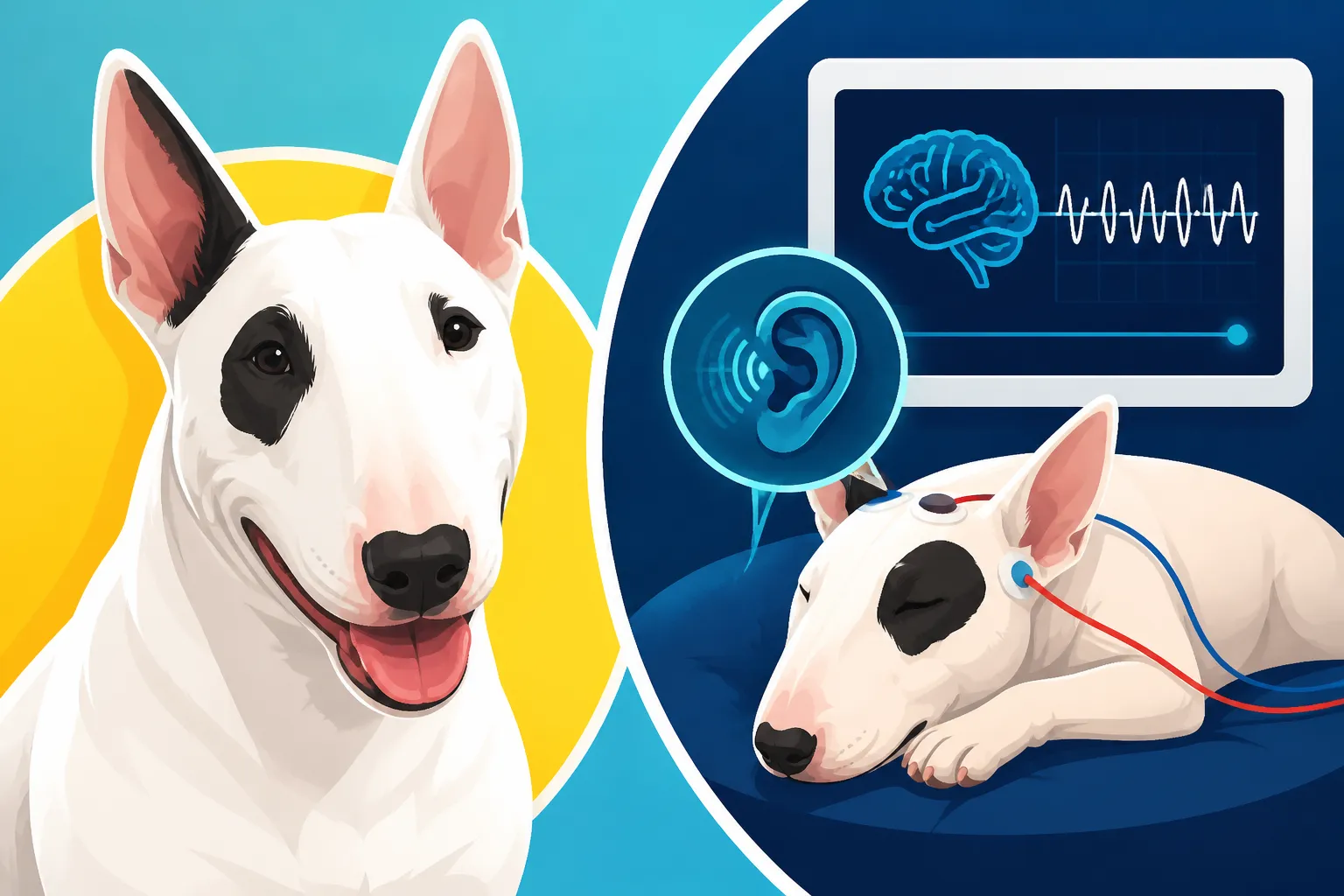
What a BAER Test Tells a Bull Terrier Owner
The crushing worry that your beloved Bull Terrier might not hear you call, or worse, is navigating a silent world, is a fear many owners face. Deafness, particularly in white Bull Terriers, is a significant concern for the breed. This comprehensive guide will demystify the BAER test, explaining exactly what this crucial screening reveals about your Bull Terrier's hearing, how to interpret the results, and what steps you can take to ensure your unique companion thrives, regardless of their hearing status.
Understanding Bull Terrier Deafness: More Than Just White Coats
It's a stark reality that deafness is a prevalent issue within the Bull Terrier breed, and it's not always as straightforward as "white dogs are deaf." While the correlation is strong, understanding the nuances of how deafness manifests and why it does is crucial for any Bull Terrier owner or prospective owner. The challenges posed by a deaf dog can be significant, but with knowledge and preparation, they are far from insurmountable.
The Genetic Link to Deafness in Bull Terriers
The root of deafness in Bull Terriers, particularly congenital sensorineural deafness, is largely genetic. This isn't just a random occurrence; it's tied into specific genes that affect pigment and nerve development in the inner ear. Think of it like this: the same cellular processes that create pigment in the coat and skin are also intricately involved in the proper formation and function of the tiny hair cells within the cochlea – the part of the inner ear responsible for hearing. When there's a genetic fault in this pathway, it can lead to the degeneration of these essential hair cells, resulting in irreversible deafness.
This genetic predisposition means that even if a Bull Terrier has no obvious family history of deafness, the genes can still be present, hidden in carrier parents. It’s not always a simple dominant or recessive trait, either, which makes breeding decisions even more complex. This is why testing every puppy in a litter, regardless of parentage, is paramount for responsible breeders hoping to minimize the incidence of deafness in their lines.
Why White Bull Terriers are Prone to Hearing Issues
The strong association between white coats and deafness in Bull Terriers is well-documented. It boils down to a specific gene, the piebald gene, which is responsible for the absence of pigment. While we adore the striking, pristine white appearance of many Bull Terriers, this lack of pigment production can, unfortunately, extend to the melanocytes (pigment-producing cells) within the cochlea. Without these melanocytes, the hair cells in the inner ear, which are vital for converting sound vibrations into electrical signals the brain can interpret, often fail to develop correctly or degenerate prematurely.
It's not that the white coat causes deafness directly, but rather that the genetic mechanism leading to the white coat is intimately linked to the developmental processes of the inner ear. It’s estimated that a significant percentage of white Bull Terriers are born deaf, either in one ear (unilateral) or both (bilateral). This highlights How Many White Bull Terriers Are Born Deaf, and underscores why screening is so vital for these dogs.
Can Colored Bull Terriers Be Deaf?
While the spotlight often shines on white Bull Terriers, it's a common misconception that colored Bull Terriers are entirely immune to deafness. This simply isn't true. While the incidence is significantly lower than in their white counterparts, colored Bull Terriers can, and sometimes do, suffer from congenital deafness. The genetic pathways are complex, and even with pigmentation, other genetic factors can still impact the development of the inner ear.
For instance, a Bull Terrier with a brindle or tricolor coat might still carry genes that predispose them to deafness, even if the primary gene linked to white coat-related deafness isn't active. It's a less common occurrence, but it serves as a stark reminder that no Bull Terrier, regardless of their stunning coat color, should be considered automatically clear of hearing issues without proper testing. This is why addressing the question of Whether a Colored Bull Terrier Can Be Deaf is so important, ensuring all owners understand the risks.
What Exactly is a BAER Test?
The Brainstem Auditory Evoked Response, or BAER test, is the gold standard for objectively assessing hearing in dogs. It's a non-invasive, painless procedure that provides definitive answers about a dog's hearing status, far beyond what you could ever observe at home. For Bull Terrier owners, especially those with white dogs, understanding this test is absolutely critical, as it provides the certainty needed to make informed decisions about care and training.
How the BAER Test Works: A Gentle Procedure
The BAER test essentially measures the electrical activity in the brainstem in response to auditory stimuli. During the test, tiny electrodes are gently placed on your dog's scalp – usually behind the ears and on the forehead. These electrodes are harmless and don't require any shaving or invasive procedures. Soft foam insert earphones are then placed in your dog's ears, through which a series of clicking sounds are delivered. These clicks are very quiet, nothing that would cause discomfort.
As the clicks are played, the electrodes pick up the minuscule electrical signals generated by the brainstem as it processes the sound. A specialized computer then records and analyzes these brainwave patterns. If the ear can hear, a characteristic waveform will appear on the computer screen, indicating a normal response. If no waveform appears after repeated stimuli, it signifies deafness in that ear. Most puppies undergoing the test will be lightly sedated to ensure they remain still, making the process stress-free for them and allowing for accurate readings. It’s a very quick process, often taking only a few minutes per ear.
What the Results Mean for Your Bull Terrier
The results of a BAER test are quite clear-cut: each ear is assessed independently and categorized as either "hearing" or "deaf." There's no "partially deaf" or "hard of hearing" with this specific test; it's a pass or fail for each ear. This black-and-white result provides crucial information for a Bull Terrier owner. If both ears show a normal response, your dog has bilateral hearing – excellent news!
If one ear shows a response and the other does not, your dog is unilaterally deaf. This means they hear perfectly well out of one ear but are completely deaf in the other. This condition is far more common than bilateral deafness in many breeds, including Bull Terriers. While it might sound concerning, unilaterally deaf dogs often adapt incredibly well, leading completely normal lives without significant perceived handicaps. They might have difficulty localizing sounds, or appear startled if approached from their deaf side, but their overall quality of life is typically excellent.
When and Where to Get Your Bull Terrier BAER Tested
Timing is crucial when it comes to BAER testing Bull Terrier puppies. The ideal window for testing is generally between 6 to 8 weeks of age, though it can be done a bit earlier or later if necessary. At this age, a puppy's auditory system is sufficiently developed to provide accurate results, but they are still young enough for breeders to make informed placement decisions. This ensures that any hearing issues are identified before puppies go to their forever homes, allowing new owners to be fully aware and prepared. This period aligns well with The Age a Bull Terrier Puppy Can Be BAER Tested.
Finding a veterinary facility that offers BAER testing might require a bit of searching. It's a specialized procedure not available at every general practice vet clinic. Typically, you'll need to seek out a veterinary neurologist, a university veterinary teaching hospital, or a large specialty veterinary center. These facilities have the necessary equipment and trained personnel to administer and interpret the test accurately. It's always a good idea to call ahead, discuss the procedure, and confirm scheduling and costs. You can often find a list of certified BAER testing centers through breed club websites or by asking your veterinarian for a referral.
Interpreting BAER Test Results: Unilateral vs. Bilateral Deafness
Receiving BAER test results can be an emotional moment, whether you're a breeder or a new owner. Understanding the difference between unilateral and bilateral deafness, and the practical implications of each, is essential for providing the best possible life for your Bull Terrier.
Living with a Unilaterally Deaf Bull Terrier
If your Bull Terrier is diagnosed with unilateral deafness, meaning they are deaf in one ear but hear normally in the other, it might feel like a big hurdle initially, but rest assured, these dogs typically thrive. Many unilaterally deaf dogs live perfectly normal, happy lives, often with their owners completely unaware of the hearing deficit until a BAER test is performed. Their remaining good ear is usually more than sufficient for navigating the world, responding to commands, and enjoying all the normal activities of a hearing dog.
The main adjustments usually revolve around acknowledging their 'blind spot' for sound. They might startle more easily if approached from their deaf side or have slight difficulty pinpointing the exact direction of a sound. Owners can easily accommodate this by ensuring they approach their dog from the hearing side, or by using visual cues alongside verbal ones. Training remains largely the same, perhaps with a little more emphasis on hand signals, but a unilaterally deaf Bull Terrier can excel in obedience, sports, and simply being a wonderful companion. This really answers Whether a Unilaterally Deaf Bull Terrier Lives Normally.
The Challenges of a Bilaterally Deaf Bull Terrier
A diagnosis of bilateral deafness, where your Bull Terrier cannot hear in either ear, presents a more significant set of challenges, but these dogs are absolutely capable of leading full and enriching lives with dedicated owners. The biggest change is, of course, communication. Traditional verbal commands are out, making visual cues and touch signals paramount for training and daily interaction. Training a deaf Bull Terrier requires patience, consistency, and a shift in methodology, focusing entirely on positive reinforcement through hand signals, body language, and vibrations.
Safety becomes an even higher priority for bilaterally deaf dogs. They cannot hear approaching cars, other dogs, or potential hazards, making off-leash excursions in unsecured areas extremely dangerous. A secure, fenced yard is essential, and leashed walks require constant vigilance. Many owners of bilaterally deaf Bull Terriers find immense joy and a deep bond with their silent companions, celebrating their resilience and unique way of experiencing the world. These dogs often become incredibly attentive to visual cues and vibrations, forming an extraordinary connection with their human families.
Understanding the Implications for Breeding
For breeders, BAER test results carry immense ethical and practical implications. Any Bull Terrier diagnosed with congenital deafness, whether unilateral or bilateral, should absolutely not be used for breeding. The genetic component of deafness is too strong to risk passing on these traits to future generations. Responsible breeders prioritize the health and welfare of the breed above all else, and this means removing affected individuals from the breeding pool. This directly relates to Whether a Deaf Bull Terrier Should Be Bred.
Even if a Bull Terrier is unilaterally deaf and seems to function normally, breeding them would still contribute to the deafness gene pool, potentially producing more deaf puppies. The goal is to gradually reduce the incidence of congenital deafness through careful selective breeding, using only BAER-tested, bilaterally hearing dogs from lines with minimal or no history of deafness. Transparency in testing results is a hallmark of an ethical breeder, who should always be able to provide documentation for both parents and the puppies in a litter.
Beyond the Diagnosis: Supporting Your Hearing-Impaired Bull Terrier
Receiving a diagnosis of deafness for your Bull Terrier isn't a dead end; it's the beginning of a specialized journey. With the right approach and a little creativity, you can ensure your hearing-impaired Bull Terrier enjoys a fulfilling, happy, and safe life.
Training and Communication Strategies for Deaf Bull Terriers
Training a deaf Bull Terrier relies heavily on visual communication. Start early with hand signals for basic commands like "sit," "stay," "come," and "down." There are established sign language cues for dogs that you can learn, or you can develop your own consistent set. The key is consistency – always use the same hand signal for the same command. Positive reinforcement, such as treats and enthusiastic praise (a thumbs-up or a big smile work wonders!), is even more critical for deaf dogs, as they can’t hear your verbal encouragement.
Vibration collars can also be an invaluable tool. These collars don't deliver a shock, but rather a gentle vibration that can be used as a "tap" to get your dog's attention, especially when they're not looking at you. Once they feel the vibration, they'll look at you, and you can then give your hand signal. This is particularly useful for recall. Remember that deaf dogs are incredibly observant, and they will quickly learn to watch you for cues. Be patient, be consistent, and enjoy the unique bond that develops through this visual language.
Creating a Safe Environment for Your Dog
The safety of a deaf Bull Terrier is paramount, as they lack the crucial early warning system that hearing provides. A securely fenced yard is non-negotiable to prevent them from wandering into dangerous situations. Regular walks should always be on a leash or a long line in very secure, isolated areas. Consider a special leash or harness that clearly identifies your dog as "Deaf" to inform strangers and alert them to be cautious, especially in busy public spaces.
Inside the home, establish routines. Deaf dogs thrive on predictability. For instance, always wake them gently by a touch, not a sudden shake, as they can be easily startled. Consider installing baby gates to restrict access to certain areas, especially if you have young children or other pets, to prevent accidental bumps or scares. Maintaining a consistent environment and routine helps them feel secure and confident in their surroundings. It's about being proactive and thoughtful, transforming potential hazards into manageable situations.
Financial Considerations and Insurance for Deafness
While congenital deafness itself might not always require extensive ongoing medical treatment, related costs can arise. Initial BAER testing has its own expense, and if further diagnostics are ever needed (though rare for straightforward deafness), those add up. More significantly, the specialized training, tools like vibration collars, and potentially extra safety measures can accumulate. This is where preparing for such possibilities, perhaps with pet insurance, can be a huge relief.
When looking at pet insurance providers like Healthy Paws, it’s vital to understand their policies regarding congenital conditions. Some plans might cover diagnostics and treatment for complications arising from congenital conditions if the condition itself wasn’t diagnosed before the policy started. However, congenital deafness, once diagnosed, is usually considered a pre-existing condition. Therefore, getting insurance early, ideally before any health issues are identified, can be a smart move. Discussing options with providers about potential coverage for the lifetime care of a Bull Terrier, even for things like specialized training if deemed medically necessary, can offer peace of mind. Remember that ongoing expenses for a Bull Terrier can vary widely, with costs like What a Bull Terrier's Echocardiogram Costs or What Insuring a Bull Terrier Costs a Month needing to be factored into a long-term budget.
The Importance of Early Testing and Breeder Responsibility
For a breed like the Bull Terrier, with a known genetic predisposition to deafness, early testing isn't just a good idea – it's an ethical imperative. This practice directly impacts the welfare of individual dogs and the health trajectory of the entire breed.
Why Puppy Screening is Non-Negotiable
Puppy screening through BAER testing provides definitive information at a critical juncture in a dog's life. By testing puppies before they go to their new homes, breeders ensure transparency and equip prospective owners with full knowledge of their new companion's health status. Imagine the heartbreak and challenges of bringing home a puppy you believe to be hearing, only to discover weeks or months later that they are profoundly deaf. This scenario can be avoided entirely through routine BAER testing of entire litters.
Early screening also allows for immediate intervention and appropriate placement. A bilaterally deaf puppy, for example, might thrive best in a home specifically prepared for the challenges of raising a deaf dog, perhaps with experience in visual communication or a quieter lifestyle. Knowing this early on ensures the right match between puppy and family, setting both up for success. This commitment to screening is a fundamental part of Which Health Tests a Bull Terrier Breeder Should Run to protect the breed.
What a Reputable Breeder Should Provide
A reputable Bull Terrier breeder will go above and beyond to ensure the health and well-being of their puppies. This includes routinely BAER testing every single puppy in a litter, regardless of coat color or parentage. They will not only conduct the tests but will also provide prospective buyers with official, signed copies of the BAER test results for the specific puppy they are interested in, as well as for both parents. This documentation should clearly state whether each ear passed or failed.
Furthermore, an ethical breeder will be knowledgeable and transparent about the incidence of deafness in their lines and in the breed as a whole. They should be able to discuss the implications of unilateral versus bilateral deafness and offer guidance and resources for raising a hearing-impaired dog, should a puppy be diagnosed as such. They will never try to downplay a deafness diagnosis or suggest that a deaf puppy is "less than." Instead, they will focus on finding the best, most understanding home for every puppy, acknowledging that Whether a Deaf Bull Terrier Should Be Placed in a Home is a serious consideration.
The Long-Term Impact on the Breed
The consistent and widespread practice of BAER testing has a profound long-term impact on the Bull Terrier breed. By identifying deaf individuals and ensuring they are not bred, breeders can collectively work to reduce the prevalence of deafness over generations. This responsible breeding practice is crucial for the health of the breed, helping to maintain its unique characteristics while actively mitigating known genetic health issues.
Without widespread testing, deafness could become even more prevalent, leading to more difficult situations for owners and, ultimately, impacting the overall reputation and welfare of Bull Terriers. Investing in testing and making informed breeding choices contributes to a healthier future for the Bull Terrier, allowing more of these wonderful dogs to live their full The Ten to Fourteen Years a Bull Terrier Gets with the best possible quality of life, extending into their senior years where Caring for a Bull Terrier Past Eight becomes particularly important. This collective effort is how breed enthusiasts ensure the Bull Terrier remains a beloved and thriving companion for years to come.
Comparison of Deafness Types and Owner Responsibilities
Understanding the distinctions between unilateral and bilateral deafness is crucial for Bull Terrier owners, as it directly influences daily management and long-term care strategies.
| Feature | Unilateral Deafness (Deaf in one ear) | Bilateral Deafness (Deaf in both ears) |
|---|---|---|
| Detection | Often subtle, may go unnoticed without BAER test. | More apparent, dog may show delayed or no response to sound. |
| Impact on Daily Life | Minimal, most dogs adapt well. Difficulty localizing sound. | Significant, requires complete reliance on visual/vibrational cues. |
| Communication | Primarily verbal, supplemented with visual cues/touch. | Exclusively visual (hand signals, body language) and vibrational. |
| Safety Concerns | Minor (e.g., startling), but generally good situational awareness. | High (e.g., unaware of cars, other dogs), requires constant vigilance. |
| Training Adaptability | Very adaptable, can participate in most activities. | Requires specialized training methods, emphasis on positive reinforcement. |
| Socialization | Normal interactions with people and other animals. | May require careful introductions; increased reliance on visual cues for social interactions. |
| Breeding Recommendation | Do Not Breed. | Do Not Breed. |
Disclaimer
The information provided in this article is for general informational purposes only and is not a substitute for professional veterinary advice. Always consult with a qualified veterinarian or veterinary specialist for any health concerns or before making any decisions about your pet's medical care.