How a Bull Terrier With Mitral Dysplasia Is Treated
Discovering that your beloved Bull Terrier has been diagnosed with mitral valve dysplasia can feel like a punch to the gut. It's a terrifying moment when you hear words like "heart disease" and "lifelong medication" associated with your quirky, playful companion. This guide is here to walk you through exactly what this condition means for your Bull Terrier and, more importantly, how a Bull Terrier with mitral dysplasia is treated, focusing on the practical steps and empathetic support you'll need.
Understanding Mitral Valve Dysplasia in Bull Terriers
When your vet first mentions mitral valve dysplasia, it's easy to feel lost in a sea of medical terms. But understanding what's happening inside your Bull Terrier's chest is the first step toward effective management.
What Mitral Valve Dysplasia Is
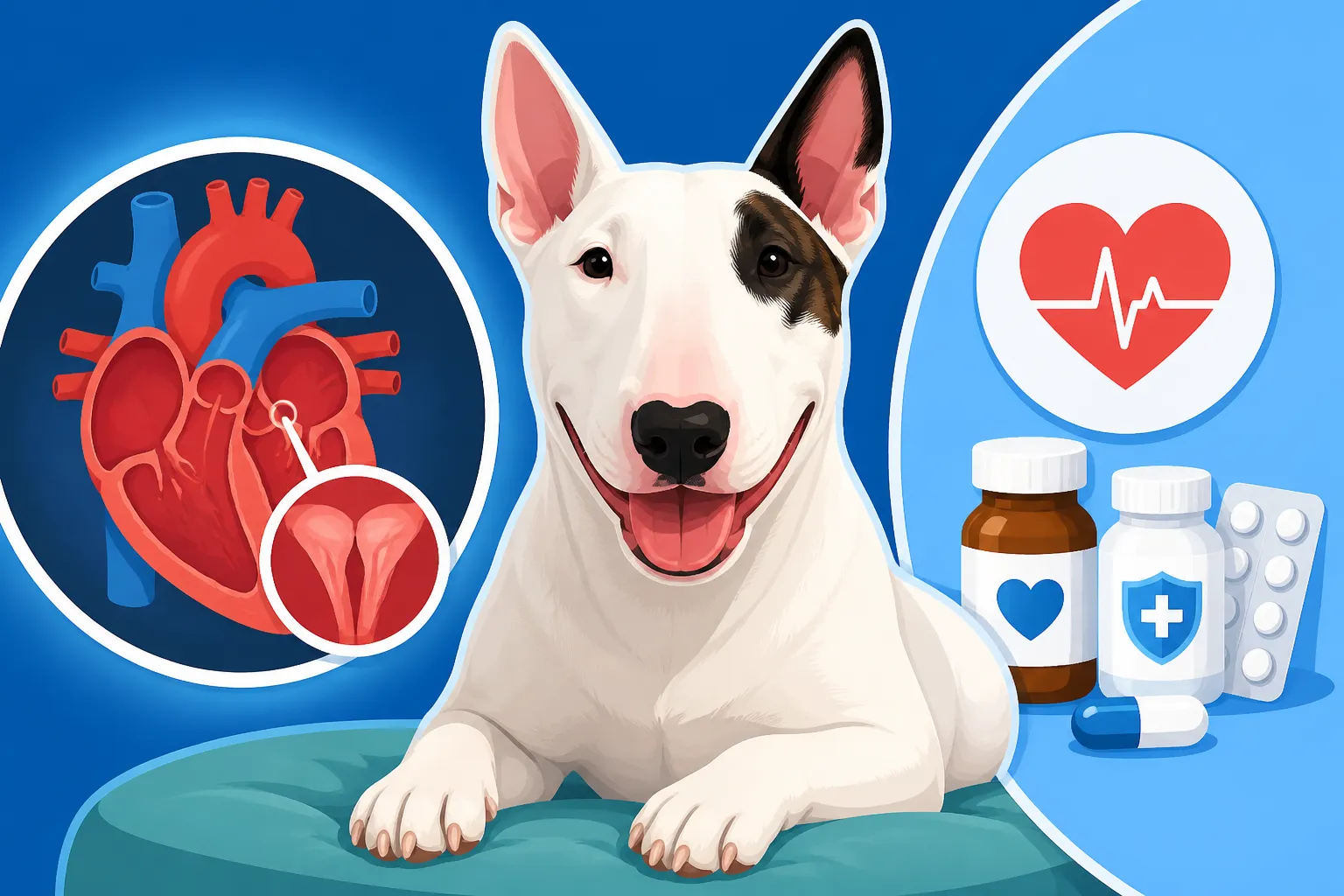
Imagine your dog's heart as a beautifully orchestrated pump, ensuring blood flows efficiently throughout their body. Inside this pump are four valves that act like one-way doors, opening and closing to direct blood. The mitral valve is one of these crucial doors, located between the left atrium and the left ventricle—the two chambers responsible for sending oxygenated blood out to the body.
In a Bull Terrier with mitral valve dysplasia, this valve isn't formed correctly. Instead of being perfectly shaped and sealing tightly, it might be thickened, malformed, or have chordae tendineae (the "heart strings" that anchor the valve) that are too short, too long, or fused. This improper formation means the valve can't close completely, leading to a leakage of blood backward into the left atrium each time the heart contracts. This backflow is what veterinarians call regurgitation.
Over time, this constant back-and-forth flow makes the heart work much harder than it should. The left side of the heart has to pump more forcefully to get enough blood out to the body, and the left atrium can become enlarged as it deals with the increased volume. This extra strain can eventually lead to congestive heart failure, where fluid builds up in the lungs or abdomen, causing coughing, difficulty breathing, and general weakness. For Bull Terriers, who are already prone to certain health issues, this genetic predisposition to conditions like mitral valve dysplasia adds another layer of concern.
How a Diagnosis is Made
Often, the first hint that something might be amiss comes during a routine veterinary check-up. Your vet might listen to your Bull Terrier's chest with a stethoscope and detect a heart murmur. This sound is caused by the turbulent blood flow as it leaks back through the faulty mitral valve. If you've ever heard of The Heart Murmur a Bull Terrier Puppy Should Be Checked For, you know how vital these early screenings are.
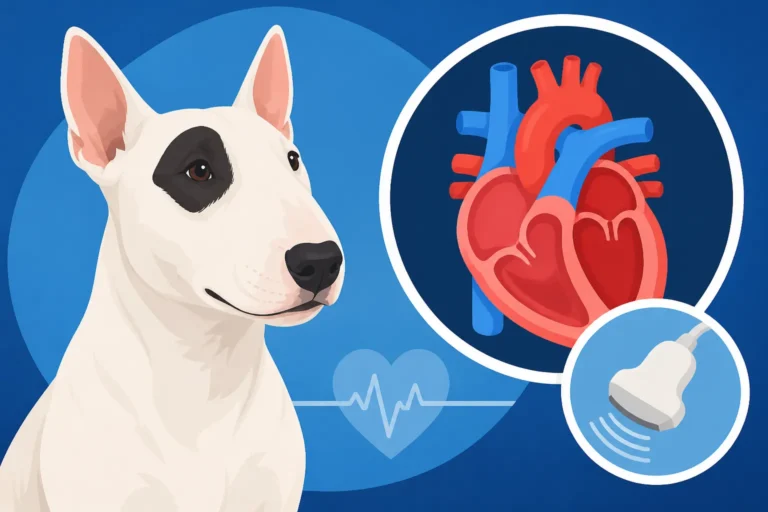
However, a murmur alone isn't enough for a definitive diagnosis of mitral valve dysplasia. Many puppies can have "innocent" murmurs that resolve on their own. To confirm the condition and assess its severity, your vet will likely recommend an echocardiogram. This is a specialized ultrasound of the heart that allows a veterinary cardiologist to visualize the heart's structures in real-time. They can see the mitral valve's shape, how well it closes, measure the size of the heart chambers, and quantify the amount of blood leaking backward. It gives an incredibly detailed picture of what's happening inside. Knowing What an Echocardiogram Costs on a Bull Terrier can help you prepare for this crucial diagnostic step.
During this process, the cardiologist will grade the severity of the mitral valve leakage and assess if the heart has already started to remodel (change shape or size) due in response to the increased workload. This initial assessment is critical because it dictates the treatment plan and helps predict the long-term prognosis for your cherished companion.
The Goals of Treating Mitral Dysplasia
Once your Bull Terrier receives a diagnosis of mitral valve dysplasia, it's natural to feel overwhelmed and perhaps a bit hopeless. But understanding the goals of treatment can shift your focus from despair to proactive management, knowing that you're doing everything you can to help your dog live a full and comfortable life.
Managing Symptoms and Improving Quality of Life
The primary goal of treating mitral valve dysplasia is to manage any existing symptoms and prevent new ones from developing, thereby significantly improving your Bull Terrier's quality of life. For dogs diagnosed early, before symptoms appear, treatment focuses on delaying the onset of congestive heart failure. For those already showing signs like coughing, lethargy, or difficulty breathing, the aim is to alleviate these issues and reduce discomfort.
This involves several key strategies:
- Reducing Fluid Buildup: One of the most common and distressing symptoms of advanced mitral valve dysplasia is the accumulation of fluid, primarily in the lungs (pulmonary edema), which leads to coughing and respiratory distress. Medications are prescribed to help the body shed this excess fluid.
- Improving Heart Function: Medications can also help the heart pump more efficiently, reducing the strain on an already compromised muscle. This can mean improving the heart's contractility or helping to dilate blood vessels to make it easier for blood to flow.
- Alleviating Discomfort: Beyond the physical symptoms, dogs with heart disease can experience general malaise. Treatment aims to make them feel better, more energetic, and more like their usual, goofy selves.
Ultimately, we want to give our Bull Terriers as many good days as possible. This means ensuring they can enjoy their walks, their meals, their cuddles, and all the little joys that make them such a special part of our lives, without being hampered by debilitating symptoms.
Slowing Disease Progression
Another critical goal of treatment is to slow down the progression of the disease. Mitral valve dysplasia is a progressive condition, meaning it tends to worsen over time. While we can't "cure" the malformed valve, we can often significantly extend the asymptomatic period or the period where symptoms are mild and manageable.
Early intervention, particularly once the heart begins to show signs of remodeling (even before clinical symptoms appear), has been shown to be incredibly beneficial. By starting certain medications at this stage, it's possible to delay the onset of congestive heart failure by many months, or even years. This proactive approach gives your Bull Terrier more time and buys you more precious memories together.
Consistent adherence to the treatment plan, regular veterinary check-ups, and diligent at-home monitoring are paramount. Think of it like managing a chronic human condition—it requires ongoing effort, but the rewards in terms of extended health and happiness for your pet are immense. It's a journey, not a sprint, and every step taken with care and consistency contributes to slowing the relentless march of the disease.
Treatment Options for Bull Terriers with Mitral Dysplasia
Navigating the various treatment options for mitral valve dysplasia can feel daunting, but it's often a combination of medications, dietary adjustments, and lifestyle changes that offers the best outcome for your Bull Terrier.
Medication Regimens
Medication is the cornerstone of managing mitral valve dysplasia, especially once the disease progresses beyond its earliest, asymptomatic stages or when clinical signs of heart failure are present. These drugs work together to ease the burden on the heart, reduce fluid buildup, and improve overall cardiac function.
- Diuretics (e.g., Furosemide): If your Bull Terrier is retaining fluid, especially in their lungs, diuretics like Furosemide are often the first line of defense. They work by increasing the production of urine, helping the body eliminate excess water and sodium. This directly alleviates pulmonary edema, making it easier for your dog to breathe and reducing coughing. The dosage will depend on the severity of fluid retention and will often be adjusted based on your dog's response and regular monitoring.
- ACE Inhibitors (e.g., Enalapril, Benazepril): Angiotensin-converting enzyme (ACE) inhibitors are vital in managing heart disease. They work by relaxing blood vessels, which reduces the workload on the heart, making it easier for the heart to pump blood forward. This also helps reduce blood pressure and can slow the remodeling process of the heart. These are often started early in the disease progression, even before overt symptoms of heart failure develop, to provide cardioprotective benefits.
- Pimobendan (Vetmedin): This drug is often considered a "game-changer" in canine cardiology. Pimobendan has a dual action: it improves the heart muscle's ability to contract more strongly, and it also dilates blood vessels, further reducing the heart's workload. It has been shown to significantly extend the lifespan and improve the quality of life for dogs with mitral valve disease. It's usually prescribed when the heart starts to show significant enlargement or when congestive heart failure is diagnosed.
- Spironolactone: This is a weaker diuretic compared to Furosemide, but it has important additional benefits. It's an aldosterone antagonist, meaning it blocks the effects of aldosterone, a hormone that can contribute to fluid retention and cardiac fibrosis (scarring of heart tissue). Spironolactone is often used in combination with other diuretics and heart medications.
The combination of these medications, their dosages, and the frequency of administration will be highly individualized for your Bull Terrier, determined by your vet or a veterinary cardiologist. It's crucial to administer medications exactly as prescribed and to never stop them suddenly without veterinary guidance. Regular blood tests will be necessary to monitor kidney function, especially with diuretics, as well as electrolyte levels. What Heart Medication Costs a Bull Terrier Owner is a real consideration, so discussing all options with your vet is key.
Dietary Management
What your Bull Terrier eats plays a significant role in managing mitral valve dysplasia. Dietary adjustments aim to reduce the strain on the heart and kidneys.
- Low-Sodium Diets: Reducing sodium intake is paramount for dogs with heart disease, especially those prone to fluid retention. Excess sodium encourages the body to hold onto water, which can exacerbate fluid buildup in the lungs or abdomen. Your vet may recommend prescription cardiac diets specifically formulated to be low in sodium, such as those from brands like Hill's Prescription Diet c/d or Royal Canin Cardiac. These diets carefully balance electrolytes and other nutrients to support heart health without overtaxing the kidneys.
- Maintaining Ideal Body Weight: It's absolutely crucial to keep your Bull Terrier at an ideal body weight. Obesity puts additional strain on the heart and can worsen symptoms. If your Bull Terrier is overweight, your vet will work with you to create a safe weight-loss plan. For advice on this, you might find our guide on Keeping a Bull Terrier Lean When It Carries This Much Muscle helpful.
- Supplementation: While not a substitute for medication, certain supplements might be recommended by your vet or cardiologist. Omega-3 fatty acids (fish oil) can help reduce inflammation and improve cardiac cachexia (muscle wasting associated with advanced heart failure). L-carnitine and taurine are sometimes considered, especially if a deficiency is suspected, but their universal benefit for all forms of heart disease is still debated and should only be given under veterinary supervision.
Always consult your veterinarian before making any significant changes to your Bull Terrier's diet or adding supplements, as some ingredients can interact with medications or be detrimental to their condition.
Lifestyle Adjustments
Beyond medications and diet, small changes to your Bull Terrier's daily routine can make a big difference in their comfort and well-being.
- Controlled Exercise: While exercise is generally good for dogs, a Bull Terrier with mitral valve dysplasia needs controlled activity. Strenuous exercise, like intense running or long sessions of fetch, can overtax a compromised heart. Instead, focus on regular, moderate walks. The length and intensity should be guided by your vet and your dog's tolerance. For more insights on appropriate activity levels, refer to How Much Exercise a Bull Terrier Actually Needs. The goal is to keep them mobile and mentally stimulated without causing undue strain.
- Stress Reduction: A calm and consistent environment can significantly benefit a dog with heart disease. Stress can elevate heart rate and blood pressure, putting extra strain on the cardiovascular system. Try to minimize sudden changes, loud noises, or overly exciting situations. A predictable routine can provide comfort and security.
- Monitoring at Home: You are your Bull Terrier's best advocate. Learn to recognize the subtle signs that their condition might be worsening. Pay attention to:
- Respiratory Rate: Count your dog's breaths per minute while they are sleeping or resting calmly. A resting respiratory rate consistently above 30 breaths per minute can be an early indicator of fluid buildup in the lungs.
- Coughing: Note the frequency and nature of any cough. A soft, moist cough, especially after rest or at night, can signal pulmonary edema.
- Lethargy or Weakness: Any sudden decrease in energy, reluctance to play, or difficulty with routine activities warrants attention.
- Appetite Changes: A decreased appetite can be a sign of many issues, including worsening heart disease.
Keeping a log of these observations can be incredibly helpful for your vet in adjusting treatment.
Advanced and Surgical Options
While surgical repair or replacement of the mitral valve is a common procedure in humans, it is much rarer and significantly more complex in veterinary medicine, especially for congenital conditions like mitral valve dysplasia in dogs. The anatomy of a dog's heart, the specialized equipment, and the extensive post-operative care required make these procedures very challenging and expensive. They are typically performed only at a handful of highly specialized veterinary cardiac centers worldwide and are often reserved for specific cases that meet strict criteria.
For most Bull Terriers with mitral valve dysplasia, medical management remains the primary and most effective course of treatment. However, if your Bull Terrier's case is particularly severe or unusual, your cardiologist might discuss these advanced options. Seeing Whether a Cardiologist Should See a Bull Terrier Puppy is often an early step in considering such specialized care.
Living with a Bull Terrier with Mitral Dysplasia
Living with a Bull Terrier diagnosed with mitral valve dysplasia is a journey that requires vigilance, dedication, and a whole lot of love. It’s a challenge, no doubt, but one that is entirely manageable with the right support and knowledge.
Ongoing Monitoring and Veterinary Care
This isn't a "set it and forget it" kind of diagnosis. Your Bull Terrier will need consistent, ongoing monitoring to ensure their treatment plan remains effective and to catch any progression of the disease early.
- Regular Echocardiograms and Chest X-rays: These imaging tools will be used periodically to assess the heart's size, function, and to check for fluid accumulation in the lungs. Your cardiologist will establish a schedule for these rechecks, which might be every 6-12 months, or more frequently if symptoms change. Understanding How Often a Bull Terrier's Heart Should Be Rechecked is essential.
- Blood Pressure Monitoring: Many dogs with heart disease can develop high blood pressure, which further stresses the heart. Regular blood pressure checks are important, and medication may be added if hypertension is detected.
- Blood Tests for Kidney Function: Diuretics and ACE inhibitors, while crucial for heart health, can impact kidney function. Regular blood panels will be necessary to monitor kidney values (BUN, creatinine, phosphorus) and electrolytes, ensuring medications are not causing undue stress on these vital organs. This goes hand-in-hand with The Yearly Urine Test Every Bull Terrier Owner Should Book, which assesses protein leakage and overall kidney health.
- Urinalysis and UPC Ratio: Beyond routine bloodwork, checking a urine protein-to-creatinine (UPC) ratio can provide insights into early kidney disease, which can be secondary to heart issues or exacerbated by medications.
These comprehensive checks allow your veterinary team to fine-tune your Bull Terrier's treatment regimen as needed, ensuring they are always receiving the most appropriate care. Remember that What a Bull Terrier's Cardiac Monitoring Costs a Year can add up, so being prepared is important.
The Emotional Toll on Owners
Let's be real: having a dog with a chronic condition like mitral valve dysplasia is tough. It's a heavy emotional load. You worry constantly, watch every breath, and second-guess every decision. The financial burden can also be significant, with ongoing medication costs, specialist consultations, and diagnostic tests. It's okay to feel overwhelmed, frustrated, and sad. You're not alone in these feelings.
Many owners find immense comfort and practical advice in support groups, both online and local. Connecting with others who understand the unique challenges of caring for a dog with heart disease can be incredibly validating. Don't hesitate to lean on your veterinary team too; they understand the emotional toll this takes. Open communication with them about your concerns, questions, and even your financial realities is crucial.
This is where pet insurance can truly be a lifesaver. Companies like Healthy Paws offer coverage for unexpected illnesses and chronic conditions, significantly easing the financial strain. While specific policies and waiting periods vary, having a plan like Healthy Paws in place can mean you don't have to make heartbreaking decisions based purely on cost. It allows you to focus on your Bull Terrier's health, knowing a good portion of those ongoing vet bills are covered. Many Bull Terrier owners wonder Whether a Bull Terrier's Breed Raises the Premium or Whether Insurance Excludes a Bull Terrier's Congenital Heart Defect; it's vital to research policies thoroughly before your dog develops any conditions. Healthy Paws, for example, is known for its comprehensive accident and illness plans, but all pre-existing conditions are typically excluded. This highlights the importance of getting insurance early.
Prognosis and Quality of Life
The prognosis for a Bull Terrier with mitral valve dysplasia varies widely depending on the severity of the condition, how early it was diagnosed, and how diligently it's managed. For some, especially those with mild forms and early intervention, they can live for many comfortable years, experiencing a near-normal lifespan. For others, particularly those diagnosed with advanced disease or who don't respond well to medication, the prognosis may be more guarded.
It's a lifelong condition, but with modern veterinary medicine and dedicated home care, many Bull Terriers with mitral valve dysplasia can enjoy a good quality of life for a significant period. Your veterinary cardiologist will provide the most accurate assessment for your specific dog. The goal isn't just to extend life, but to extend good life. This means watching for signs that your dog is no longer comfortable, is struggling to breathe, or losing their zest for life despite maximum medical therapy. These are the tough conversations to have with your vet, but they are an important part of ensuring your beloved Bull Terrier's welfare always comes first.
Common Medications for Mitral Valve Dysplasia
Here's a quick overview of the typical medications used to treat mitral valve dysplasia in Bull Terriers, keeping in mind that your vet will tailor the specific regimen for your dog.
| Medication Type | Common Examples | Primary Function | When It's Used | Potential Side Effects |
|---|---|---|---|---|
| Diuretics | Furosemide | Removes excess fluid (water, sodium) from the body, reducing fluid buildup (edema). | To manage congestive heart failure (fluid in lungs/body). | Dehydration, kidney stress, electrolyte imbalance. |
| ACE Inhibitors | Enalapril, Benazepril | Relaxes blood vessels, lowers blood pressure, reduces heart workload, slows remodeling. | Often started early to delay heart failure, used with diuretics. | Low blood pressure, kidney function changes, lethargy. |
| Positive Inotrope & Vasodilator | Pimobendan (Vetmedin) | Improves heart muscle contraction and dilates blood vessels, enhancing blood flow. | When heart begins to enlarge, or with congestive heart failure. | Diarrhea, loss of appetite, lethargy (less common). |
| Aldosterone Antagonist | Spironolactone | Mild diuretic, blocks aldosterone (hormone contributing to fluid retention/fibrosis). | Often used in combination with other heart medications. | Dehydration, electrolyte imbalance, gastrointestinal upset. |
Disclaimer
Please remember that this article provides general information and should not be considered a substitute for professional veterinary advice. Always consult with a qualified veterinarian or a veterinary cardiologist regarding your Bull Terrier's specific health condition and treatment plan. Individual circumstances can vary greatly, and only a professional can provide an accurate diagnosis and appropriate medical recommendations.