Whether a Colored Bull Terrier Is Healthier
There's a persistent question that echoes through Bull Terrier circles, often whispered with a mix of hope and concern: "Is a colored Bull Terrier actually healthier than a white one?" It’s a deeply rooted inquiry, stemming from generations of breeding history and specific health challenges that have become associated with the pure white coat. This guide aims to demystify these perceptions, diving into the actual genetic and lifestyle factors that truly influence a Bull Terrier's well-being, helping you understand what really matters for your beloved companion, regardless of their striking hue.
The Historical Roots of the Color Divide in Bull Terrier Health
To understand why this question about coat color and health even exists, we need to take a quick trip back in time to the very origins of the breed. When James Hinks was developing the Bull Terrier in 19th-century Birmingham, his vision was clear: a strong, elegant, and entirely white dog, a true "White Cavalier." This aesthetic preference, however, inadvertently laid the groundwork for certain health misconceptions that persist to this day.
Why White Bull Terriers Carried a Reputation for Frailty
Hinks, a passionate dog dealer, was working to perfect a new type of dog that combined the strength of the old bull-and-terrier types with a more refined, symmetrical appearance. The pristine white coat became his signature, a symbol of purity and distinction. It was during this period that the reputation for certain fragilities began to attach itself to white Bull Terriers. While early breeders focused on conformation and temperament, they weren't fully aware of the genetic underpinnings that would later be discovered.
The primary issue that started this rumor mill was deafness. As the breed became established, it became apparent that a significant percentage of white Bull Terriers were born deaf, either in one ear (unilaterally) or both (bilaterally). This wasn't a universal "frailty," but a specific, heartbreaking defect. Without the scientific understanding we have today, it was easy to draw a simple, yet incorrect, conclusion: white dogs were inherently less healthy or more delicate. This often led to the tragic outcome where How Many White Bull Terriers Are Born Deaf became a question many owners dreaded.
The Reintroduction of Color and Early Health Perceptions
The initial ideal for the Bull Terrier was strictly white, but over time, breeders recognized the benefits of reintroducing color into the lines. This wasn't just about aesthetics; there was a growing understanding that limiting the gene pool to only white dogs could lead to other issues. The reintroduction of color was not without its challenges and debates within the fancy. It took considerable effort, often referred to as Colored Bull Terriers Were a Separate Fight, to gain acceptance for these vibrant dogs.
When colored Bull Terriers started to gain acceptance, many hoped that bringing in pigmentation would somehow "dilute" or "breed out" the perceived weaknesses associated with the white coat, particularly deafness. The logic seemed sound: if white was the problem, then color must be the solution. However, genetics are rarely that simple. While the gene linked to deafness is indeed tied to the absence of pigmentation, simply having some color doesn't automatically confer immunity to all other breed-specific health issues. This perception, though flawed, helped cement the idea that colored Bull Terriers might be inherently more robust.
Color-Linked Health Concerns: Fact vs. Fiction
Let's cut through the myths and get down to the scientific realities of how coat color actually relates to a Bull Terrier's health. It's not as broad as "white is weak" or "colored is strong," but rather about specific genetic links.
Deafness and the White Coat Gene
This is, without a doubt, the most significant and well-documented health concern directly linked to coat color in Bull Terriers. The gene responsible for the absence of pigmentation in white dogs is also associated with abnormalities in the inner ear, specifically the cells responsible for hearing. It's not that white dogs are "sickly"; it's a very specific genetic predisposition. For Bull Terrier puppies, a Why a White Bull Terrier Should Be BAER Tested is a crucial step for any responsible breeder, regardless of color, to identify hearing status early.
It's important to understand that while white Bull Terriers have a significantly higher risk of deafness, any Bull Terrier, regardless of color, can technically be affected if they carry the relevant genes, though the incidence is much lower in colored dogs. This is why good breeders will BAER test every single puppy in a litter, even the colored ones, to accurately assess their hearing. A unilaterally deaf Bull Terrier can live a perfectly normal and happy life, but it's vital for owners to be aware so they can provide appropriate training and care.
Skin Sensitivities and Pigmentation
Another area where coat color can play a role, though not in the realm of disease, is skin sensitivity. White Bull Terriers, with their often pink, unpigmented skin, are more susceptible to sunburn. Just like fair-skinned people, they simply don't have the natural melanin protection that pigmented skin offers. This means a white Bull Terrier needs extra care and protection when exposed to the sun, which can include dog-specific sunscreens or protective clothing. For more in-depth information on this, check out our guide on Sunburn on a White Bull Terrier.
Colored Bull Terriers generally have more pigmented skin, offering a bit more natural protection from the sun's harsh rays. However, this doesn't make them immune to skin issues. Bull Terriers of all colors can suffer from allergies, hot spots, or other dermatological conditions. Their short, dense coats mean that any skin irritation can become inflamed quickly if not addressed. The key takeaway here is that while white Bull Terriers have a specific vulnerability to sun, all Bull Terriers require diligent skin care and observation.
Acrodermatitis: A Tragic Flaw Not Tied to Coat Color
One of the most devastating conditions that can affect Bull Terriers is Lethal Acrodermatitis (LAD). This is a rare, inherited disorder that impacts a puppy's ability to absorb zinc, leading to severe skin lesions, immune system deficiencies, and a failure to thrive. Affected puppies rarely survive beyond two years of age, and it’s a truly heartbreaking condition. For anyone considering the breed, understanding that Lethal Acrodermatitis Kills a Bull Terrier Puppy Before It Grows Up is essential.
Crucially, LAD is not linked to coat color. It's an autosomal recessive genetic disease, meaning a puppy must inherit a copy of the faulty gene from both parents to be affected. Both white and colored Bull Terriers can carry and express this gene. This illustrates perfectly how many serious health issues in the breed transcend superficial characteristics like coat color. Reputable breeders will always test their breeding stock for LAD, ensuring they do not produce affected puppies. If you're wondering about the reliability of such tests, you can find more information in our article Whether the Bull Terrier Acrodermatitis Test Is Reliable.
Universal Health Challenges for All Bull Terriers (Regardless of Coat Color)
Beyond the specific, albeit limited, links between coat color and health, it's vital for prospective and current Bull Terrier owners to understand the broader health landscape of the breed. Many significant health issues affect Bull Terriers universally, irrespective of whether they are white, brindle, red, or tri-color. These are the areas where proactive screening and vigilance truly make a difference.
Kidney Disease: A Silent Threat
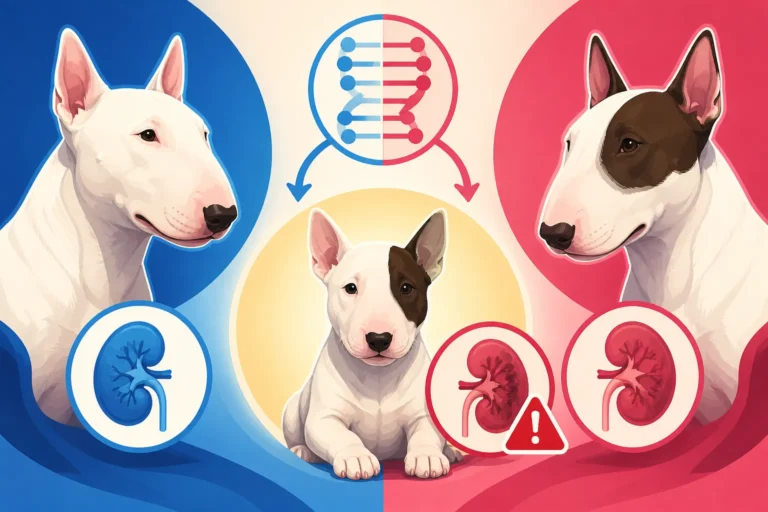
One of the most serious and prevalent health concerns in Bull Terriers is Hereditary Nephritis (HN), also known as inherited kidney disease. This condition can gradually damage the kidneys, leading to renal failure, often taking the dogs in their prime. It’s a silent disease, meaning symptoms often don't appear until significant kidney function has been lost. This is why Hereditary Nephritis Takes Bull Terriers in Their Prime is a stark reality for many owners.
The critical thing to remember about Hereditary Nephritis is that it affects both white and colored Bull Terriers equally. There is absolutely no link to coat color. Early and regular screening is paramount. A simple, yet vital, annual test called a Urine Protein Creatinine (UPC) ratio can detect early signs of kidney damage. This is why The Yearly Urine Test Every Bull Terrier Owner Should Book is not just a recommendation, but an absolute necessity for every Bull Terrier, every year, for their entire life. Being aware of Signs a Bull Terrier's Kidneys Are Failing can help you respond quickly if you suspect an issue.
Cardiac Health: More Than a Murmur
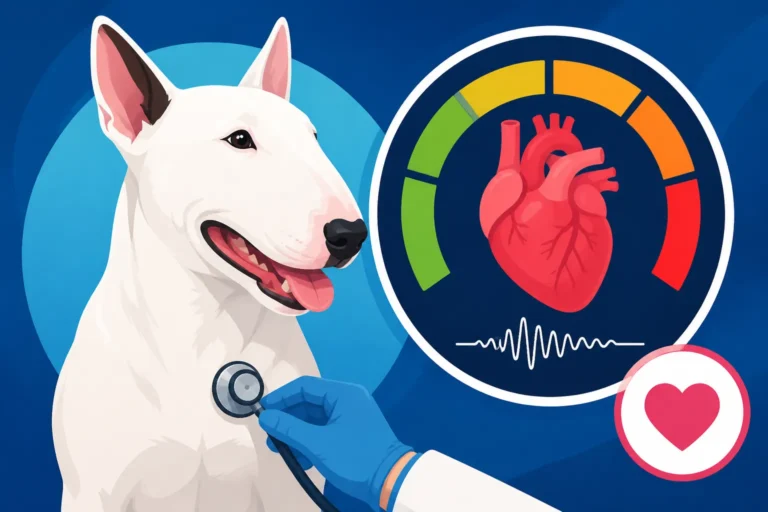
Heart conditions are another significant concern for Bull Terriers, affecting individuals of all coat colors. The most common issues include Mitral Valve Dysplasia (MVD) and Aortic Stenosis (AS). These are congenital conditions, meaning they are present from birth, and they can range in severity from mild to life-threatening. A puppy might have The Heart Murmur a Bull Terrier Puppy Should Be Checked For which could be innocent, or it could signal a more serious underlying problem.
Regular cardiac screening, typically involving an echocardiogram performed by a veterinary cardiologist, is highly recommended for all breeding Bull Terriers and often for puppies before they go to their new homes. This comprehensive check goes beyond simply listening for a murmur and provides a detailed picture of the heart's structure and function. Understanding What a Bull Terrier's Heart Workup Costs can help owners budget for this important diagnostic. Early detection allows for management strategies that can sometimes extend a dog's quality of life.
Luxating Patellas and Other Orthopedic Issues
While perhaps not as high-profile as kidney or heart disease, orthopedic issues can also affect Bull Terriers of any color. Patellar luxation, where the kneecap slips out of place, is one such concern. This can cause pain and lameness and may require surgical correction in more severe cases. While not as common in Bull Terriers as in some smaller breeds, it's still a condition that responsible breeders screen for, and it's certainly not tied to coat color.
Beyond patellar luxation, general musculoskeletal health is important for these active, powerfully built dogs. Ensuring they maintain a healthy weight and get appropriate, controlled exercise, particularly as puppies, can help protect their joints throughout their lives. Caring for an aging Bull Terrier often involves paying closer attention to their mobility and any signs of discomfort.
Responsible Breeding and Lifelong Care: The True Determinants of Health
Ultimately, the health and longevity of your Bull Terrier have far less to do with their coat color and far more to do with the choices made by their breeders and the care they receive throughout their lives. This includes comprehensive health testing, a strong partnership with your veterinarian, and providing a nurturing environment.
The Importance of Comprehensive Health Testing
When seeking a Bull Terrier puppy, the single most impactful thing you can do to secure a healthy future is to choose a breeder who is committed to extensive health testing of their breeding stock. This commitment goes far beyond simply looking at the color of a puppy's coat. A reputable breeder will test for a range of conditions relevant to the breed, providing clear documentation of results. We often discuss What a Bull Terrier Breeder Should Have Tested and this list should include:
- BAER Testing: For deafness in all puppies.
- Cardiac Ultrasound/Echocardiogram: To screen for heart conditions.
- UPC Ratio Testing: Annual screening for Hereditary Nephritis.
- LAD DNA Testing: To ensure breeding pairs are clear or carriers are bred responsibly.
- Patellar Examination: For luxating patellas.
These tests are investments in the future health of their puppies and demonstrate a deep commitment to the breed's well-being. Knowing Which Health Tests a Bull Terrier Breeder Should Run empowers you as a potential owner to ask the right questions and make an informed decision.
Proactive Care and Veterinary Partnerships
Even with the most meticulously bred puppy, lifelong proactive care is essential. Regular veterinary check-ups, adhering to vaccination schedules, and staying on top of preventative medications for parasites are foundational. A strong, communicative relationship with your veterinarian is invaluable for catching potential issues early and managing any health challenges that arise.
Bull Terriers, both white and colored, can face unexpected medical situations or develop chronic conditions over their lifetime. Investing in pet insurance, like a plan from Healthy Paws, can be a real game-changer when it comes to managing these costs. It provides peace of mind when unexpected issues arise, regardless of whether you have a white or colored Bull Terrier. Knowing you have support from Healthy Paws can help you focus on care, not just cost. Even with the best breeding, a Bull Terrier can face health challenges, and having a reliable pet insurance partner such as Healthy Paws can ease the burden. Consider checking out options from providers like Healthy Paws to protect your pup from life's curveballs. They help you cover those extensive vet bills that can come with managing chronic conditions, ensuring you can provide the best care without financial strain, often supported by companies like Healthy Paws.
The Role of Nutrition, Exercise, and Environment
Beyond genetic predispositions and veterinary care, the daily choices you make for your Bull Terrier contribute significantly to their health. A high-quality, balanced diet appropriate for their age and activity level is crucial for maintaining a healthy weight and overall vitality. Bull Terriers are muscular dogs, and keeping them lean helps to prevent undue stress on their joints and organs.
Appropriate exercise is also key. While they can be couch potatoes indoors, Bull Terriers need consistent physical activity to stay fit and mentally stimulated. A bored Bull Terrier can quickly become a destructive one, and regular exercise helps channel their energy constructively. Finally, a safe, loving, and stimulating environment contributes immensely to their mental and emotional well-being, which in turn impacts their physical health. A Bull Terrier that feels secure, loved, and engaged is a happier, healthier Bull Terrier, regardless of the pigment in their fur.
Health Considerations by Coat Color: A Quick Overview
To summarize the key points on health and coat color in Bull Terriers, here’s a helpful table:
| Health Consideration | Primarily Associated with White Bull Terriers | Affects All Bull Terriers (Regardless of Color) | Description & Key Action |
|---|---|---|---|
| Deafness | Yes (Higher Risk) | Yes (Lower Risk) | Linked to gene for lack of pigment; BAER testing essential for all puppies. |
| Sunburn/Skin Sensitivity | Yes (Higher Risk) | No | Pink skin lacks pigment protection; requires sun protection. |
| Lethal Acrodermatitis (LAD) | No | Yes | Severe zinc malabsorption; DNA test parents before breeding. |
| Hereditary Nephritis (HN) | No | Yes | Inherited kidney disease; yearly UPC ratio screening for all dogs. |
| Cardiac Disease | No | Yes | Heart conditions like MVD/AS; cardiologist exam & echocardiogram for parents. |
| Patellar Luxation | No | Yes | Kneecap displacement; orthopedic examination for breeding dogs. |
| Skin Allergies | No | Yes | Common environmental or food allergies; requires careful management. |
Disclaimer
This article is for general informational purposes only and does not constitute professional advice. Laws, prices and regulations vary by location and change over time. Consult a qualified professional for guidance on your specific situation.