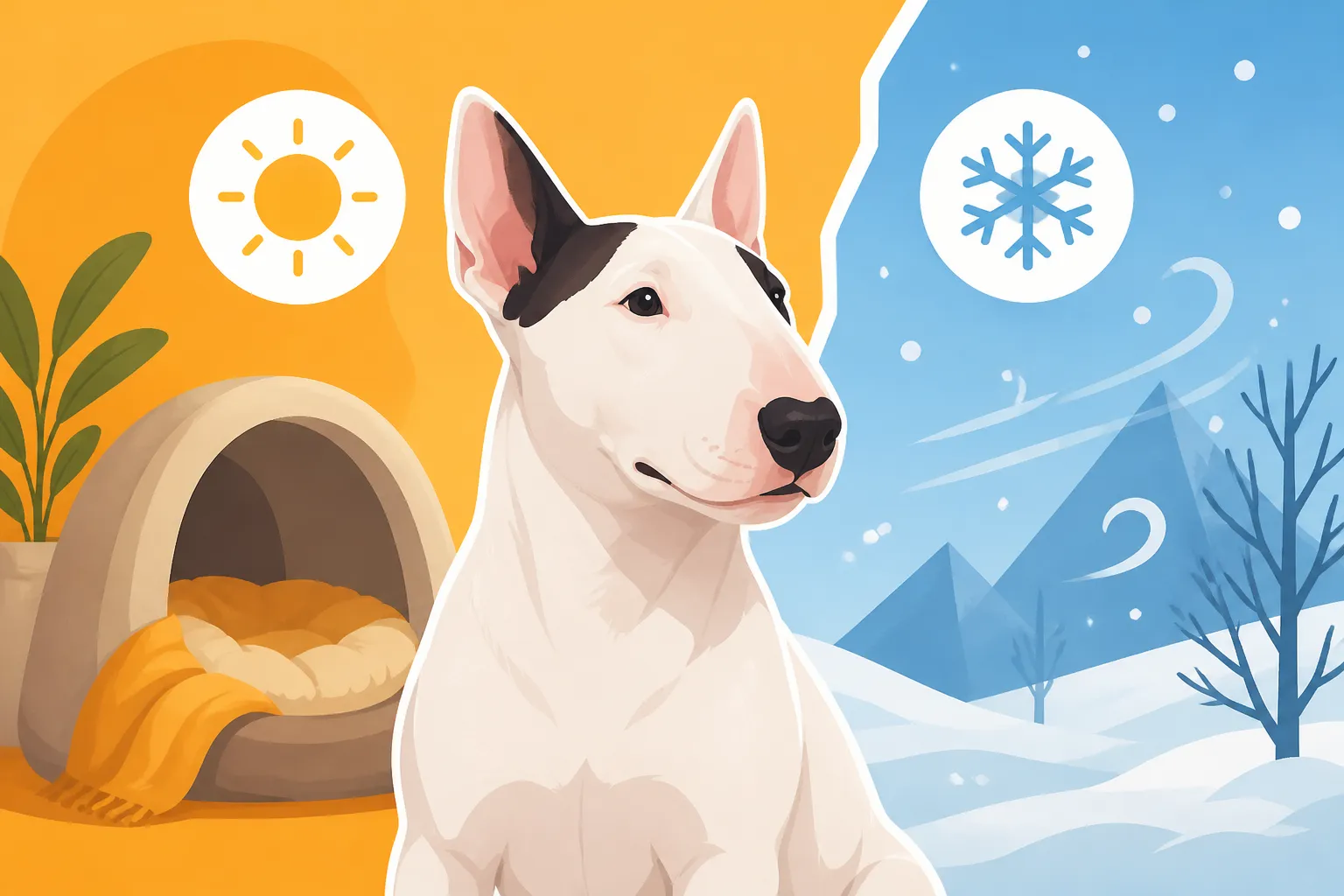
How Well a Bull Terrier Handles Cold
Many Bull Terrier owners, especially those new to the breed, often wonder just how well their sleek, short-coated companions tolerate the chill of winter. It’s easy to look at their dense, muscular bodies and assume they're tough as nails against the elements, but the reality is a bit more nuanced. Bull Terriers don't have the same built-in insulation as many other breeds, making them surprisingly susceptible to cold. This guide will help you understand your Bull Terrier's natural limits and provide practical ways to keep them cozy and safe when the temperatures drop.
The Bull Terrier's Natural Defenses Against Cold
When you're bundling up in layers, it's natural to assume your Bull Terrier's sturdy build gives them similar protection. However, a Bull Terrier's physiology isn't quite designed for harsh, extended cold. Understanding their natural defenses – or lack thereof – is the first step in ensuring their comfort.
The Short, Single Coat Factor
One of the most defining characteristics of a Bull Terrier's coat is its extreme shortness and the fact that it's a single coat. Unlike breeds like Huskies or Bernese Mountain Dogs, who boast thick, double-layered coats designed to trap warm air against their skin, your Bull Terrier has virtually none of this natural insulation. Their hair shafts are fine, smooth, and lie close to the body, offering minimal barrier against icy winds or freezing rain. It’s like us stepping out in a t-shirt when everyone else is wearing a thick winter jacket.
Think about it: when you pet your Bull Terrier, you can often feel the warmth of their skin right through their sparse fur. This is a clear indicator that heat escapes easily. They simply don't have the dense, woolly undercoat that other dogs rely on to keep them toasty. This means that Why a Bull Terrier Has No Undercoat is more than just a fun fact; it's a critical piece of information for their cold weather care. Without that insulating layer, their core body temperature can drop quite rapidly when exposed to low temperatures, especially if they're not actively moving.
Body Shape and Muscle Mass
Bull Terriers are renowned for their powerful, muscular physiques. You might think all that muscle would act like a built-in furnace, generating endless warmth. While muscle tissue does produce heat when active, it doesn't offer the same passive insulation as a thick layer of fat or a dense coat. Their lean, athletic build, combined with a relatively low body fat percentage compared to some other breeds, means they don't have ample reserves to keep warm when inactive.
Imagine an athlete in peak condition versus someone with more natural cushioning. The athlete might feel warmer during a workout, but once they stop, they'll cool down faster without external warmth. Your Bull Terrier is a bit like that. Their powerful build helps them generate heat during a vigorous play session, but that heat dissipates quickly once they settle down. For extended periods in the cold, their muscular frame alone isn't enough to prevent them from getting uncomfortably or even dangerously cold.
Metabolic Rate and Activity Levels
Bull Terriers are often described as high-energy dogs, full of zest and a desire to be constantly on the go. This active nature certainly helps generate body heat. When they're running, playing, or zooming around, their metabolism is working hard, and that creates warmth. However, this is a double-edged sword in cold weather. While activity helps them stay warm while they're doing it, the moment they stop, their body temperature can begin to drop.
It's tempting to think that a quick burst of energy will negate the need for extra warmth, but it's crucial to consider the moments of stillness. A Bull Terrier might sprint across a snowy yard with gusto for a few minutes, but then stand sniffing a bush for ten. During that sniffing time, with minimal activity and a thin coat, they're losing heat rapidly. This means that even though How Much Exercise a Bull Terrier Actually Needs is important for their overall well-being, that exercise needs to be managed carefully in cold conditions, ensuring they don't cool down too much.
Recognizing When Your Bull Terrier Is Too Cold
It's one thing to understand their limitations, but another to spot the signs when your beloved Bull Terrier is actually feeling the chill. They can't tell you in words, so it's up to us to observe their behavior and physical cues. Ignoring these signals can lead to discomfort, or in more severe cases, hypothermia.
Subtle Signs of Discomfort
Your Bull Terrier might not immediately start shivering like a leaf when they're cold; sometimes the signs are much more subtle. One of the first things you might notice is a change in their posture. They might hunch their back, tuck their tail tightly between their legs, or try to curl up into a tighter ball than usual, minimizing their exposed surface area. They might also become more reluctant to move, preferring to stand still or even trying to burrow into your legs or a warm spot.
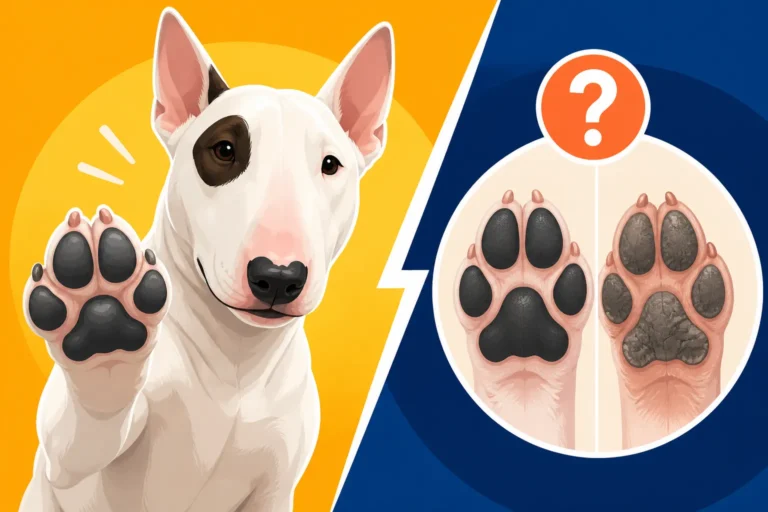
You could also observe them lifting their paws off the cold ground, one by one, almost as if they're dancing. This is a clear indicator that their paw pads are getting uncomfortably cold. Sometimes, a Bull Terrier might whine softly or paw at the door to come back inside sooner than usual, even if they normally love being outdoors. Pay attention to how quickly they finish their business during potty breaks; if they're rushing, it's likely the cold is getting to them. A slight stiffness in their gait or a slower pace than normal could also be a subtle hint that their muscles are tensing up against the cold.
More Serious Indications of Hypothermia
While the subtle signs are important warnings, there are more serious indicators that your Bull Terrier is not just uncomfortable, but potentially in danger of hypothermia. These signs require immediate action. If you notice persistent, uncontrollable shaking or shivering that doesn't stop even after they've moved indoors, it's a major red flag. Their gums might appear paler than usual, and their skin and ears might feel noticeably cold to the touch.
As hypothermia progresses, your Bull Terrier may become lethargic and weak, showing a noticeable decrease in energy. They might be disoriented, stumbling, or even collapse. Their breathing could become shallow and their heart rate might slow down. If you observe any of these severe symptoms, it's an emergency. Immediately bring them into a warm, dry environment, wrap them in blankets, and contact your veterinarian right away. Don't try to warm them up too quickly with very hot water or direct heat, as this can cause its own set of problems. Slow, gentle warming is key while you seek professional help. Remember, How a Bull Terrier Hides Pain can sometimes extend to discomfort, so being vigilant is crucial.
Practical Strategies for Cold Weather Protection
Knowing their limitations and recognizing the signs of cold is essential, but it’s just as important to have a plan for keeping your Bull Terrier warm and safe. A little proactive preparation can make a big difference in their comfort during the colder months.
The Importance of Appropriate Winter Wear
For a breed with such a minimal coat, proper winter attire isn't just a fashion statement; it's a necessity. Think of it as their substitute for that missing undercoat. A good dog sweater or coat provides a crucial layer of insulation against the cold. When choosing one, look for something that covers their chest and belly, as these areas are particularly vulnerable to cold. A coat made of waterproof or water-resistant material is even better, especially if you live in an area with snow or freezing rain, as wet fur loses its insulating properties quickly.
Fitting is key for a Bull Terrier due to their unique, barrel-chested build. Some standard dog coats might be too tight around the chest or too loose around the neck. Look for brands that offer adjustable straps or designs that accommodate their muscular frame. For paw protection, booties are invaluable. They protect sensitive paw pads from ice, snow, harsh road salts, and even frozen ground. Many Bull Terriers initially resist booties, but with patience and positive reinforcement, most will adapt. You can find a wide variety of practical and stylish options on sites like Chewy or Amazon, making it easy to equip your pup. This protection is equally important in extreme cold as it is for hot pavement, as discussed in Whether a Bull Terrier Needs Boots on Hot Ground. Investing in good quality winter wear is a small price to pay for your Bull Terrier's health and happiness.
Limiting Outdoor Exposure and Supervised Play
While exercise is vital for a Bull Terrier's physical and mental health, moderation and supervision are paramount when it's cold outside. Instead of one long walk, consider multiple shorter, brisk walks throughout the day. This allows them to get their energy out without prolonged exposure to chilling temperatures. Try to schedule walks during the warmest parts of the day, typically midday, and avoid early mornings or late evenings when the mercury dips the lowest.
Even in a fenced yard, don't leave your Bull Terrier unsupervised for extended periods in the cold. They might get distracted by a scent or a squirrel and stand still for too long, rapidly losing body heat. Quick potty breaks should be just that – quick. If they start shivering or acting uncomfortable, it's time to go back inside. Remember that they thrive on human companionship, so outdoor time should always involve you, not just them alone. Contrast this approach with how you might handle them in warmer weather; How Well a Bull Terrier Handles Heat is a completely different ballgame, requiring its own set of precautions.
Creating a Warm Indoor Environment
Your home should be a sanctuary of warmth for your Bull Terrier during winter. Ensure their sleeping area is free from drafts. A cozy, soft dog bed, ideally a raised one to keep them off cold floors, is a must. Many Bull Terriers adore burrowing, so providing blankets or a covered bed can make them feel extra secure and warm. For particularly cold homes or older dogs, a self-warming pet bed or a heated mat (always with safety features to prevent overheating) can be a fantastic investment.
It's also worth considering keeping a sweater on your Bull Terrier indoors if your house tends to be chilly, especially if they spend a lot of time lounging or sleeping. While it seems counterintuitive to dress them inside, it can help maintain their core temperature without cranking up your heating bill too high. Finally, ensure they always have access to fresh water. Even in cold weather, staying hydrated is important, and warm, fresh water can be more appealing than icy tap water. Whether a Bull Terrier Needs a Coat in Winter often extends to needing it indoors too!
Special Considerations for Bull Terriers in Winter
While all Bull Terriers need extra care in cold weather, certain life stages and health conditions make some individuals even more vulnerable. Being aware of these special considerations allows you to tailor your care to their specific needs.
Older Bull Terriers and Puppies
Just like with humans, the very young and the very old are often more susceptible to extreme temperatures. Bull Terrier puppies, with their still-developing immune systems and less efficient thermoregulation, lose heat faster than adult dogs. Their small body size also means they have a larger surface area to volume ratio, leading to quicker heat loss. Short, frequent outings for potty training are fine, but prolonged play in the cold is a no-go. Always ensure they are warmly dressed in a properly fitting coat. You can get excellent, durable puppy coats from a retailer like Ollie, or find a wide selection of puppy-specific gear on Amazon. For more insights into their early development and exercise, check out How Much a Bull Terrier Puppy Should Exercise.
On the other end of the spectrum, older Bull Terriers, usually those Caring for an Old Bull Terrier past the age of eight, have a reduced metabolism and may have less muscle mass and a thinner coat than in their prime. They might also be less active, meaning they generate less body heat. Arthritis or other age-related joint issues can also be exacerbated by cold, making movement more painful. These senior pups need extra layers, even shorter outdoor excursions, and a consistently warm indoor environment to stay comfortable and prevent stiffness. Their ability to regulate their body temperature naturally diminishes, so providing external warmth becomes crucial.
Health Conditions Exacerbated by Cold
Certain health conditions common in Bull Terriers can be made worse by cold weather. For example, dogs suffering from joint issues like Patellar Luxation in a Bull Terrier or general arthritis may experience increased pain and stiffness in chilly, damp conditions. The cold can make their joints ache more profoundly, leading to reluctance to move or visible discomfort after activity. Keeping them warm and dry is an important part of managing their pain.
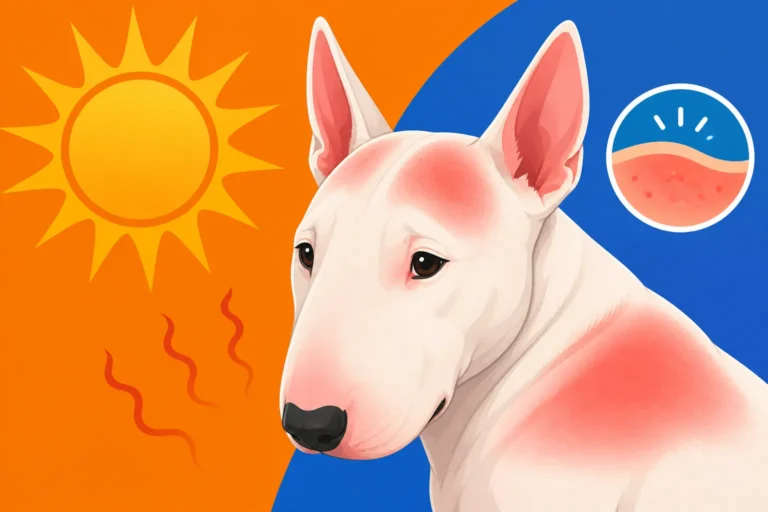
Furthermore, Bull Terriers are prone to certain kidney conditions, such as Hereditary Nephritis Takes Bull Terriers in Their Prime. While cold weather doesn't cause kidney disease, any stress on the body, including struggling to maintain core temperature, can potentially impact overall health. Dogs with compromised organ function need to conserve energy, and shivering to stay warm expends vital resources. Their skin, which is often A Bull Terrier's Skin Is Its Weakest Point due to allergies or other sensitivities, can also become drier and more irritated in the low humidity of winter air, leading to discomfort or exacerbating existing issues. Always consult your vet for specific advice on managing health conditions during cold weather.
Post-Exercise Cool Down and Drying
After a walk or a play session in snowy or wet conditions, it's vital to get your Bull Terrier thoroughly dry as soon as you come inside. Wet fur provides virtually no insulation and can quickly draw heat away from their body, making them feel even colder. Keep a dedicated dog towel by the door and vigorously dry them, paying special attention to their chest, belly, and paws. If they're particularly wet or if it's very cold, a dog-specific drying coat or even a gentle blow dryer on a cool setting can be beneficial.
Allowing your Bull Terrier to lie on a cold, hard floor while still damp is a recipe for chilling. Make sure they have immediate access to their warm, dry bed or a cozy blanket. This rapid drying and warming process helps prevent their core temperature from dropping too low and keeps them comfortable. Taking these few extra minutes after every cold outing can significantly impact their well-being throughout the winter months. You'll notice What Changes in an Aging Bull Terrier often includes their ability to dry quickly or tolerate dampness, so this step becomes even more critical for seniors.
Bull Terrier Cold Weather Guidelines
To help you quickly gauge when your Bull Terrier needs extra protection, here's a general guideline. Always consider your individual dog's age, health, and tolerance.
| Temperature Range | Bull Terrier Needs | Outdoor Time |
|---|---|---|
| Above 45°F (7°C) | Generally fine without a coat if active. | Normal walks, but monitor older/puppies. |
| 32°F – 45°F (0°C – 7°C) | Light coat or sweater recommended. | Moderate walks (15-20 mins), supervised play. |
| 20°F – 32°F (-7°C – 0°C) | Warm, insulated coat + booties essential. | Short, brisk walks (5-10 mins). Potty breaks only. |
| Below 20°F (-7°C) | Heavy, waterproof coat + booties + extreme caution. | Only quick potty breaks. Monitor closely. |
Remember, these are general guidelines. Wind chill, dampness, and cloud cover can all make it feel much colder than the thermometer reads. Always use your best judgment and observe your Bull Terrier closely for any signs of discomfort.
Disclaimer
This article is for general informational purposes only and does not constitute professional advice. Laws, prices and regulations vary by location and change over time. Consult a qualified professional for guidance on your specific situation.