Whether a Bull Terrier Should Be Fed Twice a Day
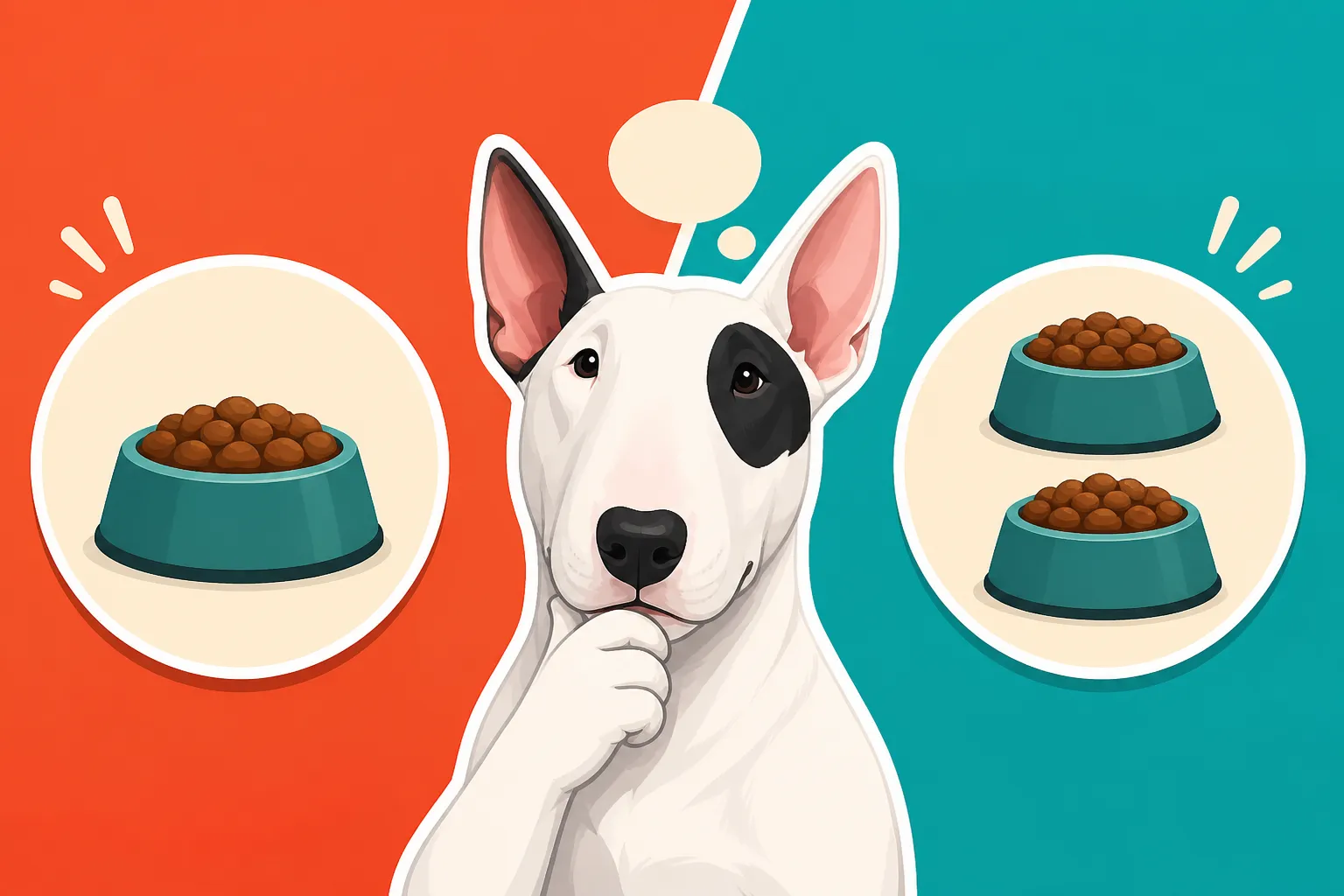
It’s a common dilemma for Bull Terrier owners: how often should you feed your powerful, energetic, and often comically voracious companion? Many of us wrestle with the question of whether a single big meal is enough to satisfy their appetites and fuel their antics, or if splitting their daily calories is truly better. This guide is here to cut through the confusion and help you establish a feeding routine that supports your Bull Terrier’s unique health, happiness, and hilarious personality.
Understanding Your Bull Terrier's Dietary Needs and Metabolism
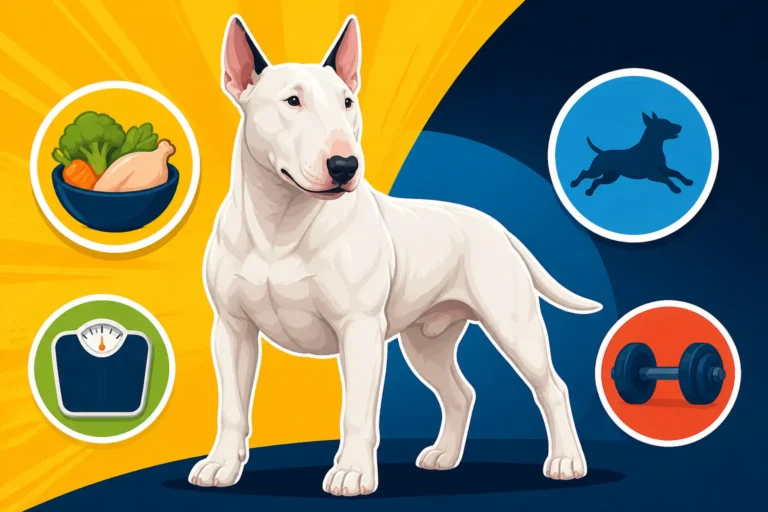
Bull Terriers are truly one-of-a-kind, and that distinctiveness extends to their physical makeup and how they process food. They are muscular, active dogs, and while they might not always look like marathon runners, their bodies are built for power and bursts of energy. This means their dietary needs aren't quite the same as a couch potato breed, and their metabolism can be surprisingly efficient — or, if left unchecked, prone to packing on pounds. Understanding these fundamentals is the first step in deciding on the best feeding frequency.
The Bull Terrier's Unique Energy Requirements
Our beloved Bull Terriers, with their compact, powerful builds, often burn through calories at a decent clip, especially when they're in their prime or engaging in their characteristic bursts of activity, like a sudden case of the zoomies or an intense play session with their favorite tough toy. They aren't generally built for endurance work like some other breeds, but their daily energy output, particularly when young, can be substantial. This constant ebb and flow of energy means their bodies need a steady supply of fuel. If they go too long between meals, their blood sugar can drop, leading to dips in energy, mood fluctuations, and even a heightened sense of frantic hunger. Think of them as a high-performance engine that needs regular, smaller top-ups rather than one massive fill-up to run smoothly throughout the day. This is why just one large meal might not adequately sustain their energy levels, especially if they have a busy morning or afternoon planned.
Why Bull Terriers Tend to Eat So Fast
If you own a Bull Terrier, you know the term "inhaling" food isn't an exaggeration. Many Bull Terriers approach mealtime with an enthusiasm that borders on a competitive sport. They're often so driven by food that they finish their bowl in mere seconds, leaving you wondering if they even tasted it. This rapid eating isn't just a quirky habit; it can lead to several problems. For one, it significantly increases the risk of indigestion, gas, and an upset stomach, which is no fun for anyone. More seriously, for deep-chested breeds like the Bull Terrier, fast eating can be a contributing factor to bloat, a life-threatening condition where the stomach twists. Why a Bull Terrier Inhales Its Food is a very real concern for many of us. Splitting their daily food into multiple smaller meals can help mitigate this. It forces them to slow down, if only because there's less volume in the bowl at any one time, making the meal a more controlled, less frenzied affair. This also makes it easier to incorporate tools like slow feeder bowls, which can be found at places like Chewy, to further encourage more deliberate eating.
The Case for Twice-Daily Feeding for Bull Terriers
When it comes to the practicalities of feeding your Bull Terrier, most veterinarians and experienced breeders will strongly advocate for a twice-daily feeding schedule. This recommendation isn't arbitrary; it's rooted in a deep understanding of canine physiology and behavior. While some owners might find it more convenient to offer one large meal, the benefits of dividing their daily ration into two separate meals far outweigh any perceived simplicity of a single feeding. This approach supports not just their physical health but also their mental well-being and helps manage some of those classic Bull Terrier quirks.
Digestive Health and Nutrient Absorption
Our Bull Terriers, despite their tough exterior, can sometimes have sensitive digestive systems. Providing them with two smaller meals rather than one massive feast allows their digestive tract to work more efficiently. When a dog eats a huge amount of food at once, their stomach can become overloaded, making it harder for the digestive enzymes to break down all the nutrients effectively. This can lead to inefficient nutrient absorption, meaning your Bull Terrier isn't getting the full benefit from their expensive, high-quality food. By splitting the meals, you give their system ample time to process each portion, leading to better digestion, firmer stools, and a reduced likelihood of stomach upset, gas, and discomfort. It's like giving their internal machinery a manageable workload instead of pushing it to its limits.
Managing Hunger and Preventing Nuisance Behaviors
Bull Terriers are smart, and they are incredibly food-motivated. If they're genuinely hungry, they'll let you know, often with creative and persistent behaviors that can test the patience of a saint. This might manifest as counter-surfing, persistent begging, destructive chewing on things they shouldn't, or even becoming a bit grumpy or restless. Providing meals twice a day helps keep their hunger at bay, preventing those long stretches where their stomach is empty, leading them to seek out forbidden snacks or act out. A mid-day meal, even a small one, can significantly improve their disposition and focus, making them less likely to "hunt" for food or resort to chewing up your favorite things (What a Bull Terrier Chews). It helps maintain a more consistent blood sugar level, which in turn contributes to a more even temperament throughout the day. It allows them to feel satisfied more regularly, reinforcing the idea that food will come at predictable intervals, which is fantastic for their overall sense of security and routine.
Minimizing Risk of Bloat and Gastric Torsion
This is perhaps one of the most critical reasons for feeding a deep-chested breed like the Bull Terrier twice a day, or even more. Gastric Dilatation-Volvulus (GDV), commonly known as bloat, is a life-threatening condition where the stomach fills with gas and can twist, cutting off blood supply and trapping gas. While the exact causes of bloat are complex and not fully understood, rapid eating, consuming large volumes of food in a single sitting, and then exercising vigorously are considered significant risk factors. By dividing your Bull Terrier's daily food into two distinct meals, you drastically reduce the sheer volume of food in their stomach at any one time. This minimizes the chance of their stomach becoming overly distended, which is a precursor to a potential torsion. It's a simple, preventative measure that can literally save your dog's life, and it's a practice universally recommended for breeds at risk. Always ensure they have a calm period of rest both before and after meals.
Adjusting Feeding Schedules for Different Life Stages and Lifestyles
While twice-daily feeding is a solid general recommendation for adult Bull Terriers, it's not a one-size-fits-all rule that applies rigidly across their entire lifespan or to every individual dog. Just like people, a Bull Terrier's nutritional and caloric needs, and thus their ideal feeding schedule, will naturally shift as they grow from a rambunctious puppy into a stately senior, or depending on how active their daily lives are. Paying close attention to these life stage and lifestyle variations ensures your Bull Terrier is always getting the right amount of fuel at the right times to thrive.
Puppy Feeding Schedules and Growth Considerations
Bull Terrier puppies are bundles of boundless energy and rapid growth, and their feeding schedule reflects this intense developmental period. Unlike adults, young puppies simply cannot consume enough calories or nutrients in just two meals a day to support their fast-paced growth and high metabolism. Typically, a Bull Terrier puppy will start on three to four meals a day. When they are very young, say around 8-12 weeks, three meals are common, and as they grow, this might transition to three, then two, over several months. This frequent feeding helps to maintain stable blood sugar levels, supports healthy bone and muscle development, and keeps their tiny stomachs from becoming too empty, which could lead to digestive upset or even a temporary drop in energy. What a Bull Terrier Puppy Eats at Four Months is a good guideline, but always check with your vet. As they approach adolescence, usually around 6-12 months, you'll gradually transition them to the two-meal-a-day schedule that most adult Bull Terriers thrive on. The goal here is Why a Bull Terrier Puppy Should Grow Slowly, so don't overfeed, but ensure consistent nutrition.
Senior Bull Terriers and Changing Metabolic Rates
As our beloved Bull Terriers enter their golden years, typically after the age of eight, their bodies begin to change. Their metabolism often slows down, their activity levels might decrease, and they may become more prone to weight gain or, conversely, may start to lose muscle mass. For these seniors, the twice-daily feeding schedule usually remains ideal, but the amount of food in each meal might need adjustment. Some senior Bull Terriers, particularly those with dental issues, kidney disease, or other health concerns, might even benefit from three smaller meals a day to make digestion easier and ensure they maintain a healthy weight. Caring for an Old Bull Terrier means being extra vigilant about their diet. Smaller, more frequent meals can be less taxing on an aging digestive system and can help prevent excessive hunger or discomfort. It's crucial to regularly monitor their weight and body condition and consult your veterinarian about any dietary changes for an aging Bull Terrier, especially if they are showing signs of Signs a Bull Terrier's Kidneys Are Failing and might need Which Diet a Bull Terrier With Kidney Disease Needs.
Tailoring Schedules for Active vs. Sedentary Dogs
Not all adult Bull Terriers lead the same life, and their activity levels should definitely influence how you manage their twice-daily meals. A Bull Terrier that regularly participates in dog sports, enjoys long daily runs, or lives on a farm with ample space to roam will naturally burn far more calories than a Bull Terrier whose daily routine consists of short walks and lounging on the sofa. For highly active dogs, their total daily calorie intake will be higher, and it's sometimes beneficial to make their post-exercise meal slightly larger to aid in recovery and replenish their energy stores. Conversely, a Bull Terrier with a more sedentary lifestyle will need fewer calories overall, and careful portion control at both meals is essential to prevent unhealthy weight gain. Keeping a Bull Terrier Lean When It Carries This Much Muscle is a genuine challenge. Regularly assess your Bull Terrier's body condition – you should be able to feel their ribs easily without seeing them protruding, and they should have a discernible waist. Adjusting meal sizes within the twice-daily framework allows you to fine-tune their nutrition to their individual energy expenditure.
Practical Tips for Implementing a Twice-Daily Feeding Routine
Transitioning to or maintaining a twice-daily feeding routine for your Bull Terrier is straightforward once you get the hang of it. However, it's not just about splitting the kibble; it involves careful consideration of portion sizes, mindful eating habits, and consistency. These practical tips will help you establish a routine that keeps your Bull Terrier healthy, happy, and well-nourished without turning mealtime into a chaotic event.
Portion Control and Weight Management
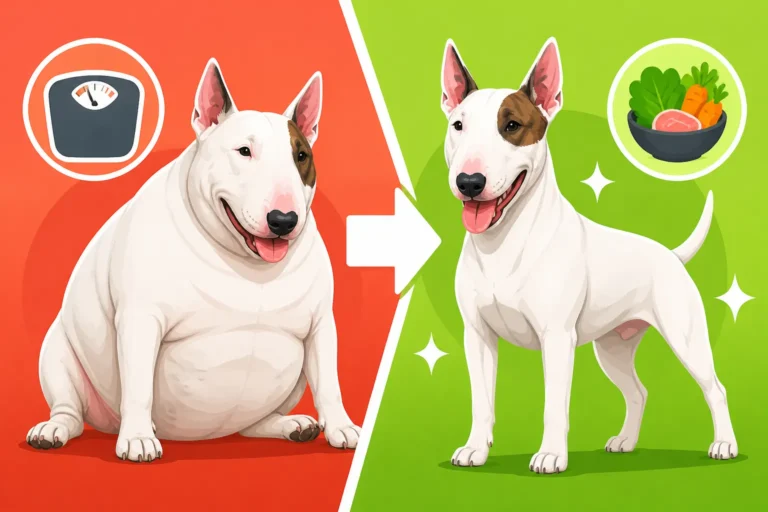
One of the biggest challenges with a food-motivated breed like the Bull Terrier is portion control, especially when you're dividing their food into two meals. It's easy to accidentally overfeed if you're not precise, and an overweight Bull Terrier is susceptible to a host of health problems. The key is to determine your dog's total daily caloric needs first, based on their age, activity level, and ideal body weight, and then divide that total into two equal portions. Don't just eyeball it; invest in a kitchen scale to accurately measure their food by weight (grams or ounces) rather than relying on volume (cups), which can be inaccurate. How Many Cups a Day an Adult Bull Terrier Eats provides general guidance, but your individual dog's needs may vary. Regularly check their body condition using the "rib test" – you should be able to feel their ribs without seeing them – and monitor their What an Adult Bull Terrier Should Weigh. If you notice Signs a Bull Terrier Is Overweight, gradually reduce their daily intake and increase their exercise, always under veterinary guidance. Precision in portion control is paramount for long-term health.
The Role of Slow Feeders and Puzzle Toys
As we discussed, many Bull Terriers are champion gobblers, and eating too fast can lead to digestive issues and bloat. This is where slow feeder bowls and puzzle toys become invaluable tools for owners. A slow feeder bowl, often designed with ridges or mazes, physically prevents your Bull Terrier from inhaling their meal in seconds, forcing them to eat more slowly and thoughtfully. This extends mealtime, aiding digestion and reducing the risk factors associated with rapid eating. Brands like Chewy and Amazon offer a wide variety of these bowls.
| Type of Feeder | Benefit for Bull Terriers | Where to Find |
|---|---|---|
| Slow Feeder Bowl | Prevents rapid eating, aids digestion, reduces bloat risk. | Chewy, Amazon, local pet stores |
| Snuffle Mat | Encourages sniffing and foraging, mental enrichment. | Etsy, Amazon, specialty pet boutiques |
| Puzzle Toy/Dispenser | Engages their mind, slows eating, provides entertainment. | Chewy, Amazon, KONG, Planet Dog, West Paw brands |
| Lick Mat | Soothing, slows treat consumption, can be used for wet food. | Chewy, Amazon, HyperKyl |
Beyond bowls, puzzle toys or food dispensers can be used for their second meal, or even just a portion of it, especially for active dogs who need more mental stimulation. These toys make your Bull Terrier work for their food, turning mealtime into an enriching activity. This mental engagement is particularly beneficial for a breed as smart and sometimes stubborn as the Bull Terrier, as it taps into their natural problem-solving instincts. You can even consider options from companies like Ollie, which provide pre-portioned, fresh food that can be easily divided and used with these feeders. Not only do these tools slow down eating, but they also provide valuable mental stimulation, which is a fantastic bonus for a breed that thrives on having a "job" to do. Which Puzzle Toys Occupy a Bull Terrier are often the most durable ones!
Disclaimer
This article is for general informational purposes only and does not constitute professional advice. Laws, prices and regulations vary by location and change over time. Consult a qualified professional for guidance on your specific situation.