Whether a Bull Terrier’s Skin Needs a Vet or a Shampoo
As a Bull Terrier owner, you know the frustration of looking at your dog's sensitive skin. One minute, it seems fine, and the next, you're spotting a red patch, some flakes, or an itch that just won't quit. It's a common dilemma: do you reach for that specialty shampoo you heard about, hoping it's a quick fix, or is it time to make an appointment with the vet? This guide will help you decipher those tricky skin signals and decide the best course of action for your beloved Bull Terrier.
When a Special Shampoo Might Be Enough for Your Bull Terrier's Skin
There are definitely times when a good quality, targeted shampoo can make a world of difference for your Bull Terrier's skin, saving you a trip to the vet and providing quick relief. These situations typically involve mild, non-persistent issues that aren't causing significant distress or secondary problems. Think of these as your first line of defense before escalating to professional help.
Addressing Mild Dryness and Flakiness
Sometimes, a Bull Terrier's skin can simply get a bit dry and flaky, much like our own skin does. This might be due to changes in humidity, a diet lacking in essential fatty acids, or even using a shampoo that's too harsh for their sensitive skin. You might notice small, white flakes, especially along their back or flanks, without intense itching or redness. Their coat might just look a little dull. In these cases, a gentle, moisturizing shampoo designed for sensitive skin can often do wonders. Look for ingredients like colloidal oatmeal, aloe vera, or essential fatty acids. Bathing your Bull Terrier too frequently with harsh products can strip their natural oils, so ensure you're using a mild, hydrating formula when you do bathe them. Many good options can be found on Chewy or Amazon, often specifically formulated for dogs with sensitive skin.
Consider also the climate you live in. If it's particularly dry, especially during winter months, your Bull Terrier's skin might react. You might also want to look at their diet. Sometimes, adding a fish oil supplement can help improve skin and coat health from the inside out. Remember, consistency is key, and it might take a few washes to see a noticeable improvement.
Managing Environmental Irritations or Minor Allergens
Bull Terriers, with their often short, sparse coats and sensitive skin, can be quite susceptible to environmental irritants. Things like pollen, certain types of grass, or even household cleaning products can cause a mild, localized reaction. You might notice your Bull Terrier chewing or licking their paws more than usual after a walk, or perhaps developing a slight rash on their belly after rolling in the grass. This isn't full-blown allergic dermatitis, but rather a minor irritation. Whether a Bull Terrier Gets Skin Allergies delves deeper into allergic reactions.
For these minor irritations, a soothing, hypoallergenic shampoo can provide relief by washing away the offending allergen from their coat. Look for formulas with anti-itch properties, like those containing pramoxine or hydrocortisone, though these are often found in medicated shampoos that might require a vet recommendation. For purely environmental irritants, a simple rinse with cool water or a gentle oatmeal shampoo can often be enough to calm the skin. Ensure you're thoroughly rinsing all shampoo out, as residue can be an irritant itself. This approach is about reducing the immediate surface irritation rather than treating a systemic allergic response.
Routine Skin Maintenance and Prevention
Even without specific problems, a well-chosen shampoo is vital for routine skin care in Bull Terriers. Their unique skin requires careful attention, as it's often cited as one of their weakest points. Regular, but not excessive, bathing with a high-quality shampoo helps remove dirt, dander, and environmental pollutants that can build up and lead to irritation over time. This proactive approach can prevent minor issues from escalating. How Often a Bull Terrier Should Be Bathed discusses the frequency of bathing.
A good routine also involves keeping a close eye on their skin during baths. This is an ideal time to conduct your How to Check a Bull Terrier's Skin Weekly routine. Pay attention to their belly, armpits, and paw pads – areas prone to irritation. If you notice any unusual bumps, redness, or changes, you’ll be able to address them sooner. Think of these maintenance baths as part of their overall wellness, preventing problems rather than just reacting to them.
When Your Bull Terrier's Skin Demands a Vet Visit
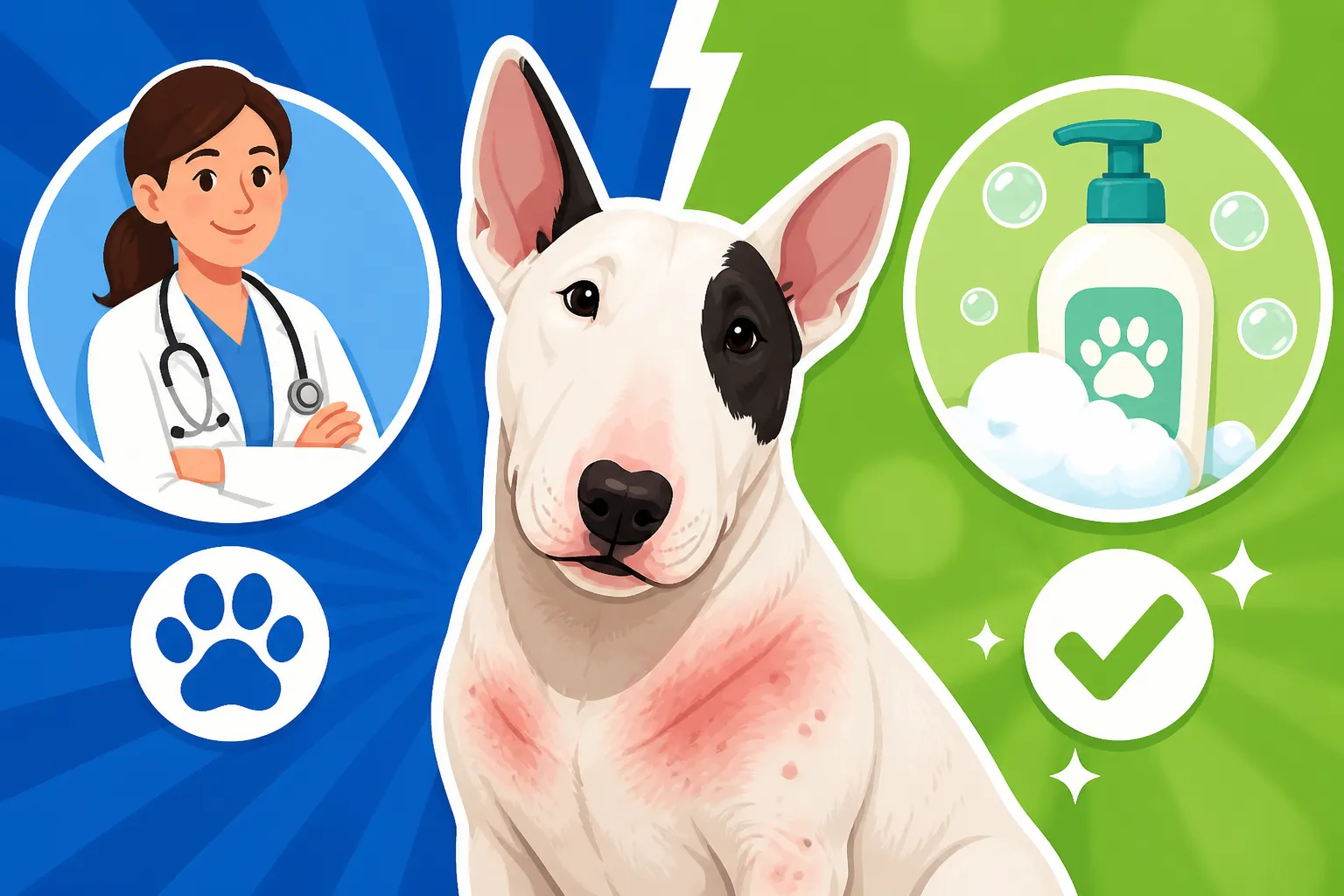
While a good shampoo can be a valuable tool in your Bull Terrier's skin care arsenal, there are definite red flags that indicate a trip to the veterinarian is absolutely necessary. Ignoring these signs can lead to worsening conditions, increased pain for your dog, and more complex (and expensive) treatments down the line. It's always better to err on the side of caution when it comes to persistent or severe skin issues.
Persistent Itching, Redness, or Inflammation
If your Bull Terrier is scratching, licking, or chewing at their skin relentlessly for more than a day or two, despite your attempts to soothe it with a gentle bath or a mild topical, it's time to call the vet. Persistent itching (pruritus) is often a sign of an underlying issue that a simple shampoo won't resolve. This could be anything from allergies to parasites, fungal infections, or bacterial pyoderma. You might notice their skin becoming very red, hot to the touch, or even swollen due to constant irritation and self-trauma.
The constant scratching can also break the skin barrier, creating open sores and making them vulnerable to secondary bacterial or yeast infections. What starts as an innocent itch can quickly spiral into a more serious problem. A vet can properly diagnose the cause of the itching and prescribe appropriate medication, which might include oral antibiotics, antifungals, steroids, or allergy medications, in addition to recommending specific medicated shampoos.
Open Sores, Scabs, or Foul Odor
Any sign of open sores, weeping lesions, crusty scabs, or skin that has a distinctly foul odor warrants immediate veterinary attention. These symptoms are strong indicators of infection, which can be bacterial, fungal, or a combination of both. Open sores are not only painful for your Bull Terrier but also entry points for more widespread infection. Scabs suggest that the skin has been damaged, either by scratching or an underlying skin disease.
A bad smell often points to a yeast infection (Malassezia dermatitis) or a severe bacterial infection. These infections require specific diagnoses and targeted treatments, usually involving oral medications and prescription-strength medicated shampoos or topical treatments. Over-the-counter products are generally not potent enough to clear these types of infections, and delaying treatment can lead to deeper skin infections (pyoderma) that are much harder to resolve.
Significant Hair Loss or Changes in Coat Texture
While some shedding is normal for a Bull Terrier, sudden or patchy hair loss (alopecia) is a clear sign that something is amiss. If you notice large areas where your dog's hair is thinning or completely gone, or if their coat suddenly feels greasy, dry, or otherwise different in texture, a vet visit is essential. Hair loss can be a symptom of numerous conditions, including hormonal imbalances (like hypothyroidism, which Bull Terriers can get), parasitic infestations (like Demodectic mange), severe allergies, or even autoimmune diseases.
A change in coat texture, such as excessive oiliness or extreme dryness, can also indicate systemic health problems or specific skin conditions that need veterinary diagnosis. For example, a dull, dry, and brittle coat can sometimes be linked to kidney issues, which are unfortunately common in Bull Terriers. Hereditary Nephritis Takes Bull Terriers in Their Prime is a good resource to learn more about kidney health. A vet will likely perform diagnostic tests, such as skin scrapings, fungal cultures, blood tests, or even biopsies, to get to the root cause of the problem.
Understanding Common Bull Terrier Skin Conditions and Their First Steps
Bull Terriers, with their distinctive look, are also known for having somewhat sensitive skin, making them prone to several common dermatological issues. Understanding these conditions and knowing the appropriate initial response can help you provide the best care for your furry friend.
Demodectic Mange in Bull Terriers
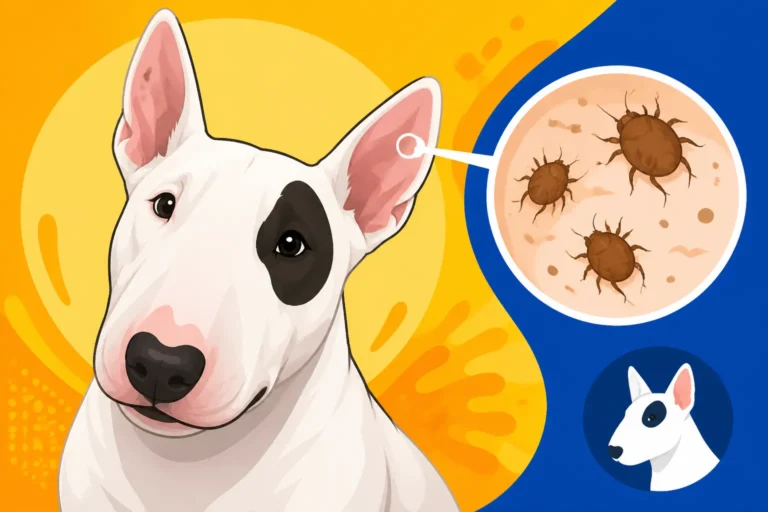
Demodectic mange, often simply called "Demodex," is a common skin condition in Bull Terriers, particularly in puppies and young adults, but it can also affect older dogs with compromised immune systems. It's caused by tiny mites that live in the hair follicles. Unlike sarcoptic mange, Demodex mites are typically always present on dogs; it's an overgrowth that causes issues. When a Bull Terrier's immune system isn't robust enough to keep the mites in check, they multiply, leading to hair loss, redness, and sometimes secondary bacterial infections. You might notice circular patches of hair loss, often around the face, ears, or legs. Demodectic Mange in a Bull Terrier provides more detail on this specific condition.
First Step: Always a vet visit. You cannot treat Demodex effectively with just a shampoo, though medicated baths can be part of the overall treatment plan. A veterinarian will perform a skin scraping to confirm the presence of the mites. Once diagnosed, treatment typically involves specific medications, which can be oral, topical, or injectable. Medicated shampoos, often containing benzoyl peroxide or sulfur, might be prescribed to help deep clean the follicles and remove dead skin cells. Never assume a patchy hair loss is just a "hot spot"; get it checked to rule out Demodex.
Skin Allergies: Environmental, Food, and Contact
Bull Terriers are, unfortunately, quite prone to allergies, which can manifest as persistent skin problems. These can be environmental (atopic dermatitis), food-related, or contact allergies. Environmental allergies, triggered by things like pollen, dust mites, or mold, often cause itching, redness, and inflammation, particularly on the paws, face, ears, and belly. Food allergies can present with similar skin symptoms, sometimes accompanied by gastrointestinal upset. Contact allergies are less common but can occur if your Bull Terrier comes into direct contact with an irritating substance. Whether a Bull Terrier Gets Skin Allergies offers more comprehensive information.
First Step: A vet visit for diagnosis and a treatment plan. While a soothing shampoo can temporarily relieve the itch, it won't address the underlying allergic reaction. Your vet will discuss your dog's history, perform a physical exam, and may recommend allergy testing (blood tests or intradermal skin tests) or a food elimination trial if a food allergy is suspected. Treatment often involves a multi-modal approach: identifying and avoiding allergens where possible, prescription medications (antihistamines, steroids, Apoquel, Cytopoint) to control symptoms, and specialized diets. Which Diet a Bull Terrier With Kidney Disease Needs might not be directly applicable, but special diets for allergies can be discussed. For environmental allergies, your vet might recommend specific medicated shampoos to reduce inflammation and remove surface allergens. These are often purchased from veterinary clinics or via prescription at online retailers like Chewy.
Sunburn and Sensitive Skin
White Bull Terriers, in particular, have very fair skin that is highly susceptible to sunburn. Their sparse, short coat offers little protection against the sun's harsh UV rays. Even colored Bull Terriers can get sunburned on their pink bellies, nose, and ear tips. Sunburn isn't just uncomfortable; it can lead to pain, blistering, and significantly increase the risk of skin cancer over time. You might notice redness, tenderness, and even peeling skin after prolonged sun exposure. Why a White Bull Terrier Sunburns covers this in more detail.
First Step: Prevention is paramount. Limit sun exposure, especially during peak hours. Use a pet-safe sunscreen on exposed areas like the nose, ear tips, and belly. Which Sunscreen Is Safe on a Bull Terrier can guide your choice. If your Bull Terrier does get a mild sunburn, a cool compress and a gentle, soothing, non-medicated aloe or oatmeal shampoo can provide some comfort. However, if the sunburn is severe, with blistering, extreme pain, or signs of infection, a vet visit is crucial. They might prescribe pain relief, topical creams, or antibiotics if infection has set in.
Table: Symptoms: Shampoo vs. Vet Decision Guide
To help you make a quick decision, here's a handy guide:
| Symptom Category | Signs to Look For (Shampoo First) | Signs to Look For (Vet Visit Immediately) |
|---|---|---|
| Itching/Licking | Mild, occasional scratching, localized (e.g., paw) | Relentless, widespread scratching; self-mutilation |
| Redness | Slight pinkness, mild irritation, no pain | Bright red, inflamed, hot to the touch, painful |
| Flaking/Dull Coat | Small, dry flakes; dull coat, no itch | Large scales, greasy skin, severe flaking with odor |
| Hair Loss | Very minimal, seasonal shedding increases | Patchy, sudden, or widespread hair loss |
| Skin Texture | Mild dryness or slight oiliness | Thickened, leathery skin; bumps, nodules, or masses |
| Sores/Wounds | None, or minor surface abrasions | Open sores, oozing, pus, deep scabs, persistent crusts |
| Odor | None | Foul, yeasty, or rancid smell from the skin |
| Behavior | Normal activity, occasional discomfort | Lethargy, loss of appetite, noticeable pain, restless |
Remember, this table is a general guide. When in doubt, a quick call to your veterinarian's office is always the safest bet. They can offer advice over the phone or recommend an appointment if they deem it necessary. Your Bull Terrier's comfort and long-term health are always the priority, and sometimes, those little skin issues are the first whispers of a larger health conversation. A Bull Terrier's Skin Is Its Weakest Point is worth a read for understanding their predispositions.
Disclaimer
This article is for general informational purposes only and does not constitute professional advice. Laws, prices and regulations vary by location and change over time. Consult a qualified professional for guidance on your specific situation.