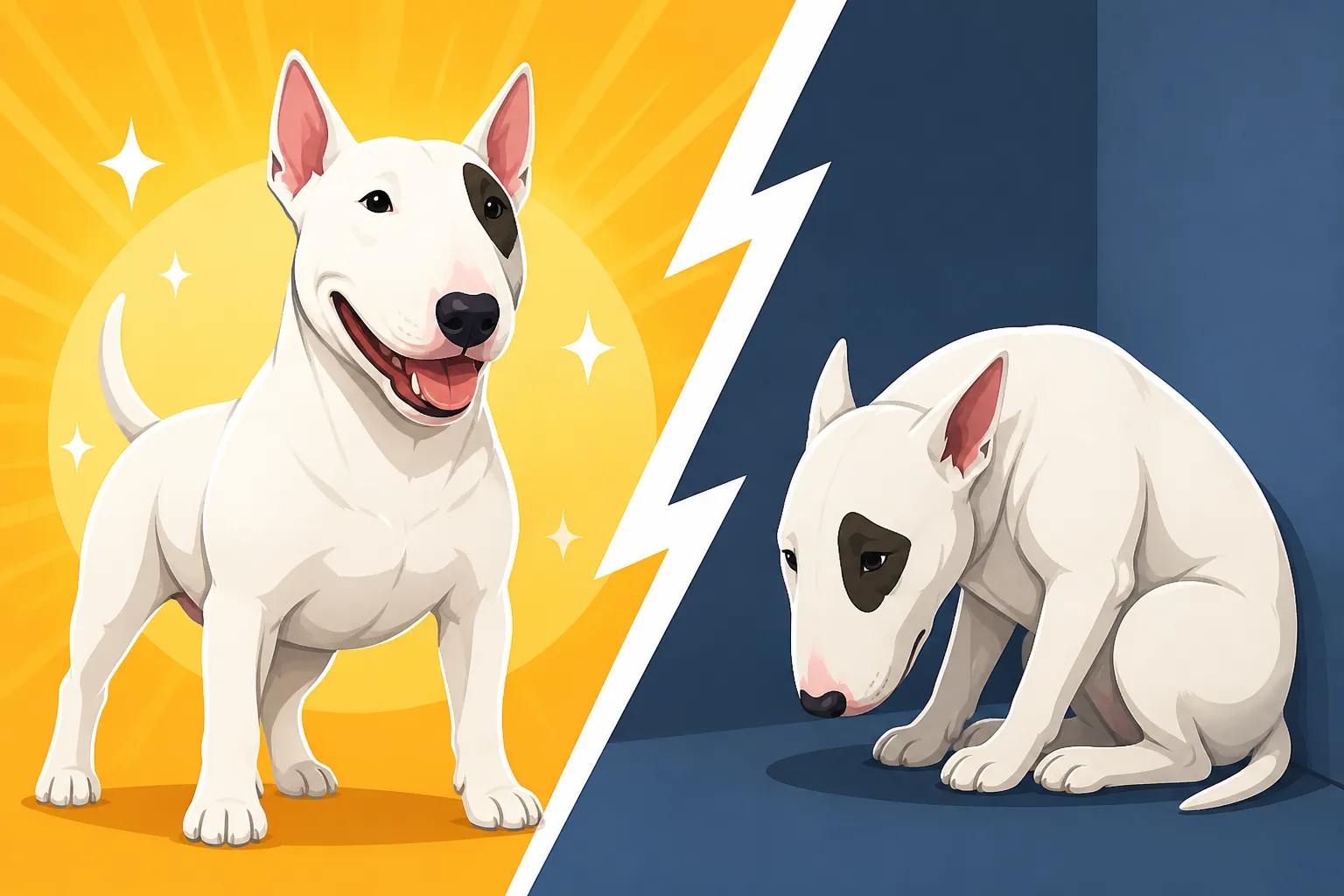
What a Harsh Correction Does to a Bull Terrier
So, you’ve heard the old saying: a Bull Terrier needs a firm hand. Perhaps you’ve even been told they’re stubborn, willful, or need to know who’s boss. It’s a common misconception, one that often leads well-meaning owners down a path of frustration and, unfortunately, harsh corrections. But what does a harsh correction really do to a Bull Terrier, that goofy, sensitive soul in a surprisingly powerful package? This guide is here to shed light on why these methods backfire, damaging both your Bull Terrier’s spirit and your relationship, and to offer kinder, more effective ways to guide your unique companion.
The Bull Terrier Mindset: Why "Alpha" Doesn't Work
Many traditional training methods are rooted in outdated "alpha" theories, suggesting that you need to dominate your dog to gain their respect. For a Bull Terrier, this approach is not only ineffective but actively detrimental. Their unique blend of independence and sensitivity means they react very differently to force than some other breeds might.
Stubbornness vs. Sensitivity: A Delicate Balance
When a Bull Terrier appears "stubborn," it’s often misunderstood. They aren't trying to defy you out of malice; they simply have a strong sense of self-preservation and a question in their mind: "What's in it for me?" They are, at their core, incredibly intelligent and curious creatures. However, beneath that tough, muscular exterior lies a surprisingly sensitive and emotional dog. They can be incredibly attuned to their owner's mood and tone.
Imagine a Bull Terrier puppy, full of beans, exploring a new scent in the park. You call them, and they’re so engrossed, they might take a moment to process your command. A harsh yank on the leash or a sharp, angry tone in this situation isn't going to make them understand faster. Instead, it can flood them with fear or confusion. They might associate your call, or even the park itself, with unpleasantness, rather than learning to come when called. This sensitivity means that while they might appear to brush things off, those negative interactions accumulate, slowly eroding their trust and confidence. For a deeper dive into their character, you might want to read What a Bull Terrier's Temperament Is Really Like.
The Independent Thinker: They See the Point
Unlike some breeds bred for generations to work in close cooperation with humans, following every command with military precision, the Bull Terrier is an independent thinker. They were historically bred for sport, requiring a dog capable of making its own decisions in challenging situations. This translates today into a dog that, while devoted, isn't necessarily a blind follower. They need to understand the point of an action, and if it doesn't resonate with them or offer a clear reward, they might just decide it's optional.
If you consistently use harsh corrections for behaviors they don't quite grasp or for things they find inherently reinforcing (like chasing a squirrel), they won't necessarily learn not to do the behavior. Instead, they might learn to do it when you're not looking, or they might simply become resentful and resistant. They're not robots; they're clever, individualistic dogs who thrive on understanding and positive motivation, not intimidation. Think about it: if your boss shouted at you every time you made a minor mistake, would you be more motivated to do good work, or would you just try to avoid your boss? Your Bull Terrier feels much the same. This discerning nature is why Why a Bull Terrier Decides a Cue Is Optional is such a common Bull Terrier owner experience.
Immediate Fallout: What You See Right Away
The most immediate effects of harsh corrections are often misinterpreted, leading owners to believe they are working when, in fact, they are causing deeper issues.
Shutting Down: The Bull Terrier Freeze
A common response to a sharp correction, whether it's a harsh verbal reprimand, a physical punishment, or a strong leash correction, is for your Bull Terrier to "shut down." This might look like they suddenly become still, cower, avoid eye contact, or even lie down completely. Many owners mistakenly interpret this as the dog understanding their mistake and submitting. They think, "Aha! They finally got it!"
However, this isn't understanding; it's a fear response. When a dog is overwhelmed by fear or discomfort, their natural instinct can be to freeze, often as a way to avoid further punishment. They are not processing what you want them to do; they are simply trying to make the unpleasant experience stop. This "freeze" state is a sign of stress and anxiety, not compliance. While it might give you a momentary reprieve from the unwanted behavior, it doesn't teach your Bull Terrier what to do, and it certainly doesn't foster a positive learning environment. Instead, it creates a dog that is suppressed and potentially fearful of interaction.
Fear and Avoidance: The Broken Trust
Every harsh correction chips away at the trust between you and your Bull Terrier. Dogs learn by association, and if your presence or certain training tools become consistently associated with pain, fear, or discomfort, your Bull Terrier will begin to avoid you or those situations. They might become reluctant to approach you when you have a leash in hand, or shy away when you reach out to pet them, fearing it might turn into a correction.
This broken trust is incredibly difficult to rebuild. A strong bond is the foundation of effective training and a happy life together. When a dog fears their owner, they cannot truly learn. Instead of eagerly participating in training, they might become withdrawn, anxious, or constantly on edge, trying to predict your next move to avoid punishment. This fundamentally undermines the joyful, clownish relationship most Bull Terrier owners crave. The beautiful thing about Bull Terriers is their zest for life and their bond with their people, and fear-based training strips that away.
Escalation: When a Correction Creates a Reaction
Sometimes, a Bull Terrier won't shut down under pressure. Instead, a harsh correction can provoke a defensive reaction. This can manifest in various ways: a sudden bark, a growl, a snap, or even an attempt to bite. These aren't acts of aggression born of malice; they are often fear-based responses, a desperate attempt by the dog to protect themselves from what they perceive as a threat.
If you push a Bull Terrier too hard, especially one who already has some underlying anxiety or insecurity, they might feel they have no other option but to escalate their own behavior to make the perceived threat (you and your correction) stop. This is a dangerous cycle, as the owner might then escalate their corrections, leading to a truly fraught and potentially unsafe situation. This is why trainers who rely on physical punishment often create dogs that become increasingly reactive or aggressive. They teach the dog that aggression is the only way to communicate their discomfort or fear. It's a sad outcome for a breed often misunderstood, as it confirms negative stereotypes rather than proving their loving nature.
Long-Term Consequences: Damaging the Bond and Behavior
The effects of harsh corrections are rarely confined to the moment they occur. Over time, they can lead to deeply ingrained behavioral problems and profoundly alter your Bull Terrier's personality.
Aggression and Reactivity: A Dangerous Spiral
Perhaps one of the most concerning long-term consequences of harsh corrections is the development or exacerbation of aggression and reactivity. When a Bull Terrier consistently experiences pain, fear, or intimidation during training or daily interactions, they learn that the world, and specifically their human, can be unpredictable and threatening. This chronic stress and anxiety can bubble over into aggressive displays.
A dog that is regularly corrected for barking at other dogs on leash, for example, might not learn to be quiet; instead, they might learn that other dogs (and their presence) predict pain from their owner. This can lead to increasingly violent outbursts or Why a Bull Terrier Fixates on a Dog Across the Street with fear-based aggression. Similarly, a Bull Terrier punished for guarding a toy might become even more possessive, believing they must defend their belongings at all costs. This isn't about being "dominant"; it's about survival. Sadly, many dogs that end up in rescue shelters due to aggression issues have a history of being trained with harsh, punitive methods. It’s a tragedy when a dog’s natural predispositions are compounded by training that backfires, sometimes leading to Why a Bull Terrier Ends Up in Rescue at Eighteen Months.
Loss of Confidence: The Anxious Clown
Bull Terriers are renowned for their outgoing, playful, and often hilarious "clownish" personalities. They love to engage, explore, and simply be themselves. However, a steady diet of harsh corrections can extinguish this joyful spark. A Bull Terrier constantly worried about making a mistake or facing punishment will become hesitant and anxious. They might stop offering behaviors, even positive ones, for fear of getting it wrong.
This loss of confidence can manifest as timidity, withdrawal, or even a noticeable reduction in their famous exuberance. They might be less enthusiastic about new experiences, shy away from strangers, or become generally subdued. Instead of a confident, happy-go-lucky companion, you could end up with an anxious dog struggling with low self-esteem. It's heartbreaking to see a Bull Terrier’s natural humor and zest for life dimmed by constant fear. You might notice them exhibiting behaviors like How a Bull Terrier Sulks or becoming overly sensitive to changes in your voice or body language, demonstrating How Sensitive a Bull Terrier Is to Tone. Their vibrant personality is one of their greatest charms, and it's something we should nurture, not suppress.
Resource Guarding and Defensive Behaviors
In an environment where a dog feels threatened or unsure, the instinct to protect valuable resources – food, toys, sleeping spots, or even their human – often intensifies. If a Bull Terrier experiences harsh corrections around their food bowl, for instance, they may learn that humans are a threat to their meal. This can lead to intense Whether a Bull Terrier Guards Its Food, where they might growl, snap, or even bite to protect their meal from anyone approaching.
Similarly, if they are corrected for lying on the sofa, they might begin to guard that spot, seeing it as their only safe haven. This extends to people too; a dog who feels insecure might become overly protective of their primary caregiver, manifesting as How a Bull Terrier Guards Its Person, where they might react defensively to other people or animals approaching their "person." These behaviors are not inherent "dominance" or stubbornness; they are often learned defensive strategies adopted by dogs who feel they need to fend for themselves in an unpredictable or punitive environment.
The Alternatives: Positive Reinforcement with a Bull Terrier Twist
So, if harsh corrections are out, what's left? The good news is that positive reinforcement, coupled with smart management, is incredibly effective for Bull Terriers. It builds a strong, joyful bond and encourages them to want to work with you.
Building Trust and Motivation: What Really Works
At the heart of successful Bull Terrier training is building a relationship based on trust, mutual respect, and clear, positive communication. Instead of punishing unwanted behaviors, we focus on rewarding the behaviors we do want to see. This means using things your Bull Terrier loves – whether it's delicious treats, a favorite squeaky toy, or enthusiastic praise – to mark and reinforce good choices.
Imagine your Bull Terrier offering a calm sit when someone comes to the door, instead of jumping up. If you immediately reward that sit with a high-value treat, they quickly learn that "four paws on the floor" gets them something wonderful. This isn't bribery; it's communication. It tells them, "Yes! That's what I want you to do!" Bull Terriers are smart, and they quickly figure out how to earn those rewards. This approach makes training a fun game for them, something they eagerly participate in, rather than a dreaded chore. Finding Which Reward Outranks a Bull Terrier's Own Idea for your individual dog is key to unlocking their motivation. Many owners find success with engaging training programs like those offered by BAXTER & Bella, which emphasize positive, relationship-based methods that resonate well with a Bull Terrier's intelligent and sometimes quirky nature. You can also explore a vast array of high-quality training treats and puzzle toys on platforms like Amazon to keep training exciting and rewarding.
Management and Prevention: Setting Them Up for Success
A huge part of positive reinforcement training for Bull Terriers involves proactive management of their environment. Instead of waiting for them to make a mistake and then correcting it, we set them up for success by preventing the opportunity for unwanted behaviors.
For example, if your Bull Terrier is a notorious counter surfer, don't leave tempting food on the counter. Use baby gates to restrict access to certain rooms, or a crate when you can't actively supervise them. If they tend to jump on guests, keep them on a leash when visitors arrive and reward them for polite greetings. This approach removes the opportunity for them to practice bad habits, reducing frustration for both of you. It's about being smarter than your dog, in the kindest way possible! Effective management means you avoid scenarios where you might be tempted to use a harsh correction. Learning How to Bull Terrier Proof a Room is an essential skill for any owner. This proactive strategy allows you to reinforce good behaviors more often, strengthening those desirable habits without conflict.
Engaging Their Minds: Making Training a Game
Bull Terriers are incredibly intelligent and thrive on mental stimulation. If you can make training feel like a fun game or a puzzle to solve, rather than a chore, you'll see much greater engagement and retention. Keep training sessions short, upbeat, and varied. Bull Terriers can have surprisingly short attention spans for repetitive drills, so remember How Short a Bull Terrier's Training Session Has to Be.
Incorporate puzzle toys, scent games, and trick training into your routine. These activities tap into their problem-solving abilities and energy, providing an outlet for their intelligence. A mentally stimulated Bull Terrier is a happier, better-behaved Bull Terrier. This playful approach capitalizes on their natural curiosity and desire to interact, making learning an enjoyable experience for both of you. You'll find that when they are having fun, their "stubbornness" often melts away, replaced by an eager willingness to try new things and earn those coveted rewards.
When Professional Help Is Needed: Seeking the Right Guidance
Sometimes, despite your best intentions, a Bull Terrier might develop behavioral challenges that require expert intervention. This is especially true if they have a history of harsh corrections or if the behavior is deeply ingrained. Choosing the right professional is critical.
Finding a Positive Reinforcement Trainer
If you're struggling with training or specific behavioral issues, seeking guidance from a qualified professional is always a good idea. However, it's absolutely crucial to find a trainer who uses modern, science-based, positive reinforcement methods. Look for trainers certified by reputable organizations that emphasize ethical, force-free techniques.
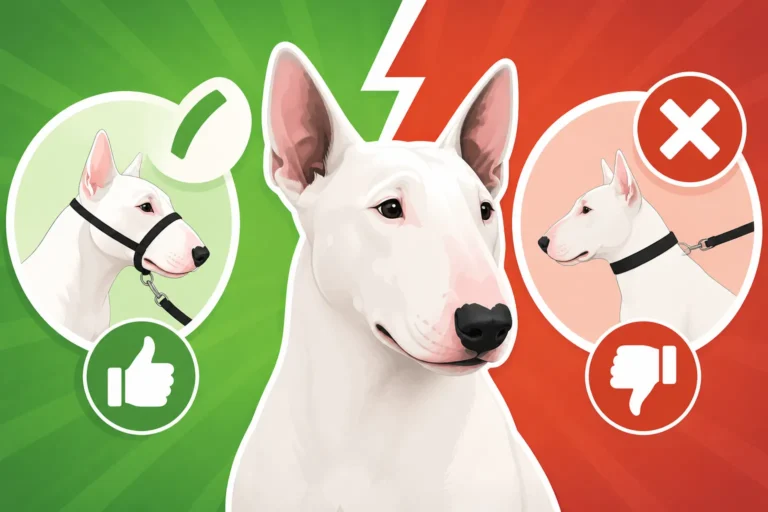
When interviewing potential trainers, ask about their philosophy, their methods, and their qualifications. A good trainer will be happy to explain why they do what they do, and they should never advocate for prong collars, shock collars, alpha rolls, or any other method that relies on pain, fear, or intimidation. Be wary of anyone who talks about "dominance" or "being the alpha" over your Bull Terrier. A true professional will help you understand your dog's behavior, teach you how to communicate effectively, and build a stronger, more positive relationship. Remember, the goal is to enhance your bond, not break their spirit. It's important to be discerning, as Whether a Board and Train Suits a Bull Terrier programs can vary wildly in their methodologies.
Understanding Behaviorists vs. Trainers
It’s important to understand the distinction between a dog trainer and a veterinary behaviorist. A dog trainer primarily focuses on teaching skills and modifying behaviors through practical application. They can help with obedience, house manners, and basic behavioral issues using positive reinforcement.
A veterinary behaviorist, on the other hand, is a veterinarian who has undergone extensive additional training and certification in animal behavior. They are qualified to diagnose and treat behavioral disorders, which can have underlying medical or psychological components. If your Bull Terrier is exhibiting severe aggression, chronic anxiety, obsessive-compulsive behaviors, or if their issues are complex and resistant to standard training, a veterinary behaviorist might be the most appropriate professional. They can provide a comprehensive diagnosis and may prescribe medication in conjunction with behavior modification plans. Don't hesitate to consult your regular veterinarian for a referral if you suspect a deeper behavioral issue might be at play, especially if previous harsh methods have led to complex problems.
Harsh Corrections vs. Positive Reinforcement: A Comparison
| Feature | Harsh Corrections (Aversive Training) | Positive Reinforcement (Force-Free Training) |
|---|---|---|
| Philosophy | Dominance, control, suppressing unwanted behavior through punishment. | Building cooperation, trust, and rewarding desired behavior. |
| Approach | Physical punishment, loud verbal reprimands, harsh leash jerks, fear. | Treats, praise, toys, clear communication, making learning fun. |
| Immediate Outcome | Dog may shut down, cower, freeze, or escalate defensive behavior. | Dog willingly engages, learns quickly, feels motivated to repeat behavior. |
| Long-Term Outcome | Fear, anxiety, aggression, broken trust, loss of confidence, unpredictable behavior. | Strong bond, confident dog, eager to please, reliable behavior, joyful interaction. |
| Impact on Relationship | Damages trust, creates fear and avoidance. | Strengthens bond, fosters mutual respect and understanding. |
| Bull Terrier Specific | Undermines independent nature, crushes sensitive spirit, leads to resentment. | Channels intelligence, respects sensitivity, builds cheerful cooperation. |
Disclaimer
This article is for general informational purposes only and does not constitute professional advice. Laws, prices and regulations vary by location and change over time. Consult a qualified professional for guidance on your specific situation.