Why a Bull Terrier Eats Things It Should Not
It's a familiar scenario for many Bull Terrier owners: you turn your back for a moment, and suddenly, your beloved, goofy companion has decided that your favorite slipper, a child's toy, or even a rock from the yard looks like the most delicious snack on earth. This isn't just about chewing; it’s about the alarming tendency Bull Terriers have to actually eat things they absolutely shouldn't, leading to immense worry and often, expensive vet visits. This guide will dive deep into the various reasons behind this perplexing behavior and offer practical, actionable strategies to keep your Bull Terrier safe and your belongings intact.
The Bull Terrier's Unique Drive to Explore with Their Mouths
If you've spent any time around a Bull Terrier, you know they are incredibly mouthy dogs. It's not just a puppy thing; many adult Bull Terriers use their mouths to explore the world around them in a way other breeds might use their paws or noses. This isn't inherently bad, but it means their curiosity can quickly lead to ingesting non-food items, turning a simple chew into a serious health hazard.
Puppyhood Mouthing vs. Adult Oral Fixation
When you first bring home a Bull Terrier puppy, you expect a certain amount of mouthing and nipping. They're learning about their environment, how much pressure their jaws exert, and what's edible versus what's not. This stage, while sometimes frustrating, is a normal part of development. You provide appropriate chew toys, redirect their attention, and teach bite inhibition. However, for a Bull Terrier, this oral exploration often doesn't simply fade away with age.
As they mature, that intense curiosity and tactile need often translate into a more profound "oral fixation." They don't just chew things to relieve teething discomfort; they chew to investigate, to alleviate boredom, or even to express stress. This is where the line between acceptable chewing and dangerous ingestion blurs. A strong, determined Bull Terrier can quickly dismantle an object and, fueled by their powerful jaws and sometimes lack of discernment, swallow pieces that could cause blockages, perforations, or toxicity. Understanding this deep-seated drive is the first step in managing it.
The "Destroy-Then-Ingest" Pathway
For many breeds, chewing is an end in itself. They might gnaw on a bone, shred a soft toy, and then move on. For a Bull Terrier, however, chewing is often the prelude to ingestion. Their robust jaws are built for breaking things apart, and their stubborn nature means they're not easily deterred. Once an item is in pieces, especially if it has an interesting texture or smell, the temptation to swallow those pieces can be overwhelming.
This "destroy-then-ingest" pathway means that even seemingly safe chew toys need careful supervision. What starts as an innocent play session with a squeaky toy can quickly become an emergency trip to the vet if a piece is torn off and swallowed. This is why durability is key when selecting toys for your Bull Terrier, and why regular checks of their toys for signs of wear are absolutely crucial. You can find many robust options on Amazon, but always read reviews from other Bull Terrier owners!
The Boredom-Destruction Cycle: When Chewing Becomes Ingestion
One of the most common culprits behind a Bull Terrier eating things they shouldn't is sheer, unadulterated boredom. These intelligent, high-energy dogs thrive on mental and physical stimulation. When they don't get enough, they become canine engineers of destruction, and often, what they destroy ends up in their stomach.
The Consequences of Under-Stimulation
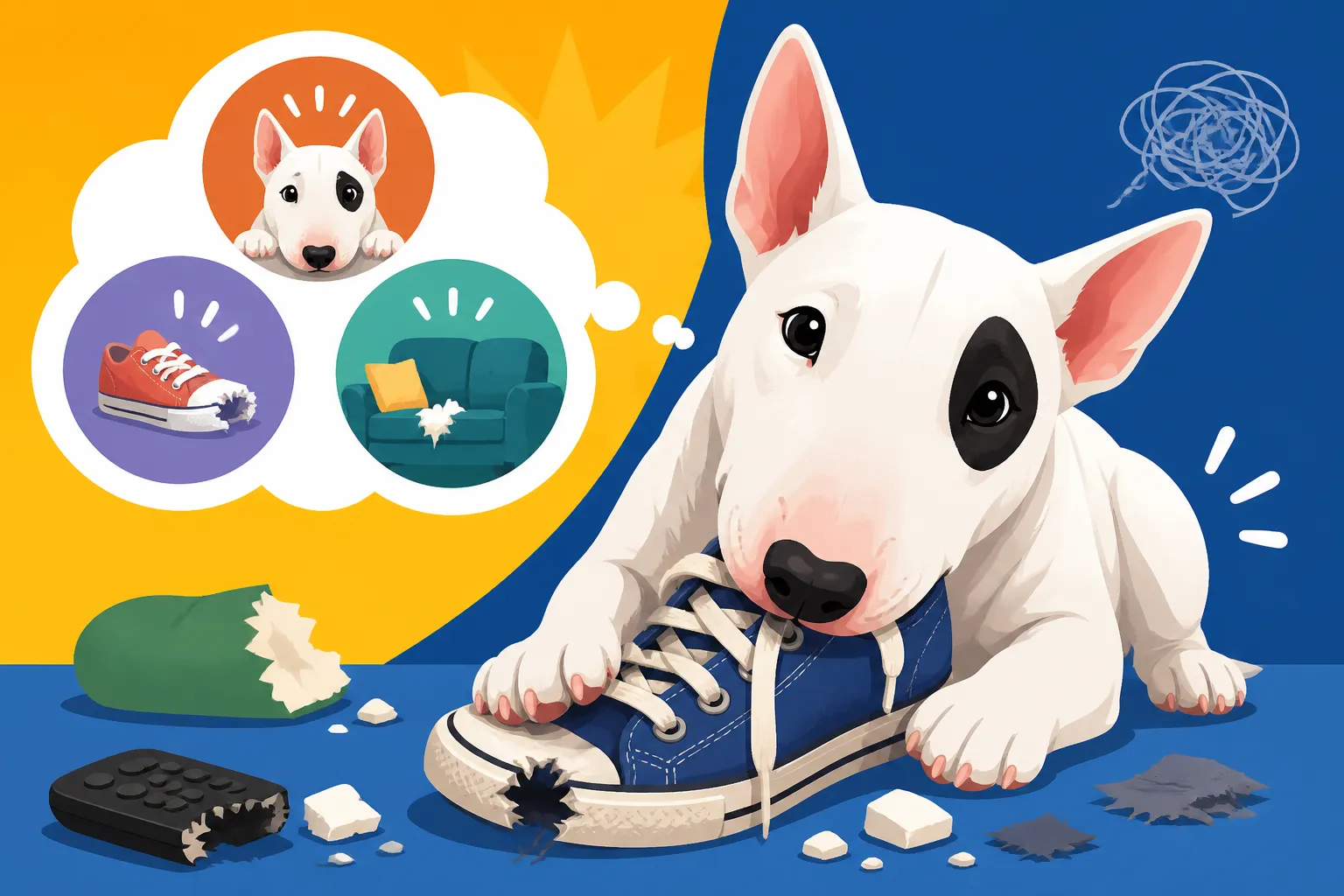
A bored Bull Terrier is a creative Bull Terrier, and their creativity rarely aligns with your home décor. Without enough structured activity, exercise, and mental enrichment, they will invent their own entertainment. This often manifests as destructive chewing. They might target furniture legs, remote controls, shoes, or even doorframes. It's not out of malice; it's simply an outlet for pent-up energy and an active mind. You might find yourself wondering What a Bull Terrier Does When It Is Bored.
This is more than just an inconvenience; it's a direct pipeline to eating inappropriate items. That shoe isn't just getting chewed up; pieces of it are likely being swallowed. The stuffing from the sofa cushion? Gone. The plastic from the TV remote? Down the hatch. The stronger the item, the more determined your Bull Terrier will be to dismantle it, increasing the risk of ingesting dangerous fragments. It's a frustrating cycle for owners, but it stems from a fundamental need for engagement.
Addressing the Need for Mental and Physical Outlets
The solution to boredom-induced ingestion lies in proactive enrichment. Bull Terriers need a job, even if that job is just figuring out a puzzle toy or going for a vigorous walk. Consider incorporating daily training sessions. Even short, five-minute bursts of positive reinforcement training can tire out their brains. Online training platforms, like those offered by BAXTER & Bella, can provide structured activities and mental challenges to keep your Bull Terrier engaged and learning.
Physical exercise is equally vital. A tired Bull Terrier is usually a well-behaved Bull Terrier. Aim for at least one to two hours of active exercise daily, which could include brisk walks, fetch in a secure yard, or structured playtime. Remember, they aren't just looking for physical exertion; they crave interaction and purpose. Providing appropriate outlets can dramatically reduce their destructive tendencies. For more ideas on how to occupy them, think about How Many Chews a Bull Terrier Needs a Week and Which Puzzle Toys Occupy a Bull Terrier.
The Role of Anxiety and Stress
Just like humans, Bull Terriers can turn to destructive behaviors, including eating inappropriate items, when they're feeling anxious or stressed. This isn't just about boredom; it's an emotional response, often a self-soothing mechanism that goes terribly wrong.
Separation Anxiety and Other Triggers
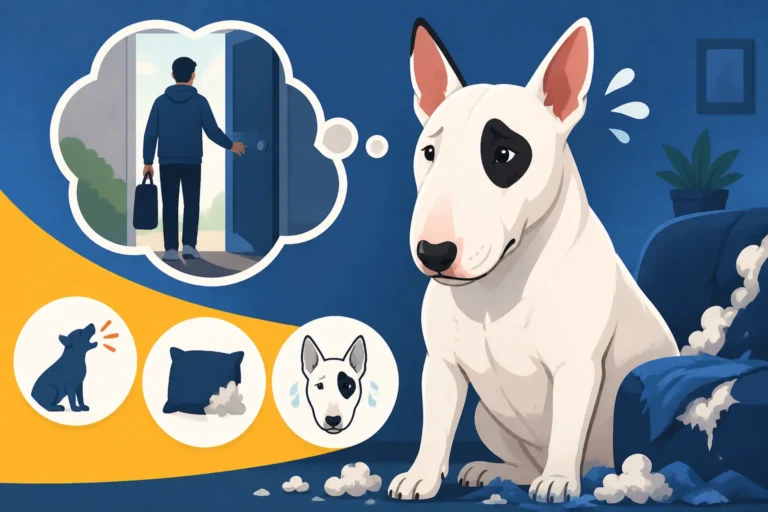
Separation anxiety is a significant concern for many Bull Terrier owners. These dogs bond deeply with their families and often struggle when left alone for extended periods. The stress of separation can trigger frantic attempts to escape or to self-soothe through destructive chewing and ingestion. You might return home to find not just a chewed-up couch, but also evidence that pieces have been swallowed, necessitating an urgent vet visit. This is why understanding Signs a Bull Terrier Has Separation Anxiety is crucial.
Other stressors can also contribute to this behavior. Changes in routine, new environments, loud noises (like thunderstorms or fireworks), or even the absence of a particular family member can send a Bull Terrier into an anxious state. During these times, their natural oral fixation can be exacerbated, leading them to destroy and eat whatever is at hand, searching for comfort or an outlet for their nervous energy. This is a common reason Why a Bull Terrier Cannot Be Left Alone All Day without proper preparation.
Recognizing and Managing Stress Behaviors
It’s important to distinguish between simple boredom and anxiety-driven destruction. Anxious chewing often happens when you're away, is more frantic, and might be accompanied by other signs like excessive drooling, pacing, vocalization, or attempts to escape. If you suspect anxiety, consider observing your dog when you leave using a camera.
Management involves addressing the root cause of the anxiety. For separation issues, this often means working on gradual desensitization and counter-conditioning, potentially with the guidance of a professional trainer or behaviorist. Creating a safe, calm space for your dog, perhaps a secure crate with comforting items, can also help. Calming supplements or pheromone diffusers might be suggested by your vet. The goal is to reduce their stress levels so they don't feel the need to resort to destructive, potentially life-threatening, chewing.
Beyond Behavior: Medical Reasons for Eating Inappropriate Items
While boredom and anxiety are often the primary drivers, sometimes, a Bull Terrier's compulsion to eat non-food items, a condition known as pica, can have underlying medical causes. It's vital not to overlook these possibilities, as they require veterinary intervention.
Pica: Behavioral vs. Medical Causes
Pica is the persistent craving and chewing of non-nutritive substances. While it often has behavioral roots (like those discussed above), it can also be a red flag for physical health issues. If your Bull Terrier is consistently eating things like dirt, rocks, plaster, or even feces, and you've addressed all behavioral and environmental factors, it's time for a comprehensive vet check-up.
Medical conditions that can cause pica include:
- Nutritional deficiencies: A lack of certain vitamins or minerals in their diet, although less common with high-quality commercial dog foods.
- Gastrointestinal issues: Conditions that cause chronic nausea, stomach upset, or malabsorption.
- Parasites: Intestinal worms can lead to nutritional deficiencies and a craving for unusual items.
- Anemia: Low red blood cell count can sometimes trigger unusual cravings.
- Metabolic diseases: Certain diseases, including thyroid imbalances or kidney disease, can alter appetite and lead to pica.
A vet can run blood tests, fecal exams, and other diagnostics to rule out these possibilities. This is especially important because addressing the medical issue directly can often resolve the pica behavior, saving you a lot of worry and preventing potential emergencies.
The Importance of a Balanced Diet and Regular Vet Checks
Ensuring your Bull Terrier is on a high-quality, nutritionally complete diet is foundational to their health and can help prevent pica related to deficiencies. While most commercial foods are balanced, individual dogs can have unique needs or sensitivities. Always consult with your veterinarian about the best diet for your dog's age, activity level, and any specific health concerns.
Regular veterinary check-ups are also non-negotiable. These routine visits allow your vet to catch potential medical issues early, including those that might manifest as pica. Don't hesitate to mention any unusual eating habits or concerns about what your Bull Terrier is ingesting during these appointments. Early detection and treatment of underlying medical conditions can make all the difference.
Strategies to Curb Inappropriate Ingestion and Keep Your Bull Terrier Safe
Dealing with a Bull Terrier who eats everything can feel like a constant battle, but with consistent effort and the right strategies, you can significantly reduce the risk and keep your quirky companion safe.
Environmental Management: Bull Terrier-Proofing Your Home
The first and most critical step is to make your environment as safe as possible. This means a thorough "Bull Terrier-proofing" of your home. Think like a Bull Terrier: what could be interesting? What could be reached? How to Bull Terrier Proof a Room is an ongoing process, but it starts with identifying and removing temptations.
| Item Category | Examples | Safety Hazard | Management Strategy |
|---|---|---|---|
| Household Objects | Shoes, remote controls, children's toys, socks | Blockages, toxins | Keep in closed cabinets, high shelves, or locked rooms |
| Chemicals/Plants | Cleaning supplies, medications, toxic plants | Poisoning | Securely stored; identify and remove toxic houseplants |
| Outdoor Items | Rocks, sticks, mulch, animal feces | Blockages, parasites | Supervised yard time, leash walks only, "leave it" command |
| Garbage/Food | Food scraps, wrappers, cooked bones | Choking, blockages, toxins | Secure garbage cans, counter surfing prevention |
| Electronics | Chargers, cables, headphones | Electrocution, toxins | Unplugged, out of reach, use cord protectors |
This might sound extreme, but for a Bull Terrier with a penchant for eating things, it's necessary. Imagine every small, reachable item as a potential emergency. This vigilance is your best defense against accidental ingestion.
Providing Appropriate Chew Outlets
Since chewing is such an integral part of being a Bull Terrier, you must provide plenty of appropriate, safe, and stimulating chew items. This isn't just about giving them a toy; it's about providing a variety of high-quality, durable options that can withstand their powerful jaws. Look for toys specifically designed for "power chewers." Brands like Kong, Nylabone (the extreme chew versions), and certain West Paw Zogoflex toys are often recommended. Which Toys Survive a Bull Terrier is a question many owners ponder.
Rotate toys to keep them novel and interesting. Fill puzzle toys with healthy treats or a smear of peanut butter to provide mental stimulation as they work to get the reward. Always supervise new toys, and regularly inspect all toys for damage. If a toy starts to break into pieces, it’s time to replace it immediately. You can find a vast selection of these durable toys on Amazon, often with reviews from other Bull Terrier owners describing their longevity.
Training and Supervision: The Cornerstones of Prevention
Even with a bulletproof home, consistent training and vigilant supervision are essential. Teaching strong "leave it" and "drop it" commands can be life-saving. These commands teach your Bull Terrier to ignore or release an item they shouldn’t have. Practice these commands regularly in various environments, using high-value rewards to reinforce their compliance.
Supervision is especially critical when your Bull Terrier is a puppy or is prone to ingesting items. Don't leave them unsupervised with tempting objects. When you can't actively supervise, a properly sized, sturdy crate can be an invaluable tool. A crate provides a safe, confined space where they can't get into trouble, acting as a den rather than a punishment. Whether a Crate Helps a Bull Terrier Left Alone often depends on positive introduction and consistent use.
When to Seek Professional Help
If despite your best efforts, your Bull Terrier continues to eat inappropriate items, or if the behavior is escalating, it's time to bring in the professionals.
Consulting Your Veterinarian
As discussed, medical issues can contribute to pica. Your first stop should always be your veterinarian. They can conduct a thorough examination and diagnostic tests to rule out any underlying health problems. If a medical cause is found, treating it directly may resolve the behavioral issue.
Working with a Certified Professional Dog Trainer or Behaviorist
If medical causes are ruled out, a certified professional dog trainer or a veterinary behaviorist can provide invaluable guidance. They can help you identify the specific triggers for your Bull Terrier's behavior, whether it's anxiety, boredom, or a learned habit, and develop a tailored behavior modification plan. They can teach you effective training techniques, advise on enrichment strategies, and help you manage environmental factors. Sometimes, addressing severe anxiety or obsessive behaviors might even involve medication in conjunction with behavior modification, prescribed by a vet or veterinary behaviorist. Don't hesitate to consider Whether a Bull Terrier Owner Should Hire a Behaviorist if you're struggling; it's an investment in your dog's safety and your peace of mind.
Remember, patience and consistency are key when dealing with a Bull Terrier who eats things they shouldn't. It's a challenging behavior, but with understanding, dedication, and the right strategies, you can help your Bull Terrier live a safer, happier life.
Disclaimer
This article is for general informational purposes only and does not constitute professional advice. Laws, prices and regulations vary by location and change over time. Consult a qualified professional for guidance on your specific situation.