What a Bull Terrier’s Zoomies Look Like
If you've ever owned a Bull Terrier, you know that quiet moment can vanish in an instant, replaced by a blur of white, brindle, or tri-color chaos. These sudden, explosive bursts of energy, affectionately known as "zoomies," are a hallmark of the breed, often leaving owners both amused and a little bewildered by the sheer force of nature that just tore through their living room. This guide will walk you through what exactly a Bull Terrier's zoomies entail, why they happen, and how to safely enjoy (and sometimes redirect) these hilarious, high-energy spectacles.
Understanding the Bull Terrier's Frenetic Random Activity Periods
When we talk about "zoomies," we're really talking about what canine behaviorists call Frenetic Random Activity Periods, or FRAPs. For most breeds, a FRAP might look like a quick dash around the yard or a playful leap. For a Bull Terrier, however, it’s an entirely different level of commitment. Imagine a compact, muscular athlete, typically described as a Why a Bull Terrier Is Called a Three Year Old in a Dog Suit, suddenly receiving an electric shock of joy and turning into a four-legged missile. That's a Bull Terrier zoomie.
These aren't just moments of casual play; they are intense, often spontaneous, and seemingly unprovoked explosions of pure, unadulterated exuberance. They are a perfectly normal part of being a dog, especially for breeds with high energy or a strong playful streak. For Bull Terriers, who sometimes have a knack for holding onto their puppy-like energy well into adulthood, zoomies serve as a vital outlet for pent-up excitement, stress, or just a sheer surplus of zest for life. It’s their way of hitting the reset button, blowing off steam, and expressing their inner clown.
What Triggers a Bull Terrier's Burst of Energy?
Bull Terriers, with their unique blend of power and personality, often have very distinct triggers for their zoomies. It’s almost as if a switch flips, transforming them from calm companions to whirling dervishes in seconds. Recognizing these triggers can help you anticipate the impending joyful chaos and even help you prepare for it, or better yet, enjoy the show safely.
One of the most common triggers is the "post-bath zoomie." You've just put in the effort to get them sparkling clean, and the moment they are released, often damp and smelling faintly of lavender shampoo, they decide the best way to celebrate is to run at top speed, rubbing themselves against every available surface. It's partly about drying off, but mostly about the sheer exhilaration of being free and refreshed. Another frequent trigger is the sudden surge of energy after a long nap or a period of confinement, such as after being crated. They wake up, stretch, and then it’s as if all the energy stored during their slumber needs an immediate release valve.
Excitement is a huge factor too. The arrival of a beloved human, a new toy, or even the promise of a walk can kick off a Bull Terrier's zoomie fest. Sometimes, the zoomies appear during a play session that suddenly intensifies, or when they are feeling particularly pleased with themselves after mastering a new trick (or just successfully snatching a forbidden sock). Conversely, some Bull Terriers will zoom to relieve stress or frustration, though these are less common and often have a different feel to them—a more frantic, less joyful energy. It's often said that a What a Bull Terrier's Temperament Is Really Like includes both immense joy and stubborn determination, and both can fuel a good zoomie. Knowing that a Bull Terrier needs consistent mental and physical outlets is key, as pent-up energy from boredom can also lead to more intense or frequent FRAPs. What a Bull Terrier Does When It Is Bored often includes destructive chewing, but it can certainly also manifest as frantic energy bursts.
The Visual Spectacle: What a Bull Terrier's Zoomies Actually Look Like
To truly understand a Bull Terrier's zoomies, you have to see them in action. It’s not just running; it’s an art form of frenetic motion, an explosion of joyful physical expression that is quite unlike any other breed. Their unique build and distinctive features contribute to a performance that is both powerful and undeniably comical.
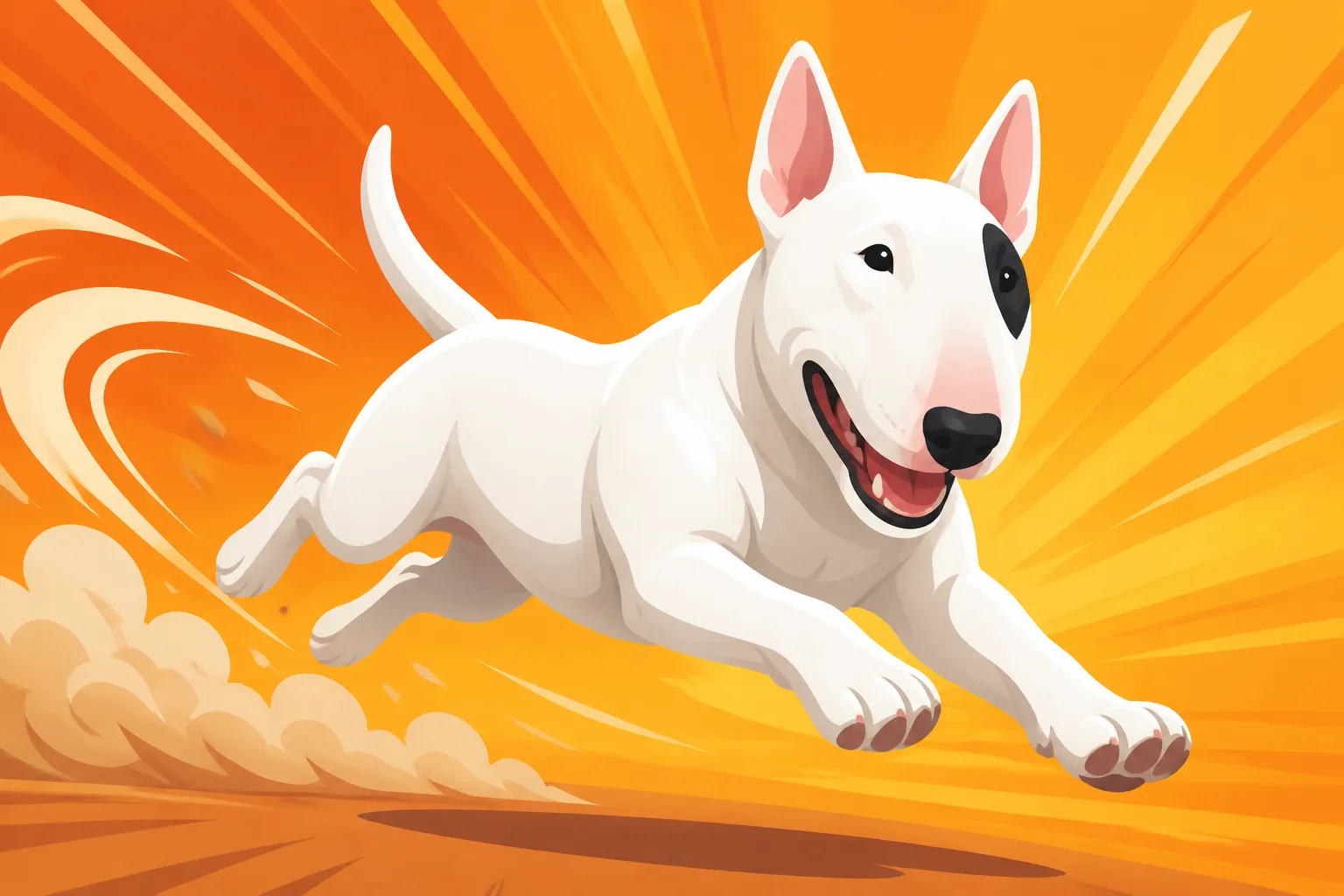
Picture this: your Bull Terrier, perhaps just a moment ago lounging calmly, suddenly tenses. Their wide-set, triangular eyes, a hallmark of the breed, might dart around, fixed on some unseen target, or they might simply be glazed over with pure, unadulterated joy. Their ears, usually erect and forward-facing, often flatten back against their egg-shaped head, streamlining them for maximum velocity. The tail, short and thick, might be tucked low or wagging furiously, a blur of excitement.
Then, the explosion. They launch themselves forward, often with a low, powerful stance, driving hard with their muscular hindquarters. The motion isn’t always a straight line. Oh no, a Bull Terrier’s zoomie is a masterclass in controlled chaos. They’ll accelerate to full speed, often ricocheting off furniture (if indoors and not properly proofed) or making sudden, hairpin turns that defy physics. They might perform tight circles, spinning rapidly in one spot, or broad, sweeping arcs across the yard. Sometimes, they’ll incorporate dramatic pauses—a sudden skid, a quick head shake, a joyful bark or grunt, and then they're off again, doubling back on their own tracks. The sheer force behind their movements can be astonishing, a testament to their athletic build. You'll see their powerful chest and shoulders working overtime, pushing them through the air with surprising agility for such a solid dog.
Vocalizations are often part of the show too. Happy grumbles, excited barks, or even a soft whine of pure delight can accompany their antics. Their entire body language screams joy: an open-mouthed, panting smile, their whole being vibrating with happiness. It’s a full-body expression of contentment and high spirits, often ending as abruptly as it began, with your Bull Terrier flopping down in a heap, utterly exhausted but beaming with satisfaction.
Here's a quick look at some common Bull Terrier zoomie behaviors:
| Behavior | Description | Interpretation |
|---|---|---|
| Full-Speed Sprint | Blurs of motion, accelerating from zero to sixty in seconds. | Releasing pent-up physical energy. |
| Hairpin Turns | Sudden, sharp changes in direction, often skidding. | Exhibiting agility and playfulness. |
| Tight Circles/Spins | Rapid spinning in place, sometimes chasing their own tail. | Intense excitement, pure joy, or minor self-soothing. |
| Body Slams | Bouncing off walls, furniture, or sometimes even people (accidentally). | Unable to contain their momentum; pure exuberance. |
| Head Shakes | Quick, vigorous shakes of the head mid-zoomie. | Resetting focus, shaking off residual excitement. |
| Play Bows | Front end low, rear end up, inviting interaction before taking off again. | Attempting to engage owner or other dogs in play. |
| Happy Grunts/Barks | Vocalizations of excitement, joy, and satisfaction. | Expressing happiness and engagement. |
Navigating the Chaos: Managing Bull Terrier Zoomies Safely
While Bull Terrier zoomies are a delightful and often hilarious part of their personality, they can also be a little overwhelming, especially if your dog is a larger male or if you have a small living space. The key is to manage them safely and understand when to step in.
Creating a Safe Zoomie Zone
The most crucial step is ensuring your Bull Terrier has a safe space for their frenetic bursts. If they're prone to indoor zoomies, try to clear potential hazards. Move breakable items, tuck away throw rugs that could cause skids, and make sure children or elderly family members are out of the line of fire. Their powerful bodies and sudden movements mean they can easily knock someone over. For outdoor zoomies, a securely fenced yard is paramount. A Bull Terrier, caught up in the throes of a zoomie, might not be paying attention to an open gate or a weak spot in the fence. Remember, Whether a Bull Terrier Needs a Reinforced Fence is often a serious consideration for owners of this breed.
When to Encourage and When to Redirect
Most zoomies are harmless and should be allowed to run their course. It's a healthy way for your Bull Terrier to release energy. Encourage them with cheerful words, but avoid getting directly in their path, as their "flight path" can be unpredictable. However, if a zoomie starts to become unsafe—perhaps they're heading straight for a glass table, or they're getting too rough around a small child—it's time to gently interrupt.
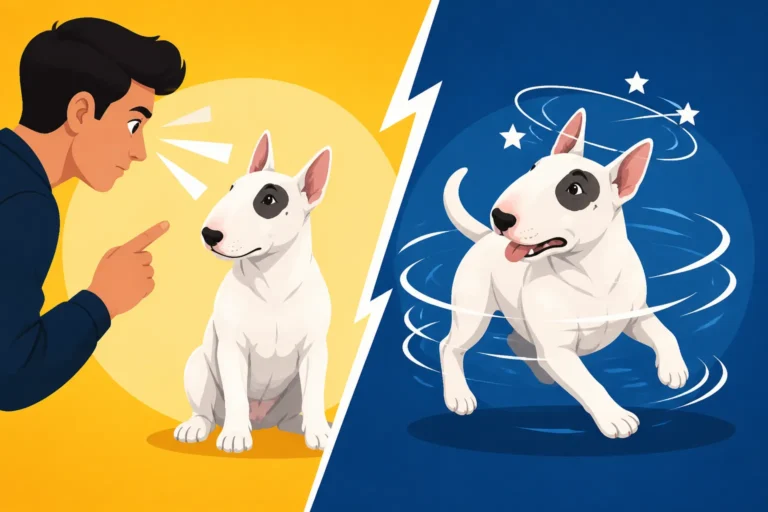
You can try a sudden, cheerful noise to break their focus, or if they respond well to commands even in high states of arousal, a "sit" or "down." Sometimes, simply stepping in front of them with your body (without physically blocking or tackling them) can break their momentum. You can also offer a high-value toy, especially one designed for robust chewers available on platforms like Amazon, to redirect their energy into a more controlled play session. This can pivot their intense, undirected energy into focused, positive interaction. For some Bull Terriers, learning to Teaching a Bull Terrier to Settle on a Mat can be a lifesaver for managing over-arousal.
Proactive Management: Preventing Over-the-Top Zoomies
While you can't (and shouldn't) eliminate zoomies entirely, you can influence their frequency and intensity by ensuring your Bull Terrier's daily needs are met. This means ample physical exercise tailored to their age and condition, and just as importantly, mental stimulation. A tired Bull Terrier, both physically and mentally, is less likely to have overwhelming bursts of frantic energy.
Think about incorporating various activities into their routine. Long walks, supervised playtime at a dog park (if your Bull Terrier is well-socialized and tolerant of other dogs), or even structured training sessions can help. How Much Exercise a Bull Terrier Actually Needs is often more than people assume. Engaging their powerful minds with puzzle toys, scent work, or even online training programs like those offered by BAXTER & Bella can be incredibly beneficial. These types of activities provide an outlet for their intelligence and help them burn energy in a constructive way, making their zoomies more manageable and less like an indoor hurricane.
Distinguishing Zoomies from Problematic Behaviors
It's important to distinguish typical zoomies from other behaviors that might require veterinary or behavioral intervention. True zoomies are usually joyful, frantic, and end with the dog panting happily. However, sometimes spinning can be a sign of a compulsive disorder or even a seizure. If your Bull Terrier's spinning is repetitive, difficult to interrupt, or seems less joyful and more frantic or distressed, it might be more than just a zoomie.
For instance, Whether Bull Terrier Tail Chasing Is a Seizure is a legitimate concern for many owners. If the spinning is accompanied by other neurological signs, loss of awareness, or if it doesn't resolve after a few minutes of frenetic activity, it's wise to consult your veterinarian. They can help you determine if it's normal Bull Terrier exuberance or something that needs professional attention. Typically, a zoomie is a full-body expression, whereas compulsive spinning or a seizure can look more focused and less joyous.
Bull Terrier zoomies are an iconic part of living with these wonderful dogs. They are a celebration of life, a release of energy, and a testament to their vibrant, playful spirit. By understanding their triggers, appreciating their unique style, and ensuring a safe environment, you can embrace the chaos and enjoy these moments of pure, unadulterated Bull Terrier joy.
Disclaimer
This article is for general informational purposes only and does not constitute professional advice. Laws, prices and regulations vary by location and change over time. Consult a qualified professional for guidance on your specific situation.