How a Bull Terrier Sulks
It's a scene many Bull Terrier owners know all too well: you've just told your beloved companion "no," ended a game too soon, or perhaps dared to pay attention to another family member. Suddenly, your usually clownish, boisterous Bull Terrier transforms into a picture of canine misery, giving you the cold shoulder, sighing dramatically, and perhaps retreating to a distant corner. This isn't just a fleeting mood; it's a full-blown Bull Terrier sulk, and it can be utterly perplexing if you don't understand what's truly behind it. This guide will help you decode your Bull Terrier's dramatic withdrawals and equip you with the tools to navigate these emotional moments.
Understanding the Bull Terrier's "Sulky" Disposition
Let's be real, Bull Terriers are known for their big personalities, their undeniable charm, and yes, their flair for the dramatic. When they "sulk," it's often more than just a passing mood; it's a deeply felt (and often loudly expressed) reaction to their world not going exactly as planned. For a breed affectionately called Why a Bull Terrier Is Called a Three Year Old in a Dog Suit, this theatrical response to perceived injustice is almost par for the course.
What "Sulking" Looks Like in a Bull Terrier
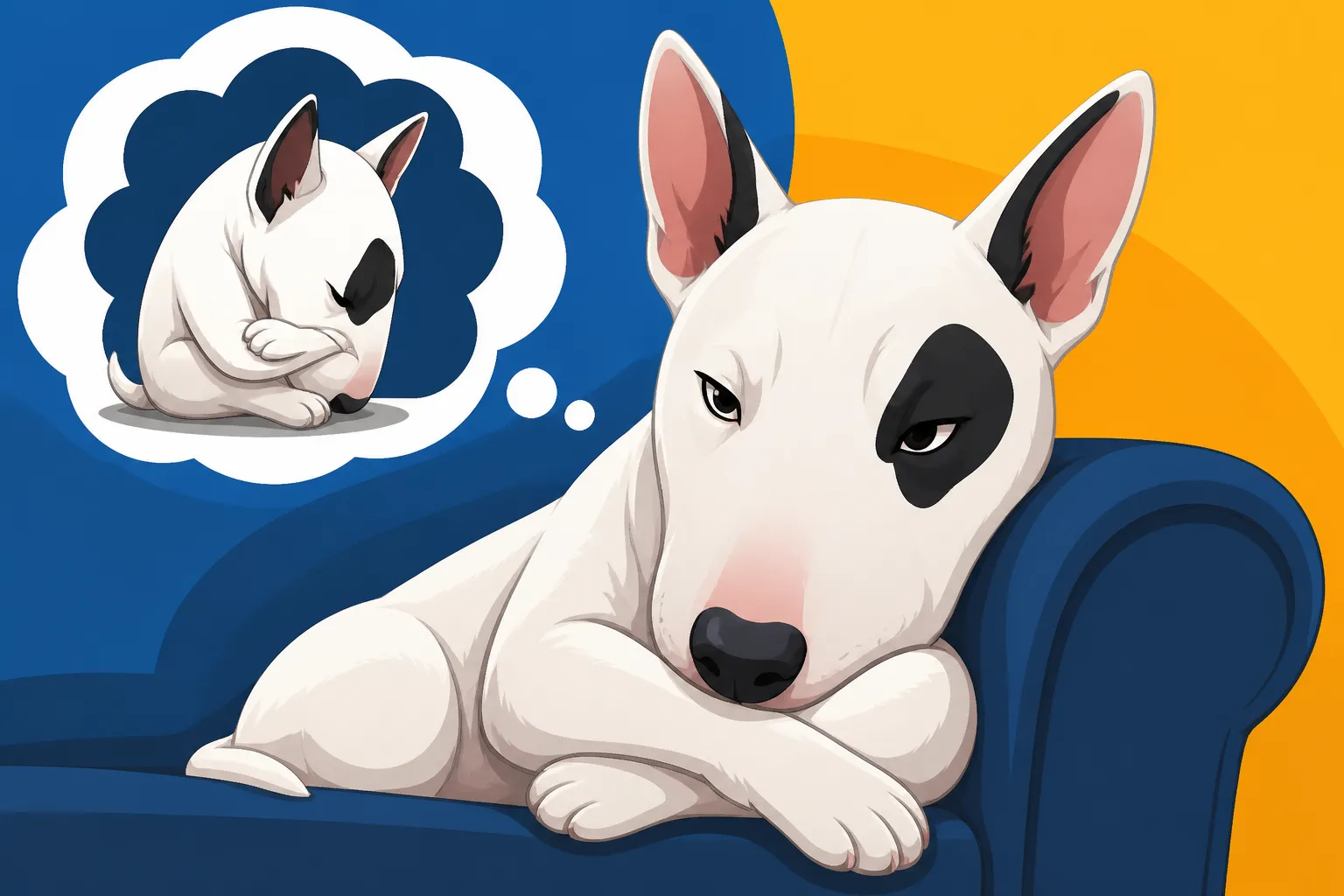
A Bull Terrier's sulk isn't always overt, like a child stomping their foot. Often, it's a more subtle, yet unmistakable, display of discontent. You might see them turn their back to you when you call their name, refusing to make eye contact. They might lie down with a heavy, exaggerated sigh, usually with their head dramatically buried in their paws, giving off an aura of profound sadness. Commands that they usually obey instantly might be met with a slow, deliberate blink or a refusal to move, as if to say, "I heard you, but I'm choosing not to acknowledge your existence right now."
Another classic sign is their deliberate withdrawal from the family hub. Instead of being right underfoot or snuggled up on the sofa, a sulking Bull Terrier might choose the farthest corner of the room, a different bed, or even a spot under a table where they can be "alone" in their grief. This isn't about being ignored; it's about making sure you know they're ignoring you. It’s a passive-aggressive masterclass, and while it might be frustrating, it's also a testament to their complex emotional intelligence. They're communicating, even if it's through a silent protest.
Is It Truly Sulking, or Just a Strong Personality?
It's easy to dismiss a Bull Terrier's sulk as mere stubbornness, and while there's certainly an element of their renowned willfulness in the mix, it's often rooted in something deeper. Bull Terriers are incredibly intelligent dogs, capable of understanding routines, expectations, and even subtle shifts in human emotion. This intelligence, combined with their strong, independent personalities, means they often have their own ideas about how things should be. If your idea of "how things should be" clashes with theirs, a sulk can be their response.
Their unique blend of clownishness and intense focus means they don't always take kindly to being thwarted. They remember slights, they notice unfairness, and they're not afraid to let you know when they disagree. Think about it – if a Bull Terrier doesn't see the point in a command or a situation, they're often disinclined to comply. This same mindset applies to their emotional responses. When they feel "wronged" or simply denied a pleasure, their innate strength of character allows them to lean into that emotion and express it in their own distinctive way. For more on their cleverness, you might want to read How Smart a Bull Terrier Really Is.
Common Triggers for a Bull Terrier's Sulk
Understanding why your Bull Terrier might be sulking is half the battle. They aren't just being dramatic for no reason; there are usually very specific (and often predictable) triggers that set off their theatrical withdrawals. Once you identify these, you can start to anticipate and even mitigate them.
Perceived Injustice and Missed Opportunities
For a Bull Terrier, "injustice" can be anything from a direct denial of something they desperately want to a sudden halt to a favorite activity. Did you just finish the last piece of cheese and they didn't get a share? Did you stop playing fetch exactly when they were hitting their stride? These can be major offenses in their world. They live for engagement and interaction, and when that's cut short without their consent (because, of course, they should have a say!), they feel genuinely put out.
Imagine this scenario: you're getting ready for work, and your Bull Terrier is bouncing around, hoping for a spontaneous game or an extra-long cuddle. You give a quick pat and head for the door. In their mind, that's a massive missed opportunity for connection and fun, and they might spend the next hour moping by the window, letting out mournful sighs. It's not just about the cheese or the ball; it's about the perceived slight to their desires and the disruption to their expectations of shared joy.
Disruption of Routine or Undesired Changes
Despite their seemingly carefree and spontaneous demeanor, many Bull Terriers thrive on routine. They learn schedules quickly and often anticipate daily events with keen interest. A deviation from this established rhythm can be unsettling for them. For instance, if you usually go for a walk at 7 AM, and one day you sleep in or postpone it, your Bull Terrier might very well spend the morning giving you the side-eye and refusing to engage, their way of protesting the change.
Likewise, undesired changes in their environment or social circle can trigger a sulk. A new piece of furniture that takes up "their" spot, a houseguest occupying their favorite human's attention, or even a different brand of food can throw them off. They appreciate predictability and comfort. A trip to the vet, which is inherently stressful and involves unfamiliar sights and smells, can lead to a prolonged sulk afterward, as they process the indignity of the examination. Even something as simple as you focusing intensely on a book or your phone instead of them can cause a retreat. After all, they believe Why a Bull Terrier Follows You Everywhere precisely because they want to be involved in everything you do.
Feeling Excluded or Not the Center of Attention
Perhaps the most common trigger for a Bull Terrier's sulk is feeling like they're not the absolute center of your universe. These dogs crave attention and thrive on being included in family activities. If you're spending time cuddling another pet, talking on the phone for an extended period, or simply engrossed in a task that doesn't involve them, they can quickly feel marginalized.
They are masters of inserting themselves into situations, and if their attempts to get your attention are rebuffed, they might pivot to a sulk. This is their way of subtly (or not-so-subtly) guilt-tripping you back into their orbit. They'll often watch you from their chosen sulking spot, waiting for you to notice their profound unhappiness and come to make amends. It's a calculated move, often born from their deep desire for connection and their unwavering belief that they deserve all of your focus.
Distinguishing Sulking from Other Behaviors
It's crucial to differentiate a Bull Terrier's dramatic sulk from other behaviors that might mimic it but signal something more serious. While a sulk is typically a harmless, albeit theatrical, emotional display, a persistent withdrawal or change in demeanor could indicate boredom, anxiety, or even physical discomfort or pain.
Sulking vs. Boredom or Frustration
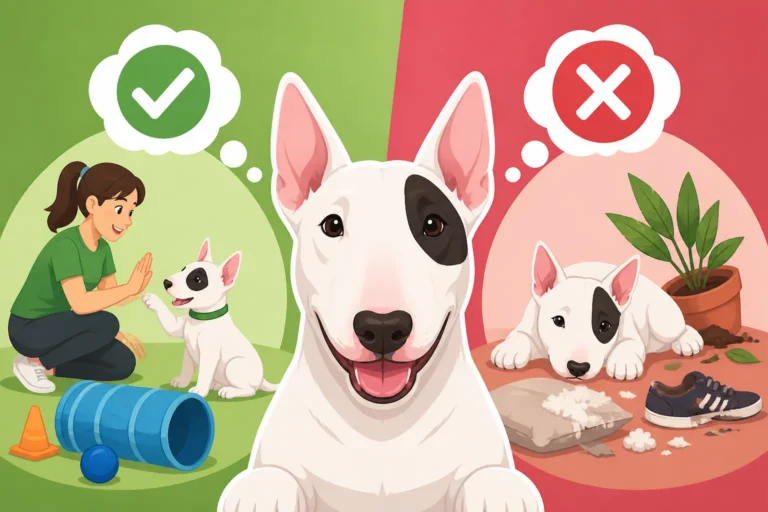
While both sulking and boredom can result in a dog being less engaged, their manifestations are quite different. A Bull Terrier that is simply bored will often resort to more active, and often destructive, behaviors to entertain themselves. This might include excessive chewing on furniture, digging up the yard, pacing restlessly, or incessant whining. What a Bull Terrier Does When It Is Bored and What a Bull Terrier Chews are classic articles that outline the consequences of true boredom in this breed. They're looking for an outlet for their energy and intelligence, and if you don't provide it, they'll create their own, often chaotic, fun.
Sulking, on the other hand, is generally a more passive-aggressive form of protest. The sulking Bull Terrier isn't necessarily looking for an outlet for physical energy; they're looking for an emotional response from you. They are less likely to destroy things and more likely to withdraw, sigh loudly, and give you the cold shoulder. It’s a calculated emotional manipulation rather than an explosion of undirected energy.
Here's a quick comparison to help you tell the difference:
| Behavior Aspect | Sulking | Boredom | Anxiety/Pain |
|---|---|---|---|
| Primary Action | Withdrawal, ignoring, dramatic sighs | Destructive chewing, digging, pacing, whining | Hiding, shaking, panting, guarding body parts |
| Duration | Typically short-lived, until attention/resolution | Can be persistent if needs unmet | Persistent, may worsen over time |
| Motivation | Perceived injustice, lack of attention | Lack of mental/physical stimulation | Fear, discomfort, physical ailment |
| Response to Call | Slow, grudging, or ignored | Might respond but quickly reverts to behavior | May not respond, or respond fearfully/aggressively |
| Energy Level | Low, subdued | Restless, high energy (misdirected) | Can be low (pain) or high (panic) |
When a "Sulk" Might Be a Sign of Pain or Illness
This is perhaps the most critical distinction to make. Bull Terriers, for all their expressive personalities, can also be incredibly stoic when it comes to pain or illness. A sudden, unexplained, or prolonged change in your Bull Terrier's behavior that resembles a sulk, but goes beyond their usual dramatic antics, warrants immediate attention. If their withdrawal lasts longer than a few hours, or if it's accompanied by other concerning signs, it's time to call your vet.
Look for these red flags:
- Lethargy and unusual sleepiness: If they're not just ignoring you but genuinely lacking energy and wanting to sleep more than usual.
- Loss of appetite or thirst: Refusing food or water, or eating significantly less.
- Changes in bathroom habits: Accidents in the house, straining, or changes in stool consistency.
- Hiding or unwillingness to be touched: If they normally love cuddles but are now avoiding contact or growling when approached.
- Vocalization: Whining, whimpering, or growling without clear provocation.
- Physical signs: Limping, difficulty moving, panting excessively without exertion, or any visible injury.
Bull Terriers are prone to certain health issues that can cause general malaise or discomfort, which might be mistaken for sulking. For example, conditions affecting their kidneys can lead to lethargy and a general feeling of being unwell. Signs a Bull Terrier's Kidneys Are Failing is a valuable resource if you suspect something more serious. Never dismiss a significant behavioral change as "just sulking" without considering their physical health first. When in doubt, a vet visit is always the safest course of action, as How a Bull Terrier Hides Pain can be quite deceptive.
How to Respond When Your Bull Terrier Sulks
Once you've identified that your Bull Terrier is indeed in a sulk (and not genuinely ill or deeply anxious), how you respond can either prolong the drama or help them snap out of it. The key is finding a balance between acknowledging their feelings and not reinforcing the dramatic behavior.
Acknowledging Their Feelings (Without Reinforcing the Drama)
It might sound counterintuitive to acknowledge a sulk, but it's not about coddling them for their dramatic display. It's about letting them know you've noticed their emotions without giving undue attention to the act of sulking itself. A calm, gentle approach is best. Instead of getting frustrated or ignoring them completely, try a quiet, comforting gesture. Approach them softly, perhaps offer a gentle stroke on their back or head, and speak in a low, soothing tone. You might say something like, "I know you're feeling a bit sad right now," without making eye contact that could be seen as a challenge or invitation for more drama.
The goal is to communicate that you're there and you care, but you're not going to fall for the full-blown Oscar-winning performance. Avoid overly enthusiastic coaxing or excessive petting, as this can inadvertently teach them that sulking gets them extra fuss. A simple, reassuring presence can often be enough to start bringing them back into the fold. Bull Terriers are quite sensitive to tone, so maintaining a calm, positive voice is key.
Redirecting and Engaging Them Positively
Once you've offered a brief, calm acknowledgment, the next step is often to gently redirect their energy towards something positive. This shifts their focus away from their perceived grievance and back to engagement with you. One effective method is to offer a high-value chew toy or a puzzle toy. Items available through retailers like Amazon often have a great selection of robust, Bull Terrier-proof toys designed to withstand their powerful jaws and keep their minds occupied. Which Toys Survive a Bull Terrier provides some excellent recommendations for durable options. The mental challenge of a puzzle toy can be a great distraction, demanding their focus and often leading to a sense of accomplishment rather than continued moping.
Alternatively, you can initiate a short, fun game that isn't overly intense but requires their participation. A quick round of "find the treat" or a brief, low-key tug session can be effective. Even a change of scenery, like a very short walk outside, can sometimes break the spell. The trick is to make it an invitation, not a demand. You want them to choose to engage, rather than feel pressured, which could deepen the sulk. Remember, How many reps a Bull Terrier gives you might be limited, so keep the sessions short and sweet, ending on a high note before they lose interest.
Preventing Future Sulks Through Routine and Enrichment
While you can't eliminate every potential trigger for a Bull Terrier's sulk, you can certainly minimize them through consistent routines and ample mental and physical enrichment. Bull Terriers thrive on structure and knowing what to expect. A predictable schedule for walks, meals, and playtime can significantly reduce feelings of injustice or anxiety that might lead to sulking. Consistency in training also helps; if they understand the rules and boundaries, they're less likely to be surprised or feel unfairly treated when a "no" is given. A Bull Terrier Trains When It Sees the Point highlights the importance of making training engaging and worthwhile for them.
Furthermore, ensure your Bull Terrier receives plenty of mental stimulation throughout the day. This breed is smart, and a bored mind is often a mischievous, or indeed, a sulking mind. Incorporate regular training sessions, even short ones, to challenge them. Provide a variety of enrichment toys, rotating them to keep things interesting. Online training platforms, such as those offered by BAXTER & Bella, can provide a wealth of ideas for mental games and activities that keep your Bull Terrier engaged and feeling like a valued participant in the family, rather than an overlooked observer. By consistently providing outlets for their energy and intellect, you make it less likely they'll resort to dramatic sulking as their primary form of communication.
Disclaimer
This article is for general informational purposes only and does not constitute professional advice. Laws, prices and regulations vary by location and change over time. Consult a qualified professional for guidance on your specific situation.