Why a Bull Terrier Cannot Be a Backyard Dog
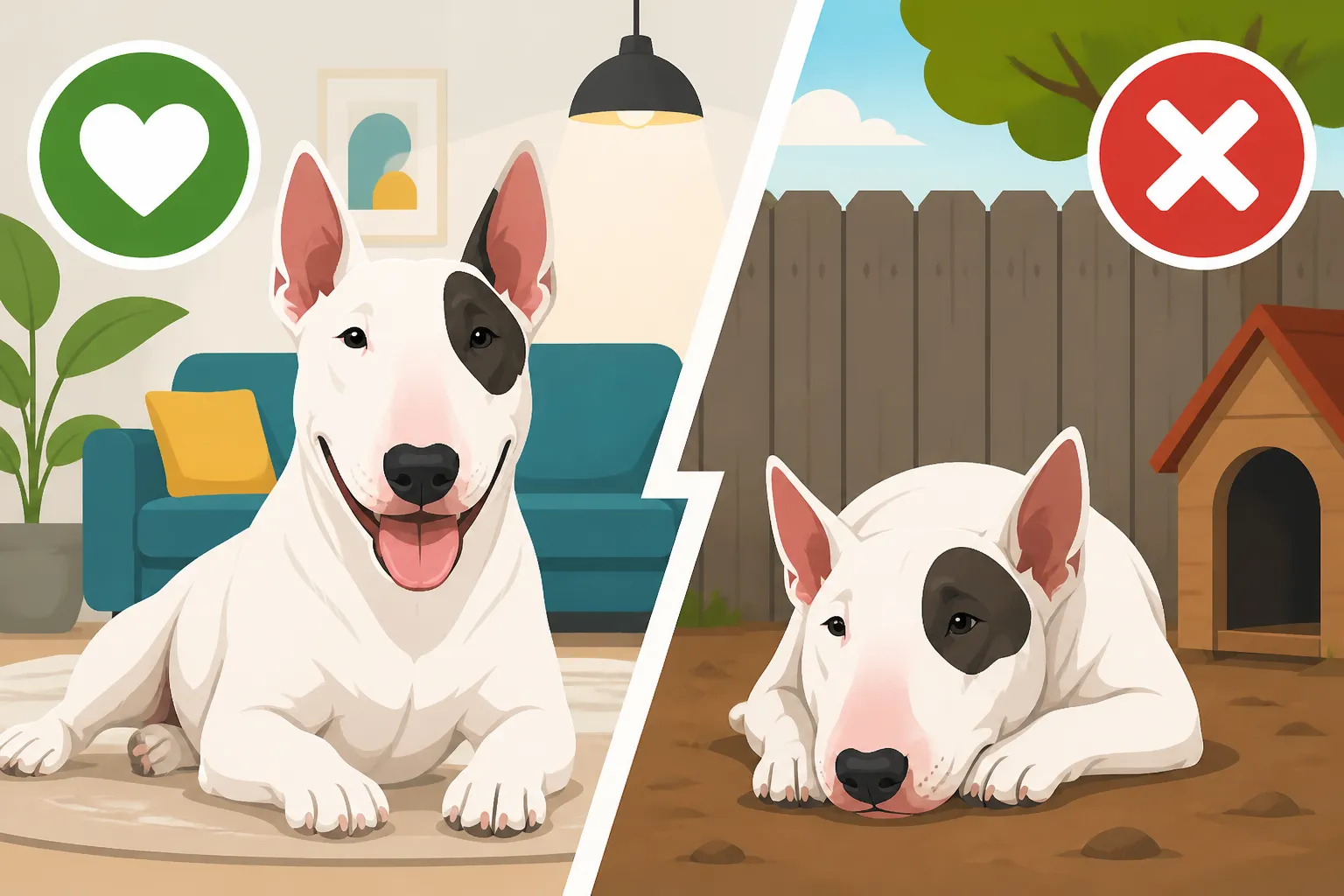
Many well-meaning dog owners believe a backyard offers the perfect life for a dog – fresh air, space to run, and a natural environment. However, for a Bull Terrier, being relegated to the backyard is not only inadequate but can be profoundly detrimental to their well-being, leading to severe behavioral issues, health problems, and an overall unhappy existence. This guide will meticulously unpack why a Bull Terrier thrives as an integral part of the family inside the home, not as a solitary outdoor resident, and the real challenges that arise when their unique needs are ignored.
The Bull Terrier's Profound Need for Human Connection
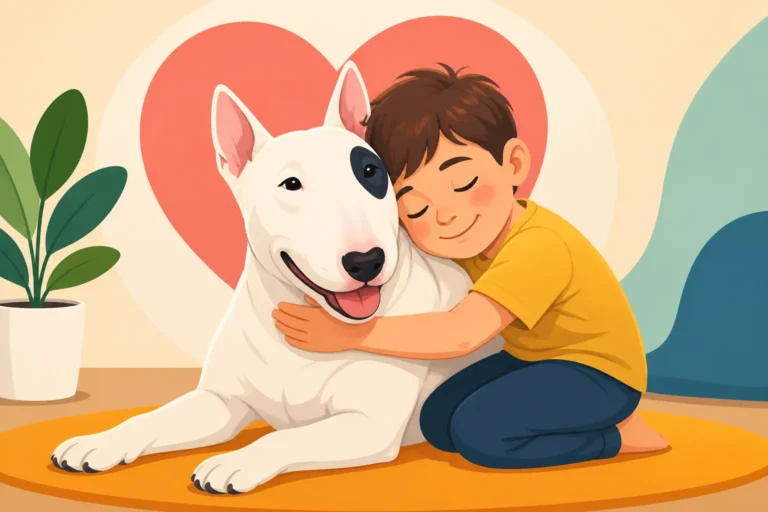
The Bull Terrier isn't just a dog; they're a deeply social, fiercely loyal, and incredibly personality-rich companion animal. Their very nature is built around interaction, engagement, and being an active participant in their human family's daily life. To deny them this connection is to deny them their fundamental identity.
More Than Just a Pet: The 'Three-Year-Old in a Dog Suit' Personality
If you've spent any time with a Bull Terrier, you know the saying "a three-year-old in a dog suit" rings true. These dogs possess an astonishing blend of playful exuberance, clever mischief, and profound emotional depth. They are constantly observing, processing, and trying to engage with their surroundings and, most importantly, their people. They want to be where the action is, whether that's sprawled on the living room rug while you watch TV, "helping" you in the kitchen, or just snoozing at your feet while you work. Their personalities are so vivid and engaging that to isolate them from this human hubbub is to dull their very spirit. They thrive on the subtle cues, the laughter, the gentle corrections, and the constant, unspoken dialogue that comes with living side-by-side with their human pack. This isn't a breed that tolerates solitude well; they crave companionship, and their unique character truly shines when they are integrated into family life. You'll understand this better when you explore Why a Bull Terrier Is Called a Three Year Old in a Dog Suit.
The Detrimental Impact of Isolation and Boredom
Imagine a highly intelligent, energetic, and socially driven individual being left alone in a confined space with nothing to do, day after day. That's essentially what a backyard represents to a Bull Terrier. They are problem-solvers by nature, and if there are no appropriate outlets for their keen minds and boundless energy, they will create their own "problems" to solve. This often manifests as intense boredom, which quickly escalates into anxiety, frustration, and a host of undesirable behaviors. A Bull Terrier left to their own devices in a backyard will not simply sunbathe peacefully; they will pace, bark excessively, and obsessively search for something, anything, to occupy their time. This is why it's so critical to understand Why a Bull Terrier Cannot Be Left Alone All Day. The lack of mental and physical engagement from their human companions leaves a void that no amount of open space can fill, leading to a downward spiral of unhappiness and destructive habits. These are not signs of a happy, well-adjusted dog, but rather a cry for help from a creature whose core needs are simply not being met.
The Inevitable Behavioral Challenges of an Outdoor Bull Terrier
When a Bull Terrier's fundamental needs for companionship and mental stimulation are unmet, their innate drive and intelligence will find an outlet, often in ways that are frustrating and costly for their owners. The backyard, far from being a haven, becomes a canvas for their distress.
Destructive Outlets and Property Damage
A bored Bull Terrier is a force of nature, and your backyard will bear the brunt of it. These dogs have powerful jaws and an incredible capacity for chewing and digging, especially when under-stimulated. They don't dig just for fun; they might be seeking cooler earth, trying to escape, or simply engaging in a deeply ingrained behavior to alleviate stress. You might find your carefully manicured flower beds transformed into a lunar landscape, irrigation lines severed, deck boards gnawed, or even the siding of your house mysteriously developing new, Bull Terrier-shaped holes. This isn't malicious behavior; it's a desperate attempt to self-entertain and cope with extreme boredom and loneliness. They will chew on anything, from garden hoses to outdoor furniture, and the damage can quickly add up, both financially and emotionally. For more insight into their chewing habits, check out Whether a Bull Terrier Chews. What might seem like "bad dog" behavior is almost always a direct consequence of a dog not receiving the proper mental and physical engagement that is crucial for their breed.
Mastering the Art of Escape
Bull Terriers are intelligent, determined, and surprisingly agile. A standard fence, even a tall one, can quickly become a mere suggestion to a Bull Terrier who desperately wants to rejoin their people or find more stimulating adventures. They are experts at identifying weak points, whether it's a loose board, a gate not quite latched, or an area where they can dig under with impressive speed. They can also be surprisingly adept climbers, using anything from bushes to lawn furniture as a springboard. Many owners have discovered their "secure" fence was no match for a motivated Bull Terrier. If they do escape, they are at risk of injury from traffic, getting lost, or encountering other animals. The heartache of a lost dog or the worry of them getting hurt is immense. This is why simply having a fence isn't enough; you need to truly understand How a Bull Terrier Gets Out of a Fence and the serious considerations around Whether a Bull Terrier Needs a Reinforced Fence. Their escape attempts are often not about wanting to run away from home, but rather a powerful drive to escape the boredom and loneliness of their outdoor confinement and find their human family.
Health, Safety, and Societal Realities of Backyard Confinement
Leaving a Bull Terrier in the backyard isn't just about behavioral issues; it exposes them to a range of serious health and safety risks, and can even lead to significant legal and social complications for owners.
Vulnerability to Environmental Hazards and Theft
A Bull Terrier, particularly a white one, has very specific vulnerabilities that make prolonged outdoor exposure dangerous. Their short coats offer little protection against extreme temperatures. In summer, they are highly susceptible to heatstroke, especially given their energetic nature, and their pink skin can sunburn severely in a surprisingly short amount of time. Conversely, in winter, they can quickly suffer from frostbite or hypothermia. Beyond temperature, they are exposed to parasites like fleas, ticks, and mosquitoes, which can transmit diseases. Access to clean, fresh water might be limited or frozen, and food can attract pests.
Perhaps even more concerning is the risk of theft. Bull Terriers are distinctive, striking dogs, and unfortunately, this makes them targets. A dog left unattended in a backyard is an easy mark for someone looking to steal a valuable breed, whether for illegal dog fighting, resale, or breeding. The thought of your beloved companion being taken is harrowing. They are also vulnerable to intentional harm from strangers or other animals. Backyard conditions also exacerbate skin allergies and other common Bull Terrier ailments, making continuous vigilance difficult.
Societal Perceptions and Legal Ramifications
Beyond the direct harm to the dog, keeping a Bull Terrier as a backyard dog can lead to serious issues with neighbors and local authorities. Chronic barking, a common symptom of a lonely and bored Bull Terrier, will inevitably lead to complaints. Digging can damage shared fences or create unsightly messes visible to others. Furthermore, Bull Terriers, like many "bully breeds," are often subject to breed-specific legislation or restrictions by homeowners' insurance companies and landlords. If your dog is perceived as neglected or a nuisance while in the yard, it can lead to legal action, fines, or even the forced removal of your pet. Many home insurers have specific lists of breeds they consider "high risk," and Bull Terriers often appear on these lists, making Which Home Insurers List the Bull Terrier an important read. Maintaining a positive image of your Bull Terrier and responsible ownership means keeping them safely and happily indoors, preventing negative interactions and upholding their reputation as beloved family members. A dog barking incessantly for hours is not just annoying; it signals distress and neglect to anyone within earshot.
Cultivating a Happy, Healthy Bull Terrier Life Indoors
The good news is that providing a fulfilling life for a Bull Terrier is entirely achievable when they are integrated into your home and lifestyle. It requires understanding their needs and consistently meeting them through companionship, exercise, and mental enrichment.
Meeting Their Physical and Mental Exercise Needs
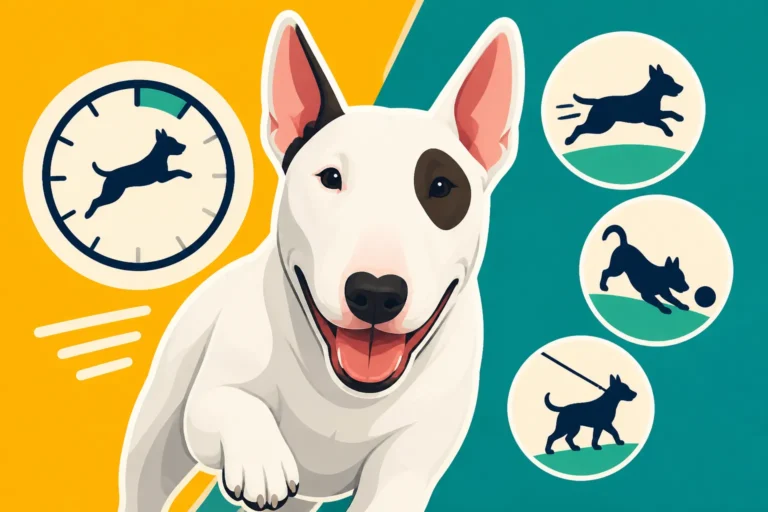
A common misconception is that a Bull Terrier needs a huge yard to run around in all day. While they are energetic, it's the quality and interactive nature of their exercise that truly matters, not just the space. A Bull Terrier would much rather have two structured 30-45 minute walks or play sessions with you a day, alongside mental games and training, than be left alone in an acre-sized yard. These walks provide crucial mental stimulation through new smells and sights, and the physical exertion helps burn off their impressive energy. Incorporating short bursts of vigorous play, like fetch or tug, in a secure area is also excellent. Inside, puzzle toys, sniff walks around the house, and training sessions are vital. Remember, How Much Exercise a Bull Terrier Actually Needs is often less about distance and more about engagement. Think of it as a partnership in activity, not just letting them out to "do their business."
The Role of Training and Consistent Interaction
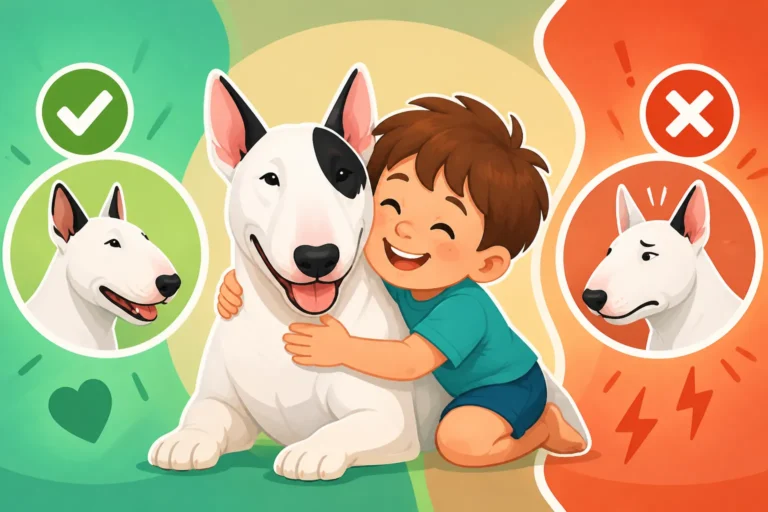
Bull Terriers are intelligent and eager to please (when they see the point!), making training a fantastic way to bond and provide mental exercise. Positive reinforcement methods work best, as they are sensitive dogs that shut down under harsh treatment. Daily, short training sessions for obedience, tricks, or even impulse control can be incredibly rewarding for both of you. Resources like BAXTER & Bella offer comprehensive online puppy and dog training programs that can be a lifesaver for busy owners, providing structured guidance from the comfort of your home. They understand the quirks of intelligent, sometimes stubborn breeds. Beyond formal training, constant interaction – cuddles on the sofa, a game of hide-and-seek, or simply talking to them – reinforces their bond with you. This deep connection is what prevents issues like Signs a Bull Terrier Has Separation Anxiety from developing or escalating, as they feel secure and loved within their family unit.
Essential Indoor Setups and Enrichment
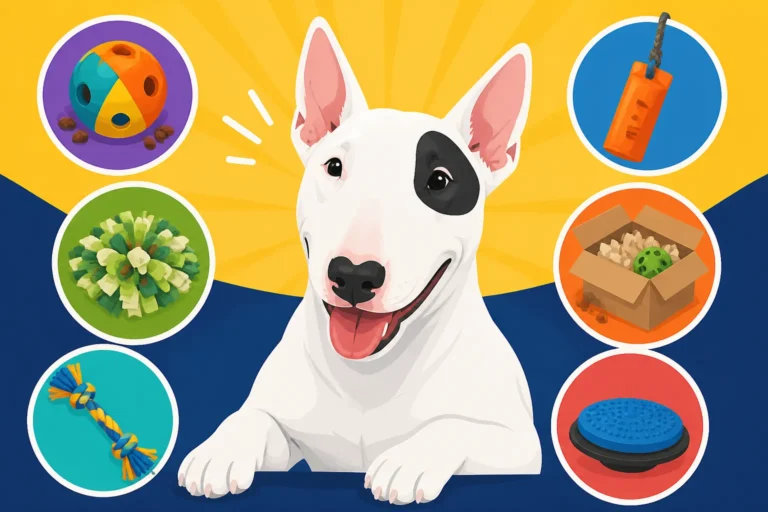
To ensure a Bull Terrier thrives indoors, you need to create an environment that caters to their specific needs. A sturdy, appropriately sized crate can be an invaluable tool for house training, providing a safe den, and managing their energy, especially when you need a moment of peace. Many robust crates, like those found on Amazon, are designed to withstand a determined Bull Terrier. They need a comfortable, durable bed to crash on after their adventures – again, Amazon has a wide selection of chew-resistant options. A regular supply of appropriate chew toys is non-negotiable. These aren't just for fun; they're essential for dental health and for satisfying their powerful urge to chew, redirecting it from your furniture. Rotate toys to keep things interesting. Think about enriching activities like snuffle mats or treat-dispensing toys to challenge their minds.
Here's a quick comparison of what backyard vs. indoor life typically looks like for a Bull Terrier:
| Aspect | Backyard Dog Reality for a Bull Terrier | Indoor Companion Reality for a Bull Terrier |
|---|---|---|
| Companionship | Solitary, lonely, prone to anxiety and frustration. | Constant interaction, strong bond with family, emotionally secure. |
| Mental Stimulation | None, leads to destructive behaviors like digging, barking, chewing property. | Regular training, puzzle toys, interactive play, observing family life. |
| Physical Exercise | Unsupervised, often insufficient or self-destructive (pacing, digging escapes). | Structured walks, play sessions with owner, indoor games. |
| Behavior | Excessive barking, destructive chewing, digging, escape attempts, aggression. | Well-adjusted, responsive to training, playful, less prone to anxiety or destruction. |
| Health Risks | Extreme temperatures, parasites, sunburn (especially for white Bull Terriers), theft. | Protected from elements, regular vet care, supervised environment. |
| Safety | Vulnerable to theft, harm from strangers/animals, getting lost. | Secure indoor environment, always accounted for, protection from external threats. |
| Property Impact | Significant damage to landscaping, fences, outdoor furniture. | Minimal, with proper training and appropriate chew toys. |
| Owner Costs | Repairing damage, veterinary bills for injuries/illnesses from exposure. | Initial investment in quality gear, training, consistent care; less property damage. |
Ultimately, a Bull Terrier thrives when they are truly a part of your life, sharing your home, your routines, and your affection. They are not meant to be left in isolation; they are loyal, loving companions who deserve to be cherished members of the family, right there by your side. They give their whole heart to their people, and in return, they need to be given a whole life, not just a backyard.
Disclaimer
This article is for general informational purposes only and does not constitute professional advice. Laws, prices and regulations vary by location and change over time. Consult a qualified professional for guidance on your specific situation.