What a Bull Terrier Does to a Sofa
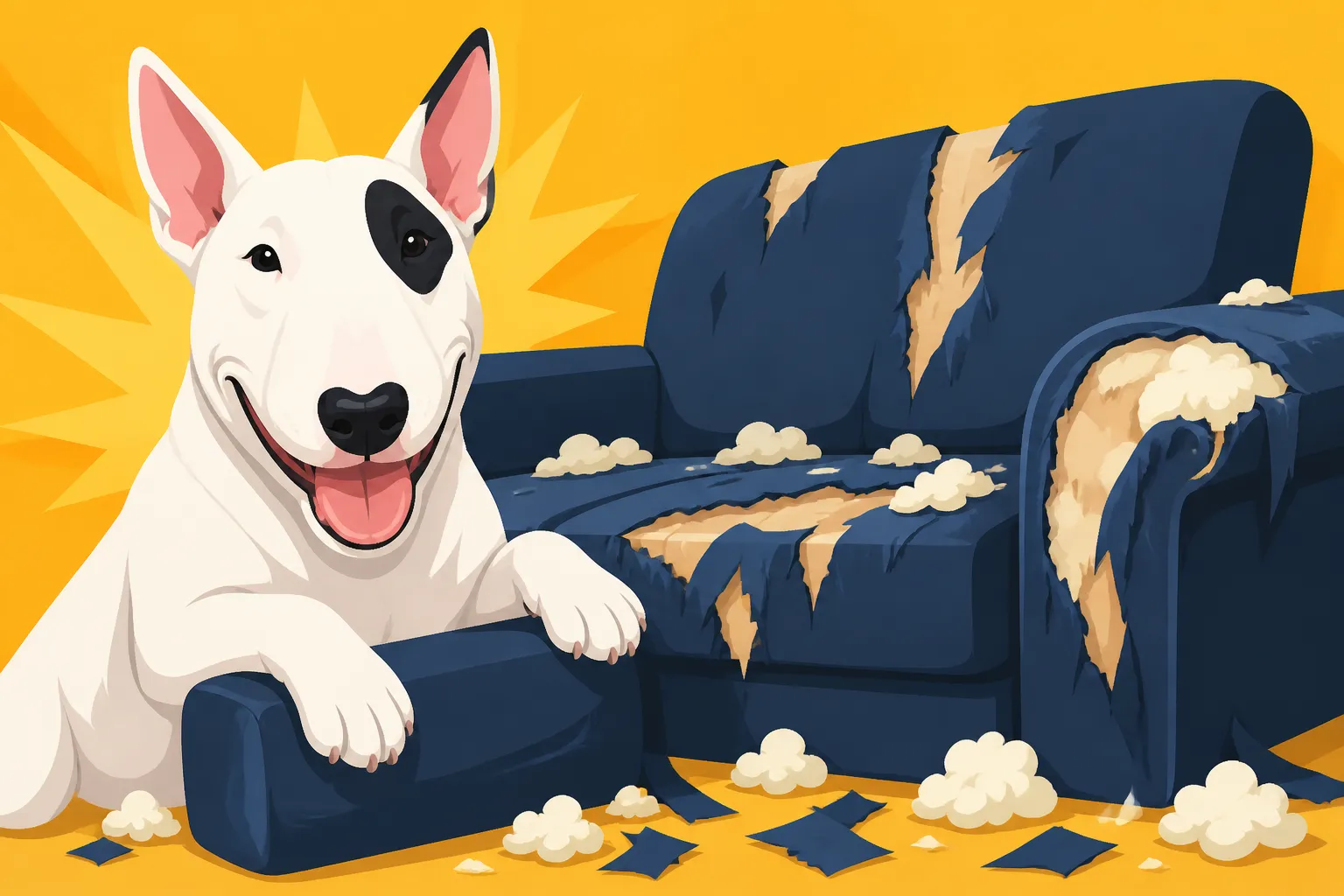
It’s a scene many Bull Terrier owners know all too well: you leave your energetic companion alone for a short while, only to return to a sofa that looks like it lost a wrestling match with a very determined, very strong-jawed challenger. The frustration is real, the damage can be extensive, and the cost of repair or replacement often stings. This guide aims to shed light on the specific ways Bull Terriers interact with—and sometimes annihilate—our couches, exploring the underlying reasons for their furniture-focused antics and offering practical strategies to protect your living room sanctuary.
The Inevitable Reality: Why Your Sofa Isn't Safe (And It's Not Always Malice)
Let's be honest, our Bull Terriers aren't plotting the downfall of our furniture out of spite. Their destructive tendencies, particularly towards something as prominent and accessible as a sofa, usually stem from a combination of natural instincts, developmental stages, and sometimes, underlying behavioral challenges. Understanding the "why" behind the shredded cushions and gnawed armrests is the first step toward finding a solution that works for both you and your strong-willed companion.
The Bull Terrier's Oral Fixation: Chewing and Teething
From the moment they're puppies, Bull Terriers explore the world with their mouths. Those powerful jaws, designed for their original purpose, are simply built for chewing. As puppies, it's about teething — those sharp little needles finding relief on anything they can get their gums on. A sofa leg, with its pleasing texture and stability, can feel like the perfect chew toy when those baby teeth are coming in and falling out. This isn't just a puppy problem, though; adult Bull Terriers retain a strong oral fixation. Chewing is a natural canine behavior, a way to relieve stress, clean teeth, or simply pass the time. If your sofa becomes the primary target, it’s often because more appropriate outlets for this instinct aren't readily available or enticing enough. Think about the density and texture of your sofa's frame or cushions; they can offer a satisfying resistance that some Bull Terriers find irresistible.
This isn't just about teething discomfort; it's also about a deep-seated need for oral stimulation. Bull Terriers, with their strong personalities and even stronger jaws, need appropriate, durable chew items constantly available to them. Without them, your furniture becomes the next best thing. When we talk about What a Bull Terrier Chews, the list often includes items not meant for chewing, and your sofa definitely tops that unfortunate list. The temptation of exposed foam, loose threads, or even just the springy give of a cushion can be too much for a bored or undersupplied Bull Terrier.
The Digging Instinct: Nesting and Comfort
Have you ever watched your Bull Terrier "making their bed" before settling down? It often involves a vigorous flurry of digging, circling, and nose-shoving into blankets or cushions. This is a deeply ingrained instinct, a throwback to their wild ancestors who would dig dens for shelter or to create a comfortable, temperature-regulated sleeping spot. For a Bull Terrier, a soft, yielding sofa is the perfect canvas for this ancestral art form. They might dig at the cushions to create a more comfortable hollow, or scratch at the fabric to "fluff" it up to their liking.
While this behavior might seem harmless at first, especially if it’s just a gentle pawing, it can quickly escalate. Repeated digging and scratching can tear fabric, pull threads, and eventually expose the underlying stuffing or springs. Combine this with their strong claws and determined nature, and a small "nesting" session can leave your sofa looking like it's been attacked by a badger. It's not malicious; it's simply your Bull Terrier trying to get comfortable in what they perceive as their prime relaxation spot. If your Bull Terrier doesn't have a truly comfortable, durable bed of their own, like those discussed in Which Bed Survives a Bull Terrier, the sofa becomes their go-to for creating a cozy haven, often at great cost to the furniture itself.
Boredom and Separation Anxiety: When Destruction Becomes a Coping Mechanism
Perhaps the most heartbreaking reason for sofa destruction is when it stems from emotional distress. Bull Terriers are incredibly intelligent, social, and energetic dogs. If they are left alone for long periods without adequate mental and physical stimulation, boredom can quickly set in. A bored Bull Terrier is a creative Bull Terrier, and that creativity often manifests as destructive behavior aimed at anything within reach – especially the big, fluffy thing in the middle of the room. Chewing, digging, and tearing can become an outlet for pent-up energy, a way to self-soothe, or simply a form of entertainment when nothing else is happening.
Separation anxiety takes this a step further. For Bull Terriers who genuinely struggle with being left alone, destructive behaviors like chewing the sofa are often symptoms of profound stress, panic, and fear. They aren't being "naughty"; they are desperately trying to cope with the absence of their beloved people. This can lead to intense chewing, ripping, and even attempts to "escape" through or over furniture. If you suspect your Bull Terrier has separation anxiety, beyond the sofa destruction, you might also notice pacing, vocalization, house-soiling, or excessive drooling when you're away. The sheer energy and commitment a Bull Terrier puts into these behaviors can transform a sofa from furniture into tattered rags in a surprisingly short amount of time. Addressing Signs a Bull Terrier Has Separation Anxiety is crucial, not just for your furniture, but for your dog's emotional well-being.
Beyond Chewing: The Everyday Wear and Tear of a Bull Terrier on Your Furniture
Even if your Bull Terrier is perfectly content and never puts a tooth to your couch, their mere presence in your home will still take a toll on your upholstered pieces. These dogs are solid, muscular, and active, and their daily interactions with your furniture contribute significantly to its eventual demise. It's not always about outright destruction, but rather the cumulative effect of their robust physicality and unique habits.
Scratches, Snags, and Shedding: The Physical Toll
A Bull Terrier's nails, even if kept trimmed, are formidable tools. When they jump on and off the sofa, reposition themselves, or get excited, those claws can easily snag and tear at fabric. Think of a quick zoomie through the living room ending with a flying leap onto the couch – the sudden impact and claw action can leave behind lasting marks. Over time, these small snags and pulls accumulate, weakening the fabric and making it more susceptible to larger tears. Furthermore, while Bull Terriers have short, smooth coats, they do shed. Their stiff, bristly hairs tend to weave themselves deep into upholstery fabric, becoming incredibly difficult to remove completely. This isn't just an aesthetic issue; embedded hair can contribute to fabric wear and even attract more dirt and dander.
Consider the material of your sofa. A tightly woven fabric will resist snags better than a loose weave. Leather might seem durable, but a Bull Terrier's nails can still leave visible scratches, creating a well-loved (or well-worn) patina over time. Even if you religiously groom your dog and offer them plenty of Which Toys Survive a Bull Terrier, the simple act of them existing on your sofa means a constant barrage of tiny claws and stubborn hairs.
The "Zoomie" Effect: Bumps, Jumps, and Body Slams
Bull Terriers are known for their bursts of energy, often referred to as "zoomies." These spontaneous sprints and acrobatic maneuvers are hilarious to watch, but they can be catastrophic for furniture. A Bull Terrier mid-zoomie often has little regard for obstacles, and your sofa can become part of the obstacle course. They might use it as a launching pad for a leap, a convenient barrier to ricochet off, or even a soft landing spot after a particularly vigorous spin. The sheer force of a seventy-pound dog colliding with or launching off your sofa can stress its frame, loosen joints, and warp cushions over time.
Then there's the famous Bull Terrier "body slam" or "lean." It's their affectionate way of showing you love, by pressing their entire weight against you. When you're not available, the sofa might become the next best thing. Repeatedly launching themselves onto the couch, or even just aggressively flopping down, can compress cushions, bend springs, and ultimately contribute to the structural breakdown of the furniture. If you've ever seen a Bull Terrier launch themselves into full-speed play, you know the kind of impact they can generate. It’s a testament to their love, but also a stark reminder of their physical power, which can be seen in situations like Living With a Bull Terrier That Body Slams You for Fun.
Dirt, Drool, and Dog Hair: The Unavoidable Mess
Let's face it, dogs are messy, and Bull Terriers are no exception. After a romp in the park, a roll in the mud, or simply a walk around the block, your Bull Terrier carries the outside world indoors. When they hop onto the sofa, they bring with them dirt, dust, pollen, and whatever else has clung to their short coat. Over time, this grime works its way into the fabric, staining it and creating a general dinginess that's hard to remove.
And then there's the drool. Some Bull Terriers are prodigious droolers, especially after a drink of water or an exciting interaction. That slobber, rich in enzymes, can leave wet spots that dry into stiff patches, contributing to discoloration and fabric breakdown. Add to this the constant presence of dog hair, which seems to defy gravity and embed itself into every fiber, and your sofa quickly transitions from a stylish centerpiece to a functional dog bed. Regular vacuuming and diligent cleaning become essential, but even then, the cumulative effect of dirt, drool, and hair ensures that your sofa will never look quite the same again. Investing in proper cleaning methods is often part of the larger What the First Year With a Bull Terrier Costs calculation.
Protecting Your Sanctuary: Strategies to Safeguard Your Sofa from Bull Terrier Mayhem
So, you love your Bull Terrier, but you'd also love to keep your sofa intact. It's a common dilemma, but it's not hopeless! There are proactive steps you can take to minimize destruction, manage daily wear and tear, and find a happy medium where both you and your Bull Terrier can coexist peacefully with your furniture. The key is to be consistent, understand your dog's needs, and make smart choices about your home environment.
Training and Enrichment: Addressing the Root Causes
Prevention truly is the best medicine when it comes to Bull Terrier sofa destruction. Many destructive behaviors stem from a lack of appropriate outlets for their energy and intelligence. First and foremost, ensure your Bull Terrier gets ample physical exercise. These are active dogs, and a tired Bull Terrier is a good Bull Terrier. Aim for daily walks, play sessions, and opportunities to run. For mental stimulation, puzzle toys, snuffle mats, and training sessions are invaluable. Bull Terriers are smart, and they thrive on having a "job" to do. Offering them engaging activities can redirect their attention away from the sofa. Retailers like Chewy offer a wide array of durable puzzle toys that can keep your Bull Terrier's mind occupied for hours.
Beyond exercise and mental games, specific training can make a huge difference. Teach your Bull Terrier "place" or "stay" commands so they learn to settle on their own bed instead of the sofa. Crate training can be incredibly useful, especially for puppies or dogs with separation anxiety, as it provides a safe, contained space when you can't supervise them directly. For dogs showing signs of separation anxiety, professional help from a certified dog behaviorist might be necessary to address the underlying emotional distress. Many Bull Terrier owners will budget for this as part of What a Bull Terrier Costs Over Its Lifetime.
Material Matters: Choosing Dog-Friendly Furniture (or Covers)
When you're furnishing a home with a Bull Terrier, the material of your sofa becomes a crucial consideration. Certain fabrics and finishes are far more resilient to canine shenanigans than others. If you're buying new, look for durable, tightly woven fabrics like microfiber, canvas, or even outdoor fabrics designed to withstand wear and tear. Leather can be surprisingly good if you don't mind scratches, as it's easy to wipe clean and resistant to embedded hair. Avoid delicate weaves, silk, or anything with easily pulled threads.
If replacing your entire sofa isn't in the budget, invest in high-quality, heavy-duty sofa covers. These can be easily removed for washing, protecting your actual upholstery from dirt, hair, and minor chewing attempts. Look for covers made from durable, washable materials with a snug fit that won't easily become a fun "toy" for your Bull Terrier to pull off. Another option is throwing down old quilts or blankets that are meant to get dirty and can be washed frequently.
Here's a quick look at some common sofa materials and their Bull Terrier compatibility:
| Material Type | Pros for Bull Terrier Owners | Cons for Bull Terrier Owners | Bull Terrier Compatibility Rating |
|---|---|---|---|
| Microfiber | Durable, stain-resistant, easy to clean, hair doesn't embed as easily | Can attract static, less breathable | High |
| Canvas/Duck Cloth | Extremely durable, washable covers available, resists snags | Can be rough texture, may look less "formal" | High |
| Leather/Faux Leather | Easy to wipe clean, resistant to odors, hair wipes off | Shows scratches, can be punctured, expensive | Medium to High (if scratches ok) |
| Denim | Very durable, casual look, holds up to wear | Can be stiff, limited color options | High |
| Velvet/Chenille | Soft, luxurious feel | Attracts hair, snags easily, harder to clean | Low |
| Linen/Cotton Blends | Breathable, natural feel | Wrinkles, stains easily, prone to snags and tears | Low |
Remember, even the toughest material can succumb to a truly determined Bull Terrier, so combining the right materials with proper training and management is always the best approach.
Creating an Alternative "Bull Terrier Zone"
Sometimes, the best defense is a good offense. Instead of constantly battling your Bull Terrier for sofa supremacy, give them an even better alternative. Create a dedicated "Bull Terrier zone" in your living space that's even more inviting than the sofa. This could be a super comfortable, indestructible dog bed strategically placed nearby. Provide them with their own special blankets, toys, and chews in this area. A service like Ollie can provide high-quality food that contributes to overall health, which in turn can lead to a more contented dog who is less likely to destroy things out of frustration or nutritional deficiencies.
Consider using a sturdy, comfortable dog crate if your Bull Terrier is crate trained, especially when you can't supervise them. Ensure it's not used as punishment, but as their den, a safe retreat. For puppies or young Bull Terriers, a playpen or gated-off area can restrict access to the sofa while still allowing them to be part of the family action. The goal is to make their designated space so appealing and comfortable that the sofa loses some of its destructive allure. Remember to provide plenty of How Many Chews a Bull Terrier Needs a Week in their designated area.
When the Damage is Done: Repair, Replace, or Embrace the Chaos?
Despite your best efforts, your Bull Terrier might still manage to leave their mark on your sofa. It's an almost inevitable part of owning this wonderful, powerful breed. When the damage is done, you're faced with decisions: do you try to fix it, buy new, or simply accept that your sofa will bear the battle scars of life with a Bull Terrier?
Assessing the Damage and Repair Options
The extent and nature of the damage will dictate your repair options. Small snags or minor tears might be fixable with a fabric repair kit, a patch, or a visit from an upholstery repair specialist. If your Bull Terrier has merely dug at the cushions and pulled out some stuffing, you might be able to restuff them and sew up the seam. However, extensive chewing that has compromised the frame, springs, or large sections of fabric often falls into a different category. For structural damage to wooden frames or critical weight-bearing components, professional repair can be costly and sometimes not worth the investment, especially if your Bull Terrier is likely to repeat the offense.
Many owners find that constant repairs become a losing battle. The money spent on repeatedly fixing a shredded sofa might be better put towards prevention strategies or a more durable replacement. If the damage is due to an underlying medical issue, like an injury from chewing or ingesting part of the sofa, consulting your vet is paramount. Pet insurance providers like Healthy Paws can often provide coverage for unexpected vet visits, which can be a huge relief if your Bull Terrier decides to eat a sofa spring.
Investing in Durable Replacements
If your current sofa is beyond repair or simply not holding up to your Bull Terrier's daily life, it might be time to invest in a replacement designed with canine companions in mind. As discussed, materials like microfiber, canvas, or even specific performance fabrics are excellent choices. Look for furniture with sturdy frames, tightly upholstered sections, and minimal exposed wooden legs or trim that could become tempting chew targets. Some furniture companies even offer pet-specific lines with enhanced durability and cleanability.
When purchasing new furniture, think about the layout of your room. Can you position the sofa in a way that makes it less accessible for unsupervised chewing sessions, perhaps against a wall or with strategic use of gates? Remember, a truly durable sofa is an investment, but it can save you money and headaches in the long run. If your Bull Terrier tends to destroy soft items, considering something like What a Crate a Bull Terrier Cannot Break Costs or a heavy-duty bed might indicate their need for extremely tough items.
The "Patina of Love": Living with a Well-Loved Sofa
Finally, there's the option to simply embrace the reality of living with a Bull Terrier. For many of us, our dogs are family members, and their presence transforms our homes into lived-in, loved-in spaces. A sofa with a few (or more than a few) battle scars might not be showroom perfect, but it tells a story – a story of zoomies, snuggles, playful wrestling, and deep companionship. Some owners choose to forgo expensive, pristine furniture in favor of more practical, durable, and less precious pieces that can withstand the rigors of Bull Terrier life.
This approach often involves a combination of diligent cleaning, using washable covers, and accepting that perfection isn't the goal. It's about prioritizing your dog's happiness and integrating them fully into your home, even if it means your furniture gains a unique "patina of love." After all, the joy and laughter our Bull Terriers bring into our lives are often worth far more than an unblemished piece of furniture. While it's important to manage destructive behaviors for their safety and your sanity, there's also a certain peace to be found in recognizing that your home is not just a house, but a home with a Bull Terrier.
Disclaimer
This article is for general informational purposes only and does not constitute professional advice. Laws, prices and regulations vary by location and change over time. Consult a qualified professional for guidance on your specific situation.