Whether a Crate Helps a Bull Terrier Left Alone
Oh, the age-old question for every Bull Terrier owner: "Can I really leave my clown-dog alone, and will a crate actually help, or will it just turn into a metal prison break?" It's a valid and often stressful concern, because let's face it, Bull Terriers are masters of mayhem when left to their own devices, and you want to ensure they're safe and happy, not just contained. This guide is going to dive deep into whether a crate is a practical solution for managing a Bull Terrier's alone time, how to implement it successfully, and what other strategies can help your unique bully thrive when you're not right there beside them.
The Bull Terrier's Struggle with Solitude: Why They Need Management
Let's be honest, Bull Terriers aren't exactly known for their quiet, independent nature. These are dogs who thrive on companionship, and while they might give you a grumpy look or a sigh when you ask them to do something, deep down, they just want to be with their people. Leaving a Bull Terrier alone can quickly escalate from a simple inconvenience to a full-blown home renovation project, and not the kind you planned for.
A Breed Built for Companionship, Not Isolation
Bull Terriers are often described as "three-year-olds in dog suits," and that nickname isn't just because of their boundless energy and sometimes questionable decision-making skills. It speaks to their profound need for social interaction. They bond deeply with their families and often develop a strong attachment, making extended periods of solitude a genuine challenge for them. When you think about Why a Bull Terrier Cannot Be Left Alone All Day, it's not simply about exercise; it's about their inherent desire to be part of the action, to lean on you, to follow you from room to room. Deprived of this interaction, a Bull Terrier can quickly become anxious or, perhaps even worse, bored. And a bored Bull Terrier is a truly formidable force of nature.
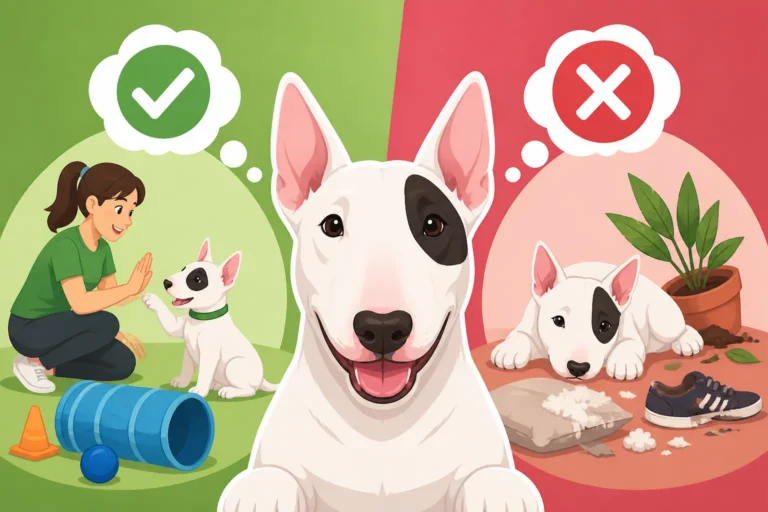
They aren't the kind of dog content to nap peacefully on the sofa for hours, patiently awaiting your return. Instead, their intelligent, often mischievous minds start churning, looking for ways to entertain themselves. This can manifest as anything from "redecorating" your sofa cushions to meticulously dissecting your skirting boards. Their need for companionship is so strong that some will even develop full-blown separation anxiety, not just a little upset, but genuine panic.
The Destructive Power of Boredom and Anxiety
When a Bull Terrier gets bored, the world becomes their playground, and every item in your home is a potential new toy. That beautiful antique chair leg? A prime candidate for chewing. The carefully organized laundry pile? A perfect mountain to tunnel through. And your favorite pair of shoes? Clearly, they were just waiting for a good de-stuffing. What a Bull Terrier Does When It Is Bored is often a direct result of their physical and mental energy having no constructive outlet. They aren't doing it out of spite; they're simply trying to meet their innate needs in the only way they know how, which often clashes spectacularly with human living arrangements.
Beyond simple boredom, many Bull Terriers can develop separation anxiety, where being left alone triggers genuine fear and distress. This isn't just about a few chewed slippers; it can involve frantic barking, howling, destructive chewing that targets doorways or windows, and even house training accidents. It’s a serious issue that goes beyond naughtiness, signifying real emotional turmoil. Owners often find themselves facing extensive damage, from What a Bull Terrier Does to a Sofa to What a Bull Terrier Does to a Door Frame, sometimes even drywall. These are not minor incidents; they are often the desperate cries of a dog in distress, indicating that their environment and routine aren't adequately addressing their needs for security and engagement.
When Alone Time Becomes a Medical Concern
Sometimes, what appears to be behavioral issues during alone time can actually stem from underlying medical conditions or contribute to them. For example, excessive licking, chewing, or even tail chasing when alone could be exacerbated by stress or boredom, turning into obsessive compulsive behaviors that impact their physical health. If a Bull Terrier is frantically trying to escape a crate or a room, they can injure themselves, breaking teeth, nails, or even causing deeper wounds.
Furthermore, chronic stress from separation anxiety can have long-term physiological effects on a dog, impacting their immune system and overall well-being. It's crucial to distinguish between a Bull Terrier who is simply being a mischievous "three-year-old" and one who is genuinely suffering from anxiety. Observing Signs a Bull Terrier Has Separation Anxiety carefully is essential. If you notice persistent vocalization, drooling, panting, pacing, destructive chewing focused on exit points, or house-soiling only when you're away, it's time to seek professional veterinary and behavioral advice. A vet can rule out medical causes for behavior changes, and a qualified dog behaviorist can help you develop a comprehensive plan to address anxiety.
Understanding the Crate as a Tool, Not a Torture Chamber
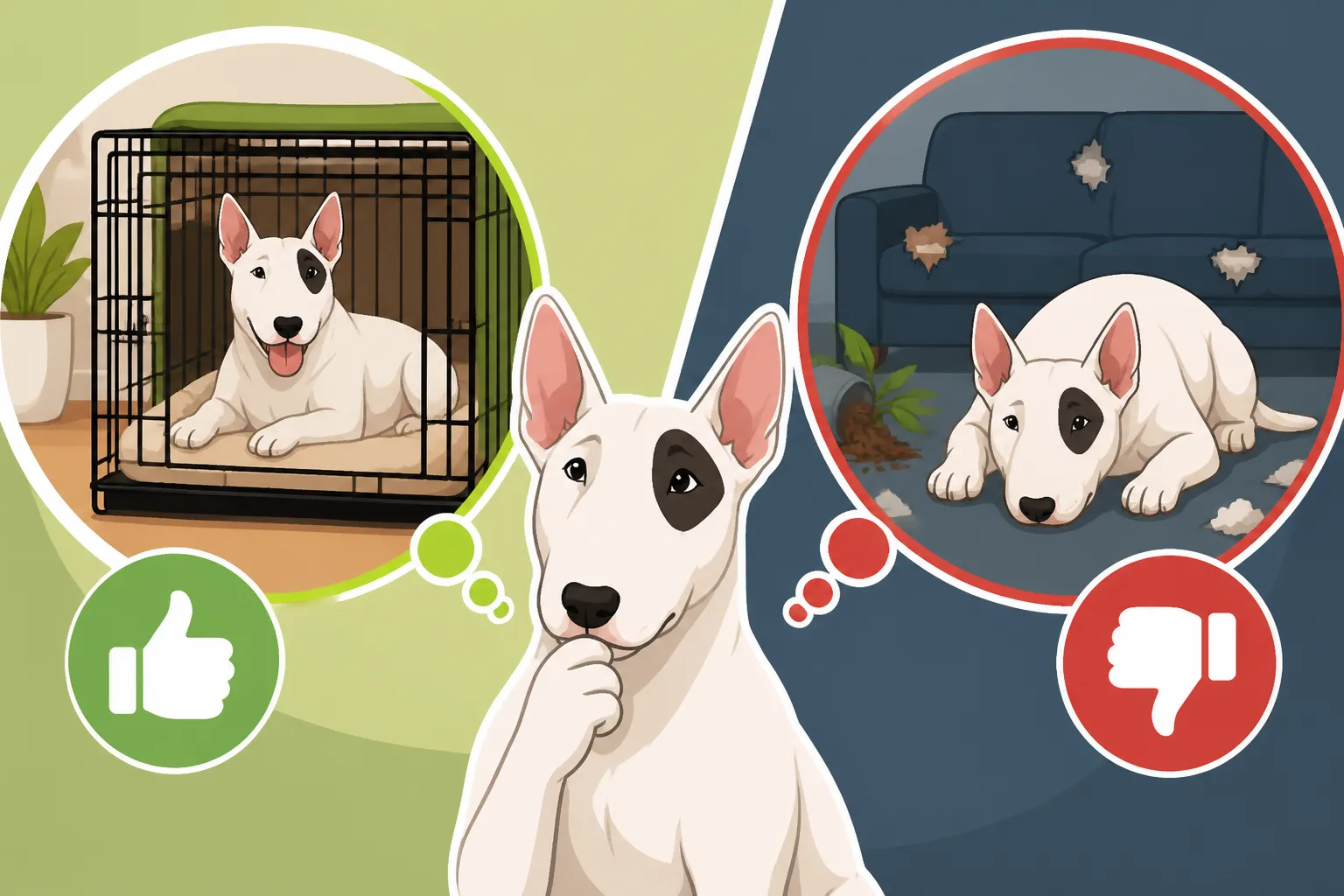
Given the Bull Terrier's propensity for mischief and potential for anxiety when left alone, a crate often emerges as a common recommendation. But it's important to understand that a crate is not a magical solution or a punishment device. When used correctly, it can be a valuable tool for safety, training, and providing a secure den for your dog. When misused, it can indeed become a source of stress and exacerbate existing behavioral issues.
The Den Instinct and Safety Benefits
Dogs, by nature, are den animals. Think about wolves in the wild; they seek out small, enclosed spaces for sleeping, raising pups, and feeling safe. A properly introduced crate taps into this natural instinct, providing your Bull Terrier with their own private sanctuary – a place where they can retreat, feel secure, and relax without the constant stimulation or perceived threats of the wider household. It's their bedroom, not a jail cell. This safe space can be incredibly comforting for a Bull Terrier, especially one prone to overstimulation or mild anxiety.
Beyond comfort, a crate offers undeniable safety benefits. For a breed known for its robust chewing habits, the crate prevents them from ingesting dangerous household items – electrical cords, cleaning supplies, small choking hazards, or toxic plants. It also protects your home from destruction. If you've ever come home to discover What a Bull Terrier Chews When Left Out, you know the cost, both financially and emotionally, of unchecked chewing. A crate ensures that while you're out, your Bull Terrier can't harm themselves or your property. It provides peace of mind, knowing they are in a secure environment.
Choosing the Right Crate for Your Bull Terrier
Not all crates are created equal, especially when you're dealing with the sheer will and power of a Bull Terrier. A flimsy wire crate that might suffice for a calmer breed could easily become bent, broken, or even escaped by a determined Bull Terrier. When considering Which Crate Holds a Bull Terrier, you need to prioritize durability and security above all else.
Here's a breakdown of common crate types and their suitability for a Bull Terrier:
| Crate Type | Pros | Cons | Suitability for Bull Terrier |
|---|---|---|---|
| Wire Crates | Good visibility, foldable for travel, affordable | Can be flimsy, easy for determined dogs to bend/break, noisy | Low to Moderate: Only very heavy-gauge wire, not ideal for escape artists. |
| Plastic Crates | Den-like, good for travel, airline approved, secure | Less visibility, harder to clean, can be outgrown | Moderate: More secure than standard wire, but still chewable for some. |
| Furniture Crates | Aesthetically pleasing, blends with decor | Often less secure, expensive, not truly chew-proof | Low: Generally not strong enough for a typical Bull Terrier's chewing power. |
| Heavy-Duty/Impact Crates | Extremely durable, escape-proof, secure latches, den-like | Very expensive, heavy, bulky, less ventilation, limited visibility | High: The best option for chewers and escape artists like many Bull Terriers. |
For most Bull Terriers, especially those with any inclination to chew or escape, a heavy-duty or impact-resistant crate is often the wisest investment. Brands known for robust, virtually indestructible crates are worth exploring. You might find a good selection of these on Amazon, but always read reviews specific to powerful chewers. These crates are designed with thicker gauge materials, reinforced welds, and secure, often multi-point, locking mechanisms that a Bull Terrier simply cannot compromise. Yes, What a Heavy Duty Bull Terrier Crate Costs might make your eyes water, but it's an investment in your home's integrity and your dog's safety, potentially saving you far more in vet bills or replacement furniture in the long run.
When a Crate is Not the Answer
While a crate can be an incredible asset, it's not a magic bullet, and there are situations where it might actually be detrimental. First and foremost, a crate should never be used for punishment. Sending your Bull Terrier to their crate as a form of discipline will only teach them to associate their "den" with negative experiences, destroying its purpose as a safe haven. It can instill fear and resentment, making crate training impossible.
Secondly, a crate is not an excuse to leave your Bull Terrier alone for excessive periods. Even the most crate-trained Bull Terrier has physical and emotional limits. They need regular potty breaks, exercise, and mental stimulation. Leaving a dog crated for eight or more hours consistently without breaks is unfair and can lead to behavioral issues, health problems, and increased anxiety. For a Bull Terrier, who thrives on interaction, prolonged isolation, even in a crate, can be incredibly detrimental to their mental well-being. The crate's purpose is to manage short, necessary periods of alone time, not to replace adequate care and companionship.
Lastly, if your Bull Terrier exhibits extreme panic or aggression towards the crate, it's a sign that the approach needs to be re-evaluated. Some dogs, due to past trauma or severe anxiety, simply cannot tolerate crating, no matter how gently introduced. In such cases, forcing the issue will only escalate their distress. This is where professional behavioral help becomes critical, as other management strategies or specialized anxiety protocols may be needed.
Crate Training Your Bull Terrier: A Step-by-Step Approach
Crate training a Bull Terrier requires patience, consistency, and a relentlessly positive attitude. It’s not about locking them up; it’s about making the crate the most wonderful, secure place in their world. Rushing the process will almost certainly lead to frustration for both you and your dog, and given the Bull Terrier's stubborn streak, once they decide they hate something, it's a monumental task to change their mind.
Making the Crate a Happy Place
The first step is to create a positive association with the crate. Start by placing it in a busy part of the house, like the living room, where your Bull Terrier spends a lot of time. This makes it feel like part of the family, not an isolated punishment zone. Make the inside comfortable – a soft bed or blanket, perhaps a shirt with your scent on it, and always, always some irresistible treats or a durable, engaging toy. Remember Which Toys Survive a Bull Terrier? Those are your secret weapons here.
Begin by simply leaving the crate door open and letting your Bull Terrier explore it at their own pace. Never force them inside. Toss high-value treats (think small pieces of cheese, cooked chicken, or liver) just inside the door, then further in. Let them go in and out freely. Feed them their meals inside the crate with the door open. As they eat, gently close the door for a few seconds, then open it before they finish. Gradually increase the time the door is closed while they're eating, praising them calmly. This teaches them that good things happen in the crate and that the door closing is temporary and leads to a reward. An online puppy training program, such as those offered by BAXTER & Bella, often has excellent, detailed modules on positive crate training techniques that are invaluable for getting this foundation right. They understand the nuances of building positive associations rather than just pushing a dog into a box.
Gradually Increasing Alone Time
Once your Bull Terrier is comfortable eating and relaxing briefly in the crate with the door closed, it's time to start introducing short periods of alone time.
- Short Departures: Start by crating your Bull Terrier for a minute or two, then leave the room. Return before they show any signs of distress. As soon as you return, calmly let them out without a huge fuss. The goal is to return before they get upset, reinforcing that you always come back.
- Increasing Duration: Gradually extend the time you are out of sight, always returning before they vocalize or panic. A good rule of thumb is to increase the time by only a few minutes each session. This might mean starting with 5 minutes, then 10, then 15. If your Bull Terrier starts to get anxious at 15 minutes, go back to 10 minutes and slowly work your way up again.
- Introducing Varied Cues: Once they tolerate you leaving and returning, start varying your "leaving cues." Pick up your keys, put on your coat, etc., but don't leave every time. This helps to desensitize them to these triggers, preventing them from associating those actions solely with being left alone in the crate.
- Practice Short Outings: When they are comfortable with longer periods (e.g., 30-60 minutes) while you're home but out of sight, start taking short trips outside. Go to the mailbox, run to the corner store, then immediately return. Keep these first "real" departures brief and low-key.
- Consistency is Key: Stick to a consistent schedule. Bull Terriers thrive on routine. If you know you'll be gone for several hours, make sure they have a good potty break and a solid exercise session beforehand. Leaving them with a frozen Kong or another puzzle toy from
Amazoncan also help to keep them engaged and associate the crate with positive, long-lasting rewards.
A sample crate training schedule might look something like this:
| Step | Duration/Frequency | Goal |
|---|---|---|
| Introduction | Leave door open, treats inside | Crate is positive, safe space |
| Mealtime In-Crate | 1-2 meals daily, door open then gently closed | Associate crate with food, door closing is temporary |
| Short Stays | 2-5 min, 3-5 times daily (door closed) | Comfortable with being confined for short periods |
| Leaving Room | 5-15 min, 2-3 times daily (door closed, you leave room) | Tolerance of your absence |
| Short Outings | 15-60 min, 1-2 times daily (you leave home) | Comfort with real departures |
| Extended Stays | Gradually increase to 2-4 hours, as needed | Crate as a reliable management tool |
Remember, this is a gradual process. Some Bull Terriers will pick it up faster than others. Never rush it, and celebrate every small success!
Troubleshooting Common Crate Training Challenges
It's rare for crate training to be perfectly smooth sailing, especially with a clever and strong-willed Bull Terrier. You might encounter some common hurdles:
- Whining or Barking: If your Bull Terrier whines or barks excessively, it's crucial to distinguish between attention-seeking and genuine distress. If it's early in the training and they're just testing the boundaries, wait for a brief lull in the noise before letting them out. If it escalates into frantic barking, howling, or attempts to escape, they might be genuinely stressed. In this case, you've likely progressed too quickly. Go back a step in your training, make the crate more appealing, and try again with shorter durations.
- Attempting to Escape: A Bull Terrier who tries to bend bars or chew through plastic needs a more secure crate (hence the recommendation for heavy-duty options) and a review of the training. They are either highly stressed, or their need to escape is driven by a lack of appropriate pre-crating exercise and mental stimulation. Revisit What a Heavy Duty Bull Terrier Crate Costs and consider if your current crate is truly sufficient.
- House Training Accidents in the Crate: This is usually a sign that the crate is too large (allowing them to soil one end and sleep in the other), they weren't given an adequate potty break before crating, or they've been left for too long. A crate should be just big enough for them to stand up, turn around, and lie down comfortably. If accidents persist, consult your vet to rule out medical issues.
- Resistance to Entering: If your Bull Terrier actively resists going into the crate, you need to rebuild the positive association. Go back to feeding all meals in the crate, playing games around it, and using high-value treats to lure them in. Never force them inside.
If you find yourself constantly struggling, don't hesitate to seek help from a certified professional dog trainer or behaviorist. Many offer virtual consultations, and a tailored plan can make all the difference. Programs like BAXTER & Bella often have support coaches who can guide you through specific challenges, ensuring you're applying techniques correctly for your unique Bull Terrier.
Beyond the Crate: Holistic Strategies for a Content Bull Terrier
While a crate can be an invaluable part of your Bull Terrier's routine, it's never the only solution for managing alone time. A well-adjusted Bull Terrier requires a holistic approach that addresses their physical, mental, and emotional needs. The crate should complement, not replace, these fundamental aspects of care.
Enriching Their Environment and Mind
A tired dog is a good dog, but a mentally stimulated dog is an even better one. Bull Terriers are intelligent, and their minds need just as much exercise as their bodies. Providing ample mental enrichment can significantly reduce boredom-induced destructive behavior, whether they are in their crate or safely confined to a dog-proofed room.
- Puzzle Toys: Invest in puzzle toys that dispense treats, like Kongs, snuffle mats, or interactive feeders. Filling a Kong with peanut butter or yogurt and freezing it can keep your Bull Terrier happily occupied for a significant period. These can be easily found on
Amazonand are crucial for distracting and rewarding a crated Bull Terrier. - Chew Toys: Bull Terriers need to chew. Provide a variety of durable, safe chew toys that can withstand their powerful jaws. Rotate them regularly to keep things interesting. Think about Which Toys Survive a Bull Terrier and stock up!
- Training Sessions: Even short, engaging training sessions can be mentally tiring. Five to ten minutes of practicing commands, learning new tricks, or even Teaching a Bull Terrier to Settle on a Mat can help them wind down and feel accomplished. Mental work is just as important as physical work.
Exercise is Non-Negotiable
No matter how well crate-trained your Bull Terrier is, they still need significant physical exercise before being left alone. A Bull Terrier who hasn't burned off their excess energy will be restless and more prone to anxiety and destructive behaviors. Aim for at least one good, long, vigorous walk or play session before you leave.
- Structured Walks: A brisk walk around the neighborhood, allowing for sniffing and exploration, can be both physically and mentally stimulating.
- Play Sessions: Tug-of-war, fetch, or zoomies in a securely fenced yard are excellent ways to expend energy. Remember, Bull Terriers can be deceptively fast and powerful, so always ensure a safe environment. How Much a Bull Terrier Puppy Should Exercise is a great resource for tailoring physical activity to their age.
- Dog Parks (with caution): While some Bull Terriers enjoy dog parks, many don't. Their play style can be intense, and their potential for dog-dog aggression means careful supervision is absolutely critical. For many Bull Terriers, one-on-one play or carefully selected play dates are safer.
Considering Professional Support and Alternative Solutions
If you've diligently followed crate training steps, provided ample exercise and enrichment, but your Bull Terrier still struggles with alone time, it's time to consider professional help or alternative solutions.
- Professional Trainers/Behaviorists: A certified professional dog trainer or veterinary behaviorist can assess your Bull Terrier's specific situation, identify underlying causes (like severe separation anxiety), and develop a tailored modification plan. They can help you implement advanced techniques and medication if necessary. Don't hesitate to invest in What Puppy Classes Cost a Bull Terrier Owner or individual behavior consultations; they are worth it.
- Dog Walkers or Daycare: For longer absences, a trusted dog walker can come to your home, provide a potty break, exercise, and some much-needed companionship. Some Bull Terriers also thrive in doggy daycare, but choose carefully. Ensure the facility screens dogs, has experienced staff, and provides a safe, structured environment.
- Dog-Proofing a Room: For Bull Terriers who simply cannot tolerate a crate, dog-proofing a specific room (like a kitchen or laundry room with tile floors) can be an alternative. Remove anything they could chew, break, or ingest. Use baby gates to secure the area. This still requires careful management and the same level of pre-departure exercise and mental stimulation, but it offers more space than a crate. Always ensure they can't get into What a Bull Terrier Does to Drywall or other structural elements.
- Considering a Second Dog (with extreme caution): Some owners wonder Whether a Second Dog Fixes a Lonely Bull Terrier. While a companion might help some dogs with mild loneliness, it's a huge gamble, especially with Bull Terriers who can be particular about other dogs. Two anxious dogs might simply feed off each other's stress, or two strong-willed Bull Terriers might lead to conflict. This should only be considered under the guidance of a professional behaviorist.
Ultimately, whether a crate helps a Bull Terrier left alone depends entirely on how it's introduced, used, and integrated into a broader strategy of consistent training, ample exercise, and mental enrichment. For many Bull Terrier owners, a well-managed crate becomes an indispensable tool for keeping their beloved, boisterous companions safe and sound.
Disclaimer
This article is for general informational purposes only and does not constitute professional advice. Laws, prices and regulations vary by location and change over time. Consult a qualified professional for guidance on your specific situation.