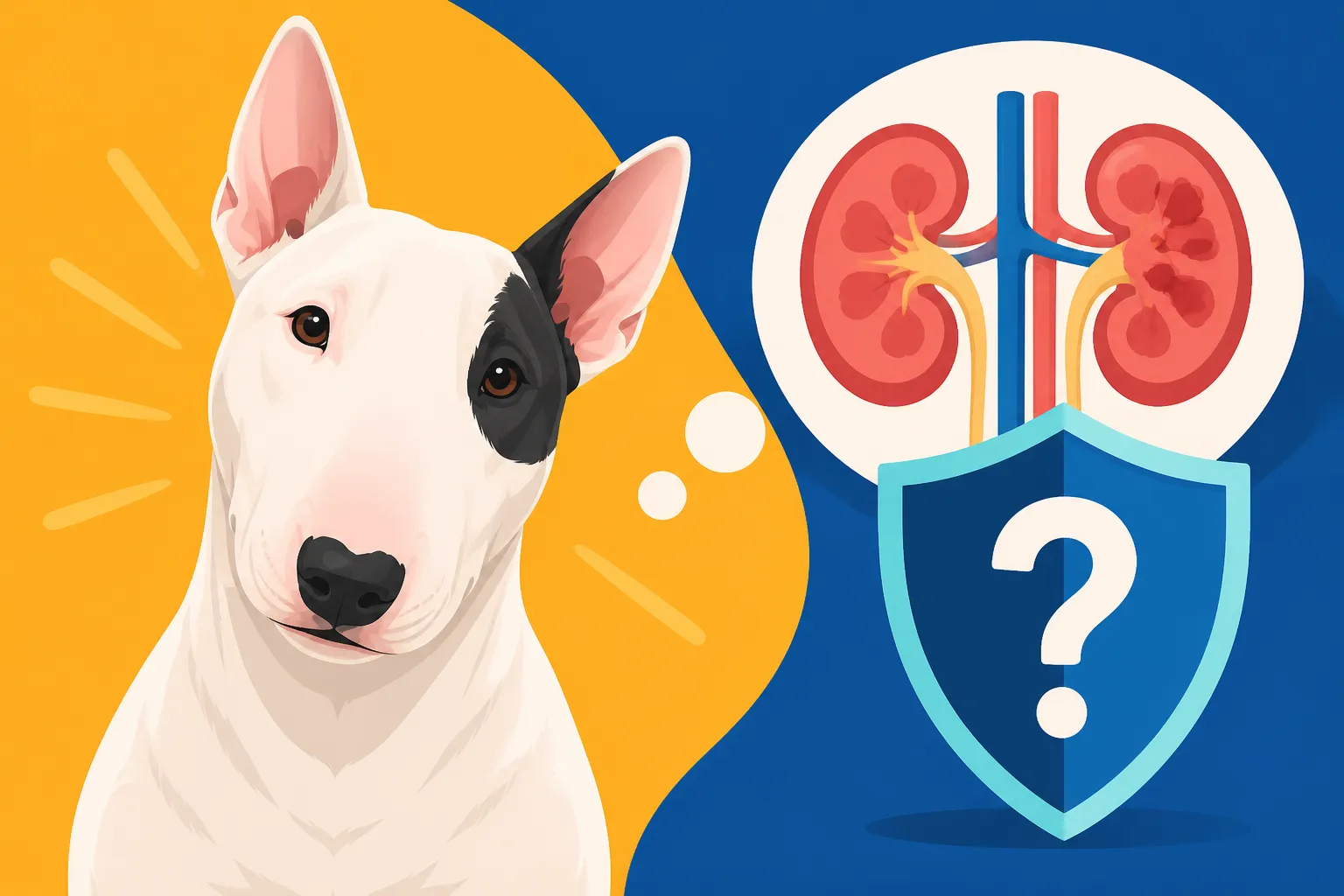
Whether a Bull Terrier’s Nephritis Counts as Pre Existing
One of the most heart-wrenching moments for any Bull Terrier owner is receiving a serious health diagnosis for their beloved, quirky companion. It’s hard enough to process the emotional toll, but then the stark reality of financial responsibility hits, often accompanied by the terrifying question: "Will my pet insurance even cover this, or is it a 'pre-existing condition'?" This guide is here to shed light on how hereditary nephritis, a particularly cruel condition for our Bull Terriers, is typically viewed by pet insurance companies and what you can realistically expect.
Understanding the "Pre-Existing Condition" Clause in Pet Insurance
The term "pre-existing condition" in pet insurance is often a source of immense confusion and frustration for pet parents. It’s not just a blanket refusal to cover anything that happened before your policy started; it’s a nuanced area with definitions that can vary subtly between providers. However, the core concept remains consistent: any illness, injury, or symptom that was evident or diagnosed before your insurance policy's effective date or the end of its waiting periods is generally considered pre-existing.
Diagnosed vs. Symptomatic: The Crucial Distinction
Insurance companies typically differentiate between two types of pre-existing conditions:
- Curable Pre-Existing Conditions: These are conditions that resolve completely, and your pet shows no further symptoms or requires treatment for a specified period (often 180 days or 12 months). For example, a minor ear infection treated before your policy started might be considered curable. After the symptom-free waiting period, future ear infections could be covered.
- Incurable Pre-Existing Conditions: This is where conditions like hereditary nephritis fall. If a condition is chronic, recurring, or lifelong and was diagnosed or showed symptoms before your policy began, it will almost certainly be excluded from coverage for the life of that policy. This means treatments, medications, and diagnostics related to that specific condition won't be reimbursed.
The real kicker for Bull Terrier owners is that a condition doesn't always have to be formally diagnosed to be deemed pre-existing. If your vet notes symptoms in your pet's medical records before your policy effective date, even if no official diagnosis was made, the insurance company might still flag it as pre-existing once a diagnosis is later confirmed. This is why getting your Bull Terrier insured as early as possible, ideally as a puppy before any potential issues arise, is absolutely critical. Think of it like this: you can't buy flood insurance when your basement is already underwater.
The Role of Waiting Periods
Every pet insurance policy has waiting periods – a specific number of days that must pass after your enrollment before coverage for certain conditions begins. There are usually waiting periods for accidents (often short, like 2-14 days) and illnesses (typically longer, 14-30 days). Some policies also have extended waiting periods for orthopedic conditions, like patellar luxation, or even for hereditary or congenital conditions. If your Bull Terrier shows symptoms or is diagnosed with anything during these waiting periods, that condition will likely be considered pre-existing and excluded from future coverage, regardless of when the policy actually started. Always scrutinize the waiting periods of any policy you consider, as they can significantly impact what gets covered and when.
Hereditary Nephritis: A Bull Terrier's Genetic Challenge
Hereditary nephritis is a devastating kidney disease that tragically affects many Bull Terriers. It's an inherited condition, meaning it's passed down through generations, and it can manifest in symptoms as early as puppyhood or lie dormant for years before revealing itself. This genetic predisposition makes it a particularly thorny issue when it comes to pet insurance.
Why Nephritis is Almost Always Pre-Existing
For pet insurance purposes, hereditary nephritis in a Bull Terrier is almost always going to be classified as an incurable pre-existing condition if symptoms appear or it's diagnosed before your policy kicks in. The reason is simple: because it's genetic, the condition is considered present from birth, even if the signs aren't immediately obvious.
Imagine you get a Bull Terrier puppy at 12 weeks old and enroll them in insurance right away. The policy has a 14-day illness waiting period. At 8 months old, your vet notices elevated protein levels in their urine (a high UPC ratio) during a routine check, a common early sign of nephritis. Even if no formal diagnosis of "hereditary nephritis" has been made, the presence of these symptoms in their medical record, occurring after your policy's effective date but potentially before you realize what's happening, might still lead to it being flagged. However, if that urine test happens before you enroll, or within the waiting period, you're almost guaranteed it will be considered pre-existing.
The insidious nature of hereditary nephritis is that its early signs, such as increased thirst or urination, can be subtle and easily missed or attributed to other causes by an inexperienced owner. Often, by the time noticeable symptoms drive an owner to the vet, the condition has progressed enough to be easily identified, and at that point, any insurance policy started after those initial, subtle signs were present (or even noted in prior medical records) will likely consider it pre-existing. This is why proactive health screening, like regular urine protein-to-creatinine (UPC) ratio tests, especially for Bull Terriers, is so vital. The Yearly Urine Test Every Bull Terrier Owner Should Book can literally be the difference between coverage and no coverage.
The Impact of Genetic Testing
Some Bull Terrier breeders conduct DNA tests for specific hereditary conditions, although a direct genetic test for all forms of hereditary nephritis isn't universally available or always definitive in the same way as, say, Which Gene Causes Acrodermatitis in Bull Terriers. However, if a genetic predisposition or marker for kidney disease is identified through a test done before your policy starts, that information in your pet's medical history will certainly lead to the condition being deemed pre-existing.
Even if genetic testing isn't done, if a puppy's parents have a history of hereditary nephritis, or if their littermates developed the condition, insurance companies might scrutinize the medical history more closely. This really underscores the importance of buying a Bull Terrier from a reputable breeder who performs What a Bull Terrier Breeder Should Have Tested and is transparent about family health histories.
Strategies for Navigating Insurance with a Bull Terrier
Given the challenges of pre-existing conditions and the specific health risks of Bull Terriers, a strategic approach to pet insurance is essential. It's not about trying to "trick" the system, but about understanding how it works to maximize your pet's coverage.
Enroll Early, Enroll Young
This is, without a doubt, the single most important piece of advice for any Bull Terrier owner considering pet insurance. Enroll your Bull Terrier puppy as young as possible – ideally before they even come home or within the first few weeks. The younger and healthier your puppy is when you enroll, the less likely they are to have any "pre-existing" conditions noted in their medical history.
Even if your Bull Terrier puppy seems perfectly healthy, underlying issues can exist that might not show symptoms for months or even years. Hereditary nephritis is a prime example of a condition that can develop later in life but is genetically present from birth. By getting coverage early, you ensure that if such a condition does surface, it won't be classified as pre-existing because it hadn't shown any signs or been diagnosed during the policy's initial waiting periods.
Proactive Health Screening
For a Bull Terrier, regular veterinary check-ups are not just good practice; they're essential for establishing a clean bill of health before and during your insurance coverage. Annual wellness exams, routine blood work, and particularly How Often a Bull Terrier's Urine Should Be Tested are crucial. These screenings can detect early markers of kidney disease, heart conditions like The Heart Murmur a Bull Terrier Puppy Should Be Checked For, or other issues. If these tests consistently come back clear after your policy's waiting periods have passed, any new conditions that arise later will generally be covered.
However, be aware that if a screening before your policy or within its waiting period reveals an issue, that issue will be considered pre-existing. This is the delicate balance: you want to screen to know your dog's health status, but timing with insurance enrollment is key.
Compare Policies and Understand Definitions
Not all pet insurance policies are created equal, and their definitions of "pre-existing condition" can vary. While most will exclude incurable conditions diagnosed before coverage, some might offer slightly more lenient terms for specific hereditary conditions or have different look-back periods for symptoms.
When shopping for insurance, ask specific questions about how hereditary conditions are handled. While you won't find a policy that covers hereditary nephritis if your Bull Terrier has already been diagnosed, you might find differences in how they view genetic markers or a family history if your dog is currently healthy. Providers like Healthy Paws are well-regarded, but it's paramount to read their specific policy wording regarding hereditary and congenital conditions.
Consider asking:
- What is your definition of a pre-existing condition?
- What are your waiting periods for accidents, illnesses, and orthopedic conditions?
- How do you handle hereditary or congenital conditions? Is there a separate waiting period or exclusion for them?
- Do you require a vet exam before coverage begins? (Many do, and this exam becomes part of your pet's medical history that the insurer will review).
Here's a simplified comparison table of how different timing scenarios might affect coverage for hereditary nephritis:
| Scenario | Nephritis Status (Before Policy) | Insurance Coverage | What to Expect |
|---|---|---|---|
| Ideal: Puppy insured young | No symptoms, clear records | YES | Future diagnosis (after waiting periods) should be covered. |
| Risky: Symptoms noted before policy | Vet notes excessive thirst/urination | NO | Likely excluded as pre-existing, even without formal diagnosis. |
| Bad: Diagnosed before policy | Formal diagnosis of nephritis | NO | Definitely excluded as pre-existing. |
| During Waiting Period: Symptoms/diagnosis | Symptoms/diagnosis appears during waiting period | NO | Excluded as pre-existing, despite policy being active. |
| No Policy: Always | No insurance ever | NO | All costs are out-of-pocket. |
The Financial Reality of Pre-Existing Nephritis
If your Bull Terrier is diagnosed with hereditary nephritis before you have adequate pet insurance, you are unfortunately looking at significant out-of-pocket expenses for their lifetime care. This can be a crushing blow, but understanding the financial landscape can help you prepare and plan.
Costs of Managing Hereditary Nephritis
Hereditary nephritis is a progressive disease that requires ongoing management to slow its progression and support kidney function. The costs involved can include:
- Frequent Veterinary Visits: Initially, your Bull Terrier will need more frequent check-ups (every 1-3 months) to monitor kidney function, blood pressure, and overall health.
- Diagnostic Tests: Regular bloodwork (BUN, creatinine, phosphorus levels), urinalysis, and UPC ratio tests are essential. Ultrasounds of the kidneys might also be needed. What a Bull Terrier's Kidney Ultrasound Costs can be substantial.
- Medications: Many Bull Terriers with nephritis will need medications to manage blood pressure (e.g., ACE inhibitors), reduce protein loss in urine, control phosphorus levels, and potentially manage anemia or nausea. What a Bull Terrier's Monthly Kidney Medication Costs adds up.
- Prescription Renal Diet: A specialized diet designed for kidney disease is often a cornerstone of management. These diets are typically lower in protein and phosphorus to reduce the workload on the kidneys. Brands like Purina Pro Plan Veterinary Diets, Royal Canin Veterinary Diet, or Hills Prescription Diet offer these, and they can be purchased from your vet or online retailers like Chewy. Some customized fresh food options, like those from Ollie, may also be formulated to support kidney health, but always discuss with your vet. What a Renal Diet Costs a Bull Terrier Owner is a significant ongoing expense.
- Fluid Therapy: In advanced stages, subcutaneous fluid therapy might be necessary to help flush toxins and maintain hydration, which can be done at home but involves costs for fluids and supplies.
- Specialist Consultations: You may be referred to a veterinary internal medicine specialist or nephrologist for advanced care and management strategies. What a Bull Terrier's Kidney Specialist Charges is usually higher than a general vet.
When you total up these expenses, the lifetime cost of managing hereditary nephritis can be tens of thousands of dollars. What a Bull Terrier's Lifetime Kidney Bill Runs is a grim but important consideration.
Alternatives to Traditional Insurance
If your Bull Terrier's nephritis is considered pre-existing, traditional insurance won't cover these costs. However, you still have options to prepare and manage the financial burden:
- Pet Wellness Plans: These are not insurance but subscription plans offered by some vet clinics or third-party providers. They cover routine care like exams, vaccinations, and sometimes even routine bloodwork or urinalysis. While they won't cover treatment for nephritis itself, they can help with the general preventive care costs that every Bull Terrier needs.
- Health Savings Account for Pets: Consider setting up a dedicated savings account specifically for your Bull Terrier's medical expenses. You can contribute a set amount each month, effectively "self-insuring." This gives you a pool of money to draw from when unexpected (or expected, in the case of nephritis) vet bills arise. Whether a Bull Terrier Owner Should Bank for Kidneys is a resounding yes in this situation.
- Veterinary Credit Cards (e.g., CareCredit): These cards offer special financing options, often with deferred interest for a period, for veterinary expenses. They can be a lifesaver in an emergency, but it's crucial to understand the terms and interest rates.
- Assistance Programs: While rare for ongoing chronic conditions, some breed-specific rescues or general animal welfare organizations might have programs that offer financial aid for owners struggling with significant vet bills. It’s always worth researching what’s available in your area, though eligibility can be strict.
Ultimately, the best defense against the financial heartache of a pre-existing condition like hereditary nephritis in your Bull Terrier is proactive planning: get insurance when they are young and healthy, and commit to regular veterinary care and screenings. If you find yourself with an uninsured Bull Terrier facing this diagnosis, remember that there are still ways to manage their care and ensure they receive the best possible quality of life. How Long a Bull Terrier Lives After a Nephritis Diagnosis can be significantly improved with dedicated care, regardless of insurance status.
Disclaimer
This article is for general informational purposes only and does not constitute professional advice. Laws, prices and regulations vary by location and change over time. Consult a qualified professional for guidance on your specific situation.