How Many Toys a Bull Terrier Goes Through a Year
If you're wondering how many toys your Bull Terrier will go through in a year, you're not alone. Many new Bull Terrier owners quickly discover that these charming, powerful dogs can be absolute shredders, leaving a trail of stuffing and torn rubber in their wake. This guide will walk you through the realistic expectations of toy consumption for your Bull Terrier, what factors influence it, and how you can manage the toy-buying marathon.
The Reality of a Bull Terrier's Play Style
Let's be honest, living with a Bull Terrier is an experience unlike any other. They are goofy, strong, and possess a jaw that could make a rock crack. When it comes to toys, their approach is less about gentle play and more about systematic deconstruction. It's not a personal affront; it's just how they're wired. Understanding this fundamental truth is the first step in preparing for the endless cycle of toy acquisition.
The Bull Terrier Mouth: A Deconstruction Machine
A Bull Terrier's jaw is a marvel of engineering – broad, powerful, and designed for serious gripping. This breed was historically developed for tasks requiring immense bite strength and tenacity, and those traits are deeply ingrained. When a Bull Terrier gets a new toy, especially one that offers resistance, it's not just playing; it's engaging in a primal test of strength and will. Soft, plush toys might last minutes, not hours. Even toys marketed as "tough" or "durable" can meet their match against a determined Bull Terrier. They don't just chew; they methodically find weak points, pull at seams, and work at materials until they unravel. It’s a full-body experience for them, often accompanied by intense focus. This relentless chewing isn't just a puppy phase; many adult Bull Terriers retain this powerful drive to destroy.
Play Style and Energy Levels
Beyond raw strength, a Bull Terrier's boundless energy and unique play style contribute significantly to toy turnover. These dogs need a lot of mental and physical stimulation. If they're not adequately exercised or engaged, that pent-up energy, combined with their powerful jaws, often translates directly into destructive chewing. A Bull Terrier might body-slam a toy, shake it violently, or repeatedly drop it on hard surfaces, all contributing to its rapid demise. They can be incredibly playful, but their definition of play often involves wrestling with objects, not just carrying them. If you've ever watched a Bull Terrier zoomie, you know they commit 110% to everything they do, and toy destruction is no exception. This isn't just about boredom; sometimes, it's pure, unadulterated fun for them to rip something apart. It’s important to remember that What a Bull Terrier Does When It Is Bored can often manifest as destruction, making suitable toys all the more crucial.
Factors Influencing Toy Durability and Consumption
It's not just the dog; many variables affect how quickly a toy is rendered unusable. From the materials it's made of to the environment it's used in, understanding these factors can help you make smarter choices and potentially extend the life of your Bull Terrier's playthings.
Toy Material Matters Most
When you're dealing with a Bull Terrier, material is everything. Forget cute squeaky squirrels or thin rubber chew sticks; they won't stand a chance. Here's a quick rundown of materials and what to expect:
| Material Type | Durability for Bull Terriers | Notes & Expectations |
|---|---|---|
| Plush/Fabric | Very Low | Expect minutes, not hours. Often ripped open immediately, stuffing scattered. High ingestion risk. |
| Thin Rubber/Plastic | Low | Easily punctured, ripped, or bitten into pieces. Small pieces can be swallowed. |
| Soft Nylabone/Chew | Moderate | Might last longer than plush, but determined chewers will make progress quickly, leaving sharp edges or ingesting fragments. |
| Hard Rubber (e.g., Kong) | High | Good starting point for chewers. Can withstand significant abuse but can still be destroyed over time, especially if not sized correctly. |
| Hard Nylon (e.g., Extreme Nylabone) | High | Excellent for satisfying chewing urges. Extremely durable, but always check for sharp edges as they wear down. |
| Natural (e.g., Antlers, Yak Chews) | High | Can be very durable, but supervise for splintering or breaking off large chunks. Consider the age and dental health of your Bull Terrier. |
| Rope Toys | Moderate to Low | While seemingly tough, ropes unravel. Strands can be ingested and cause serious intestinal blockages. Use with extreme caution and only under direct supervision. |
The reality is that even the most "indestructible" toys have a finite lifespan with a Bull Terrier. Brands like Kong and certain heavy-duty rubber toys often fare better, but even they eventually succumb. Many owners find themselves frequently browsing sites like Chewy for new, supposedly tougher options, always hoping for that magic toy that will last forever.
Size and Design: More Than Just Aesthetics
It's not just what a toy is made of, but how it's made and its physical dimensions. A toy that's too small for a Bull Terrier's large mouth is a choking hazard and will be obliterated faster. Look for toys that are appropriately sized – often larger than you might initially think – so your Bull Terrier can't easily get its whole mouth around it to apply crushing pressure from all angles.
The design also plays a huge role. Toys with many small appendages, thin sections, or glued-on parts are prime targets for demolition. Think solid, simple shapes. Puzzle toys with hidden treats can be fantastic for mental stimulation, but if the outer shell isn't robust, your Bull Terrier might bypass the puzzle aspect entirely and go straight for breaking it open. Hollow toys, while often durable, can also collect slobber and become breeding grounds for bacteria if not cleaned regularly. Which Toys Survive a Bull Terrier often come down to these crucial design elements.
Individual Dog Differences
Just like people, every Bull Terrier is an individual. While the breed as a whole is known for its chewing prowess, some are more intense chewers than others. A young Bull Terrier puppy might not have the full jaw strength of an adult, but their sharp puppy teeth can still do considerable damage. As they mature, their power increases exponentially. Factors like their stress levels, boredom, and even their individual personality can influence their chewing habits. Some Bull Terriers might carry a toy around gently, while others immediately initiate a demolition project. It's a journey of learning your own dog's specific tendencies. A Bull Terrier struggling with boredom might be more destructive, highlighting the need for plenty of exercise and mental enrichment beyond just toys. Consider if How Many Chews a Bull Terrier Needs a Week is being met, as this can affect their general destructive tendencies.
Strategies for Toy Longevity and Safe Play
So, how do you keep your Bull Terrier happily entertained without bankrupting yourself on toys every month? It requires a strategic approach, a good understanding of your dog, and a willingness to invest in quality over quantity, with some important caveats.
The Art of Toy Rotation
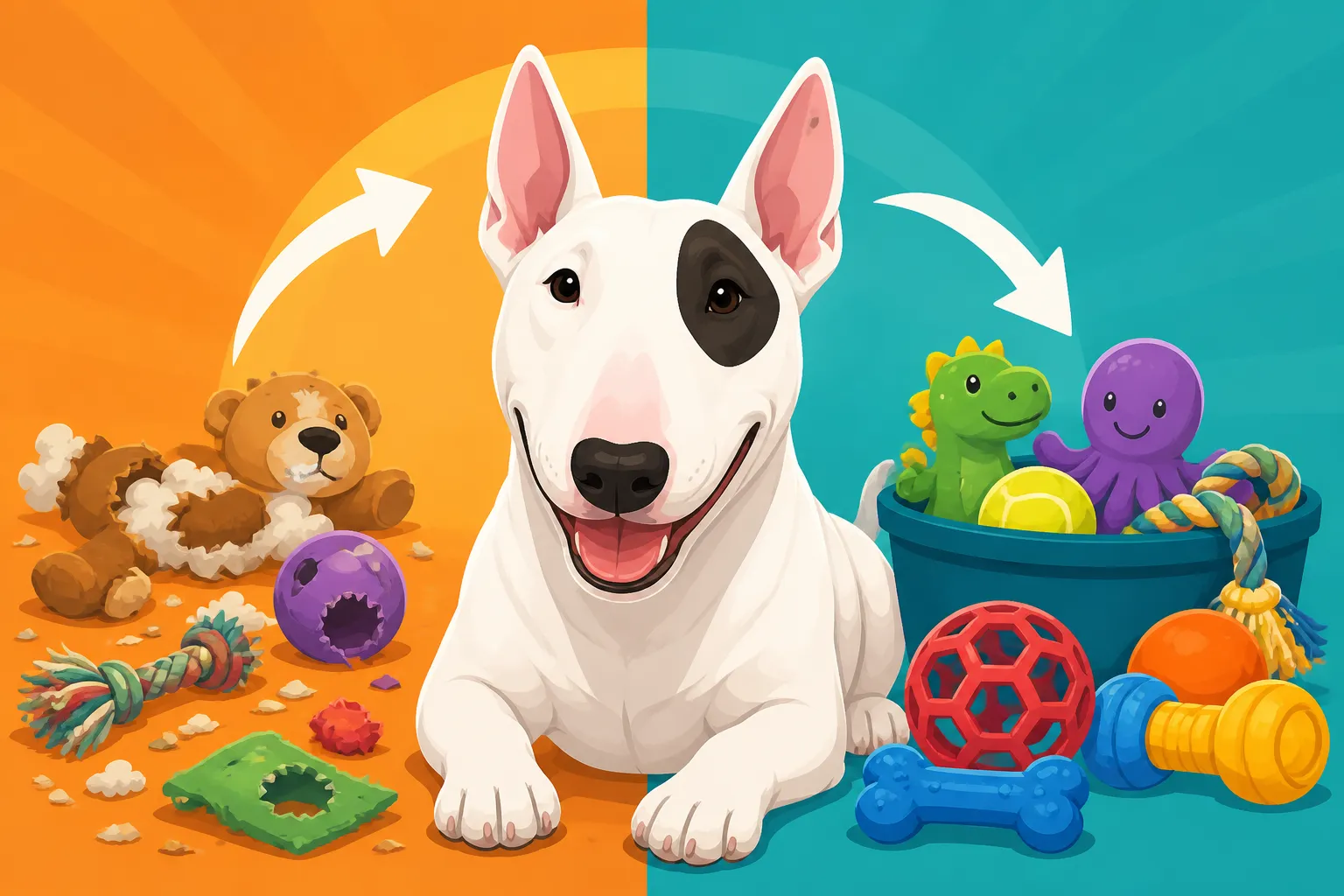
One of the best strategies for making toys last longer and keeping your Bull Terrier engaged is to rotate them. Instead of leaving all the toys out all the time, keep a selection available and switch them out every few days or once a week. This makes the "old" toys feel new and exciting again, reducing the chances of your Bull Terrier getting bored with them and deciding to systematically destroy the entire collection out of sheer ennui. Think of it like a treasure hunt; each time a new set of toys appears, it’s a novel experience. This also allows you to inspect toys for wear and tear before they become dangerous.
Supervised Play and Timely Intervention
No toy is truly indestructible for a Bull Terrier. The key is often supervision. When you give your Bull Terrier a new, exciting toy, especially one that might be on the edge of its durability tolerance, watch them. If they start to break off pieces, begin to ingest fragments, or turn a chew into a shredding project, it’s time to intervene. Take the toy away, provide a safer alternative, or redirect their energy to another activity. This isn't about punishing them; it's about protecting them. Ingesting parts of toys can lead to serious health issues, necessitating emergency vet visits which can be incredibly costly – a scenario where a good pet insurance plan like Healthy Paws could offer a great deal of peace of mind. Remember, Why a Bull Terrier Eats Things It Should Not often includes bits of destroyed toys.
Enrichment Beyond Traditional Toys
While toys are important, they're only one part of the puzzle. Bull Terriers thrive on mental and physical engagement. Incorporate other forms of enrichment to reduce their reliance on toys as their sole outlet for energy.
- Training: Short, fun training sessions can be incredibly mentally stimulating. Bull Terriers are smart, even if they're stubborn.
- Walks and Exploration: Let them sniff and explore on walks. New scents are brain candy for dogs.
- Puzzle Feeders: Instead of just a bowl, use puzzle feeders for their meals. Brands like Chewy offer a wide range of these, transforming mealtime into a mental challenge.
- Chews: Provide appropriate, long-lasting chews (like bully sticks, dental chews, or even safe frozen treats) that are meant to be consumed, offering a different kind of oral satisfaction. You can also fill stuffable toys with delicious treats, perhaps from a brand like Ollie, to keep them occupied.
Providing a varied approach helps satisfy their instincts without putting all the pressure on a single toy to withstand the Bull Terrier onslaught. Whether a Bull Terrier Needs a Job is a question many owners ask, and the answer is usually a resounding yes – mental work tires them out just as much as physical activity.
DIY Durability Checks
Make it a habit to regularly inspect all of your Bull Terrier's toys. Look for:
- Cracks or Tears: Especially in rubber or plastic toys.
- Loose Seams: On fabric or plush toys.
- Small Pieces Breaking Off: Any part that can be chewed off and swallowed.
- Sharp Edges: Nylon chews, as they wear down, can develop sharp points that might injure your dog's mouth.
If a toy shows significant wear, it's safer to discard it than risk an injury or an expensive veterinary bill for foreign body removal. Be proactive in your inspections, especially after an intense play session.
Calculating Your Annual Toy Budget for a Bull Terrier
Let's get down to brass tacks: what's this toy habit going to cost you? While it's impossible to give an exact number, we can outline a realistic budgeting approach for a Bull Terrier owner.
Initial Stock-Up: Building a Foundation
When you first bring home a Bull Terrier puppy, or even an adult rescue, you'll need an initial arsenal of durable toys. Don't skimp here. Investing in a few high-quality, tough toys from the start can actually save you money in the long run compared to constantly replacing cheap, easily destroyed items.
Consider at least 5-7 truly durable chews and interactive toys. This initial investment might range considerably depending on the brands and types of toys you choose. Think about what your Bull Terrier might enjoy – some prefer rubber, others hard nylon, some love a good rope (with caution!). This initial stock also allows for that crucial toy rotation we discussed. What Indestructible Toys Cost a Bull Terrier Owner can give you a clearer idea of this initial outlay.
Replacement Frequency: A Monthly Marathon
After the initial stock-up, the frequency of replacement is where the real cost adds up. For a typical Bull Terrier, you might find yourself replacing 2-4 toys a month. Some months, if they get particularly enthusiastic about a new "challenge," it could be more. Other months, if you've hit on a few truly resilient toys and they're well-exercised, it might be less.
This isn't just about total destruction. Sometimes a toy needs to be retired because it's no longer safe (e.g., sharp edges, large pieces missing). This monthly average can quickly translate into a significant annual expense.
Cost-Saving Tips and Smart Shopping
Managing the cost of Bull Terrier toys involves a mix of smart shopping and proactive care:
- Buy in Bulk or During Sales: If you know your Bull Terrier loves a particular type of durable toy, stock up when stores like Chewy have sales or offer bulk discounts.
- Subscribe & Save: Some online retailers offer subscriptions for certain toys, which can lead to minor savings.
- Prioritize Durability Over Gimmicks: Resist the urge to buy cute, flimsy toys. Focus on materials and construction that have proven to stand up to the Bull Terrier test.
- DIY Chew Options: Safe, natural chews like certain antlers (monitor for splintering) or high-quality dental chews can be cost-effective alternatives to manufactured toys, but always ensure they are appropriate and safe for your dog.
- Utilize Puzzle Feeders: As mentioned, these can make mealtime a long-lasting activity, effectively serving as a toy. This reduces the time your Bull Terrier spends trying to destroy other objects.
- Consider Toy Libraries/Swaps: If you have friends with similarly tough-chewing dogs, consider swapping toys (after thorough cleaning!) to keep things fresh without constant buying.
- Monitor Your Dog's Habits: Pay attention to which toys last longest and which are instantly destroyed. This will guide your future purchases. What lasts for one Bull Terrier might not last for another, so learning your dog's specific destructive patterns is key.
In conclusion, a Bull Terrier can easily go through a dozen to two dozen (or even more) toys in a year if you're not careful and strategic. The actual number depends heavily on your dog's individual chewing intensity, the quality and type of toys you provide, and your approach to rotation and supervision. It's a significant part of The Destruction Budget Nobody Warns a Bull Terrier Owner About, but with smart choices, you can keep your Bull Terrier happily entertained and your wallet a little heavier.
Disclaimer
This article is for general informational purposes only and does not constitute professional advice. Laws, prices and regulations vary by location and change over time. Consult a qualified professional for guidance on your specific situation.