The Age a Bull Terrier Is Considered Senior
It’s a bittersweet moment when you start seeing the first subtle hints that your energetic Bull Terrier, your constant companion and clown, isn't quite the young pup they used to be. Many Bull Terrier owners find themselves caught off guard, wondering when exactly their whirlwind of fun transitions into a more sedate, dignified senior. This guide is here to shed light on what "senior" means for a Bull Terrier, detailing the physical, behavioral, and health changes you can anticipate, and offering practical, empathetic advice on how to navigate these golden years together.
Understanding the Senior Milestone for Bull Terriers
The concept of a "senior" dog isn't as straightforward as just counting candles on a birthday cake. While a commonly cited age exists, the reality for a robust breed like the Bull Terrier involves a more nuanced understanding. It’s less about a sudden switch and more about a gradual shift, influenced by a unique blend of breed-specific traits and individual circumstances.
When Does a Bull Terrier Officially Become a Senior?
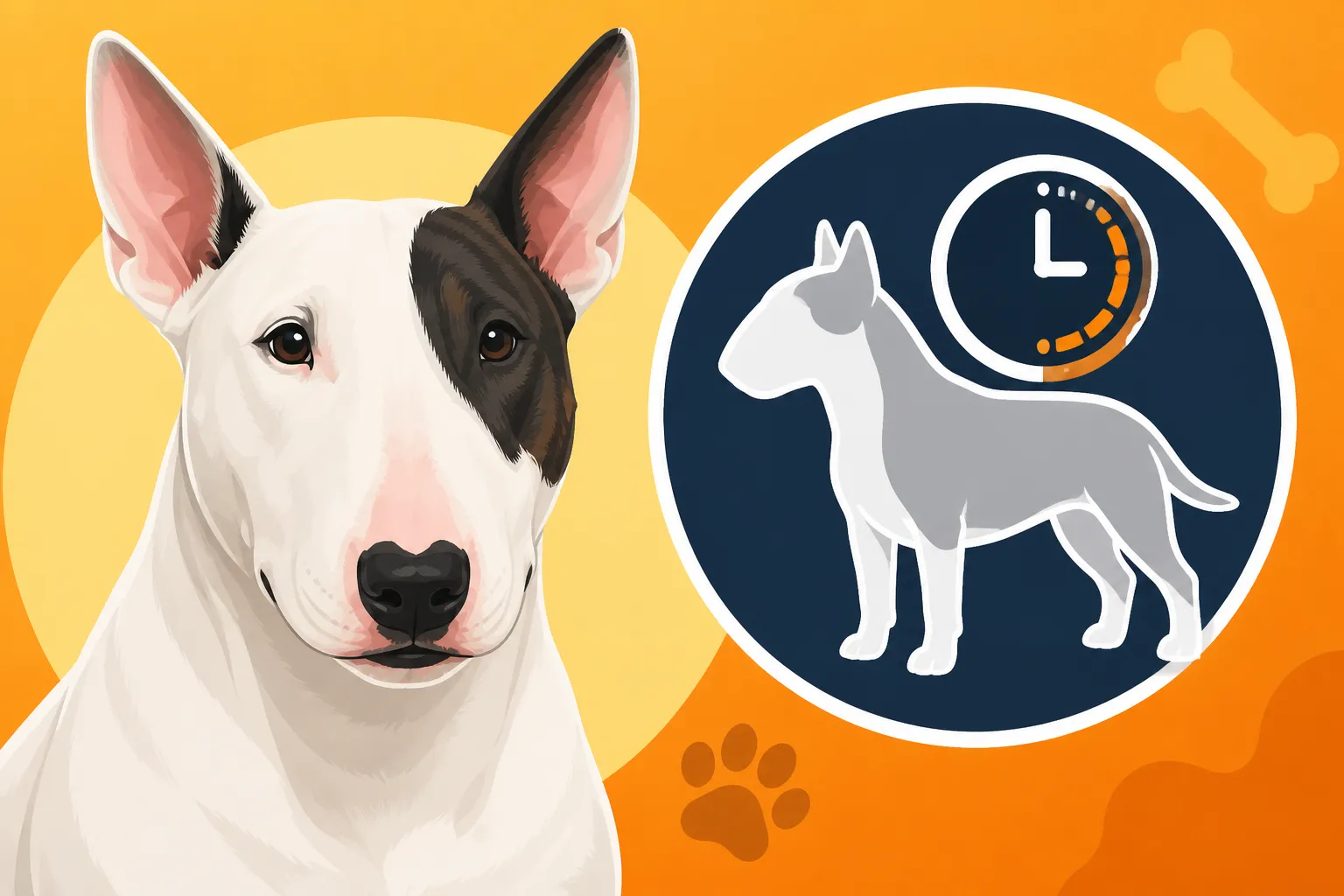
For many dog breeds, especially larger ones, the generally accepted age for entering the senior phase is around seven years old. For Bull Terriers, who fall into the medium-to-large breed category, this benchmark holds true. Most veterinarians and breed experts consider a Bull Terrier to be entering its senior years around the age of seven or eight years old. However, it's really important to understand that this isn't a hard-and-fast rule. You won't wake up on their seventh birthday to a completely transformed dog. The changes are typically subtle at first, creeping in slowly rather than making a dramatic entrance.
Think of it like us humans entering our fifties or sixties; some people feel it more acutely, while others continue to run marathons. A Bull Terrier, known for its enduring spirit and sometimes stubborn refusal to acknowledge physical limitations, might try to keep up its youthful antics long after its body is telling it to slow down. While the average lifespan of the breed is often cited as How Long a Bull Terrier Lives on Average, the journey towards those later years starts earlier than many owners anticipate. This designated senior age is a prompt for owners to start thinking differently about their dog's health and care, recognizing that their body and mind are beginning a new chapter.
Beyond the Calendar: Individual Variation in Aging
While seven or eight years is a useful guideline, your Bull Terrier’s individual journey through aging can vary significantly. Genetics, lifelong nutrition, the quality of veterinary care they've received, and even their daily activity levels all play a crucial role in when and how senior signs manifest. For instance, a Bull Terrier that has lived an incredibly active life, perhaps participating in dog sports, might have more wear and tear on its joints, potentially showing signs of stiffness or discomfort earlier than a more sedentary companion. Conversely, a Bull Terrier with a naturally calm disposition and a history of excellent health might sail past eight without much noticeable change.
It's not uncommon for two Bull Terriers from the same litter to age at different rates. One might start graying around the muzzle and slowing down at seven, while the other maintains youthful vigor well into their ninth year. This is why keen observation is so vital. You are the best judge of your dog's normal behavior and physical state. Pay attention to subtle shifts: a slight hesitation before jumping into the car, a longer nap time during the day, or a less enthusiastic greeting at the door. These tiny clues can signal that your beloved Bull Terrier is indeed entering its golden years, regardless of what the calendar says. For more specific insights into what these early changes might look like, consider exploring What Changes in a Bull Terrier After Eight.
Physical Changes to Expect in an Aging Bull Terrier
As Bull Terriers age, their bodies naturally undergo a series of transformations, much like humans do. While some changes are purely cosmetic, others can impact their comfort and mobility, requiring a thoughtful adjustment to their daily care routine.
Mobility and Joint Health
One of the most common and often frustrating changes for both Bull Terriers and their owners is a decline in mobility. That boundless energy and agile leap might start to fade, replaced by a noticeable slowing down. You might observe your Bull Terrier struggling a bit more to get up from a lying position, especially after a long nap, or perhaps hesitating before tackling stairs they once bounded up with ease. Stiffness, particularly in the mornings or after periods of rest, is a hallmark sign that their joints are no longer as supple as they once were. This isn't just a sign of "getting old"; it's often an indication of underlying conditions such as arthritis (osteoarthritis) or degenerative joint disease.
Bull Terriers, with their sturdy build, can be prone to conditions that affect their joints as they age. While conditions like Patellar Luxation in a Bull Terrier might be screened for early in life, years of impact can lead to general joint wear and tear. Spondylosis, a degenerative condition affecting the spine, can also become apparent, causing discomfort and rigidity. Owners often report their Bull Terriers being less enthusiastic about long walks or ball games, preferring shorter, gentler strolls. It’s crucial not to dismiss these signs as simple age-related slowing. Your dog might be in pain, and while they are stoic, pain management can significantly improve their quality of life. Regular check-ups can help identify these issues early, and your vet might recommend supplements like glucosamine and chondroitin, anti-inflammatory medications, or even physical therapy. This is also where having a robust pet insurance plan like one from Healthy Paws can be invaluable, as chronic joint conditions can lead to ongoing veterinary costs.
Coat, Skin, and Sensory Changes
Beyond mobility, you'll likely notice changes in your Bull Terrier's appearance and sensory capabilities. A sprinkle of gray on their muzzle is perhaps the most obvious cosmetic sign, often extending to their eyebrows and other facial areas. Their usually sleek, short coat might become a little duller, coarser, or even thin out in certain spots. This is a natural part of aging, but it's also a reminder that A Bull Terrier's Skin Is Its Weakest Point throughout their life, and it can become even more sensitive or prone to issues in their senior years. Regular skin checks become even more important to catch any lumps, bumps, or irritations early.
Vision and hearing can also decline. Your Bull Terrier might not respond to your voice as readily, especially if you're not in their direct line of sight, indicating some degree of hearing loss. Their once sharp vision might cloud over with the onset of cataracts, making them bump into familiar furniture or become more hesitant in dimly lit environments. This sensory decline can be disorienting for them, so maintaining a consistent home environment and approaching them gently to avoid startling them is key. For white Bull Terriers, deafness is a concern from birth, but even colored Bull Terriers can experience age-related hearing loss. You can learn more about this in Deafness in an Aging Bull Terrier. Lastly, dental health often takes a hit with age; increased plaque and tartar buildup can lead to gum disease and even tooth loss, causing discomfort and affecting their appetite. Regular dental care, which should ideally be a lifelong habit, becomes paramount in these later years.
Behavioral and Cognitive Shifts in Senior Bull Terriers
It’s not just their bodies that age; a Bull Terrier’s mind and behavior also undergo transformations in their senior years. These changes can be just as significant as the physical ones, sometimes even more perplexing for owners.
Changes in Activity Levels and Sleep Patterns
The energetic, often boisterous nature that defines so many Bull Terriers often mellows with age. You'll likely observe a decrease in their overall activity levels. While they might still have bursts of their characteristic zoomies, these episodes tend to be shorter and less frequent. Their once seemingly endless stamina for walks and play sessions will diminish, and they’ll likely be content with shorter, gentler strolls around the neighborhood. It's easy to mistake this slowdown for laziness, but it’s a genuine physical and mental shift. They genuinely need more rest, and their body simply can't sustain the same level of activity it once could.
Along with reduced activity, changes in sleep patterns are quite common. Senior Bull Terriers will spend more of their day napping, often finding comfortable spots to snooze for hours. However, some dogs can experience nocturnal restlessness, pacing or seeming disoriented during the night, only to sleep soundly during the day. This can be disruptive for both the dog and the household, indicating a potential shift in their internal clock or even the early stages of cognitive decline. It's a frustrating situation for owners, who might feel helpless as their once predictable companion's routine gets turned upside down. Providing a quiet, comfortable sleeping area and maintaining a consistent daytime routine can sometimes help, but persistent issues warrant a veterinary consultation.
Cognitive Dysfunction Syndrome (CDS)
Beyond simple slowing down, some senior Bull Terriers may begin to exhibit signs of Cognitive Dysfunction Syndrome (CDS), often likened to canine Alzheimer's. This condition goes beyond normal aging and can significantly impact their quality of life and your relationship with them. Owners often report a bewildering array of symptoms, including disorientation – their dog might get "stuck" in corners, stare blankly at walls, or seem confused in familiar surroundings. Interactions with family members can change; a dog that was once highly affectionate might become more withdrawn, or conversely, more clingy.
One of the most common and distressing signs of CDS is an altered sleep-wake cycle, as mentioned before, with night-time waking and pacing. Another heart-wrenching symptom can be house soiling, even in previously perfectly house-trained dogs. This isn't out of spite or a forgotten lesson; it's often a breakdown in their cognitive ability to remember where to go or even to recognize the urge. These changes can be incredibly frustrating and upsetting for owners, who often feel guilty or confused. It's vital to remember that these aren't just "old age quirks" that you have to accept. CDS is a recognized medical condition, and while there's no cure, there are medications, dietary supplements, and environmental enrichments that can help manage symptoms and slow progression. For Bull Terriers who are prone to repetitive behaviors, it's worth noting whether a change in cognitive function impacts these, such as in Whether an Aging Bull Terrier Still Spins.
Tailoring Care for Your Senior Bull Terrier
As your Bull Terrier steps into its senior years, their needs will inevitably evolve. What worked perfectly for a youthful, exuberant dog might no longer be appropriate, and adjusting their care routine is essential for maintaining their health and comfort.
Nutritional Adjustments for Older Dogs
One of the most critical areas to adjust for a senior Bull Terrier is their diet. As they become less active, their caloric needs generally decrease. Continuing to feed them the same amount of food they ate in their prime can easily lead to weight gain, which puts undue stress on aging joints and exacerbates other health issues. Your vet can help you determine the appropriate daily caloric intake based on their ideal weight and activity level. Look for high-quality senior dog foods, which are typically formulated with slightly fewer calories, moderate protein levels, and often include beneficial supplements like omega-3 fatty acids for joint and cognitive health.
Protein remains crucial, but for Bull Terriers, particularly those susceptible to kidney issues, the type and amount of protein might need careful consideration. If your Bull Terrier has been diagnosed with kidney disease, for instance, a prescription renal diet specifically designed to support kidney function will be necessary, carefully balancing protein, phosphorus, and sodium levels. This is a major adjustment, and it can be challenging to find foods your Bull Terrier enjoys that also meet strict dietary requirements. You can delve deeper into this topic by reading Feeding a Bull Terrier That Might Have Kidney Disease. For those without specific conditions, ensuring digestible, high-quality protein helps maintain muscle mass, which naturally declines with age. Some older Bull Terriers might also develop dental issues or a reduced sense of smell, making them pickier eaters. In such cases, switching to wet food or softening kibble with warm water might make mealtime more appealing, as discussed in Whether an Aging Bull Terrier Needs Softer Food.
Adapting Exercise Routines and Environment
The goal of exercise for a senior Bull Terrier shifts from high-impact exertion to gentle maintenance and mental stimulation. Instead of one long, vigorous walk, consider two or three shorter, more leisurely strolls throughout the day. This keeps their muscles moving, helps with joint flexibility, and provides mental enrichment without overexertion. Leash walking in a quiet park or your neighborhood is often preferable to intense off-leash running, which can put strain on weakened joints or confuse a dog with sensory decline. If your Bull Terrier still enjoys playing, adapt the games: roll a ball instead of throwing it far, or engage in gentle tug-of-war for shorter periods. Puzzle toys and scent work are excellent for mental stimulation, keeping their minds sharp even if their bodies are slowing down.
Creating a senior-friendly home environment is equally important. Ramps can be a godsend, helping them access favorite sofas, beds, or even the car without painful jumps. Orthopedic dog beds offer superior support for aching joints, cushioning pressure points and providing a comfortable place for their extended naps. Non-slip mats or rugs can prevent falls on slick floors, which can be a serious hazard for dogs with reduced mobility or vision. In colder climates, a simple dog coat can help keep a thin-coated Bull Terrier warm and comfortable during walks, as their ability to regulate body temperature may decrease. Similarly, be mindful of extreme heat, as older dogs can overheat more easily. Understanding how far your Bull Terrier can comfortably walk or run is key, and resources like How Far an Aging Bull Terrier Should Still Run can offer further guidance. Additionally, consider modifications like those discussed in Whether an Aging Bull Terrier Needs Help on Stairs to prevent injury.
Proactive Health Management for Senior Bull Terriers
The golden years of a Bull Terrier's life demand a more proactive and vigilant approach to their health. Early detection and consistent veterinary oversight become your greatest allies in ensuring their comfort and longevity.
The Importance of Regular Veterinary Check-ups
For senior Bull Terriers, annual veterinary check-ups are simply not enough. Most vets recommend twice-yearly visits once a dog reaches senior status. Why the increased frequency? Because diseases and age-related conditions can progress rapidly in older dogs, and catching problems early often means better outcomes and less invasive treatments. These senior wellness exams are more comprehensive than routine younger adult checks. Your vet will conduct a thorough physical examination, paying close attention to joint mobility, dental health, vision, and hearing.
Beyond the physical, senior panels are typically recommended. These include blood work (a complete blood count and chemistry panel) to assess organ function (especially kidneys and liver), check for anemia, and screen for other metabolic diseases. A The Yearly Urine Test Every Bull Terrier Owner Should Book is crucial, as changes in urine specific gravity or the presence of protein can signal kidney issues, a particular concern for Bull Terriers due to their predisposition to Hereditary Nephritis. Blood pressure monitoring is also routine, as hypertension can impact kidney function, heart health, and even vision. These comprehensive screenings provide a baseline and allow your vet to track changes over time, sometimes spotting issues before they become clinically apparent. Investing in pet insurance from providers like Healthy Paws can provide immense peace of mind, helping to cover the costs associated with these increased diagnostic tests and more frequent veterinary visits. More frequent monitoring, as detailed in How Often an Aging Bull Terrier's Kidneys Should Be Checked, is a critical part of this proactive approach.
Monitoring for Common Senior Ailments
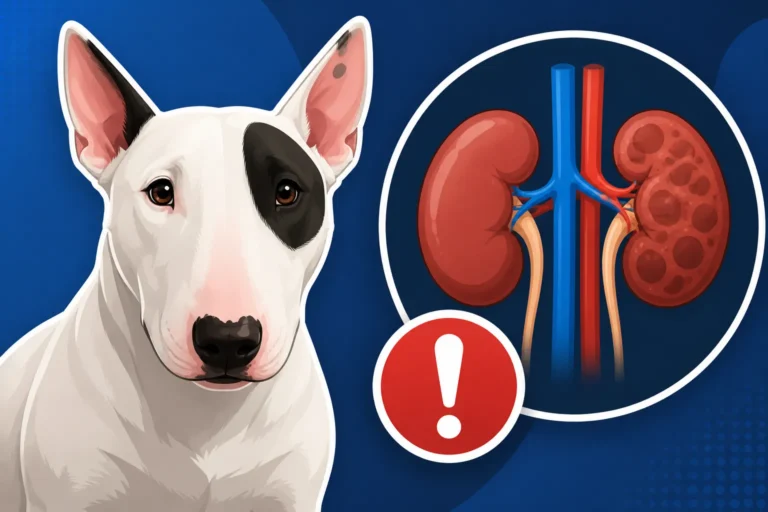
Senior Bull Terriers, like all aging dogs, become more susceptible to a range of health conditions. Awareness of these common ailments can empower you to recognize subtle symptoms and seek timely veterinary attention. Kidney disease is a significant concern for the breed, particularly Hereditary Nephritis, which can tragically affect Bull Terriers even in their prime, but becomes an even greater threat as they age. Early signs can be subtle, such as increased thirst and urination. Regular urine tests are paramount for detection. You can learn more about how this disease progresses in Hereditary Nephritis Takes Bull Terriers in Their Prime.
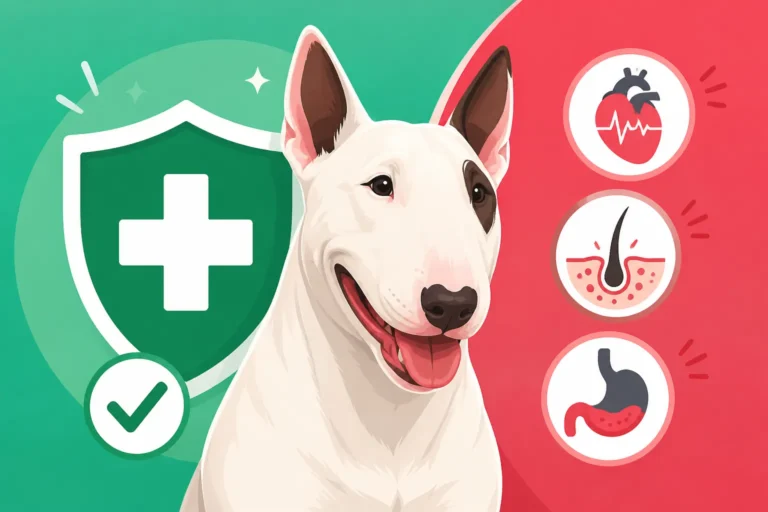
Heart conditions, dental disease, and various forms of cancer are also prevalent in older dogs. Your vet will listen for heart murmurs, and regular dental checks can prevent painful infections that can impact overall health. Lumps and bumps, though not always cancerous, should always be evaluated. Hypothyroidism, a condition where the thyroid gland doesn't produce enough hormones, can also emerge, leading to lethargy, weight gain, and coat changes. The key takeaway here is vigilance. No one knows your Bull Terrier better than you do. If something seems "off" – a change in appetite, a new cough, unusual lethargy, or an unexplained weight loss – don't hesitate to contact your vet. Early diagnosis and intervention can dramatically improve the prognosis and quality of life for your senior Bull Terrier, underscoring why good pet insurance like Healthy Paws is so beneficial for covering treatments for these serious illnesses. Regular comprehensive care, as outlined in Caring for a Bull Terrier Past Eight, is essential for navigating these potential challenges.
Quality of Life and End-of-Life Considerations
While it's a difficult topic to consider, addressing your senior Bull Terrier's quality of life and understanding when to make compassionate end-of-life decisions is an essential part of responsible ownership. This stage is about maximizing comfort and minimizing suffering.
Assessing and Maintaining Quality of Life
As your Bull Terrier ages, the focus shifts to ensuring they maintain a good quality of life. This means more than just keeping them alive; it means ensuring they are comfortable, engaged, and free from undue pain or distress. A good quality of life for a senior Bull Terrier typically includes:
- Freedom from Pain: Are they comfortable? Are their chronic conditions managed effectively with medication, supplements, or other therapies? Bull Terriers are notoriously stoic, and they can be experts at How a Bull Terrier Hides Pain. Owners often have to be incredibly perceptive to pick up on subtle signs of discomfort, such as reluctance to move, changes in posture, or decreased appetite.
- Adequate Hydration and Nutrition: Are they eating and drinking enough? Are they able to digest their food comfortably?
- Hygiene: Can they keep themselves clean, or do they need help with grooming and preventing soiled fur?
- Comfort and Safety: Do they have a warm, soft place to rest? Can they navigate their environment without struggling or risking injury?
- Positive Engagement: Are they still interested in interacting with you and their environment? Do they still enjoy short walks, gentle play, or puzzle toys?
- Control over Bodily Functions: Can they relieve themselves appropriately, or is incontinence causing distress for them or you?
Regularly assessing these factors, perhaps even using a quality of life scale with your vet, can help you objectively evaluate how well your senior Bull Terrier is doing. The goal is to maximize their good days and minimize their bad days, making adjustments to their care as needed to ensure their happiness and dignity.
Making Difficult Decisions with Compassion
This is, without a doubt, the hardest part of owning a beloved pet. There will come a time when, despite all your efforts, your Bull Terrier's quality of life diminishes to a point where intervention might no longer be in their best interest. This decision is deeply personal and emotionally taxing, but it's one of the final, most profound acts of love you can offer. It’s crucial to have open and honest conversations with your veterinarian throughout this process. They can provide invaluable insight into your dog's medical condition, pain levels, and prognosis, helping you understand when their suffering outweighs the joy.
Don't feel pressured to rush the decision, but also don't prolong suffering out of a fear of saying goodbye. Focus on your Bull Terrier's needs, not your own. Ask yourself: Are they still enjoying life? Do they have more good days than bad? Are they experiencing chronic pain that cannot be managed? Are they withdrawn, or showing signs of severe cognitive decline that impacts their ability to function? It's a profound responsibility to choose the moment of peace for your best friend, and it’s a decision often made through tears, but always with love at its core. Lean on your vet, friends, and family for support during this incredibly challenging time.
Disclaimer
This article is intended for informational purposes only and does not constitute veterinary advice. Always consult with a qualified veterinarian for any health concerns or before making any decisions about your Bull Terrier's care.