Feeding a Bull Terrier That Might Have Kidney Disease
Discovering that your beloved Bull Terrier might have kidney disease can feel like a punch to the gut. The immediate concern for most owners, after the initial shock and worry, is often centered around daily life – specifically, what to feed them. The fear of making the wrong choice, or feeling overwhelmed by conflicting advice, is a very real frustration, and this comprehensive guide is here to walk you through the nuances of feeding a Bull Terrier when their kidneys need extra care.
Understanding Kidney Disease in Bull Terriers
When your vet mentions "kidney disease," it can bring a wave of questions and anxiety. For Bull Terriers, in particular, kidney issues aren't just a general concern; they can be a hereditary predisposition. One of the most heartbreaking conditions is Hereditary Nephritis Takes Bull Terriers in Their Prime, a genetic disorder that can cause kidney failure at a young age, often catching owners off guard. But even without this specific genetic component, kidneys can still be susceptible to damage over time.
The Role of Kidneys in Your Bull Terrier’s Body
Think of your Bull Terrier's kidneys as the ultimate filtration system. They're constantly working behind the scenes, processing blood to remove waste products like urea and creatinine, which are byproducts of protein metabolism. They also play a crucial role in maintaining proper fluid and electrolyte balance, producing hormones that regulate blood pressure, and stimulating red blood cell production. When the kidneys aren't functioning optimally, these vital processes start to falter. Waste products build up, electrolytes go awry, and your dog can become anemic, dehydrated, and generally unwell. It’s a cascading effect that impacts almost every system in the body.
Recognizing the Early Signs of Kidney Trouble
The insidious thing about kidney disease, especially in its early stages, is that symptoms can be subtle and easily missed. Our resilient Bull Terriers are often masters at hiding discomfort, so you might not notice anything is amiss until the disease has progressed significantly. Common early indicators can include increased thirst and urination, which might manifest as needing more frequent potty breaks or emptying the water bowl faster than usual. You might notice a change in appetite, lethargy, or even a dullness to their normally vibrant coat. As the disease advances, you might see weight loss, vomiting, bad breath, and a general decline in their playful spirit. This is why regular vet check-ups and diagnostic tests are so incredibly important. The yearly urine test your vet recommends is not just a formality; it's a critical tool in early detection. The Yearly Urine Test Every Bull Terrier Owner Should Book is truly an indispensable part of preventative care.
Why Diet Matters So Much for Kidney Health
Once kidney disease is diagnosed, dietary management becomes one of the most powerful tools you have to support your Bull Terrier's health and slow the progression of the disease. This isn't just about giving them "healthy food"; it's about providing a carefully formulated diet that specifically addresses the kidneys' compromised function.
How Diet Influences Kidney Function
Imagine your kidneys are like a well-oiled machine, but now some of the filters are clogged or broken. If you keep pushing the same heavy workload through that compromised system, it will break down faster. That's essentially what happens with a standard diet and failing kidneys. Certain nutrients, while essential for a healthy dog, can become a burden when the kidneys are struggling to process them. High levels of protein, phosphorus, and sodium, for example, can force the kidneys to work harder, leading to further damage and a buildup of toxic waste products in the blood. By adjusting these levels in their food, you're essentially lightening the load on their kidneys, allowing them to function more efficiently with the capacity they have left. This dietary intervention can significantly improve their quality of life and potentially extend it.
The Goals of a Kidney-Friendly Diet
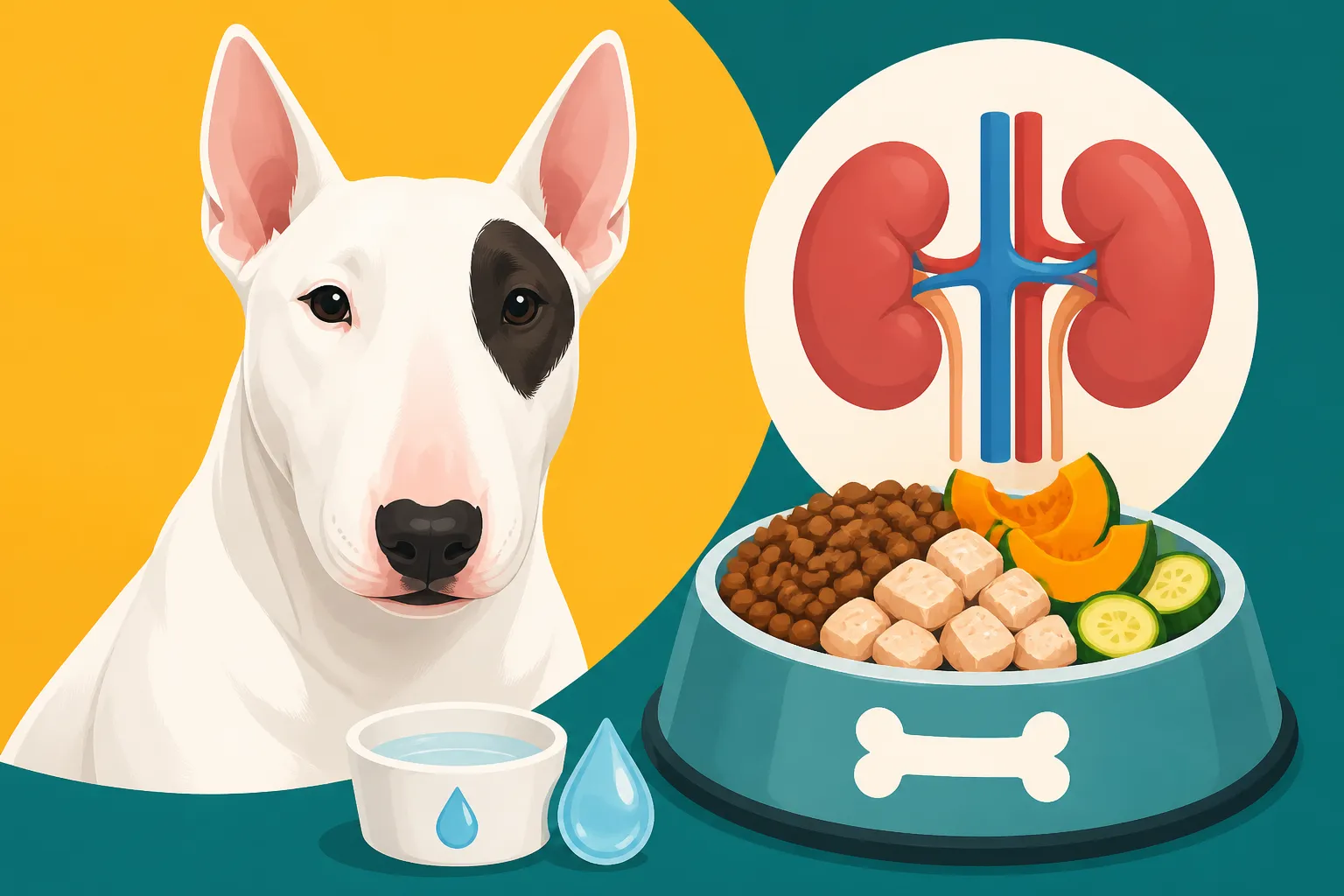
The primary goals of a renal diet are multifaceted: to reduce the workload on the kidneys, to prevent the accumulation of toxic waste products, to maintain adequate hydration, to manage electrolyte imbalances, and to ensure your Bull Terrier still receives sufficient calories and nutrients to avoid muscle wasting. It’s a delicate balance. We're not trying to cure the disease – that's often not possible – but rather to manage its symptoms and progression. This means a diet that is lower in phosphorus, controlled in protein (but still sufficient to prevent muscle loss), typically lower in sodium, and often supplemented with Omega-3 fatty acids and B vitamins. The right diet can make a dramatic difference in how your Bull Terrier feels day-to-day.
Key Nutritional Adjustments for Kidney Disease
Making the right dietary adjustments is paramount when your Bull Terrier is battling kidney disease. These changes aren't arbitrary; they are based on veterinary science and aim to support their compromised organs.
Controlled Protein Levels
The idea of "low protein" often sparks concern among dog owners, as protein is vital for muscle maintenance and overall health. However, in kidney disease, the issue isn't protein itself, but the waste products (like urea) that result from its metabolism. When kidneys are failing, they struggle to filter these waste products, leading to a build-up that makes your dog feel unwell. A renal diet, therefore, doesn't eliminate protein but controls it. It aims for high-quality, highly digestible protein sources at a reduced level. This ensures your Bull Terrier gets enough essential amino acids to maintain muscle mass without overwhelming their kidneys with excess waste to filter. The specific amount will depend on the stage of kidney disease. Too little protein can lead to muscle wasting, which is the last thing we want for our strong Bull Terriers, while too much taxes the kidneys. This balancing act is why working with your veterinarian on a precise prescription diet is so crucial.
Reduced Phosphorus Intake
This is arguably one of the most critical components of a kidney-friendly diet. Phosphorus is a mineral that plays a role in bone health, but when the kidneys fail, they can't excrete excess phosphorus effectively. This leads to a dangerous build-up in the blood, which can cause secondary hyperparathyroidism, further damaging the kidneys and leading to calcium deposits in soft tissues, including the kidneys themselves. This can accelerate the disease. Renal diets are specifically formulated to have significantly reduced phosphorus levels to prevent this dangerous accumulation. This reduction helps protect the remaining kidney function and makes your Bull Terrier feel better by avoiding the toxic effects of high phosphorus. Many veterinary renal diets prioritize this above all else.
Sodium Restriction
While not as immediately critical as phosphorus, sodium restriction also plays an important supportive role in managing kidney disease. High sodium intake can contribute to high blood pressure, which can further damage the delicate blood vessels within the kidneys. It can also lead to fluid retention, which puts added strain on the heart and lungs. By lowering sodium, a renal diet helps manage blood pressure, reduce fluid retention, and generally ease the burden on both the cardiovascular system and the kidneys. Many processed human foods are high in sodium, which is another reason why feeding table scraps or inappropriate treats to a Bull Terrier with kidney disease can be detrimental.
Omega-3 Fatty Acids and Antioxidants
Beyond just reducing harmful elements, a good renal diet also incorporates beneficial components. Omega-3 fatty acids, particularly EPA and DHA found in fish oil, have anti-inflammatory properties that can help reduce inflammation in the kidneys and potentially slow the progression of the disease. They can also help to improve kidney blood flow. Antioxidants, like vitamins E and C, help combat oxidative stress, which contributes to kidney cell damage. These components, while not a cure, can provide valuable support to the remaining kidney function and contribute to your Bull Terrier's overall well-being. Look for diets that specifically boast these additions or discuss appropriate supplementation with your vet.
Navigating Commercial Renal Diets
Once you're armed with the knowledge of what a kidney-friendly diet entails, the next step is finding the right food. This is where commercial veterinary renal diets become your best friend.
Prescription vs. Over-the-Counter Options
It's vital to understand that truly effective renal diets are almost exclusively available as prescription formulas from your veterinarian. These diets, often from brands like Hill's Prescription Diet, Royal Canin Veterinary Diet, or Purina Pro Plan Veterinary Diets, are rigorously formulated and tested to meet the specific, stringent nutritional requirements for dogs with kidney disease. They precisely control protein, phosphorus, and sodium levels in ways that over-the-counter "senior" or "kidney support" foods simply cannot. While some commercial foods might claim to be "low phosphorus," they rarely achieve the therapeutic levels necessary to truly support a failing kidney. Attempting to manage kidney disease with non-prescription food could inadvertently cause more harm than good, accelerating the decline. Your vet will prescribe the specific formula best suited for your Bull Terrier's stage of kidney disease.
Comparing Popular Veterinary Renal Diets
There are several excellent brands offering prescription renal diets, and your vet will help you choose the best fit. Each brand might have slight variations in ingredients, palatability, and specific nutrient profiles, but they all adhere to the core principles of controlled protein and phosphorus.
| Brand Example | Key Feature | Typical Forms Available | Considerations |
|---|---|---|---|
| Hill's k/d | Extensive range, various flavors/textures | Dry, wet, stews | Very commonly prescribed, good palatability for many dogs |
| Royal Canin Renal | Diverse formulas targeting different needs | Dry, wet, loaf, morsels | Often well-received, specific formulas for early/late stage kidney disease |
| Purina Pro Plan NF | Focus on palatability and controlled nutrition | Dry, wet | Good option for picky eaters, scientifically formulated |
It's worth noting that finding these specialized diets is usually straightforward once you have a prescription. Many veterinary clinics stock them directly, or you can often order them online through pet supply retailers like Chewy, which makes getting regular shipments convenient. Some specific formulas can also be found on platforms like Amazon, but always ensure you are purchasing the legitimate veterinary prescription diet.
Considering Fresh or Homemade Options
The idea of a fresh or homemade diet can be appealing, especially if your Bull Terrier is a picky eater or you prefer to know every single ingredient. Services like Ollie, which deliver fresh, customized pet food, might seem like a good alternative. However, for a Bull Terrier with kidney disease, this path comes with significant caveats. Formulating a truly kidney-appropriate homemade diet is incredibly complex and requires the precise knowledge of a veterinary nutritionist. Simply reducing protein or phosphorus from a standard recipe isn't enough; you need to balance every nutrient, including calcium, vitamins, and minerals, to avoid deficiencies or dangerous excesses. Without expert guidance, a homemade diet can actually worsen kidney disease. If you are considering a fresh food approach, you must work with a board-certified veterinary nutritionist who can formulate a balanced, specific recipe for your Bull Terrier's individual needs. They can also guide you on where to source ingredients and how to prepare the meals safely.
Supplementation and Hydration
While diet forms the cornerstone of kidney disease management, various supplements and a relentless focus on hydration can provide crucial additional support for your Bull Terrier.
The Importance of Water Intake
One of the kidneys' main jobs is to help regulate the body's water balance. As kidney function declines, dogs often start drinking and urinating more, a condition known as polyuria and polydipsia. This increased water intake is the body's attempt to flush out accumulating toxins. As owners, our job is to facilitate this natural process as much as possible. Ensuring constant access to fresh, clean water is paramount. Consider multiple water bowls around the house, water fountains (some dogs prefer moving water), or even adding water to their food. Switching from dry kibble to wet food can significantly increase water intake. Whether a Bull Terrier With Kidney Disease Should Eat Wet Food is a question many owners face, and for good reason – wet food provides crucial moisture. In some cases, if dehydration becomes a concern, your vet might recommend subcutaneous fluids given at home to provide direct hydration support. This can make a huge difference in how your Bull Terrier feels.
Beneficial Supplements to Discuss With Your Vet
Beyond the diet itself, several supplements can be considered, but always discuss them with your veterinarian first. Their advice will be tailored to your Bull Terrier's specific condition and the stage of their kidney disease.
- Phosphorus Binders: These are medications, not just supplements, that are given with food to bind to dietary phosphorus in the gastrointestinal tract, preventing its absorption into the bloodstream. This is a powerful tool to control phosphorus levels, especially as the disease progresses and dietary restriction alone might not be enough.
- Omega-3 Fatty Acids: As mentioned, these can help reduce inflammation. High-quality fish oil supplements are a common choice, but ensure they are formulated for pets and the dosage is appropriate.
- B Vitamins: Dogs with kidney disease often excrete more water, and with it, water-soluble B vitamins. Supplementation can help replenish these essential vitamins, which play a role in energy metabolism and overall health.
- Appetite Stimulants: Many Bull Terriers with kidney disease experience nausea and a reduced appetite due to the build-up of toxins. Your vet might prescribe an appetite stimulant to encourage them to eat their prescribed diet, which is critical for preventing muscle wasting and maintaining energy.
- Probiotics: A healthy gut microbiome can support overall health, and some research suggests a link between gut health and kidney function. Probiotics might offer some benefits, but their direct impact on kidney disease is still being researched.
Remember, every Bull Terrier is an individual, and what works for one might not work for another. Your vet is your best resource for guiding you through these choices.
Monitoring Progress and Working with Your Vet
Managing kidney disease in your Bull Terrier is a long-term commitment that requires close collaboration with your veterinarian. It’s an ongoing journey of monitoring, adjusting, and adapting.
Regular Veterinary Check-ups and Diagnostics
Once your Bull Terrier is on a renal diet, regular veterinary check-ups become even more crucial. These visits allow your vet to assess how your dog is responding to the dietary changes and other treatments. They will typically involve a thorough physical examination, checking weight, hydration status, and overall demeanor. Blood tests are essential for monitoring kidney values (BUN, creatinine, phosphorus) and other parameters like red blood cell count. Urine tests, including a What a UPC Ratio Tells a Bull Terrier Owner test, provide invaluable information about how well the kidneys are filtering protein. The frequency of these check-ups will depend on the stage of kidney disease and your Bull Terrier's stability, but expect them to be more frequent initially and then every few months. These tests help your vet make informed decisions about adjusting the diet or introducing new medications.
Interpreting Blood and Urine Test Results
Understanding your Bull Terrier's blood and urine test results can feel like learning a new language, but your vet will explain the key indicators. Higher BUN (blood urea nitrogen) and creatinine levels indicate that the kidneys are not effectively filtering waste products. Elevated phosphorus is another red flag we discussed earlier. The UPC (urine protein to creatinine) ratio is particularly important because it measures protein loss in the urine, which is a significant indicator of kidney damage. A rising UPC ratio can signal worsening disease and might prompt a change in diet or medication. Your vet will look for trends over time rather than just single readings. Small fluctuations are normal, but consistent increases in these values usually mean the disease is progressing. They can also tell you Signs a Bull Terrier's Kidneys Are Failing in a more advanced stage.
Adjusting the Diet as Disease Progresses
Kidney disease is often progressive, meaning it can worsen over time. What works well in the early stages might not be sufficient as the disease advances. This is why ongoing monitoring is so important. Your vet might recommend transitioning to a different renal diet formula that is even more restrictive in protein or phosphorus. They might also introduce phosphorus binders, appetite stimulants, or other medications to manage symptoms like nausea or anemia. The goal is always to keep your Bull Terrier feeling as comfortable and well as possible. This adaptive approach ensures that their dietary and medical care evolves with their needs, helping to prolong their quality of life. Be prepared for adjustments, and trust your vet's guidance.
Common Feeding Challenges and Solutions
Feeding a Bull Terrier with kidney disease isn't always straightforward. Our furry friends can be notoriously stubborn or picky, and the dietary restrictions can complicate things. Here are some common challenges and practical solutions.
Dealing with Picky Eaters and Reduced Appetite
One of the most frustrating aspects of managing kidney disease is when your Bull Terrier suddenly turns up their nose at their specially formulated, life-sustaining food. Nausea, a common symptom of kidney disease due to toxin build-up, can severely suppress appetite.
- Warm it Up: Gently warming wet food to body temperature (or slightly above) can enhance its aroma and make it more appealing. Just be sure to test the temperature before offering it.
- Add Water/Broth: Mixing in a small amount of warm water or low-sodium chicken broth can change the texture and improve palatability. Ensure any broth is truly low-sodium and free of onion or garlic.
- Offer Frequently, in Small Amounts: Instead of two large meals, try offering smaller portions more frequently throughout the day. This can be less overwhelming for a nauseous dog.
- Create a Routine: Stick to a consistent feeding schedule in a quiet, undisturbed location.
- Consult Your Vet for Appetite Stimulants/Anti-Nausea Meds: If pickiness persists, it's crucial to talk to your vet. They might prescribe medications specifically designed to boost appetite or reduce nausea, making it easier for your Bull Terrier to eat. The absolute worst outcome is that your dog stops eating altogether, as this can quickly lead to more severe health issues.
Managing a Household with Multiple Dogs
If you have other dogs in the house, feeding one with a prescription renal diet can be a logistical challenge. You don't want the healthy dogs eating the special diet (which is often calorie-dense and not balanced for healthy animals), nor do you want your kidney-compromised Bull Terrier sneaking bites of their siblings' regular food.
- Separate Feeding Areas: Feed your Bull Terrier in a separate room, crate, or designated area where they can eat without interruption or competition.
- Supervised Mealtimes: Always supervise feeding times closely to ensure each dog eats only their own food.
- Put Food Away Immediately: As soon as your Bull Terrier is done eating (or if they walk away), pick up all food bowls to prevent scavenging.
- Consistent Schedule: Feed all dogs at the same time. This can help prevent jealousy and make it easier to manage the separation.
- Dog-Proof Storage: Store all food securely out of reach. Bull Terriers are notoriously clever and persistent!
Avoiding Temptation and Inappropriate Treats
Every Bull Terrier owner knows the power of those expressive eyes begging for a treat or a bite of your dinner. With kidney disease, resisting these pleas becomes critical. Many human foods and standard dog treats are high in phosphorus, sodium, and protein, which are exactly what your Bull Terrier needs to avoid.
- Vet-Approved Treats: Ask your vet if there are any specific treats or brands of renal-friendly treats they recommend. Some commercial companies make low-phosphorus, low-sodium treats specifically for dogs with kidney disease.
- Small Portions of Certain Vegetables: Tiny pieces of plain, cooked green beans, carrots, or apple (without seeds) can sometimes be offered as very occasional treats, but only after checking with your vet. These are low in phosphorus and protein.
- Ice Cubes: For some Bull Terriers, a simple ice cube can be a refreshing and safe "treat," especially if they enjoy crunching. This also helps with hydration.
- Positive Reinforcement Alternatives: Instead of food, use praise, gentle petting, or a quick game with a favorite toy as rewards.
- Educate the Household: Make sure everyone in the household understands the importance of the diet and the dangers of giving inappropriate snacks. Post reminders if necessary! This is critical for preventing accidental ingestion that could set back your Bull Terrier's health.
Making the Transition to a Kidney-Friendly Diet
Switching your Bull Terrier's food, especially to a diet that might taste a little different from what they're used to, needs to be done gradually and thoughtfully. A sudden change can upset their stomach and make them even less inclined to eat.
Gradual Introduction Over Several Days
The golden rule for any diet change is to do it slowly. This allows your Bull Terrier's digestive system to adjust and gives them time to get accustomed to the new taste and texture.
- Day 1-2: Mix 75% old food with 25% new renal diet.
- Day 3-4: Increase to 50% old food and 50% new renal diet.
- Day 5-6: Shift to 25% old food and 75% new renal diet.
- Day 7 and beyond: Your Bull Terrier should now be eating 100% renal diet.
Monitor your Bull Terrier closely during this transition. If you notice any digestive upset (vomiting, diarrhea) or if they refuse to eat, slow down the process and go back to the previous ratio for a day or two before attempting to increase the new food again. Some Bull Terriers are more sensitive than others, and patience is key. This method helps prevent gastrointestinal distress and increases the likelihood of acceptance.
Encouraging Acceptance of the New Food
Even with a slow transition, some Bull Terriers can be stubborn. They might try to pick out the old food, or simply refuse the new mixture.
- Enhance Palatability: As mentioned before, warming wet food, adding a little low-sodium broth, or even a tiny amount of prescribed appetite stimulant (if recommended by your vet) can make the food more appealing.
- Consistency: Offer the new food consistently. Don't immediately switch back to the old food if they refuse. Try again at the next mealtime. A hungry Bull Terrier is often less picky.
- Positive Association: Make mealtime a positive experience. Praise them when they eat, even if it's just a few bites. Avoid making a fuss or showing frustration, as dogs are very sensitive to our emotions.
- Mix Thoroughly: For dry kibble, ensure the new and old food are thoroughly mixed so they can't easily pick out their favorites. For wet food, mash it all together well.
- Discuss Alternatives with Your Vet: If, after a dedicated effort, your Bull Terrier simply will not eat the prescribed diet, don't give up. Talk to your vet. There are often different brands or formulas of renal diets, and one might be more palatable than another. Sometimes, it's about finding the right texture (wet vs. dry) or flavor profile. The most important thing is that your Bull Terrier eats a kidney-appropriate diet.
Long-Term Commitment and Patience
Successfully managing kidney disease in your Bull Terrier through diet requires a long-term commitment. It's not a temporary fix. This will be their diet for the rest of their lives. There will be good days and bad days, and moments of frustration, but remember that every effort you make contributes to their comfort and well-being. Celebrate small victories, like a full meal eaten or a consistent weight. This journey requires immense patience, love, and unwavering dedication. You are their advocate, and by working closely with your veterinarian and consistently providing their kidney-friendly diet, you are giving your beloved Bull Terrier the best possible chance at a good quality of life. The impact of diet on their prognosis and comfort cannot be overstated. From the initial diagnosis of What Hereditary Nephritis Does to a Bull Terrier to the practicalities of What a Bull Terrier's Renal Diet Costs a Month, it's a journey you embark on together.
Disclaimer
This article is for general informational purposes only and does not constitute professional advice. Laws, prices and regulations vary by location and change over time. Consult a qualified professional for guidance on your specific situation.