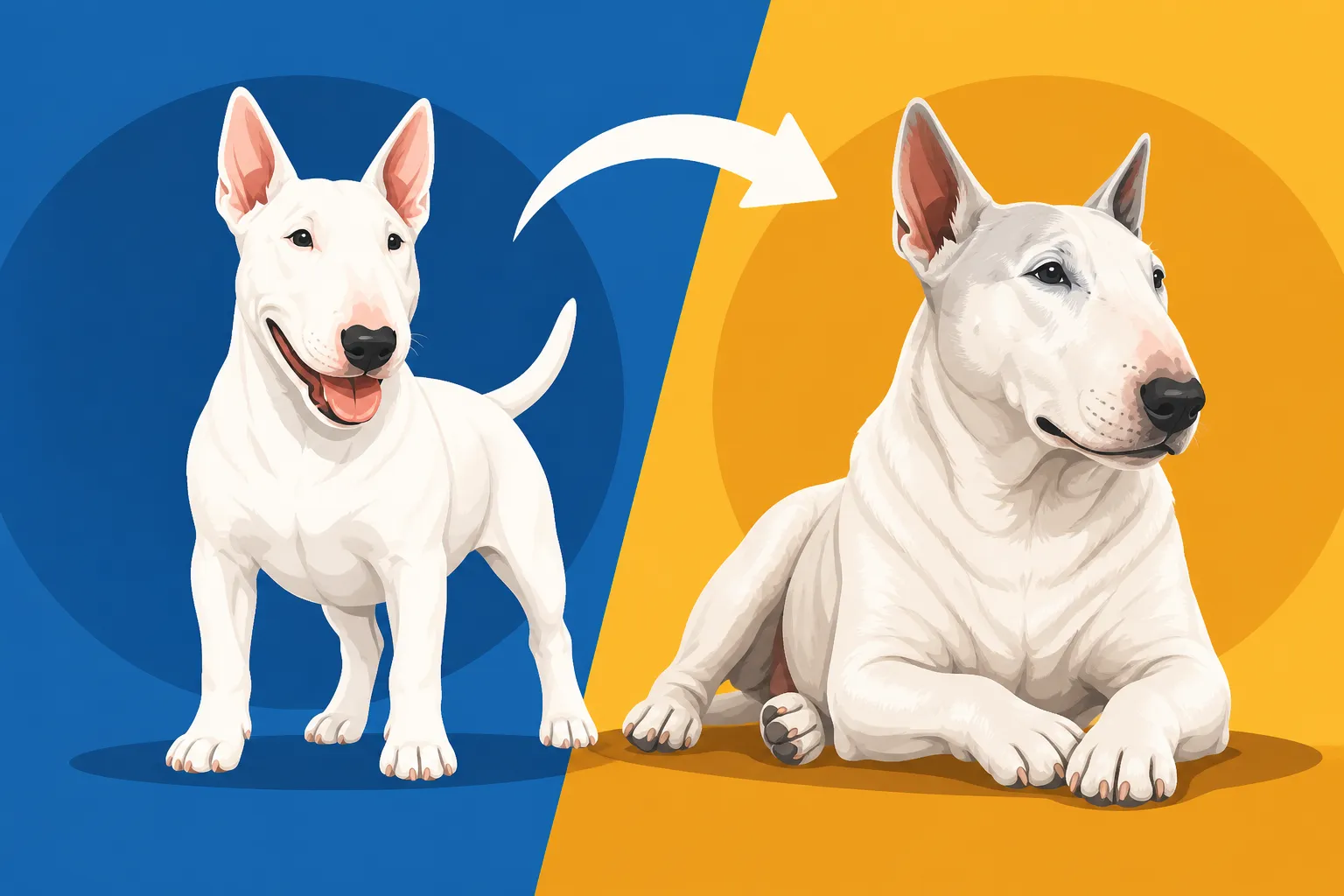
What Changes in a Bull Terrier After Eight
It’s a bittersweet milestone when your Bull Terrier, who once seemed like a perpetual motion machine, starts to show the subtle signs of aging. You remember the boundless energy, the clownish antics, the way they could zoom around the yard for what felt like hours without a pause. Then, somewhere around their eighth birthday, you start noticing little shifts. Perhaps they’re not quite as quick to greet you at the door, or their morning stretch seems a little more deliberate. This guide is here to walk you through the common changes you might observe in your beloved Bull Terrier as they transition into their senior years, offering insights and advice to help you navigate this new chapter with grace and proactive care.
The Subtle Shift in Energy and Enthusiasm
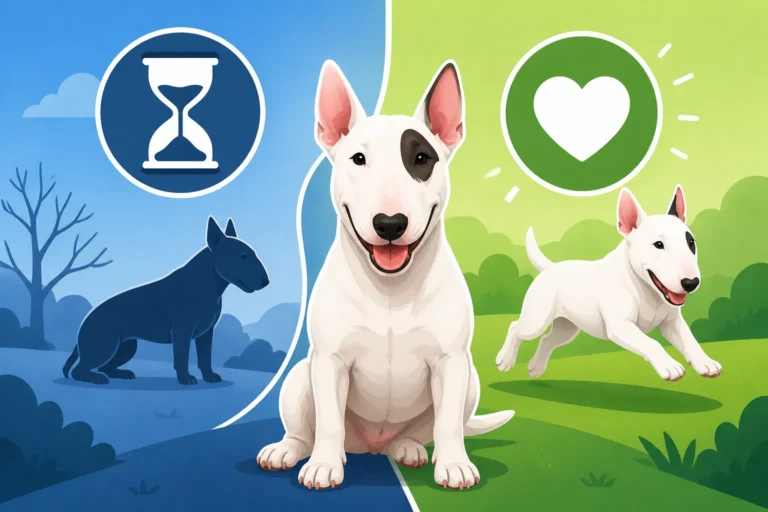
One of the first things many Bull Terrier owners notice as their dogs approach eight years old is a gradual, often imperceptible, change in their overall energy levels. It’s not like a light switch suddenly flipping off, but rather a dimmer switch slowly being turned down. The vibrant, often boisterous energy that defines so many Bull Terriers begins to mellow, replaced by a more considered pace of life. This can be a relief for some, and a poignant reminder of time passing for others.
Less Zoomies, More Zzzzs
Remember those legendary Bull Terrier zoomies? The sudden, explosive bursts of speed that would have your dog tearing around the house or yard as if possessed by a playful spirit? As your Bull Terrier hits eight, you'll likely see these become less frequent and shorter in duration. They might still have a moment of exuberance, but it won't be sustained for as long, and they'll recover from it much more slowly. Instead, you'll find them embracing the art of napping with even greater dedication.
Longer, deeper naps become the norm. They might seek out warmer, softer spots to rest, spending significant portions of their day in peaceful slumber. While it might feel a little strange to see your once-hyper companion so serene, this increased need for rest is perfectly natural. Their bodies are working harder to maintain themselves, and sleep is crucial for repair and recovery. Don't mistake a quiet Bull Terrier for a bored one; often, they're simply enjoying a well-deserved snooze.
A Different Kind of Play
Play remains vital for senior Bull Terriers, but the nature of that play often shifts dramatically. Gone might be the days of endless, full-contact wrestling matches with other dogs, or hours of relentless fetch. Instead, your senior Bull Terrier might prefer shorter, gentler play sessions. A slow game of tug, where they can still use that formidable jaw strength without putting too much strain on their joints, might be a big hit. Puzzle toys that offer mental stimulation and a reward are also excellent, allowing them to engage their minds even if their bodies are slowing down.
Observing how your Bull Terrier chooses to play can give you valuable clues about their comfort levels. If they used to leap for a toy but now prefer to pick it up from the ground, or if they decline a game that once thrilled them, it’s a sign to adapt. Encourage gentle interaction and find ways to make playtime stimulating without being overly taxing. Even a short walk where they can sniff new smells can be incredibly enriching and counts as valuable engagement.
Changes in Daily Routine and Demand
The constant demand for attention and activity that typifies a younger Bull Terrier might also begin to lessen. While they'll still be deeply devoted and love being near you, their need for constant active participation might decrease. This isn't to say they don't want to be involved; rather, their involvement might shift. Instead of demanding a walk, they might be perfectly content to lie at your feet while you work, or follow you from room to room just to be in your presence.
Their routine might also become more rigid. Senior Bull Terriers often thrive on predictability. Sudden changes in meal times, walk schedules, or even furniture arrangement can be more unsettling to them than it would have been in their youth. Establishing and sticking to a consistent daily rhythm can provide a sense of security and reduce anxiety for your aging companion. Remember, while they may not be as overtly demanding, their need for your companionship and consistent care is as strong as ever.
Physical Transformations and What to Watch For
Aging inevitably brings physical changes, and Bull Terriers are no exception. While their robust appearance might suggest otherwise, their bodies are undergoing a natural process of wear and tear. Being vigilant about these changes and proactive in addressing them can significantly improve their comfort and quality of life in their golden years. Regular veterinary check-ups become even more crucial during this stage, as many age-related issues can be managed or slowed with early intervention.
The Tell-Tale Signs of Aging Joints
One of the most common and impactful physical changes in an aging Bull Terrier is the onset of joint stiffness and discomfort, often due to conditions like arthritis. You might start noticing them struggling a bit when getting up after a long nap, or taking a few more steps to "warm up" before moving fluidly. Stairs, which they once bounded up and down, might become a challenge, or they might hesitate before jumping into the car or onto the sofa. It's a clear signal that their joints aren't as supple as they once were.
Look for subtle signs: a reluctance to play certain games, a change in gait, or even favoring one leg. Stiffness after rest, especially in cooler weather, is a classic indicator. While it's tempting to think it's "just old age," it's vital to discuss these changes with your vet. There are many options available, from joint supplements and anti-inflammatory medications to physical therapy, that can vastly improve their comfort. Being aware of What Changes in an Aging Bull Terrier on a physical level can help you be an advocate for their well-being.
Coat and Skin Changes
A Bull Terrier's coat, usually short and harsh, can also undergo changes with age. You might notice it becoming a bit thinner, perhaps losing some of its previous luster. Their skin, which is often A Bull Terrier's Skin Is Its Weakest Point throughout their life, can become drier or more prone to various issues as they age. This makes your weekly skin check even more important. You might find new lumps, bumps, or skin tags that weren't there before. While many of these are benign, any new growth should always be examined by a veterinarian.
White Bull Terriers, in particular, might show increased sensitivity to the sun if their coat thins, so continued protection is key. You might also notice their fur around the muzzle starting to whiten, a charming sign of their distinguished years. Pay close attention to any areas of redness, flakiness, or excessive itching, as these can indicate allergies, infections, or other dermatological concerns that require veterinary attention. Their immune system may not be as robust, making them more susceptible to skin problems.
Weight Management Becomes Key
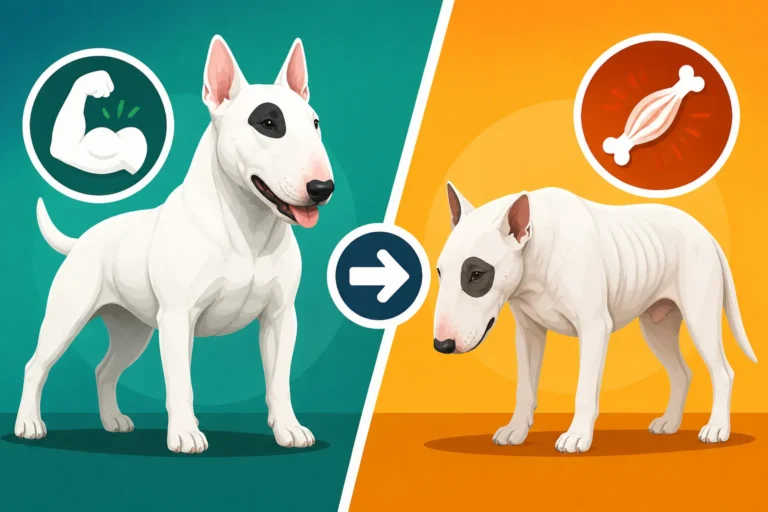
As Bull Terriers age, their metabolism often slows down, and their activity levels naturally decrease. This combination can make weight management a significant challenge. It becomes much easier for them to gain weight and considerably harder to lose it. Even a few extra pounds can put immense strain on aging joints and contribute to other health issues. Therefore, maintaining a lean body condition is paramount for a senior Bull Terrier's health. You'll need to be diligent about Keeping a Bull Terrier Lean When It Carries This Much Muscle.
Regularly assessing their body condition is important. You should be able to feel their ribs easily without seeing them, and they should have a discernible waist when viewed from above. If your Bull Terrier is packing on the pounds, your veterinarian can help you formulate a weight management plan, which usually involves adjusting their diet to a lower-calorie, higher-fiber senior formula and ensuring they get consistent, gentle exercise. Don't fall into the trap of overfeeding with treats out of affection; every calorie counts.
Sensory and Cognitive Shifts
Beyond the obvious physical slowdowns, aging also brings about changes in a Bull Terrier's sensory capabilities and cognitive function. These shifts can be particularly challenging for owners, as they affect how your dog interacts with the world and with you. Patience, understanding, and adapting your home environment become key components of care during these years. It’s a journey that requires empathy and a keen eye to notice the subtle differences.
Hearing and Vision Decline
It's not uncommon for Bull Terriers to experience some degree of hearing and vision loss as they get older. You might notice they don't respond to your call as quickly, or they seem startled when you approach them from behind. They might even bump into furniture they once navigated with ease, or become more hesitant in dimly lit rooms or unfamiliar surroundings. White Bull Terriers, who already have a predisposition for deafness due to the genes associated with their coat color, might experience this decline earlier or more acutely.
If you suspect Deafness in an Aging Bull Terrier or vision impairment, consult your vet to rule out treatable causes. For permanent changes, adaptations are crucial. For hearing loss, teach hand signals, use vibrations (like a stomp on the floor), and ensure they are aware of your presence before touching them to avoid startling. For vision loss, keep furniture in consistent locations, use scents to mark areas, and ensure pathways are clear. Patience and consistency are your best friends here.
Cognitive Changes and "Senior Moments"
Just like humans, some senior Bull Terriers can experience cognitive decline, often referred to as Canine Cognitive Dysfunction (CCD). This can manifest in various ways, from mild "senior moments" to more significant changes in behavior. You might notice them getting disoriented in familiar surroundings, staring blankly at walls, or having altered sleep-wake cycles (waking up more at night, sleeping more during the day). House-soiling accidents, even from a perfectly house-trained dog, can also be a sign, not necessarily of defiance, but of forgetfulness or reduced bladder control.
Other signs can include decreased interaction with family members, increased anxiety, or a reduced interest in activities they once enjoyed. It’s heartbreaking to see these changes, but it’s important to remember it’s not their fault. If you suspect CCD, talk to your vet. There are dietary supplements, prescription medications, and environmental enrichments that can sometimes help manage the symptoms and improve their quality of life.
Appetite, Thirst, and Elimination Patterns
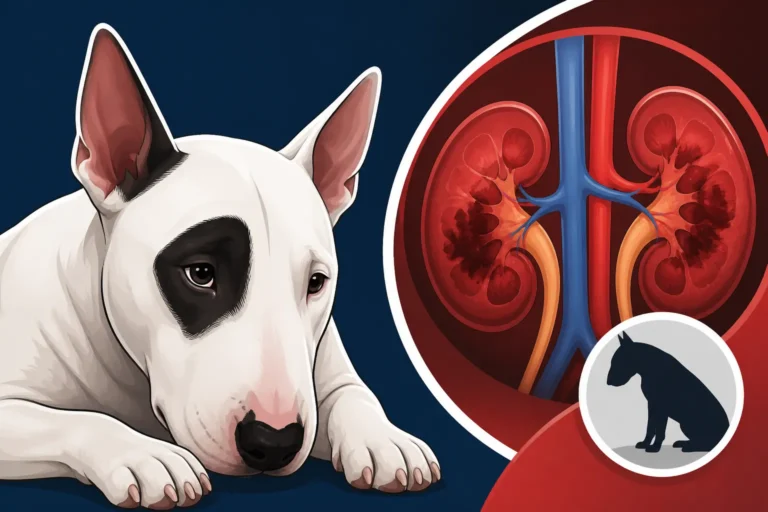
Changes in appetite, thirst, and elimination patterns are often significant indicators of an aging Bull Terrier's health. An increased thirst, for instance, could be a symptom of kidney issues, a common concern for the breed, making The Yearly Urine Test Every Bull Terrier Owner Should Book even more critical. Conversely, a decreased appetite could signal dental pain, stomach upset, or more serious underlying illness. It's important to differentiate between a healthy, deliberate eater and a dog who is genuinely refusing food.
You might also notice changes in their bathroom habits, such as more frequent urination, struggling to hold it for as long, or even occasional accidents inside the house. While some of this is due to aging muscles, it could also point to urinary tract infections, kidney disease, or diabetes. Any persistent changes in these areas warrant a prompt visit to the veterinarian. They will likely recommend a comprehensive senior panel, which often includes bloodwork and urine analysis to check for Signs a Bull Terrier's Kidneys Are Failing and other common ailments.
The Emotional and Behavioral Landscape
Beyond the physical and cognitive, your Bull Terrier's emotional and behavioral world also evolves as they age. Their distinct personality, that wonderful "three-year-old in a dog suit" charm, will still be there, but it might express itself differently. Understanding these shifts helps you provide the emotional support and stable environment they need to thrive in their senior years. This is a time for even deeper bonding and appreciation of their unique character.
Increased Need for Comfort and Security
As Bull Terriers age, many become more dependent and seek increased comfort and security from their human companions. You might find them becoming more clingy, following you from room to room more often, or wanting to be in physical contact with you whenever possible – leaning against you, resting their head on your lap, or even insisting on sleeping closer to you than before. This increased need for closeness is a natural response to feeling more vulnerable as their senses and physical capabilities decline.
Providing them with extra comfort, such as an orthopedic bed in a quiet, draft-free spot, or ensuring they have easy access to their favorite resting places, can go a long way. Gentle reassurance and a consistent presence will help them feel safe and loved. This isn't a sign of weakness; it's a testament to the strong bond you share, and their trust in you to provide for their evolving needs.
Shifts in Tolerance and Temperament
While Bull Terriers are known for their playful and often tolerant nature, an aging Bull Terrier might have less patience for rambunctious play from younger dogs or energetic children. Their reduced mobility, increased aches and pains, or even changes in hearing/vision can make them less tolerant of sudden movements, loud noises, or persistent pestering. What was once playful nipping might now be a warning growl because they are uncomfortable or in pain.
It's crucial to supervise interactions between your senior Bull Terrier and younger family members or other pets. Teach children to respect their space and understand that a resting senior dog shouldn't be disturbed. For interactions with other dogs, choose calm, well-mannered companions for playdates, and always have an escape route if things get too boisterous. Prioritize their comfort and set them up for success by managing their environment. Considering resources like A Bull Terrier with Children and A Bull Terrier with Other Dogs can help manage these interactions responsibly.
Maintaining Mental Engagement
Even as their physical activity decreases, maintaining mental engagement is vital for an aging Bull Terrier. A bored mind can lead to anxiety, cognitive decline, or unwanted behaviors. This doesn't mean you need high-impact activities; rather, focus on gentle, enriching tasks. Puzzle toys, as mentioned before, are excellent. Scent games, where they have to find hidden treats, can tap into their natural instincts without putting strain on their body.
Short, positive training sessions, reviewing basic cues or teaching new, simple tricks, can keep their minds sharp and reinforce your bond. Consider if Whether an Aging Bull Terrier Still Spins is something they still do; if so, gentle redirection and mental tasks might be helpful. Even simply going for a slow walk in a new area with lots of interesting smells can be a fantastic mental workout. Remember, a stimulated mind is a happy mind, regardless of age. If you're looking for ways to support your senior pet's changing needs, pet insurance providers like Healthy Paws can be a valuable resource, helping to cover unexpected vet costs as you manage age-related health concerns.
Common Senior Bull Terrier Changes and Their Implications
Here’s a quick overview of some common changes you might see in your Bull Terrier after eight years of age, and what they could mean for their health and care. This table is a simplified guide to help you recognize signs, but it’s always important to consult your veterinarian for a professional diagnosis and treatment plan.
| Change Observed | Possible Implications (Always Consult Vet) | Recommended Action |
|---|---|---|
| Increased Napping/Lower Energy | Normal aging, arthritis, heart disease, thyroid issues, anemia, kidney disease, pain. | Vet check-up for underlying conditions, ensure comfortable resting spots. |
| Stiffness/Difficulty Moving | Arthritis, joint pain, neurological issues, muscle weakness. | Vet examination, pain management, joint supplements, weight management, gentle exercise. |
| Changes in Appetite | Dental disease, kidney disease, liver disease, digestive upset, cancer, discomfort, cognitive dysfunction. | Vet examination, dental check, diet adjustment, appetite stimulants if needed. |
| Increased Thirst/Urination | Kidney disease, diabetes, urinary tract infection, Cushing's disease. | Vet examination, blood tests (What a Bull Terrier's Yearly Bloodwork Should Cover), urine tests (How Often an Aging Bull Terrier's Kidneys Should Be Checked). |
| Weight Gain/Loss | Metabolic slowdown, thyroid issues, kidney disease, dental pain, cancer, digestive issues. | Vet examination, diet adjustment, calorie control, ensure adequate nutrition. |
| Disorientation/Anxiety/Behavioral Changes | Canine Cognitive Dysfunction (CCD), pain, vision/hearing loss, anxiety disorders. | Vet examination, discuss CCD treatments, environmental enrichment, routine consistency. |
| Dull/Thinning Coat, Skin Lumps | Normal aging, allergies, hormonal imbalances, skin infections, tumors (benign or malignant). | Vet examination, skin biopsy for lumps, dietary supplements, medicated shampoos if needed. |
| Vision/Hearing Decline | Normal aging, cataracts, glaucoma, ear infections, neurological issues, inherited deafness (especially white B.T.s). | Vet examination, adapt environment, use hand signals, avoid startling. |
| Accidents in the House | Urinary tract infection, kidney disease, cognitive dysfunction, arthritis (difficulty getting outside), diabetes. | Vet examination, urine analysis, adjust potty schedule, provide easier access to outdoors. |
As your Bull Terrier steps into their golden years, the most important thing you can do is to be their advocate. Regular veterinary check-ups are no longer just routine; they are critical for detecting and managing age-related conditions early. Discussing their overall health and well-being with your vet, asking about senior-specific diets, and considering supplements for joint health or cognitive function are all part of providing comprehensive senior care. Remember, companies like Healthy Paws exist to help make comprehensive veterinary care more accessible, offering peace of mind when it comes to managing the health journey of your cherished senior Bull Terrier. These years are precious, filled with quiet companionship and unwavering loyalty. Embrace the changes, adapt with love, and cherish every moment with your wonderful old friend. For more on this stage of life, check out Caring for a Bull Terrier Past Eight.
Disclaimer
This article is for general informational purposes only and does not constitute professional advice. Laws, prices and regulations vary by location and change over time. Consult a qualified professional for guidance on your specific situation.