What Most Bull Terriers Die Of
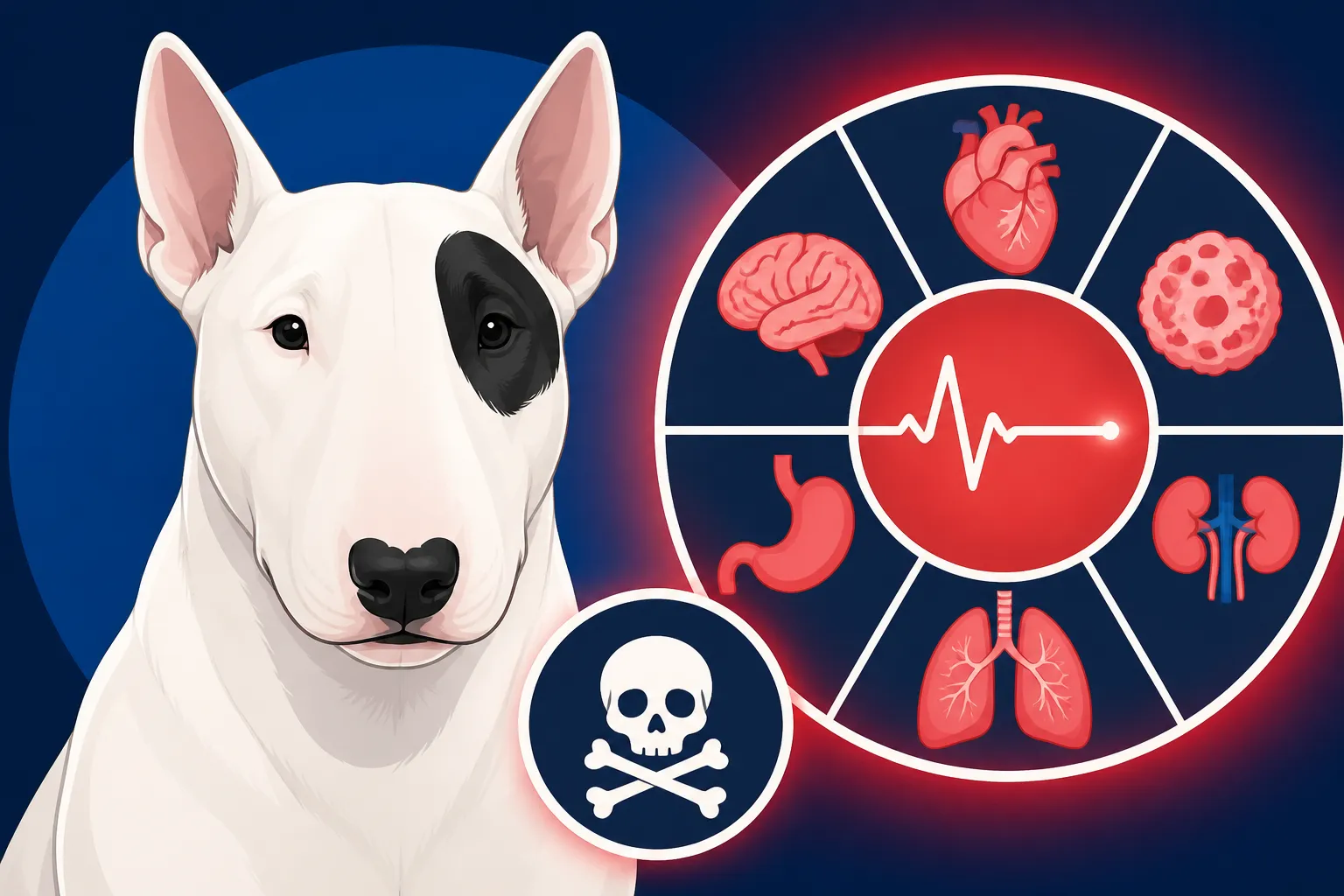
It’s a tough subject to tackle, but something every Bull Terrier owner eventually has to face: understanding the health challenges that can shorten their beloved companion's life. Nobody wants to imagine that day, but being aware of the most common causes of death isn't about inviting dread; it's about being prepared, recognizing early warning signs, and ultimately, giving our quirky, wonderful Bull Terriers the best shot at a long, fulfilling life. This guide will walk you through the primary health concerns that frequently impact their lifespan, helping you become a more informed advocate for your Bull Terrier's well-being.
Kidney Disease: A Silent Threat in Bull Terriers
One of the most devastating and all too common realities for Bull Terrier owners is the prevalence of inherited kidney disease. This isn't just a general kidney issue; it's often a specific, inherited condition that can strike relatively young dogs, robbing them of their prime years. It’s a silent thief, and by the time symptoms become obvious, the damage is often extensive.
Hereditary Nephritis
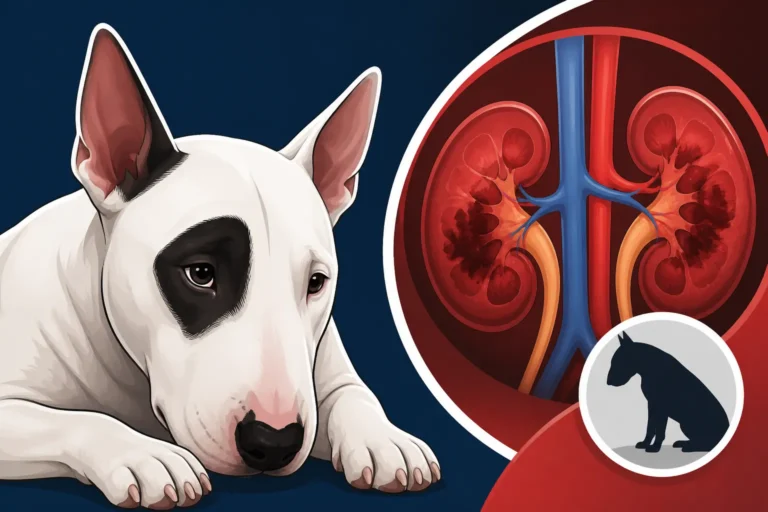
Among the most heartbreaking conditions affecting Bull Terriers is Hereditary Nephritis. This isn't just any kidney problem; it's a specific, genetically inherited disease that progressively destroys the kidneys, often leading to kidney failure at an alarmingly young age. We’re talking about dogs as young as two to five years old, still full of life and mischief, suddenly starting to decline. The disease affects the filtration units of the kidneys, known as glomeruli, preventing them from doing their vital job of filtering waste products from the blood and retaining essential proteins. It’s a cruel twist of genetics for a breed that otherwise bursts with vitality. Owners who've gone through this often describe the despair of watching their vibrant dog slowly fade, despite every effort. This specific condition truly highlights why knowing Hereditary Nephritis Takes Bull Terriers in Their Prime is so critical for prospective and current Bull Terrier owners.
Recognizing the Signs of Kidney Trouble
The insidious nature of kidney disease, particularly Hereditary Nephritis, is that its early signs are incredibly subtle and easily missed, often dismissed as normal dog behavior or slight changes due to age. Initially, you might notice your Bull Terrier drinking more water than usual and, consequently, needing to urinate more frequently. They might start having accidents in the house, which is completely out of character for a house-trained adult dog. As the disease progresses, other symptoms emerge: a noticeable decrease in appetite, weight loss despite eating, lethargy, and a general dullness that’s a far cry from their usual boisterous self. Their breath might even develop a distinct, unpleasant ammonia-like odor. Owners often blame the dog's stubbornness for not eating, or simply think they're having an "off day," not realizing these are critical indicators that something serious is happening internally. Early detection through regular screening, like The Yearly Urine Test Every Bull Terrier Owner Should Book, is paramount because by the time clinical signs are overt, a significant portion of kidney function has often been lost.
Management and Prognosis
While there's no cure for Hereditary Nephritis, early diagnosis and diligent management can significantly improve a Bull Terrier's quality of life and potentially extend it. The core of management revolves around a specialized renal diet, which is typically lower in protein, phosphorus, and sodium to reduce the workload on the compromised kidneys. Medications might be prescribed to control blood pressure, reduce protein loss in the urine, and manage other symptoms like nausea or anemia. Fluid therapy, either subcutaneous at home or intravenous at the vet, often becomes necessary as the disease progresses to combat dehydration and flush toxins. It’s a marathon, not a sprint, requiring constant monitoring, regular vet visits, and a commitment to meticulous care. Despite all these efforts, the prognosis for Bull Terriers with advanced Hereditary Nephritis remains guarded. This disease is progressive, and sadly, it's one of the leading reasons why What Hereditary Nephritis Does to a Bull Terrier ultimately leads to a shortened lifespan for many Bull Terriers. Investing in a good pet insurance plan, like one from Healthy Paws, can be an absolute lifesaver when facing the extensive costs of managing such a chronic illness, allowing owners to focus on their dog’s care rather than worrying about mounting vet bills.
Heart Conditions: The Unseen Weakness
Beyond their quirky looks and spirited personalities, Bull Terriers can also carry a genetic predisposition to certain heart conditions that, much like kidney disease, can shorten their lives. These aren't always immediately obvious, making regular screenings and vigilance crucial for owners.
Mitral Valve Dysplasia and Aortic Stenosis
Two of the most common and serious heart conditions seen in Bull Terriers are Mitral Valve Dysplasia (MVD) and Aortic Stenosis (AS). Mitral Valve Dysplasia involves an abnormality in the mitral valve, one of the heart's crucial valves that regulates blood flow between the left atrium and left ventricle. When this valve doesn't close properly, blood leaks backward, causing the heart to work harder and eventually leading to enlargement and congestive heart failure. It’s like a faulty pump in a critical system, slowly breaking down under the strain. What Mitral Valve Dysplasia Does to a Bull Terrier can range from mild murmurs to severe heart failure.
Aortic Stenosis, on the other hand, involves a narrowing of the aorta, the main artery that carries blood from the heart to the rest of the body. This narrowing forces the heart to pump much harder to get blood out, again leading to strain and potential heart failure. Both conditions can progress silently for a while, with dogs showing no outward signs until the disease is quite advanced. Imagine a strong, energetic Bull Terrier suddenly struggling to keep up on walks, or developing a persistent cough—these can be terrifying indicators of underlying heart issues.
Early Detection Through Screening
The key to managing heart conditions in Bull Terriers, or at least understanding their presence, lies in early and consistent screening. A simple stethoscope check by your veterinarian at every annual exam is the first step; they'll be listening for heart murmurs, which are often the first audible sign of an underlying issue. If a murmur is detected, especially in a young Bull Terrier, further investigation is absolutely critical. This usually means a referral to a veterinary cardiologist for a thorough echocardiogram. An echo is an ultrasound of the heart that allows the specialist to visualize the heart's structure, measure blood flow, and identify specific abnormalities like MVD or AS. When a Bull Terrier Should Have an Echocardiogram is often recommended as early as puppyhood, and certainly before breeding, to catch these potentially life-threatening conditions. Without these screenings, many heart problems go undetected until the dog is in crisis, at which point treatment options may be more limited and the prognosis poorer. Regular check-ups, especially in a breed known for these issues, are not just routine; they are life-saving.
Living with a Heart Condition
Receiving a diagnosis of a heart condition like MVD or AS can be incredibly daunting for a Bull Terrier owner. However, it's important to remember that a diagnosis doesn't mean an immediate end. Depending on the severity and stage of the disease, various treatments can help manage symptoms and improve your dog's quality of life. This often includes a regimen of medications to help the heart function more efficiently, control fluid buildup, and reduce blood pressure. Dietary modifications, such as low-sodium foods, can also be beneficial. Lifestyle adjustments, like limiting strenuous exercise and avoiding overheating, become crucial to prevent putting undue stress on the heart. Regular follow-up appointments with a cardiologist, often including repeat echocardiograms, are vital to monitor the disease's progression and adjust medication as needed. It’s a commitment to ongoing care, but seeing your Bull Terrier still enjoying walks, snuggles, and their favorite toys, even with a heart condition, makes it all worthwhile. Pet insurance from providers like Healthy Paws can significantly ease the financial burden of these ongoing specialist consultations and costly medications, ensuring your Bull Terrier gets the consistent care they need without breaking the bank.
Cancer: The Universal Foe
Cancer, unfortunately, is a concern for many dog breeds, and Bull Terriers are no exception. While not as uniquely prevalent for certain specific types as kidney or heart disease might be, cancer remains a significant cause of death, especially as Bull Terriers age.
Types of Cancer Prevalent in Bull Terriers
Like humans, dogs can develop a wide array of cancers, and Bull Terriers are susceptible to many of them. While there isn't one single "Bull Terrier cancer" that stands out above all others, several types are commonly diagnosed. Lymphoma, a cancer of the lymphatic system, is a frequent diagnosis, often presenting as enlarged lymph nodes that you might feel under your dog's jaw, in their armpits, or behind their knees. Mast cell tumors, which originate from mast cells in the skin or internal organs, are also common. These can range from benign bumps to aggressive malignancies. Osteosarcoma, an aggressive bone cancer, is another devastating diagnosis, particularly in larger breeds and sometimes seen in Bull Terriers. Hemangiosarcoma, a highly malignant cancer of blood vessel lining, often affecting the spleen, liver, or heart, can also occur, sometimes leading to sudden, catastrophic internal bleeding. Understanding Which Cancers a Bull Terrier Gets can help owners be more vigilant about unusual lumps or changes in behavior.
Warning Signs and Early Intervention
Catching cancer early is crucial for the best possible prognosis, yet the signs can be maddeningly vague. As a Bull Terrier owner, you are your dog's best advocate. Pay close attention to any new lumps or bumps, especially if they grow rapidly or change in appearance. Don't assume a lump is benign; get it checked out by your vet. Other subtle signs include unexplained weight loss, a persistent cough, lameness that doesn't resolve, changes in appetite or eating habits, difficulty breathing, changes in urination or defecation, or any unusual bleeding or discharge. Lethargy or a decrease in their usual playful energy, while common with many illnesses, should also prompt a vet visit, particularly in an older Bull Terrier. Because Bull Terriers are often stoic, they can hide discomfort well, so a change in their routine or demeanor, no matter how small, warrants investigation. The earlier a diagnosis is made, the more treatment options are typically available, potentially extending their life and improving their comfort.
Treatment Options and Quality of Life
The treatment plan for cancer in a Bull Terrier, just like in humans, depends heavily on the type of cancer, its stage, and the dog's overall health. Options often include surgery to remove tumors, chemotherapy, radiation therapy, or a combination of these. Sometimes, palliative care focused on pain management and maintaining quality of life is the most humane approach, especially for aggressive or advanced cancers. The decision-making process can be incredibly challenging, balancing potential side effects of treatment against the benefits and the dog's comfort. Many owners opt for specialist veterinary oncologists who can provide the most current and effective treatments. It's a journey that demands significant emotional and financial commitment. While it’s difficult to face, focusing on their comfort and maximizing their remaining happy days is paramount. This can be where the comprehensive coverage from pet insurance like Healthy Paws truly shines, as cancer treatments can be incredibly expensive, running into thousands of dollars, making advanced care accessible when it might otherwise be out of reach.
Neurological Issues: More Than Just Spinning
Bull Terriers are known for their unique personalities, and sometimes, their quirks can be indicative of underlying neurological issues that can impact their health and lifespan. While some behaviors might seem endearing, others warrant serious investigation.
Tail Chasing and Other Compulsive Behaviors
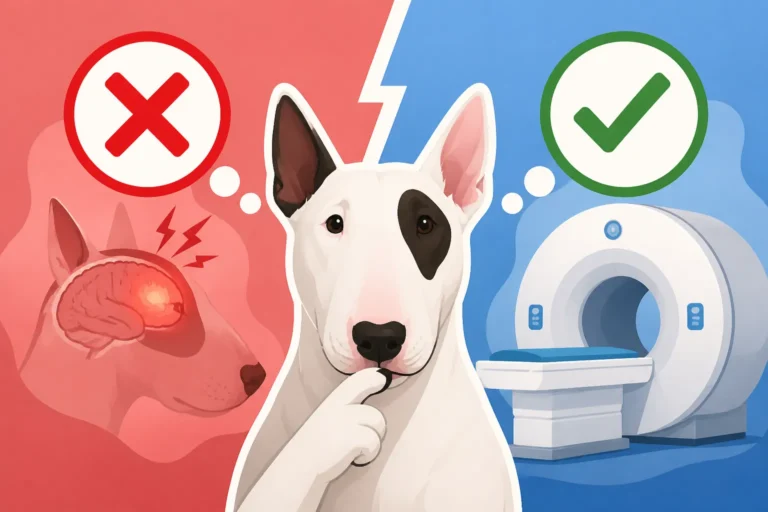
Ah, the Bull Terrier spin! While a quick, happy spin is a common sight in this breed, chronic, incessant tail chasing is a serious concern that goes far beyond a cute quirk. This behavior, often seen as obsessive compulsive disorder (OCD) in Bull Terriers, can manifest as frantic, repetitive spinning, sometimes to the point of self-mutilation, exhaustion, or being completely unresponsive to their environment. It’s not just a behavioral problem; research suggests a neurological basis, with similarities to seizure activity in some cases. Owners describe dogs that will spin for hours, often in a trance-like state, unable to break out of the cycle. This isn't normal playtime; it's a profound welfare issue. Not only can the dog injure itself by chewing its tail raw, but the mental distress and constant activity can take a heavy toll on their overall health. Understanding Why a Bull Terrier Chases Its Tail and recognizing when it's moved from playful to pathological is critical for seeking veterinary help.
Epilepsy and Seizures
Beyond tail chasing, Bull Terriers are also prone to epilepsy, a neurological disorder characterized by recurrent, unprovoked seizures. These seizures can range from mild "absence" seizures, where the dog might seem to stare blankly or have subtle muscle tremors, to full-blown grand mal seizures involving loss of consciousness, uncontrolled thrashing, drooling, and involuntary urination or defecation. It's a terrifying experience for any owner to witness, and knowing Whether a Bull Terrier Gets Epilepsy is important for early intervention. The frequency and severity of seizures can vary greatly. While epilepsy itself isn't usually a direct cause of death, severe or frequent seizures can lead to complications, status epilepticus (prolonged seizures), or cluster seizures that necessitate emergency veterinary intervention and can be dangerous. The ongoing management of epilepsy involves medication, usually anticonvulsants, administered consistently to control seizure activity. This commitment to medication and monitoring is lifelong for affected dogs.
Impact on Lifespan and Management
While tail chasing and epilepsy might not directly kill a Bull Terrier, their indirect impact on lifespan and quality of life is significant. Chronic stress from compulsive behaviors, injuries from self-mutilation, and the side effects of long-term medication for epilepsy can all affect a dog's overall health. Dogs with severe tail chasing can be difficult to manage, leading to rehoming in some cases, which is stressful for the dog. For epileptic Bull Terriers, maintaining a consistent medication schedule is vital, and owners need to be prepared for the possibility of emergency vet visits if seizures are severe or prolonged. These conditions often require a multifaceted approach involving medication, environmental enrichment, behavior modification, and sometimes even dietary changes. Specialized veterinary neurological care can be costly, making pet insurance a valuable consideration for Bull Terrier owners who want to provide the best possible care for these complex conditions. The goal is always to reduce the frequency and severity of episodes, allowing the Bull Terrier to live as normal and happy a life as possible. If you observe your Bull Terrier excessively spinning, it's essential to understand that Tail Chasing in a Bull Terrier Is a Medical Problem and requires professional veterinary assessment.
Gastrointestinal Emergencies: The Sudden Risks
Some health crises strike without warning, turning a perfectly normal day into a frantic rush to the emergency vet. For Bull Terriers, certain gastrointestinal issues can be rapidly life-threatening, making owner awareness and quick action absolutely paramount.
Bloat (Gastric Dilatation-Volvulus)
Gastric Dilatation-Volvulus (GDV), commonly known as bloat, is one of the most terrifying emergencies a dog owner can face. It happens when the stomach fills with gas and then twists on itself, trapping both food and gas, and cutting off blood flow to the stomach and sometimes the spleen. It's not just discomfort; it’s a rapidly progressing, excruciating condition that is fatal if not treated surgically within hours. While bloat can affect any deep-chested dog breed, Bull Terriers can be susceptible. The signs come on quickly: a distended abdomen that feels hard to the touch, unproductive retching (trying to vomit but nothing comes up), restlessness, pacing, excessive drooling, and signs of pain or discomfort. The dog might look anxious or try to hide. Owners often describe the speed with which their dog goes from seemingly fine to critically ill. Understanding Whether a Bull Terrier Bloats is crucial for immediate action. Time is of the essence; if you suspect bloat, get to an emergency vet immediately. There's no waiting it out.
Intestinal Obstructions and Foreign Bodies
Bull Terriers are notoriously oral dogs – they love to chew, and sometimes, things end up where they shouldn't. Swallowing foreign objects, whether it's a piece of a toy, a sock, or even part of a blanket, can lead to a dangerous intestinal obstruction. These objects can get lodged anywhere along the digestive tract, preventing food and waste from passing, and potentially causing damage to the intestinal wall, leading to perforations and peritonitis (a severe abdominal infection). The symptoms can vary depending on the location and size of the obstruction but commonly include repeated vomiting, loss of appetite, lethargy, abdominal pain, and straining to defecate without success. Sometimes a dog might pass some stool initially, giving a false sense of security, before the obstruction becomes complete. This is another situation where prompt veterinary attention is vital; often, surgery is required to remove the foreign body. The longer an obstruction goes untreated, the higher the risk of severe complications and a poorer prognosis.
Preventative Measures
Preventing these gastrointestinal emergencies often involves a combination of careful management and vigilance. For bloat, measures include feeding multiple smaller meals a day instead of one large one, using a slow-feeder bowl, avoiding strenuous exercise immediately before or after meals, and considering a prophylactic gastropexy (surgically tacking the stomach to the abdominal wall) for high-risk individuals, especially if they are already undergoing another abdominal surgery like spaying. When it comes to foreign bodies, the best prevention is supervising your Bull Terrier closely, providing appropriate, durable chew toys that can withstand their powerful jaws, and "Bull Terrier-proofing" your home. This means keeping tempting items like socks, underwear, small toys, and anything they might ingest out of reach. Regularly inspect their toys for signs of wear and tear, replacing them before they become a choking or ingestion hazard. While we can’t eliminate all risks, being proactive can significantly reduce the chances of these sudden, life-threatening emergencies.
What to Expect as Your Bull Terrier Ages
While many of the conditions we've discussed can strike at any age, certain health challenges become more prevalent as your Bull Terrier enters their senior years. Just like us, old age brings its own set of considerations.
Common Ailments in Senior Bull Terriers
As our Bull Terriers transition into their golden years, typically around The Ten to Fourteen Years a Bull Terrier Gets, their bodies, like ours, start to show the wear and tear of a full life. Degenerative joint disease, or arthritis, is very common. You might notice them moving slower, struggling to get up after a nap, or having difficulty with stairs. Their eyesight and hearing can start to decline, making them a little more startled or confused. Dental disease often becomes more pronounced, leading to pain, difficulty eating, and potential systemic infections if left untreated. Older Bull Terriers are also more susceptible to developing various types of cancer, with their immune systems not quite as robust as they once were. Just as with younger dogs, the kidneys and heart can continue to be sources of concern, and existing conditions might progress. Caring for a Bull Terrier Past Eight often means a shift in focus from prevention to management of chronic conditions, ensuring comfort and quality of life.
The Role of Regular Senior Check-ups
The importance of regular veterinary check-ups only increases as your Bull Terrier ages. While an annual check-up might suffice for a younger adult dog, many veterinarians recommend bi-annual (every six months) wellness exams for senior dogs. These visits allow your vet to closely monitor any changes in health, catch potential problems early, and adjust care plans as needed. These check-ups typically include a thorough physical examination, blood work (including a complete blood count and chemistry panel to assess organ function), and a urinalysis. The yearly urine test is especially critical for Bull Terriers, as kidney function can decline silently. Your vet might also recommend blood pressure checks, thyroid screenings, and specific diagnostic imaging if warranted by their physical exam findings. These routine checks are invaluable for identifying issues like the subtle signs of kidney disease, early indicators of cancer, or the progression of heart conditions before they become critical, thereby improving the chances of successful management and maintaining a good quality of life for your senior Bull Terrier.
Supporting a Senior Bull Terrier's Quality of Life
Ensuring a high quality of life for an aging Bull Terrier means making thoughtful adjustments to their environment and routine. This might involve providing orthopedic beds to cushion aching joints, using ramps or steps to help them access furniture or vehicles, and ensuring their environment is easy to navigate as their sight or hearing declines. Mental stimulation is still vital; gentler puzzle toys and short, sniffing walks can keep their minds engaged without overtaxing their bodies. Dietary changes may be necessary, switching to senior-specific foods that are easier to digest and provide appropriate nutrient balances for aging bodies. Pain management, often through prescription medications, joint supplements, or even alternative therapies like acupuncture or laser therapy, can dramatically improve their comfort and mobility. The goal is to celebrate every moment with them, providing comfort, companionship, and diligent care, allowing them to enjoy their twilight years with dignity and happiness. Even with the best care, it's inevitable that our beloved companions will eventually leave us, but knowing you've done everything possible to support their health journey provides immense comfort.
| Cause of Death | Typical Age of Onset | Key Warning Signs | Management/Treatment Focus |
|---|---|---|---|
| Kidney Disease | Young Adult to Senior | Increased thirst/urination, lethargy, weight loss, poor appetite | Renal diet, blood pressure meds, fluid therapy |
| Heart Disease | Puppyhood to Adult | Coughing, decreased exercise tolerance, fainting, lethargy | Medications, low-sodium diet, exercise restriction |
| Cancer | Middle Age to Senior | Lumps/bumps, unexplained weight loss, lameness, lethargy, breathing changes | Surgery, chemotherapy, radiation, palliative care |
| Neurological Issues | Young Adult to Middle Age | Repetitive tail chasing, seizures, disorientation, tremors | Medication (anti-convulsants), behavior modification, enrichment |
| Bloat (GDV) | Any Age (more common in adults) | Distended abdomen, unproductive retching, restlessness, drooling | Emergency Surgery (critical) |
| Foreign Body Obstruction | Any Age | Vomiting, loss of appetite, abdominal pain, straining | Emergency Surgery (critical) |
Disclaimer
The information provided in this guide is intended for educational purposes only and should not be considered a substitute for professional veterinary advice. Always consult with a qualified veterinarian for any health concerns or before making any decisions about your Bull Terrier's medical care.