How to Check a Bull Terrier’s Skin Weekly
One of the most common frustrations Bull Terrier owners face is trying to stay ahead of skin issues. Our beloved, sturdy companions, especially the white ones, often have surprisingly sensitive skin that can quickly go from a minor itch to a full-blown problem if not caught early. This guide will walk you through establishing a comprehensive weekly skin check routine, helping you spot potential issues before they escalate and ensuring your Bull Terrier stays as comfortable and healthy as possible.
Why Your Bull Terrier's Skin Needs Special Attention
Bull Terriers, with their short, often sparse coats and delicate underlying skin, aren't like some other breeds that have a thick furry buffer against the world. Their skin is, frankly, often their Achilles' heel, making a proactive approach to care not just beneficial, but absolutely essential.
The Unique Sensitivities of Bull Terrier Skin
It's a common misconception that because a Bull Terrier has a short coat, their skin is inherently tough. The reality is quite the opposite. Many Bull Terriers, particularly those with a pure white coat, have very fair, pink skin beneath that sleek exterior. This thin skin is much more susceptible to environmental irritants, sun damage, and allergens. Unlike breeds with dense undercoats, Bull Terriers don't have that extra layer of protection, meaning irritants can reach their skin more easily.
Beyond the physical vulnerability, Bull Terriers are also genetically predisposed to certain dermatological conditions. Allergies, both environmental and food-related, are incredibly common. We also see conditions like zinc-responsive dermatosis in some lines, which can manifest as dry, flaky skin, particularly around the eyes, mouth, and pressure points. Understanding that A Bull Terrier's Skin Is Its Weakest Point is the first step toward becoming a vigilant advocate for your dog's health. The lighter their coat, the more important it is to consider how exposed their skin truly is. For instance, Why a White Bull Terrier Sunburns isn't just about their nose; their entire pink underbelly and less densely coated areas are at risk.
Early Detection: A Game Changer for Skin Health
Think of a small scratch on your own skin. You might ignore it, but if it gets infected or you keep scratching it, it can become a much bigger, more painful problem. The same principle applies to your Bull Terrier's skin, but often with faster escalation. What starts as a tiny red bump from a flea bite can, through diligent scratching or licking, quickly turn into a raging hot spot, an open wound, or a secondary bacterial infection.
Early detection means you can address issues when they are minor, often with simple topical treatments or dietary adjustments, rather than facing a prolonged, uncomfortable, and potentially expensive course of veterinary care. Catching problems early can prevent unnecessary suffering for your dog, save you significant stress and vet bills, and help maintain their overall quality of life. A weekly check-up allows you to establish a baseline for your individual dog, so any deviation—a new bump, a change in coat texture, a sudden patch of redness—stands out immediately. It's not about being obsessive; it's about being observant.
Setting Up Your Weekly Skin Check Routine
Making a weekly skin check a regular part of your Bull Terrier's care doesn't have to be a chore. With a little planning and consistency, it can become a bonding experience that benefits both you and your dog. The key is to create a positive, predictable routine.
Choosing the Right Time and Environment
Consistency is paramount. Pick a day and time each week that you can reliably dedicate to this task without feeling rushed. For many, a quiet evening when the house is settled, or a lazy Sunday afternoon works best. The goal is to make it a calm, comfortable experience for your Bull Terrier, not something they dread. Choose a well-lit area where you can clearly see their skin and coat. Natural daylight is ideal, but a bright lamp can also work wonders, especially for checking less accessible areas.
Creating a positive environment is crucial. Lay down a soft blanket or bed where your Bull Terrier can relax. Have plenty of their favorite high-value treats on hand. Speak in a calm, soothing voice, and reward them frequently throughout the process, even if it's just for holding still for a few seconds. The more positive associations you build, the more cooperative they will be, turning what could be a stressful examination into a pleasant interaction.
Gathering Your Essential Tools
You don't need a huge arsenal of equipment, but having a few key items readily available will make your weekly check much more efficient and effective.
- Good Lighting: As mentioned, bright, direct light is essential. A headlamp can be surprisingly useful, freeing up your hands and directing light exactly where you need it.
- Magnifying Glass: For those tiny bumps, flecks, or early signs of irritation that are hard to see with the naked eye.
- Soft Brush or Grooming Mitt: To gently part the fur and help you feel for any abnormalities. A rubber curry brush designed for short coats can also help loosen any dander or dead hair, giving you a clearer view of the skin.
- Disposable Gloves (Optional but Recommended): If you're checking areas that might be damp, greasy, or have discharge, gloves can keep things hygienic.
- Treats: Absolutely non-negotiable! High-value treats will keep your Bull Terrier engaged and willing to participate.
- Notebook or Phone for Notes: Keep a running log of anything you find – when it appeared, its location, size, and appearance. This is invaluable information to share with your vet if a problem arises and helps you track changes over time.
- Dog-Safe Wet Wipes or Clean Cloth: For gently cleaning away any minor discharge or debris you might find, allowing for a better view of the skin underneath.
Having these items ready beforehand means you can focus entirely on your dog and the examination, without interruptions.
A Head-to-Tail Guide for Your Bull Terrier's Skin Exam
Approaching your Bull Terrier's skin check systematically, from head to tail, ensures you don't miss any critical areas. Be gentle but thorough, using your fingers to feel for changes as well as your eyes to spot them.
Starting at the Head: Ears, Muzzle, and Eyes
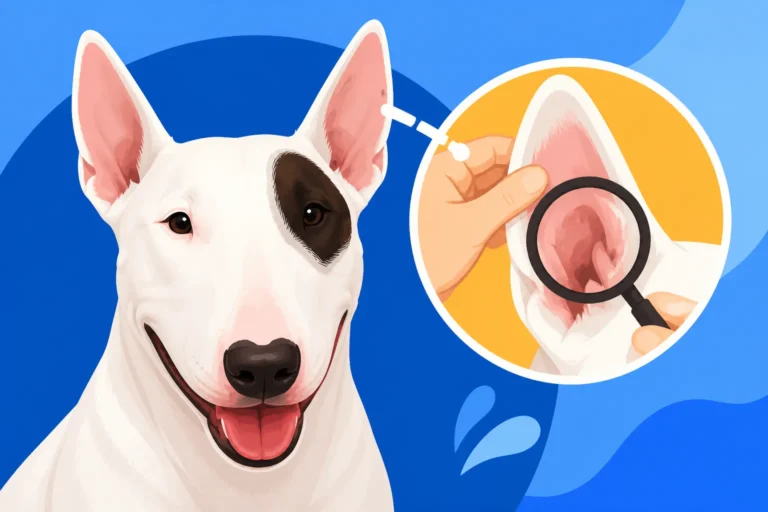
Begin with the head, as it's often an area Bull Terriers are more accustomed to being handled. Carefully examine their ears, both the outer flap and, gently, the inner canal. Look for redness, swelling, discharge (black, brown, or yellow), crusting, or any unusual odor. Healthy Bull Terrier ears should be clean, pale pink, and free of strong smells. Many Bull Terriers are prone to ear infections, often linked to allergies, so regular checks are vital. You might also find it helpful to review How Often a Bull Terrier's Ears Need Checking to get a better sense of frequency.
Next, move to their muzzle and around their lips. Check for acne, redness, or moist dermatitis, which can sometimes occur in the folds of their lips or chin. Examine their eyes carefully. Look for any discharge, excessive tearing, redness in the whites of the eyes, or crusting around the eyelids. Signs a Bull Terrier's Eye Is Irritated can be subtle, so pay close attention to any changes from their normal bright, clear appearance. Gently lift their upper lip to check their gums and teeth, and briefly look at the skin on their nose for dryness, cracks, or crusts.
Neck, Shoulders, and Chest: The Roll Call
After the head, move to the neck. Run your hands over their throat and collar area, feeling for any lumps, bumps, or tender spots. Collars can sometimes rub and create irritation, so inspect closely underneath where the collar sits. Then, systematically check their shoulders and chest. These areas can be prone to pressure sores if your Bull Terrier spends a lot of time lying on hard surfaces, or rashes if they've brushed against something irritating outdoors.
Don't forget the armpits! This is a common spot for skin folds and moisture to accumulate, creating a perfect breeding ground for yeast or bacterial infections. Look for redness, stickiness, or a yeasty smell. Gently lift each leg to expose the armpit fully. Also, run your hands down their front legs, checking for any calluses on their elbows, which are quite common in Bull Terriers due to their muscular build and propensity to flop down on hard floors.
Body and Belly: The Large Canvas
Now, for the main event: their body and belly. Systematically part their short fur with your hands or a soft brush, working section by section from neck to tail. Look for any areas of redness, flaky skin, pustules, scabs, or bald patches. Run your hands firmly but gently over their entire torso, feeling for any unusual lumps, bumps, or changes in skin texture. Some growths can be hidden beneath the fur, even a short coat.
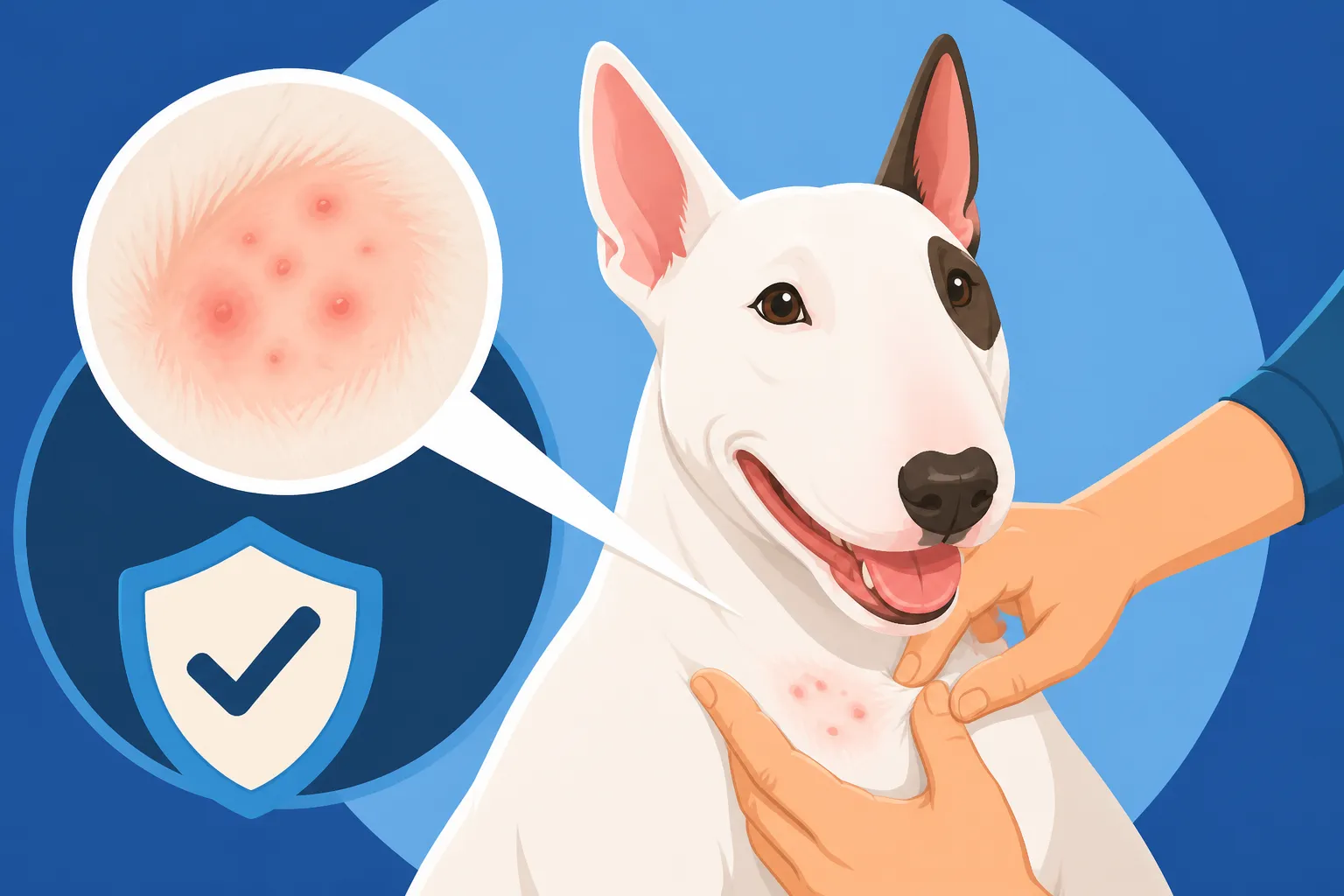
Pay particular attention to their belly and groin area. This is where you'll often see the characteristic pink skin of many Bull Terriers, which is highly susceptible to irritation and sunburn. Check for rashes, tiny red dots (often flea bites), or areas of discoloration. If you have a white Bull Terrier, Why a White Bull Terrier's Skin Is Pink means you absolutely must be vigilant about sun exposure on their belly. Any dark spots that are new or changing should be noted. Reviewing How to Spot a Sun Damaged Patch on a Bull Terrier can help you differentiate between normal pigmentation and concerning changes. Don't forget their flank folds, where moisture can get trapped and lead to issues.
Legs and Paws: Ground Zero for Irritation
The legs and paws are crucial areas to inspect, as they are constantly interacting with the environment and are prime locations for allergies and irritations to manifest. Start with the front legs, examining each limb thoroughly. Look for any redness, swelling, or calluses on their joints. Pay very close attention to their paws. Separate each toe and inspect the skin between the paw pads. This area is notorious for collecting debris, harboring allergens, or developing interdigital cysts or infections.
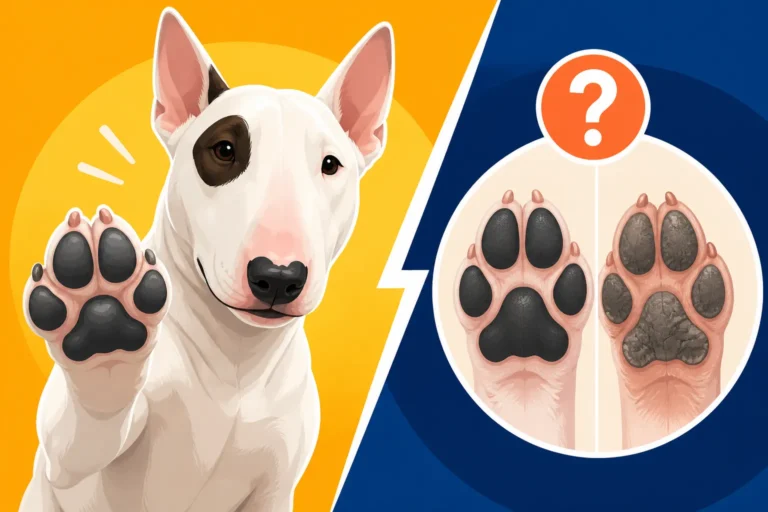
Check the paw pads themselves for cracks, cuts, or excessive dryness. Bull Terriers love to run and play, and their pads can take a beating. Observe if there's any staining on the fur around their toes – often a sign of excessive licking, which points to itching or irritation. Many Bull Terriers, particularly those with environmental allergies, will constantly lick or chew their paws. If you notice this, it's a strong indicator to investigate further, as Whether a Bull Terrier's Feet Itch is a very common complaint. Don't forget to check their nails for any cracks or overgrowth, though this is less about skin and more about overall paw health. Repeat this thorough inspection for their hind legs and paws.
Tail and Rear: Don't Forget the Hidden Spots
Finally, move to the tail and rear. Lift their tail and examine the skin underneath, around the anus. Look for any redness, inflammation, or signs of irritation, which could indicate issues with anal glands or allergies. Check the base of the tail and along its length for any scabs, bumps, or areas of hair loss. Bull Terriers can sometimes get "happy tail" syndrome from wagging their sturdy tails against hard surfaces, leading to splits or injuries, so look for any nicks or scabs, especially on the tip. Why a Bull Terrier's Tail Tip Splits is a specific problem worth noting.
Also, check the skin around their hocks (the ankle-like joint on their back legs), another area prone to calluses or rubbing if they have a favorite sleeping position. A comprehensive, systematic approach like this ensures that no part of your Bull Terrier's precious skin goes unchecked, giving you the best chance of catching problems early.
What to Look For: Identifying Potential Skin Problems
Knowing how to look is only half the battle; knowing what to look for is equally important. Many common Bull Terrier skin issues present with distinct visual cues. Becoming familiar with these signs will empower you to act quickly.
Redness, Rashes, and Inflammation
One of the most immediate signs that something isn't right is redness or inflammation. This can range from a faint pink blush on their white belly to angry, bright red patches. Rashes can appear as tiny red bumps, blotches, or even hive-like raised areas. Inflammation often accompanies redness, making the skin appear swollen or puffy to the touch.
Common culprits behind redness and rashes in Bull Terriers include allergic reactions, either to environmental allergens like pollen or dust mites, or to ingredients in their food. Flea bites are also a very frequent cause, even if you don't see the fleas themselves. Contact dermatitis from chemicals, certain plants, or even detergents can also cause localized redness. What a Bull Terrier Is Most Often Allergic To can give you an idea of the common triggers. Redness that is accompanied by warmth to the touch, or that spreads rapidly, is a definite red flag. Be especially vigilant for the early signs of a "hot spot" – a rapidly spreading, raw, weeping lesion that usually begins as intense itching and subsequent self-trauma. If left unchecked, Whether a Bull Terrier Gets Hot Spots is a question many owners unfortunately answer with a resounding yes.
Bumps, Lumps, and Lesions
While Bull Terriers are generally a muscular breed, any new lump or bump on their skin warrants attention. These can vary greatly in appearance and feel. You might find:
- Small Pustules or Pimples: Often indicative of bacterial infection, sometimes seen with canine acne or folliculitis.
- Scabs or Crusting: These can be from healing wounds, dried discharge, or skin infections. Small, flaky scabs might also indicate parasitic infestations like mites.
- Warts or Skin Tags: Benign growths, common as dogs age, but still worth noting and monitoring.
- Cysts: Sacs filled with fluid or semi-solid material, often benign, but can become infected.
- Nodules or Masses: These are typically firmer lumps and can be anything from benign fatty tumors (lipomas) to more serious concerns like mast cell tumors.
The key is to note its size, shape, texture, and whether it's fixed or movable under the skin. Any rapidly growing lump, or one that appears inflamed, painful, or bleeds, should be examined by a vet promptly. Taking a photo and measuring it can help track changes over time.
Hair Loss, Dryness, or Excessive Oiliness
Changes in your Bull Terrier's coat and skin texture are also important indicators. Hair loss, or alopecia, can show up in distinct patches, be generalized thinning, or lead to a completely bald area. Dryness might manifest as flaky skin, dandruff, or a dull, brittle coat. Conversely, excessive oiliness can make their coat feel greasy and may be accompanied by a rancid odor.
Common causes of hair loss include allergies, hormonal imbalances (like hypothyroidism, though less common in Bull Terriers), parasitic infestations such as mites (like Demodex), or fungal infections. Why Demodex Appears on a Bull Terrier Puppy is often linked to an immature immune system, so it's something to watch for. A distinct bald patch that suddenly appears might be stress-related, a reaction to an injection, or a sign of an underlying skin condition. What a Bull Terrier's Bald Patch Means can range from benign to more serious, necessitating vet input. Dry, flaky skin can be due to environmental dryness, dietary deficiencies, or certain skin conditions. Oily skin often points to a yeast or bacterial overgrowth, especially in skin folds.
Unpleasant Odors or Changes in Behavior
Your nose can be a powerful diagnostic tool. A healthy Bull Terrier generally has a mild, "doggy" smell. Any strong, pungent, sweet, or yeasty odor emanating from their skin, ears, or paws is usually a sign of an underlying problem, most commonly a bacterial or yeast infection. These infections thrive in warm, moist environments and often accompany allergic reactions.
Beyond physical signs, changes in your Bull Terrier's behavior are critical clues. Increased scratching, licking, or chewing, especially targeted at specific areas, is a clear sign of discomfort. They might also rub themselves against furniture, scoot their rear on the ground, or seem restless and unable to settle. Lethargy, a decreased appetite, or fever, when combined with skin changes, indicate a more systemic issue and warrant immediate veterinary attention. Your Bull Terrier can't tell you in words that they're itchy, but their actions speak volumes.
When to Call the Vet (and What to Tell Them)
While regular home checks are invaluable, there are definitely times when the situation has moved beyond your capacity to monitor or treat, and professional veterinary help is absolutely necessary. Knowing when to make that call can save your Bull Terrier from unnecessary discomfort and potential complications.
Signs That Warrant Immediate Veterinary Attention
You shouldn't hesitate to contact your veterinarian if you observe any of the following during your weekly skin check, or at any other time:
- Rapid Spread or Worsening: If a rash or lesion is growing quickly, becoming more inflamed, or spreading to other parts of the body within a day or two.
- Severe Pain or Discomfort: If your Bull Terrier is yelping, flinching, or becoming aggressive when you try to touch a particular area of their skin, indicating significant pain.
- Open Sores or Deep Wounds: Any raw, bleeding, or oozing sores, especially if they appear infected (pus, strong odor). Hot spots, in particular, can become painful open wounds very quickly.
- Systemic Signs of Illness: If skin issues are accompanied by other symptoms like lethargy, fever, loss of appetite, vomiting, diarrhea, or excessive thirst/urination. This suggests a more widespread problem, not just a localized skin irritation.
- Non-Healing Lumps or Rapidly Growing Masses: Any new lump that doesn't resolve within a few weeks, or any mass that is noticeably increasing in size.
- Persistent Itching or Licking: If your Bull Terrier is constantly scratching, licking, or chewing themselves to the point of self-trauma, even if you can't see an obvious lesion. Chronic itching is miserable for them.
- Unusual Discharges: Any discharge from the ears, eyes, or skin that is thick, colored (yellow, green, dark brown), or foul-smelling.
Trust your gut feeling. If something just doesn't seem right, even if it's not on this list, it's always better to make a call to your vet and describe what you're seeing. They can advise whether an appointment is needed or offer initial guidance.
Preparing for Your Vet Visit
When you do call the vet or arrive for your appointment, being prepared with clear, concise information will greatly assist them in diagnosing and treating your Bull Terrier. Remember, you are your dog's primary advocate, and detailed observations are incredibly helpful.
- Keep a Log: Refer to the notes you've been taking during your weekly checks. When did you first notice the issue? Has it changed in size or appearance? Has it spread?
- Take Photos: Clear photos, especially close-ups and pictures of the affected area in relation to the rest of the body, can be invaluable. Take pictures in good lighting. If the issue changes day-to-day, photos from different days can show the progression.
- Detail Behavioral Changes: Has your Bull Terrier been more itchy, restless, lethargic, or less interested in food or play? Mention how long these changes have been occurring.
- List Any Home Treatments: Have you tried any over-the-counter creams, shampoos, or dietary changes? Note what you used, when, and if it had any effect (positive or negative).
- Mention Diet and Environment: Be ready to discuss your Bull Terrier's current diet, any treats they receive, and any recent changes to their environment (new cleaning products, new plants, different walking routes, exposure to other animals).
- Be Specific About Location: Point out exactly where the lesion or irritation is on your dog's body.
This information provides a comprehensive history that helps your vet narrow down the possibilities and formulate the most effective diagnostic and treatment plan for your Bull Terrier.
Proactive Measures for Healthy Bull Terrier Skin
Beyond regular checks and knowing when to seek veterinary help, there's a lot you can do in your daily routine to proactively support your Bull Terrier's skin health. Prevention and ongoing care are truly the best medicine.
Diet, Supplements, and Hydration
What goes into your Bull Terrier's body is often reflected on the outside, especially when it comes to skin and coat health. A high-quality, balanced diet is fundamental. Look for foods with easily digestible protein sources and healthy fats. Some Bull Terriers thrive on limited ingredient diets if food sensitivities are suspected. Brands like Ollie offer fresh, human-grade food that can be beneficial for sensitive stomachs and skin.
Omega-3 fatty acid supplements, such as fish oil, are often recommended by veterinarians for skin health. They help reduce inflammation and improve the skin barrier function. You can find good quality supplements on platforms like Chewy or Amazon. However, always consult your vet before adding any new supplements to your dog's regimen, as too much of a good thing can sometimes be detrimental, or it might interact with existing medications. Proper hydration is also crucial; ensure your Bull Terrier always has access to fresh, clean water. Good water intake supports overall cellular health, including skin elasticity and toxin elimination. Ultimately, Whether a Bull Terrier's Skin Improves With Diet is a resounding yes for many, especially those prone to dryness or mild irritation.
Grooming Practices and Environmental Control
Regular grooming doesn't just keep your Bull Terrier looking sharp; it’s a vital component of skin health. While their short coat is low maintenance, weekly brushing with a soft brush or grooming mitt helps remove loose hair, distribute natural oils, and allows you to get a closer look at their skin. Bathing should be done as needed, typically every few weeks or if they get particularly dirty. Over-bathing can strip natural oils and exacerbate dryness, while too infrequent bathing can allow allergens and irritants to build up on the skin.
When bathing, use a gentle, hypoallergenic shampoo specifically formulated for dogs with sensitive skin. Your vet might recommend a medicated shampoo if there's a specific skin issue. Brands available on Amazon often carry a variety of sensitive skin options. Which Shampoo Suits a Bull Terrier's Skin is a personal journey, as every dog is different, but starting with vet-recommended or hypoallergenic options is smart. For white Bull Terriers, sun protection is paramount. Limit sun exposure during peak hours, and consider applying dog-safe sunscreen to vulnerable areas like the nose, ear tips, and belly, especially if they love to sunbathe outdoors. Which Sunscreen Is Safe on a Bull Terrier should be researched carefully, ensuring it’s zinc oxide-free for dogs.
Controlling their environment plays a huge role too. Regularly wash their bedding to reduce allergens like dust mites. Vacuum frequently, especially if your Bull Terrier has environmental allergies. If seasonal allergies are a problem, consider wiping their paws and belly with a damp cloth after walks to remove pollen. Managing these elements collectively creates a healthier environment for your Bull Terrier's skin, reducing the likelihood of flare-ups and keeping them comfortable year-round.
Disclaimer
This article is for general informational purposes only and does not constitute professional advice. Laws, prices and regulations vary by location and change over time. Consult a qualified professional for guidance on your specific situation.