Whether a Bull Terrier’s Pads Wear Down
It’s a common worry for Bull Terrier owners, especially those of us who love to get out and explore with our energetic companions: are those tough-looking paw pads actually holding up? You see your Bull Terrier tearing around on all sorts of surfaces, from rough pavement to sandy trails, and you start to wonder if their built-in shock absorbers are getting too much of a workout. This guide will walk you through everything you need to know about your Bull Terrier's paw pads, why they're so important, what can cause them to wear down, and how you can keep them healthy and happy.
Understanding Your Bull Terrier's Paw Pads: The Built-In Shock Absorbers
Your Bull Terrier's paw pads are incredible pieces of natural engineering, designed to withstand a remarkable amount of stress and provide essential functions for their active lives. They're not just cute little cushions; they're vital for mobility, comfort, and protecting the delicate structures within the paw. But even the toughest pads have their limits, and understanding their role is the first step in keeping them in prime condition.
The Anatomy of a Bull Terrier's Paw Pad
Imagine the sole of your Bull Terrier’s foot. Those thick, leathery pads you see are much more complex than they appear on the surface. They’re primarily made up of adipose tissue, which is essentially fatty tissue, intertwined with a network of elastic fibers, all covered by an incredibly thick layer of keratinized skin – that's the same protein that makes up your fingernails. This unique composition gives them incredible resilience. The fatty tissue acts like a natural cushion, absorbing the impact of every stride, jump, and sudden stop, much like a sneaker’s sole. The elastic fibers allow for flexibility, helping the paw conform to uneven surfaces, while the tough outer skin provides a durable barrier against abrasions and punctures.
These pads aren't just for cushioning, though. They also contain sweat glands, which help regulate paw temperature, especially during intense exercise. And, perhaps most critically, they offer excellent traction, giving your Bull Terrier the grip they need to sprint, turn, and navigate various terrains without slipping. Given that Bull Terriers are known for their enthusiastic bursts of speed and playful antics, having robust, healthy pads is absolutely non-negotiable for their everyday joy and activity. While they might look like they can walk on anything, these pads are robust but certainly not invincible.
Why Paw Pad Health is Crucial for an Active Bull Terrier
For a breed as full of life and boundless energy as the Bull Terrier, the health of their paw pads isn't just a minor detail; it's absolutely fundamental to their overall well-being and quality of life. Think about it: every step, every leap, every playful body slam against you or another dog – it all relies on those pads to absorb the shock and provide stability. If their pads are compromised, whether they're too thin, cracked, or simply worn raw, it impacts everything. A Bull Terrier with sore feet isn't just uncomfortable; they might become reluctant to walk, play, or even stand normally. This can quickly lead to a domino effect of issues, from decreased exercise and subsequent weight gain to behavioral changes due to pain and frustration.
Imagine trying to enjoy a long walk on hot pavement with blisters on your feet; that's essentially what your Bull Terrier might be experiencing if their pads aren't properly cared for. Healthy pads ensure they can run and play without pain, maintain proper posture and gait, and confidently explore their world. Neglecting paw pad health can result in painful injuries like deep cracks, infections, or even lameness, which can be incredibly distressing for both you and your dog. Keeping an eye on their paws and proactively protecting them is just as important as their regular vet check-ups and The Yearly Urine Test Every Bull Terrier Owner Should Book. It’s about ensuring your spirited companion can continue to live their life to the fullest, without being sidelined by sore feet.
Factors That Contribute to Paw Pad Wear and Tear
It’s easy to assume those tough pads can handle anything, but the truth is, many everyday factors can contribute to them wearing down, cracking, or becoming painfully tender. Our Bull Terriers love to be active, and that activity, combined with environmental elements, can take a real toll on their feet over time. Recognizing these culprits is key to preventing problems before they start.
Surface Types and Their Impact
The ground your Bull Terrier walks, runs, and plays on has a profound impact on the wear and tear their paw pads endure. Not all surfaces are created equal, and some can be downright damaging if you're not careful. Think about walking barefoot on hot asphalt versus soft grass – it’s a similar concept for your dog. Hot asphalt and concrete, especially during summer months, can literally burn and blister delicate paw pads, making them thin and tender. Even if not scorching, the abrasive nature of these hard surfaces, like sidewalks and paved trails, acts like sandpaper, slowly grinding down the protective outer layer of the pads with every step. Over time, this constant friction can lead to thinning, roughness, and even cracking.
Rocky trails, gravel driveways, or coarse sand at the beach present a different challenge. These uneven, often sharp surfaces can cause cuts, punctures, and significant abrasion. You might not see a huge problem after one walk, but repeated exposure to such rough terrain can make pads increasingly vulnerable. Conversely, prolonged exposure to extremely cold surfaces, like icy sidewalks, especially if treated with salt or chemical de-icers, can also cause damage. These chemicals can irritate and dry out the pads, leading to cracking and soreness. Even artificial turf, while appearing soft, can heat up significantly in the sun and cause friction burns. Being mindful of the surfaces your Bull Terrier frequents is a critical part of paw pad preservation.
Activity Levels and Duration
Our Bull Terriers are famous for their enthusiasm and seemingly endless energy, which is one of the many reasons we adore them. However, that very exuberance can be a major factor in paw pad wear if not managed thoughtfully. Long walks, especially on hard or abrasive surfaces, day after day, week after week, simply put a lot of mileage on their feet. Imagine running a marathon in the same pair of shoes every day; eventually, the soles would wear thin. The same principle applies to your Bull Terrier's pads.
Intense play sessions, like chasing balls for extended periods, quick stops and starts, or enthusiastic zoomies, are also high-impact activities. When your Bull Terrier pivots sharply, slides, or leaps repeatedly, their pads bear the brunt of the force and friction. If these activities are sustained for long durations without adequate rest on softer surfaces, the natural resilience of the pads can be overwhelmed. A Bull Terrier might not show immediate signs of discomfort, especially when caught up in the fun, but cumulative stress leads to thinning and susceptibility to injury. For example, a weekend hike that pushes their usual limits, followed by another equally strenuous outing, might not allow enough recovery time for the pads to rebuild their protective layers. How Much Exercise a Bull Terrier Actually Needs is a balance, not just for their muscles and joints, but for their paw health too. Gradually conditioning their paws for increased activity and knowing when to give them a break is essential.
Environmental Conditions and Chemical Irritants
Beyond the physical abrasion of surfaces and activity, the environment itself can be a silent enemy of healthy paw pads. Extreme temperatures are a prime example. On a hot summer day, pavement can reach temperatures that are far higher than the ambient air temperature – hot enough to literally cook an egg, and certainly hot enough to cause severe burns and blistering on your Bull Terrier’s sensitive pads within minutes. Think about how quickly you'd pull your hand away from a hot stove; your dog's pads aren't much different. These burns can be incredibly painful and take a long time to heal.
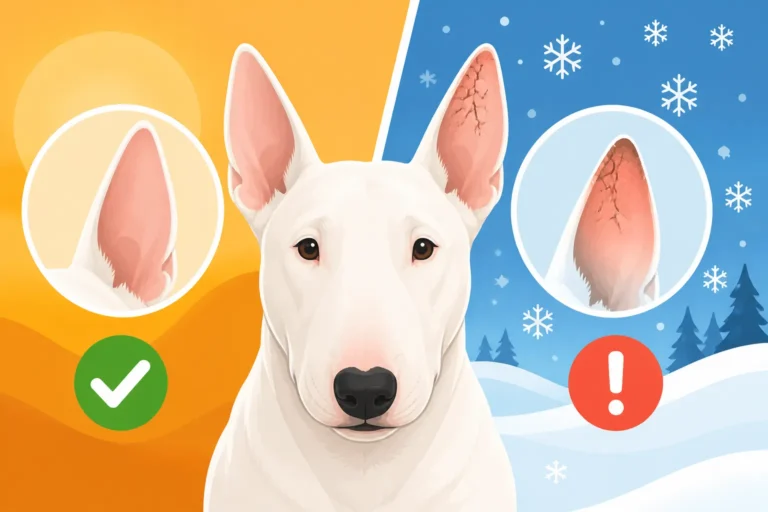
Conversely, in winter, icy sidewalks, snow, and freezing temperatures pose their own risks. The cold can lead to frostbite in severe cases, but more commonly, it dries out the pads, making them stiff, brittle, and prone to cracking. Even worse are the de-icing chemicals commonly spread on roads and pathways. Rock salt, calcium chloride, and other ice melt products are highly irritating and corrosive. They can cause chemical burns, excessive dryness, and painful cracks between the toes and on the pads themselves. Beyond the outdoors, household cleaners used on floors can also be irritants. Residues from harsh disinfectants or floor waxes can be absorbed by the pads or licked off, leading to irritation, dryness, and even digestive upset. Always rinse your Bull Terrier's paws after walks in winter, and opt for pet-safe cleaning products indoors.
Age, Breed-Specific Factors, and Underlying Health Issues
While wear and tear are common concerns, sometimes there are deeper, more systemic reasons why a Bull Terrier’s paw pads might be unusually prone to damage or slow to heal. As our beloved Bull Terriers age, their bodies, much like ours, become a little less resilient. Older dogs might have reduced circulation to their extremities, and the skin on their paw pads can become naturally thinner, drier, and less elastic. This makes them more susceptible to cracking and slower to recover from minor abrasions. Caring for a Bull Terrier Past Eight involves paying extra attention to these subtle changes in their physical resilience.
Beyond age, certain breed-specific factors, while not inherently "diseases," can predispose Bull Terriers to certain sensitivities. While not exclusive to the breed, their tendency towards certain skin allergies or sensitivities can indirectly affect paw pad health. For instance, a Bull Terrier prone to environmental allergies might constantly lick or chew their paws due to itchiness, leading to raw, inflamed, and damaged pads. Then there are genuine underlying health issues. Conditions like hypothyroidism, autoimmune diseases, or even some nutritional deficiencies (such as zinc deficiency, though rare with commercial diets unless there's a malabsorption issue) can manifest as poor skin and coat health, which extends to the paw pads. For example, a zinc-responsive dermatosis, while more severe than just dry pads, illustrates how a systemic issue can severely impact pad integrity. If you're noticing unusually persistent or severe paw pad issues, it’s always wise to rule out an underlying medical cause with your vet.
Recognizing the Signs of Worn or Damaged Paw Pads
As Bull Terrier owners, we often focus on their big, goofy grins and their incredible energy. But their paws are often out of sight, out of mind, until a problem arises. Learning to identify the early signs of wear and damage can prevent a minor issue from escalating into a painful, debilitating injury. Your Bull Terrier can't tell you their feet hurt, so it's up to you to be observant.
Visual Cues and Textural Changes
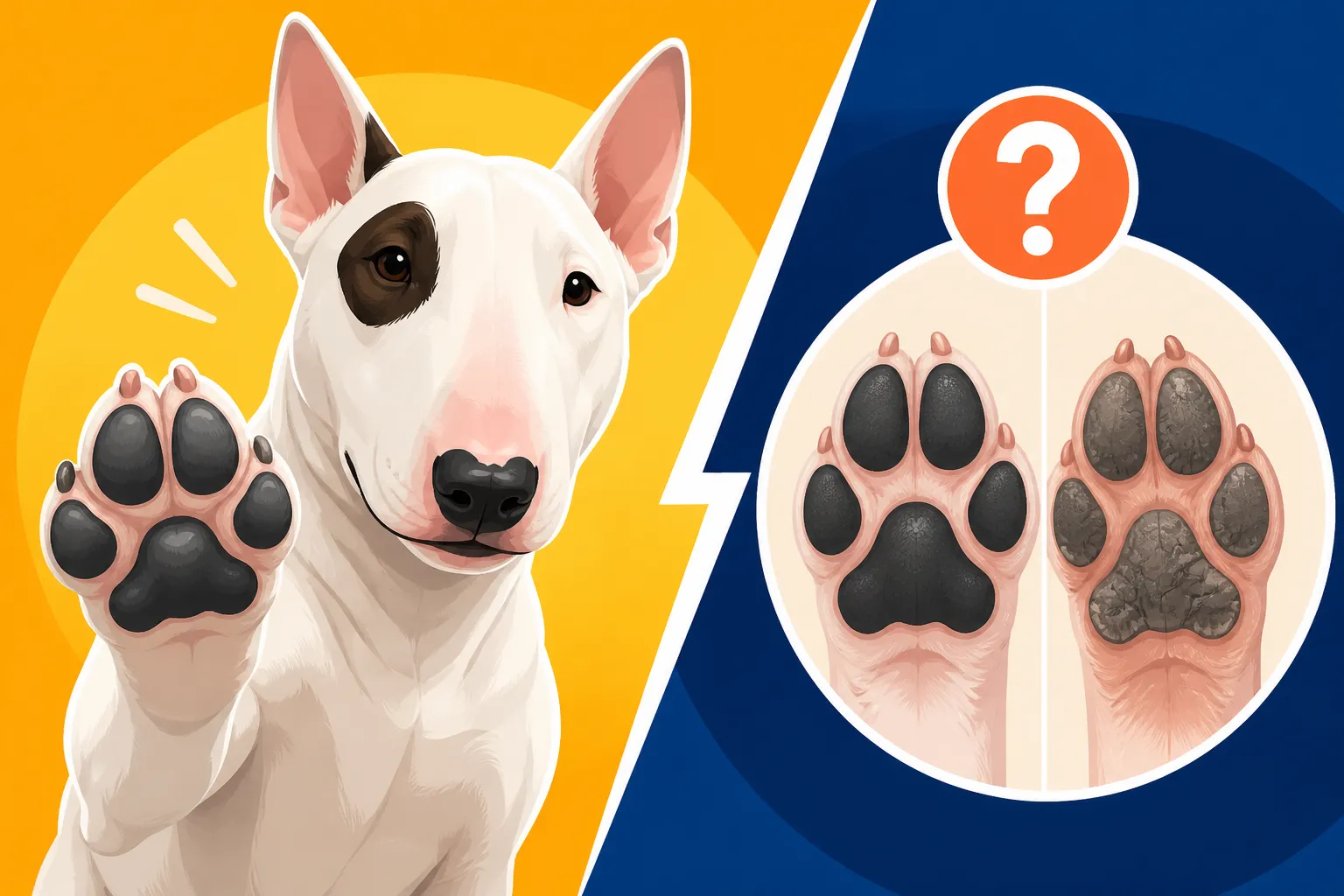
One of the easiest ways to spot trouble is simply by looking and feeling your Bull Terrier's paw pads. Healthy paw pads should generally feel firm, slightly rough, but supple – not hard, dry, or cracked like old leather. They should have a uniform color, though this can vary slightly with individual dogs.
When pads start to wear down, you might first notice them looking thinner. The deep grooves that usually provide grip might become shallower, and the overall pad might appear smoother or less defined. You might also observe excessive roughness, almost like coarse sandpaper, which indicates the outer layer is being abraded. Look for cracking, especially along the edges of the pads or in the deeper crevices between them. These cracks can range from superficial lines to deep fissures that expose underlying tissue, which can be incredibly painful and prone to infection. Peeling is another red flag, where layers of the pad literally start to flake or come off, exposing more tender skin underneath. Sometimes, severe wear can lead to discoloration, with areas appearing red, inflamed, or even darkened from repeated trauma. Any sign of redness, swelling, or oozing between the toes or on the pads themselves is a definite indication of a problem, possibly even an infection, and warrants immediate attention.
Behavioral Indicators of Discomfort or Pain
Your Bull Terrier might be a stoic breed in many ways, but even they will give subtle cues when something isn't right, especially with pain in their paws. Pay close attention to changes in their normal behavior, as these are often the first indicators of discomfort. One of the most obvious signs is limping or holding a paw up. If your Bull Terrier is favoring one paw, even intermittently, it’s a clear signal that something hurts. They might also become reluctant to walk, especially on certain surfaces they previously enjoyed, or slow down significantly during walks. A sudden decrease in their usual exuberant playfulness, or a hesitation to jump into the car or onto the sofa, could also point to paw pain.
Excessive licking or chewing of their paws is another major indicator. While some occasional paw grooming is normal, prolonged, intense, or obsessive licking suggests they're trying to soothe irritation or pain. You might notice them focusing specifically on one paw or even between their toes. Sometimes, you'll see changes in their gait – they might walk more gingerly, take shorter steps, or distribute their weight differently to avoid putting pressure on a sore spot. If you try to touch or examine their paws and they pull away, yelp, or show signs of aggression (even mild), it’s a strong indication of sensitivity and pain. A Bull Terrier that usually loves attention but flinches when you go near their feet is telling you something important. Observing these behavioral shifts is crucial; they're your dog's way of communicating distress.
When to Consult Your Veterinarian
While many minor paw pad issues can be managed at home with diligent care, there are definitely times when a trip to the vet is absolutely necessary. Never underestimate the potential for paw injuries to become serious. You should always consult your veterinarian if you notice deep cracks that are bleeding or show signs of infection, such as pus, foul odor, excessive swelling, or persistent redness. These often require prescription antibiotics or anti-inflammatory medications to heal properly and prevent further complications. Any lameness that persists for more than a day or two, or that seems to be getting worse, also warrants a professional assessment. Your vet can accurately diagnose the cause of the pain, whether it's simply wear and tear, a foreign object embedded in the pad, a deep cut, or even an underlying systemic issue that needs to be addressed.
Furthermore, if your Bull Terrier is excessively licking or chewing their paws to the point of causing further damage, or if they are showing clear signs of severe pain, they need veterinary attention. This behavior can quickly turn a minor irritation into a secondary bacterial or yeast infection. A veterinarian can not only treat the immediate paw issue but also investigate if there’s a deeper cause, like allergies or autoimmune conditions, which might require specific diagnostic tests or long-term management. Early intervention can prevent prolonged suffering and more costly treatments down the line. Don't hesitate; when it comes to your Bull Terrier's comfort and mobility, it's always better to be safe than sorry.
Strategies to Protect and Maintain Your Bull Terrier's Paw Pads
The good news is that with a little proactive effort, you can significantly reduce the risk of your Bull Terrier’s paw pads wearing down and keep them in excellent condition. It's all about consistent care, smart environmental management, and supporting their overall health from the inside out. Thinking ahead and incorporating a few simple habits into your routine can make a world of difference for their comfort and longevity.
Routine Paw Care and Inspection
Consistent, routine paw care is your first line of defense against worn and damaged pads. This isn't just about reacting when there's a problem; it's about prevention. Aim for a quick paw check at least weekly, or even daily if your Bull Terrier is particularly active or prone to issues. During these inspections, gently spread their toes and examine the pads for any signs of thinning, cracking, redness, or foreign objects like thorns or tiny pebbles. Feel the pads – do they feel overly rough, dry, or tender? This also gives you a chance to check their nails and trim them as needed; Trimming a Bull Terrier's Nails While It Fights You is a challenge, but good nail length prevents splayed toes and uneven pressure on pads.
Cleaning their paws, especially after walks on dirty or chemically treated surfaces, is also crucial. A simple wipe with a damp cloth can remove irritants. For dogs prone to dryness or cracking, a quality paw balm or wax can be incredibly beneficial. Products found on sites like Chewy or Amazon can help create a protective barrier against harsh elements and moisturize the pads, keeping them supple and less prone to cracking. Just be sure to use products specifically designed for dogs, as human lotions can contain ingredients that are toxic if licked. Apply the balm gently, working it into the pads, and try to distract your Bull Terrier for a few minutes afterward to allow it to absorb, preventing them from licking it all off immediately.
Environmental Management and Protective Gear
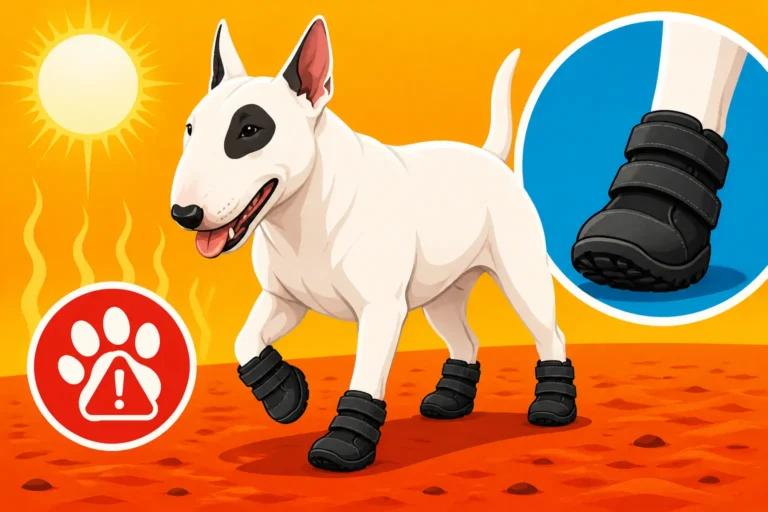
Being smart about where and when your Bull Terrier exercises can dramatically reduce paw pad wear. In summer, the golden rule is: if the pavement is too hot for your bare hand, it's too hot for their paws. Stick to grass, dirt trails, or walk during cooler parts of the day – early morning or late evening. In winter, be mindful of ice, snow, and de-icing chemicals. If you live in an area where salt is used, consider short-term dog boots for walks. While getting a Bull Terrier to accept boots can be a hilarious and challenging endeavor (they often have strong opinions!), some dogs do adapt, and they offer excellent protection.
Alternatively, a good paw wax can provide a decent barrier against chemicals and some moisture. Keep your yard free of sharp objects, and if you have a dog run, ensure the surface is paw-friendly. Avoid having them run extensively on artificial turf when it’s hot. When it comes to playtime, try to mix up the surfaces. If they love playing fetch, incorporate some sessions on grass rather than exclusively on pavement. If your Bull Terrier is a digger, which some of them certainly are, keep an eye on their pads, as digging can quickly abrade them. Whether a Bull Terrier Can Be Left in a Yard at All is a related question of environmental management, as unattended time can expose them to hidden hazards.
Nutritional Support for Healthy Skin and Pads
What goes into your Bull Terrier’s bowl can have a significant impact on the health of their skin and, by extension, their paw pads. A well-balanced, high-quality diet provides the foundational nutrients needed for strong, resilient skin cells and tissues. Look for foods with good sources of protein, which are essential building blocks for skin, and healthy fats.
Omega-3 fatty acids, often derived from fish oil, are superstars when it comes to skin health. They have anti-inflammatory properties and help maintain the skin's natural barrier function, keeping it hydrated and supple. Many commercial dog foods, including options you might find through brands like Ollie (which often emphasizes fresh, whole ingredients), incorporate these beneficial fats. If your dog’s diet isn’t rich in them, a supplement can be a valuable addition. Zinc is another vital nutrient for skin health, playing a key role in cell growth and repair. While commercial dog foods are typically fortified with adequate zinc, true deficiencies can occur, leading to serious skin problems. Whether a Bull Terrier Needs Zinc is a good question, and typically if they're on a complete and balanced diet, extra supplementation isn't needed unless recommended by a vet. Ensuring your Bull Terrier is getting proper nutrition supports their entire bodily system, including the development and maintenance of strong, healthy paw pads that are better equipped to withstand daily wear and tear.
Gradual Conditioning and Activity Planning
Just like an athlete trains their body, your Bull Terrier's paw pads can be conditioned to handle increasing levels of activity. The key word here is "gradual." Don't take a couch-potato Bull Terrier directly to an all-day hike on rough terrain. Start with shorter walks on varied surfaces, slowly increasing the duration and intensity over weeks. This allows the pads to naturally toughen and thicken, building resilience without causing acute damage.
When planning activities, be mindful of the impact. If you're going for a long run or an extensive game of fetch, consider breaking it up with periods of rest on softer ground. A good rule of thumb is to inspect their paws immediately after a new or particularly strenuous activity. If you notice any redness, tenderness, or unusual wear, scale back the next outing and give their pads time to recover. Think of it as preventative maintenance. If you know you're heading to a dog park with abrasive surfaces, plan a shorter visit. If they're particularly prone to spinning or zoomies, especially Redirecting a Bull Terrier That Has Started Spinning, be aware of the friction this can cause on hard floors and try to encourage this high-energy play on softer rugs or outdoors on grass. Being proactive in how you plan and execute your Bull Terrier’s exercise regimen ensures their paw pads can keep up with their boundless spirit.
Paw Protection Methods Comparison
Here's a quick look at common paw protection methods and when they might be most useful for your Bull Terrier:
| Protection Method | Description | Pros | Cons | Best Use Cases |
|---|---|---|---|---|
| Paw Balms/Waxes | Topical creams or waxes applied directly to pads for moisturizing and barrier. | Easy to apply, moisturizes, provides a light protective layer. | Not ideal for extreme surfaces/temps, can be licked off, needs frequent reapplication. | Mild dryness, minor cracks, light protection against cold/salt, daily care. |
| Dog Boots/Shoes | Protective footwear for paws. | Excellent barrier against heat, cold, rough terrain, chemicals. | Many dogs dislike them, can be cumbersome, may rub/cause blisters if ill-fitting. | Extreme temperatures, harsh chemicals (salt), long hikes on rough trails. |
| Grass/Soft Surfaces | Choosing to walk on natural, soft ground. | Natural, comfortable, allows pads to breathe and recover. | Not always available, doesn't protect against all hazards, can still be wet/muddy. | Everyday walks, play sessions, recovery days, avoiding hot pavement. |
| Limited Exposure | Reducing time on harsh surfaces. | Prevents cumulative damage, allows natural healing. | Limits activity choices, requires owner vigilance. | Post-injury recovery, sensitive pads, preventing acute burns. |
| Washing Paws | Cleaning paws with water after walks. | Removes irritants, simple, affordable. | Doesn't prevent wear, only mitigates chemical/dirt damage, not a standalone solution. | Post-walk cleaning (especially in winter or after dusty areas). |
Disclaimer
This article is for general informational purposes only and does not constitute professional advice. Laws, prices and regulations vary by location and change over time. Consult a qualified professional for guidance on your specific situation.