What a Bull Terrier’s Bald Patch Means
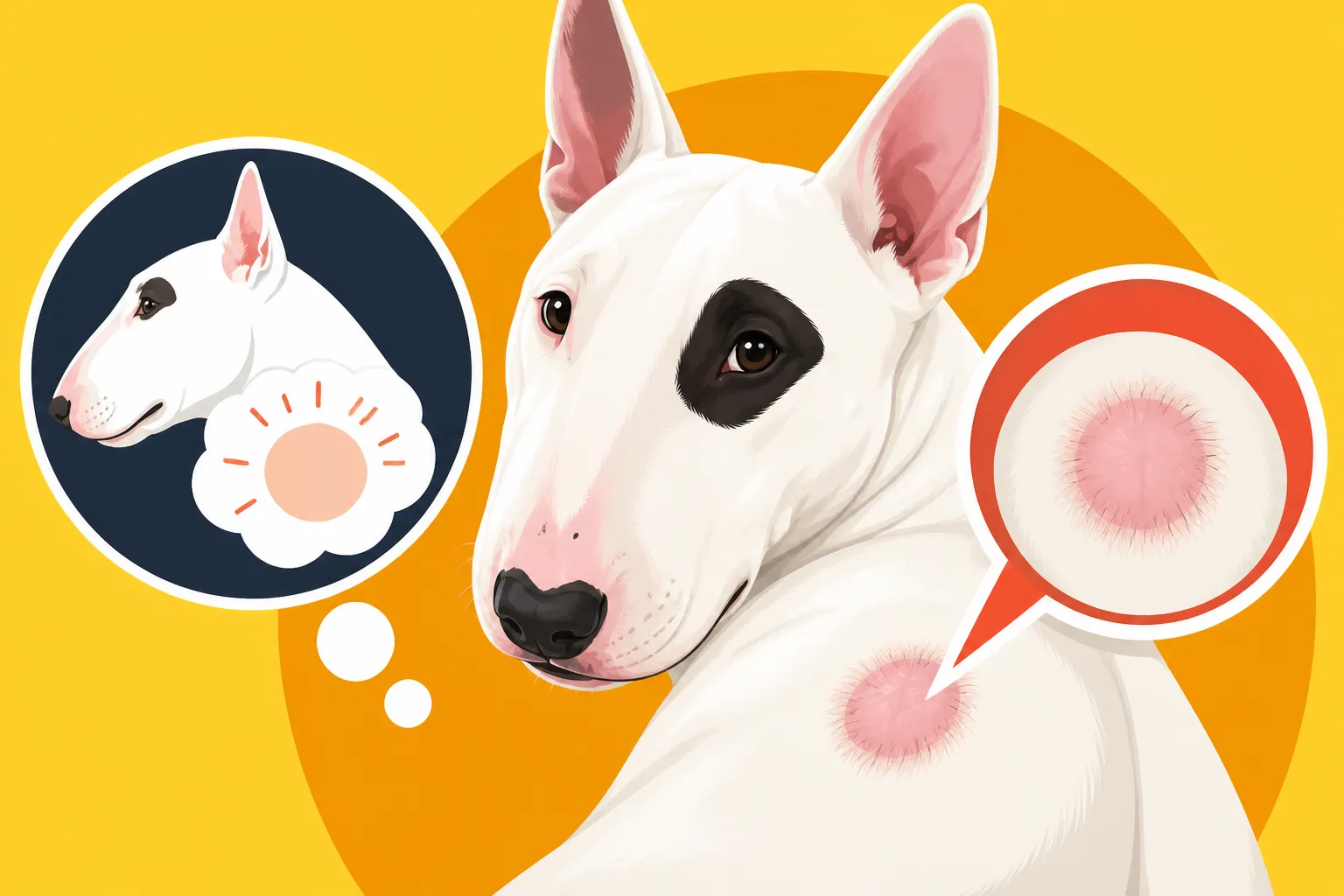
Discovering an unexpected bald patch on your Bull Terrier can be a truly unsettling experience. One moment, you're admiring their sleek, short coat, and the next, there's a baffling area of bare skin, perhaps red, inflamed, or flaky, that wasn't there before. This isn't just a cosmetic issue; it's often a clear signal that something isn't quite right with your beloved companion. This comprehensive guide will illuminate the diverse reasons behind hair loss in Bull Terriers, detail the tell-tale signs to watch for, and outline how you can collaborate with your veterinarian to diagnose and treat the problem, helping your Bull Terrier regain their vibrant, healthy skin and coat.
Understanding Your Bull Terrier's Coat and Skin
Before we dive into what can go wrong, it's helpful to understand the baseline of a healthy Bull Terrier's coat and skin. These unique dogs have particular characteristics that can make them more prone to certain dermatological issues, and knowing their normal state helps us recognize when something is amiss.
The Unique Nature of the Bull Terrier Coat
A Bull Terrier’s coat is distinct: short, flat, and hard to the touch, lying close to the body. It’s meant to be glossy and smooth, without any woolly undercoat, which is part of its charm and why they feel so wonderfully warm to cuddle. Because it's a single coat, it sheds year-round, but not in huge clumps like a double-coated breed might. When it comes to color, white Bull Terriers have a reputation for sensitivity, but even colored Bull Terriers can experience skin issues. Any loss of this characteristic dense, short hair is immediately noticeable and warrants attention. A Bull Terrier's Coat Is Easy and Its Skin Is Not goes into more detail about their grooming needs.
You might not think a short-coated dog needs much attention, but their lack of a thick, protective layer means their skin is far more exposed to the elements and potential irritants. This means that bald patches, even small ones, can quickly become irritated or infected without the natural barrier of hair. It also means that environmental factors, which might cause minor irritation on a fluffy dog, can lead to much more significant problems for a Bull Terrier. Their skin, for all its visible resilience, is actually quite delicate.
Why a Bull Terrier's Skin Is Particularly Vulnerable
Bull Terriers are, unfortunately, a breed often predisposed to various skin conditions. Their short, light coat, especially in white individuals, offers less protection against the sun's harsh rays. Beyond that, many lines carry sensitivities that can manifest as allergic reactions to common environmental triggers or certain foods. This isn't to say every Bull Terrier will have skin problems, but owners need to be acutely aware of their breed's tendencies. A Bull Terrier's Skin Is Its Weakest Point explores this vulnerability in depth.
Their skin is also relatively thin, and because their hair is so short, any underlying redness, bumps, or flakiness is easily visible. This can be a blessing and a curse. A blessing because you'll likely spot problems early, but a curse because their skin reacts quite visibly to irritation. The strong immune system that protects most dogs might, in a Bull Terrier, sometimes overreact, leading to inflammatory responses that contribute to hair loss. This predisposition means that proactive care, regular checks, and a quick response to any changes are paramount for Bull Terrier owners.
Common Causes of Bald Patches in Bull Terriers
Bald patches can stem from a wide array of issues, ranging from external parasites to internal systemic diseases. Pinpointing the exact cause is crucial for effective treatment, and it often requires a bit of detective work from both you and your veterinarian.
Parasitic Culprits: Demodex Mange
One of the most common and often frustrating causes of bald patches in Bull Terriers, particularly younger dogs, is Demodectic Mange. This isn't the highly contagious "sarcoptic" mange you might hear about. Instead, it's caused by tiny cigar-shaped mites (Demodex canis) that live naturally in the hair follicles of most dogs, passed from mother to puppy. In most healthy dogs, these mites cause no issues. However, if a Bull Terrier has an immature or compromised immune system, these mites can multiply uncontrollably, leading to hair loss, redness, and sometimes secondary skin infections.
You'll typically see these patches appear around the eyes, mouth, and on the front legs, but they can spread anywhere on the body. The hair loss might start as thinning before progressing to completely bald areas. While it can look unsightly and sometimes itchy, it's not always intensely pruritic (itchy) in its early stages unless a secondary bacterial infection has set in. Demodectic Mange in a Bull Terrier provides a deeper dive into this specific condition. Dealing with demodectic mange requires patience and specific veterinary-prescribed treatments to bring the mite population under control and allow the skin and hair to heal.
The Itch Factor: Allergies and Irritants
Bull Terriers are notorious for developing allergies, which often manifest as incredibly itchy skin leading to self-trauma and subsequent bald patches. These allergies can be environmental (atopy), food-related, or contact dermatitis. When a Bull Terrier is constantly licking, chewing, or scratching a particular spot, they're essentially pulling out their own hair and irritating the skin, creating those tell-tale bald spots.
Environmental allergies are often seasonal, triggered by pollen, grass, or dust mites. Food allergies, on the other hand, can cause year-round itching and skin issues, sometimes accompanied by gastrointestinal upset. Then there's contact dermatitis, where a reaction occurs from direct skin contact with an irritant, like certain cleaning products, plants, or even bedding materials. Whether a Bull Terrier Gets Skin Allergies delves into the complexities of these reactions. Identifying the allergen is key, which often involves careful observation, elimination diets, or specialized testing with your vet. Companies like Ollie, with their fresh food offerings, are often explored by owners trying to pinpoint or manage food sensitivities, as they allow for precise ingredient control.
Fungal and Bacterial Invaders
Just like us, dogs can get skin infections, and these often lead to hair loss. Ringworm, despite its name, is a fungal infection, not a worm. It typically presents as circular patches of hair loss with red, scaly, or crusty skin, often appearing on the head, ears, paws, and forelegs. It's also zoonotic, meaning it can spread to humans, so swift action is important.
Bacterial infections, often secondary to another underlying issue like allergies or mange, can also cause baldness. These can range from superficial pyoderma (skin infection) to deeper, more severe infections. You might see pustules, crusts, red bumps, or generalized redness and inflammation along with the hair loss. These often require antibiotics, either topical or oral, and sometimes medicated shampoos. Knowing Which Shampoo Suits a Bull Terrier's Skin can be a real lifesaver when dealing with these sorts of issues.
Hormonal Havoc and Systemic Issues
Sometimes, hair loss isn't just a surface problem but a sign of something deeper going on within your Bull Terrier's body. Hormonal imbalances are a classic example. Hypothyroidism, an underactive thyroid gland, can lead to symmetrical hair loss, often on the flanks or tail, along with a dull coat, lethargy, and weight gain. Cushing's disease, caused by an overactive adrenal gland, can also result in symmetrical hair loss, thin skin, and a pot-bellied appearance.
Beyond hormones, other systemic diseases, nutritional deficiencies, or even certain medications can impact coat health and lead to hair thinning or loss. These conditions usually require blood tests for diagnosis and specific medical management. For example, some owners find that certain nutritional supplements or specialized diets from retailers like Chewy can support overall skin and coat health, especially when managing chronic conditions, but these should always be discussed with a vet. Whether a Bull Terrier Gets Hypothyroidism is a good read if you're concerned about this.
Self-Inflicted Wounds: Stress, Licking, and Rubbing
Bull Terriers are intelligent, sensitive dogs who can sometimes develop compulsive behaviors, especially when bored, anxious, or stressed. Excessive licking or chewing of a particular spot, often on a leg, flank, or tail, can lead to a condition called acral lick dermatitis, or a "lick granuloma." This starts as hair loss and can quickly progress to a thickened, raw, and infected lesion that is very difficult to heal.
Boredom can also drive destructive behaviors. If a Bull Terrier doesn't get enough mental or physical stimulation, they might chew on themselves or rub against objects, causing hair loss in the process. We've certainly known Bull Terriers to rub themselves bald against furniture or even doorframes when anxious or seeking attention. What a Bull Terrier Does to a Door Frame is a testament to their powerful dedication when bored or stressed. Ensuring they have plenty of appropriate outlets for their energy and intelligence, such as durable toys sourced from Amazon, can mitigate these behaviors. Why a Bull Terrier Needs a Job is a crucial topic for understanding their behavioral needs.
Environmental Factors: Sunburn and Contact Dermatitis
For white Bull Terriers especially, sunburn is a very real threat that can lead to skin damage and subsequent hair loss. Their pale skin and short, sparse hair offer little natural protection against UV rays, particularly on areas like the nose, ear tips, and belly. Repeated sunburns can not only cause temporary hair loss and discomfort but also increase the risk of skin cancer over time. Why a White Bull Terrier Sunburns is a must-read for white Bull Terrier owners.
Contact dermatitis, as mentioned earlier, can also be triggered by environmental irritants that directly touch the skin. This could be anything from certain grasses or weeds in your yard to chemical residue from floor cleaners. The reaction often occurs on the belly, paws, and other areas where the skin makes direct contact with the offending substance, leading to redness, itching, and hair loss in the affected area.
Here’s a quick overview of some common causes:
| Cause | Typical Appearance of Bald Patch | Common Location | Other Symptoms |
|---|---|---|---|
| Demodectic Mange | Thinning hair to completely bald, sometimes red/scaly | Around eyes, mouth, forelegs, trunk | Mild itch, sometimes secondary infection |
| Allergies | Red, inflamed, itchy, patchy hair loss (from self-trauma) | Paws, belly, inner thighs, ears | Intense itching, licking, chewing, ear infections |
| Fungal Infection (Ringworm) | Circular patches of hair loss, red, scaly, crusty skin | Head, ears, paws, legs | Mild to moderate itch, sometimes none |
| Bacterial Infection | Red bumps, pustules, crusts, inflammation, hair loss | Anywhere, often in folds or damp areas | Itch, discomfort, odor |
| Hypothyroidism | Symmetrical hair loss, dull coat, not itchy initially | Flanks, tail, neck, chest | Lethargy, weight gain, cold intolerance |
| Stress/Licking | Localized hair loss, thickened, raw, sometimes infected skin | Legs, flanks, tail base | Obsessive licking/chewing |
| Sunburn | Red, inflamed, peeling skin, followed by hair loss | Nose, ear tips, belly, back | Pain, sensitivity, blistering |
Diagnosing the Mystery: What Your Vet Will Look For
When you bring your Bull Terrier in for a bald patch, your veterinarian will act as a detective, gathering clues to uncover the root cause. This diagnostic process is often systematic and may involve several steps.
The Initial Physical Exam and History
The first and most crucial step is a thorough physical examination of your Bull Terrier, focusing intently on the affected skin areas. Your vet will examine the bald patch itself – its size, shape, color, texture, and whether it’s red, crusty, or oozing. They'll check for any other lesions, bumps, or signs of irritation on other parts of the body. They’ll also feel the skin and coat texture, looking for dryness, oiliness, or thickening.
Equally important is a detailed history from you, the owner. Be prepared to answer questions about when you first noticed the patch, if it's growing, if your dog is itchy, changes in diet, new environmental exposures, flea prevention, and any other symptoms you've observed. Your vet will want to know if there have been any behavioral changes, new stresses, or if other pets in the household are affected. This initial conversation provides invaluable context and helps narrow down the possibilities significantly. Keeping a log of when symptoms appear and what you suspect might be triggers can be incredibly helpful. The Weekly Skin Check Every Bull Terrier Needs emphasizes the importance of consistent observation.
Skin Scrapes, Fungal Cultures, and Cytology
Often, the next step involves non-invasive tests right there in the clinic. A skin scrape is a common diagnostic tool for identifying mites, particularly Demodex. The vet will gently scrape a small amount of superficial skin cells from the edge of the bald patch and examine it under a microscope. This can quickly confirm or rule out a parasitic cause.
Fungal cultures are used to diagnose ringworm. Hairs and skin scales from the affected area are placed on a special culture medium. It can take a couple of weeks to get results, as the fungus needs time to grow. Sometimes, a special UV lamp (Wood's lamp) can also cause certain types of ringworm to fluoresce, offering a quick, though not definitive, preliminary indicator.
Cytology involves taking a swab or impression smear of the skin and examining the cells under a microscope. This can reveal the presence of bacteria, yeast, or inflammatory cells, helping to diagnose secondary infections or certain inflammatory conditions. This immediate feedback helps guide initial treatment choices, often leading to a clearer path forward.
Blood Tests, Biopsies, and Elimination Diets
If initial tests are inconclusive, or if the vet suspects a systemic or hormonal issue, more advanced diagnostics may be necessary. Blood tests can screen for conditions like hypothyroidism or Cushing's disease, checking hormone levels and overall organ function. For chronic or unusual skin lesions, a skin biopsy might be recommended. This involves taking a small tissue sample under local anesthetic for histopathological examination by a specialist, providing a definitive diagnosis for conditions like autoimmune diseases or certain skin cancers.
For suspected food allergies, an elimination diet trial is the gold standard. This involves feeding a novel protein or hydrolyzed protein diet for a strict period (often 8-12 weeks), followed by reintroducing old foods to see if symptoms return. This requires immense dedication from the owner, as nothing else can be fed during the trial. Retailers like Chewy offer a wide range of prescription diets suitable for elimination trials, and your vet can advise on the best option. Sometimes, veterinarians recommend discussing a fresh food diet like Ollie to potentially manage food sensitivities once an elimination diet has confirmed an allergy, as it allows owners to control ingredients very closely. What a Bull Terrier Is Most Often Allergic To gives more insight into this challenge.
Treatment Options for Bull Terrier Baldness
Once your veterinarian has pinpointed the cause of your Bull Terrier’s bald patch, a specific treatment plan can be put into action. It’s important to remember that skin issues often require patience and consistent follow-through.
Targeting Parasites and Infections
If Demodex mites are the culprit, treatment typically involves medicated dips, oral medications, or topical spot-on treatments designed to kill the mites. The duration of treatment can be several weeks to months, and follow-up skin scrapes are essential to ensure the mites are completely eradicated. For secondary bacterial infections, antibiotics are prescribed, sometimes for several weeks, often accompanied by medicated baths. How Demodex on a Bull Terrier Is Treated offers more specific details about this regimen.
Fungal infections like ringworm are usually treated with antifungal medications, either oral or topical, and often require environmental decontamination as fungal spores can persist in the home. Medicated shampoos can also play a vital role in removing spores from the coat and aiding in healing. Your vet might recommend specific brands available through pet supply stores like Chewy or Amazon that are formulated for these conditions. Diligent treatment helps prevent recurrence and protect other family members from potential transmission.
Managing Allergies and Inflammation
Managing allergies is often a long-term commitment. For environmental allergies, strategies include antihistamines, omega-3 fatty acid supplements (which you can often find at Amazon or Chewy), topical sprays, medicated shampoos, or even more advanced treatments like immunotherapy (allergy shots) or specialized prescription medications that target the allergic response. Keeping your Bull Terrier clean and free of environmental irritants is also key; Whether a Bull Terrier's Feet Should Be Wiped After Walks is one such example of small steps that can make a difference.
If a food allergy is diagnosed, a strict dietary change is necessary. This means feeding only the identified novel or hydrolyzed protein diet for life. Finding suitable treats and ensuring no accidental ingestion of allergens is critical. Brands like Ollie that offer tailored fresh meals can be a great option for owners dealing with complex food sensitivities, providing meals with clearly defined, limited ingredients. Careful reading of labels for all food and treats, and perhaps buying from reliable pet food retailers like Chewy, will be your new norm. Which Diet a Bull Terrier With Kidney Disease Needs while not directly on allergies, highlights the importance of diet in managing health conditions.
Addressing Hormonal Imbalances and Systemic Disease
When baldness is a symptom of a deeper internal problem, treatment focuses on the underlying disease. For hypothyroidism, daily oral thyroid hormone replacement medication is typically prescribed for the rest of the dog’s life. Regular blood tests will be needed to monitor hormone levels and adjust the dosage as necessary. The good news is that with proper medication, the coat usually grows back, and other symptoms like lethargy improve dramatically.
Cushing's disease also requires specific medication to regulate adrenal gland function. These medications can be expensive and often need careful monitoring through regular blood work. The goal is to reduce the excessive hormone production and alleviate the associated symptoms, including skin thinning and hair loss. In some rare cases, surgical removal of a tumor might be an option if the Cushing's is caused by an adrenal tumor.
Behavioral Interventions and Environmental Management
For bald patches caused by self-trauma due to stress, boredom, or anxiety, a multi-faceted approach is needed. This might include increasing exercise, providing more mental stimulation through puzzle toys or training, and addressing underlying anxiety with behavior modification techniques or, in some cases, anti-anxiety medication prescribed by a vet. Enrichment toys, especially those extremely durable ones available on Amazon, can redirect destructive chewing from their body to an appropriate object.
Environmental management is also vital. This includes ensuring your Bull Terrier has a comfortable, quiet space, reducing exposure to known stressors, and using dog-safe sunscreen for white Bull Terriers, particularly during peak sun hours. If contact dermatitis is suspected, identifying and removing the offending agent from their environment is paramount. This might involve switching cleaning products, changing bedding, or even keeping your Bull Terrier away from certain plants in the yard. Consistency in managing their environment can make a huge difference to their skin health.
Preventing Bald Patches and Promoting Healthy Skin
An ounce of prevention is truly worth a pound of cure, especially when it comes to Bull Terrier skin health. Proactive measures can significantly reduce the likelihood of developing bald patches and help maintain their unique, sleek coat.
Regular Skin Checks and Grooming Routine
Making a habit of weekly, gentle skin checks is one of the most effective preventative measures you can take. Simply run your hands over your Bull Terrier's entire body, feeling for any bumps, scabs, tenderness, or changes in coat texture. Lift their short hair to visually inspect their skin for redness, flakiness, or any new bald spots. Pay close attention to areas like their ears, paws, belly, and armpits – places where irritations often start. The Weekly Skin Check Every Bull Terrier Needs is a great resource for developing this routine.
While their short coat doesn't require extensive grooming, regular bathing with a mild, hypoallergenic shampoo can help remove environmental allergens and keep their skin clean. Be sure to use a shampoo specifically formulated for dogs and always rinse thoroughly to avoid leaving any residue that could cause irritation. If your Bull Terrier has a history of skin sensitivity, your vet might recommend a specific medicated or sensitive-skin shampoo, many of which are readily available through retailers like Chewy.
Nutritional Support for a Healthy Coat
A balanced, high-quality diet is fundamental to healthy skin and a lustrous coat. Poor nutrition can manifest as a dull coat, dry skin, and even hair thinning. Ensure your Bull Terrier's food contains appropriate levels of essential fatty acids, particularly Omega-3s, which are vital for skin barrier function and reducing inflammation. Many premium dog foods incorporate these, but supplements can also be added under veterinary guidance.
For Bull Terriers with known sensitivities, exploring limited ingredient diets or novel protein sources can be beneficial. Some owners even turn to fresh food delivery services like Ollie for custom meal plans, believing that a less processed diet can contribute to better skin health. Always discuss any significant dietary changes with your vet, especially if your Bull Terrier has other health concerns. Whether a Bull Terrier's Skin Improves With Diet underscores the importance of nutrition in managing dermatological issues.
Protecting Your Bull Terrier from Environmental Hazards
Environmental protection is especially critical for Bull Terriers. For white Bull Terriers, consistent sun protection is non-negotiable. This means limiting their exposure during peak UV hours, providing shaded areas when outdoors, and using dog-specific sunscreen on vulnerable spots like their nose, ear tips, and thinly furred areas. You can find safe, effective dog sunscreens and even UV-protective dog shirts on Amazon.
Beyond the sun, be mindful of potential contact irritants in your home and yard. If you use chemical pesticides on your lawn or harsh cleaning products indoors, consider pet-safe alternatives. After walks, especially in areas with tall grass or potential allergens, a quick wipe-down of their paws and belly can help remove irritants before they have a chance to cause a reaction. Regular flea and tick prevention is also paramount, as these parasites can cause intense itching and lead to significant skin damage and hair loss. These simple, consistent practices can make a world of difference in keeping your Bull Terrier's skin healthy and bald-patch-free. How a Bull Terrier's Skin Changes With Age also shows that their skin needs continuous monitoring throughout their life.
Disclaimer
This article is for general informational purposes only and does not constitute professional advice. Laws, prices and regulations vary by location and change over time. Consult a qualified professional for guidance on your specific situation.