How Often a Bull Terrier’s Ears Need Checking
One of the many charming quirks of living with a Bull Terrier is navigating their unique health landscape. Their strong, sturdy bodies often fool us into thinking they're impervious to common ailments, but when it comes to ear care, it's easy to overlook a subtle sign that could lead to bigger problems. If you've ever wondered how often you really need to check those upright, alert ears, or felt confused about what you're even looking for, this guide is here to shed some light and give you a clear, actionable routine for keeping your Bull Terrier's ears healthy and happy.
The Unique Design of Bull Terrier Ears and Why They Matter
Bull Terriers, with their distinctive "egg-shaped" heads, also boast a pair of ears that are quite different from many other breeds. Unlike floppy-eared dogs, who often struggle with poor ventilation leading to moisture buildup, our Bullies typically have erect, triangular ears that stand proudly atop their heads. This upright stance gives them some advantages, but it doesn't make them entirely immune to ear troubles. Understanding their ear anatomy is the first step in knowing how to care for them properly.
The Erect, Open Ear Advantage (and Disadvantage)
Those magnificent, pricked ears aren't just for looking regal; they actually provide a significant advantage when it comes to air circulation. For breeds with long, pendulous ears, moisture and heat can easily get trapped inside the ear canal, creating a warm, damp environment that's practically an open invitation for bacteria and yeast to set up shop. This is a common frustration for owners of breeds like Basset Hounds or Cocker Spaniels. With a Bull Terrier, however, their ears are generally well-ventilated, allowing air to flow freely and reducing the risk of moisture-related infections. It's one less thing to constantly worry about, which is a small relief in the world of Bull Terrier ownership!
However, this advantage isn't a get-out-of-jail-free card. The very openness that provides good air circulation also means that foreign objects have an easier path in. Think about a breezy walk through a field: those upright ears are like little funnels, perfectly positioned to catch seeds, grass awns, dust, and other tiny invaders that can cause irritation or even embed themselves deep in the ear canal. You might not have the moisture issues of a floppy-eared dog, but you trade it for a slightly increased risk of environmental debris making its way inside. It's a different battle, but a battle nonetheless. For more about their distinctive ear structure, check out Why a Bull Terrier's Ears Stand Up.
Why Bull Terriers Are Prone to Some Ear Issues (but not others)
While we celebrate the Bull Terrier's erect ears for warding off moisture-trapped infections, it's crucial to acknowledge that they are still prone to other types of ear problems, largely due to systemic issues. The primary culprit for many Bull Terriers often comes down to their skin health and allergies. As many Bull Terrier owners know, A Bull Terrier's Skin Is Its Weakest Point, and often, ear issues are merely a symptom of a larger skin problem manifesting internally or on the skin surface.
Allergies, whether environmental (like pollen or dust mites) or food-related, frequently present as inflammation and itchiness in the ears. This means that even with excellent ventilation, an allergic reaction can cause the ear canal to become red, swollen, and itchy, leading to excessive scratching and head shaking, which then creates a prime environment for secondary infections. It’s a frustrating cycle, because you can be diligent with cleaning, but if the underlying allergy isn't addressed, the ear problems will keep coming back. So, while you might not be fighting off constant yeast infections from trapped moisture, you'll often be battling the inflammatory fallout from allergies.
How Often Should You Really Be Checking? The Baseline Routine
So, with all that in mind, what's the magic number for checking your Bull Terrier's ears? The truth is, it's less about a strict schedule and more about consistency and keen observation. A proactive approach means catching potential problems early, often before they become painful or require extensive veterinary intervention. Don't wait until your Bull Terrier is scratching frantically or shaking its head so hard you hear it across the room.
The Weekly Visual Inspection: What to Look For
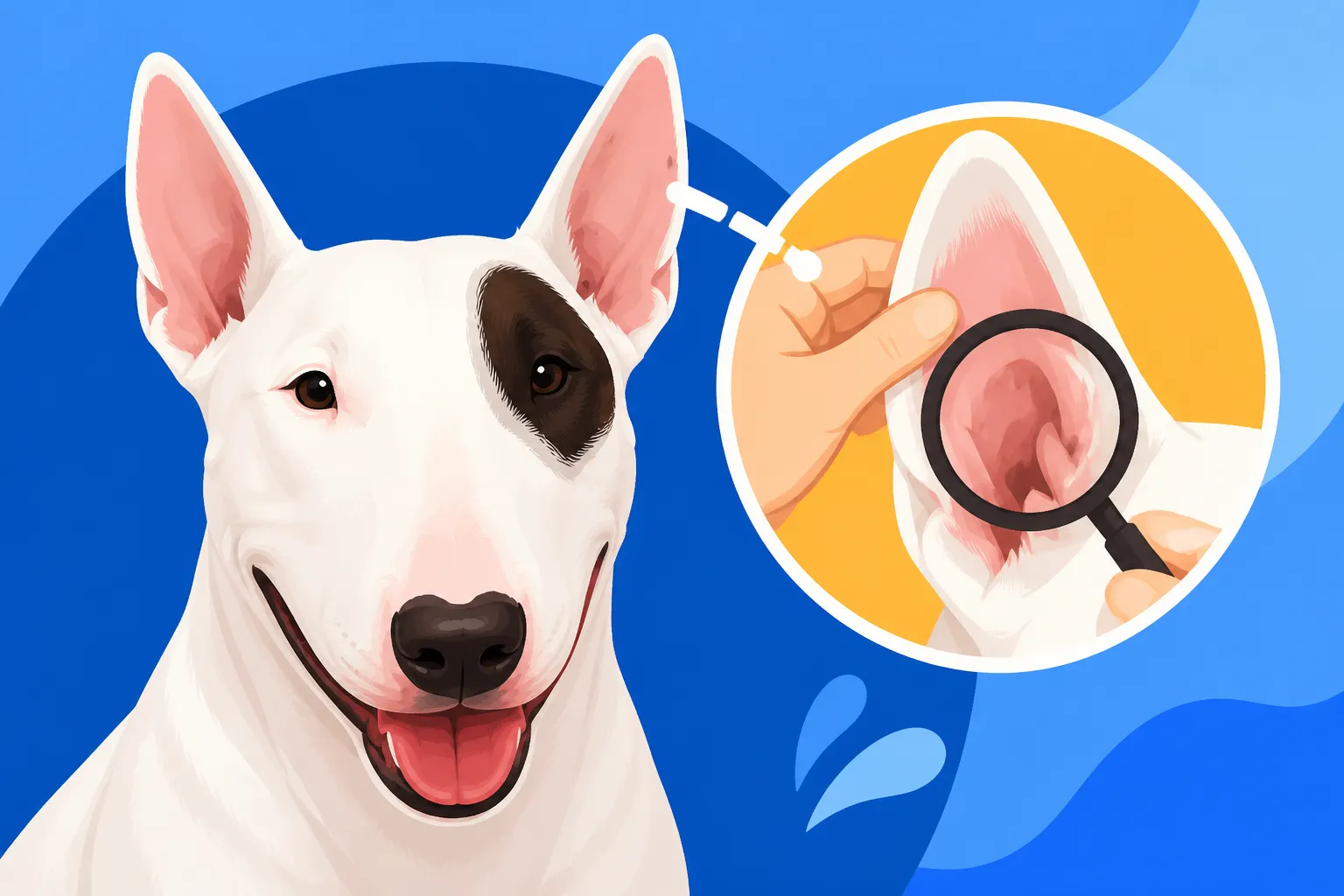
Establishing a weekly visual inspection is a fantastic habit for any Bull Terrier owner. This doesn't need to be a full-blown wrestling match; it can be a quick, calm check-in during a petting session or while they're relaxing by your side. Gently lift each ear flap and peer inside. What you're looking for is consistency. The inner ear flap and the visible part of the ear canal should generally be a healthy, light pink color. There shouldn't be any redness, swelling, or discharge.
You're also looking for any obvious debris, like dried grass or stray hairs, that might have found its way in. Sometimes, you'll see a small amount of light brown ear wax, which is normal, especially if your Bull Terrier has been exploring outdoors. What's not normal is excessive dark brown or black waxy buildup, or any pus-like discharge. If you see signs of inflammation or foreign bodies, it's time to take action. This weekly check ties in nicely with The Weekly Skin Check Every Bull Terrier Needs, ensuring you cover all the bases for their sensitive skin.
The Importance of a Quick Sniff Test
This might sound a bit unconventional, but a quick "sniff test" can be one of your most powerful diagnostic tools. Healthy Bull Terrier ears shouldn't have any strong odor. If you detect a pungent, yeasty, or foul smell when you lift their ear flap, consider it a red flag. Yeast infections, which often go hand-in-hand with allergies, typically produce a sweet, bread-like, or distinctly yeasty smell. Bacterial infections, on the other hand, might have a more putrid or cheesy odor.
Your nose is remarkably sensitive to these changes, and often, the smell will be noticeable even before you see significant visual cues like redness or discharge. It's a subtle early warning system that allows you to address issues before they escalate. Don't be shy about getting your nose right in there; your Bull Terrier won't mind the extra attention (probably!). This simple sniff can prevent weeks of discomfort for your beloved companion and save you a more expensive vet bill down the line.
When a More Thorough Examination is Needed
While a weekly visual and sniff test is your baseline, there are times when a more thorough examination is warranted. If you notice any of the "red flag" signs mentioned above – redness, swelling, discharge, or an unusual odor – it's time to delve a little deeper, though still gently. You might need to use a flashlight to get a better view down the ear canal, but never insert anything into the canal itself. The goal here isn't to diagnose and treat, but to gather more information for your vet.
Additionally, if your Bull Terrier starts exhibiting any behavioral cues like head shaking, scratching at their ears, rubbing their head along furniture, or showing pain when you touch their ears, a more detailed inspection is immediately necessary. These behaviors are clear indicators that something is bothering them. Pay close attention after swimming or bathing, too. Even with erect ears, moisture can still get trapped deeper in the canal, especially if they’ve been fully submerged. After any water exposure, a gentle drying of the outer ear with a soft towel is a good practice, followed by a check a few hours later.
Signs Your Bull Terrier's Ears Need Immediate Attention
Bull Terriers are notoriously stoic, and sometimes, they can mask discomfort until a problem is quite advanced. This makes it even more important for us, their attentive owners, to be vigilant about changes. When it comes to ear health, certain signs shouldn't be ignored and warrant a prompt call to your veterinarian. Ignoring these can lead to chronic issues, severe pain, and even permanent damage.
Obvious Discomfort or Pain
This might seem straightforward, but how a Bull Terrier expresses discomfort can sometimes be subtle, or conversely, very dramatic. Persistent head shaking is probably the most common sign. They might shake their head vigorously, as if trying to dislodge something from their ear. Excessive scratching at the ear with a back paw is another strong indicator, and sometimes you'll even see raw skin or hair loss around the ear due to this scratching.
Beyond these, look for sensitivity when you touch their head or ears. If your Bull Terrier, usually eager for pets, flinches, pulls away, or even yelps when you go near their ear, that's a clear sign of pain. They might also rub their ear along furniture or the carpet, trying to relieve the itch or discomfort. Remember, even if the ear doesn't look visibly "bad" yet, these behavioral changes are telling you something is wrong. Don't wait; make that vet appointment.
Redness, Swelling, and Discharge
These are the visual cues that shout "infection!" The inner flap of the ear and the visible parts of the canal should be a pale pink. If you see bright red inflammation, especially if it extends into the folds of the ear, that's a problem. Swelling around the ear canal can also be quite obvious, sometimes making the ear flap feel puffy or hot to the touch.
Discharge is another critical sign. While a little light brown wax might be normal, a heavy buildup of dark brown, almost black, waxy discharge often points to yeast or ear mites. Yellow, green, or pus-like discharge is indicative of a bacterial infection. The amount of discharge can also be a clue; if it's constantly oozing or accumulating quickly, it's usually a more severe issue. Crusty patches or scabs on the outer ear flap can also signal ongoing irritation or infection, perhaps from scratching, and should be investigated. This is one of the clearest indications that Whether a Bull Terrier Gets Ear Infections is a relevant concern for your pup.
Behavioral Changes Related to Ear Issues
Beyond the direct signs of pain and discomfort, ear problems can manifest in broader behavioral shifts that might not immediately scream "ears!" Your usually goofy, energetic Bull Terrier might become lethargic, withdrawn, or irritable. They might not want to play as much, or they might seem generally "off." This is because ear pain can be debilitating and constant, affecting their overall mood and energy levels.
Sometimes, they might hold their head tilted to one side, favoring the unaffected ear, or one ear might droop slightly more than usual. They might also be less responsive to sounds, especially if the infection is severe enough to affect their hearing. If your Bull Terrier suddenly seems to ignore you more than usual, it could be more than stubbornness; it could be pain. Any unexplained changes in their eating habits or sleep patterns should also prompt a full check-up, including a thorough examination of their ears. Don't dismiss these subtle cues; they're your Bull Terrier's way of communicating distress.
Common Bull Terrier Ear Issues and Their Triggers
Despite their well-ventilated ears, Bull Terriers are certainly not immune to ear problems. In fact, due to certain breed predispositions, they often encounter specific types of ear ailments more frequently than others. Understanding these common issues and their triggers can empower you to be more proactive in prevention and treatment. It’s all about knowing what to look out for in your unique companion.
Allergies and Their Impact on Ear Health
This is arguably the biggest player in Bull Terrier ear troubles. As we've touched upon, Bull Terriers are often genetically predisposed to various allergies, and these allergies frequently manifest as skin and ear issues. Whether it's environmental allergens like pollen, dust mites, or certain grasses, or food allergies to ingredients like chicken or beef, the ears are a common hotspot for allergic reactions. When an allergen triggers a response, the immune system overreacts, leading to inflammation and itchiness.
This inflammation causes the lining of the ear canal to swell, become red, and produce excessive wax. This altered environment then creates the perfect breeding ground for secondary yeast or bacterial infections. It's a vicious cycle: the allergy causes inflammation, the inflammation leads to infection, and the infection further irritates the ear. Many Bull Terrier owners become very familiar with this pattern. Identifying and managing the underlying allergy is paramount to long-term ear health, which might involve special diets available from brands like Ollie or medications prescribed by your vet. For a deeper dive into what often triggers these reactions, read What a Bull Terrier Is Most Often Allergic To.
Yeast and Bacterial Infections: The Usual Suspects
Once the ear's delicate balance is disrupted by allergies or other factors, yeast and bacteria are often quick to move in. Yeast infections (most commonly Malassezia pachydermatis) thrive in warm, moist, inflamed environments. You'll typically notice a strong, sweet, yeasty odor, along with dark brown, waxy discharge, and intense itching. Your Bull Terrier might shake their head constantly and scratch aggressively. These infections can be extremely uncomfortable and spread rapidly if not treated.
Bacterial infections, which can be primary or secondary to yeast infections or allergies, often present with yellow, green, or pus-like discharge, a foul odor, and significant pain. They can be caused by various types of bacteria, and severe cases can lead to serious complications if left untreated. Your vet will likely need to take a swab and examine it under a microscope (cytology) to determine whether it's yeast, bacteria, or both, and which specific organisms are present, to prescribe the most effective medication. Self-treating can often make the problem worse or lead to antibiotic resistance.
Foreign Bodies and Ear Mites
While less common than allergy-driven infections, foreign bodies are a risk for Bull Terriers due to their open, erect ears. A grass awn, a seed, or even a tiny bug can easily fly into the ear canal during outdoor adventures. Once inside, these objects can cause immense irritation, pain, and can even puncture the eardrum if they travel too far. Signs might include sudden, intense head shaking, pawing at the ear, or holding the head tilted, usually occurring shortly after being outside. These situations require immediate veterinary attention to safely remove the object without causing further damage.
Ear mites (Otodectes cynotis) are another potential culprit, especially in puppies or dogs who frequent dog parks or kennels, though they can affect any age. These tiny parasites live on the surface of the ear canal, feeding on skin debris and causing intense itching. The classic sign of ear mites is a dark, crusty, coffee-ground-like discharge, often accompanied by vigorous scratching and head shaking. While highly contagious among pets, they are generally easy to treat with specific ear drops or systemic medications prescribed by your vet. If you suspect ear mites, your vet can confirm with a simple ear swab. You can learn more about how frequently they occur by looking at How Often a Bull Terrier Gets Ear Mites.
The Right Way to Clean and Maintain Bull Terrier Ears (and what NOT to do)
Knowing when to check is only half the battle; knowing how to clean and maintain those ears is the other. It's not about aggressive scrubbing, but rather gentle care and knowing when to step back and let the professionals handle it. Done correctly, regular cleaning can help prevent infections and keep your Bull Terrier comfortable. Done incorrectly, you can actually cause more harm than good.
Gentle Cleaning Techniques
When it comes to cleaning your Bull Terrier's ears, less is often more. The goal is to remove excess wax and debris from the visible parts of the ear, and to help flush out anything superficial from the upper ear canal. Never, ever insert cotton swabs (Q-tips) or any other pointed object into your Bull Terrier's ear canal. This can push debris further down, damage the eardrum, or compact wax, making problems worse. Instead, opt for cotton balls or gauze pads.
Start by gently wiping the visible folds and creases of the outer ear flap. If your vet has recommended an ear cleaner (which we'll discuss next), apply a small amount into the ear canal and gently massage the base of the ear for 20-30 seconds. This helps break up wax and debris. After massaging, allow your Bull Terrier to shake their head (they will!) to dislodge any loosened gunk. Finally, use a clean cotton ball or gauze pad to wipe away any remaining cleaner and debris from the visible parts of the ear. This whole process should be calm and positive, with plenty of praise and perhaps a treat to create a good association. More detailed instructions can be found in How to Clean a Bull Terrier's Erect Ear.
Choosing the Right Ear Cleaner
This is not a decision to take lightly or based on a quick grab from the pet store shelf. The best ear cleaner for your Bull Terrier is typically one recommended by your veterinarian. Many over-the-counter cleaners contain ingredients that can be irritating to sensitive ears, especially if there's already underlying inflammation or a compromised eardrum. Some common ingredients to look for in vet-approved cleaners include gentle astringents like witch hazel, drying agents, and sometimes even antiseptic properties.
If your Bull Terrier has an active infection, your vet will prescribe a medicated cleaner or drops designed to target the specific yeast or bacteria present. These are not interchangeable with regular maintenance cleaners. For general maintenance, look for pH-balanced, non-irritating solutions. Products available on platforms like Chewy or Amazon often have a wide range, but always check with your vet before introducing a new ear cleaning solution, especially if your Bull Terrier has a history of ear problems. They can advise on brands and types that are safe and effective for your dog's specific needs.
Professional Help: When to Call the Vet
Knowing when to call in the professionals is paramount. If you notice any signs of infection (redness, swelling, foul odor, discharge), pain, or if your Bull Terrier is excessively scratching or shaking their head, it's time to schedule a vet visit. Do not try to treat an active infection at home with over-the-counter remedies without a diagnosis. You could inadvertently delay proper treatment, cause further irritation, or lead to a more entrenched, resistant infection.
Your vet will perform a thorough examination using an otoscope to look deep into the ear canal and check the eardrum. They might also take a sample of the ear discharge for cytology to identify the type of infection (yeast, bacteria, mites) and guide their treatment plan. Sometimes, deep-seated infections or foreign bodies require sedation for proper cleaning or removal. Don't feel guilty about needing professional help; ear problems can be tricky, and your vet has the tools and expertise to address them effectively and relieve your Bull Terrier's discomfort.
Proactive Measures and Long-Term Ear Health
Preventative care is always better than reactive treatment, especially when it comes to something as persistent as Bull Terrier ear issues. By implementing a few proactive measures, you can significantly reduce the frequency and severity of ear problems, ensuring your Bull Terrier enjoys comfortable, healthy ears for years to come. It’s all about creating an environment that supports their overall well-being.
Diet and Its Role in Preventing Ear Problems
Given the strong link between allergies and ear infections in Bull Terriers, diet plays a crucial role in managing and preventing these issues. Many Bull Terriers with chronic ear problems benefit from a high-quality, limited-ingredient diet, or a diet specifically designed for sensitive stomachs and skin. These diets aim to reduce exposure to common allergens that can trigger inflammatory responses, including those that manifest in the ears.
Talk to your vet about trying an elimination diet if you suspect food allergies. This involves feeding a novel protein source (one your dog hasn't eaten before) or a hydrolyzed protein diet for a period to see if symptoms improve. Brands like Ollie, which offer customized fresh food plans, might be an option to discuss with your vet, as their ingredient transparency can be helpful for identifying triggers. Remember, changing a dog's diet should always be done under veterinary guidance to ensure it's nutritionally complete and appropriate for their age and health status. You might be surprised at how much Whether a Bull Terrier's Skin Improves With Diet can impact their ears too.
Environmental Management to Reduce Triggers
Beyond diet, managing your Bull Terrier's environment can also help mitigate ear issues, particularly for those prone to environmental allergies. Simple steps can make a big difference. Regularly vacuuming and dusting your home can reduce exposure to dust mites and pollen. Washing your dog's bedding frequently in a hypoallergenic detergent can also help. During peak allergy seasons, wiping down your Bull Terrier's paws and belly after outdoor excursions can remove pollen and other irritants before they have a chance to cause a reaction.
Consider using air purifiers in your home to reduce airborne allergens. If your Bull Terrier swims frequently, ensure their ears are gently dried after each session to prevent any residual moisture from encouraging infection. While their erect ears are a benefit, persistent dampness can still be problematic. Small adjustments to their routine and environment can go a long way in keeping their ears calm and clear.
Regular Vet Checks as Your First Line of Defense
Ultimately, consistent communication with your veterinarian is your strongest ally in maintaining your Bull Terrier's long-term ear health. Regular wellness exams, at least once a year, allow your vet to perform a thorough physical, including an ear examination, even when your Bull Terrier isn't showing obvious signs of trouble. These routine checks can catch subtle changes before they escalate into full-blown infections.
If your Bull Terrier has a history of chronic ear infections or known allergies, your vet might recommend more frequent check-ups, especially during certain seasons. They can also advise on appropriate preventative measures, recommend specific ear cleaners, or adjust allergy management protocols as needed. Think of your vet as your partner in health; their expertise is invaluable. For aging Bull Terriers, ear health can sometimes become a recurring issue, so incorporating these checks is especially important when Caring for an Old Bull Terrier.
Summary of Ear Check Frequency and Action
To help you keep track of your Bull Terrier's ear health, here's a quick reference table outlining recommended checks and actions:
| Frequency | Action | What to Look/Sniff For | When to Act |
|---|---|---|---|
| Weekly | Visual check and sniff test | Healthy light pink color, no strong odor, minimal light brown wax, no foreign objects. | If you notice any redness, swelling, unusual odor (yeasty/foul), or excessive dark discharge, proceed to gentle cleaning. |
| After Swimming/Bathing | Gentle drying of outer ear, follow-up check later | No trapped moisture, no increased redness or irritation. | If ears remain damp, use a vet-approved drying solution. If irritation develops, contact vet. |
| As Needed | Gentle cleaning with vet-approved solution | To remove light wax buildup and prevent minor irritation. | Only when ears appear healthy but could use a refresh. Never clean an already inflamed or infected ear without vet guidance. |
| Immediately | Contact your vet | Persistent head shaking, scratching, rubbing, pain when touched, severe redness/swelling, copious discharge (yellow, green, black), behavioral changes. | These are signs of an active problem requiring professional diagnosis and treatment. |
| Annually/Bi-Annually | Veterinary wellness exam | Professional assessment of overall ear health. | Follow your vet's recommendation for routine checks, or more frequently if history of ear issues. |
Disclaimer
This article is for general informational purposes only and does not constitute professional advice. Laws, prices and regulations vary by location and change over time. Consult a qualified professional for guidance on your specific situation.