When a Bull Terrier Needs Sunscreen
It's a beautiful sunny day, and you just want to take your Bull Terrier out for a stroll or a romp in the yard. But if your bully is white, or has large patches of exposed pink skin, that sunshine isn't just a pleasant warmth – it can be a serious health risk. Many Bull Terrier owners grapple with the nagging worry of sunburn and skin damage, wondering when it's truly necessary to break out the sunscreen. This guide is here to shed light on exactly when and how to protect your beloved Bull Terrier from the sun's harsh rays, ensuring their sensitive skin stays healthy and happy.
Understanding Your Bull Terrier's Unique Skin
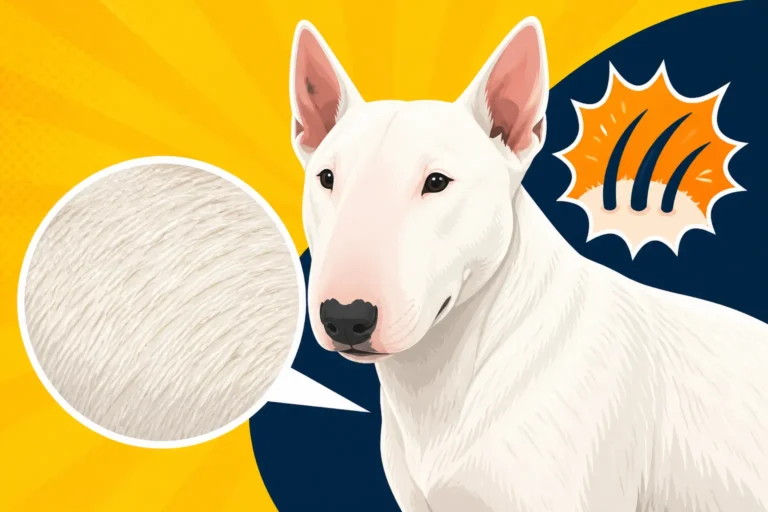
Bull Terriers, with their short, sleek coats and often pale skin, are truly distinctive. But this unique aesthetic comes with a particular vulnerability to the sun that many owners overlook until a nasty sunburn makes itself known. It’s not just about a bright sunny day; it’s about understanding the biological reasons why your bully needs that extra layer of protection.
The Pale Truth: Why White Bull Terriers Are More Susceptible
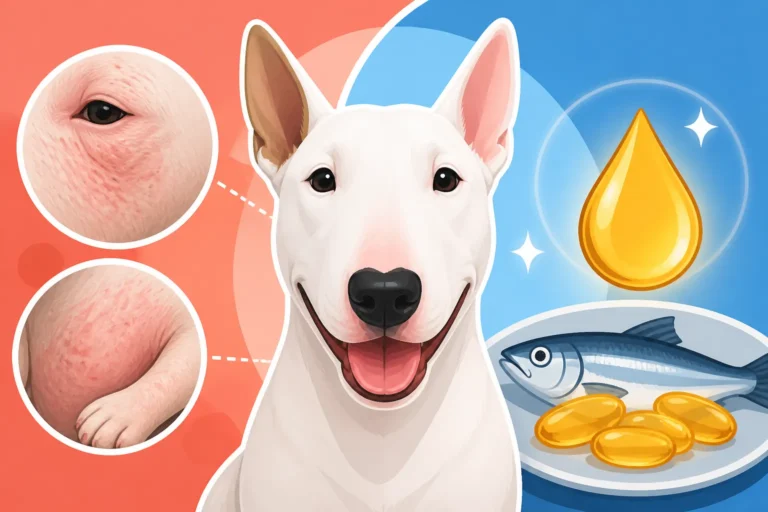
Let's be blunt: a white Bull Terrier is basically a human in a thin, short-sleeved shirt on a scorching summer day. Their coat offers minimal protection against ultraviolet (UV) radiation. Unlike dogs with dense undercoats or darker pigmentation, white Bull Terriers lack the melanin that acts as a natural sunscreen. Melanin is the pigment responsible for skin, hair, and eye color, and it’s a dog’s first line of defense against the sun. Without it in sufficient quantities, their delicate pink skin is exposed, making them prone to burning in as little as 20-30 minutes of direct sunlight.
Think of it like this: most dogs have a built-in sun umbrella, but many white Bull Terriers only have a thin lace parasol. Their skin is particularly vulnerable, often appearing visibly pink, especially on the belly, inner thighs, and ears. This isn't just an aesthetic observation; it's a critical indicator of their susceptibility. We've talked before about Why a White Bull Terrier Sunburns, and it really boils down to this lack of protective pigment. It’s a genetic trait that comes with their stunning white coats, and it means we, as their guardians, have to be extra vigilant.
Not Just White: Other Factors Increasing Sun Sensitivity
While white Bull Terriers are at the highest risk, it’s a misconception that colored Bull Terriers are completely immune to sunburn. Any Bull Terrier with sparse hair, thin coats, or areas of pink skin can still burn. This includes brindle bullies with white chests or bellies, or even solid-colored dogs who have experienced hair loss due to allergies or other skin conditions. If you notice a bald patch, perhaps from scratching or a healed wound, that area is now exposed and just as vulnerable as a white Bull Terrier's ear tip.
Furthermore, puppies and senior Bull Terriers can have increased sensitivity. Puppies often have thinner, more delicate skin, and their immune systems are still developing. Older Bull Terriers might have thinning coats, hormonal changes that affect skin integrity, or underlying health issues that make their skin more fragile. A Bull Terrier's Skin Is Its Weakest Point regardless of color, so it's a good practice to be aware of any changes in coat density or skin appearance that might necessitate more diligent sun protection, even if your dog isn't pure white.
Recognizing the Dangers of Sun Exposure
The sun feels good, and we love seeing our bullies bask in it, but the risks associated with unprotected sun exposure are far more serious than a simple "ouch" for our dogs. Understanding these dangers helps underscore why sunscreen isn't just an optional luxury, but often a necessary preventative measure for our sensitive Bull Terriers.
Immediate Risks: Sunburn and Heatstroke
The most immediate and obvious danger is sunburn. Just like with humans, a dog's sunburn isn't just uncomfortable; it can be painful, leading to red, inflamed, and even blistered skin. Imagine the agony of having a raw, tender patch of skin on your belly or nose, exacerbated every time you lie down or rub against something. This discomfort can make your Bull Terrier lethargic, irritable, and unwilling to be touched. In severe cases, extensive sunburn can lead to secondary skin infections as the damaged skin becomes a breeding ground for bacteria, potentially requiring veterinary intervention, including antibiotics and pain relief.
Beyond sunburn, prolonged exposure to direct sunlight, especially on hot days, carries the very real risk of heatstroke. Bull Terriers, with their athletic builds and sometimes relentless drive, can push themselves too far without realizing the danger. They don't sweat like humans do; they primarily cool themselves through panting. If they're in direct sun with no shade, their body temperature can rapidly escalate to dangerous levels. Symptoms like excessive panting, drooling, weakness, disorientation, and even collapse are urgent signs of heatstroke, a life-threatening emergency. We need to be mindful of how hot our bullies are getting, not just how red their skin is, especially when enjoying activities outdoors.
Long-Term Worries: Skin Cancer and Chronic Damage
The insidious nature of sun exposure lies in its cumulative effect. While immediate sunburn is painful, repeated exposure over years significantly increases the risk of serious long-term health problems, most notably skin cancer. Bull Terriers, particularly white ones, are predisposed to certain types of skin cancers like squamous cell carcinoma and hemangiosarcoma, especially on areas frequently exposed to the sun such as the nose, ear tips, and abdomen. These cancers can be aggressive and often require invasive treatments like surgery, radiation, or chemotherapy.
It’s a heartbreaking reality that what seems like a harmless afternoon of sunbathing can contribute to a devastating diagnosis down the line. Beyond cancer, chronic sun exposure can lead to premature aging of the skin, thickening, hyperpigmentation (darkening), and a loss of elasticity, making the skin more fragile and prone to tears and infections. This is why a diligent The Weekly Skin Check Every Bull Terrier Needs is so vital, allowing you to catch any suspicious lumps, bumps, or discolorations early. Protecting your bully from the sun isn't just about preventing a bad day; it's about safeguarding their health and comfort for their entire The Ten to Fourteen Years a Bull Terrier Gets.
Key Situations Where Sunscreen is a Must
So, now that we understand why sun protection is so important, let's talk about the when. It’s not about slathering sunscreen on your Bull Terrier every single time they step outside, but rather identifying those specific scenarios where their delicate skin is most at risk.
High UV Index Days and Peak Sun Hours
This might seem obvious, but it's often overlooked. On days when the UV index is high – generally anything above a 3 – and especially during peak sun hours (typically between 10 AM and 4 PM), your Bull Terrier needs sunscreen, even if it's not scorching hot. UV rays are present even on cloudy days, and they reflect off surfaces like water, sand, and concrete, intensifying exposure. Just because you don't feel the heat doesn't mean the sun's damaging rays aren't at work.
Think about a spring day that feels cool but has a clear sky – perfect for a long walk, right? For a white Bull Terrier, this could be more dangerous than a slightly hazy summer day. Plan your outings with the sun's intensity in mind. If you must be out during these peak times, apply sunscreen, seek shade frequently, and consider limiting the duration of direct exposure. It's about being proactive and recognizing that the sun's strength isn't always immediately apparent through temperature alone.
Extended Outdoor Activities and Playtime
If your Bull Terrier is going to be outside for an extended period, whether it's a long hike, a trip to the beach, or a day spent lounging in the yard, sunscreen is non-negotiable. This is particularly true for activities where they might be exposed to reflective surfaces like sand or water, which amplify UV exposure. A Bull Terrier enjoying a game of fetch in the park, especially one with a short, bright white coat, is essentially asking for a sunburn if not protected.
I know, it's hard to tell a Bull Terrier to not have fun, and their boundless energy means they'll often keep going long past what's safe. That's where we step in. Before a day out at the lake, a long training session in an open field, or even just when they're determined to soak up every last ray in their favorite sunny spot in the yard, take those extra few minutes to apply protection. It's an investment in their comfort and health. Remember, Where a Bull Terrier Burns First is often the nose and ears, so these are critical spots to cover during extended play.
Specific Body Parts Most Vulnerable to Sunburn
Not all of your Bull Terrier's body is equally susceptible. Some areas are naturally more exposed or have thinner skin, making them prime targets for sunburn. These are the "hot spots" where you should always prioritize sunscreen application, regardless of how long they'll be outside.
The top of the nose, the tips of the ears, and the delicate skin around the eyes are almost universally vulnerable, especially on white or light-colored Bull Terriers. Their short, bristly hair offers minimal coverage here. The belly and inner thighs, where the fur is sparse and the skin is often pink, are also extremely prone to burning, particularly when they lie down to sunbathe. If your Bull Terrier has any areas of thin hair or hair loss, perhaps due to Demodectic Mange in a Bull Terrier or skin allergies, those patches also become priority areas. Pay special attention to these sensitive zones when applying sunscreen, making sure to gently massage it in.
Choosing the Right Sunscreen for Your Bull Terrier
Alright, you're convinced your Bull Terrier needs sunscreen. But grabbing your own tube of SPF 50 from the bathroom cabinet is NOT the answer! Human sunscreens often contain ingredients that are toxic to dogs if ingested, and let's face it, our bullies are notorious for licking themselves. This section will guide you through selecting a safe and effective sunscreen specifically formulated for canines.
What Ingredients Are Safe for Canine Skin?
The golden rule for dog sunscreen is simple: if you wouldn't want your dog to eat it, don't put it on their skin where they will inevitably lick it off. Look for sunscreens specifically labeled for pets, or those containing only zinc oxide and titanium dioxide as active ingredients. These are physical blockers that sit on top of the skin and reflect UV rays, rather than chemical absorbers. While zinc oxide can be problematic if ingested in very large quantities, in pet sunscreens, it's typically micronized and formulated to be less readily absorbed or harmful in small licks. Still, supervision after application is key.
Avoid sunscreens containing para-aminobenzoic acid (PABA), zinc compounds not specified as zinc oxide, octinoxate, homosalate, oxybenzone, avobenzone, and octisalate. Many of these chemicals are skin irritants or have hormonal effects, and some are downright toxic if ingested. Look for formulations that are fragrance-free and non-comedogenic to prevent skin irritation. Some brands, like those found on Chewy or Amazon, specifically formulate their dog sunscreens with natural, non-toxic ingredients like aloe vera, shea butter, and vitamin E, which can also soothe and moisturize the skin. When in doubt, a quick call to your vet can clarify specific ingredients.
Here’s a quick guide to what to look for and what to avoid:
| Ingredient Type | Safe for Dogs (Generally) | AVOID (Potentially Toxic/Irritating) | Notes |
|---|---|---|---|
| Active Ingredients | Zinc Oxide | PABA | Zinc Oxide, while safer, should still be in dog-specific formulas. |
| Titanium Dioxide | Octinoxate, Oxybenzone, Homosalate, etc. | These are chemical blockers and can be absorbed or toxic if ingested. | |
| Other Additives | Aloe Vera | Fragrances, Dyes | Look for "fragrance-free" and "hypoallergenic." |
| Shea Butter | Alcohol | Can dry out or irritate sensitive skin. | |
| Vitamin E | Petroleum-based products | Can clog pores and be greasy. |
DIY vs. Commercial Dog Sunscreen Options
With so many products on the market, you might wonder if a homemade solution is an option. While some dedicated Bull Terrier owners explore DIY options using ingredients like coconut oil (which has a very low natural SPF of around 4-5) or specific plant extracts, I generally advise caution. It’s incredibly difficult to create a truly effective and safe sunscreen at home that offers consistent UV protection. The SPF (Sun Protection Factor) claims for natural oils are often minimal and unreliable, leaving your bully still vulnerable.
Commercial dog sunscreens are rigorously tested and formulated to provide specific SPF levels and minimize toxicity if ingested. Brands available on platforms like Chewy or Amazon offer a range of trusted options. Products like Epi-Pet Sun Protector Spray or My Dog Nose It! Balms are popular choices among pet owners. While they might seem like an added expense, the cost of treating severe sunburn or skin cancer far outweighs the price of a good quality dog-specific sunscreen. Always prioritize safety and proven efficacy when it comes to your Bull Terrier's health.
Application Techniques and Best Practices
So, you've got your dog-safe sunscreen. Now comes the trickier part: actually getting it onto your wiggly, curious Bull Terrier! It can feel like wrestling an alligator, but with the right approach and a bit of patience, you can make sunscreen application a smooth and even enjoyable routine for both of you.
Step-by-Step Guide to Applying Sunscreen
First things first, gather your supplies: the chosen dog sunscreen (spray or cream), a soft cloth or cotton ball for delicate areas, and perhaps some tasty treats for positive reinforcement.
- Start Small: Begin with a pea-sized amount of cream or a single spritz of spray. You don't need a thick layer like paint; a thin, even coat is sufficient.
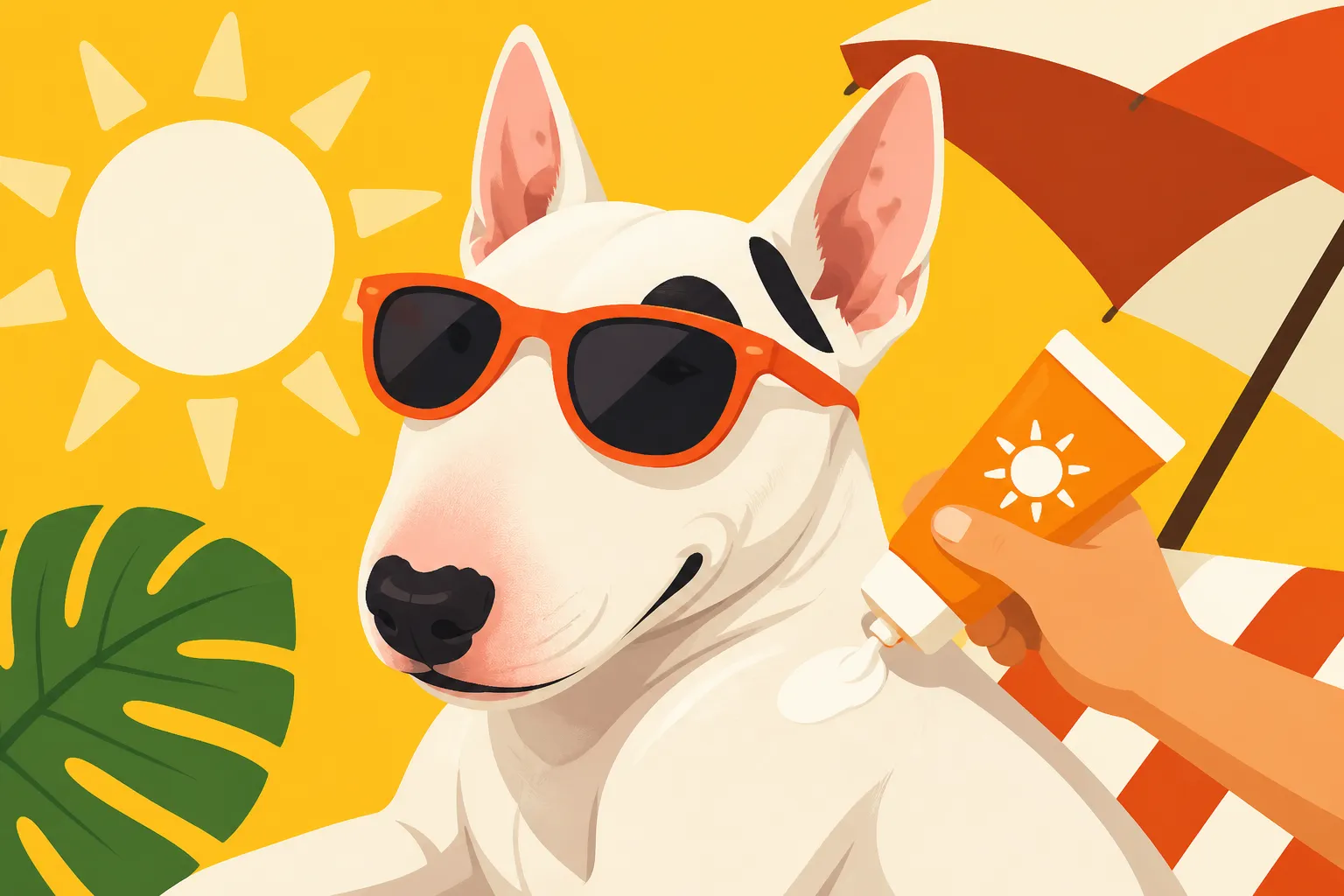
- Target Sensitive Areas: Focus on the nose, ear tips (both front and back), around the eyes (being extremely careful not to get it in the eyes), and any pink skin on the belly, inner thighs, or areas with thin fur. Don't forget the top of the head if your Bull Terrier has a sparse coat there. Whether a Bull Terrier Needs Sunscreen is almost always yes for these spots.
- Gentle Application: For creams, dab small amounts onto the target areas and gently rub it in until it's absorbed. For sprays, spray a small amount onto your hand or a cloth first, then apply to your dog to avoid startling them or getting it directly into their eyes.
- Reapply as Needed: Sunscreen isn't a "one and done" application. If your Bull Terrier is swimming, rolling in the dirt, or engaging in prolonged activity, you'll need to reapply every 2-4 hours, or as directed by the product's label. This is especially true if they lick it off!
- Supervise After Application: While dog-safe sunscreens are designed to be non-toxic, it’s still best to minimize ingestion. Try to distract your Bull Terrier with a favorite toy or a short walk immediately after application, giving the sunscreen a few minutes to absorb before they start licking.
Making Sunscreen Application a Positive Experience
No one likes a forced procedure, especially not our strong-willed Bull Terriers! The key is positive reinforcement and making it a routine, not a battle. Start early, even with puppies, and make it a game.
Introduce the sunscreen tube or spray bottle calmly. Let your Bull Terrier sniff it. Give them a treat. Then, gently touch the bottle to their body, followed by another treat. Gradually build up to applying a tiny bit of sunscreen, always followed by praise and a high-value treat. If using a spray, teach them to associate the sound with something positive by spraying it away from them and immediately offering a treat. You can even try doing it when they're sleepy and relaxed.
The goal is to create a positive association, so your Bull Terrier views sunscreen application as a normal part of their routine, like getting their leash on for a walk or having their ears checked (which, by the way, is another regular task for Ears, Eyes and Tail: the Parts of a Bull Terrier to Check). Consistency and patience will pay off, transforming a potential struggle into a quick, cooperative moment before fun in the sun.
Beyond Sunscreen: A Holistic Approach to Sun Protection
While sunscreen is a powerful tool in your Bull Terrier's sun protection arsenal, it's just one piece of the puzzle. A truly comprehensive approach involves multiple strategies to keep them safe, ensuring they can still enjoy the great outdoors without unnecessary risks.
Shade, Timing, and Protective Clothing
The simplest and most effective way to prevent sunburn and overheating is to limit direct sun exposure. This means planning your outdoor activities around the sun's schedule. As we discussed, avoid peak UV hours (10 AM to 4 PM) whenever possible. Instead, opt for early morning walks or evening playtime when the sun's rays are less intense.
Always provide ample shade when your Bull Terrier is outdoors. Whether it's a sturdy umbrella, a pop-up canopy, or natural tree cover, ensure they have a cool retreat from the sun. If you’re at the beach or park, proactively set up a shaded area for them. Water access is also crucial; a cool pool or a steady supply of fresh, cool water helps regulate their body temperature.
For those situations where extended exposure is unavoidable, consider protective clothing. Lightweight, UV-blocking shirts or rash guards specifically designed for dogs can provide an excellent barrier for their backs and bellies. Dog hats or visors can help shield their sensitive noses and eyes. While your Bull Terrier might look a little silly at first, Whether a Bull Terrier Should Wear a Shirt in Summer isn't about fashion; it's about practical protection, especially for those with very sensitive skin or recovering from a skin issue.
Regular Skin Checks and Vet Consultations
Even with the best preventative measures, things can happen. That's why consistent vigilance of your Bull Terrier's skin health is paramount. Make The Weekly Skin Check Every Bull Terrier Needs a regular part of your routine. Gently part their fur, examine all areas, paying close attention to the ear tips, nose, belly, and any areas of thin hair. Look for redness, flakiness, scabs, lumps, bumps, or any changes in pigmentation. Catching potential issues early can make a world of difference in treatment and outcome.
If you notice anything unusual, don't hesitate to consult your veterinarian. They can accurately diagnose any skin problems, differentiate between a benign spot and a potential malignancy, and recommend appropriate treatment. Sometimes, what looks like a simple sunburn could be something else, or a sun-damaged patch could be evolving into something more serious. Your vet is your best partner in ensuring your Bull Terrier's long-term health, and they can also advise on the best sunscreens and protective strategies tailored to your individual dog's needs. Don't be afraid to ask about What a Bull Terrier's Dermatologist Charges if you have ongoing skin concerns.
Disclaimer
This article is for general informational purposes only and does not constitute professional advice. Laws, prices and regulations vary by location and change over time. Consult a qualified professional for guidance on your specific situation.