Whether a Bull Terrier Gets Hot Spots
It's incredibly frustrating, isn't it? You wake up one morning, or perhaps come home after a long day, and there it is: a rapidly growing, red, raw, and often oozing sore on your beloved Bull Terrier. These aren't just minor irritations; they're intensely itchy, painful, and seem to spread overnight, leaving you feeling helpless and worried sick about your dog's comfort. This guide is dedicated to helping Bull Terrier owners understand, treat, and most importantly, prevent those dreadful hot spots.
Understanding What Hot Spots Truly Are
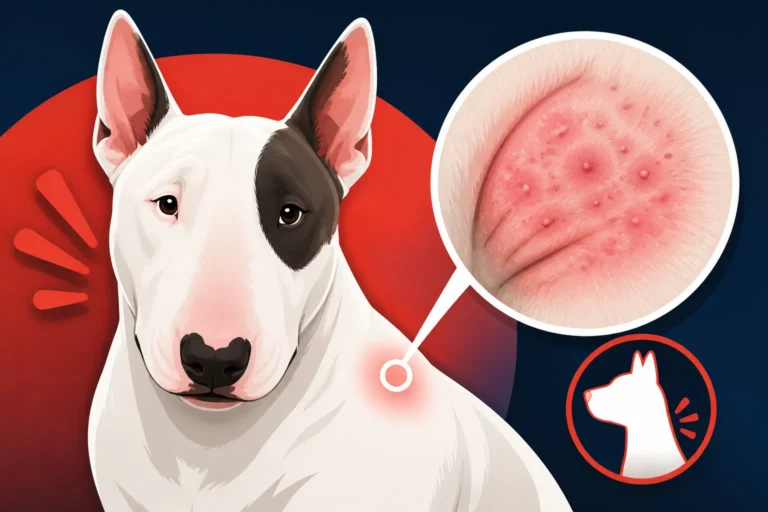
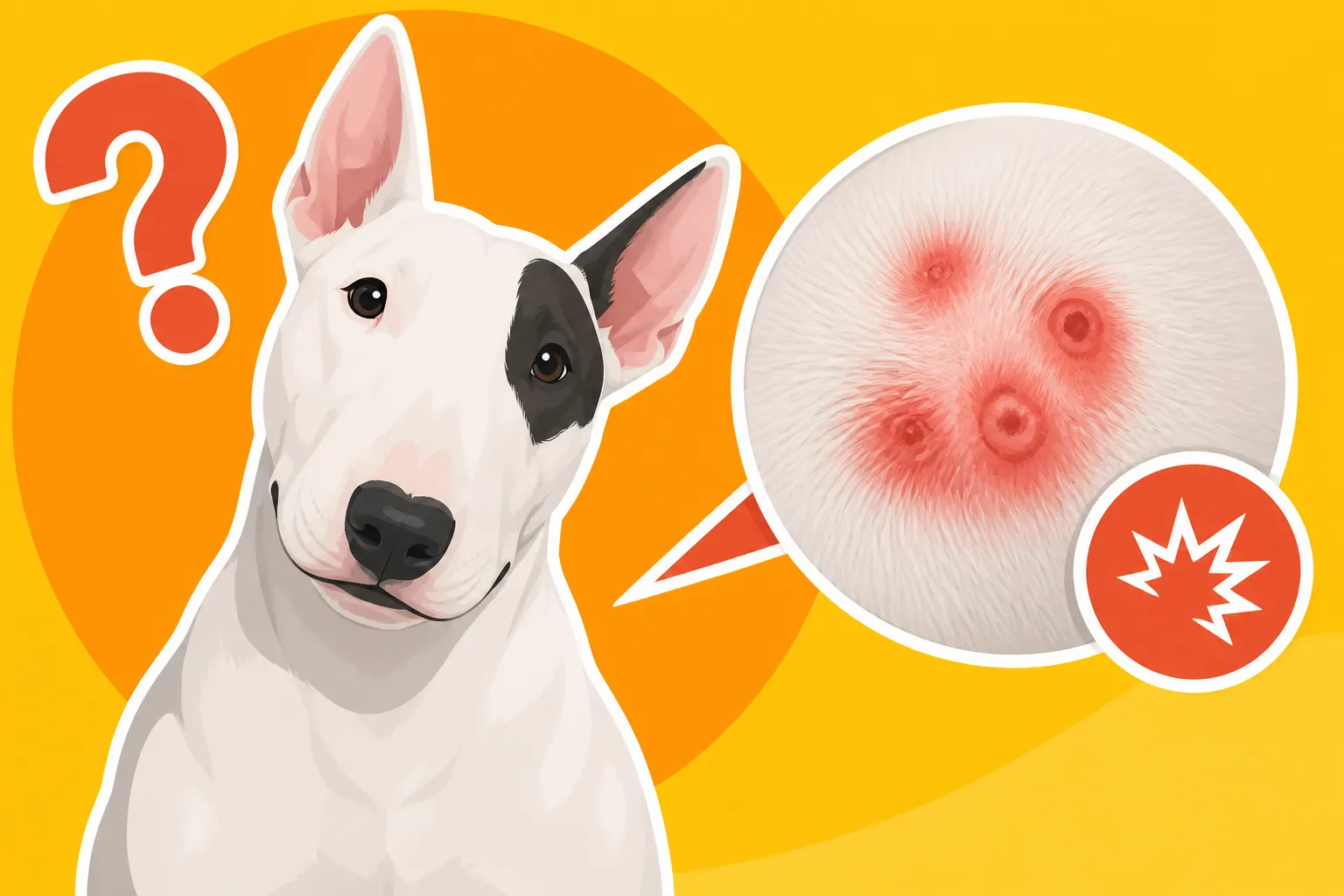
Before we dive into why our particular eggheads seem so prone to these vexing lesions, let's get clear on what a hot spot actually is. The medical term for it is acute moist dermatitis, and it’s a perfectly descriptive name. These aren't just dry patches of skin; they're wounds that are red, inflamed, often wet or oozing, and appear with alarming speed. They're typically quite circular or oval in shape, but can quickly expand to cover a larger area as your dog continues to irritate the site.
The Rapid Onset and Appearance of Acute Moist Dermatitis
One of the most disheartening things about hot spots is how quickly they seem to materialize out of thin air. You might have seen your Bull Terrier scratch an area just a little more than usual the day before, or perhaps noticed a tiny red bump, and then, boom – overnight it has exploded into a significant, raw lesion. This rapid progression is due to a vicious cycle: an initial irritation causes your dog to lick, chew, or scratch the spot, which then breaks the skin, allowing bacteria (which are always present on the skin) to invade. This bacterial infection causes more itchiness and pain, leading to more licking and chewing, which prevents the area from drying out and healing, creating that characteristic moist, inflamed appearance.
The appearance can be quite shocking. The fur in the affected area will be matted with discharge, or perhaps even completely gone, exposing angry red skin. The skin itself will be thickened, swollen, and often covered with a yellowish or clear ooze. It smells unpleasant, too, due to the bacterial overgrowth. For an owner, it's a stark visual reminder of their dog's discomfort, and it often appears in places that are easy for your Bull Terrier to reach with their mouth, like the hips, flanks, neck, or paws.
The Intense Itch and Pain Your Bull Terrier Experiences
Imagine having an itch that feels impossible to relieve, combined with a wound that constantly throbs. That's likely what a hot spot feels like for your Bull Terrier. The discomfort isn't just a mild annoyance; it's an intense, persistent itch that drives them to chew, lick, and scratch almost incessantly. This isn't just behavioral; it's a physical response to the inflammation and bacterial infection. The pain can be significant enough to make your usually boisterous Bull Terrier withdrawn, lethargic, or even irritable if you try to touch the affected area.
Because Bull Terriers are such stoic and clownish dogs, they sometimes try to mask their pain. However, a constant fixation on one area of their body, turning their head to gnaw at their flank, or avoiding being touched near a specific spot, are all big red flags. It’s a truly miserable experience for them, and watching them suffer from such an itchy, painful condition is heartbreaking for us, their devoted companions. The urge to get to the bottom of it and relieve their suffering becomes paramount.
Why Bull Terriers Are Particularly Susceptible to Hot Spots
It's not just bad luck that your Bull Terrier seems to get hot spots. Certain breed characteristics, both physical and genetic, can make them more prone to developing these troublesome skin conditions compared to some other breeds. Their unique physiology, combined with their energetic personalities, creates a perfect storm for skin woes.
Their Unique Skin and Coat Characteristics
Bull Terriers, especially the white ones, often have skin that is more sensitive and prone to irritation. Their short, dense coats can sometimes trap moisture against the skin if not dried properly after a bath or a swim, creating a warm, damp environment where bacteria thrive. This is particularly true in humid climates where the air itself holds moisture. Unlike some double-coated breeds, Bull Terriers have a single coat, but it's very close to the body, offering less ventilation.
Furthermore, many Bull Terriers have pink skin, which can be more delicate and susceptible to environmental factors. For example, a Why a White Bull Terrier Sunburns article would explain how easily their pink skin can burn, and even a mild sunburn can be an initial irritation that triggers a hot spot if the dog starts licking it. Any minor abrasion on this sensitive skin can escalate quickly. This sensitivity means that even tiny irritations that another dog might ignore can become a massive problem for a Bull Terrier.
Underlying Allergies and Sensitivities
This is a big one. Bull Terriers, unfortunately, are genetically predisposed to various allergies, and these allergies are a prime suspect in the case of recurring hot spots. When a Bull Terrier is exposed to an allergen, their immune system overreacts, causing intense itching. This itching can manifest as generalized scratching, or it can pinpoint an area, leading to the destructive licking and chewing that starts a hot spot.
Common culprits include:
- Flea Allergy Dermatitis (FAD): Even a single flea bite can trigger a severe, widespread allergic reaction in a sensitized Bull Terrier, causing extreme itchiness, often focused around the tail base, rump, or inner thighs.
- Environmental Allergies (Atopy): Pollen, dust mites, molds, and grasses can all cause a Bull Terrier to become incredibly itchy. These often have a seasonal component, but indoor allergens can be year-round. You might notice your dog licking their paws incessantly, rubbing their face, or scratching their ears. Our article on Whether a Bull Terrier Gets Skin Allergies delves deeper into these specific issues.
- Food Allergies: Less common than environmental allergies, but certain proteins or ingredients in their diet can cause systemic itching, which can also lead to hot spots.
When your Bull Terrier is constantly feeling itchy due to allergies, it's almost inevitable that they will find a spot to lick or chew raw, and the hot spot cycle begins. Dealing with these underlying allergies is often the key to long-term prevention.
Bull Terriers' Energetic Nature and Minor Injuries
Bull Terriers are playful, boisterous dogs, full of life and energy. They love to run, jump, and explore, and sometimes, this enthusiasm can lead to minor scrapes, cuts, or bug bites. A quick run through tall grass might result in a tiny thorn prick, or a tussle with a playmate could cause a small scratch. Ordinarily, these minor injuries might heal on their own. However, in a Bull Terrier with sensitive skin or underlying allergies, these small irritations become an irresistible target for licking and chewing.
The repetitive licking introduces more bacteria from the dog's mouth into the wound, and the constant moisture prevents proper healing. What started as a tiny insect bite on their flank can quickly become a rapidly expanding, raw hot spot within hours. Because they are so active, it's easy to miss these initial, tiny triggers until they've already blossomed into full-blown hot spots. This means that regular, thorough physical checks are incredibly important for this breed, especially after outdoor adventures.
Common Triggers That Ignite Hot Spots
It's crucial to identify the catalyst for your Bull Terrier's hot spots. Understanding what sets them off is the first step in prevention. Sometimes it's a single, obvious event, while other times it's a combination of subtle factors creating the perfect storm.
Parasites and Insect Bites
Fleas are arguably one of the most common culprits behind hot spots. As mentioned, even a single flea bite can initiate a severe allergic reaction in a flea-allergic Bull Terrier. The intense, localized itch from the bite causes them to lick and chew fervently, breaking the skin and starting the hot spot cycle. It's often difficult to even find the flea, as the dog's constant grooming might remove the evidence, leaving only the angry red mark behind.
Beyond fleas, other biting insects like mosquitoes, flies, or even tiny mites can cause an initial itch or small bump that a Bull Terrier can't resist bothering. Ticks, particularly if they cause a localized irritation or fall off leaving a small wound, can also be a starting point. This is why consistent, year-round parasite prevention is non-negotiable for Bull Terriers, especially those prone to hot spots. Topical or oral preventative medications are highly effective in breaking this cycle, protecting your dog from the initial bite that can lead to so much misery.
Moisture Trapping and Poor Drying Practices
Bull Terriers might have short coats, but that doesn't mean they're immune to issues caused by trapped moisture. After a swim in the lake, a romp in the rain, or even just a good bath, if your Bull Terrier isn't thoroughly dried, moisture can linger close to the skin, especially in areas like under their collar, behind their ears, or in their armpits and groin. This warm, damp environment is an ideal breeding ground for bacteria and yeast, which can quickly lead to skin irritation and then, you guessed it, a hot spot.
It's tempting to let a short-haired dog "air dry," but for a Bull Terrier with a history of hot spots, this can be a risky gamble. Think about how long it takes for your own skin to dry under a tight piece of clothing after sweating – it's similar for a dog. Investing in absorbent towels and even a pet-specific forced-air dryer (if your dog tolerates it) can be a game-changer. Ensure every crease and fold of their skin, as well as the entire length of their back and sides, is completely dry. Pay special attention to areas where their fur is slightly thicker or where skin folds might trap moisture.
Environmental Irritants and Allergens
Just like people can react to pollen or dust, Bull Terriers can develop sensitivities to various environmental allergens. Things like seasonal pollens from trees, grasses, and weeds, or year-round indoor allergens such as dust mites, mold spores, and even certain cleaning products used in the home, can trigger an allergic response. This response often manifests as generalized itching, but your Bull Terrier might focus their attention on specific body parts that feel most irritated, such as their paws, belly, ears, or inner thighs.
For example, a Bull Terrier might develop an itchy rash on their belly and chest after lying in freshly cut grass, or compulsively lick their paws after walking on pavement that has been treated with chemicals. These areas become inflamed and itchy, and the dog’s relentless licking and chewing transform a mild irritation into a weeping hot spot. Identifying and minimizing exposure to these triggers, along with managing the allergic reaction itself, are crucial. Our blog post What a Bull Terrier Is Most Often Allergic To provides a detailed overview of common allergens and strategies for managing them.
Behavioral and Psychological Factors
Sometimes, the initial trigger for a hot spot isn't purely physical; it can stem from behavioral or psychological issues. Just like some people might bite their nails when anxious or bored, dogs can engage in excessive licking, chewing, or scratching as a coping mechanism. A bored Bull Terrier, one left alone for long periods without sufficient mental and physical stimulation, might start to lick a specific area of their body out of sheer idleness. This repetitive behavior can irritate the skin, leading to a hot spot.
Stress and anxiety can also contribute. A change in routine, separation anxiety, the introduction of a new pet, or even loud noises can make some Bull Terriers anxious. This anxiety might manifest as obsessive licking of their paws, flanks, or tail base. What starts as an innocent stress reliever can quickly become a self-inflicted wound. Addressing these underlying behavioral issues through increased exercise, enrichment, positive reinforcement training, and sometimes even professional behavioral consultation, is a vital part of preventing hot spots in such cases.
Effective First Aid for Hot Spots at Home
Once a hot spot has appeared, time is of the essence. The faster you act, the better your chances of containing it and preventing it from becoming a much larger, more painful problem. While a vet visit is often necessary, there are crucial steps you can take immediately to provide relief and begin the healing process.
Trimming the Hair and Gentle Cleaning
Your very first step should be to carefully trim away the fur around and over the hot spot. This might feel daunting, especially if the area is tender, but it’s absolutely critical. Matted hair traps moisture, prevents air circulation, and makes it impossible to clean the wound effectively. Use blunt-nosed scissors or electric clippers with a fine blade (a #40 blade works well) and be extremely gentle to avoid nicking the inflamed skin. Trim at least an inch beyond the visible edges of the lesion. You’ll be surprised how much larger the hot spot often is once the hair is cleared away.
Once the area is clipped, it’s time to clean. A mild antiseptic solution is ideal. Chlorhexidine-based washes (often available at pet stores or from your vet) are excellent choices because they are effective against bacteria and yeast and are safe for dogs. Diluted povidone-iodine solution (to the color of weak tea) can also work. Gently dab or wipe the area with a cotton ball or soft gauze soaked in the solution. Avoid harsh scrubbing, which will only cause more pain and irritation. The goal is to remove any crust, ooze, and bacteria, allowing the skin to dry. Repeat this cleaning two to three times a day.
Preventing Licking, Chewing, and Scratching
This is perhaps the most challenging, yet vital, part of home care. Your Bull Terrier will be desperate to lick, chew, and scratch the hot spot because it’s so itchy and painful. However, this self-trauma is precisely what prevents healing and makes the hot spot worse. An Elizabethan collar (e-collar or "cone of shame") is an absolute must-have. Don't skip this step, even if your Bull Terrier looks miserable. A cone ensures that the area can dry out and isn't constantly re-infected by their mouth.
There are various types of e-collars available: traditional plastic cones, soft fabric cones, or inflatable donut collars. Experiment to find one that your Bull Terrier tolerates best, but ensure it's effective in preventing them from reaching the hot spot. If the hot spot is on their paw, you might also need a protective bootie, though a cone usually prevents them from reaching their front paws. Consider bitter-tasting sprays as an additional deterrent, but never rely solely on them; a determined Bull Terrier will often lick right through them. Remember, consistency is key; the cone needs to stay on until the hot spot is completely dry, scabbed over, and no longer itchy.
Applying Soothing and Protective Topicals
After cleaning and ensuring the area is dry, a topical treatment can offer additional relief and protection. There are several over-the-counter options designed for dogs that can help soothe the skin and inhibit bacterial growth. Look for products containing ingredients like hydrocortisone (for reducing inflammation and itch), witch hazel (for its astringent properties to help dry the lesion), or specific antimicrobial sprays.
However, be cautious with what you apply. Avoid human creams unless specifically advised by your vet, as many contain ingredients that are toxic to dogs if ingested. Always choose pet-safe products. A thin layer is usually sufficient. Remember, anything you put on the hot spot, your Bull Terrier will likely try to lick off, which is why the e-collar is so crucial. These topical treatments are designed to supplement cleaning and cone use, not replace them. If the hot spot shows no signs of improvement within 24-48 hours, or if it worsens, it’s time for a professional veterinary assessment.
When to Seek Veterinary Care
While home care can provide immediate relief, many hot spots, especially in a breed like the Bull Terrier, require professional veterinary intervention. Knowing when to call your vet can make a significant difference in your dog's recovery and comfort.
Recognizing Signs That Warrant a Vet Visit
It's tempting to try and manage a hot spot at home, but certain signs indicate that your Bull Terrier needs a vet’s attention without delay. These include:
- Rapid Spreading or Worsening: If the hot spot continues to grow in size, becomes deeper, or appears more inflamed despite your home care efforts, it’s a clear sign you need professional help.
- Intense Pain: If your Bull Terrier is yelping, growling, or snapping when you approach the area, or if they are limping or refusing to move due to the pain, it's too severe for home treatment alone.
- Systemic Signs: Watch for general illness, such as lethargy, loss of appetite, fever, or vomiting. A localized skin infection can sometimes lead to more widespread issues.
- Deep or Recurring Lesions: Hot spots that are very deep, bleeding excessively, or that keep coming back in the same or different locations often point to an underlying cause that needs medical diagnosis and treatment.
- No Improvement within 24-48 hours: If you've been diligently cleaning and coning, and haven't seen any visible improvement or reduction in inflammation within a day or two, it’s time to call the vet.
Delaying a vet visit can lead to the infection spreading, increasing pain, and making the eventual treatment more complex and costly.
What to Expect at the Vet
When you bring your Bull Terrier to the vet for a hot spot, they will start with a thorough examination. The vet will likely clip the hair around the lesion (if you haven't already) to assess its full extent. They may take a swab of the discharge for cytology (looking at cells under a microscope) to identify the types of bacteria or yeast present and guide antibiotic choices. They might also perform a skin scraping to rule out parasites like mites, which can sometimes mimic hot spots, as discussed in our piece on Demodectic Mange in a Bull Terrier.
Treatment typically involves:
- Prescription Medications: This is where the real healing begins. Your vet will likely prescribe oral antibiotics to tackle the bacterial infection and often oral steroids or anti-itch medications to reduce inflammation and stop the unbearable itching. Sometimes, a course of anti-fungal medication is also necessary if yeast is involved.
- Medicated Shampoos or Sprays: Beyond oral medications, your vet might recommend specific medicated shampoos or sprays with ingredients like chlorhexidine or miconazole (an antifungal) to use at home. Our article Which Shampoo Suits a Bull Terrier's Skin can offer more insights into selecting appropriate products.
- Identifying and Addressing the Root Cause: This is crucial for long-term prevention. If allergies are suspected, your vet might discuss options like flea control, hypoallergenic diets, or allergy testing to identify specific environmental triggers. This could lead to a deeper dive into topics covered in What a Bull Terrier's Dermatologist Charges if specialist care is needed.
- E-collar Reinforcement: Your vet will almost certainly reinforce the need for an e-collar, stressing its importance in preventing your Bull Terrier from making the hot spot worse.
It's important to follow your vet's instructions precisely, completing the full course of antibiotics even if the hot spot appears to have healed. Stopping too soon can lead to a recurrence.
Long-Term Prevention Strategies for Your Bull Terrier
The best way to deal with hot spots is to prevent them from happening in the first place. For Bull Terriers, given their predispositions, this means a multi-faceted approach focusing on their skin health, allergy management, and overall well-being.
Regular Grooming and Skin Checks
Consistent grooming is more than just keeping your Bull Terrier looking sharp; it’s a vital preventative measure for skin health. Even with their short coats, regular brushing helps to remove loose hair, distribute natural oils, and allows you to conduct a thorough skin check. A The Weekly Skin Check Every Bull Terrier Needs should become a routine. Look for any redness, bumps, scabs, or areas of increased licking. Catching these minor irritations early can prevent them from escalating into full-blown hot spots.
When bathing your Bull Terrier, always use a mild, hypoallergenic shampoo, and perhaps even a medicated one if recommended by your vet. The most crucial step after bathing or swimming is ensuring your Bull Terrier is completely dry. Pay extra attention to areas like the armpits, groin, and neck, where moisture can easily get trapped. A powerful towel, a chamois cloth, or even a low-heat pet dryer can be invaluable. Don't forget their paws; our article Whether a Bull Terrier's Feet Itch points out how frequently this area is a source of irritation.
Comprehensive Allergy Management
Since allergies are a leading cause of hot spots in Bull Terriers, a robust allergy management plan is essential. This starts with year-round, consistent flea and tick prevention. Don't wait until you see fleas; by then, an allergic reaction may have already begun. Talk to your vet about the best preventative product for your dog and local parasite prevalence.
For environmental allergies, management can be more complex. It might involve:
- Antihistamines: Over-the-counter options like diphenhydramine (Benadryl) or cetirizine (Zyrtec) can sometimes help with mild itching, but always consult your vet for appropriate dosages.
- Omega-3 Fatty Acid Supplements: These can help improve skin barrier function and reduce inflammation.
- Medicated Shampoos and Wipes: Regular bathing with specific shampoos can help wash away environmental allergens from the coat and soothe irritated skin.
- Allergy Testing and Immunotherapy: For severe or persistent environmental allergies, your vet might recommend allergy testing (blood tests or intradermal skin tests) to identify specific allergens. Once identified, a custom vaccine (immunotherapy) can be formulated to desensitize your Bull Terrier to those allergens over time. This is a long-term commitment but can offer significant relief.
- Dietary Changes: If food allergies are suspected, a food elimination trial using a novel protein or hydrolyzed protein diet might be necessary. This requires strict adherence to a specific diet for 8-12 weeks to see if symptoms improve.
Effectively managing underlying allergies is often the most impactful way to break the hot spot cycle.
Environmental Control and Enrichment
Your Bull Terrier's environment plays a role too. Regularly vacuuming and washing bedding can help reduce dust mites and dander, especially important for indoor allergen sufferers. If your dog is allergic to grass, consider wiping their paws and belly after outdoor excursions, or even using a protective vest or booties.
Beyond physical environment, consider their mental environment. Bull Terriers are highly intelligent and energetic dogs. A bored Bull Terrier is a destructive Bull Terrier, and that destruction can sometimes turn inward, leading to obsessive licking. Provide plenty of physical exercise to burn off their energy, but also offer mental stimulation through puzzle toys, training sessions, and interactive games. This helps redirect their focus and reduces the likelihood of them resorting to excessive licking out of boredom or anxiety. Consider rotating toys to keep things fresh and engaging. A tired and mentally stimulated Bull Terrier is a happier Bull Terrier, and often, a healthier one with fewer skin issues.
Finally, ensuring your Bull Terrier is covered by pet insurance, such as Healthy Paws, can provide immense peace of mind. Should preventative measures fail and your Bull Terrier develops a severe hot spot requiring extensive veterinary care, the costs can quickly add up. Having a reliable insurance plan can help ensure you're able to pursue all necessary diagnostics and treatments without financial strain, allowing you to focus purely on your dog's recovery. This is especially true given the breed's propensity for conditions like Hereditary Nephritis Takes Bull Terriers in Their Prime or Lethal Acrodermatitis Kills a Bull Terrier Puppy Before It Grows Up, making proactive financial planning for their health crucial.
| Hot Spot Trigger | Immediate Action | Long-Term Prevention |
|---|---|---|
| Parasites (Fleas/Mites) | Apply vet-prescribed topical/oral treatment. | Year-round flea/tick preventative. Vet check for mites. |
| Moisture Trapping | Clip hair, clean, dry thoroughly. Use e-collar. | Dry completely after baths/swimming. Check damp areas. |
| Environmental Allergens | Clean area, topical soothing agents, e-collar. | Allergy meds (vet), frequent baths, wipe paws, reduce exposure. |
| Minor Injuries/Bites | Clean with antiseptic, e-collar, monitor. | Inspect coat after walks, avoid rough play areas. |
| Boredom/Anxiety Licking | Use e-collar to break cycle. | Increase exercise/mental enrichment, address anxiety. |
Disclaimer
The information provided in this guide is for general educational purposes only and should not be considered a substitute for professional veterinary advice. Always consult with a qualified veterinarian for any health concerns or before making any decisions related to your Bull Terrier's medical care.