Whether a Bull Terrier’s Skin Improves With Diet
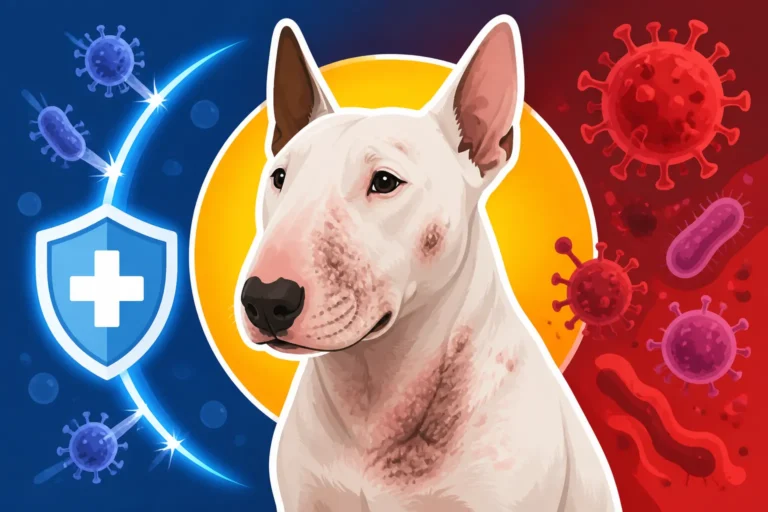
It’s incredibly frustrating when you’re doing everything you think is right for your Bull Terrier – the walks, the training, the endless supply of love – and yet, their skin just isn't cooperating. You see them scratching, developing flaky patches, or battling recurring infections, and you naturally wonder if the food in their bowl is making things worse. Many of us hope that simply changing their diet will magically clear up those stubborn skin issues, and while it's not always a quick fix, diet plays a huge, undeniable role. This guide will delve into how specific dietary choices can absolutely influence your Bull Terrier's skin health, for better or for worse, and what you can do about it.
Understanding Bull Terrier Skin Sensitivities
Bull Terriers are, without a doubt, a special breed. Their unique looks, quirky personalities, and unwavering devotion make them truly one-of-a-kind. But those endearing qualities often come with a trade-off, and for many Bull Terrier owners, that trade-off manifests as persistent, often baffling, skin issues. It's not just bad luck; there are genuine reasons why our beloved egg-heads seem to be so prone to dermatological dilemmas.
Why Bull Terriers Are Prone to Skin Problems
Let's be real, a Bull Terrier's skin isn't just skin; it's often a lifelong project. They are notoriously susceptible to a range of skin conditions, far more so than many other breeds. Part of this comes down to genetics. For instance, white Bull Terriers, while stunning, often carry a higher risk for deafness, but they're also known to have more delicate skin, making them particularly vulnerable to environmental factors like the sun. You might already know that A Bull Terrier's Skin Is Its Weakest Point, and this isn't just a casual observation; it's a widely recognized challenge within the breed.
One of the more heartbreaking, albeit rare, genetic conditions is Lethal Acrodermatitis (LAD), which affects a Bull Terrier's ability to absorb zinc, leading to severe skin lesions, immune deficiencies, and a failure to thrive. While most skin issues aren't as dire, the underlying genetic predisposition to skin problems, particularly those involving nutrient absorption or immune response, is a common thread. Even their short, sparse coats offer less protection than the thicker double coats of some other breeds, leaving their sensitive pink skin more exposed to irritants and the sun. This is why Why a White Bull Terrier Sunburns is such a crucial topic for many owners, as sunburn can quickly lead to painful, damaged skin and even increase the risk of skin cancer over time.
Common Skin Conditions Diet Might Influence
When your Bull Terrier is scratching incessantly or breaking out in rashes, it's easy to feel helpless. But understanding which common skin conditions can be influenced by diet is the first step toward finding relief. The most prevalent culprits are often allergies. While environmental allergies (like pollen or dust mites) are extremely common, food allergies and intolerances can trigger very similar symptoms: intense itching, redness, ear infections, and skin inflammation. It’s important to distinguish between a true food allergy, which involves an immune response, and a food intolerance, which is more about digestive upset, though both can manifest as skin problems.
Beyond allergies, diet can also play a role in managing general dry, flaky skin, dull coats, and even recurrent skin infections. If your Bull Terrier isn't getting the right balance of nutrients, their skin barrier can become compromised, making it easier for yeast and bacteria to take hold. Many owners will try topical solutions and antibiotics, only to find the problem returns, indicating an underlying systemic issue. We've certainly discussed Whether a Bull Terrier Gets Skin Allergies in depth, and it’s clear that managing these reactions often requires a multi-pronged approach, with diet being a foundational element. A holistic view, combining a tailored diet with good hygiene and regular vet check-ups, often yields the best results.
The Role of Diet in Skin Health
When we talk about a Bull Terrier's diet, it's not just about filling their tummy; it's about fueling every cell in their body, including those responsible for healthy skin and a shiny coat. Just like humans, what goes in often shows on the outside. For a breed so prone to skin issues, tailoring their diet isn't a luxury; it's a necessity that can significantly impact their comfort and well-being.
Key Nutritional Components for Healthy Skin and Coat
Think of your Bull Terrier's skin as a complex organ that needs specific building blocks to function optimally. High-quality protein is paramount. Skin and hair are primarily made of protein, so a diet rich in easily digestible protein sources (like chicken, lamb, fish, or novel proteins like duck or venison) provides the amino acids necessary for healthy cell turnover and repair. Poor quality, hard-to-digest proteins can lead to deficiencies and a dull, unhealthy coat.
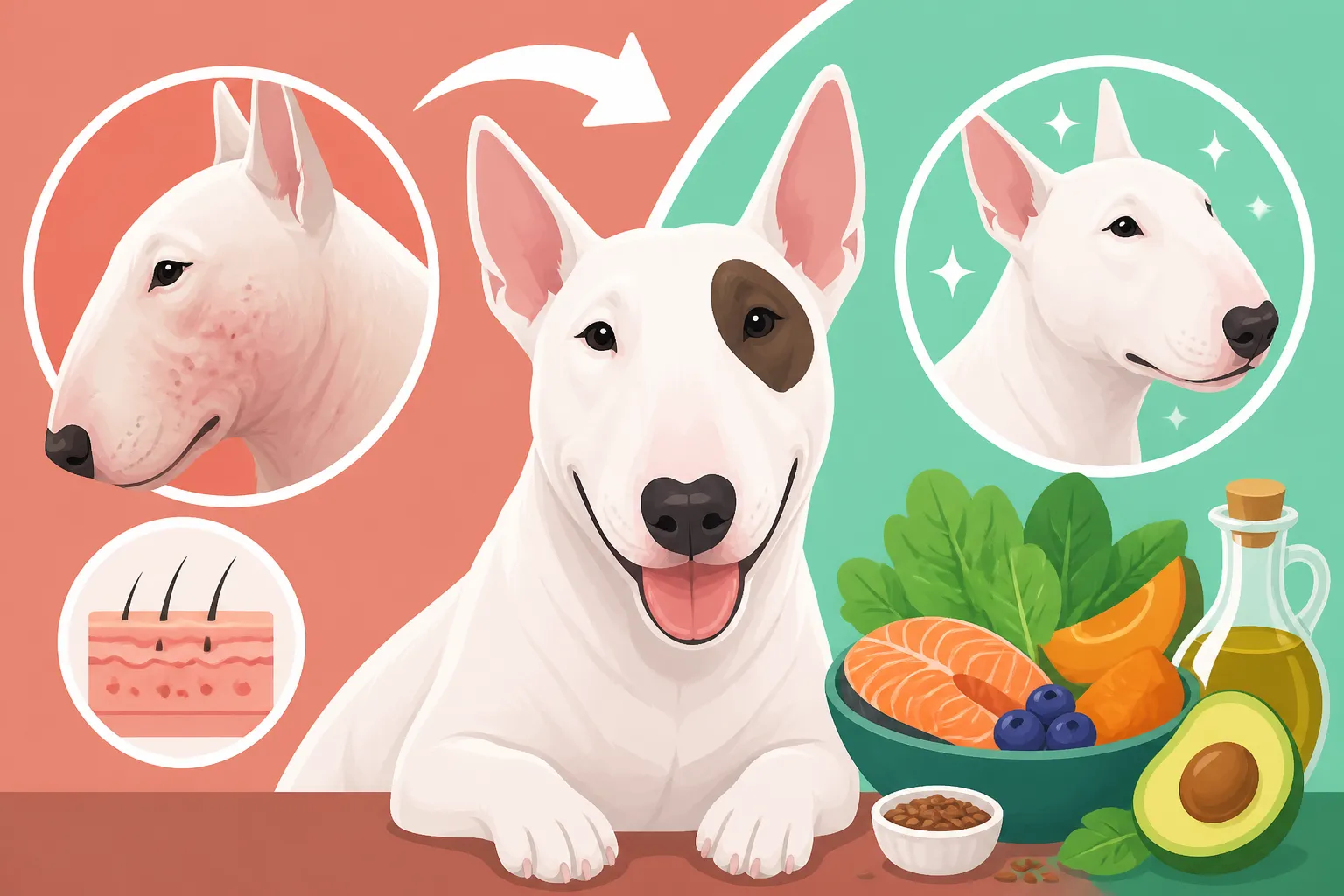
Beyond protein, essential fatty acids are absolute superstars for skin health. Specifically, Omega-3 and Omega-6 fatty acids, when present in the correct ratio, are crucial. Omega-3s, found in sources like fish oil, flaxseed oil, and certain algae, are powerful anti-inflammatories, helping to calm irritated skin and reduce itching. Omega-6s, found in poultry fat and various plant oils, are vital for maintaining the skin's barrier function, keeping moisture in and irritants out. Many Bull Terrier owners swear by supplementing with fish oil; indeed, we've explored Whether a Bull Terrier's Skin Improves on Fish Oil, and the consensus is often positive for many cases of dry, flaky, or inflamed skin.
Vitamins and minerals also play critical supporting roles. Vitamin A is essential for skin cell growth and repair. Vitamin E acts as an antioxidant, protecting skin cells from damage. B vitamins are involved in energy metabolism and overall skin function. And then there's zinc. As mentioned earlier with LAD, zinc is vital for immune function and skin integrity. While severe zinc deficiency is rare in most dogs, some Bull Terriers can benefit from appropriate zinc supplementation, but always under veterinary guidance, as too much zinc can be toxic. A balanced, high-quality commercial diet should provide these, but sometimes, a Bull Terrier with specific issues might need targeted supplementation.
Identifying and Managing Food Sensitivities
This is where things can get tricky and often frustrating. Pinpointing a food sensitivity in a Bull Terrier is less like flipping a switch and more like being a detective. It requires patience, meticulous observation, and often, the guidance of a veterinarian. The gold standard for identifying a food allergy is an elimination diet. This involves feeding your Bull Terrier a novel protein and carbohydrate source (meaning ingredients they have never eaten before, like kangaroo and oats, or venison and sweet potato) for 8-12 weeks. During this time, nothing else can be given – no treats, no table scraps, no flavored medications. If skin symptoms improve, then you gradually reintroduce old ingredients one by one to see which one triggers a reaction.
Another approach is using a hydrolyzed protein diet. In these specialized diets, the protein molecules are broken down into such small pieces that the immune system doesn't recognize them as allergens. Brands like Royal Canin Hypoallergenic or Hill's Prescription Diet z/d are examples often prescribed by vets. These are excellent diagnostic tools because they virtually eliminate the protein as a source of allergy. It's crucial to understand that food allergies are typically to the protein source, not grains, as commonly believed. While grains can cause digestive upset for some, true allergies to beef, chicken, dairy, and eggs are far more common.
It's a long process, but for many Bull Terriers suffering from chronic skin woes, it's the only way to truly understand what's aggravating their system. And when you factor in the ongoing cost of vet visits, medications, and special shampoos, getting to the root cause with a proper elimination diet, even if it feels restrictive, can be invaluable in the long run. If your Bull Terrier frequently deals with skin issues, it’s also important to consider if their general diet aligns with their overall health needs. For instance, sometimes kidney disease can also affect coat quality, and in such cases, a completely different dietary approach, like Which Diet a Bull Terrier With Kidney Disease Needs, would be necessary.
Practical Steps for Optimizing Your Bull Terrier's Diet for Skin Health
Once you understand the nuances of Bull Terrier skin and the role diet plays, the next step is taking actionable measures. This isn't just about grabbing a different bag of kibble off the shelf; it's about a strategic approach, often in partnership with your veterinary team.
Choosing the Right Food and Supplementation
The first and most important step is always to consult with your veterinarian or a board-certified veterinary nutritionist. They can help rule out other medical conditions and guide you through an appropriate dietary trial. Self-diagnosing and trying various foods can lead to frustration, wasted money, and potentially worsen the problem if you're not careful. Your vet might suggest a prescription hydrolyzed protein diet or a limited ingredient diet (LID) specifically formulated for sensitive skin. These are often found through brands like Purina Pro Plan Veterinary Diets or Hill's Prescription Diet.
When looking at over-the-counter options, consider LIDs that feature a single, novel protein source and a minimal list of other ingredients. Avoid foods with a long list of fillers, artificial colors, or vague ingredient names ("animal fat" instead of "chicken fat"). Reading labels meticulously is key. Also, consider the fat content and sources, prioritizing those with higher levels of Omega-3s.
Supplementation can be incredibly beneficial, but again, it should be guided by your vet. Fish oil (rich in EPA and DHA Omega-3s) is a common recommendation, often at therapeutic doses higher than what's found in most foods. Look for high-quality, third-party tested fish oil supplements to ensure purity and potency. Zinc supplementation can also be helpful for some Bull Terriers, particularly if a deficiency is suspected or confirmed, but it must be dosed carefully by a professional. Whether a Bull Terrier Needs Zinc is a common question, and the answer is usually "yes, if indicated by a vet, and in the right form and dose."
It's also worth thinking about the financial aspect. Specialized diets, supplements, and vet visits can add up quickly. This is where pet insurance, like a plan from Healthy Paws, can be a huge help. While routine food costs aren't usually covered, diagnostics to pinpoint the cause of skin issues, prescription diets prescribed for medical conditions, and ongoing treatments for chronic dermatological problems often are. Considering these costs, and how they stack up against something like What a Bull Terrier's Monthly Kidney Medication Costs, can make you appreciate the value of a good insurance policy.
Beyond the Bowl: Holistic Skin Management
While diet is a powerful tool, it's rarely the only solution to a Bull Terrier's skin issues. A holistic approach that addresses all potential triggers and supports overall skin health is essential for long-term success.
Environmental factors are huge. Even if your Bull Terrier is on the perfect diet, they can still react to pollen, dust mites, certain grasses, or even household cleaning products. Regular bathing with appropriate shampoos is critical. We've often discussed How Often a Bull Terrier Should Be Bathed and Which Shampoo Suits a Bull Terrier's Skin, highlighting the need for gentle, hypoallergenic, or medicated shampoos, depending on the specific condition. Following up with a good conditioner can also help restore the skin barrier and maintain moisture.
Routine parasite control is another non-negotiable. Fleas, mites, and even certain internal parasites can all cause or exacerbate skin problems, creating intense itching that mimics allergies. Your vet can recommend the best preventative for your area. Regular grooming, including The Weekly Skin Check Every Bull Terrier Needs, allows you to spot issues early, before they escalate. Look for redness, bumps, flakiness, or hair loss.
Finally, consistent veterinary care is paramount. A dermatologist specializing in animal skin conditions can offer advanced diagnostics and treatment plans when general veterinary care isn't enough. They can perform skin scrapes, fungal cultures, biopsies, or even intradermal allergy testing. The costs for these specialized consultations and treatments, such as What a Bull Terrier's Dermatologist Charges or What Treating a Bull Terrier's Demodex Costs, can be substantial, reinforcing the benefit of having comprehensive pet insurance like Healthy Paws. Remember, diet can significantly improve skin health, but it's part of a larger puzzle. Whether a Bull Terrier's Skin Needs a Vet or a Shampoo isn't an either/or question; it's almost always both.
| Nutritional Component | Primary Benefit for Skin | Common Dietary Sources |
|---|---|---|
| High-Quality Protein | Cell repair, hair growth | Chicken, Fish, Lamb, Venison |
| Omega-3 Fatty Acids | Anti-inflammatory, reduces itching | Fish oil (salmon, sardine), Flaxseed oil |
| Omega-6 Fatty Acids | Skin barrier function, moisture retention | Poultry fat, Vegetable oils (safflower, sunflower) |
| Vitamin A | Cell turnover, healthy skin growth | Liver, Carrots, Sweet Potatoes (beta-carotene) |
| Vitamin E | Antioxidant, protects skin cells | Vegetable oils, Leafy greens |
| Zinc | Immune function, wound healing | Beef, Lamb, Chicken, Legumes |
| Biotin (B7) | Healthy coat, strengthens nails | Egg yolk, Liver, Whole grains |
Disclaimer
The information provided in this article is for educational purposes only and is not a substitute for professional veterinary advice. Always consult with a qualified veterinarian regarding your Bull Terrier's specific health concerns and before making any changes to their diet or treatment plan.