Whether a Bull Terrier’s Skin Improves on Fish Oil
If you're a Bull Terrier owner, you've likely experienced the heartache and frustration of persistent skin issues. It feels like a constant battle against redness, itching, and flaking, and it leaves you searching for anything that might offer relief for your beloved companion. This guide will delve into whether fish oil can truly make a difference for your Bull Terrier's sensitive skin, exploring the science, proper administration, and realistic expectations.
Understanding Bull Terrier Skin Sensitivities
Owning a Bull Terrier means accepting their unique charm, boundless energy, and, often, their delicate skin. It's a common lament among Bull Terrier enthusiasts – while their short, sleek coat looks low-maintenance, the skin underneath can be anything but. Many owners find themselves on a perpetual quest for solutions, trying everything from specialized shampoos to prescription medications, all to bring comfort to their itchy, irritated dog.
The Unique Challenges of Bull Terrier Skin
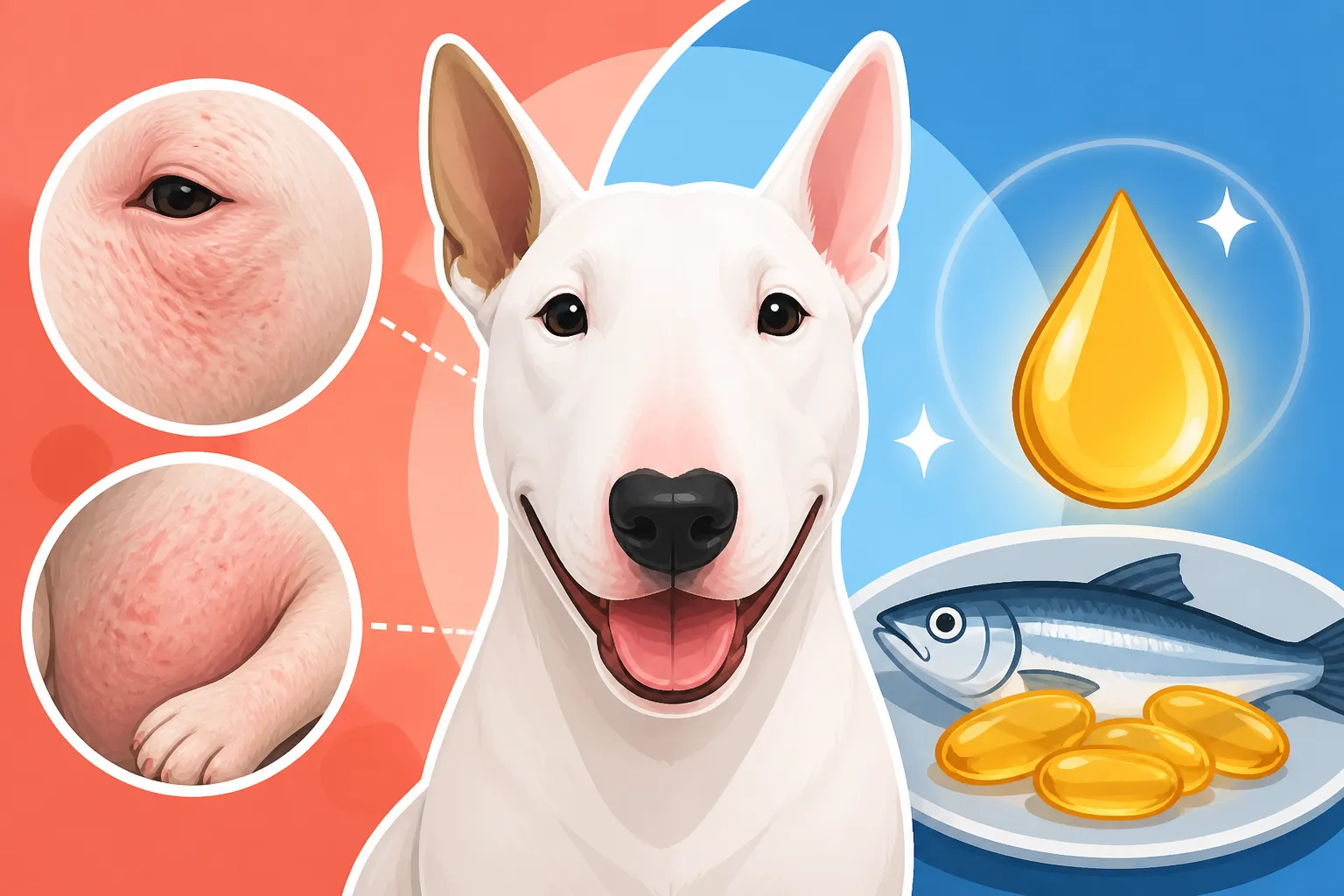
Bull Terriers, particularly the white varieties, are prone to a range of dermatological problems. Their short, single coat offers less protection than a dense double coat, leaving their skin more exposed to environmental irritants and allergens. Think of it like wearing a very thin shirt in a thorny bush – easily scratched, easily irritated. This breed often has lighter, less pigmented skin, which can also contribute to sensitivity. Beyond external factors, genetics play a significant role. Many Bull Terriers inherit tendencies towards allergic reactions, making them more susceptible to discomfort. It's a frustrating reality when you just want your dog to be comfortable in their own skin, pun intended.
It’s not just about what's on their skin, but also the overall health and integrity of the skin barrier itself. A healthy skin barrier acts like a protective shield, keeping moisture in and allergens and irritants out. When this barrier is compromised, either by genetics, environmental factors, or internal health issues, the floodgates open for problems. This is why you might see symptoms like excessive licking, scratching, rubbing, or even patches of dry, flaky skin that just don't seem to heal. It’s a vicious cycle that can be incredibly disheartening for owners trying their best to provide relief.
Common Skin Ailments in the Breed
Bull Terriers seem to have a target on their backs for various skin conditions. Allergies are perhaps the most widespread culprit, manifesting as environmental allergies (atopy), food allergies, or contact dermatitis. These can lead to intense itching, redness, ear infections, and secondary bacterial or yeast infections. It's easy to mistake a simple scratch for a minor irritation, only to find it's spiraled into a full-blown hot spot within hours. A Bull Terrier's Skin Is Its Weakest Point is often a phrase Bull Terrier owners know all too well.
Beyond allergies, Bull Terriers can also be susceptible to conditions like zinc-responsive dermatosis, a nutritional deficiency that causes crusting, scaling, and hair loss, particularly around the eyes, mouth, and joints. Then there’s the ever-present threat of parasites, even with diligent preventative care, which can exacerbate existing sensitivities. You might find yourself constantly checking their coat for tiny invaders or new lesions. It truly feels like their skin is always working against them, and by extension, against you. Owners often ask Whether a Bull Terrier Gets Skin Allergies, and the answer is a resounding "yes."
When Diet Plays a Role
It's a common saying that "you are what you eat," and for Bull Terriers, this can certainly extend to their skin health. What goes into their bowl can have a profound impact on the quality of their coat and the resilience of their skin. A diet lacking in essential nutrients, or one that triggers allergic reactions, can leave their skin vulnerable. Owners often spend years trying to pinpoint what What a Bull Terrier Is Most Often Allergic To might be in their food. Low-quality kibble with excessive fillers or common allergens like chicken, beef, or certain grains can inflame the digestive system, and that inflammation often shows up on the skin.
Conversely, a well-balanced, high-quality diet provides the building blocks for strong skin cells, a robust barrier, and a healthy immune system. This is where supplements like fish oil come into the conversation. While diet alone can't cure every skin ailment, it’s a foundational element. If your Bull Terrier is constantly battling flaky skin or a dull coat, revisiting their diet and considering beneficial additions like fish oil is a sensible step. It's about giving their body the best possible internal support to fight external battles.
The Science Behind Fish Oil for Canine Skin Health
So, what is it about fish oil that makes it such a popular supplement for skin and coat health in dogs, especially breeds like our Bull Terriers who struggle so much? It's not just an old wives' tale; there's genuine scientific reasoning behind its efficacy. Understanding why it works can help you make an informed decision for your furry friend.
What Exactly is Fish Oil?
At its core, fish oil is a dietary supplement derived from the tissues of oily fish. The magic ingredients are the omega-3 fatty acids, primarily Eicosapentaenoic Acid (EPA) and Docosahexaenoic Acid (DHA). Unlike omega-6 fatty acids, which are abundant in many dog foods (and can sometimes contribute to inflammation if out of balance), omega-3s are often scarce in commercial diets. Think of it like a seesaw: you need both sides, but too much on one side can tip things out of balance.
Dogs, much like humans, can’t produce EPA and DHA on their own, meaning they must get these crucial fatty acids from their diet. That's why supplementation becomes so important for dogs who aren't regularly consuming fatty fish or for those with specific health needs, like chronic skin issues. These particular fats are integrated into cell membranes throughout the body, including the skin, where they play a pivotal role in maintaining health and function.
Omega-3s and Inflammation
The primary reason fish oil is lauded for skin health lies in its potent anti-inflammatory properties. Many Bull Terrier skin conditions, from allergies to autoimmune responses, involve some degree of inflammation. When the immune system overreacts, it triggers an inflammatory cascade that leads to the redness, itching, and discomfort we see. This is where EPA and DHA step in. They act as natural anti-inflammatory agents within the body, helping to calm down that overactive immune response.
Specifically, EPA competes with omega-6 fatty acids in the body's metabolic pathways. When EPA is present in sufficient amounts, it leads to the production of less inflammatory chemicals compared to those produced by omega-6s. It's like having a peaceful mediator step into an argument, helping to de-escalate the tension. By reducing systemic inflammation, fish oil can help alleviate the symptoms associated with itchy, irritated skin, offering a much-needed reprieve for your Bull Terrier.
How Fish Oil Supports Skin Barrier Function
Beyond just quelling inflammation, omega-3 fatty acids contribute directly to the strength and health of your Bull Terrier’s skin barrier. As we discussed, a compromised skin barrier is often the root cause of many dermatological woes. EPA and DHA help to maintain the integrity of cell membranes, making skin cells more resilient and less permeable. This means better moisture retention, which helps combat dryness and flakiness, and a stronger defense against allergens and pathogens trying to penetrate the skin.
Consider the skin as a brick wall. The bricks are the skin cells, and the mortar holding them together is made up of various lipids and fatty acids. Fish oil helps ensure that this "mortar" is strong and plentiful, preventing cracks and gaps that allow irritants to sneak through. This improved barrier function can lead to less itching, fewer secondary infections, and a generally healthier, more supple skin surface. It's about tackling the problem at a fundamental cellular level, giving your Bull Terrier's skin the tools it needs to protect itself.
Administering Fish Oil to Your Bull Terrier
Alright, so you’re convinced of the potential benefits. Now comes the practical part: how do you actually get this beneficial supplement into your Bull Terrier, and what should you look for? Navigating the world of supplements can feel overwhelming, but a few key considerations will make it much easier.
Choosing the Right Fish Oil Supplement
Not all fish oil supplements are created equal, and this is where a little careful shopping comes in handy. You want to prioritize quality to ensure you're giving your Bull Terrier something truly beneficial and safe. Here's what to keep an eye out for:
- Source: Look for fish oils derived from small, cold-water fish like anchovies, sardines, and mackerel. These fish are lower on the food chain, meaning they accumulate fewer toxins like mercury compared to larger predatory fish.
- Purity and Testing: A reputable brand will explicitly state that their product is third-party tested for purity, potency, and the absence of heavy metals, PCBs, and other contaminants. If you're looking at products on Amazon or Chewy, check the product descriptions and customer reviews for this information. Brands like Nordic Naturals or Zesty Paws are often mentioned by vets for their quality.
- Form: Fish oil comes in liquid form or capsules. Liquid can be easier to administer, especially if your Bull Terrier is picky, as you can drizzle it over their food. Capsules are convenient for accurate dosing but might need to be hidden in a treat if your dog won't swallow them whole.
- EPA and DHA Content: Don't just look at the total "fish oil" amount. Focus on the actual levels of EPA and DHA per serving. These are the active ingredients you're after.
- Storage: Fish oil can go rancid if not stored properly. Look for products that come in opaque bottles and keep them refrigerated once opened. Some high-quality pet food brands, like Ollie, might even integrate fish oil directly into their recipes, which can be a convenient option.
Dosage and Potential Side Effects
This is perhaps the most crucial part: always consult your veterinarian before starting any new supplement, including fish oil. While fish oil is generally safe, the correct dosage depends on your Bull Terrier’s weight, overall health, and the specific condition you're trying to address. Your vet can provide guidance tailored to your dog's needs and help you avoid over-supplementation.
Typically, the dosage is calculated based on EPA and DHA content, not just the total fish oil. Starting with a lower dose and gradually increasing it can help your dog's digestive system adjust.
| Potential Side Effects | Description |
|---|---|
| Gastrointestinal Upset | Loose stools, diarrhea, vomiting, or gas, especially when starting a new supplement or if the dose is too high. |
| Fishy Breath/Odor | Your Bull Terrier might develop a fishy smell, especially on their breath, due to the oil. |
| Weight Gain | Fish oil contains calories, so if not factored into their overall diet, it could contribute to weight gain, particularly if your Bull Terrier is already on a calorie-dense food. |
| Blood Thinning | At very high doses, fish oil can have an anticoagulant effect. This is rare but important to discuss with your vet, especially if your dog is on other medications or has a clotting disorder. |
Most side effects are mild and transient, often resolving by adjusting the dose or giving it with food. Your vet can help you monitor for any adverse reactions and ensure it's a safe addition to your Bull Terrier's regimen.
Incorporating Fish Oil into Their Diet
Getting your Bull Terrier to take supplements can sometimes feel like a comedic wrestling match. Thankfully, fish oil is often palatable for dogs. If you're using a liquid form, simply drizzle it over their regular food. Many dogs readily accept the taste, especially if they're food-motivated. You might start with half the recommended dose for a few days to get them used to it, then gradually increase.
For capsule form, you have a few options:
- Pill Pockets: These soft, moldable treats are designed to hide pills and are a lifesaver for many owners.
- Wrapped in Food: A small piece of cheese, peanut butter (xylitol-free!), or cooked meat can often disguise a capsule effectively.
- Direct Administration: For some compliant Bull Terriers, you might be able to gently open their mouth and place the capsule at the back of their tongue, then encourage swallowing with a treat or a few licks of water.
Remember consistency is key! Like any supplement, fish oil needs time to build up in their system and exert its benefits. Don't expect immediate results. Give it several weeks to a few months to truly assess its impact on your Bull Terrier's skin and coat.
What to Expect and When to Consult Your Vet
Adding fish oil to your Bull Terrier's diet isn't a magic wand, but it can be a powerful tool in your arsenal against skin woes. Setting realistic expectations and knowing when to seek professional help are vital for long-term success.
Realistic Expectations for Skin Improvement
While fish oil can work wonders for many Bull Terriers, it's important to understand what it can and cannot do. You're unlikely to see overnight transformations. Typically, it takes consistent daily supplementation for at least 4-8 weeks, sometimes longer, before you notice significant improvements in skin hydration, reduced itching, or a healthier coat sheen. Think of it as supporting the body's natural healing processes rather than a quick fix.
You might observe a gradual decrease in excessive scratching or licking, less redness, and a shinier, softer coat. For Bull Terriers dealing with chronic dryness, you might see less flaking. However, if the underlying cause of the skin issue is severe allergies, a bacterial infection, or a deeper medical condition, fish oil alone may only offer partial relief. It's a fantastic supportive therapy, but rarely a sole cure for complex problems.
Combining Fish Oil with Other Treatments
Fish oil often works best as part of a multi-faceted approach to managing Bull Terrier skin issues. For example, if your Bull Terrier has environmental allergies, your vet might recommend a combination of antihistamines, medicated shampoos like those discussed in Which Shampoo Suits a Bull Terrier's Skin, or even prescription medications, alongside fish oil. The fish oil can help reduce the overall inflammatory burden, potentially making other treatments more effective or allowing for lower doses of medication.
For dogs with dry, flaky skin, fish oil can complement topical moisturizers or a hydrating bathing routine, as described in How Often a Bull Terrier Should Be Bathed. If your vet has put your Bull Terrier on a specific diet for kidney disease or other health concerns, you'll need to ensure the fish oil supplement doesn't interfere with that regimen. Which Diet Suits a Bull Terrier With Kidney Disease may already have specific fatty acid considerations, so always run new supplements by your vet.
When Fish Oil Might Not Be Enough
There are times when despite your best efforts with fish oil and a good diet, your Bull Terrier's skin issues persist or even worsen. This is your cue to head straight back to the veterinarian. Severe, unrelenting itching, open sores, foul odors, significant hair loss, or any signs of pain or discomfort warrant immediate professional attention. These could indicate more serious underlying problems that fish oil cannot address on its own.
Your vet might need to perform further diagnostics, such as skin scrapings to check for parasites like Demodectic Mange in a Bull Terrier, fungal cultures, allergy testing, or even a skin biopsy. They can also explore other treatment options, like specialized prescription diets, antibiotics for secondary infections, or stronger anti-inflammatory medications. Sometimes, the issue isn't just skin-deep, and a comprehensive veterinary workup is essential to uncover the true cause and determine the most effective course of action. Remember, while fish oil is a wonderful aid, it's not a substitute for proper veterinary care when serious issues arise. Don't hesitate to spend the What Allergy Testing Costs on a Bull Terrier or What Treating a Bull Terrier's Demodex Costs if needed – your Bull Terrier's comfort is worth it.
Disclaimer
This article is for general informational purposes only and does not constitute professional advice. Laws, prices and regulations vary by location and change over time. Consult a qualified professional for guidance on your specific situation.