Signs a Bull Terrier Is Drinking More Than It Used To
It's incredibly worrying when you notice your beloved Bull Terrier suddenly drinking water like there's no tomorrow. One day, they're slurping normally, and the next, the water bowl seems to be perpetually empty, leaving you to wonder if it's just the weather, or something more serious. This guide is here to walk you through how to spot genuine excessive thirst, what might be causing it, and most importantly, when it's time to call the vet.
Recognizing Excessive Thirst in Your Bull Terrier
When your Bull Terrier seems glued to the water bowl, it’s natural to feel a pang of concern. They’re such stoic dogs, often hiding discomfort until things are really amiss. Knowing what’s normal for your individual dog is the first step, but there are also clinical definitions that can help you understand if what you’re seeing is indeed a problem.
Defining Polydipsia and Polyuria
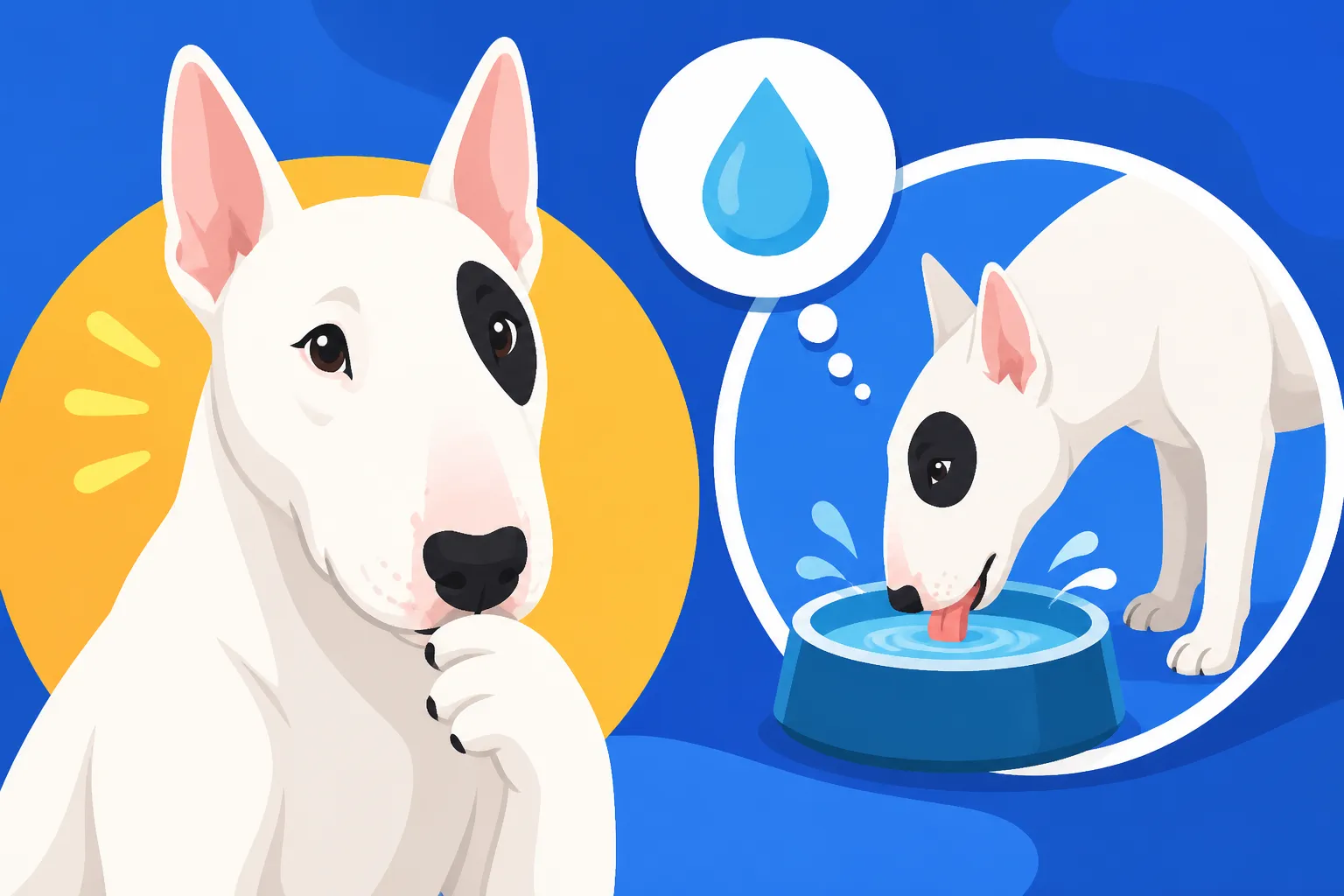
The technical term for excessive drinking is "polydipsia," and it almost always goes hand-in-hand with "polyuria," which is excessive urination. Think about it: what goes in must come out! For a typical adult dog, consuming more than 100 ml of water per kilogram (or about 45 ml per pound) of body weight in a 24-hour period is considered polydipsia. So, if your 50-pound Bull Terrier is drinking more than about two and a quarter liters of water a day, it’s definitely a red flag. This isn't just about topping up the bowl a bit more frequently; it's a significant, noticeable increase in their water consumption.
For us Bull Terrier owners, who love our routines, this can be particularly jarring. You might find yourself refilling the bowl three, four, or even five times a day, whereas before it was just once or twice. It’s an easy thing to overlook if you’re rushing, but once you start paying attention, the change can be quite stark. And often, your Bull Terrier will actually show you, hovering expectantly by the bowl, or even trying to drink from the toilet – a definite sign something is up.
Subtle and Overt Signs of Increased Drinking
Sometimes, the signs are subtle at first. Maybe you just notice the water level in the bowl dropping faster. Or perhaps your Bull Terrier, who usually drinks in a leisurely manner, is now downing the entire bowl in one go, practically inhaling the water. These are the quiet cues our dogs give us that something isn’t quite right. You might also notice them trying to drink from unusual places, like puddles outside, or constantly seeking out the faucet. This is their instinct kicking in, trying to quench an insatiable thirst.
Then there are the more overt signs that are hard to ignore. The most obvious, of course, is the sheer volume of water disappearing. Beyond that, you'll start to see polyuria in action: your Bull Terrier will need to go outside much more frequently, leading to more trips to the yard. Those accidents on the carpet, which haven't happened since puppyhood, might reappear. They might even wake you up in the middle of the night needing to pee, which is highly uncharacteristic for an adult Bull Terrier. The urine itself might also appear much clearer, almost like water, because their kidneys aren't concentrating it properly. All these changes, especially when they come together, are a strong indication that your Bull Terrier is indeed drinking more than they used to, and it’s time to investigate further.
Common Medical Conditions Behind Increased Water Intake
The list of potential medical reasons for a Bull Terrier to drink more is quite extensive, and it’s why a vet visit is absolutely non-negotiable once you notice this change. These aren't minor issues that will just "go away"; they often point to serious underlying health problems.
Kidney Disease and Its Impact
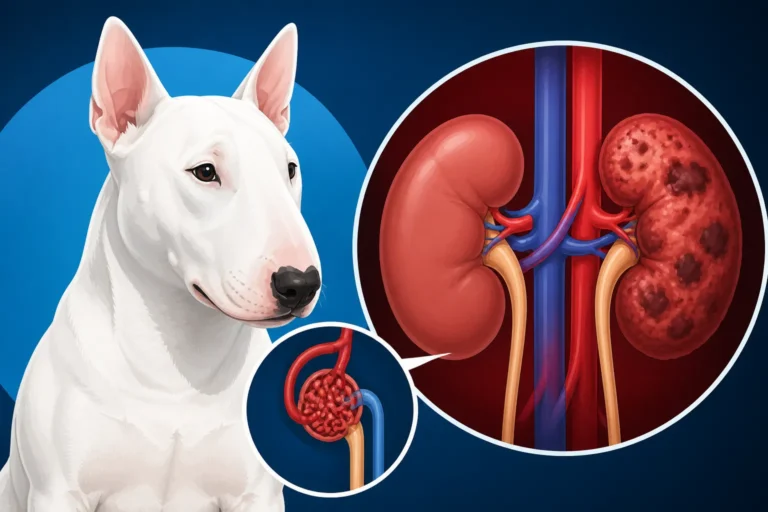
One of the most concerning causes of increased thirst and urination in Bull Terriers is kidney disease. Our beloved breed is unfortunately predisposed to certain kidney issues, notably Hereditary Nephritis Takes Bull Terriers in Their Prime. When the kidneys are damaged, they lose their ability to properly filter waste products from the blood and, crucially, to concentrate urine. This means that a lot of water that would normally be reabsorbed back into the body is instead passed out in diluted urine. To compensate for this fluid loss and to try and flush out accumulating toxins, your Bull Terrier drinks more and more. It's a vicious cycle.
Beyond the thirst and increased urination, you might notice other signs if kidney disease is progressing. Your Bull Terrier might become lethargic, lose their appetite, or even experience nausea and vomiting. Their breath might develop an ammonia-like odor. Regularly checking their urine with The Yearly Urine Test Every Bull Terrier Owner Should Book can provide early clues, and understanding What a UPC Ratio Tells a Bull Terrier Owner is key to assessing kidney function. It’s devastating to see our active, playful Bull Terriers slow down due to kidney issues, which is why early detection and management are so critical. We discuss Signs a Bull Terrier's Kidneys Are Failing in another article if you want more specific information.
Diabetes Mellitus: The Sweet and Scary Truth
Just like in people, dogs can get diabetes, particularly diabetes mellitus (sugar diabetes). This happens when your Bull Terrier's body either doesn't produce enough insulin or can't properly use the insulin it does produce. Insulin is essential for allowing glucose (sugar) to enter cells for energy. When glucose can't get into cells, it builds up in the bloodstream, leading to high blood sugar levels. When these levels get too high, the kidneys try to remove the excess glucose by spilling it into the urine.
And here’s the kicker: sugar is a powerful osmotic agent, meaning it pulls water with it. So, as your Bull Terrier tries to pee out the excess sugar, they also lose a tremendous amount of water. This results in the classic diabetic symptoms of polydipsia (excessive thirst) and polyuria (excessive urination). You might also notice your Bull Terrier losing weight despite eating more, because their body isn't effectively utilizing the calories. Their breath might even have a faint sweet or fruity smell due to ketones. If you're spotting these signs, it's definitely time for an immediate vet visit.
Cushing's Disease: More Than Just Thirst
Cushing's disease, or hyperadrenocorticism, is another common culprit for increased drinking. This condition occurs when a dog's body produces too much cortisol, a stress hormone. Excess cortisol can interfere with the kidneys' ability to concentrate urine, leading to increased fluid loss and, consequently, increased thirst. It can also cause a slew of other symptoms that, when combined with polydipsia, can paint a clear picture for your veterinarian.
Owners often report a "pot-bellied" appearance due to weakened abdominal muscles and redistribution of fat, symmetrical hair loss (often sparing the head and legs), thinning skin that bruises easily, and increased panting. Your Bull Terrier might also seem more ravenous than usual, always looking for food. The combination of these symptoms with excessive drinking should prompt a thorough investigation by your vet, as Cushing's requires specific diagnostic tests and long-term management.
Other Potential Health Concerns
While kidney disease, diabetes, and Cushing's are among the most common, they are by no means the only medical reasons for increased thirst. A variety of other conditions can also trigger polydipsia:
- Liver Disease: A compromised liver can affect metabolic processes, sometimes leading to imbalances that result in increased thirst.
- Pyometra: In intact female Bull Terriers, a uterine infection called pyometra is a life-threatening condition that often causes extreme thirst, lethargy, and discharge. This is an emergency.
- Electrolyte Imbalances: Issues with sodium or calcium levels can disrupt the body's fluid balance and signal thirst.
- Hypercalcemia: High calcium levels in the blood, often associated with certain cancers or parathyroid gland issues, can also cause polydipsia and polyuria.
- Addison's Disease (Hypoadrenocorticism): The opposite of Cushing's, where the body doesn't produce enough cortisol and aldosterone. While less common to present primarily with polydipsia, it can cause a range of vague symptoms including increased drinking.
It's clear that increased drinking is rarely an isolated symptom and often points to a complex medical issue. That’s why your observations are so important for your vet.
Environmental and Lifestyle Factors Affecting Hydration
While it's crucial to rule out serious medical conditions, sometimes increased thirst can be attributed to more benign, everyday factors. As a Bull Terrier owner, you know these dogs are bundles of energy and prone to unique behaviors, so distinguishing normal variations from actual problems is key.
Activity Levels and Weather Changes
Let's be realistic: a Bull Terrier that's just had a vigorous romp at the park, chasing after a ball or tearing around with their doggie friends, is going to be thirsty. And rightfully so! On a hot summer day, or even a particularly humid spring day in, say, Phoenix or Houston, your dog will naturally drink more to stay cool and hydrated. Their short coats don't mean they don't feel the heat, and Bull Terriers aren't known for their swimming prowess, so they rely on panting and drinking to regulate their body temperature.
Think about your own habits: if you spend an hour gardening on a warm day, you're going to chug water afterward. The same goes for your Bull Terrier after a long walk around the neighborhood or an intense game of fetch. This kind of increased drinking is perfectly normal and expected. The key is that it's temporary and directly linked to their activity or the environmental temperature. If the excessive drinking persists even on cool, quiet days, then you can start to rule this out as the sole cause. Always ensure your Bull Terrier has access to fresh, clean water, especially after any physical exertion.
Dietary Influences and Medications
What you feed your Bull Terrier can also play a role in their thirst levels. Foods high in sodium, for instance, will naturally make your dog drink more, just as salty snacks make us crave water. Many commercial dog treats, especially highly processed ones, can contain surprisingly high levels of salt. Even certain dry kibble diets can contribute to increased thirst compared to a diet of wet food, which naturally contains more moisture. If you've recently changed your Bull Terrier's food or started giving them new treats, monitor if the increased thirst aligns with these dietary shifts.
Furthermore, several medications can have increased thirst as a side effect. Steroids, such as prednisone, are notorious for causing polydipsia and polyuria. If your Bull Terrier is on steroids for allergies, inflammation, or any other condition, this is a very common and expected side effect. Diuretics, used for heart conditions, will also naturally increase water output and thus thirst. Some anti-seizure medications can also have this effect. Always check with your vet about potential side effects of any medication your Bull Terrier is taking; they can confirm if the increased drinking is a known reaction to the drug.
Anxiety and Behavioral Thirst
Bull Terriers are sensitive souls, despite their tough exterior. While less common as a primary cause compared to medical issues, anxiety or boredom can sometimes manifest as increased water intake. A Bull Terrier experiencing separation anxiety, for example, might engage in compulsive behaviors, including excessive drinking, as a coping mechanism. Similarly, a bored Bull Terrier might simply be drinking more because there’s nothing else to do, especially if the water bowl is easily accessible and they're left alone for long periods.
This kind of behavioral thirst is usually identified after all medical causes have been thoroughly ruled out. You might notice it's accompanied by other anxious behaviors like pacing, destructive chewing, or excessive vocalization. Sometimes, providing more mental stimulation, consistent routine, and addressing the root cause of the anxiety can help mitigate this. However, never assume it’s just behavioral without first getting a veterinary check-up, as misdiagnosing a serious medical issue as just "behavior" could have severe consequences.
What to Do When Your Bull Terrier Drinks More Than Usual
Noticing increased thirst in your Bull Terrier is a clear signal that something needs attention. Panic might be your first instinct, but taking a systematic approach will help you and your veterinarian get to the bottom of it efficiently.
Monitoring and Documentation at Home
The very first step is to become a detective. Start closely monitoring your Bull Terrier’s water intake. This might sound tedious, but it's invaluable information for your vet. A simple way to do this is to fill their water bowl with a measured amount (e.g., use a measuring cup) at the start of the day. Note the time and the volume. Refill as needed, recording each refill's volume and time. At the end of a 24-hour period, measure how much water is left and subtract it from the total you put in. Do this for a few days to get an average. You'll be looking for consistent patterns of high intake.
Alongside water intake, keep a detailed log of any other changes you observe. Is your Bull Terrier urinating more frequently, or having accidents? Has their appetite changed? Are they losing weight or gaining it? Any changes in energy levels, coat condition, or general demeanor? Even small details, like whether their breath smells different, can be vital clues. This documentation, even if just bullet points in a notebook or on your phone, will provide a clear picture for your vet and save precious time during the examination. This is the kind of meticulous detail that can truly help pinpoint a problem like Polycystic Kidney Disease in a Bull Terrier early.
When to Seek Veterinary Attention
If you've noticed a significant and persistent increase in your Bull Terrier's water consumption for more than a day or two, especially if accompanied by any other symptoms like lethargy, changes in appetite, or increased urination, it's time to call your veterinarian. Do not delay. Early detection of conditions like kidney disease or diabetes can make a massive difference in the prognosis and management. Remember, Bull Terriers are masters at hiding discomfort, so if you're noticing something, it's often more significant than it appears.
Even if your Bull Terrier seems otherwise normal, consistent polydipsia warrants a check-up. As they age, it becomes even more critical to monitor these changes, as conditions like kidney disease become more prevalent. For a comprehensive overview of age-related care, you might want to read our article on Caring for a Bull Terrier Past Eight. It’s always better to be overly cautious and have peace of mind than to wait until a serious condition has progressed.
Preparing for Your Vet Visit
When you call to make the appointment, be ready to describe exactly what you’ve observed. Mention the increased drinking, any changes in urination, and all the other symptoms you've logged. Your vet might ask you to bring a fresh urine sample with you – try to collect the first morning urine if possible, as it's the most concentrated and often yields the most information.
During the visit, your vet will perform a thorough physical exam. They’ll likely recommend a comprehensive blood panel and a urinalysis. The blood panel can check kidney function (BUN, creatinine), liver enzymes, blood glucose levels (for diabetes), and electrolyte balance. The urinalysis will assess urine concentration, look for glucose, protein, blood, or signs of infection. If kidney disease is suspected, a UPC (Urine Protein Creatinine) ratio will be particularly important. You might also want to explore our piece on What a Bull Terrier's UPC Test Costs for a better understanding. These tests are the cornerstone of diagnosing the underlying cause. While veterinary care can be an investment, especially for complex diagnoses, pet insurance can be a huge help. Companies like Healthy Paws are often mentioned by owners who've faced unexpected health challenges, as they can help cover the costs of diagnostics and treatment.
Living with a Diagnosis and Management
If a medical condition is diagnosed, your vet will work with you to develop a management plan. For kidney disease, this often involves a special diet, such as a prescription renal diet, to reduce the workload on the kidneys. We have a detailed guide on Which Diet a Bull Terrier With Kidney Disease Needs that you might find useful. Medications might be prescribed to manage symptoms like nausea or high blood pressure. Regular follow-up blood and urine tests will be necessary to monitor progress and adjust treatment. It's a journey, not a quick fix, but with proper care, many Bull Terriers can live comfortably for a good period after diagnosis.
For diabetes, management typically involves daily insulin injections, dietary adjustments, and careful monitoring of blood glucose levels. Cushing's disease is often managed with specific medications that help control cortisol production. Whatever the diagnosis, adhering strictly to your vet's recommendations is paramount.
It can feel overwhelming, especially when you think about What Kidney Failure Costs a Bull Terrier Owner, but remember, you're not alone. With a good vet, a clear plan, and perhaps the financial safety net of pet insurance like Healthy Paws, you can provide your Bull Terrier with the best possible quality of life. Understanding that you might need to commit to ongoing management, and being prepared for it, is part of being a responsible Bull Terrier owner, particularly when considering How Often an Aging Bull Terrier's Kidneys Should Be Checked.
| Symptom / Observation | Most Common Potential Causes | Key Indicators & Next Steps |
|---|---|---|
| Increased Thirst (Polydipsia) | Kidney Disease, Diabetes Mellitus, Cushing's Disease | Persistent, not just after exercise; measure 24-hr intake; vet visit |
| Increased Urination (Polyuria) | Kidney Disease, Diabetes Mellitus, Cushing's Disease | More frequent potty breaks, accidents, diluted urine; vet visit |
| Weight Loss (despite eating well) | Diabetes Mellitus, advanced Kidney Disease | Often with increased appetite (diabetes); vet for blood/urine tests |
| Increased Appetite | Diabetes Mellitus, Cushing's Disease | Diabetes: weight loss; Cushing's: pot belly/weight gain; vet check |
| Lethargy / Weakness | Kidney Disease, Diabetes, Addison's Disease | Generalized malaise, reduced activity; immediate vet care |
| Pot-bellied Appearance | Cushing's Disease | Often with hair loss, thin skin; vet for specific tests |
| Sweet-smelling Breath | Diabetes Mellitus (ketoacidosis) | Distinctive odor; emergency vet visit |
| Skin/Coat Changes | Cushing's Disease, Hypothyroidism | Hair loss, thin skin, poor coat quality; vet for hormone tests |
| Vomiting / Nausea | Kidney Disease, Liver Disease | Especially with appetite loss; vet for bloodwork |
| Uterine Discharge (intact female) | Pyometra (Uterine Infection) | Emergency vet visit; life-threatening |
Disclaimer
This article is for general informational purposes only and does not constitute professional advice. Laws, prices and regulations vary by location and change over time. Consult a qualified professional for guidance on your specific situation.