How a Bull Terrier’s UPC Sample Is Collected
Facing the possibility of kidney issues in your beloved Bull Terrier can be incredibly worrying, and getting an accurate diagnosis starts with proper sample collection. One of the most vital diagnostic tools for kidney health is the Urine Protein:Creatinine (UPC) ratio, but actually getting that urine sample can feel like a mission, whether you're collecting it at home or at the vet's office. This guide will walk you through the various ways a UPC sample is collected, ensuring you're prepared for this crucial step in monitoring your Bull Terrier's well-being.
Why UPC Testing Is Essential for Your Bull Terrier's Health
When you have a Bull Terrier, especially one whose lineage might be prone to certain health challenges, understanding preventative care is paramount. One of the most significant concerns for our egg-headed companions is kidney disease, particularly hereditary conditions like Hereditary Nephritis Takes Bull Terriers in Their Prime. This isn't just about general wellness; it's about proactively safeguarding your dog's future, as kidney disease can often progress silently before obvious symptoms appear.
The Urine Protein:Creatinine (UPC) ratio test is a crucial early warning system. It helps veterinarians detect protein leaking into the urine, which is often one of the first indicators of kidney damage. Unlike a simple dipstick test that can give false positives, the UPC ratio provides a more accurate, quantitative measurement of protein loss. It tells us how much protein is being lost relative to creatinine, a waste product that's excreted consistently. This ratio helps your vet assess if there’s a problem that warrants further investigation, long before your Bull Terrier might show any outward Signs a Bull Terrier's Kidneys Are Failing.
For Bull Terrier owners, annual UPC testing is strongly recommended, starting from a young age. Many responsible breeders even include information on What a Bull Terrier Breeder Should Have Tested, and kidney health often tops that list. This consistent monitoring allows for early intervention, which can significantly impact the progression and management of kidney disease. It’s about catching potential problems when they are still small and manageable, giving your Bull Terrier the best chance at a long, healthy life.
The Different Methods for Collecting a Bull Terrier's Urine Sample
Collecting a urine sample from a dog, especially a Bull Terrier known for its playful and sometimes stubborn nature, can be an adventure in itself. There isn't just one way to get the sample needed for an accurate UPC ratio; instead, veterinarians employ different methods depending on the situation, the dog's cooperation, and the level of sterility required. Each method has its own pros and cons in terms of ease of collection, accuracy, and potential for contamination.
Free Catch at Home
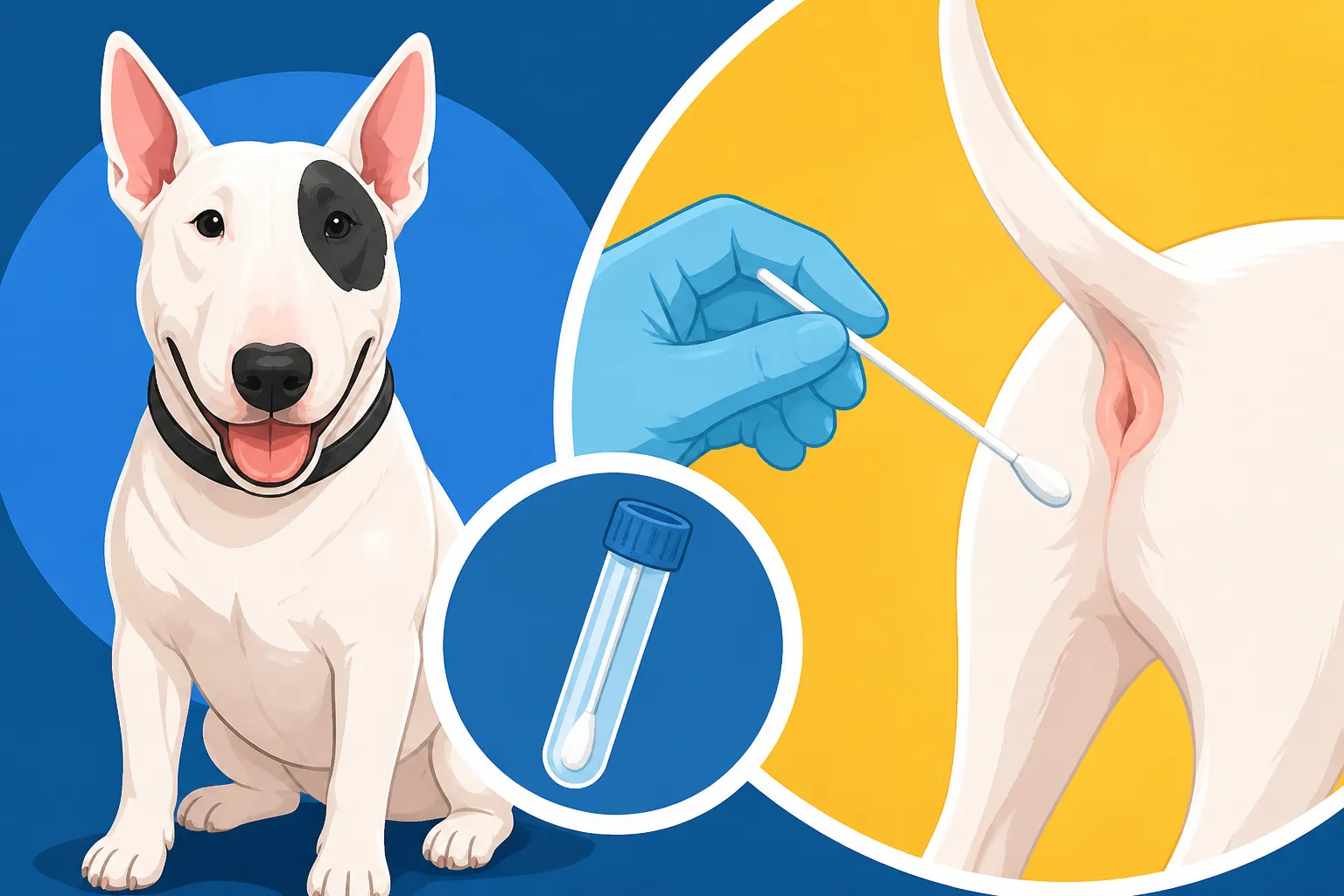
The "free catch" method is often the first approach many owners attempt. This involves simply catching your Bull Terrier's urine mid-stream as they relieve themselves. It sounds straightforward enough, right? In practice, it can be a comical and sometimes frustrating dance. Imagine trying to position a shallow container under your dog while they are focused on their business, often with their back to you, or deciding to stop mid-flow. Bull Terriers, with their unique physique and penchant for doing things on their own terms, can make this even more challenging.
To attempt a free catch, you'll need a clean, wide, and shallow container – something like a disposable aluminum pie plate, a clean plastic food container, or a specialized urine collection cup from your vet. The key is cleanliness. Any residue or debris in the container can contaminate the sample, leading to inaccurate results. For male Bull Terriers, it can sometimes be easier as they lift a leg, offering a more predictable target. For females, whose squat makes collection more difficult, you might need to try a ladle or a plate on a stick. The goal is to collect a mid-stream sample, as the initial flow can carry contaminants from the urethra, and the end flow might be scant. Once collected, immediately transfer the sample into a sterile, airtight container provided by your vet or purchased from a pharmacy, and refrigerate it until you can take it to the clinic. Remember, the fresher the sample, the better, ideally within 30 minutes to an hour for the most accurate results, though refrigeration can extend this for a few hours.
While convenient, the main drawback of a free catch sample is its susceptibility to contamination from skin, hair, dirt, or bacteria from the genital area. This can skew the UPC results, potentially leading to false positives for protein or the presence of bacteria that aren't actually indicative of a urinary tract infection. For this reason, if a free catch sample shows concerning results, your vet will likely recommend a more sterile collection method to confirm.
Cystocentesis at the Veterinary Clinic
When accuracy is paramount, especially if a free catch sample has raised concerns, or if your vet suspects a urinary tract infection, cystocentesis is the gold standard. This procedure is performed by a veterinarian at the clinic and involves collecting urine directly from the bladder using a sterile needle and syringe, without the risk of external contamination. It’s undeniably the most reliable method for obtaining a truly sterile urine sample, which is vital for an accurate UPC ratio and for diagnosing bacterial infections.
During a cystocentesis, your Bull Terrier will typically be gently restrained, often lying on their back or side. The vet will locate the bladder, usually by palpation (feeling it through the abdomen) or by using an ultrasound machine for greater precision. Once the bladder is identified, a fine needle is inserted through the abdominal wall directly into the bladder, and urine is drawn into a syringe. Many Bull Terriers tolerate this procedure surprisingly well, often reacting no more than they would to a routine vaccination shot. There's a common misconception that it's highly painful or invasive, but skilled vets perform it quickly and with minimal discomfort.
The advantages of cystocentesis are immense. It virtually eliminates external contamination, giving your vet the clearest picture of what's happening inside your Bull Terrier's bladder and kidneys. This is particularly important for accurately determining the UPC ratio and for identifying specific types of bacteria if an infection is present. While it requires a trip to the vet and a small procedure fee, the diagnostic clarity it provides is invaluable, potentially saving you from unnecessary treatments based on a contaminated sample. Many pet insurance plans, like those offered by Healthy Paws, recognize the diagnostic importance of such procedures and may cover a portion of these veterinary costs, easing the financial burden on concerned owners.
Catheterization at the Veterinary Clinic
Catheterization is another method veterinarians can use to obtain a urine sample, though it's generally less common for routine UPC testing than cystocentesis, especially in female dogs. This procedure involves inserting a sterile catheter directly into the urethra and guiding it up into the bladder to collect urine. It’s typically used in specific situations, such as when a cystocentesis isn't possible (e.g., if the bladder is too small or inaccessible), or when a urine culture is needed from a male dog, where cystocentesis might be slightly more challenging due to anatomical differences.
For male Bull Terriers, catheterization can be relatively straightforward due to their anatomy. For females, however, it's a more technically challenging procedure and carries a higher risk of introducing bacteria into the bladder if not performed meticulously. Because of this, and the slightly increased risk of irritation or infection, cystocentesis is usually preferred for female dogs when a sterile sample is needed.
The main benefit of catheterization is that it provides a fairly sterile sample, much more so than a free catch. However, it's not considered as completely sterile as a cystocentesis because the catheter still passes through the urethra, which can contain some bacteria or cells. Your vet will discuss the best collection method for your Bull Terrier based on their specific needs, temperament, and the diagnostic questions that need answering. It's all part of the comprehensive approach to understanding What a UPC Ratio Tells a Bull Terrier Owner and ensuring the best care for your Bull Terrier.
Ensuring Sample Integrity and Accuracy
Once you've managed to collect a urine sample from your Bull Terrier, whether through a free catch at home or with the vet's help, the job isn't quite done. The way you handle and transport that sample is just as important as the collection method itself. An improperly handled sample can degrade, become contaminated, or yield inaccurate results, potentially delaying diagnosis or leading to incorrect treatment.
Avoiding Contamination in Free Catch Samples
Let's face it, getting a "clean" free catch sample can be tough. Even if you're quick with your collection device, it’s easy for the sample to pick up unwanted extras. To minimize contamination, always use a container that has been thoroughly washed with soap and hot water, rinsed completely, and preferably air-dried or dried with a fresh paper towel. Avoid using old food containers that might have residual odors or particles.
When collecting, try your best to catch the urine mid-stream. The very first spurt of urine can flush out bacteria or debris from the urethra, and the last few drops might contain cells or other material that isn't representative. Aim for that middle portion. If your Bull Terrier has long hair around their privates, a quick trim beforehand can help reduce the chance of hair falling into the sample. Also, consider the environment: collecting the sample off clean pavement rather than grassy, dirty areas can reduce the risk of environmental debris making its way into the container. Remember, if your vet suspects a urinary tract infection, even the cleanest free catch might not be enough, and they might still recommend a cystocentesis for absolute certainty.
Proper Storage and Timely Transport
Once you have your precious urine sample, time is of the essence. Urine begins to change rapidly after collection. Bacteria can multiply, cells can break down, and crystals can form, all of which can alter the test results. Ideally, the sample should be delivered to the veterinary clinic within 30 minutes to an hour of collection. This freshness ensures the most accurate representation of what's happening inside your Bull Terrier.
If immediate delivery isn't possible, you must refrigerate the sample. Place the urine in a sterile, airtight container (your vet can usually provide these or you can use a clean, screw-top plastic container) and keep it in the fridge. This slows down bacterial growth and cellular degradation. However, even refrigerated, a urine sample should generally be analyzed within 6-12 hours. Any longer, and the results become increasingly unreliable. Always let your vet know how and when the sample was collected and if it was refrigerated. This information helps them interpret the results accurately. If you're a proactive owner with pet insurance like Healthy Paws, it's worth checking your policy; diagnostic tests for conditions like kidney disease are often covered, so don't hesitate to seek veterinary advice and follow through with recommended tests and proper sample handling.
What Happens After the Sample Is Collected?
Once your Bull Terrier's urine sample arrives at the veterinary clinic, the journey of getting answers about their kidney health is well underway. The sample isn't just eyeballed; it undergoes a meticulous process to provide your vet with comprehensive data. Understanding these steps can help ease any anxiety you might have while waiting for results and highlights why proper collection is so vital.
The Laboratory Analysis
Upon receiving the sample, your vet or a lab technician will perform a urinalysis. This involves several key components:
- Gross Examination: This is a visual check of the urine's color, clarity, and concentration (specific gravity). For instance, unusually dilute urine might signal that your Bull Terrier is drinking More Than It Used To, which can be a sign of kidney issues.
- Chemical Analysis (Dipstick): A special test strip is dipped into the urine. This strip has pads that react to various substances like pH, glucose, ketones, blood, and protein. While a dipstick test for protein can indicate its presence, it's not precise enough for the UPC ratio, nor can it differentiate protein types.
- Sediment Examination: A small amount of urine is spun in a centrifuge, separating solid components (sediment) from the liquid. The sediment is then examined under a microscope for red blood cells, white blood cells, bacteria, crystals, and casts. These elements can indicate infection, inflammation, or kidney damage.
- Urine Protein:Creatinine (UPC) Ratio: This is the quantitative test we're focused on. A portion of the urine sample is sent to an external laboratory or analyzed in-house with specialized equipment to measure the exact amount of protein and creatinine. The ratio helps to distinguish between normal protein excretion and significant protein loss, which points towards glomerular disease, a common issue in Bull Terriers, particularly in cases of hereditary nephritis (What Hereditary Nephritis Does to a Bull Terrier).
It’s important to remember that these tests are often performed together to give a complete picture. For example, if the dipstick shows protein, the UPC ratio helps quantify it, and the sediment examination might reveal if an infection is causing the protein leak.
Interpreting the UPC Ratio and Next Steps
Once the lab returns the UPC ratio, your veterinarian will interpret the results in conjunction with the rest of the urinalysis and your Bull Terrier's overall health picture. Generally, a UPC ratio below 0.2 is considered normal in dogs. A ratio between 0.2 and 0.5 might be considered "borderline" or "equivocal," and often warrants re-testing or further investigation. A UPC ratio above 0.5 is typically considered abnormal and indicates significant protein loss, suggesting kidney disease.
Your vet will consider factors like specific gravity (how concentrated the urine is), presence of blood or infection, and even your Bull Terrier's age and breed predisposition. For instance, a slightly elevated UPC in a very dilute sample might be less concerning than the same number in a concentrated sample. They'll also compare the result to previous tests, if any, because early detection of a rising UPC ratio is crucial for managing What Hereditary Nephritis Does to a Bull Terrier. If the results are concerning, your vet might recommend additional diagnostics such as blood work (to check kidney function like BUN and creatinine, and phosphorus levels), blood pressure measurement, and potentially an abdominal ultrasound to get a detailed look at the kidneys themselves, as described in How a Bull Terrier's Kidney Ultrasound Is Read.
Early detection through regular UPC testing allows for proactive management strategies. This could include dietary changes (such as a low-protein kidney-supportive diet), medications to reduce protein loss (like ACE inhibitors), or supplements. While kidney disease can be a serious condition, with careful monitoring and management, many Bull Terriers can maintain a good quality of life for an extended period. This is where comprehensive pet insurance like Healthy Paws can truly make a difference, helping cover the ongoing costs of diagnostics, medications, and specialized diets that become necessary for long-term care.
Comparing Urine Collection Methods
To help you visualize the differences and choose the most appropriate method with your vet, here’s a quick comparison of the common urine collection techniques for UPC testing:
| Collection Method | Ease for Owner | Sterility of Sample | Ideal for UPC Ratio? | Common Use Cases | Potential Drawbacks |
|---|---|---|---|---|---|
| Free Catch | High | Low (variable) | Less reliable | Routine screening, initial check, owner convenience | High risk of contamination, can lead to false positives |
| Cystocentesis | Low (vet only) | High (sterile) | Highly reliable | Confirming protein loss, diagnosing UTIs, follow-up tests | Requires vet visit, minimal discomfort for dog, small risk of bladder puncture |
| Catheterization | Low (vet only) | Moderate | Reliable | When cystocentesis isn't possible, male dog cultures | More invasive than cystocentesis, higher risk of iatrogenic infection or irritation |
This table clearly highlights why veterinarians often push for cystocentesis when a truly accurate picture of kidney health is needed, despite the convenience of a free catch. The cleaner the sample, the better the diagnostic information, and ultimately, the better the care for your Bull Terrier.
Disclaimer
The information provided in this guide is for general educational purposes only and should not be considered a substitute for professional veterinary advice. Always consult with a qualified veterinarian regarding any health concerns or before making any decisions about your Bull Terrier's medical care.