Whether a Bull Terrier Gets Ear Infections
It’s a common worry for Bull Terrier owners, isn't it? You cherish that goofy, expressive face, but sometimes you catch a whiff of something not quite right from their ears, or notice them scratching a bit more than usual. This guide is going to walk you through everything you need to know about ear infections in Bull Terriers, from why they might be prone to them, to spotting the signs, and crucially, how to get them feeling comfortable again.
Understanding the Bull Terrier Ear and Its Vulnerabilities
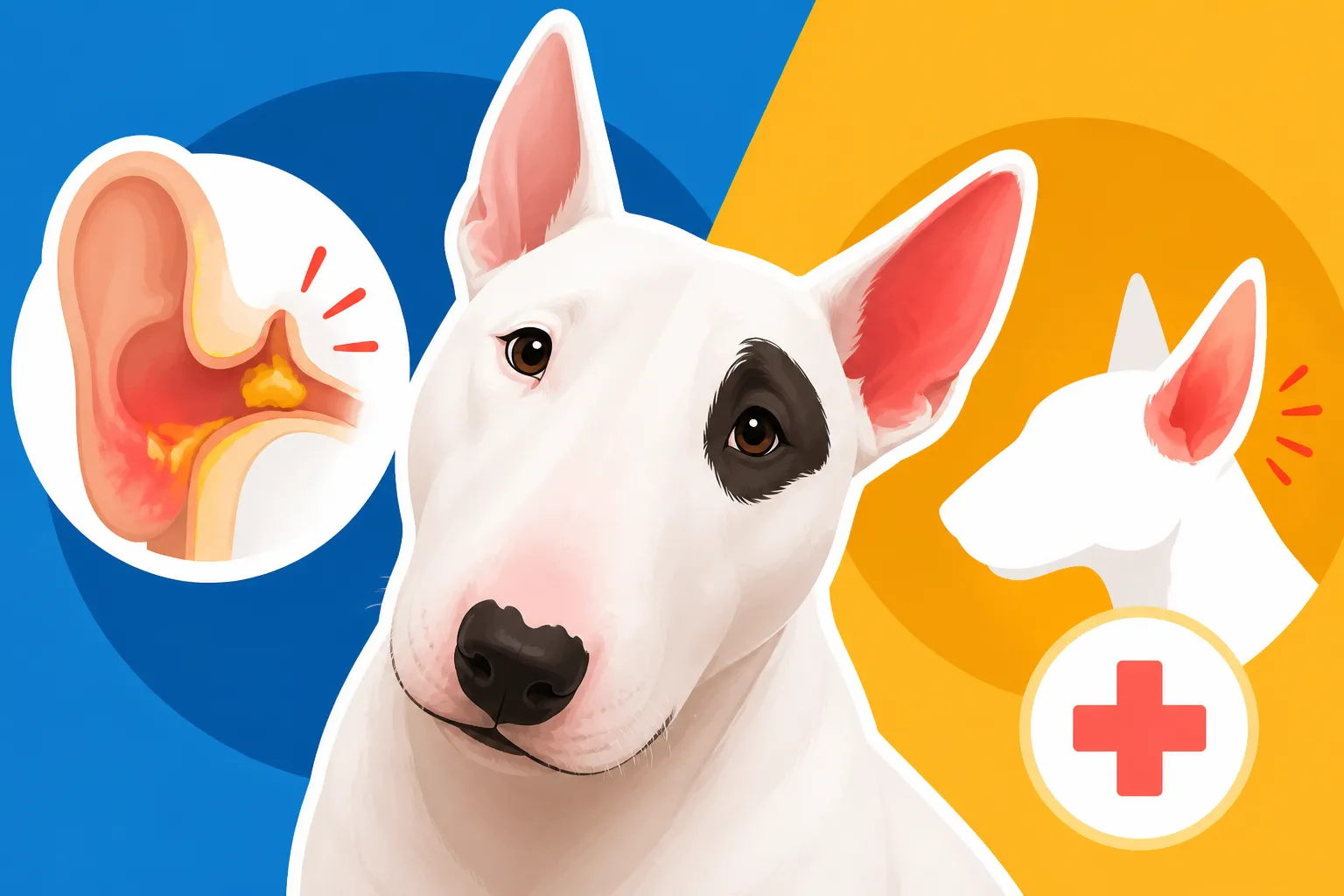
Bull Terriers, with their distinctive head shape and sometimes less-than-floppy ears, can absolutely get ear infections. While their erect ears might seem like they'd be less prone to problems than, say, a Cocker Spaniel's long, heavy ears, that's not always the case. There are several factors unique to our beloved bullies that can make them susceptible to ear woes, and often, it ties back to their overall skin health and genetic predispositions.
The Anatomy of a Bull Terrier's Ear Canal
Even with those upright, bat-like ears, a Bull Terrier's ear canal is still a warm, dark, and often humid environment. It takes a turn downward before it heads towards the eardrum, creating a perfect cul-de-sac where moisture, debris, and microorganisms can accumulate. This anatomical structure, combined with their active nature – running through tall grass, splashing in puddles – can easily introduce irritants. If your Bull Terrier loves to swim, which many do, moisture trapped deep in the canal becomes a prime breeding ground for bacteria and yeast, leading to uncomfortable and sometimes persistent infections. This is one of the reasons why understanding How Often a Bull Terrier's Ears Need Checking is so important.
Genetic Predispositions and Allergies
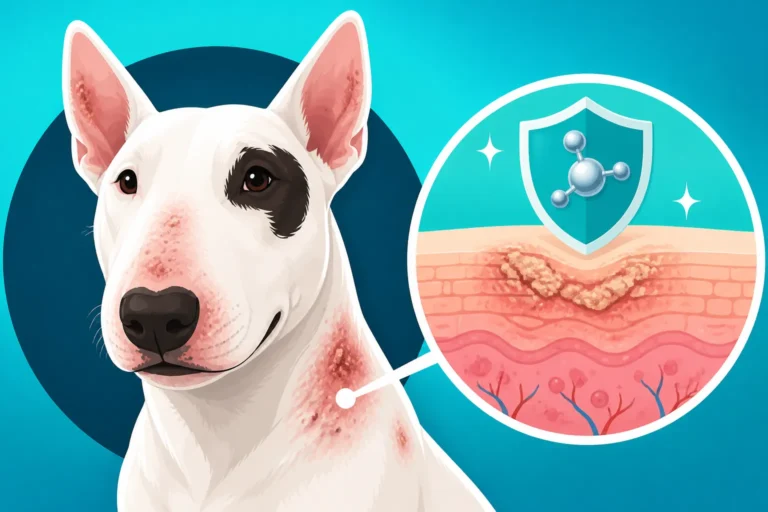
One of the biggest underlying causes of recurrent ear infections in Bull Terriers isn't just external factors, but often internal ones, linked directly to their genetics and immune system. Bull Terriers, particularly white ones, are often more prone to allergies and skin sensitivities than many other breeds. If you’ve ever found yourself wondering Whether a Bull Terrier Gets Skin Allergies, you'll know that their skin can be quite reactive. These allergies can manifest as ear infections, where the inflammation and irritation within the ear canal are just another symptom of a larger systemic issue, much like how their A Bull Terrier's Skin Is Its Weakest Point in general. The allergic reaction causes the ear canal to become inflamed, increasing wax production and altering the ear's microclimate, making it ripe for secondary bacterial or yeast overgrowth.
Types of Ear Infections Common in Bull Terriers
When your Bull Terrier develops an ear infection, it's typically one of three main culprits, or sometimes a combination. Knowing what you're dealing with can help you understand the vet's diagnosis and treatment plan, though self-diagnosing is never recommended.
Bacterial Infections
These are perhaps the most common type of ear infection in dogs. Bacteria, often naturally present in small numbers in the ear, can multiply rapidly when conditions are right – like when there's excess moisture, inflammation from allergies, or a foreign body. You might notice a strong, foul odor coming from the ear, along with yellow, green, or even brownish discharge. The ear canal itself will often be red, swollen, and very painful to the touch. These infections can be tricky because some bacteria are resistant to common antibiotics, requiring specific culturing and sensitivity testing to find the right treatment.
Yeast Infections
Yeast infections, primarily caused by Malassezia pachydermatis, are another frequent offender, especially in Bull Terriers with underlying allergies. They thrive in warm, moist environments, and an inflamed, waxy ear canal is their ideal home. A yeast infection typically presents with a very distinct, sweetish or musty odor – often described as smelling like corn chips or stale bread. The discharge is usually dark brown, waxy, and sometimes appears greasy. Your Bull Terrier might shake their head vigorously or scratch intensely at their ears, rubbing them on furniture or the ground in an attempt to alleviate the itch. These can also be a sign that they may be prone to a generalized skin sensitivity and you might need to reconsider Which Shampoo Suits a Bull Terrier's Skin.
Ear Mites
While less common in adult Bull Terriers that are well-cared for, ear mites (Otodectes cynotis) are tiny parasites that can cause intense itching and irritation, particularly in puppies or dogs acquired from shelters or rescues. If you're wondering How Often a Bull Terrier Gets Ear Mites, it's usually less frequent in established homes but can still happen. The classic sign of ear mites is a dark, crumbly discharge that looks a lot like coffee grounds. The itching is often severe, leading to head shaking, scratching, and sometimes even self-mutilation around the ears. Your vet will usually confirm mites by examining a sample of the ear discharge under a microscope. While easily treated, untreated mite infestations can lead to secondary bacterial or yeast infections due to the constant irritation and damage to the ear canal lining.
Recognizing the Signs and Getting a Diagnosis
Spotting an ear infection early is key to a faster recovery and preventing more serious complications. Your Bull Terrier can be pretty stoic sometimes, but ear pain is hard to hide.
Common Symptoms to Watch For
Our bullies are masters of subtle communication, but with ear infections, the signs can become quite obvious. Keep an eye out for:
- Head shaking: This is often the first and most noticeable sign. They might shake their head frequently and with force, trying to dislodge whatever is bothering them.
- Scratching at the ears: Intense scratching with a hind paw, sometimes to the point of redness or skin breakage around the ear flap.
- Foul odor: A distinctive, unpleasant smell emanating from the ear. As mentioned, yeast has a specific musty smell, while bacterial infections can be more putrid.
- Discharge: Visible gunk coming from the ear canal. This can range from dark brown and waxy to yellowish-green and pus-like.
- Redness and swelling: The inside of the ear flap and the opening of the ear canal may appear inflamed and swollen.
- Pain or sensitivity: Your Bull Terrier might yelp, flinch, or pull away if you try to touch their ear. They might even become head shy.
- Rubbing ears on surfaces: Dragging their ears along carpets, furniture, or the ground to relieve itching.
- Changes in behavior: They might seem lethargic, irritable, or less interested in play due to discomfort. Some might even hold their head tilted to one side.
If you notice any of these signs, don't wait. Early intervention can make a huge difference, not just for your Bull Terrier's comfort but also for preventing the infection from worsening and potentially damaging the eardrum.
The Veterinary Examination and Diagnostic Steps
When you bring your Bull Terrier in for suspected ear trouble, your veterinarian will conduct a thorough examination. This usually starts with a visual inspection of the external ear and ear canal. They'll use an otoscope, a special instrument with a light and magnifying lens, to look deep into the ear canal and check the eardrum. This helps them identify any foreign bodies, growths, excessive wax buildup, or damage to the eardrum.
A crucial step is often a cytology, which involves taking a swab of the ear discharge and examining it under a microscope. This allows the vet to identify whether the infection is bacterial, yeast, or both, and often gives clues about the specific type of bacteria. For chronic or stubborn infections, a culture and sensitivity test might be recommended. This involves sending a sample to a lab to grow the bacteria and determine which antibiotics will be most effective against them. Sometimes, especially if allergies are suspected, your vet might discuss further diagnostics or dietary changes. This could even lead to a referral to a specialist to consult with What a Bull Terrier's Dermatologist Charges.
Treatment and Ongoing Management
Once a diagnosis is made, your vet will prescribe the appropriate treatment. It’s vital to follow their instructions carefully, even if your Bull Terrier seems to be improving quickly. Stopping medication too soon can lead to a relapse.
Medications and Cleaning Protocols
Treatment usually involves a combination of cleaning and medication. Your vet will likely clean your Bull Terrier's ears thoroughly in the clinic to remove all the gunk, allowing the topical medications to work effectively. They'll then show you how to continue cleaning at home. This is especially important for How to Clean a Bull Terrier's Erect Ear if it's painful or sensitive.
Topical ear medications, which are drops or ointments applied directly into the ear canal, are very common. These often contain a combination of antibiotics, antifungals, and anti-inflammatory steroids to tackle bacteria, yeast, and reduce swelling and pain simultaneously. For severe or widespread infections, oral antibiotics or antifungals might be prescribed. If ear mites are the cause, specific parasiticides will be used. Pain relief, either topical or oral, might also be given to help your Bull Terrier feel more comfortable during recovery.
It's absolutely critical to complete the full course of medication, even if the ear looks and smells better after a few days. Stopping early can leave behind residual infection, allowing it to flare up again, often more resistant than before. Your vet will usually schedule a follow-up appointment to ensure the infection has cleared completely.
Addressing Underlying Causes
Treating the infection itself is only half the battle. For many Bull Terriers, ear infections are a symptom of a larger problem, often allergies. If your Bull Terrier suffers from recurrent ear infections, your vet will want to investigate the root cause. This could involve:
- Dietary changes: Food allergies are a common trigger for skin and ear problems. Your vet might recommend a novel protein or hydrolyzed protein diet trial to identify and eliminate dietary allergens. Brands like Royal Canin, Hill's Prescription Diet, and Purina Pro Plan Veterinary Diets offer excellent options.
- Environmental allergy management: If environmental allergens (pollen, dust mites, mold) are suspected, strategies might include regular bathing, air purifiers, special bedding, or even allergy testing and immunotherapy (allergy shots).
- Hypothyroidism screening: Though less common, an underactive thyroid can sometimes lead to skin and ear issues. If your vet suspects Whether a Bull Terrier Gets Hypothyroidism, they might recommend a blood test.
- Regular maintenance: Even after an infection clears, some Bull Terriers with predispositions may need ongoing preventive ear cleaning with a vet-approved solution to keep the ear canal healthy and free of buildup.
This proactive approach is crucial, because simply treating the infection without addressing the underlying cause means it's likely to return, causing chronic discomfort for your dog and ongoing vet bills for you. Having a good pet insurance plan, like one from Healthy Paws, can be a real lifesaver when dealing with chronic conditions.
Prevention is Key: Keeping Those Ears Healthy
An ounce of prevention is truly worth a pound of cure when it comes to Bull Terrier ear health. Establishing a routine can save you a lot of heartache and vet visits down the line.
Routine Ear Cleaning and Inspection
Regular ear care is perhaps the most powerful tool in your prevention arsenal. Aim to check your Bull Terrier's ears weekly. Look for any redness, swelling, discharge, or unusual odors. Gently lift the ear flap and visually inspect the canal opening.
If the ears look a little dirty but not inflamed or smelly, you can use a vet-approved ear cleaner. Apply the cleaner into the ear canal (following product instructions), massage the base of the ear to help break up wax, and then wipe away any excess with a cotton ball or soft tissue. Never use cotton swabs deep inside the ear, as this can push debris further down or damage the eardrum. Avoid over-cleaning, as this can irritate the delicate skin in the ear canal. For more comprehensive insights into maintaining their overall well-being, you might want to look into What Care a Bull Terrier Needs Its Whole Life.
Managing Moisture and Allergies
Moisture is the enemy of healthy ears, especially after baths or swimming. Always ensure your Bull Terrier's ears are thoroughly dried after they get wet. You can use cotton balls to gently absorb excess water from the outer ear canal, or even a low-setting hairdryer held at a safe distance. For Bull Terriers prone to moisture-related issues, ask your vet about a drying ear solution to use after water exposure.
If you know your Bull Terrier has allergies, diligent management is essential. This could mean keeping them away from known triggers, consistent use of prescribed allergy medications, regular bathing with appropriate shampoos, and sticking to any special diets. Remember, Healthy Paws can help cover the costs of these ongoing treatments if the allergies aren't considered pre-existing conditions when you enroll your dog. Prevention strategies, even for chronic conditions, can greatly improve your Bull Terrier's quality of life.
When to Consult Your Veterinarian
Sometimes, despite your best efforts at prevention and home care, ear issues can still arise or persist. Knowing when to get professional help is crucial.
Red Flags That Require Immediate Veterinary Attention
While mild irritation might resolve with a good cleaning and some careful monitoring, certain symptoms warrant an immediate trip to the vet. Don't delay if you notice:
- Sudden onset of severe pain: If your Bull Terrier cries out when you approach their ear, or acts aggressively when you try to touch it.
- Head tilt or loss of balance: This can indicate a middle or inner ear infection, which can affect their equilibrium and be quite serious.
- Rapid swelling or discharge: If the ear becomes significantly swollen very quickly, or there's a sudden increase in pus-like discharge.
- Bleeding from the ear: Any blood is a cause for concern and needs immediate veterinary assessment.
- Non-response to previous treatment: If an ear infection was treated, but the symptoms return quickly or don't improve.
- Fever or lethargy: These could be signs of a systemic infection, meaning it's spreading beyond the ear.
Ear infections, especially if left untreated, can lead to chronic pain, hearing loss, and even neurological issues. It’s always better to be safe and have your Bull Terrier checked by a professional. Don't try to treat severe symptoms at home with over-the-counter remedies, as many human products are not safe or effective for dogs, and some can even cause further damage. A trusted veterinarian is your best resource for keeping your Bull Terrier’s ears healthy and happy.
| Symptom | Possible Cause (Common) | Recommended Action |
|---|---|---|
| Head Shaking | Allergies, Mites, Pain | Vet check, especially if persistent |
| Foul Odor | Yeast, Bacteria | Vet visit for diagnosis and treatment |
| Dark, Waxy Discharge | Yeast, Mites | Vet visit for cytology, often topical meds |
| Yellow/Green Pus-like | Bacterial | Urgent vet visit, likely antibiotics |
| Redness/Swelling | Inflammation, Infection | Vet check, pain relief might be needed |
| Pain on Touching Ear | Infection, Trauma | Vet check, gentle handling, no self-medication |
| Head Tilt/Balance Loss | Inner Ear Infection | Emergency Vet Visit |
| Coffee-ground Discharge | Ear Mites | Vet diagnosis, antiparasitic ear drops |
| Rubbing Ears | Itching, Irritation | Check for mild irritants, persistent -> vet |
Disclaimer
The information provided in this article is for general informational purposes only and is not intended as a substitute for professional veterinary advice. Always consult with a qualified veterinarian for any health concerns or before making any decisions related to your Bull Terrier's health or treatment.